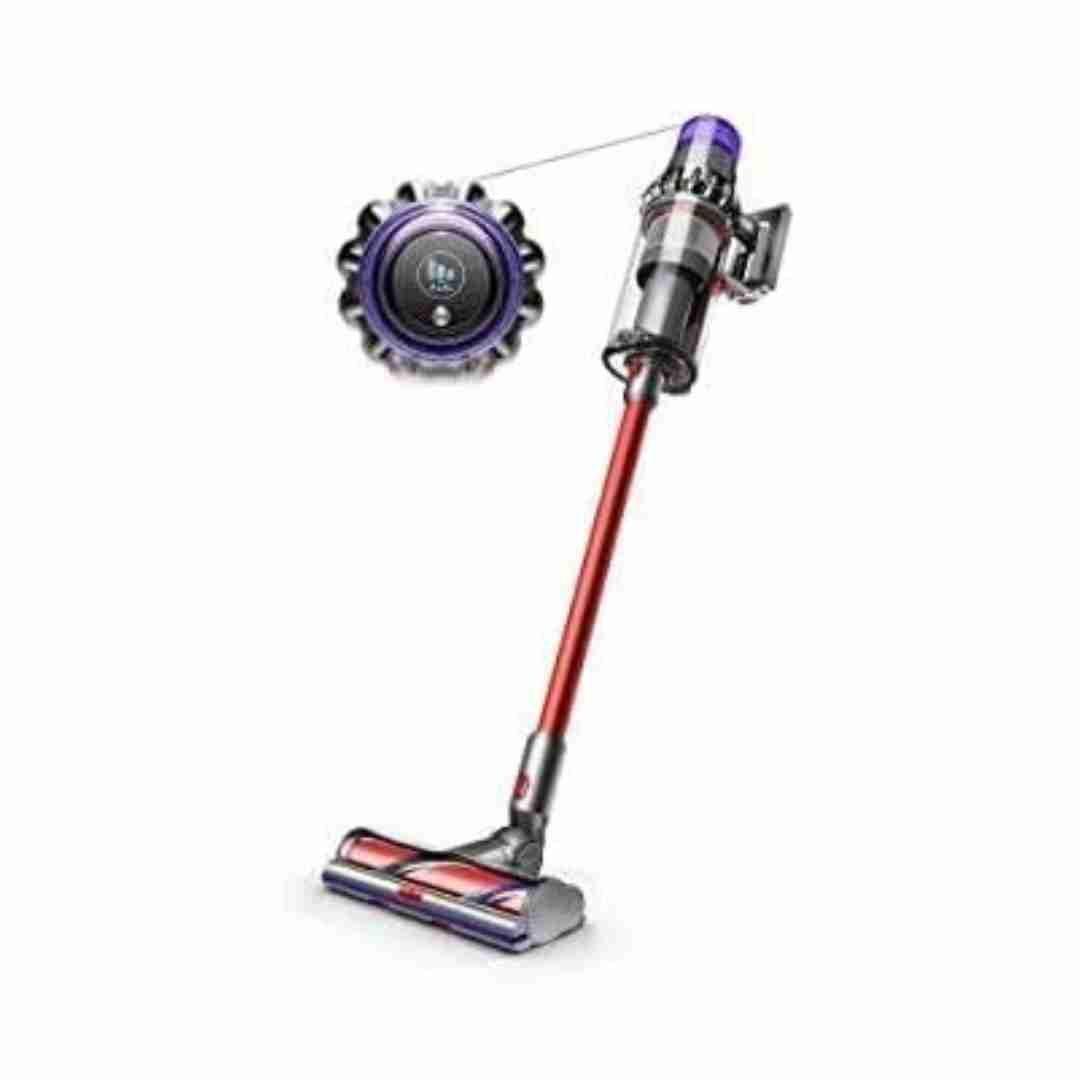
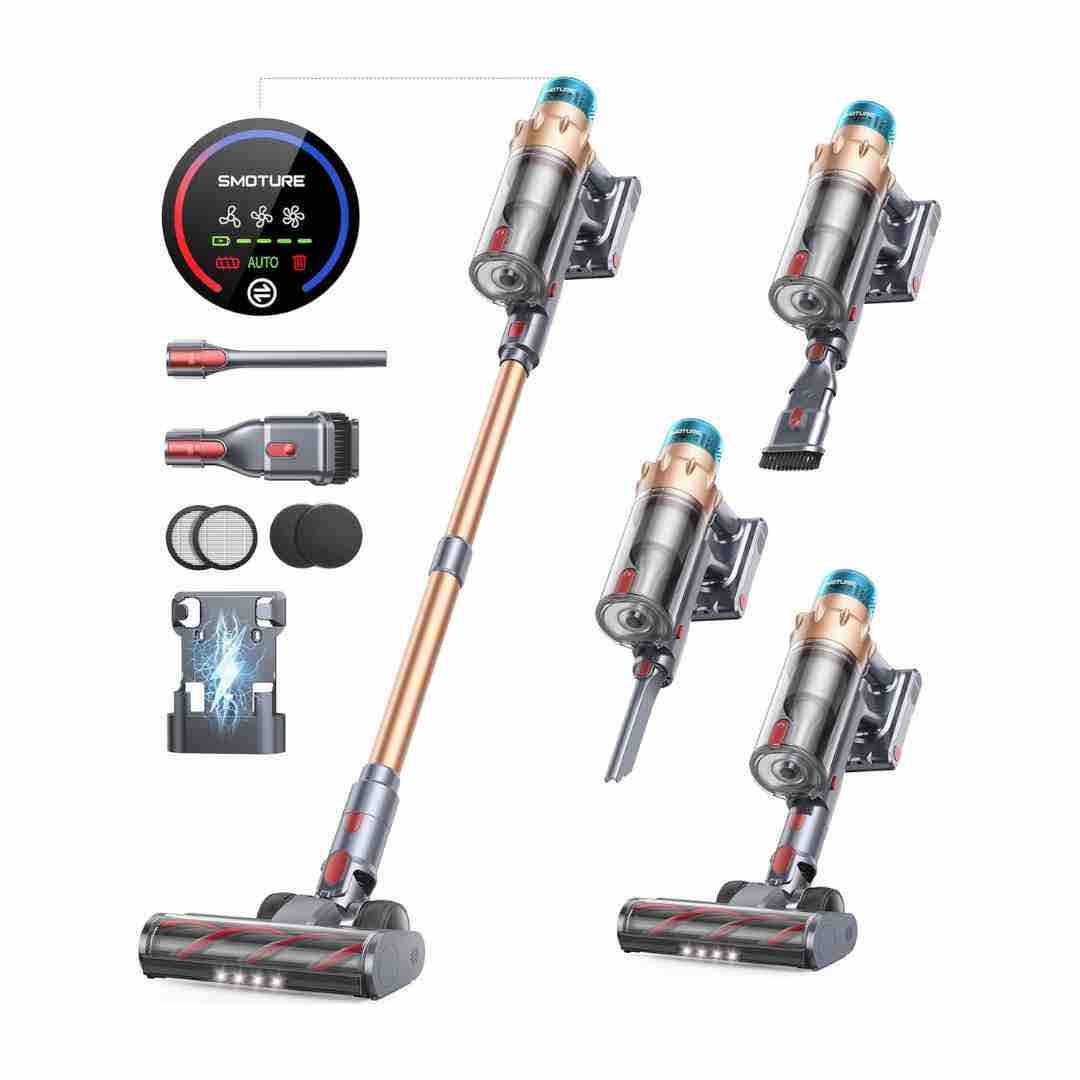
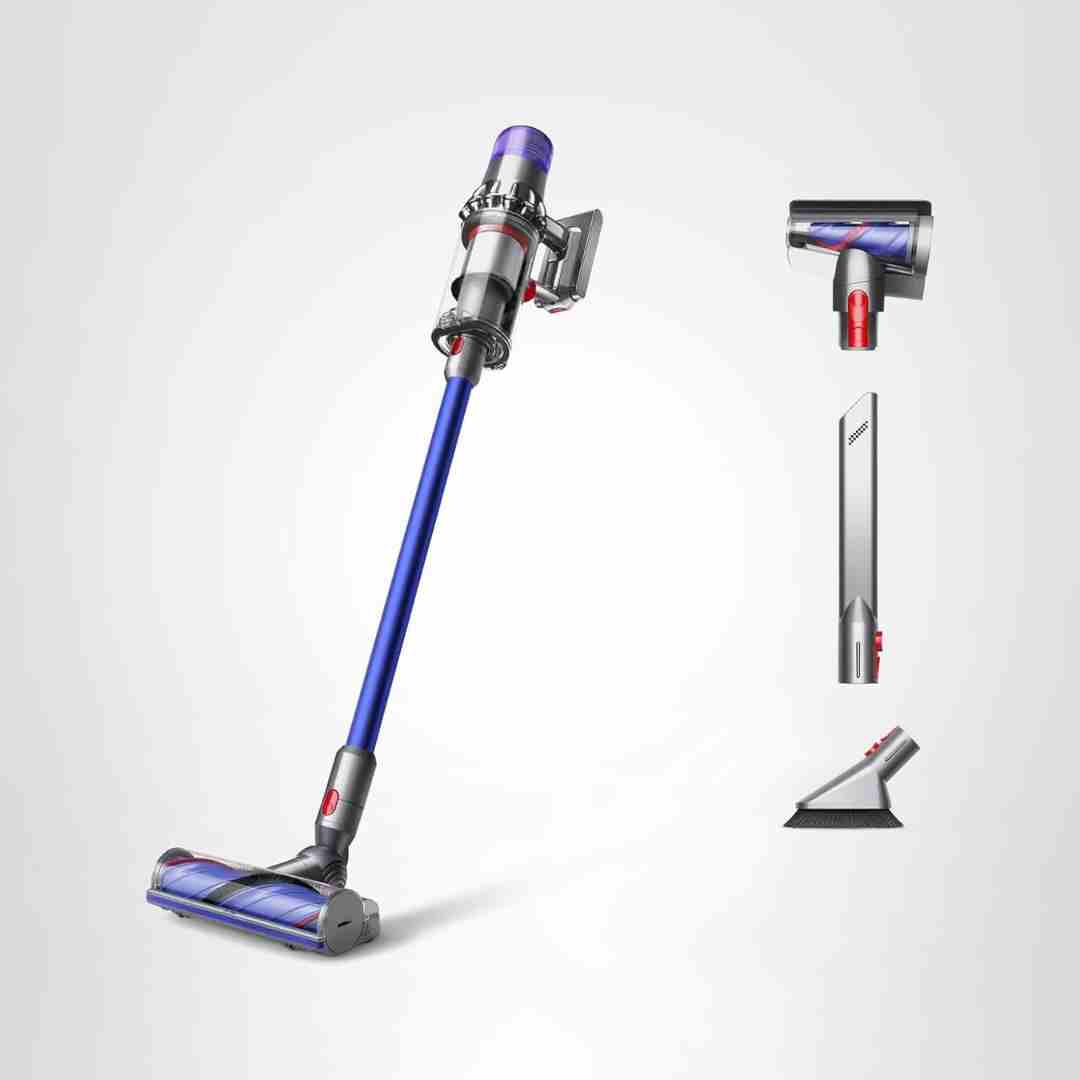
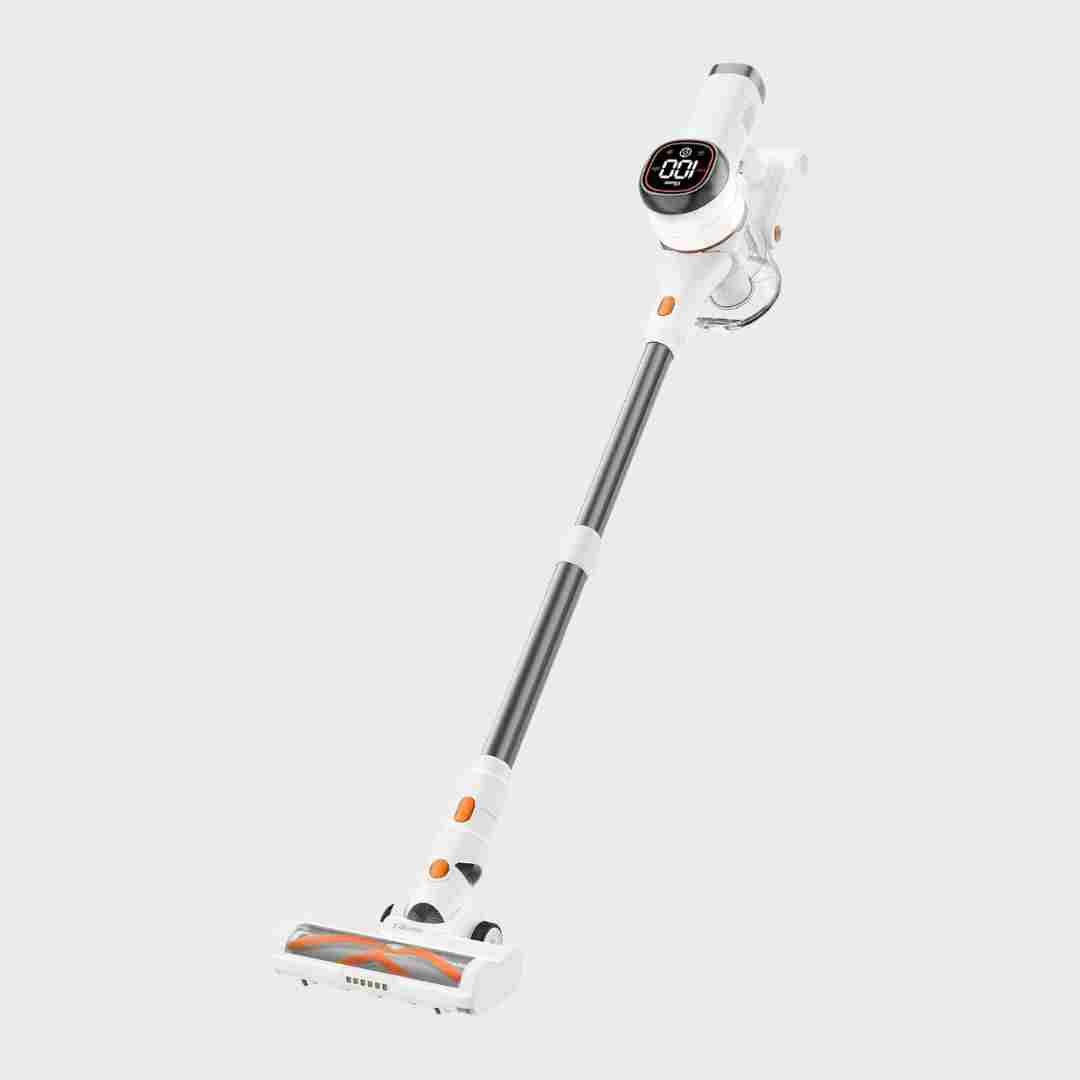
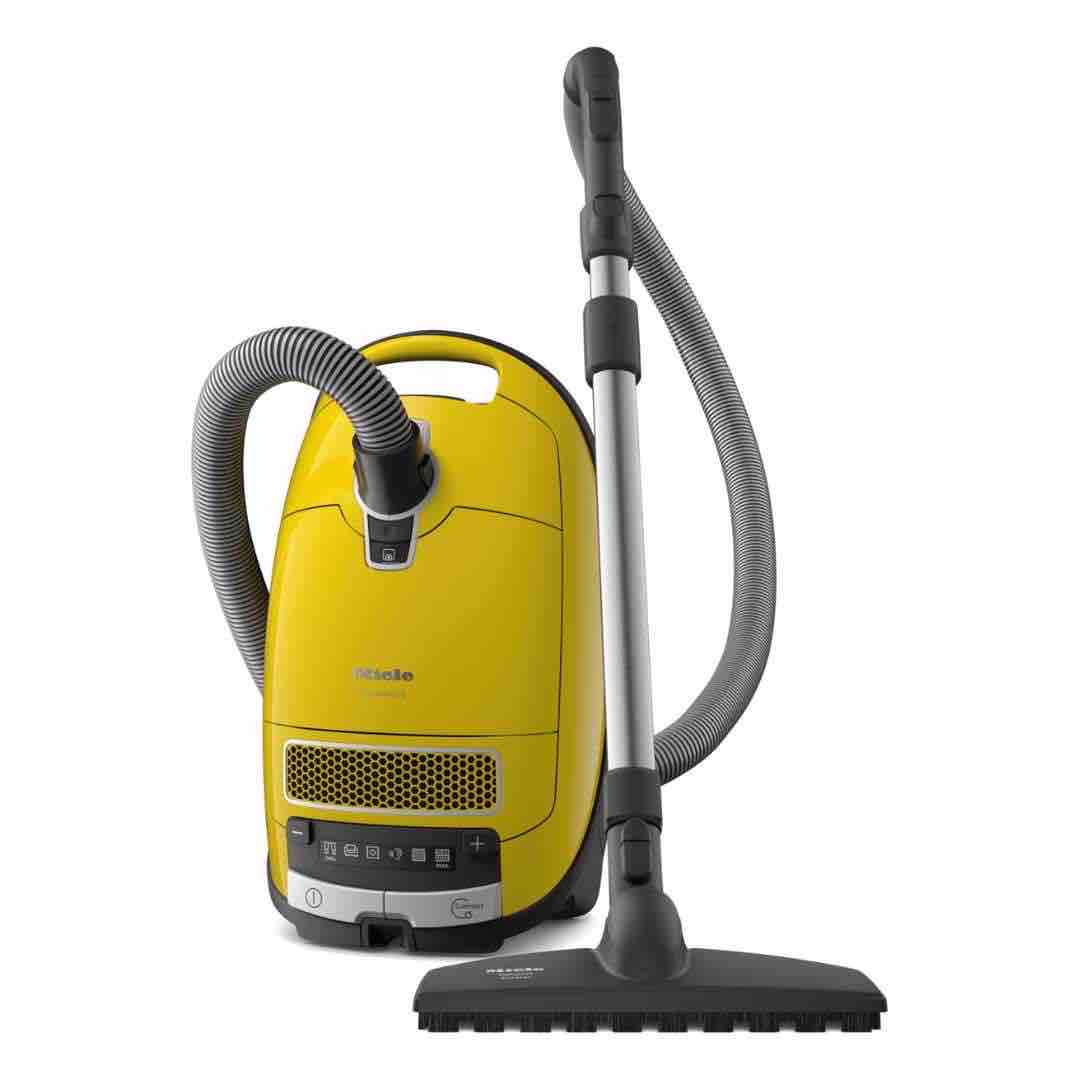
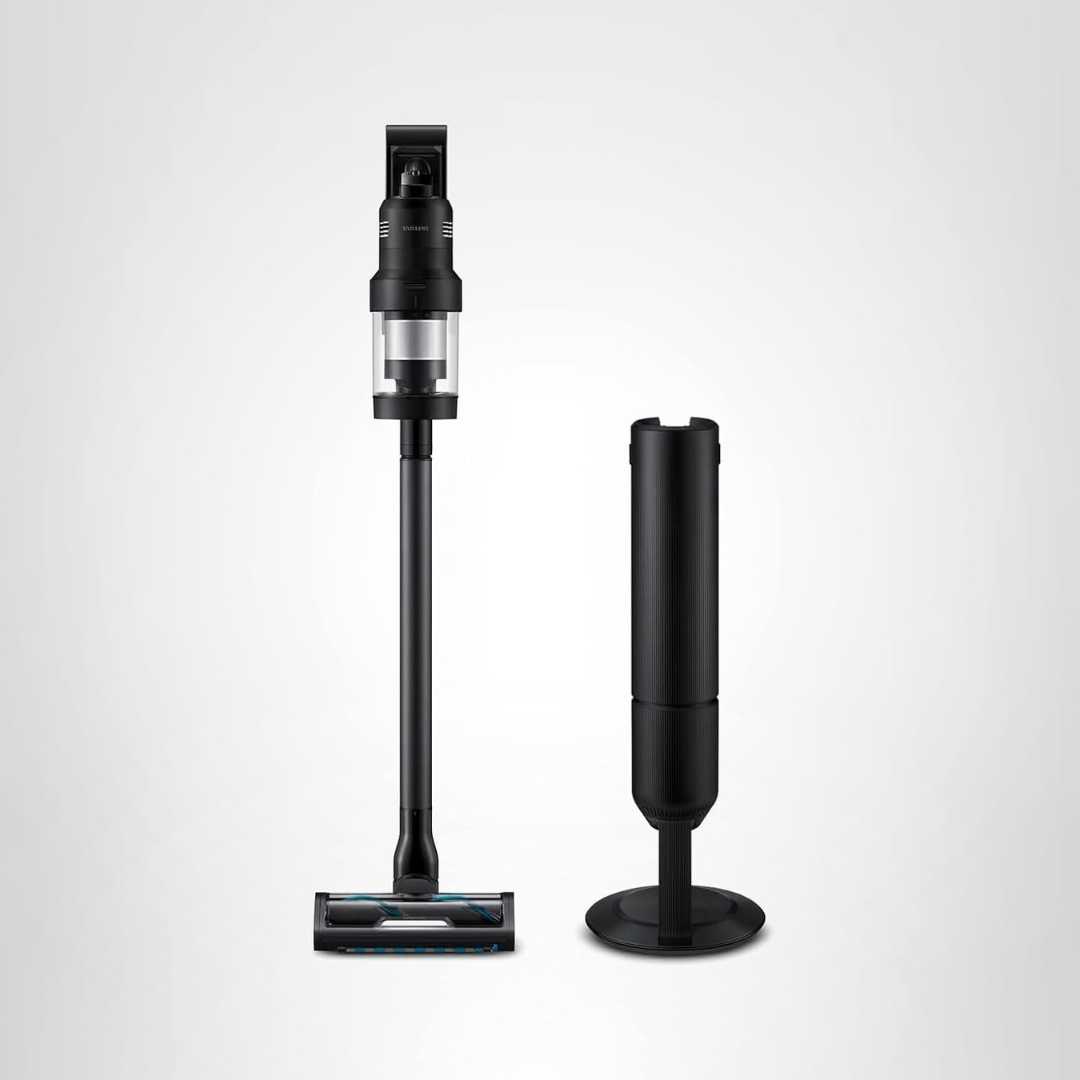
The oversized bin is repeatedly praised for reducing how often you have to empty, making it better suited to large homes. The downside noted in multiple reviews is added bulk and a top-heavy feel compared with slimmer stick vacuums.
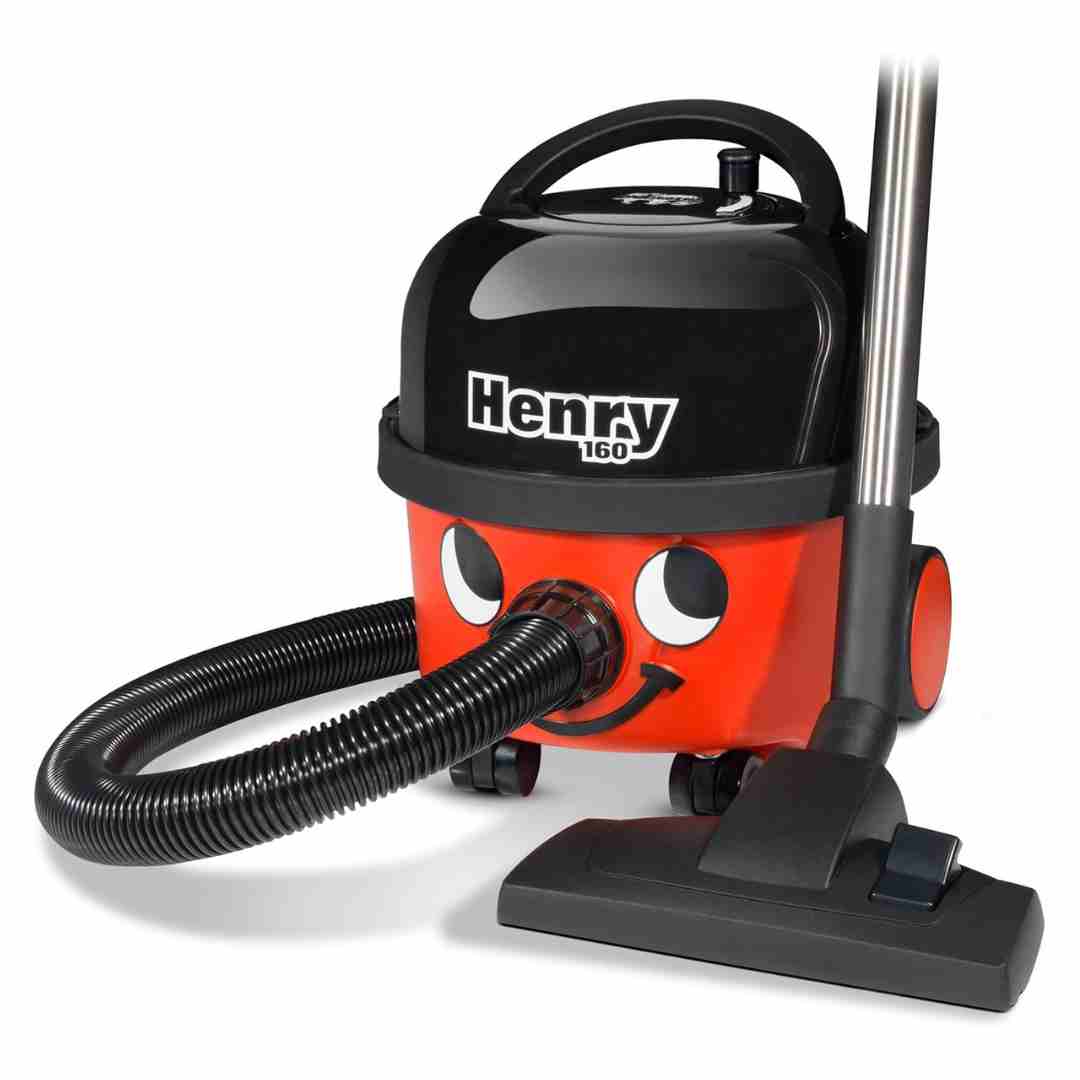
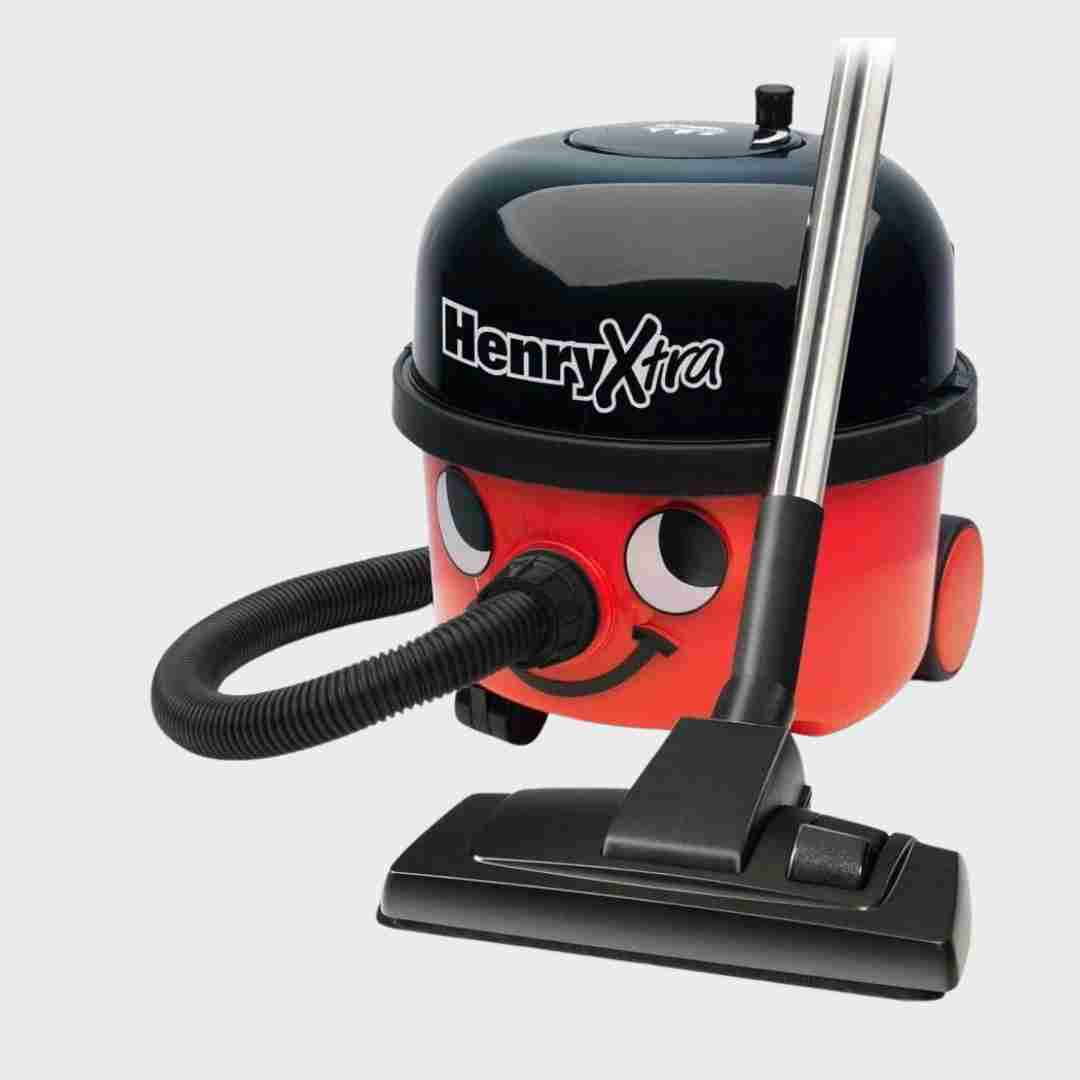
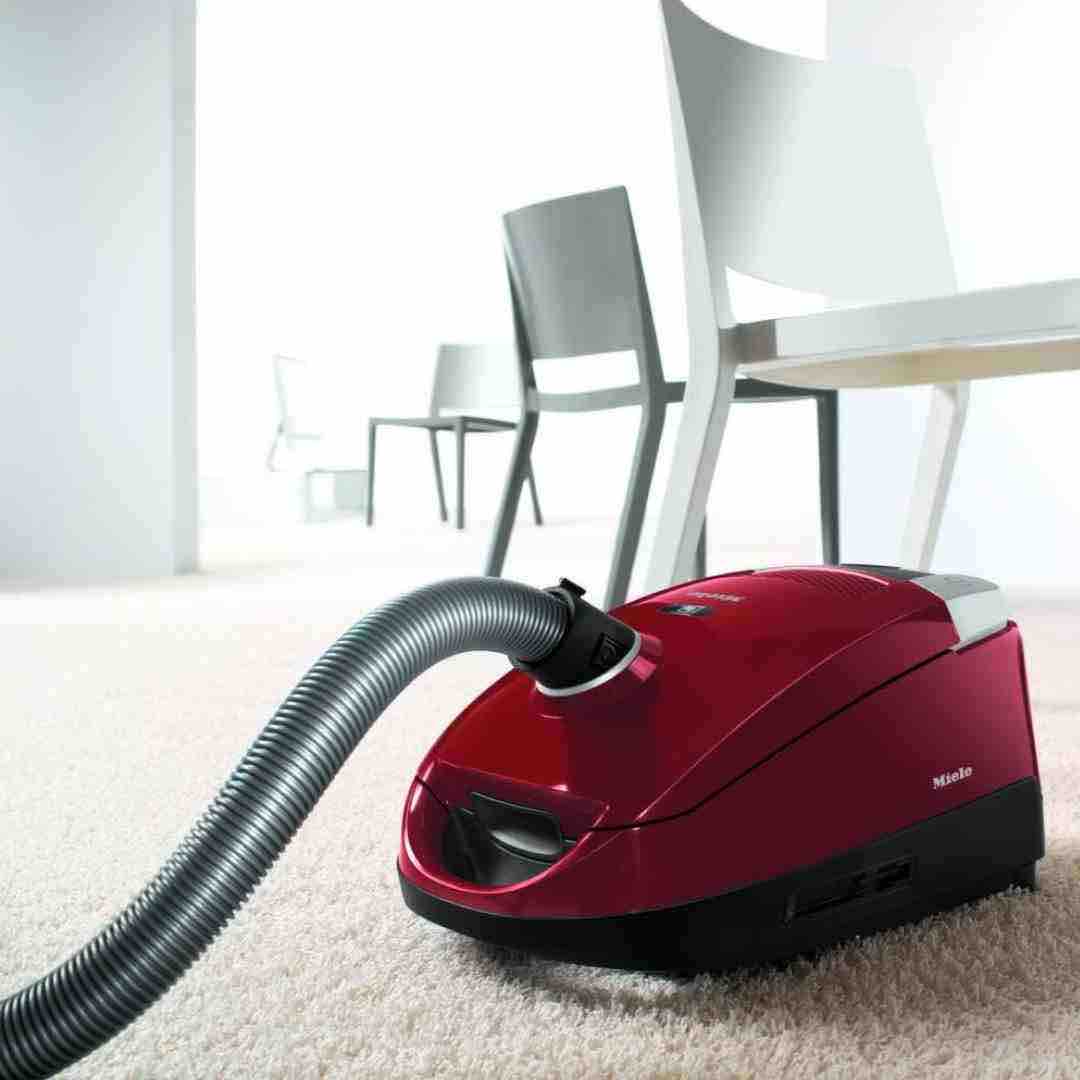
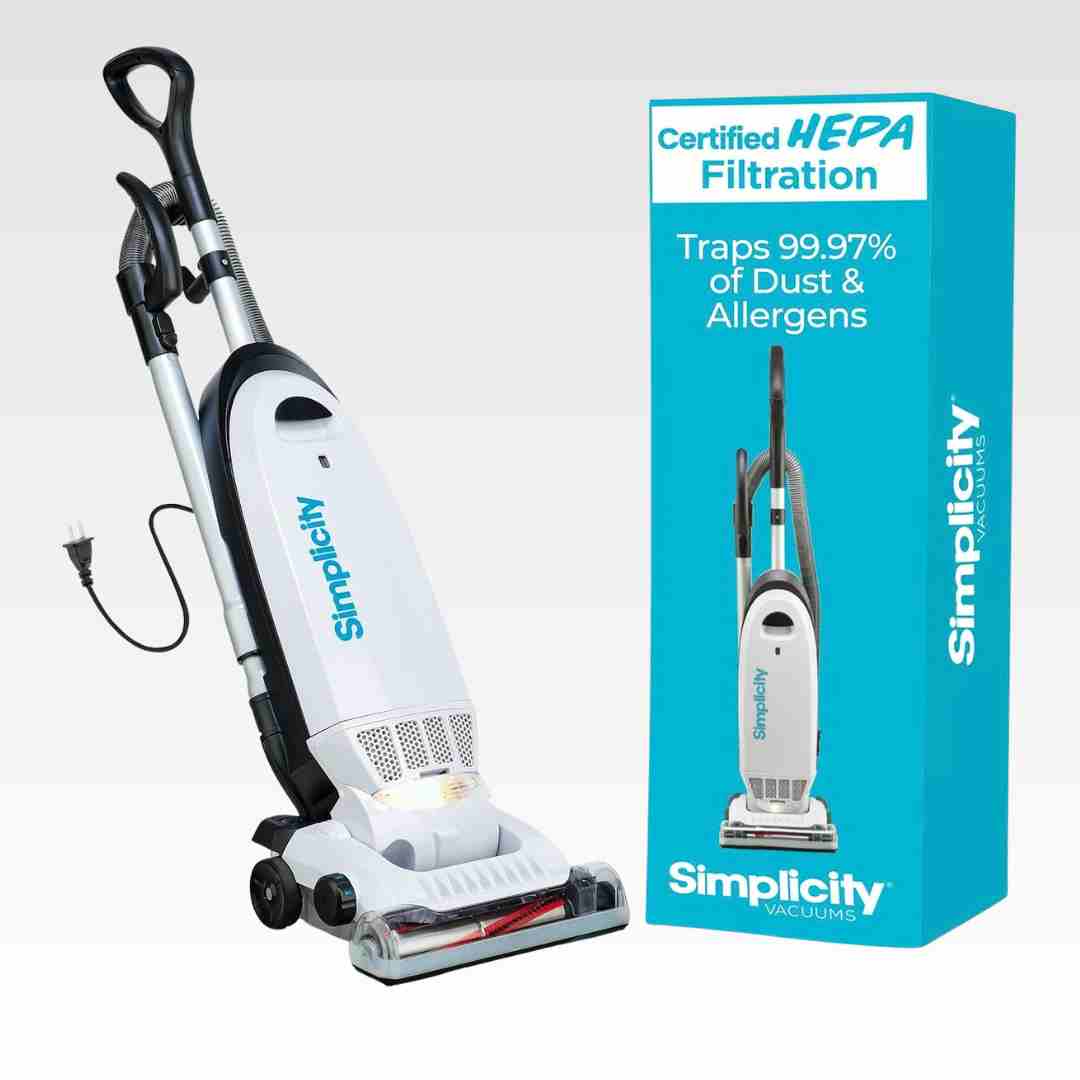
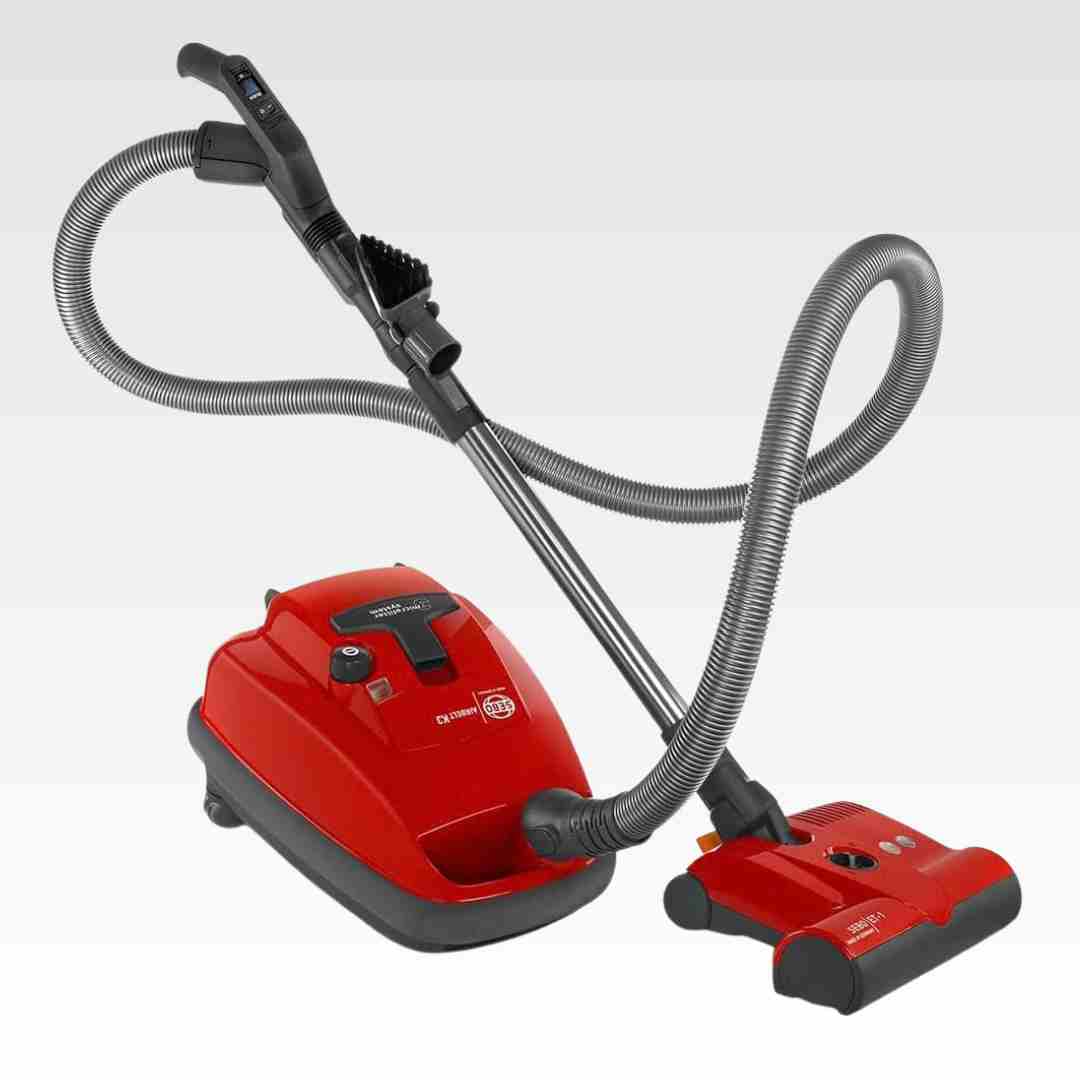
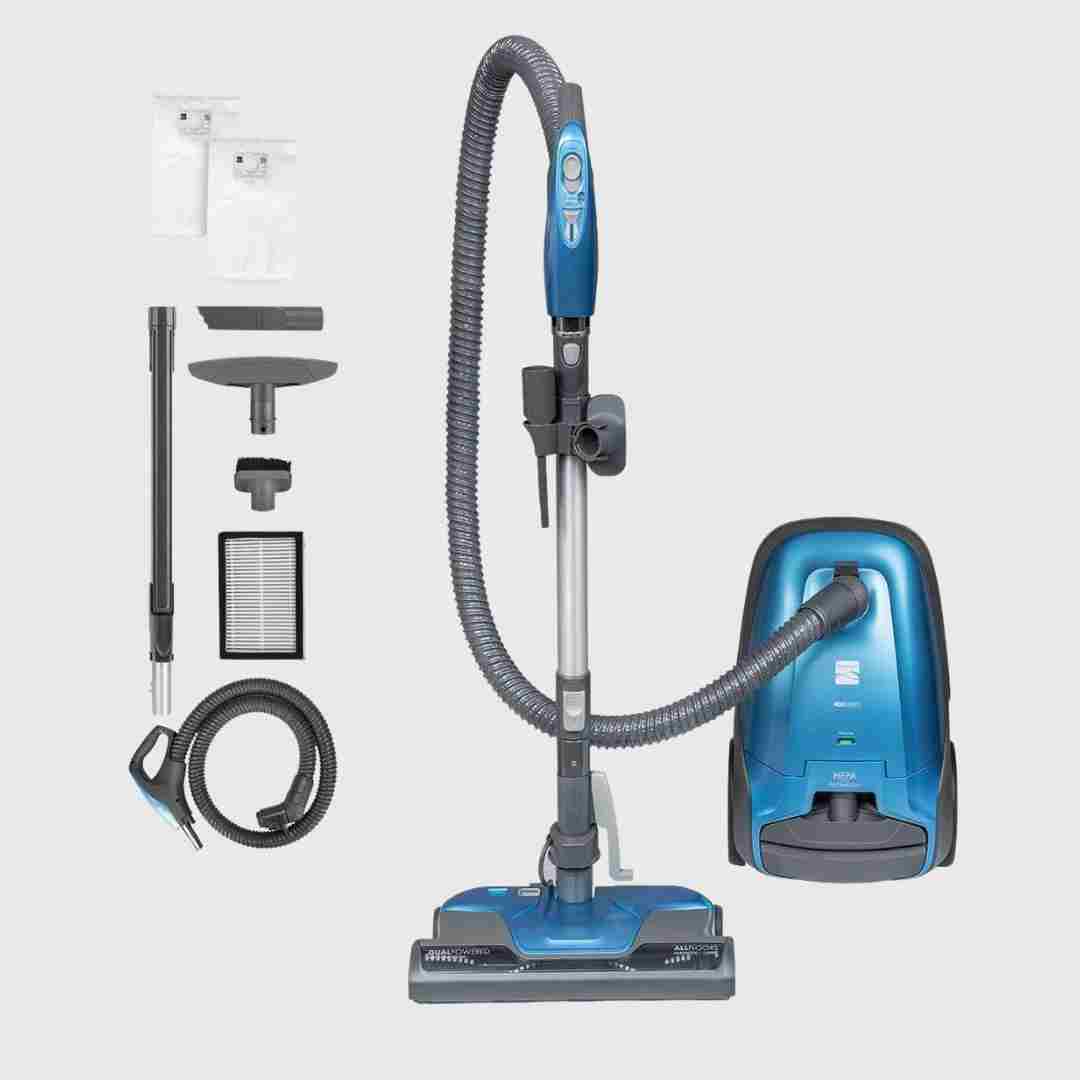
The 6L bagged system is highlighted as a major advantage: large capacity, easy swaps, and no messy dust-cloud emptying. Several reviewers note the high-flow bags don’t noticeably choke suction as they fill.
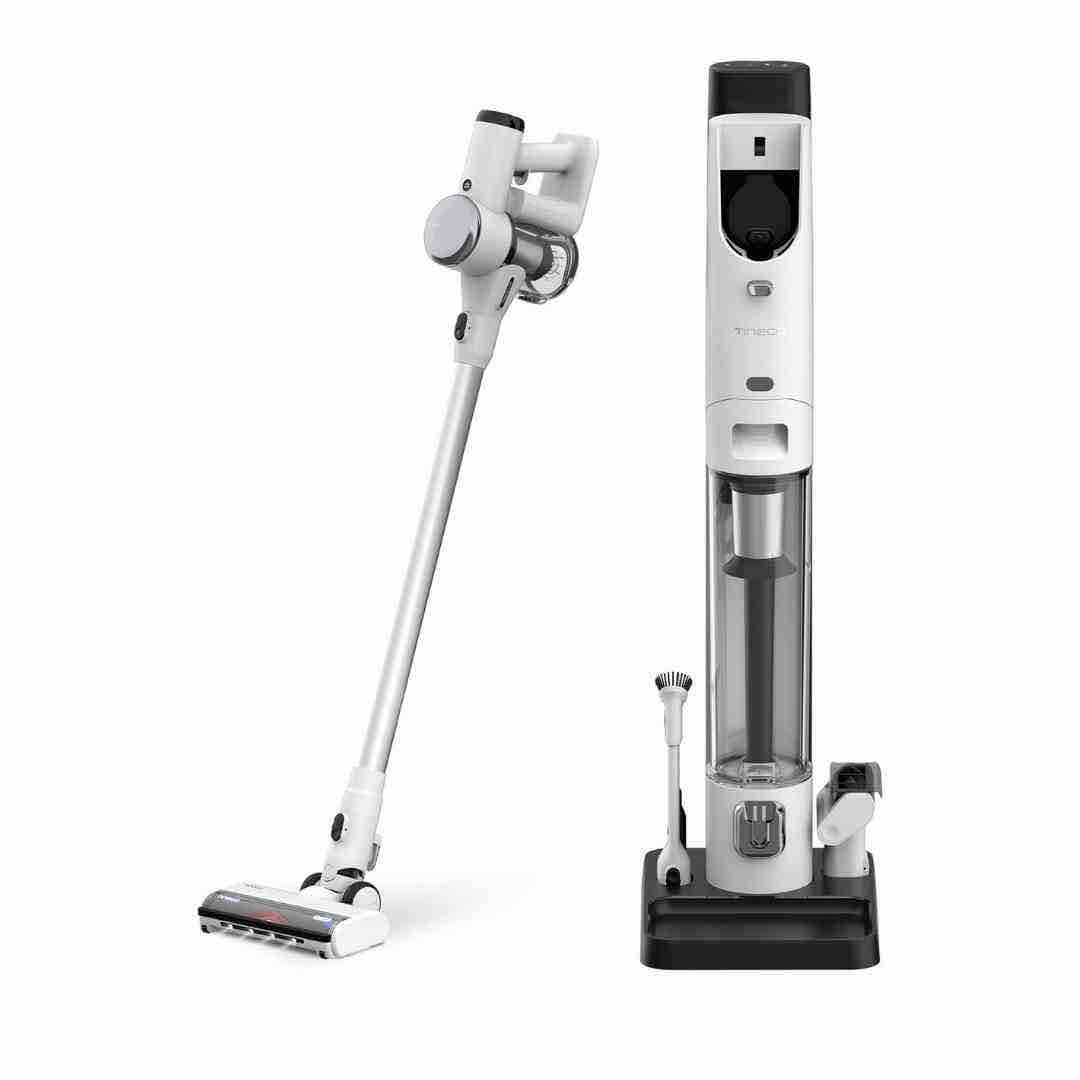
The small onboard bin is offset by a large bagless base canister (around 3L) meant to store weeks of debris, though a few reviews mention hair or dust clumps sometimes sticking near the bin door/filter area after emptying.
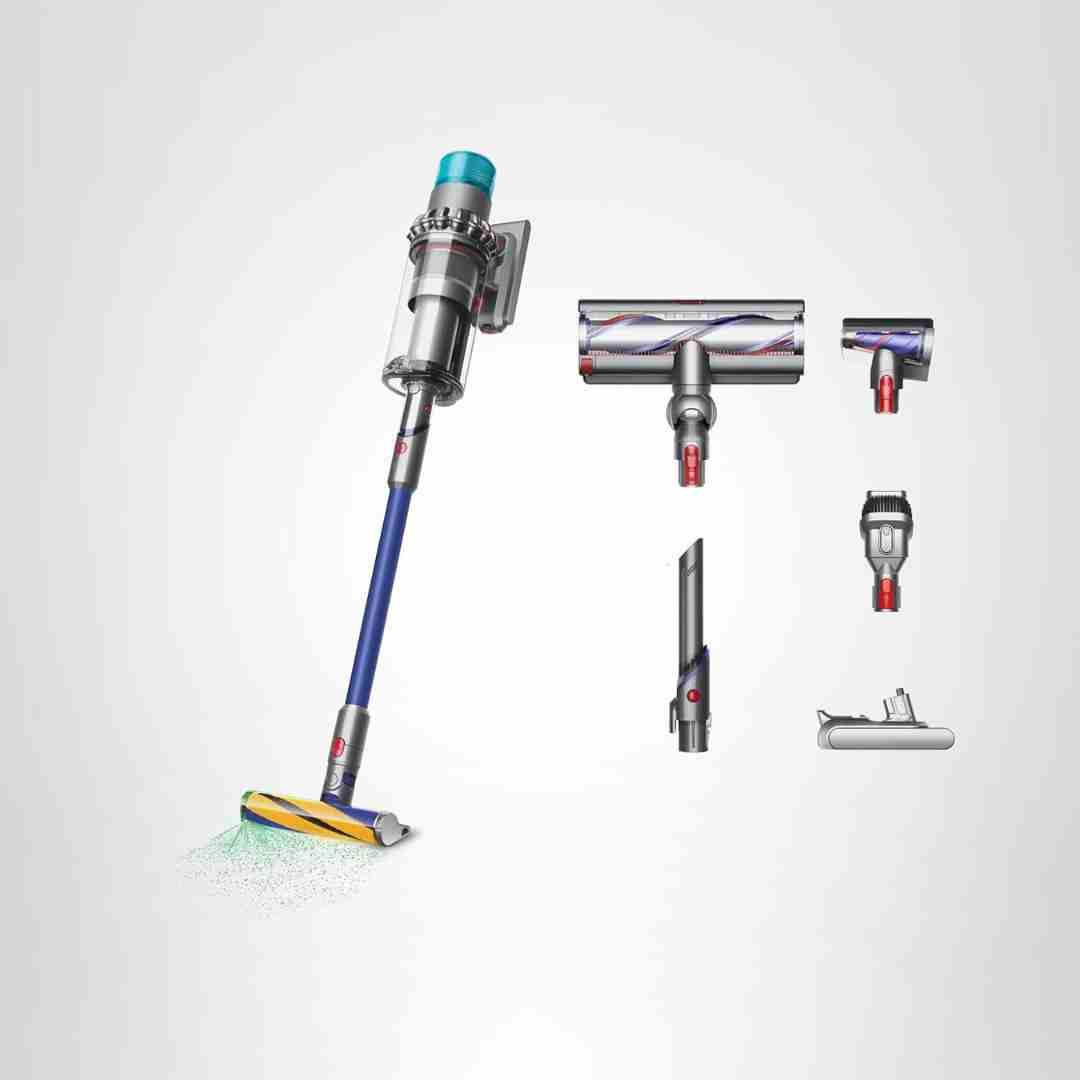
The larger 0.5-gallon (about 1.9 L) bin is a core Outsize advantage and reduces how often you need to empty during large cleans. The tradeoff is added bulk, and a few reviewers note that runtime may end before the bin fills for some households.
A larger-than-average onboard bin and a sealed bag in the dock reduce frequent emptying. The system is generally effective for routine debris, with occasional edge cases around evacuation behavior and hair buildup.
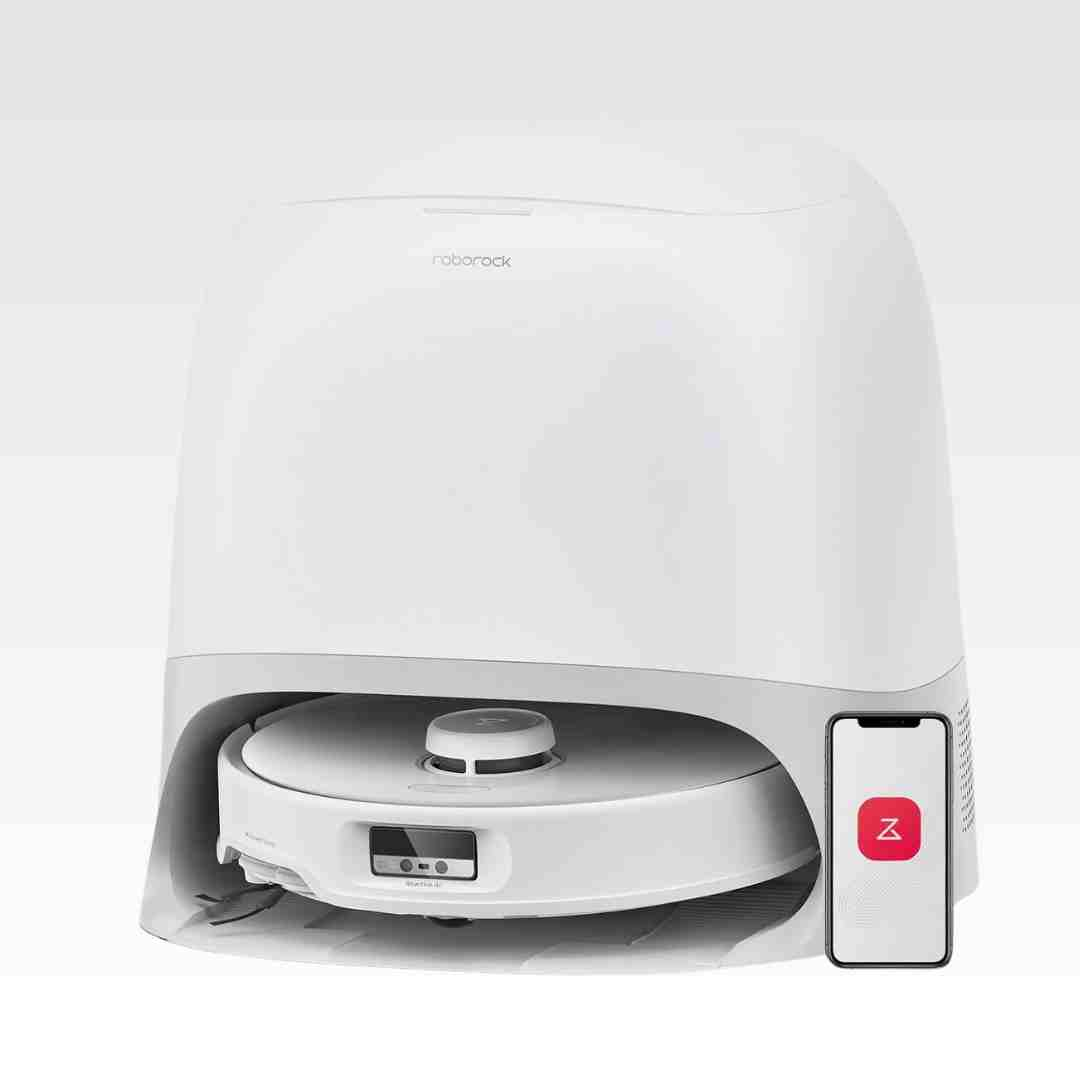
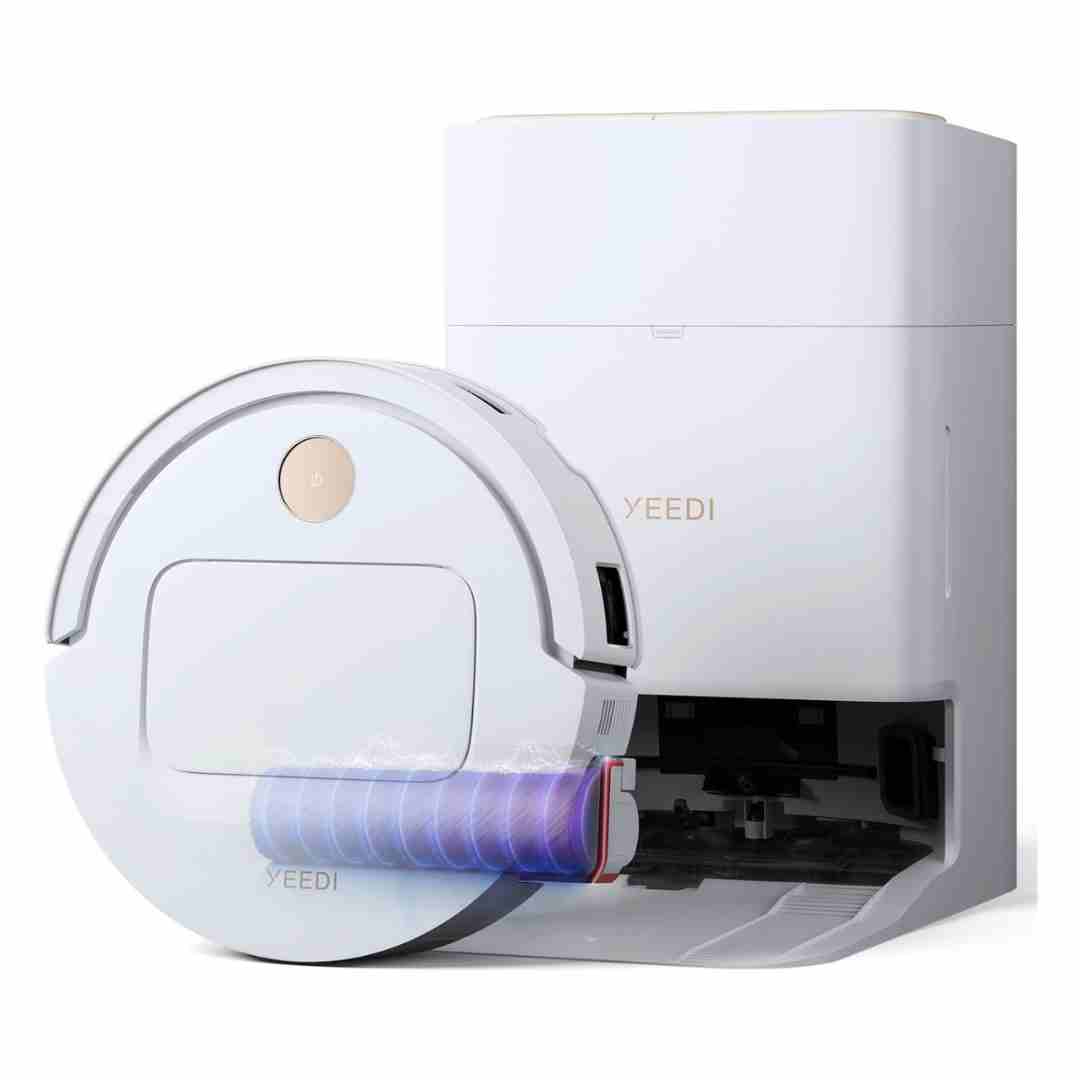
The bagged dock system is praised for cleanliness and low-touch disposal, typically lasting weeks to around two months depending on shedding and home size. Internal bin is small but rarely needs manual emptying thanks to frequent auto-empty cycles.
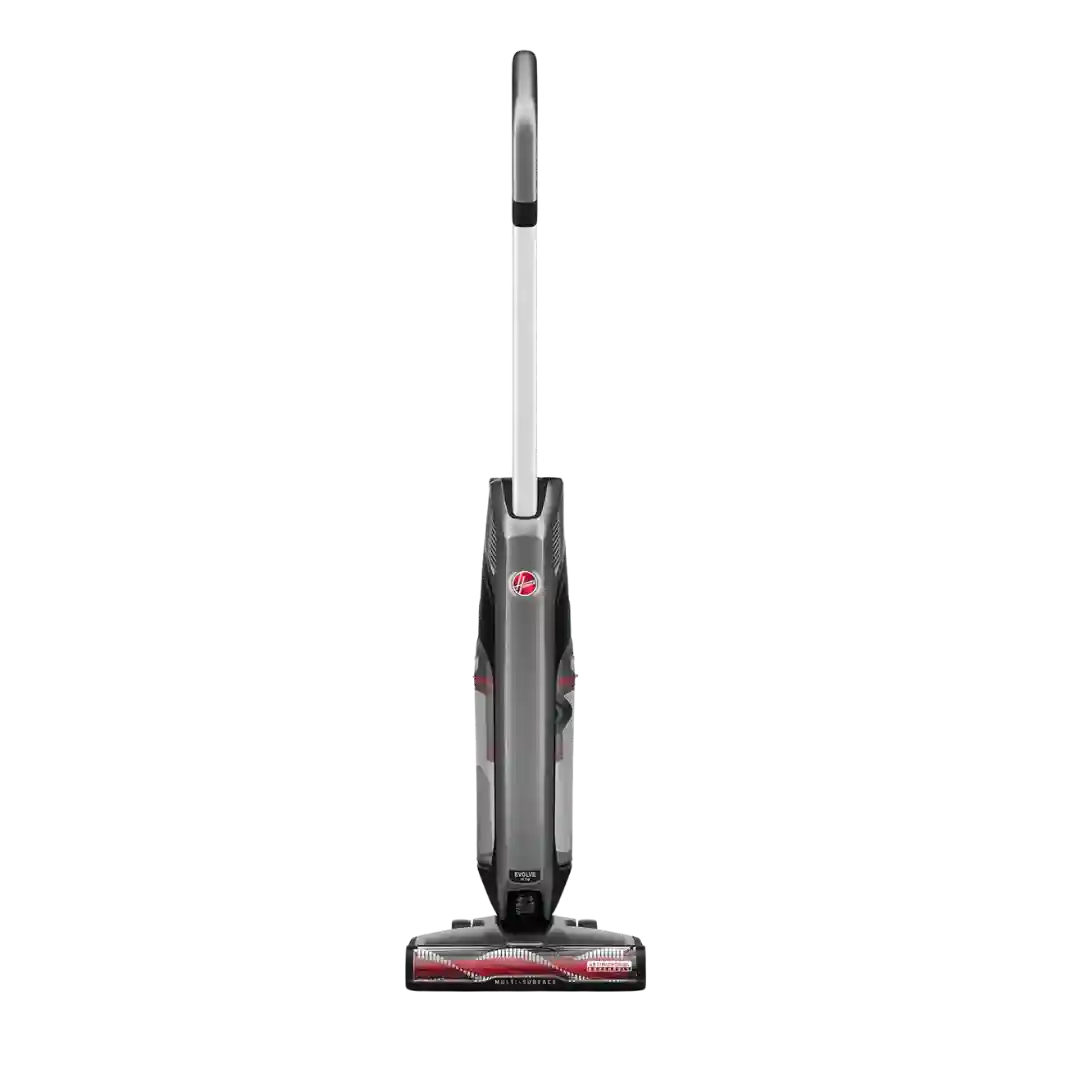
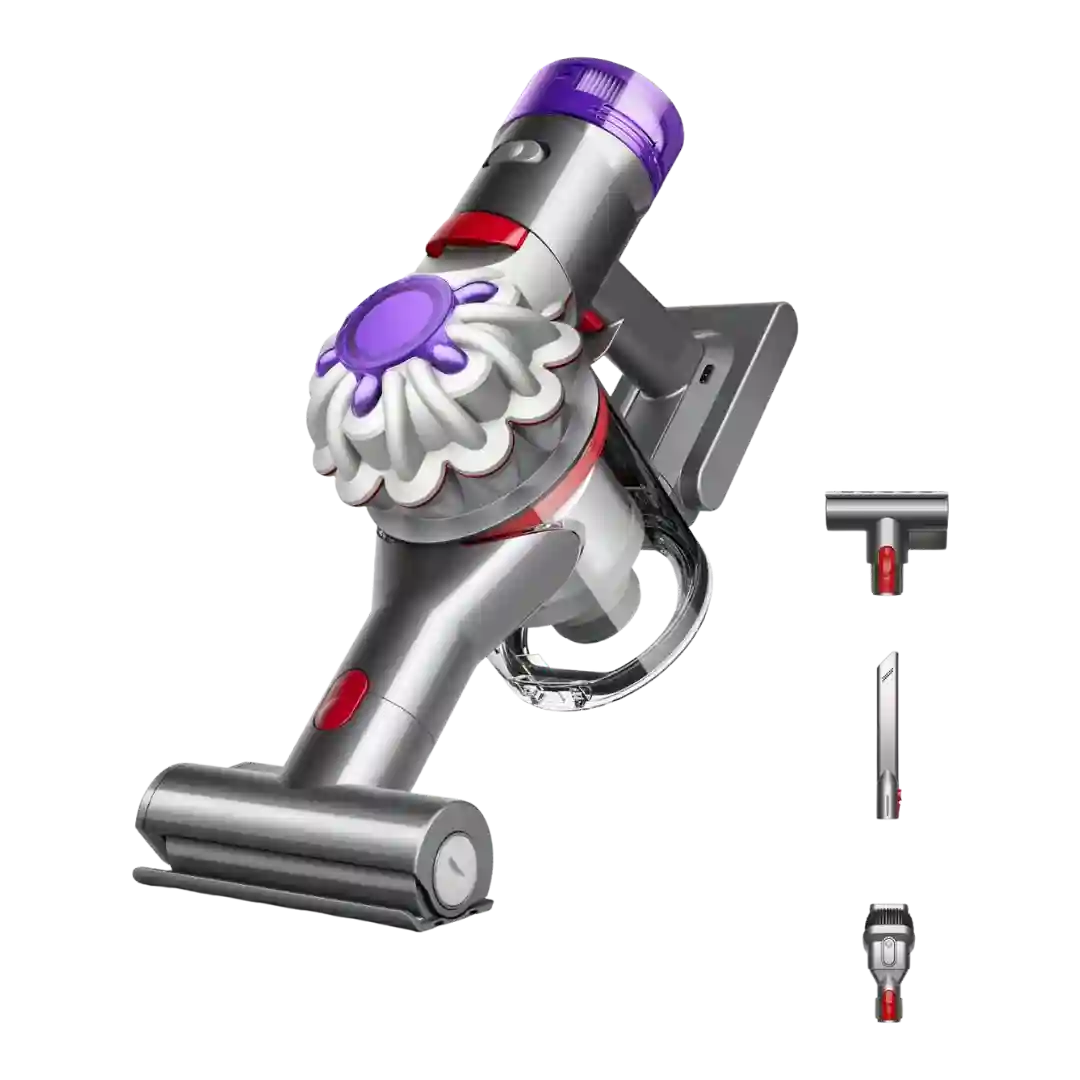
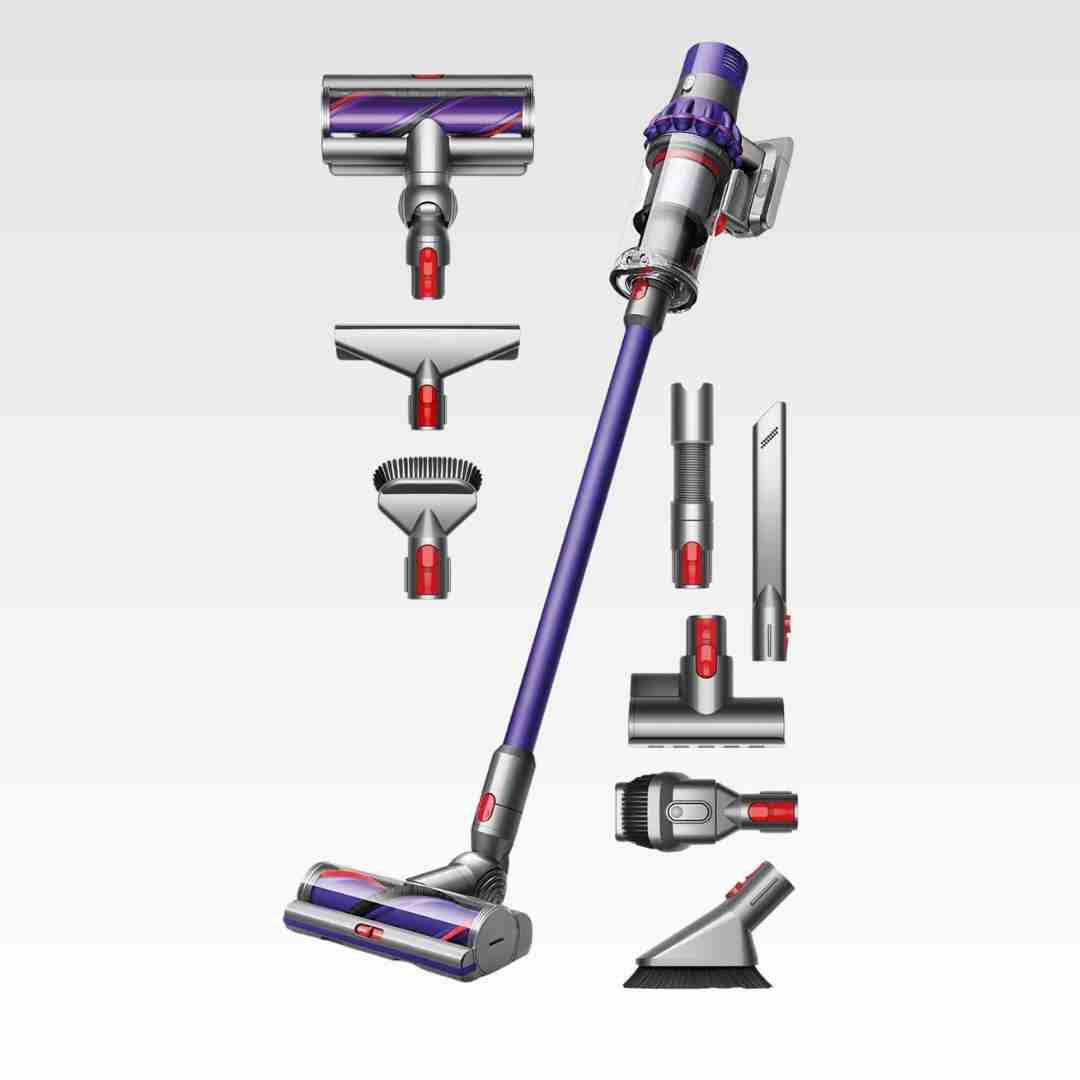
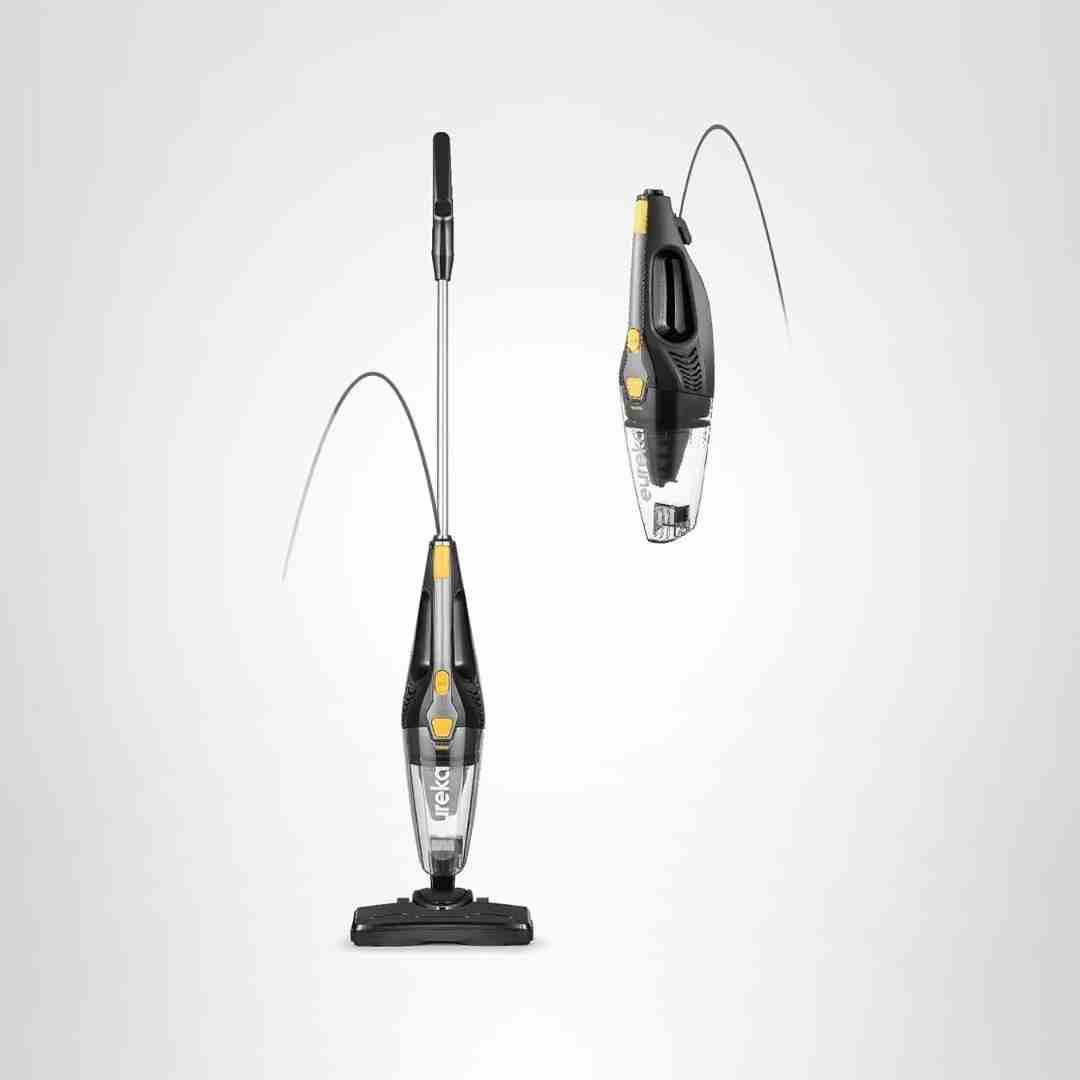
The dust cup is unusually large for a cordless model and generally easy to empty, though its bagless design can still leave some stuck debris and dust.
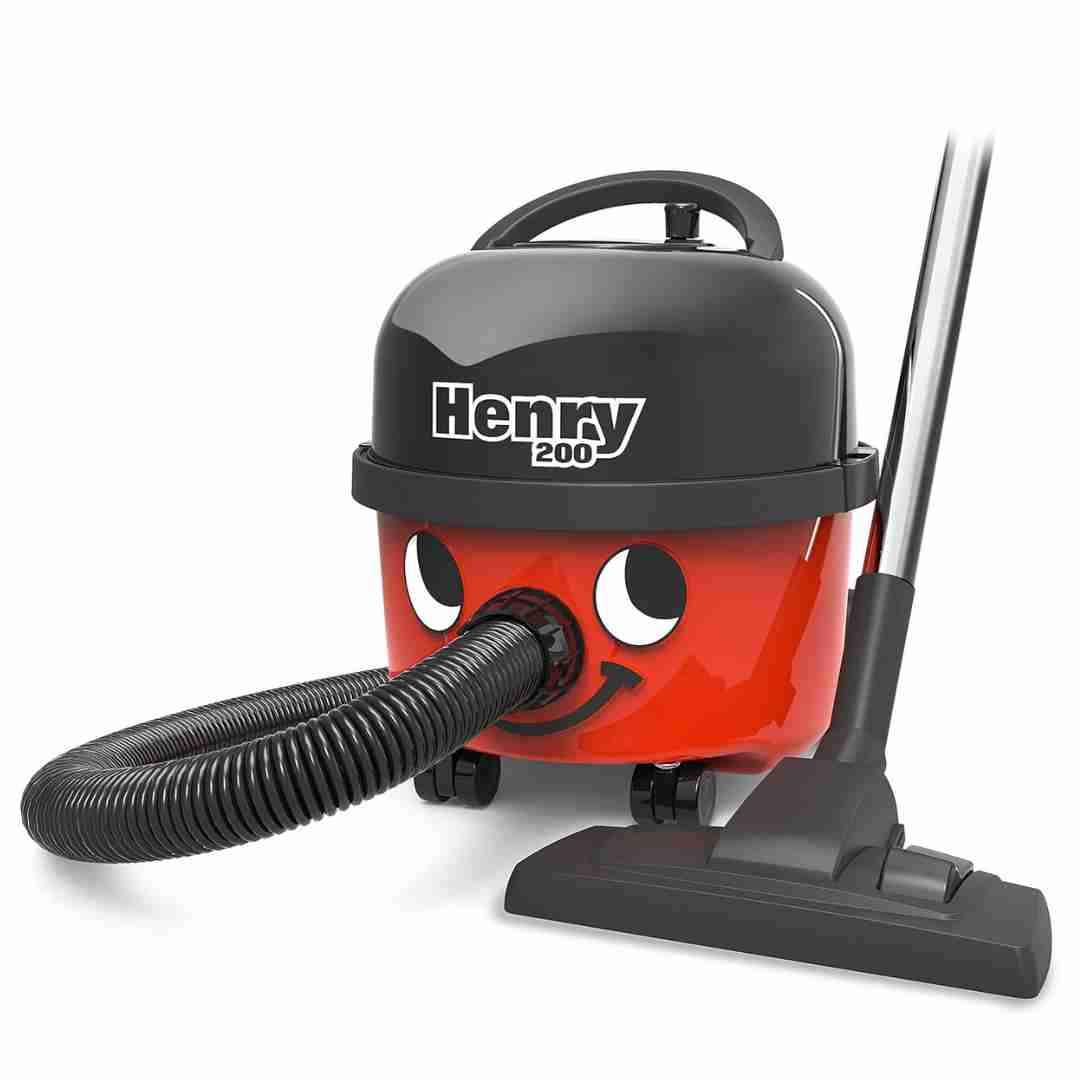
Large bag capacity (commonly cited around 9L) reduces how often you change bags; bagged emptying is viewed as cleaner than bagless, with a closure flap helping contain dust during disposal.
Reviews commonly mention a disposable dust bag in the dock plus an onboard bin; overall feedback is that it reduces dust mess and feels appropriately sized for typical households.
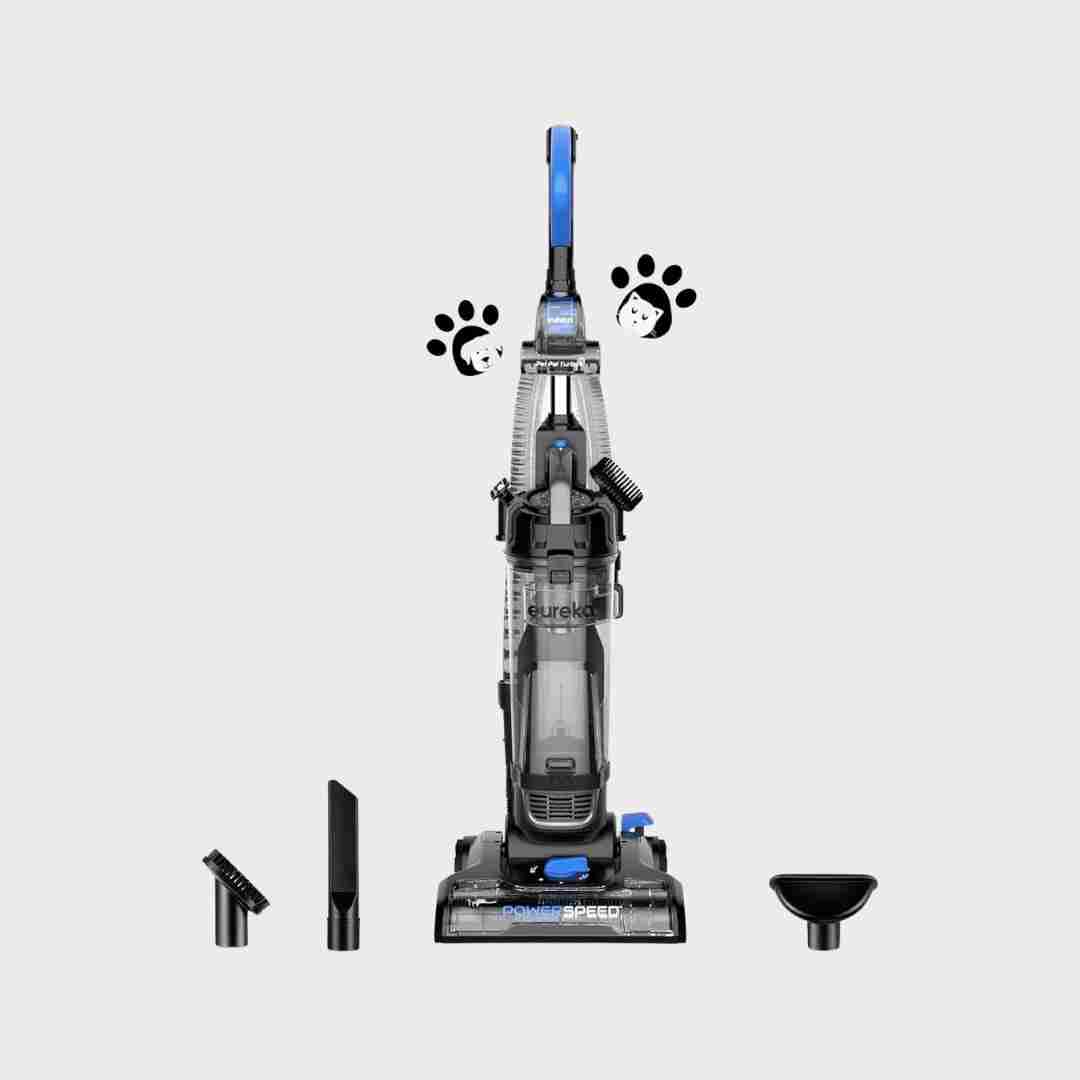
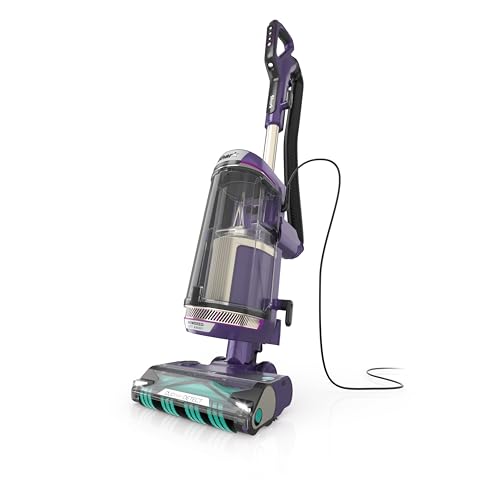
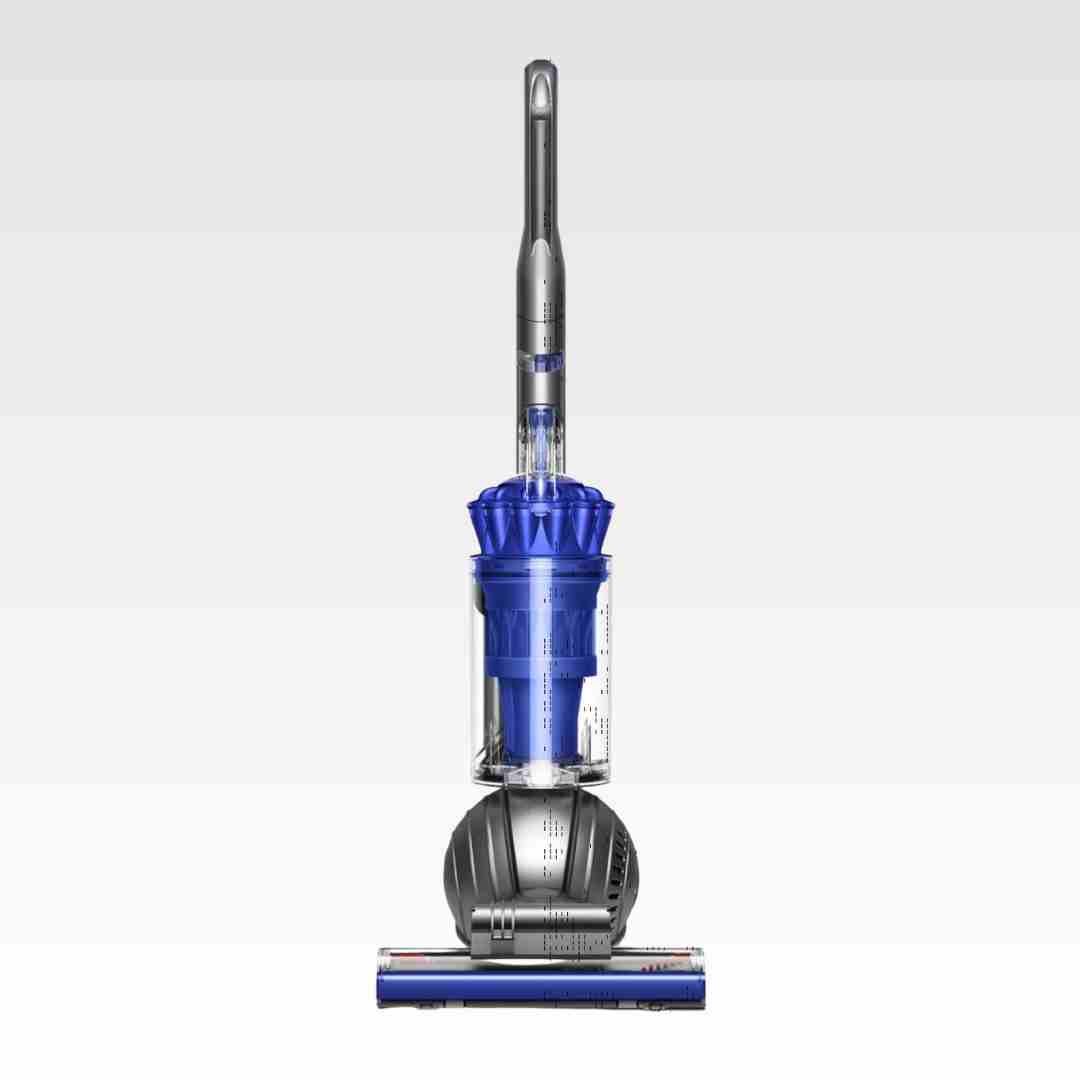
The bagless dustbin is described as large for an upright and easy to remove, with reported capacities varying by source (roughly 1.3–1.9 L / about 0.5 gal). The size reduces how often you need to empty it.
The bagless bin/base system is a major differentiator and cost-saver, frequently praised for convenience; however, owners often dispute the advertised days of storage in pet-heavy homes.
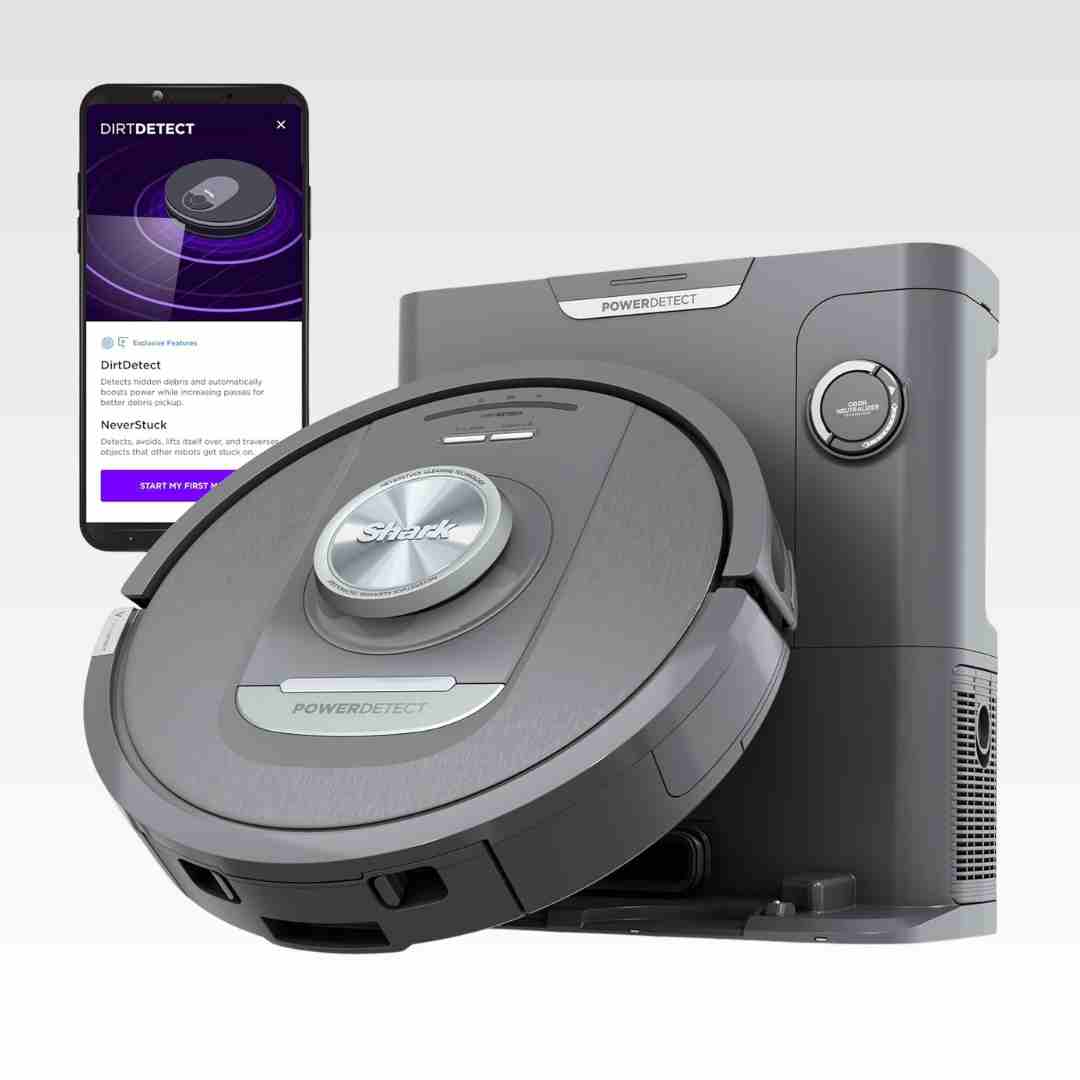
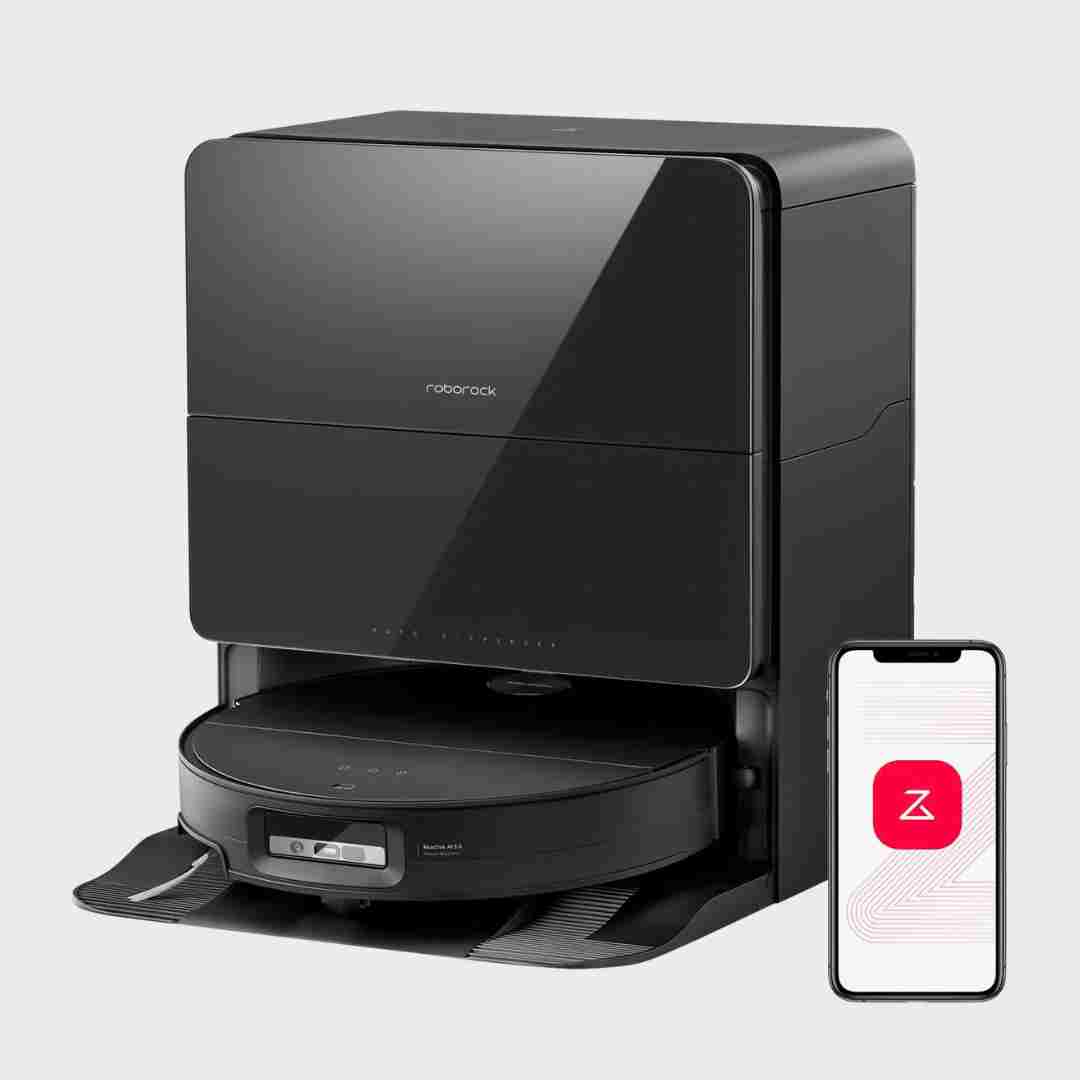
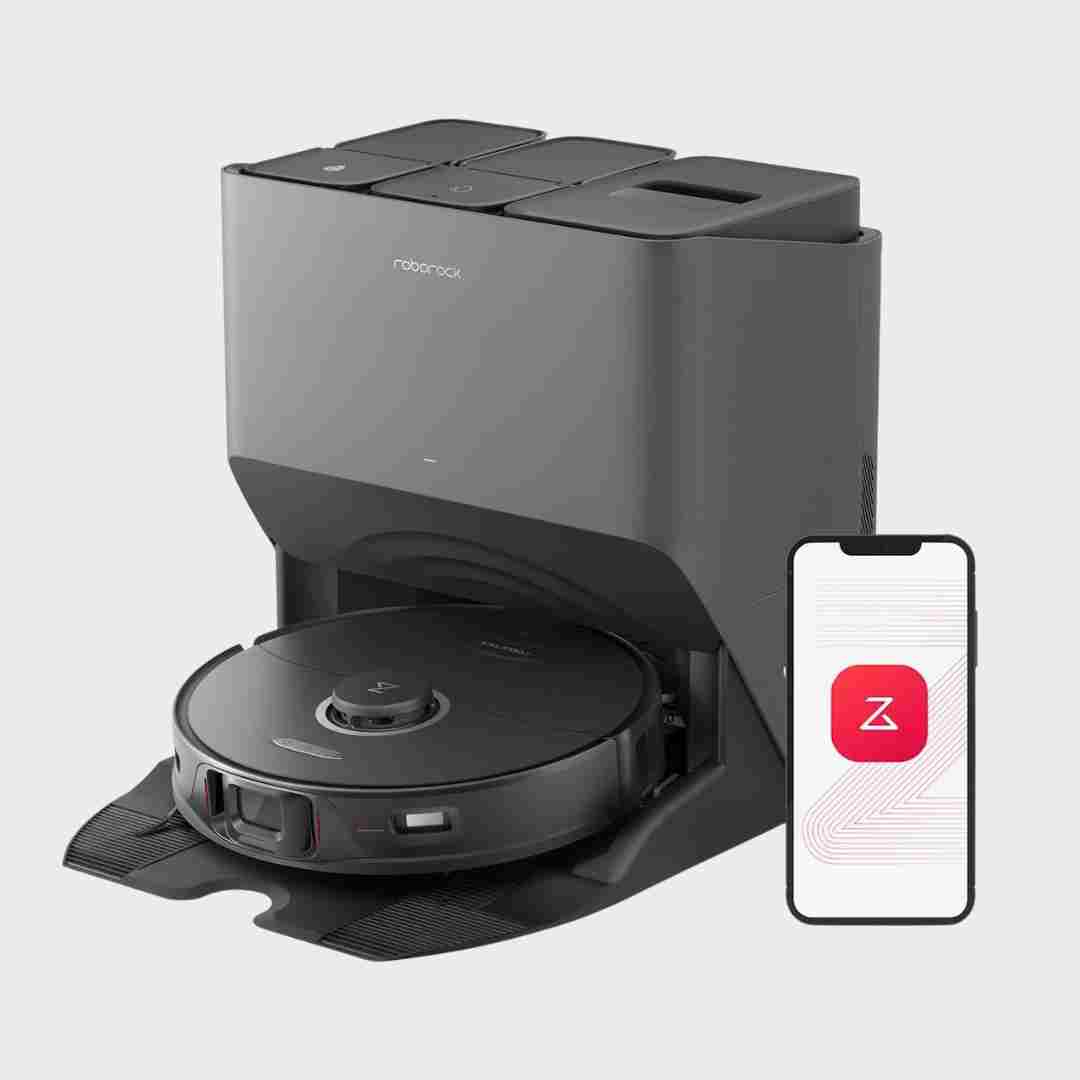
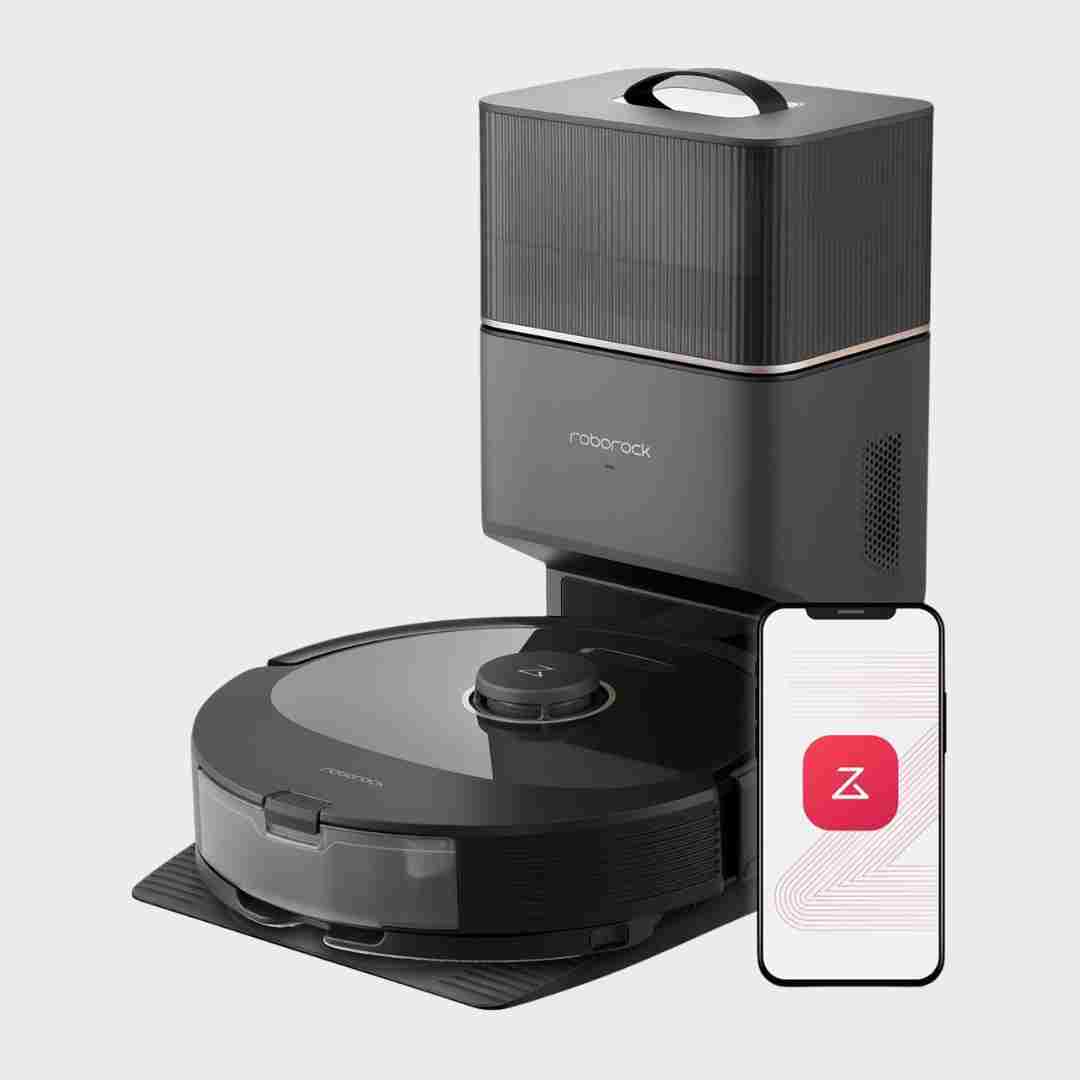
Dust handling is generally strong with an auto-empty dock and disposable bag system, though the robot-side bin can be described as small and performance can vary in extreme clogging simulations.
The bagged setup and roughly 3.5L capacity are seen as practical, letting users clean multiple sessions before changing. Bag handling is usually easy, though one review warns the dust flap can break if forced.
Bagless bin design is highlighted as budget-friendly and convenient for frequent emptying; some reviews compare bagged vs bagless variants depending on long-run cost preferences.
The bagless bin is repeatedly described as large (about 0.5 gallons / 1.7 liters in reviews) and easy to monitor as it fills. Capacity helps longer cleaning sessions between empties.
The bagged system is a major selling point: owners like cleaner disposal, consistent suction, and less dust exposure than bagless designs. Bag capacity is often praised, but replacement cost and bag consumption (especially with heavy shedding or wool rugs) are frequent notes.
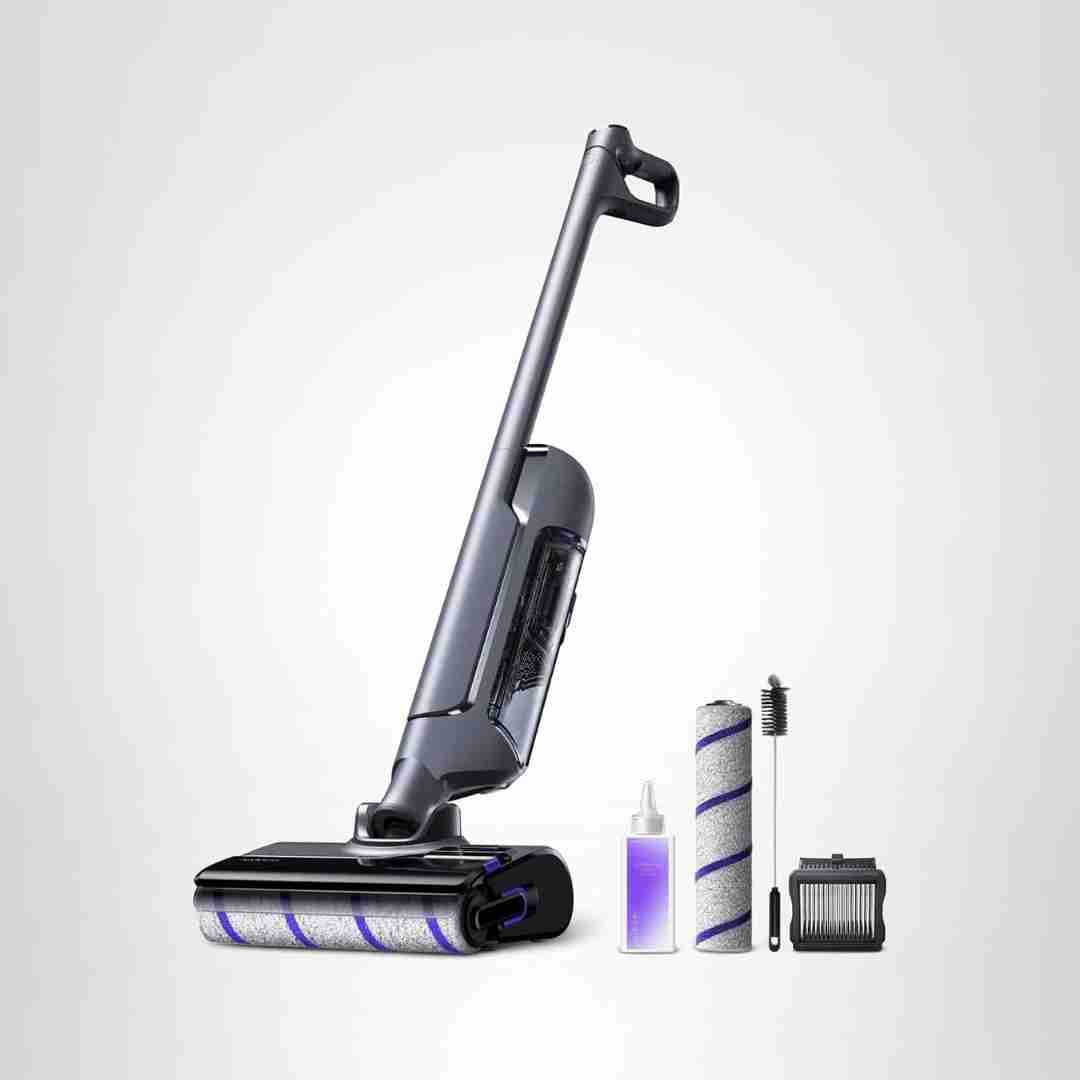
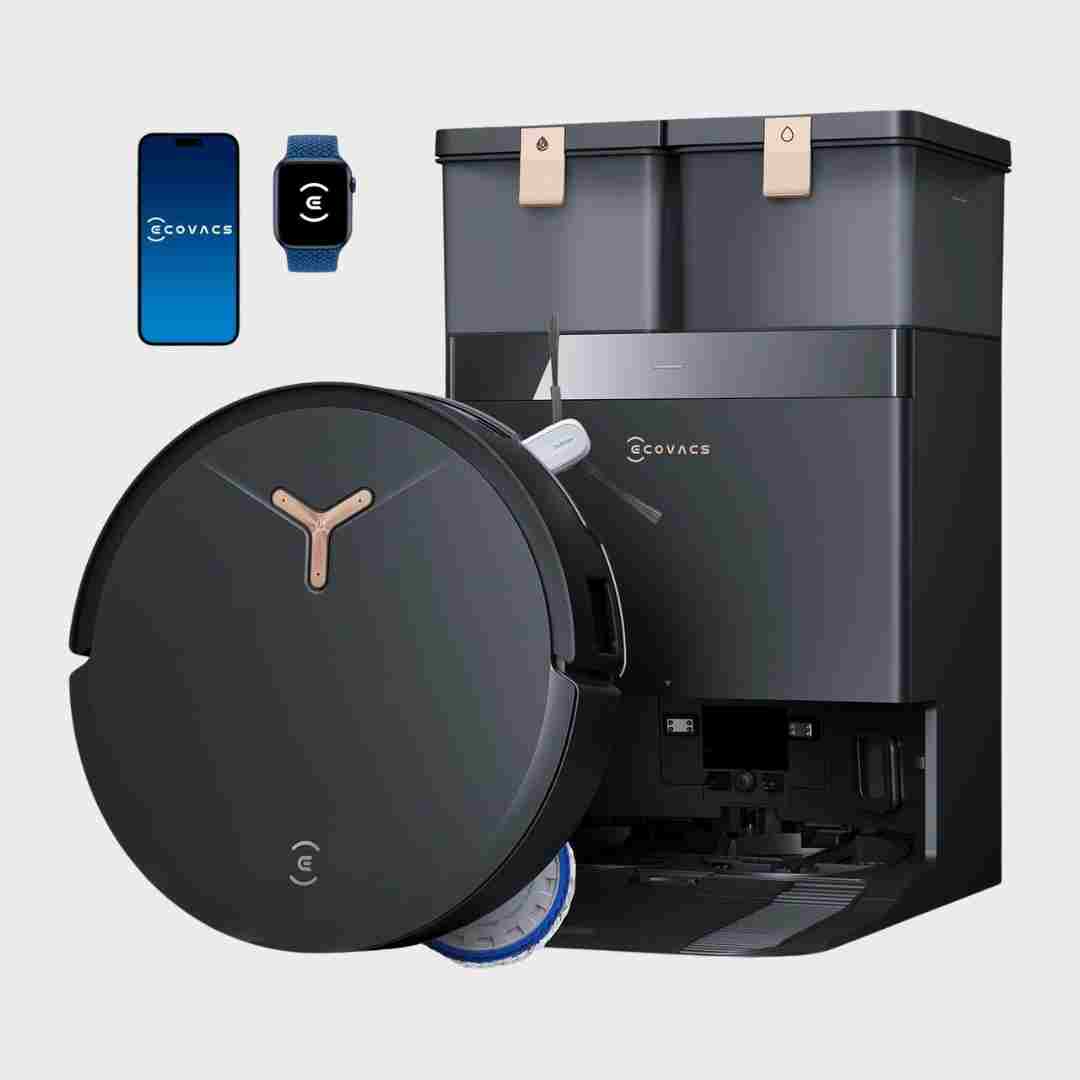
Reviews praise the dirty tank design for separating solids from liquids and keeping disposal relatively tidy, helped by tight seals and a removable debris basket. Wet debris can still take some manual brushing or scraping to fully remove.
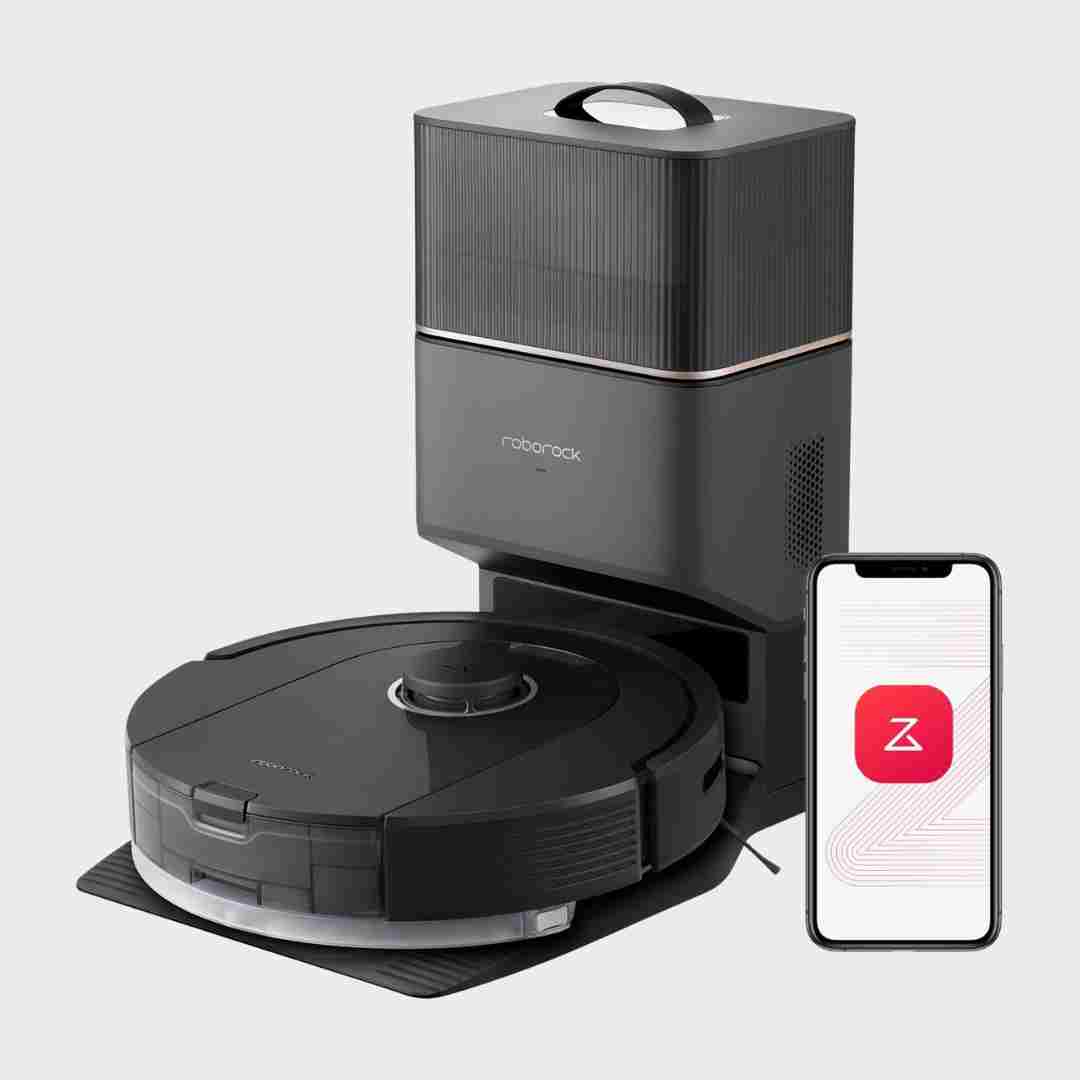
Dust collection is dock-based with bag use mentioned in several reviews, emphasizing cleaner emptying and longer intervals between disposal. The bag-and-bin approach is positioned as low-mess and hands-off.
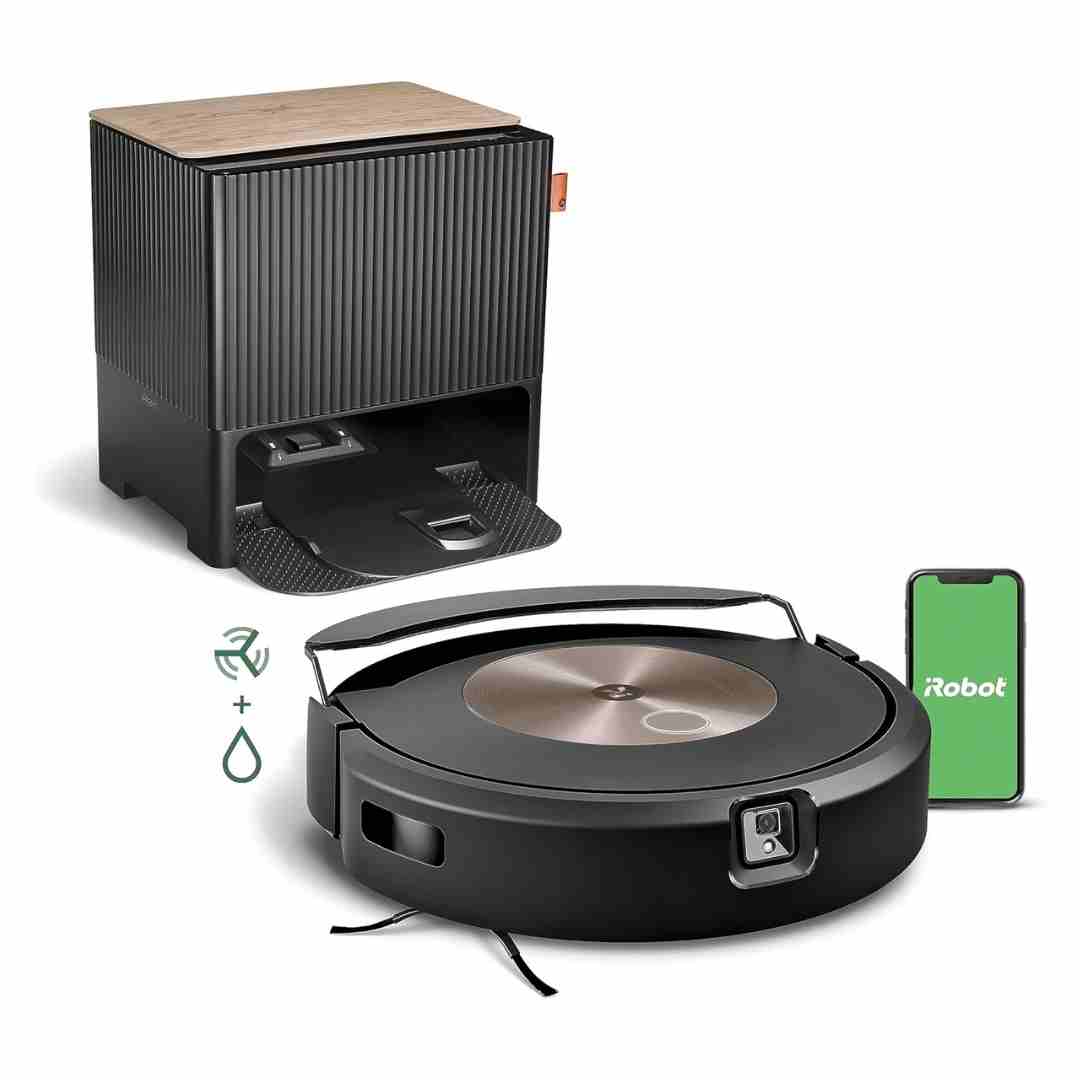
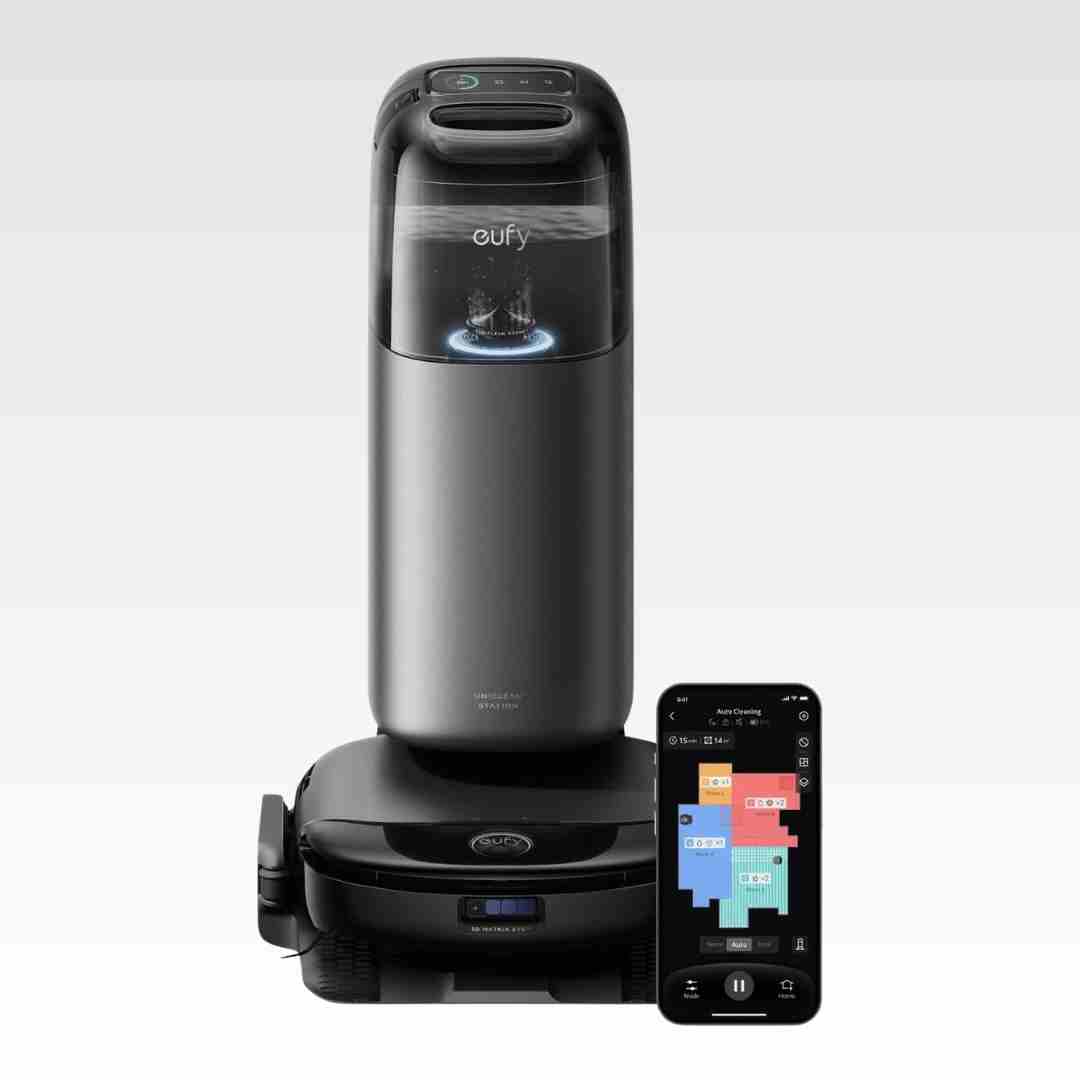
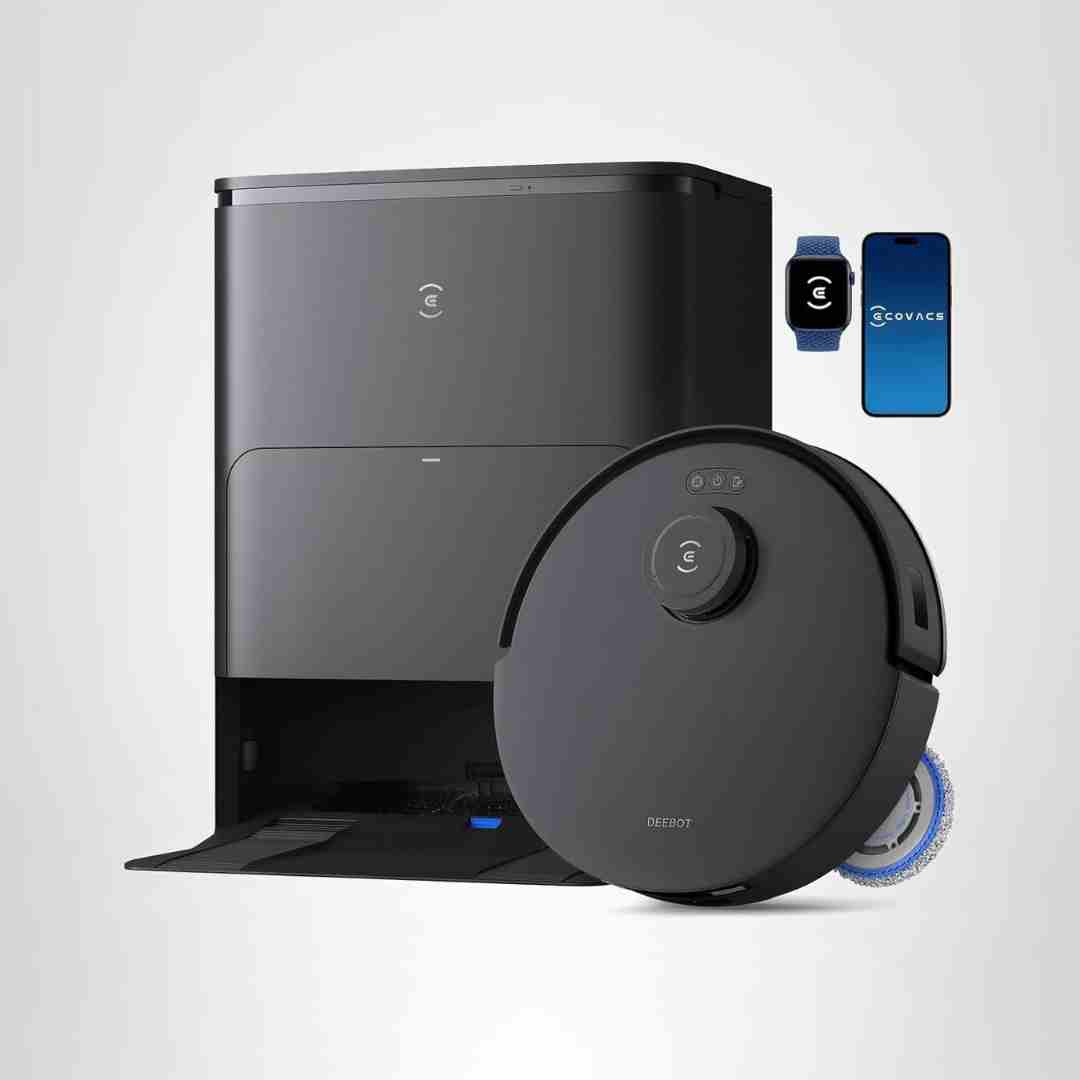
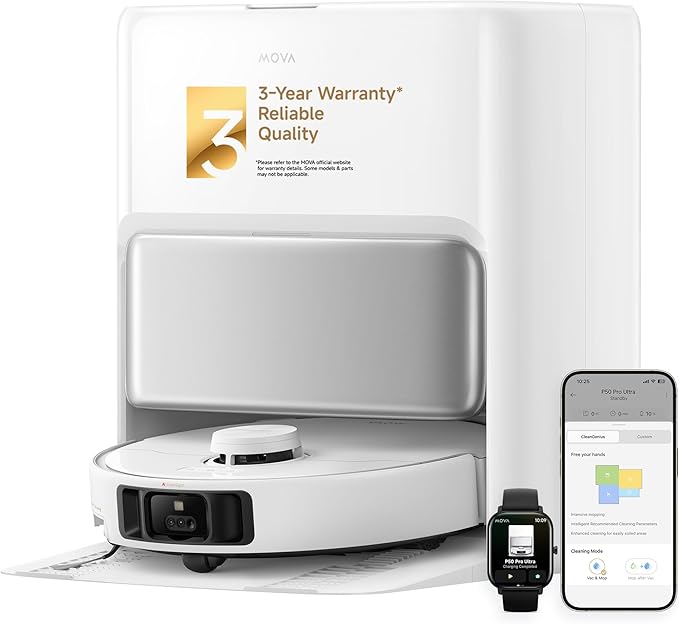
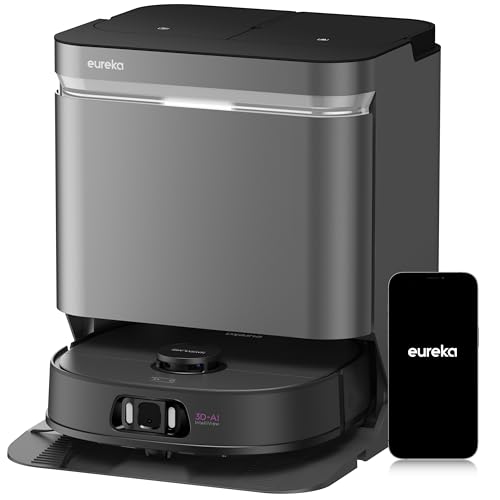
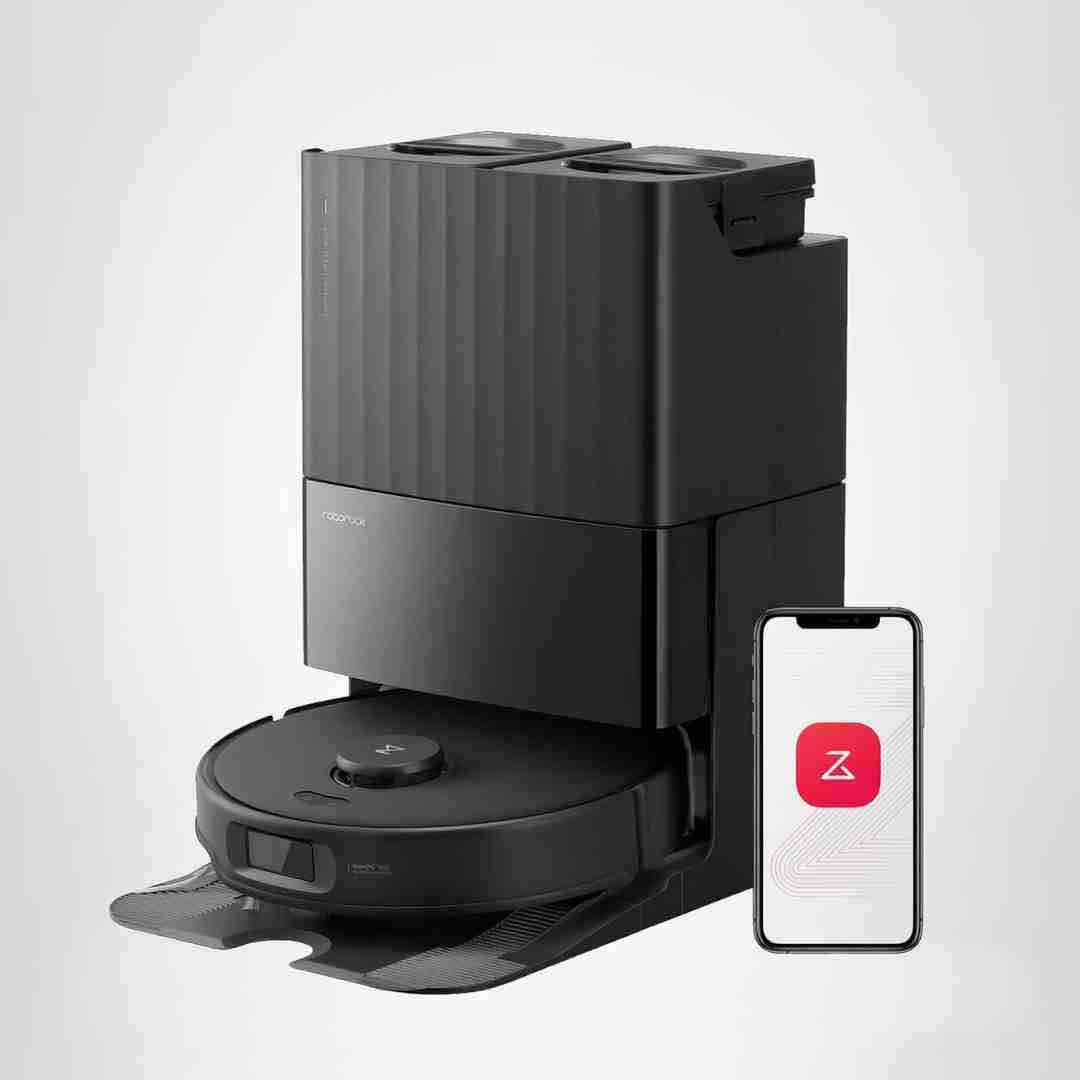
The system uses a bagged dock for debris collection, which many reviewers find cleaner and easier than frequent manual emptying. Onboard bins are serviceable, and Combo models consolidate robot and handheld debris into the same bag.
The disposable bag system is repeatedly praised for low mess and long intervals between changes, with around 75 days cited in multiple reviews. Overall sentiment favors bags over bagless for cleanliness and convenience.
The robot collects debris in an onboard bin and auto-empties into a disposable bag in the dock. Bags are described as large and easy to access behind a front panel, supporting multi-week intervals between changes.
Uses a dock dust-bag system that empties cleanly and is easy to swap with minimal mess. Reported replacement cadence ranges from roughly 30–60 days to about 2–3 months depending on debris load.
The dustbin is repeatedly described as easy to empty, with one review citing a large 1500 ml capacity. Users like the one-button, drop-open style emptying for quick disposal of debris.
The dustbin is frequently described as large for a stick vacuum and convenient for routine cleaning sessions. A minor downside is that hair can sometimes wrap or lodge inside the bin, requiring occasional bin removal to clear it.
Bin capacity is frequently highlighted as large for a cordless stick vacuum, enabling longer cleaning before emptying and supporting its value-focused positioning.
The C3’s GN-style bag system is described as high-capacity and well-sealed, with some models using self-sealing bags that reduce dust exposure during disposal. The tradeoff is ongoing bag/filter purchases and occasional attention to proper bag seating.
The bagged auto-empty system is frequently viewed as cleaner and simpler than bagless approaches, with large-capacity bags helping reduce frequent intervention.
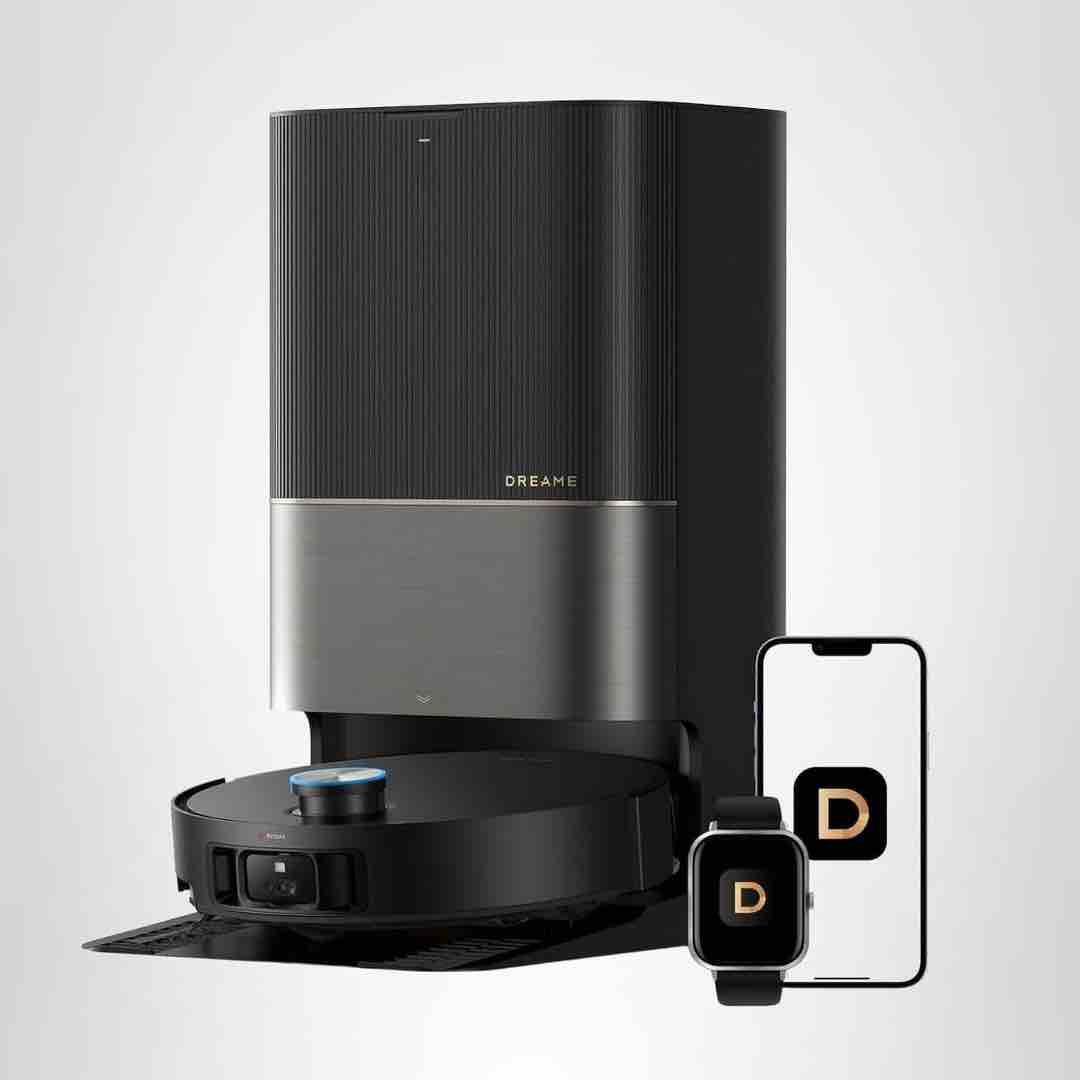
The X50’s auto-empty system relies on a disposable dust bag, which reviewers generally find clean and low‑mess versus bagless bins. Long intervals between bag changes are frequently mentioned, though auto-empty effectiveness can vary by debris type.
Multiple reviews highlight the large, self-sealing bags that are easy to change and stay clean in use. The bag system is also credited with maintaining performance until the bag is very full and making disposal less messy.
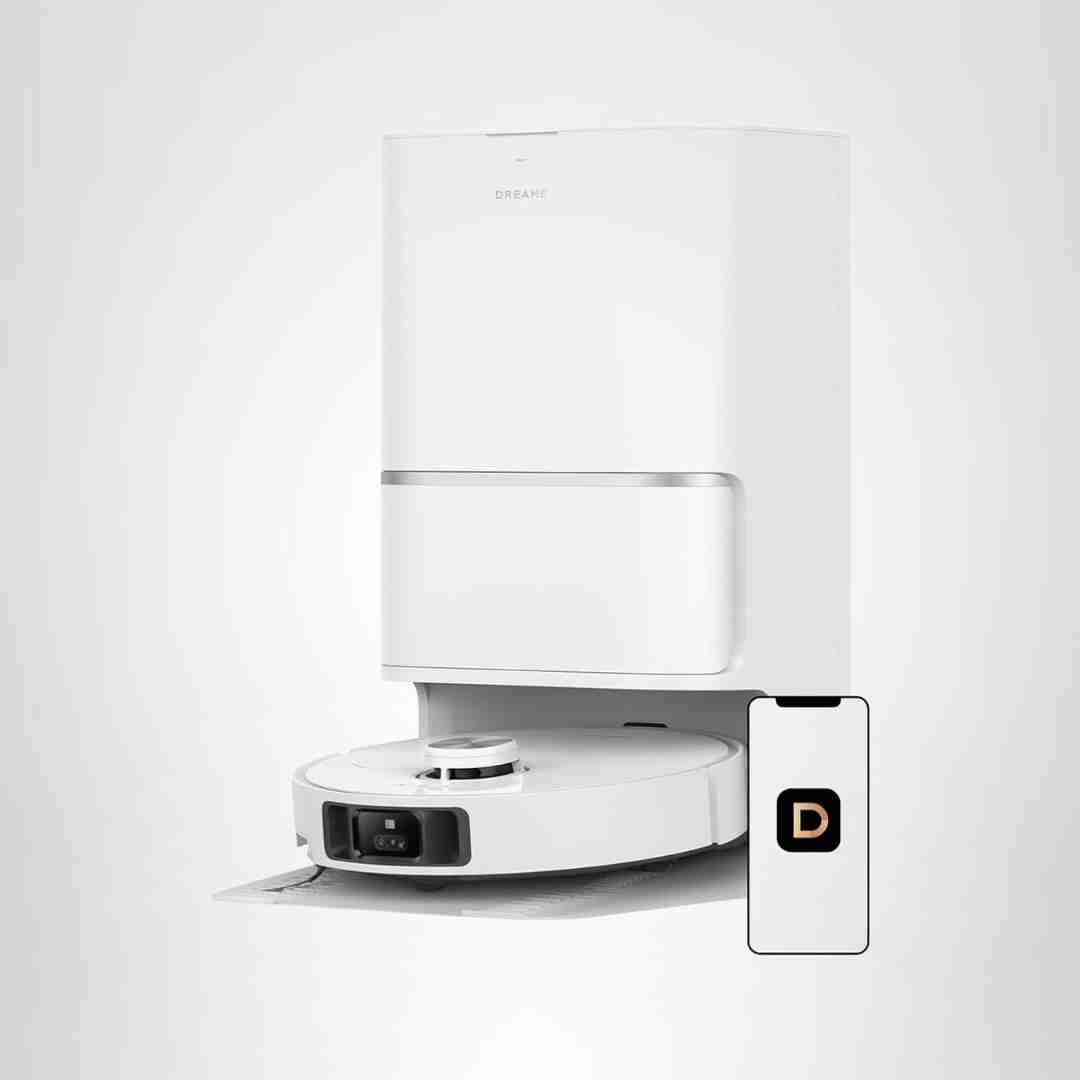
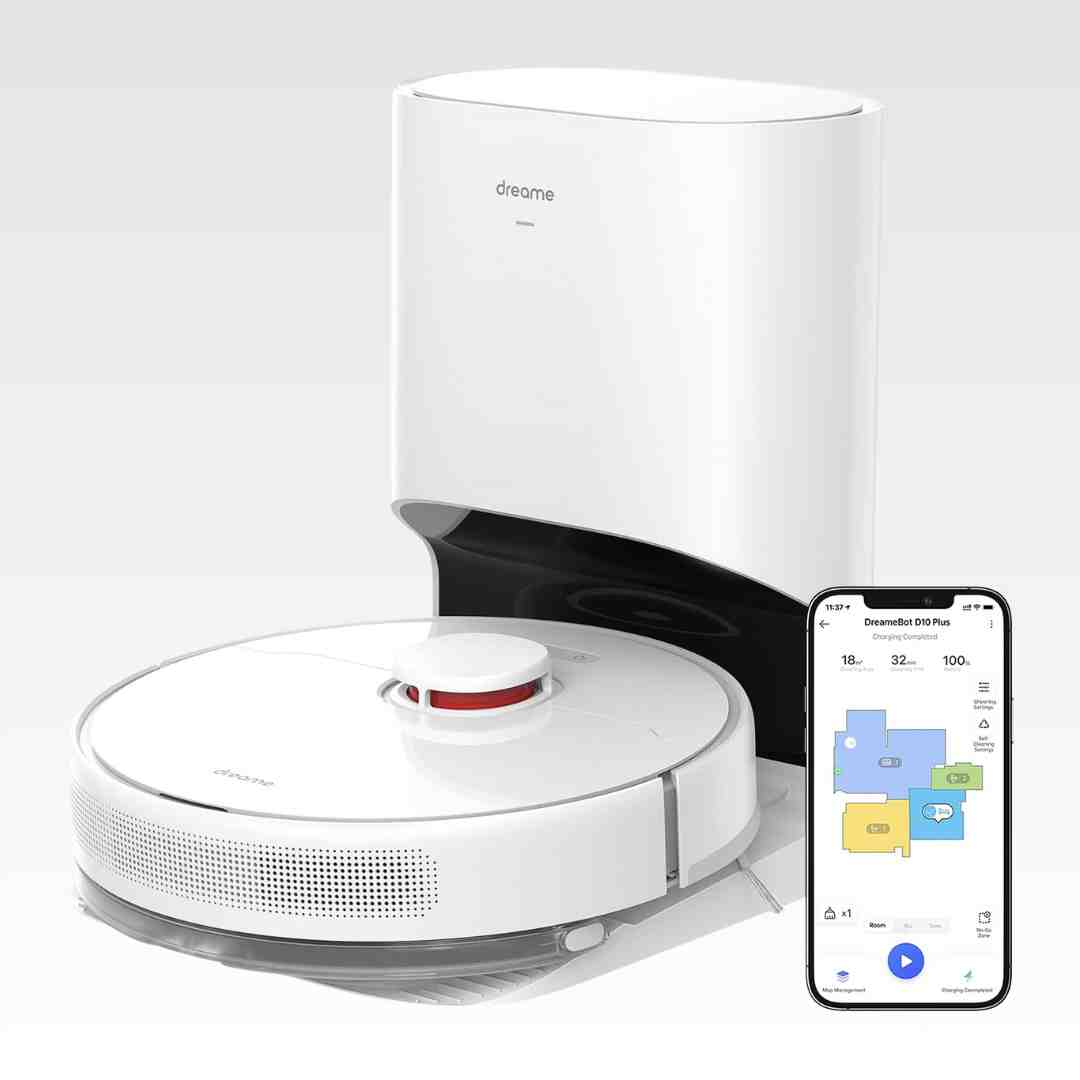
The onboard bin is small (around 400mL in several specs) but the dock’s sealed bag (commonly 2.5L; one D10s Plus review cites 4L) enables weeks of hands-off emptying. A few notes mention debris can spill if the robot is carried between rooms.
The onboard bin is relatively small, but the dock’s larger sealed bag effectively increases system capacity and reduces manual emptying. The tradeoff is switching to consumable bags rather than purely bagless operation.
Bagless bin capacity is described as large (roughly 0.48–0.55 gal / about 2L), supporting longer sessions; sealing is generally good, with occasional minor leakage notes in lab testing.
The bag system is frequently described as easy and cleaner to change than bagless emptying; capacity is commonly cited around 3L for this compact class, with tradeoffs in ongoing bag costs.
Bin and bag design is viewed favorably for hands-off use: the internal bin is supported by reliable auto-emptying into a larger dock bag, reducing manual emptying frequency. Some wish for better in-run fullness handling or clearer indicators.
Reviews mention an onboard dustbin plus a bagged auto-empty system, which keeps hands-off emptying simple. Bag capacity is positioned as multi-run or multi-week for many homes, with extra bags sometimes included.
The vacuum is consistently framed as a bagged system with large bags that are easy to replace. Bagged disposal is viewed as cleaner and helps keep the interior from getting dirty.
The dock uses a dust bag for cleaner disposal, and the onboard bin can be removed and emptied manually when stubborn debris or fur interferes with auto-emptying.
The V10’s bin is frequently described as large for a stick vacuum (about 0.76–0.77 L / ~0.2 gallons) and bagless, reducing the need for frequent emptying versus smaller cordless models.
The onboard bin is described as larger than typical and easy to remove; capacity helps offset the lack of a self-empty dock, but it can fill quickly in heavy-shed homes.
The bin/bag system is a convenience win: the dock bag can last around seven weeks to up to roughly two months in lighter use. A few point out the onboard dustbin is relatively small, but that’s typical for a self-emptying model.
The dock bag capacity is repeatedly cited as generous (around 2.5L), supporting low-maintenance ownership. The internal bin is also described as larger than expected for a self-empty model.
The auto-empty setup is widely praised for reducing mess, with a large bag often cited as lasting around 90 days. One repeated limitation is workflow-related: without a true mop-only mode, some reviewers worry the dustbin can get damp when handling wet messes while vacuuming.
The clear dust bin helps users see fill level, and multiple reviews call it roomy for the size. Emptying and filter handling can take a couple steps and can be a bit hands-on.