Codec support is consistently highlighted as a strength for a premium portable speaker, with SBC, AAC, and aptX Adaptive commonly cited. This improves compatibility and potential audio quality on supported devices.
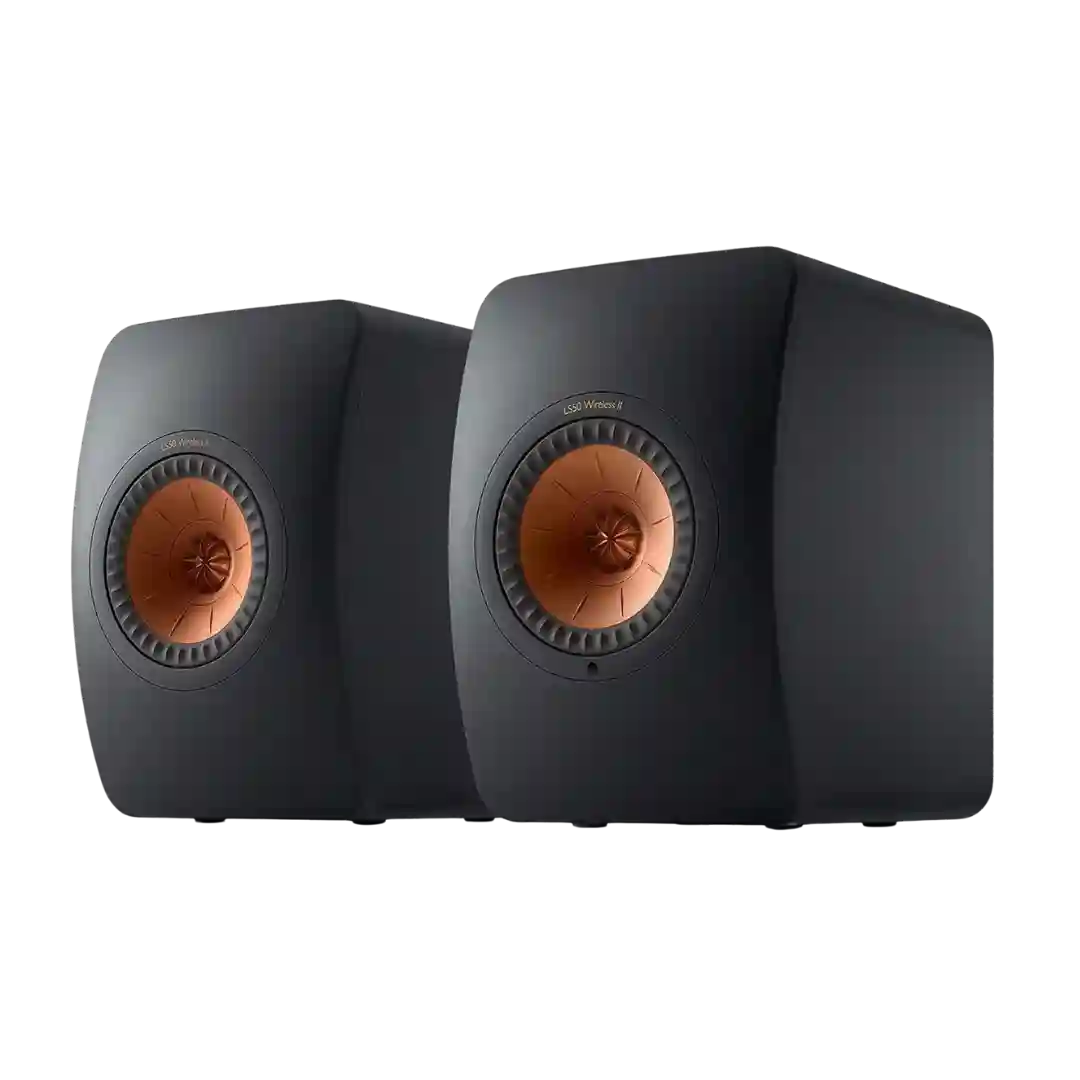
Codec details are rarely emphasized for Wireless II, but Bluetooth capability is treated as competent; older-gen coverage highlights aptX support as a quality-minded inclusion for Bluetooth playback.
Reviews consistently mention AAC and SBC support, which is a welcome step up for Apple-oriented listening even if it is not a full hi-res wireless feature set.
Alongside standard codecs, several reviews mention Snapdragon Sound and aptX support for compatible Android devices; iPhone users will not benefit from the aptX path.
Bluetooth codec support is explicitly described as including SBC and AAC, supporting better compatibility with common mobile devices (including iOS) within the Bluetooth-only streaming approach.
Codec support is commonly described as SBC and AAC, which is convenient for broad compatibility (including iPhone-friendly AAC). Several note the absence of higher-end codecs like aptX.
Bluetooth support is serviceable rather than class-leading. AAC support is fine for casual streaming, but some reviewers noted the lack of higher-end codec support.
Codec support is repeatedly called basic, commonly described as SBC/AAC (and LC3 in some coverage), with reviewers noting the absence of higher-end options like LDAC or aptX Adaptive.
Bluetooth relies on basic codecs like AAC and SBC and lacks higher-res options such as aptX or LDAC, so Wi-Fi and AirPlay are often preferred for best fidelity.
Codec support is repeatedly described as basic (SBC and AAC), with some comparisons pointing out competitors that offer higher-resolution codec options.
Codec support is a point of disagreement in the reviews, ranging from claims of LDAC and aptX-class support to complaints about only SBC and AAC, so expectations here should stay cautious.
Codec support is described as limited: several reviews say SBC-only, while a few mention AAC alongside SBC; there is no consistent report of higher-end codecs like aptX.
Bluetooth codec support is repeatedly described as basic (typically SBC and AAC only). Reviewers note that higher-quality or lossless playback is available only via USB-C wired mode.
Codec support is described as limited, with coverage pointing to AAC and SBC rather than broader high-quality codec options. This can matter for listeners sensitive to compression artifacts.
Bluetooth audio codec support is limited (SBC is commonly cited, with AAC also mentioned), and reviewers explicitly call out the absence of higher-resolution options like LDAC/aptX.
Codec support is characterized as basic, with at least one detailed review stating it is SBC-only and lacking higher-bitrate options typical of more premium speakers.
Codec support is basic and often criticized. The review set repeatedly mentions AAC and sometimes SBC support, with no aptX, LDAC, or other higher-end codec options.
Bluetooth is a common complaint: the Arc is frequently described as lacking conventional Bluetooth, making quick phone pairing harder for Android users and guests compared to many rivals.