Best for Connectivity options
Eufy E340 Floodlight Camera
5.0 feature score
Highest scored product for this feature based on supporting review evidence.
Highest scored product for this feature based on supporting review evidence.
Balances feature score, supporting reviews, and overall product strength.
Has the broadest review evidence for this feature.
Strongest overall product among items with scored evidence for this feature.
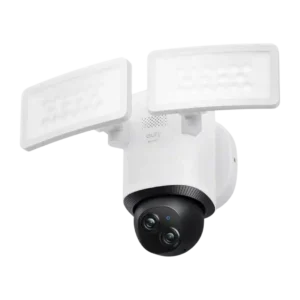
Connectivity was mostly praised, with reviewers reporting strong range, quick network connection, and solid Wi-Fi performance.
Pros: Cloud storage plan value, Dual-band (2.4/5GHz) performance
Cons: HomeKit integration, ONVIF/RTSP support
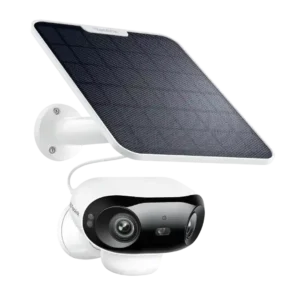
Connectivity options were praised in the review that highlighted rock-solid dual-band Wi-Fi 6 plus rare FTP and NAS support.
Pros: Connectivity options, Detection range
Cons: HomeKit integration, Continuous recording capability
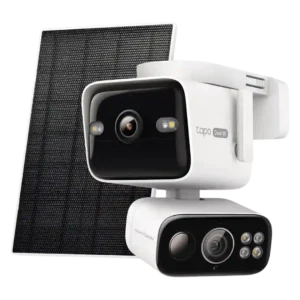
Connectivity was praised in an off-grid setup, with the camera holding signal better than many tested alternatives.
Pros: Low-light performance, Floodlight brightness
Cons: HomeKit integration, Echo/noise cancellation
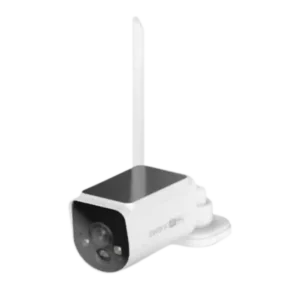
Connectivity was the standout strength across reviews, especially long range and stable signal, though one tester was unimpressed in an obstructed setup.
Pros: Digital zoom clarity, Floodlight brightness
Cons: Frame rate, Smart-home integration (Alexa
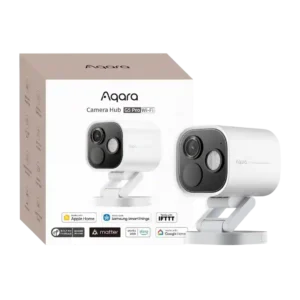
Connectivity options were a major strength, with reviewers highlighting broad smart-home support, dual network options, RTSP/NAS, and unusually comprehensive hub connectivity.
Pros: Durability, Low-light performance
Cons: Power options (solar panel), PTZ (pan/tilt/zoom) control responsiveness
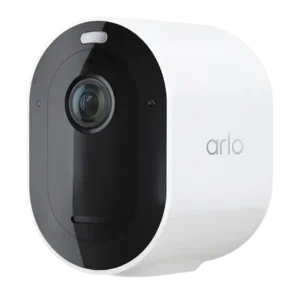
Connectivity options are a strength when the camera connects directly to Wi-Fi and supports 5GHz, though some setup and range caveats remain.
Pros: Notification speed, Event recording reliability
Cons: Mesh network compatibility, Customer support responsiveness
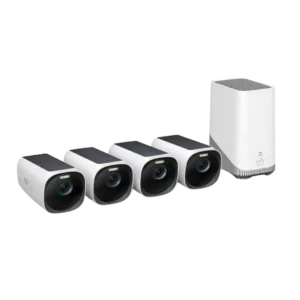
Connectivity is mostly positive, with strong range and dual-connectivity results, though one reviewer notes signal quality can affect power use.
Pros: Cloud storage plan value, Weather resistance rating (IP code)
Cons: Recording start-time lag, Pre-event recording length
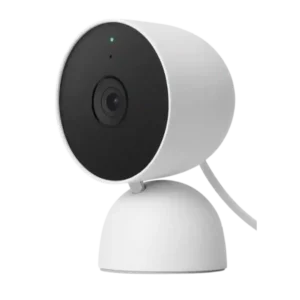
Connectivity evidence was positive from one whole-home test with no Wi-Fi issues.
Pros: Low-light performance, Notification speed
Cons: Recording start-time lag, PTZ (pan/tilt/zoom) control responsiveness
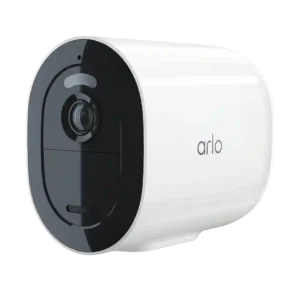
Connectivity was the product’s strongest theme: reviewers liked LTE plus Wi-Fi and automatic switching, while noting signal-dependent inconsistency.
Pros: Notification speed, Smart home accessory compatibility
Cons: Replacement part availability, HomeKit integration
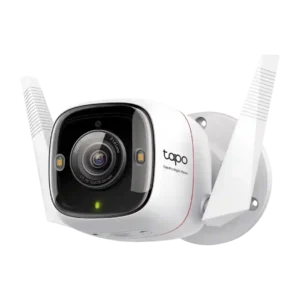
Connectivity options were praised for Wi-Fi plus Ethernet flexibility and stable connections, though one review had an initial Wi-Fi setup issue.
Pros: Detection range, On-device features
Cons: HomeKit integration, PoE
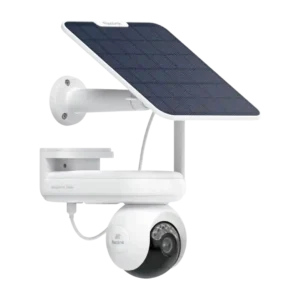
Connectivity options were broad, with reviewers appreciating Wi-Fi flexibility and, in one review, off-grid cellular capability.
Pros: Recording start-time lag, Smart home accessory compatibility
Cons: Optical zoom performance, HomeKit integration
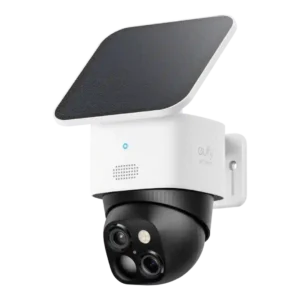
Connectivity works well when Wi-Fi is strong, but reviewers caution that outdoor placement depends on signal quality.
Pros: Cloud storage plan value, Power options (solar panel)
Cons: HomeKit integration, IFTTT/automation compatibility
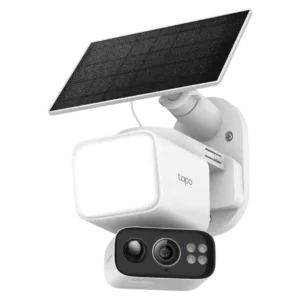
Connectivity was adequate in the one scored review, where 2.4GHz Wi-Fi was considered sufficient and potentially better for range.
Pros: Speaker volume, Lens distortion correction
Cons: Field of view, Detection range
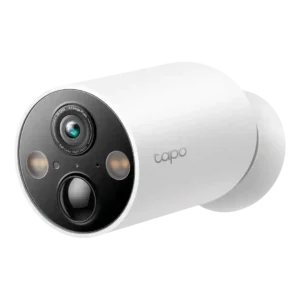
Connectivity evidence was split between flaky connection reports and one reviewer seeing no network or streaming issues.
Pros: Power options (solar panel), On-device features
Cons: PTZ (pan/tilt/zoom) control responsiveness, Continuous recording capability
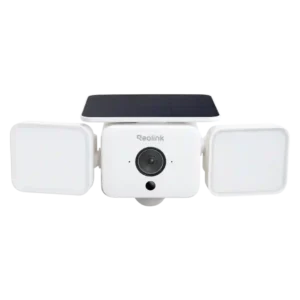
Many setups connect quickly and maintain useful range, but router distance, walls, isolated networks, and a few defective units can cause severe reliability problems.
Pros: Field of view, Customizable motion zones
Cons: Continuous recording capability, ONVIF/RTSP support
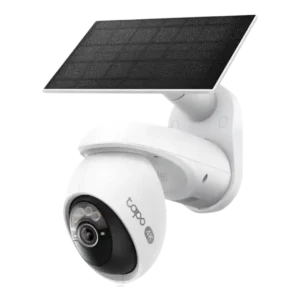
Connectivity was mixed: one reviewer praised wireless range, while another wanted stronger Wi-Fi.
Pros: On-device processing (AI), Installation and Mounting
Cons: ONVIF/RTSP support, HomeKit integration
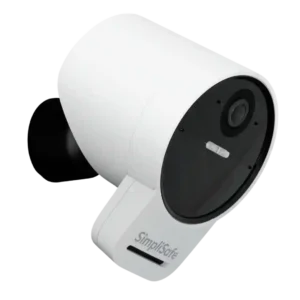
Connectivity feedback was mixed, with strong Wi-Fi coverage in one review but criticism of dated connectors, no cellular fallback, 2.4GHz-only Wi-Fi, and Wi-Fi outage dependence.
Pros: Weather resistance rating (IP code), System scalability
Cons: Pre-event recording length, HomeKit integration
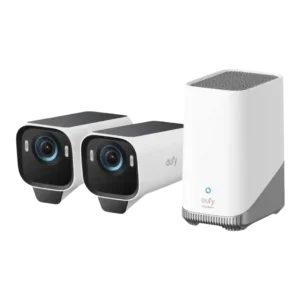
Connectivity options were a concern where reviewers disliked dependence on Wi-Fi, connection limits, and the lack of fallback when Wi-Fi is unavailable.
Pros: Low-light performance, Color accuracy
Cons: Speaker volume, Frame rate
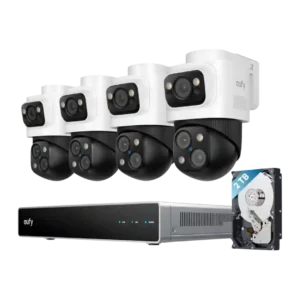
Connectivity options were mixed to weak because PoE improved reliability but the system was restricted to Eufy PoE cameras and lacked third-party options.
Pros: Detection range, Recording start-time lag
Cons: ONVIF/RTSP support, HomeKit integration
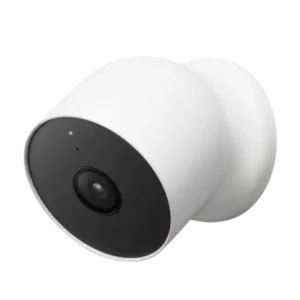
Connectivity is limited by dependence on cloud/internet access, with one reviewer emphasizing that without internet there is essentially nothing to access remotely.
Pros: False alert filter effectiveness, Operating temperature range
Cons: IFTTT/automation compatibility, HomeKit integration
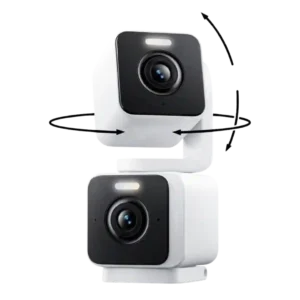
Connectivity options were limited for one reviewer because the camera was locked into the Wyze app.
Pros: Installation and Mounting, Articulation range
Cons: ONVIF/RTSP support, Connectivity options