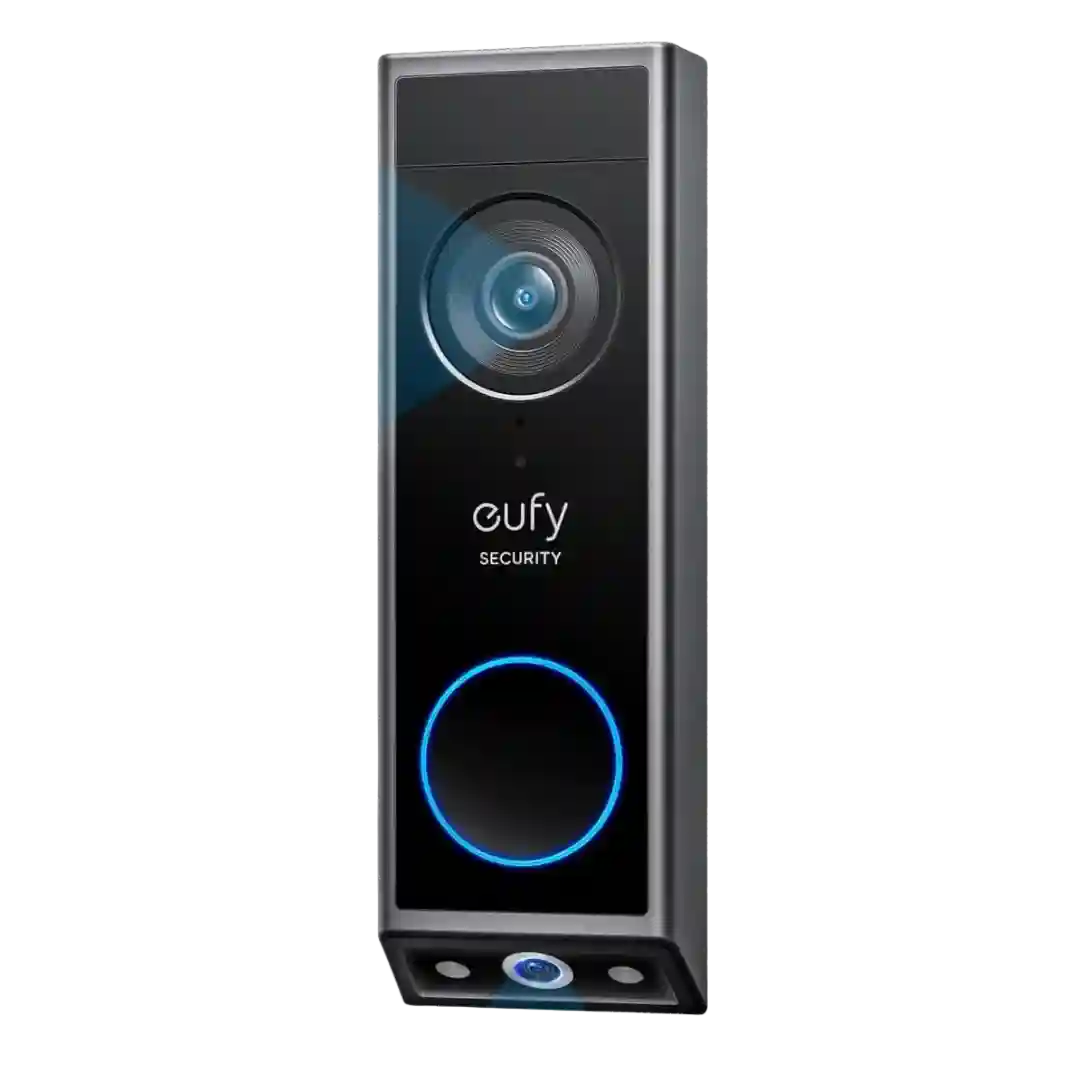
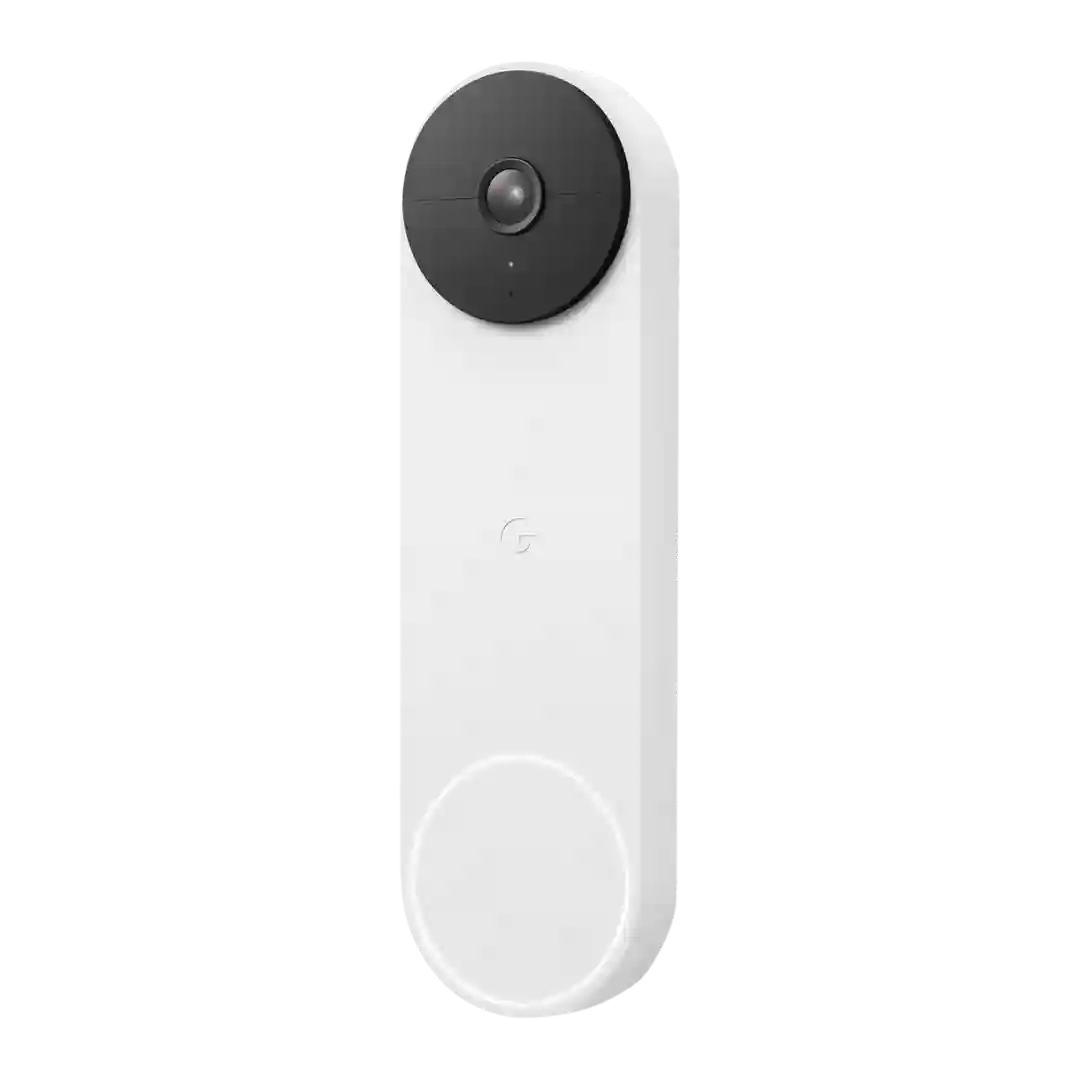
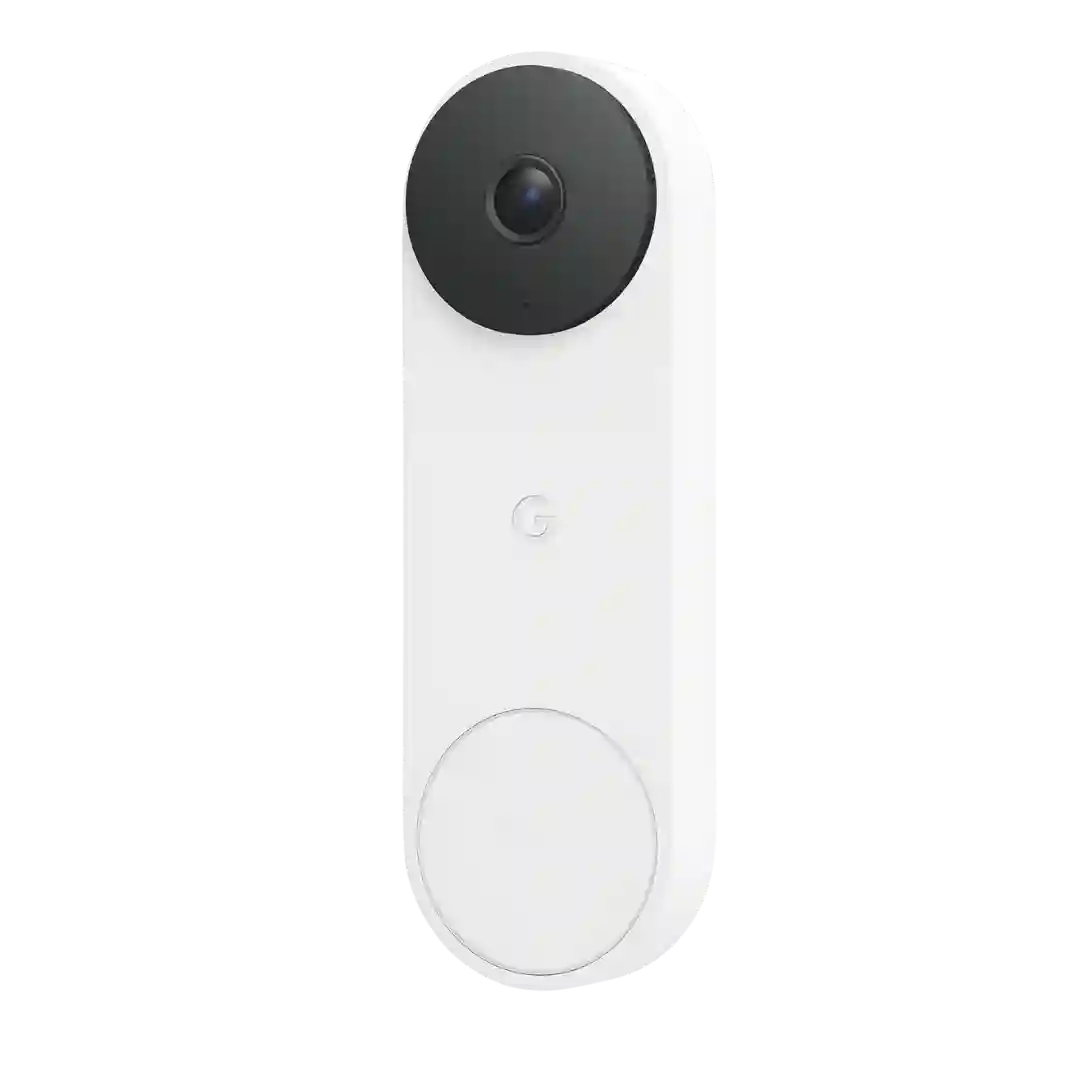
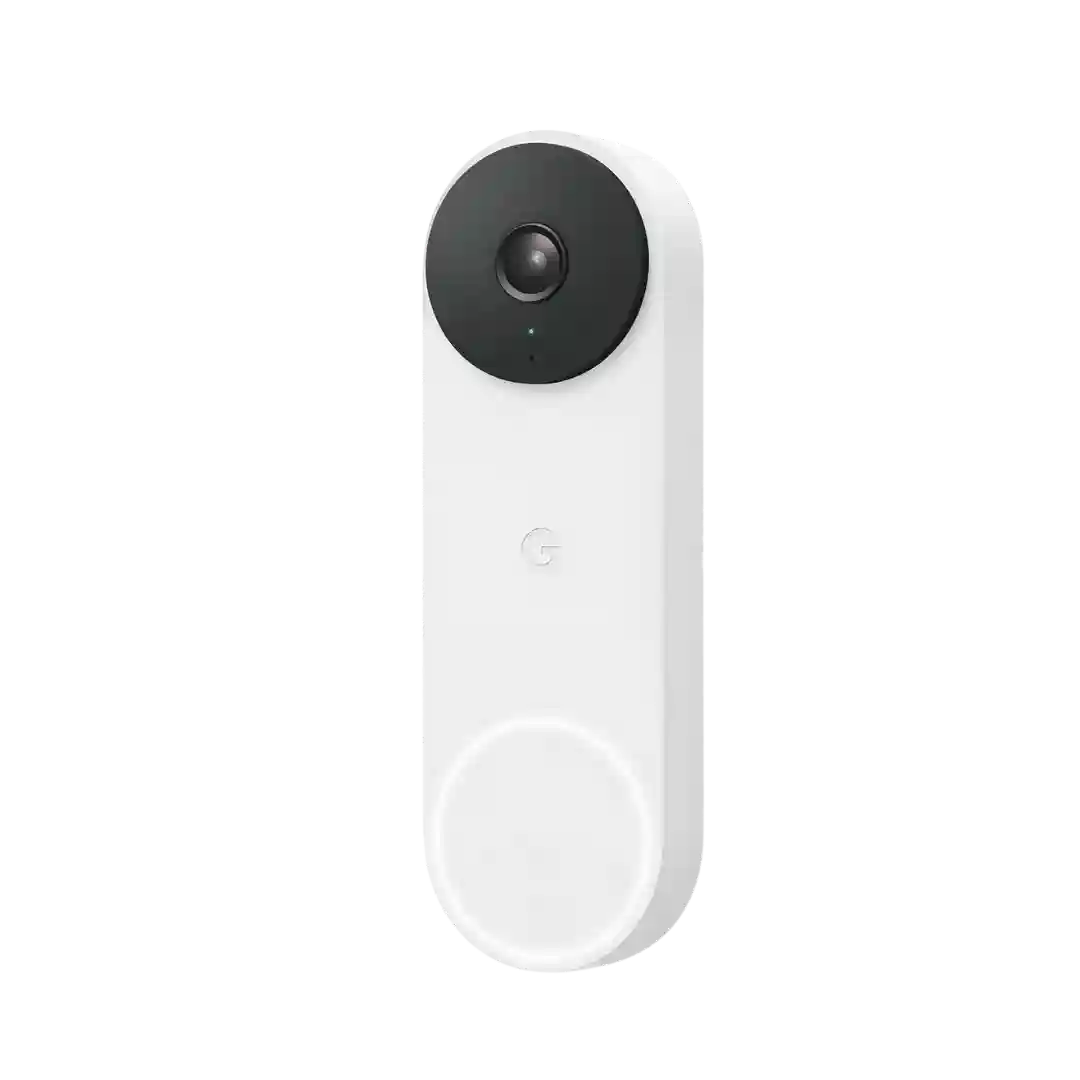
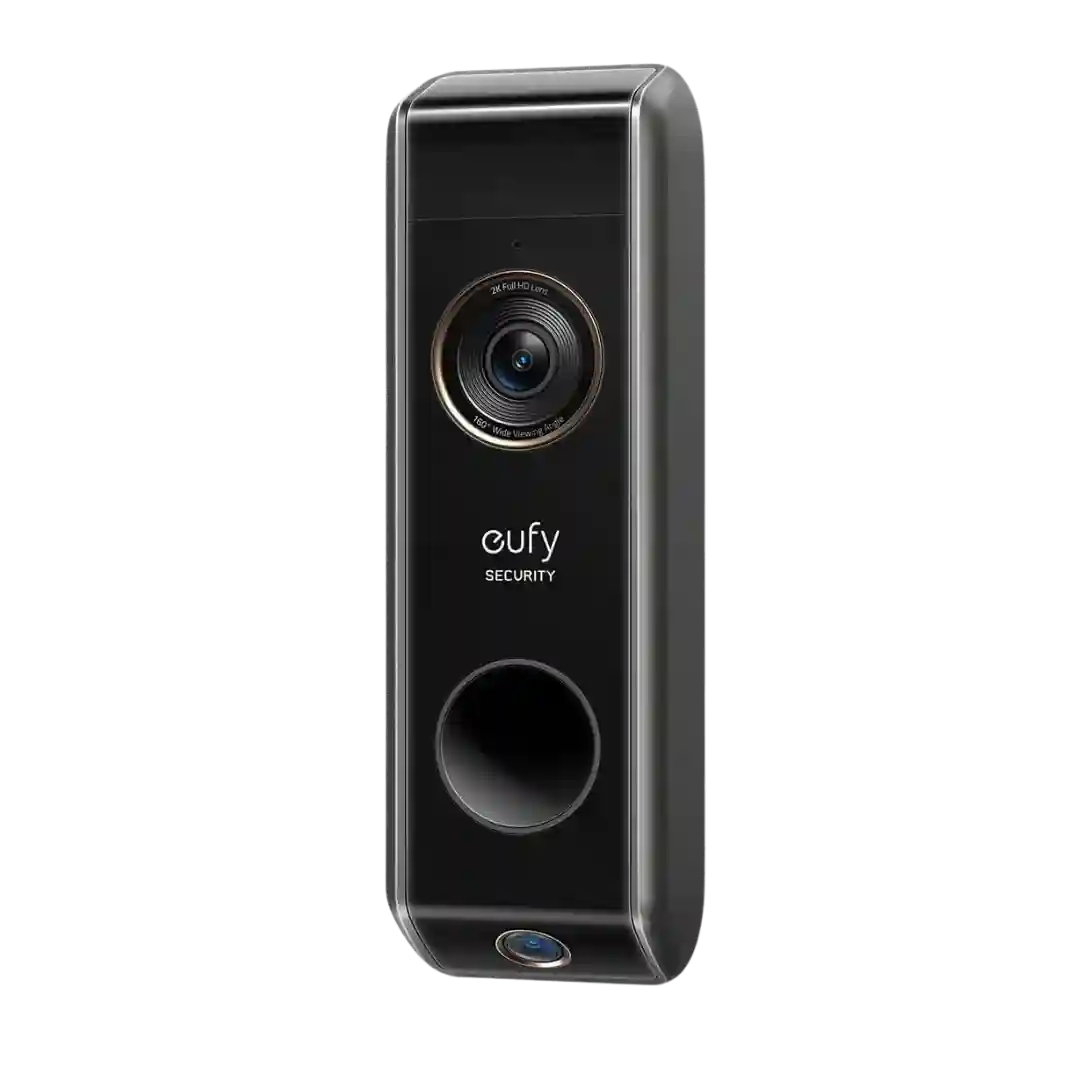
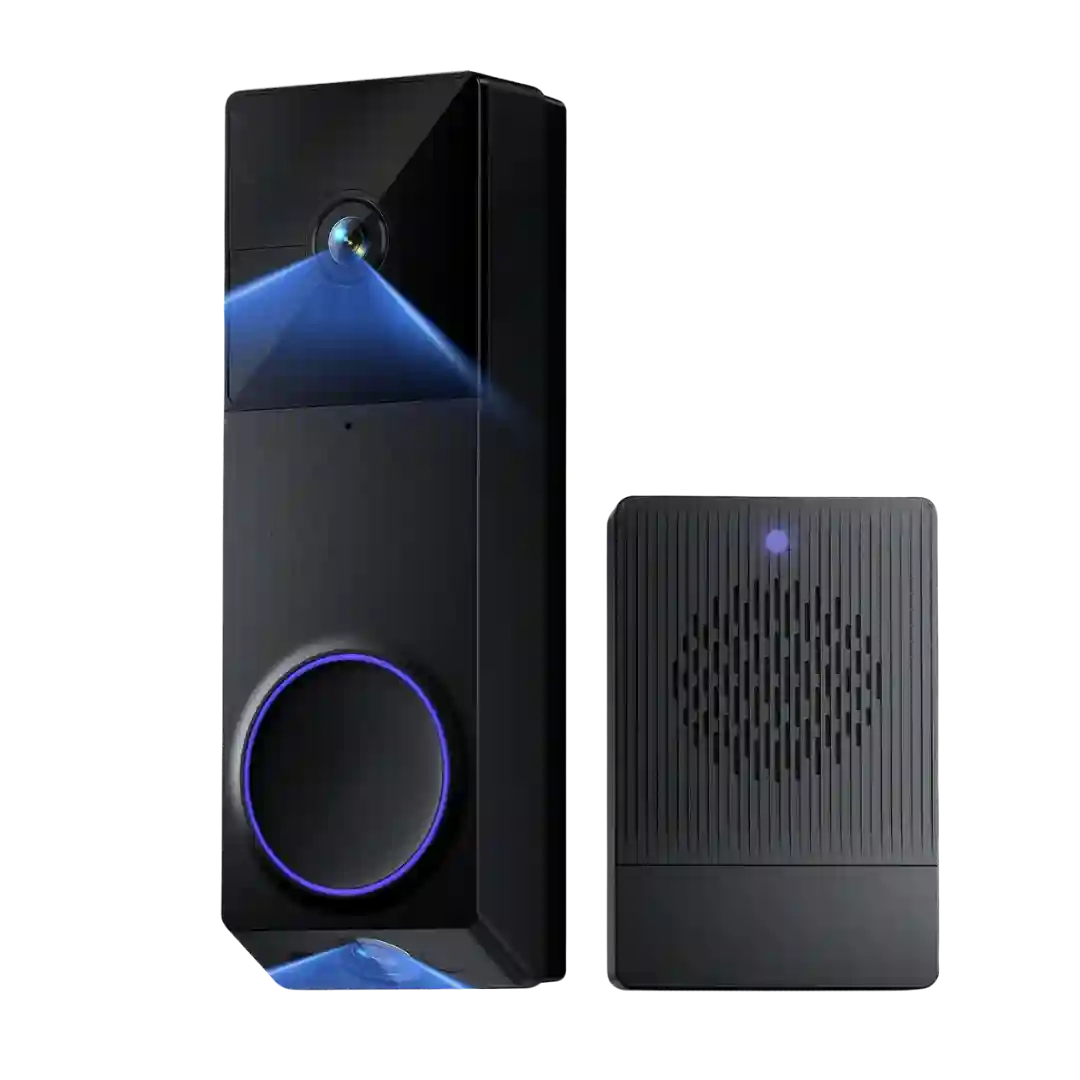
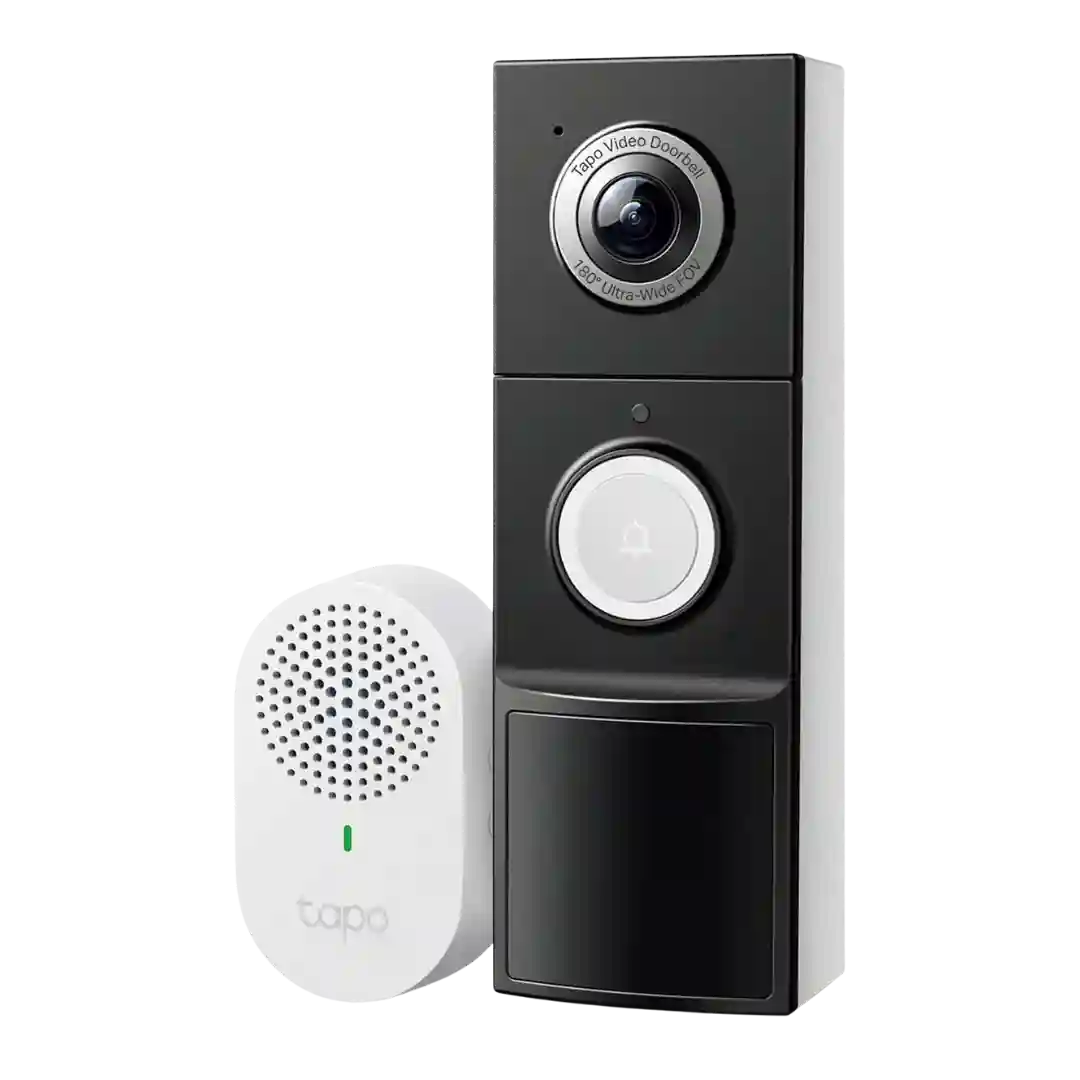
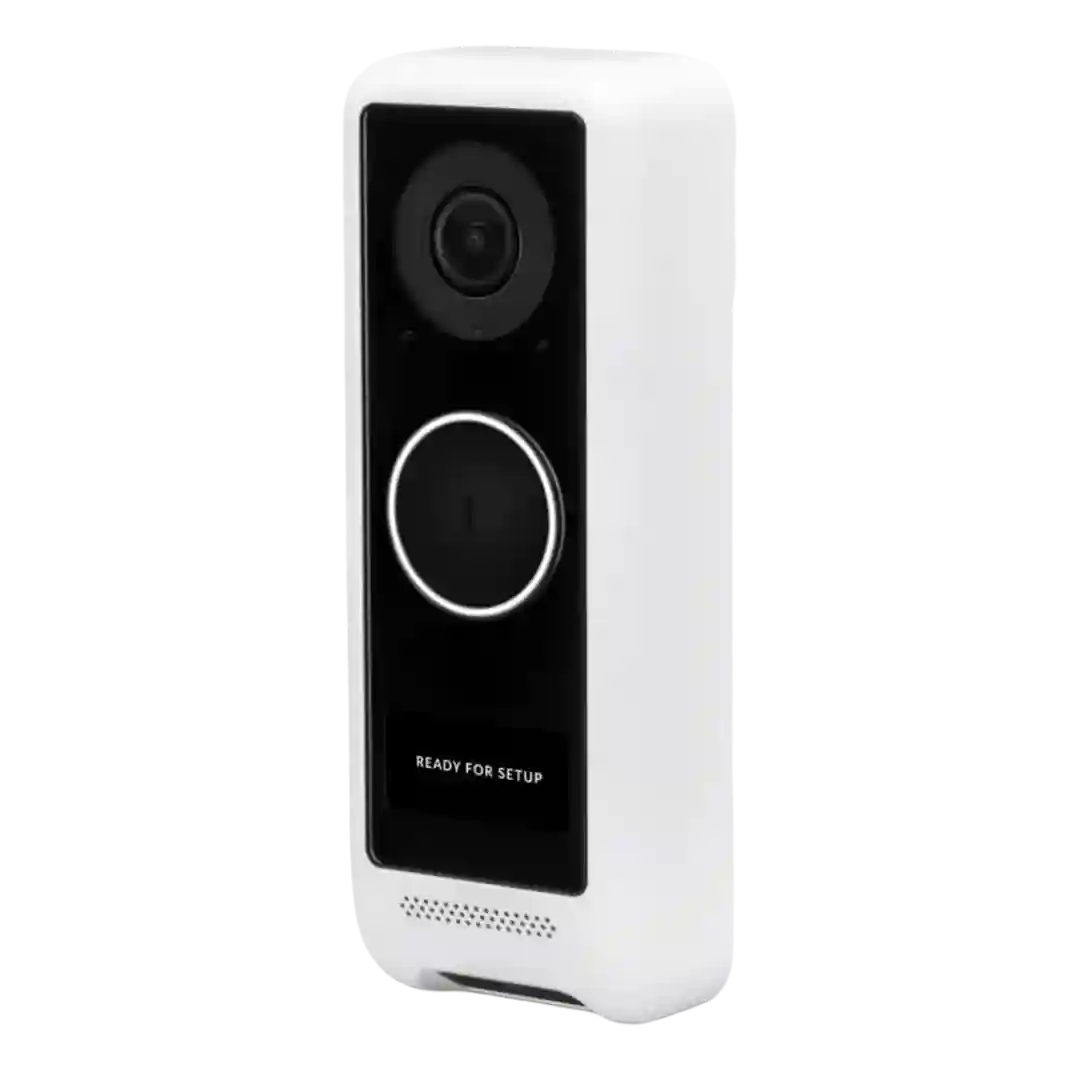
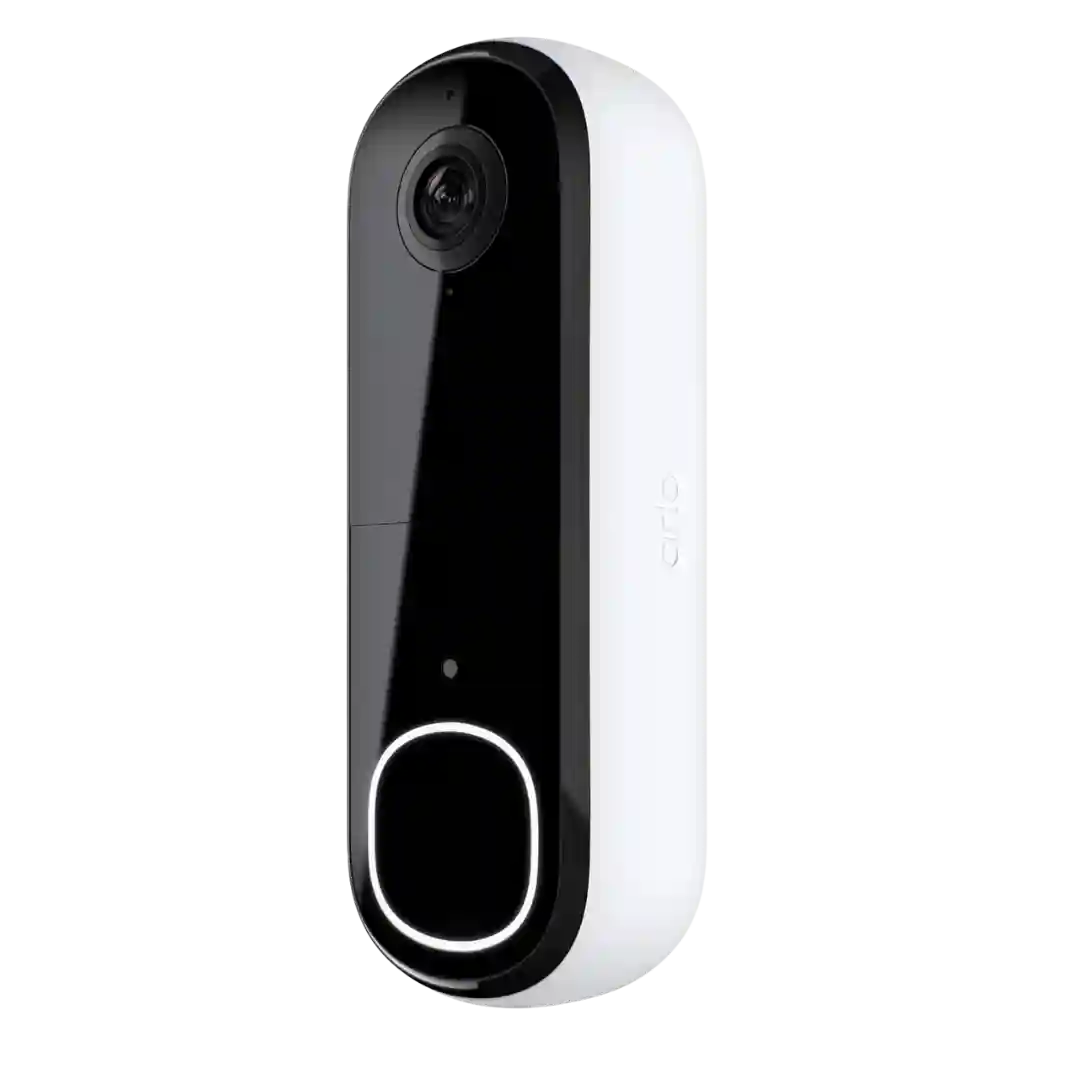
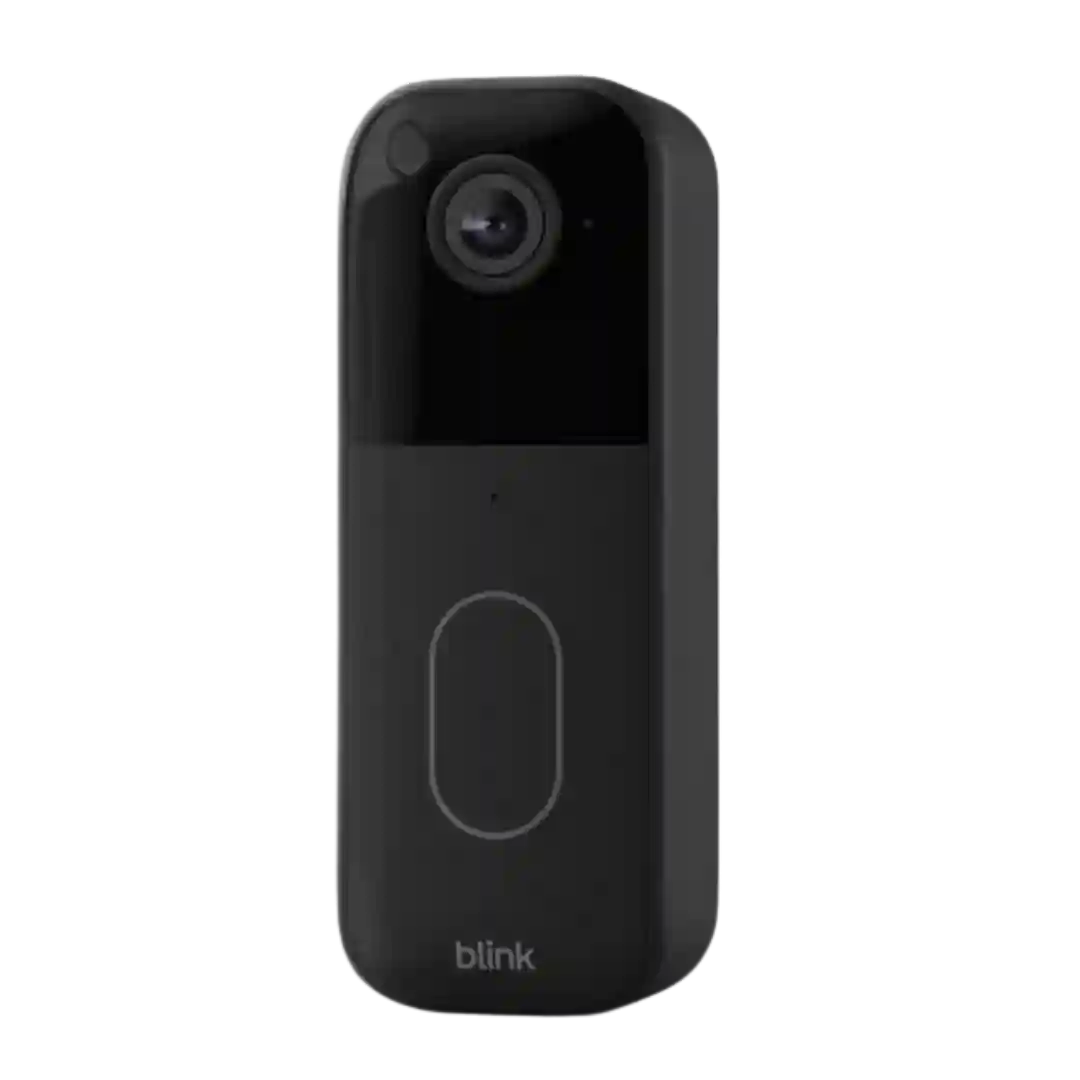
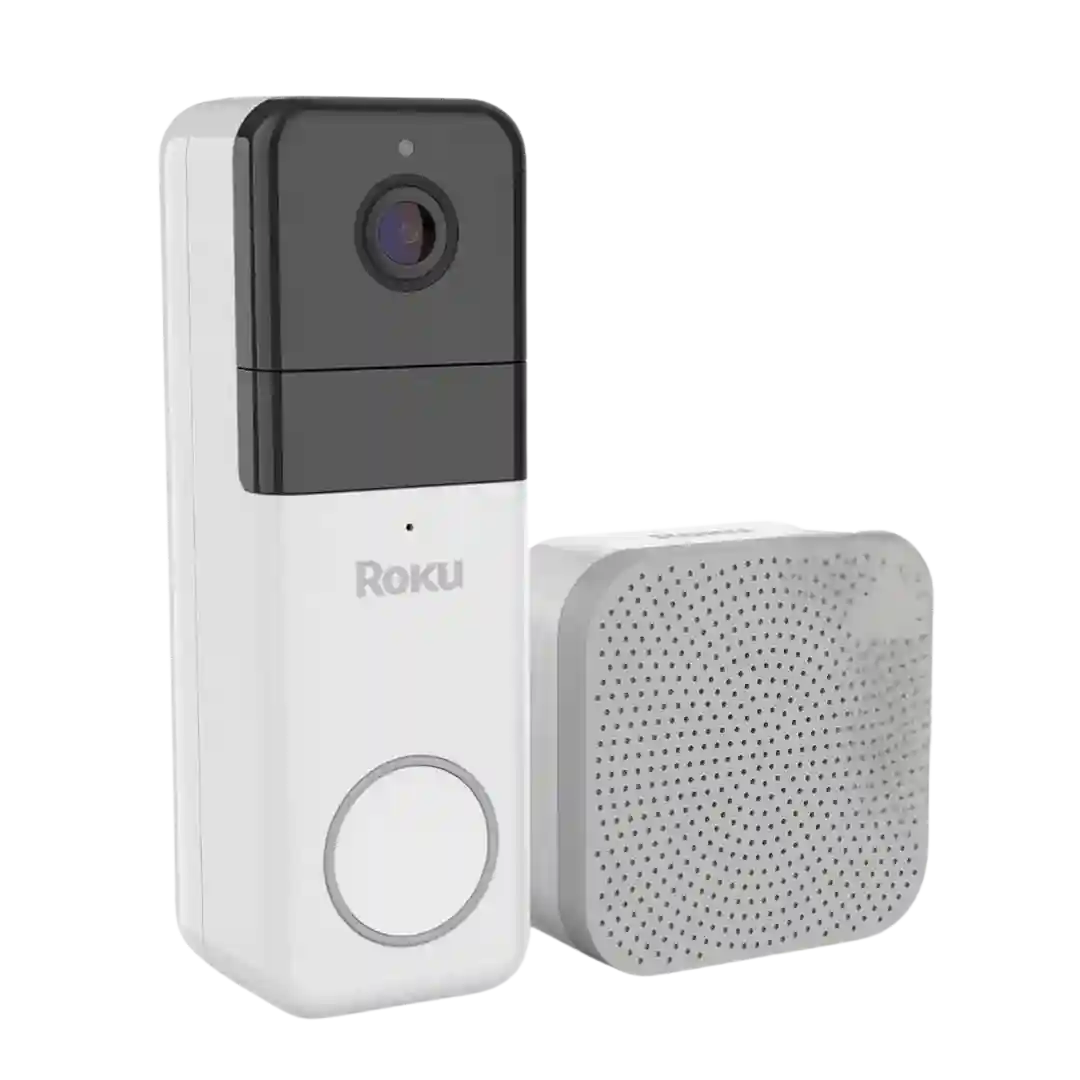
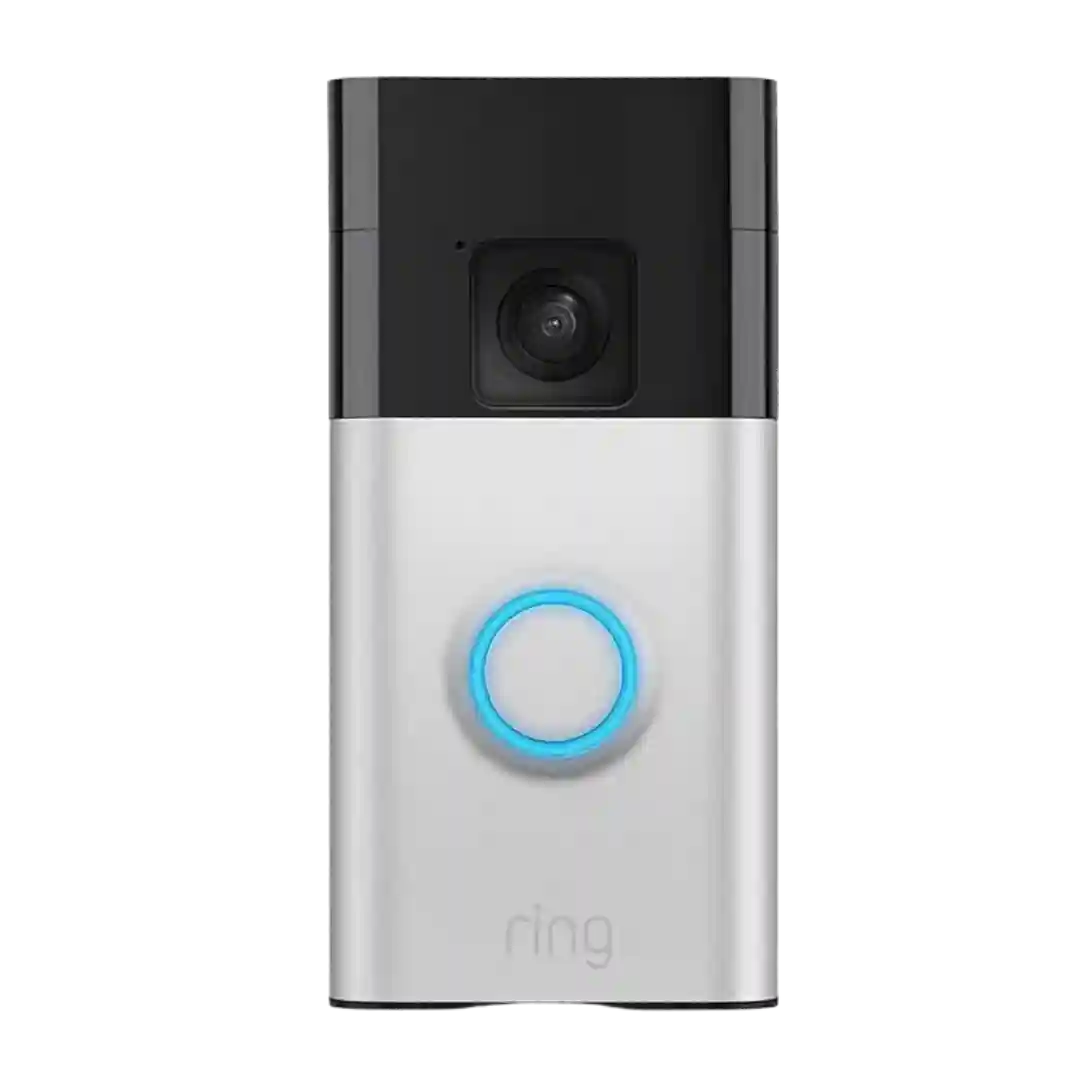
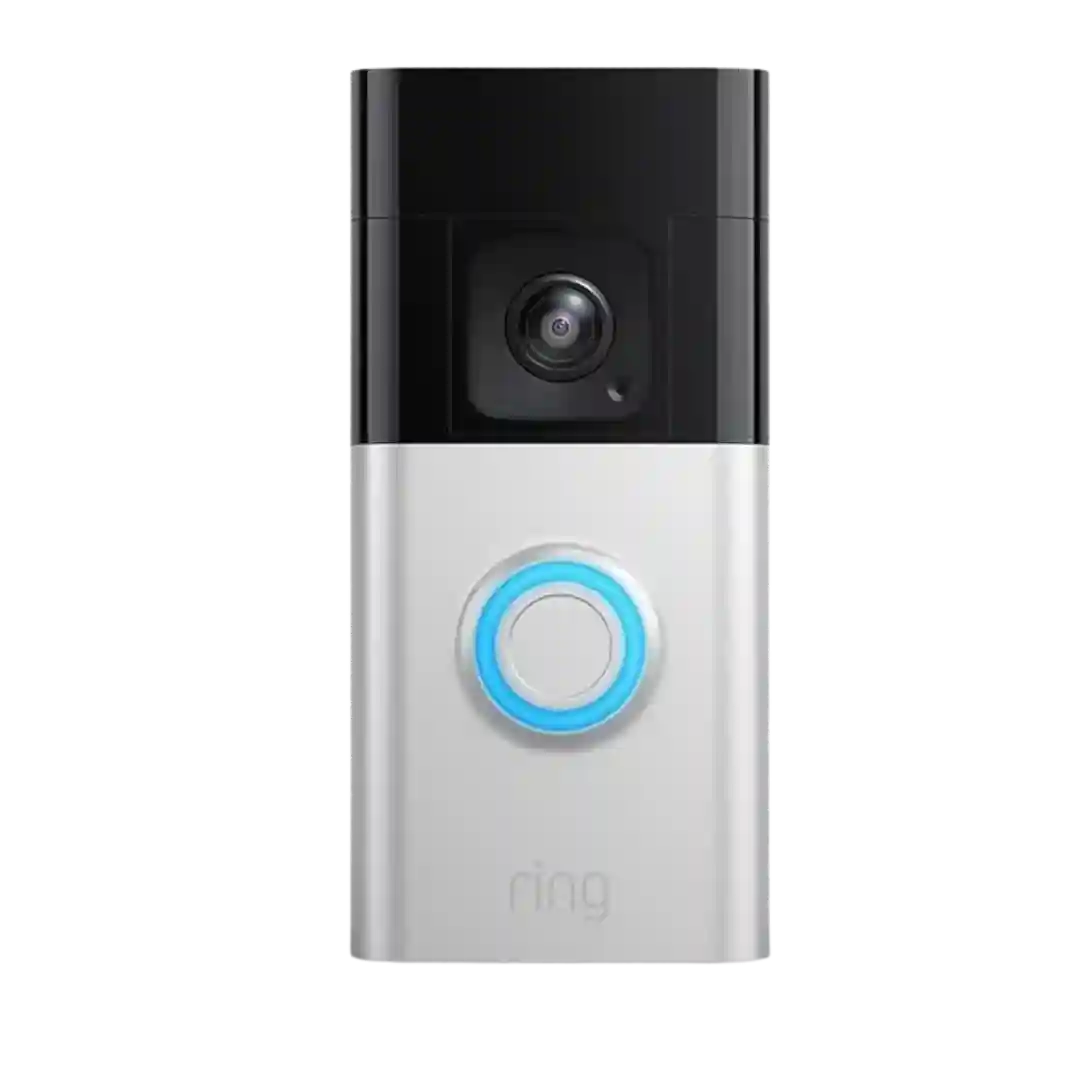
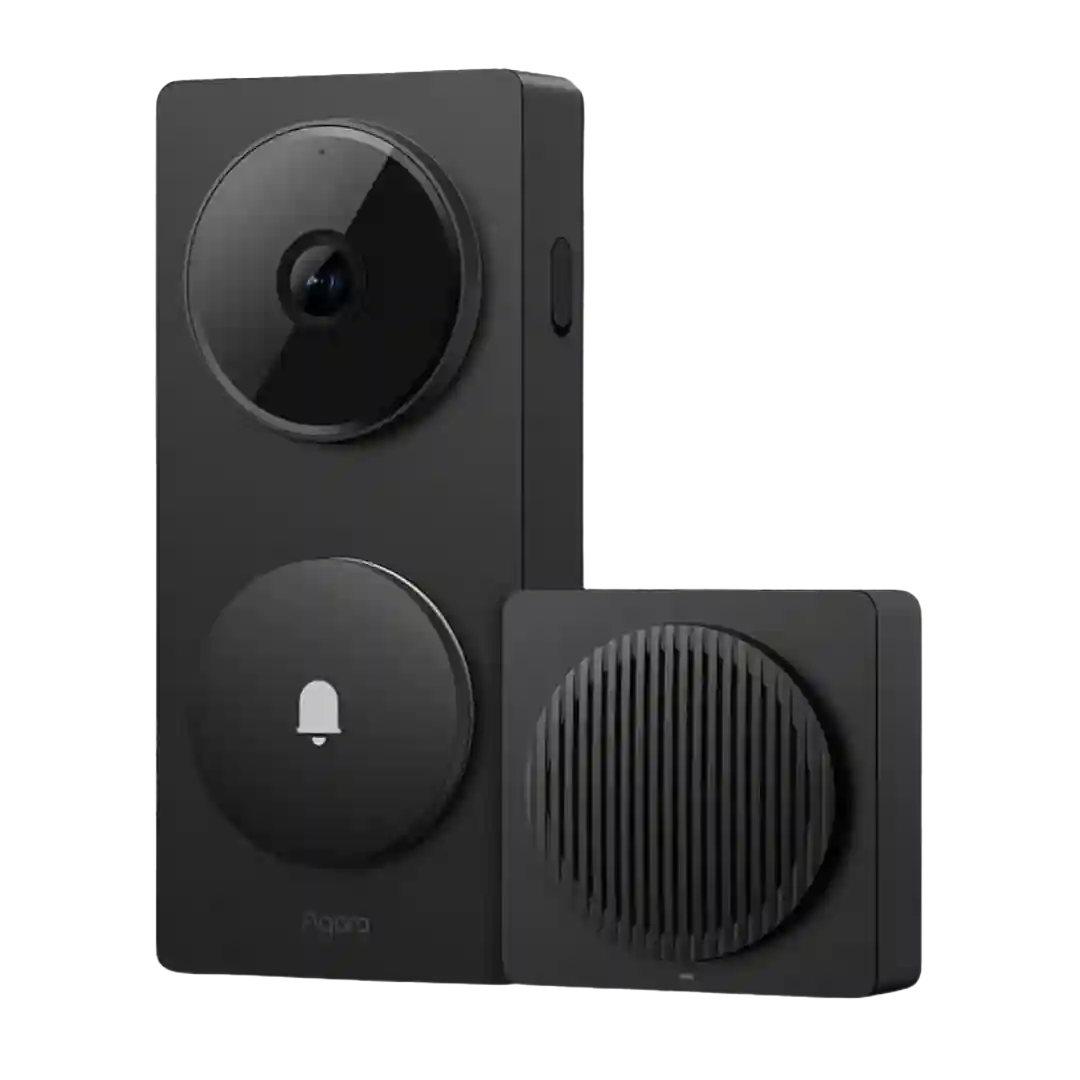
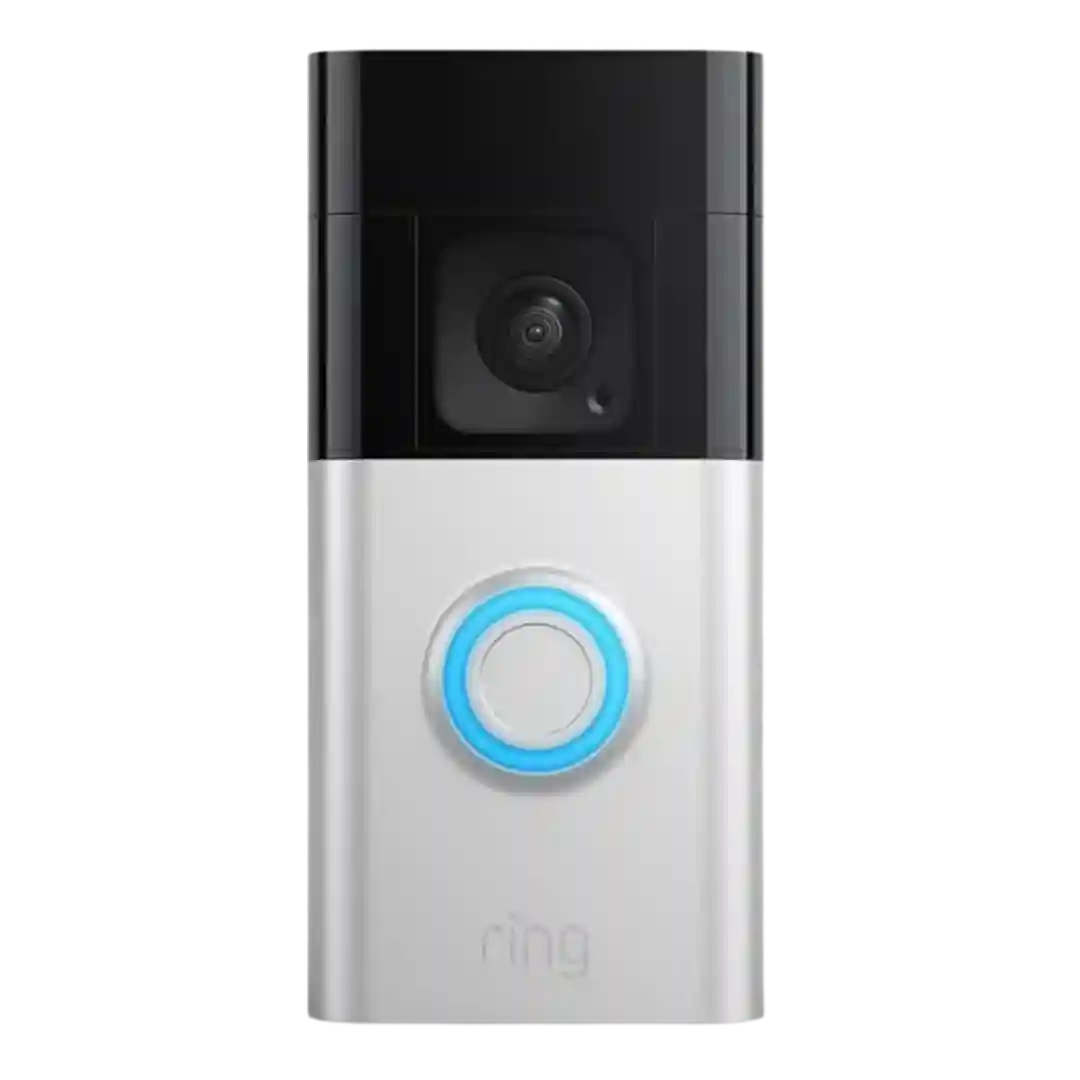
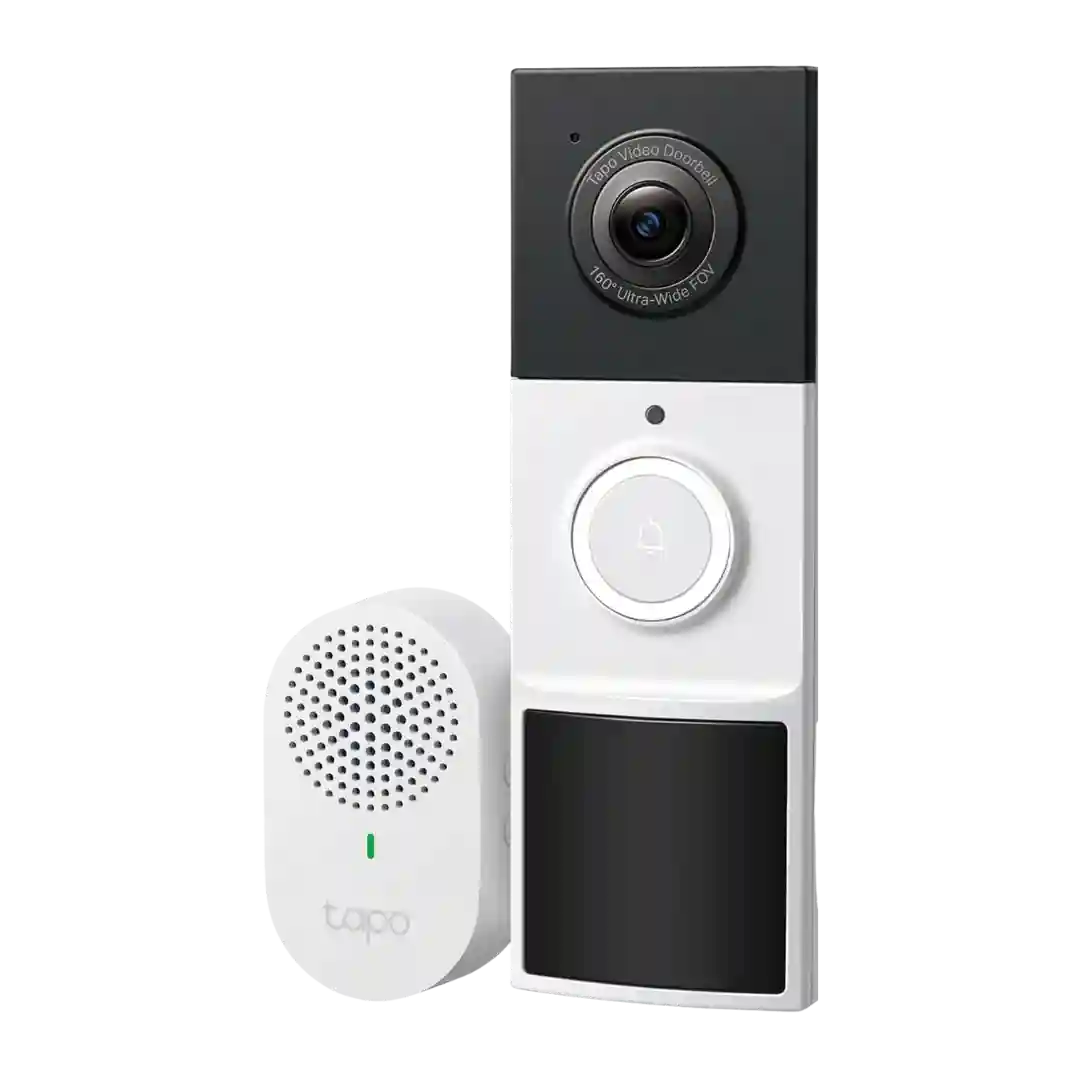
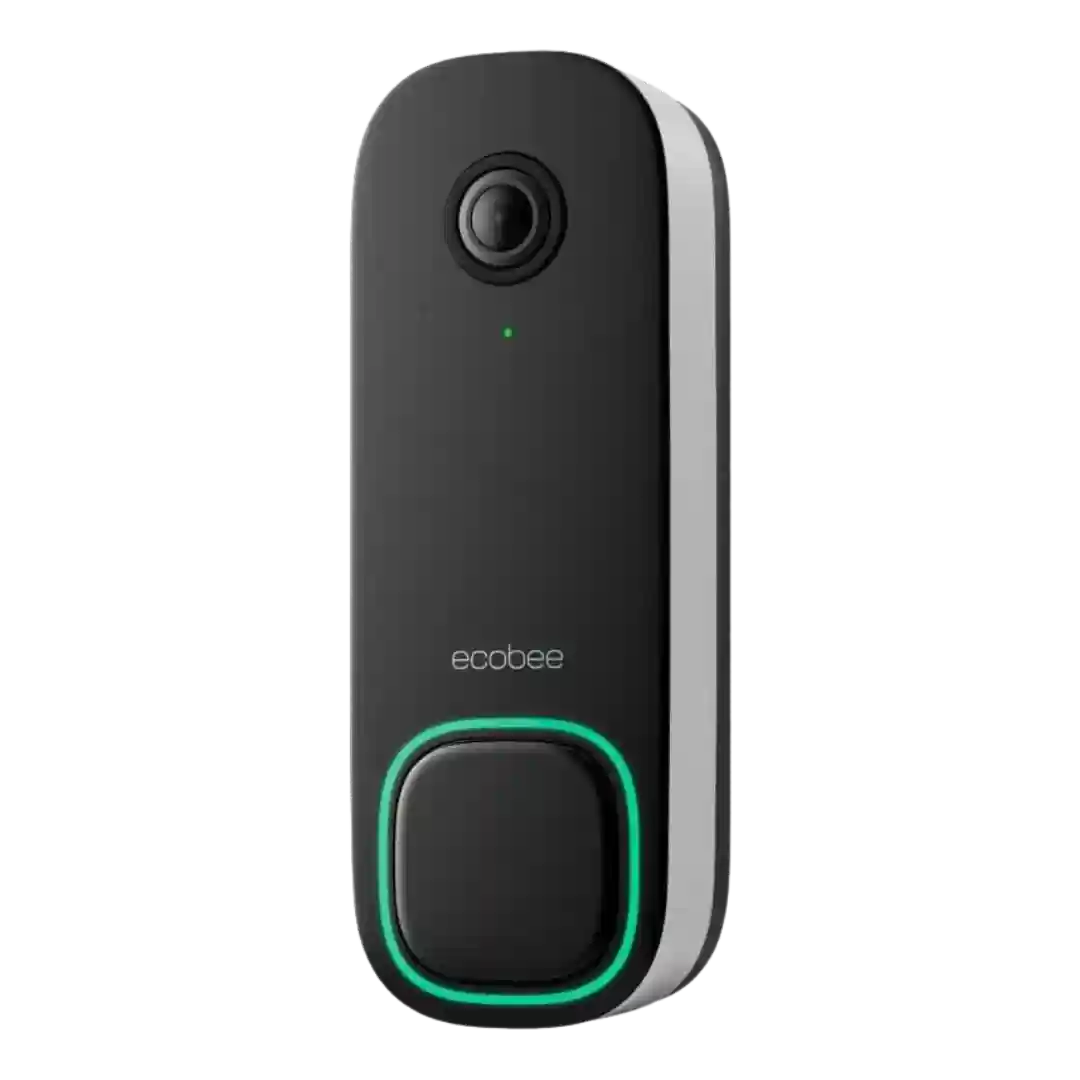
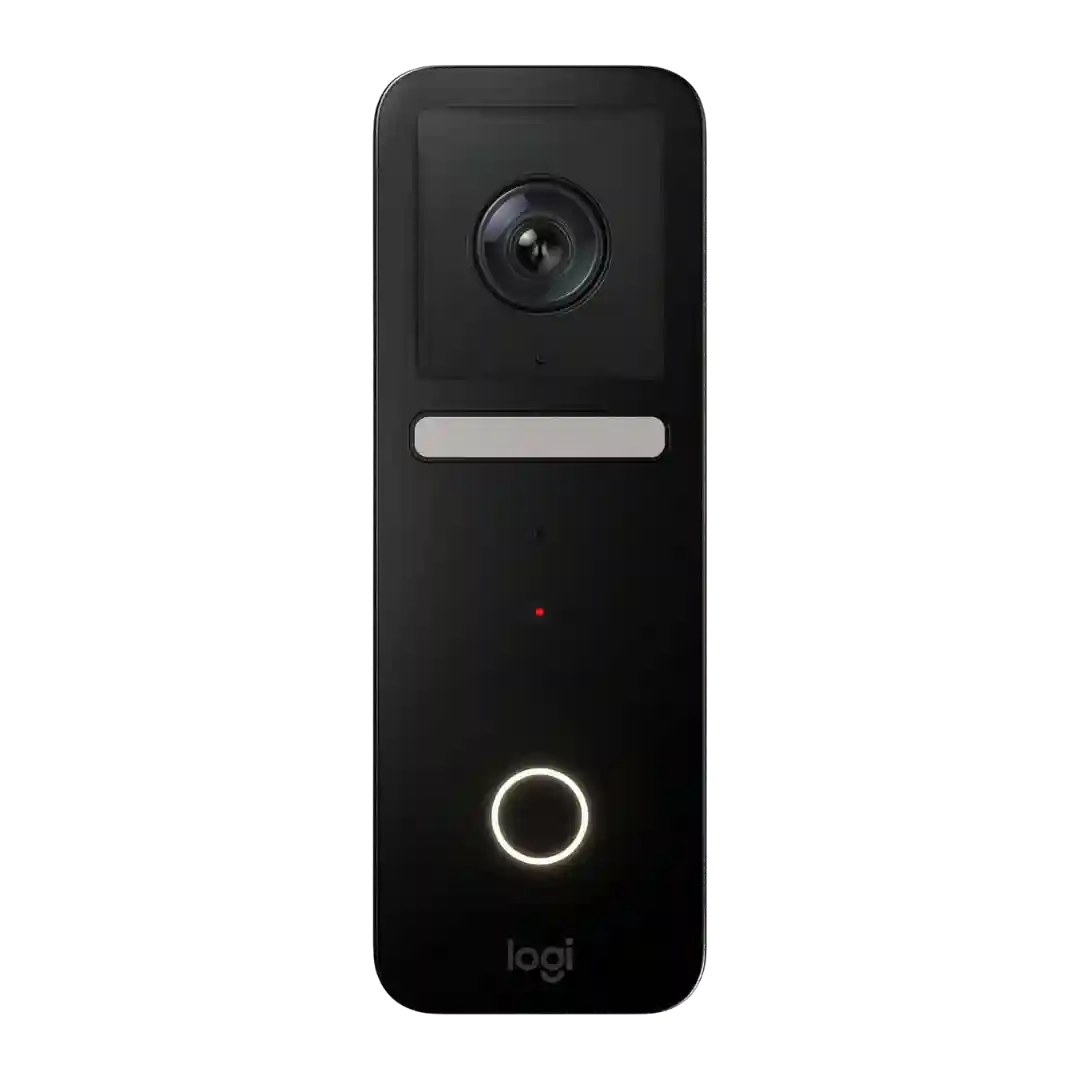
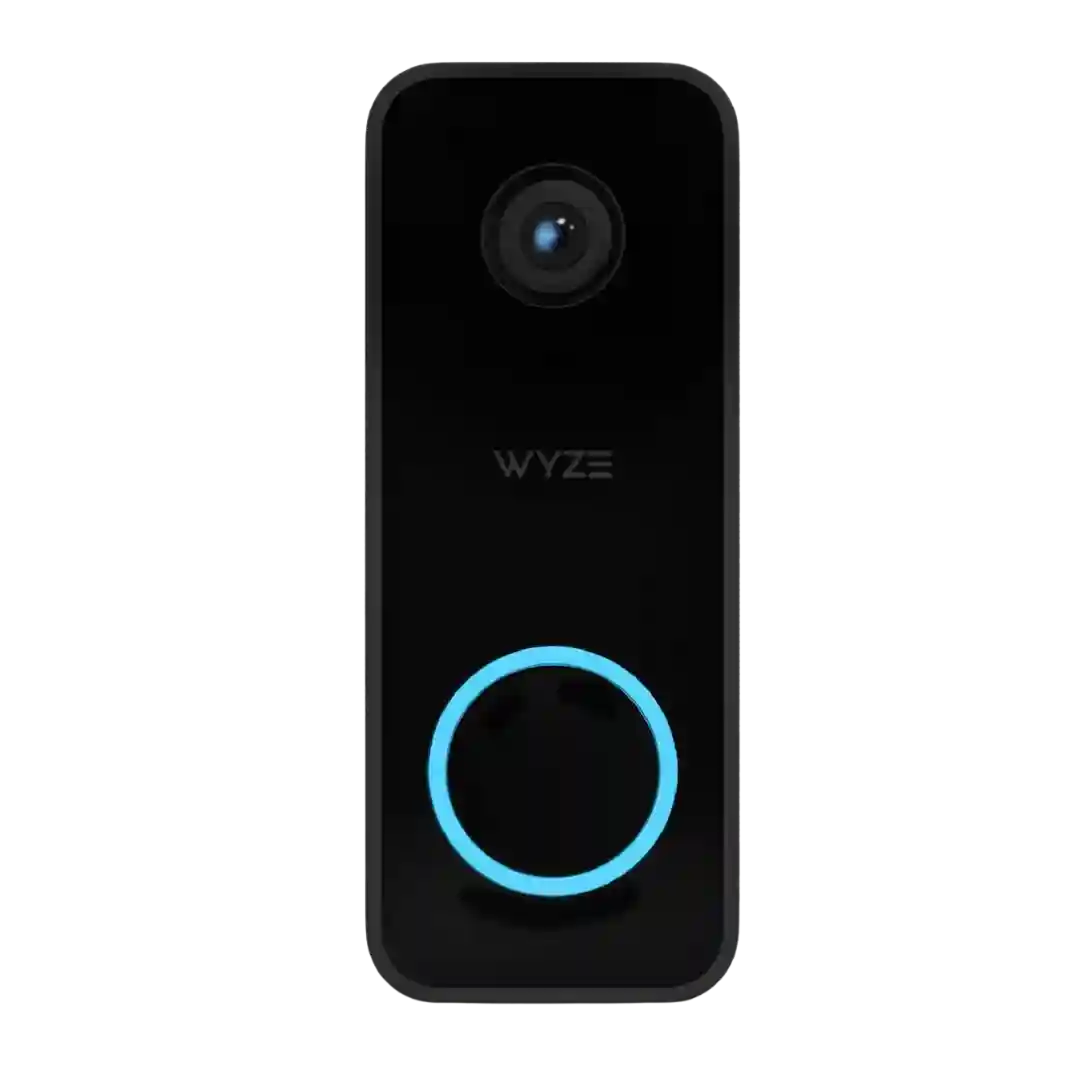
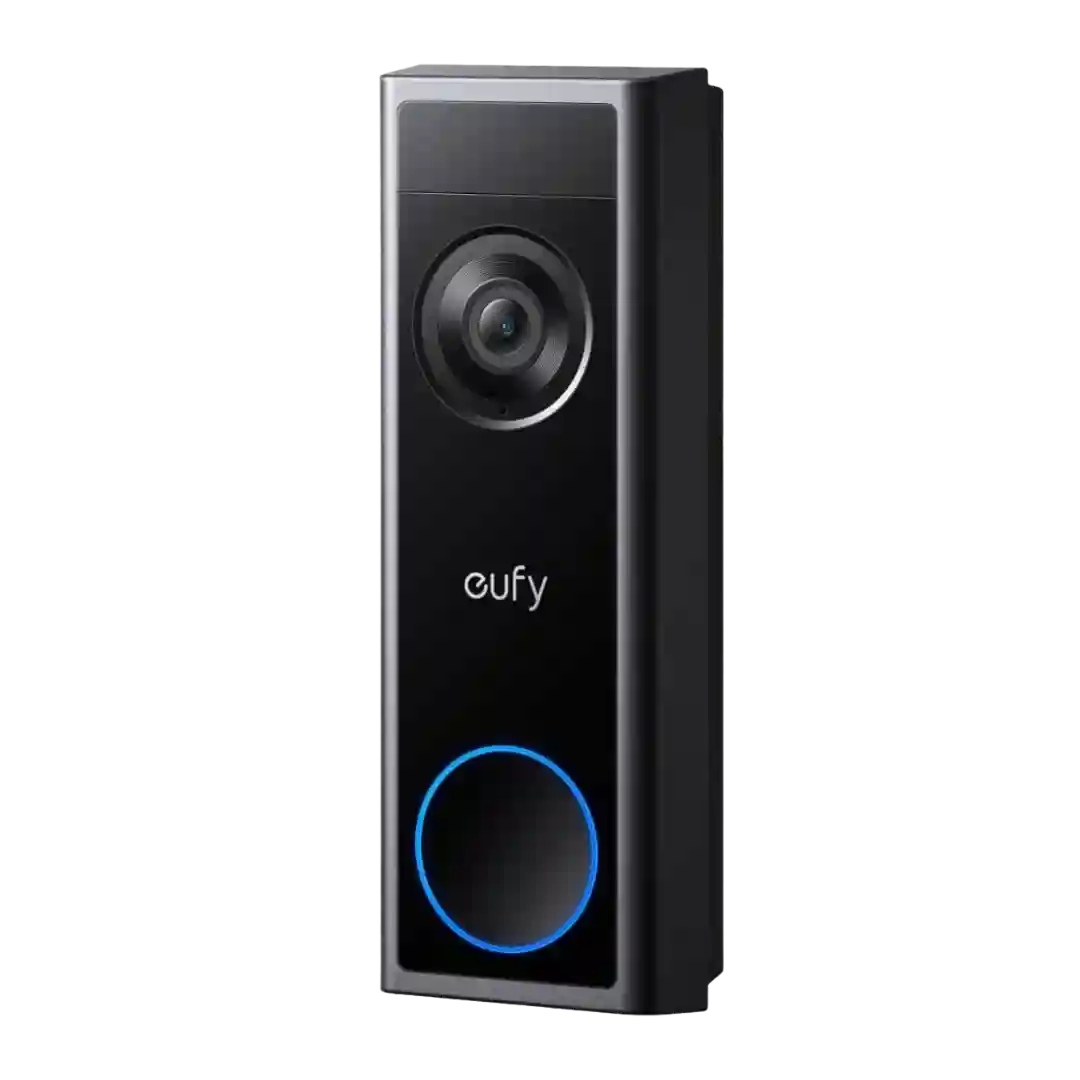
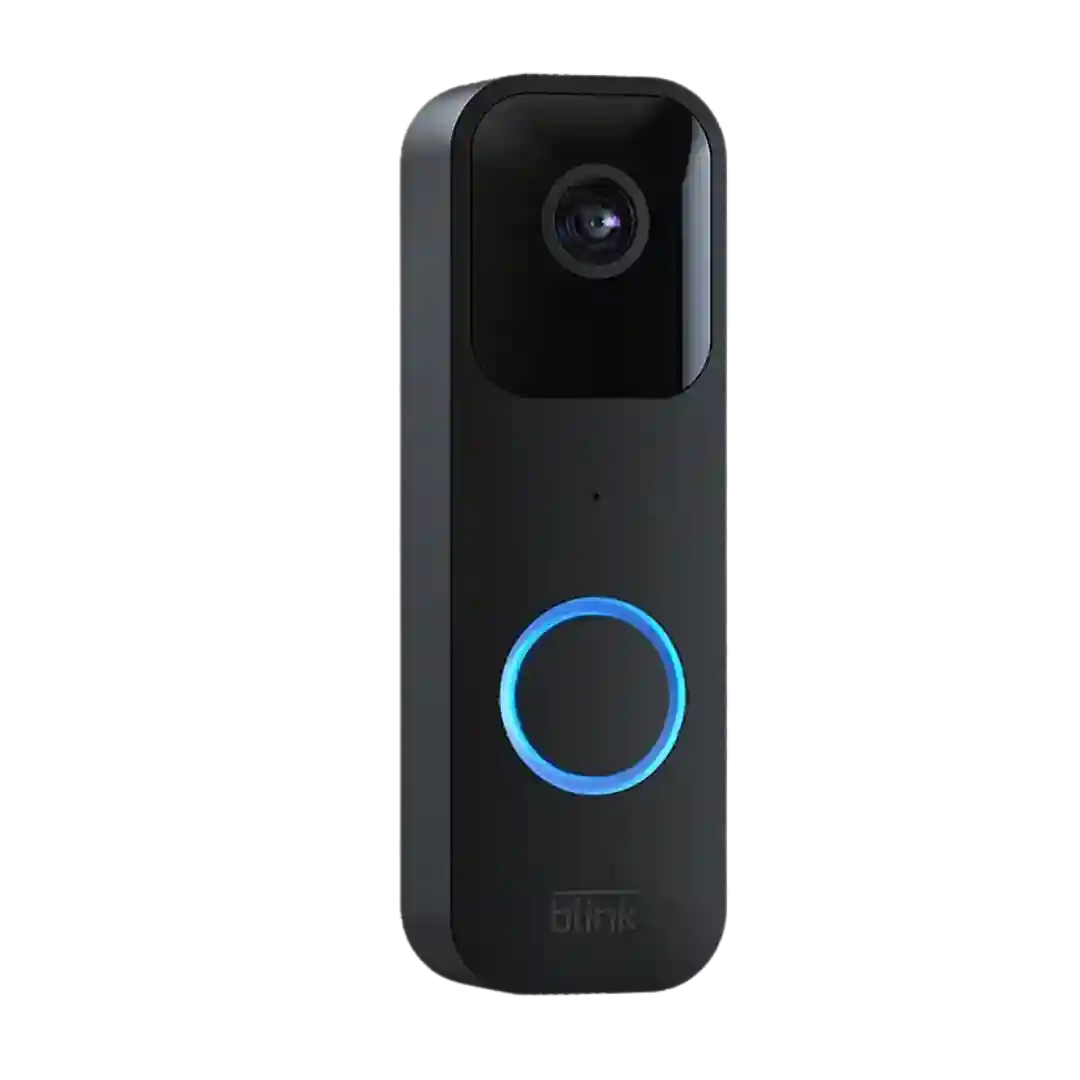
Package handling is the headline feature: the dual-cam view reduces the usual doorstep blind spot, and Delivery Guard-style alerts can warn on deliveries, pickups, and loitering. A recurring caveat is that detection works best when packages are placed clearly in view (larger boxes are detected more reliably than small items).
Package alerts are consistently described as accurate, including detection of deliveries and (in some tests) pickups. Some reviews distinguish basic package detection from more advanced tracking capabilities behind paid tiers.
Dual cameras meaningfully reduce doorstep blind spots, and package alerts, Delivery Guard style voice prompts, and package timelines are frequently praised; a few tests still saw occasional misses or over-sensitive package triggers.
The dual-camera layout is consistently praised for eliminating the blind spot under the doorbell and making deliveries easier to monitor; package-view framing is strong even when the main lens would miss items on the ground.
Delivery monitoring is strongest on dual-camera models, with reviewers praising the ability to see packages at the doorstep. A key limitation noted is that package alerts may only trigger when the package is within the package camera view, leaving blind spots that the main camera could otherwise see.
Package handling benefits from the wide view, package detection (when available), and quick replies that help manage deliveries, but detection is often tied to the subscription.
The head-to-toe framing makes it easier to see deliveries left at your door and reduces the classic blind spot under the camera. It still lacks dedicated package detection, so monitoring is primarily visual.
Package detection/alerts are repeatedly mentioned as available smart alerts, but largely positioned as subscription features rather than free-tier basics.
Package-related monitoring is frequently praised as practical, especially when paired with package zones and smart alerts. Multiple sources note it typically requires a subscription to work fully.
Head-to-toe framing helps confirm deliveries, but package detection can be hit-or-miss and may require zone and sensitivity tuning; smaller items and low light reduce reliability.
The taller aspect ratio and improved framing help with delivery visibility, and some reviewers say it captures packages better than 16:9 predecessors. Others still note limitations if the doorbell is mounted high or if you want a dedicated package camera and advanced package detection outside of HomeKit.
Package monitoring benefits a lot from the head-to-toe view, keeping many deliveries in frame and enabling package alerts. However, reliability varies with placement, shadows and package size, and some reviewers want better differentiation (delivered vs removed).
The D210 can still monitor packages because its wide view often captures the doorstep clearly, but reviewers repeatedly point out that it lacks dedicated package detection. In practice, it can watch deliveries, just not classify them as intelligently as the D225.
Package monitoring is widely described as subscription-gated and the experience is mixed. Some call it among the most reliable they have used, while others report missed package alerts or repeated false package notifications in certain scenarios.
Package-focused coverage is a weak spot: several reviews note limited doorstep visibility and that HomeKit Secure Video does not offer true package detection.
Package monitoring is limited by camera angle; some users can detect packages with smart alerts, but several reviews emphasize poor visibility of packages at the base of the door.
The C31 is positioned as a single-camera doorbell; reviewers comparing it to dual-camera models note it lacks a dedicated downward view for packages and doorstep close-ups. It can still capture delivery events, but not with the same package-focused framing.
Package monitoring is limited. Multiple reviews note that it lacks dedicated package detection, and the vertical framing can make it harder to confirm a package is present when it is close to the door.