Best for EQ customization
Samsung HW-Q990D Soundbar
4.5 feature score
Highest scored product for this feature based on supporting review evidence.
Highest scored product for this feature based on supporting review evidence.
Balances feature score, supporting reviews, and overall product strength.
Has the broadest review evidence for this feature.
Strongest overall product among items with scored evidence for this feature.
Showing Sound Bars only. Switch back to all Speakers anytime.
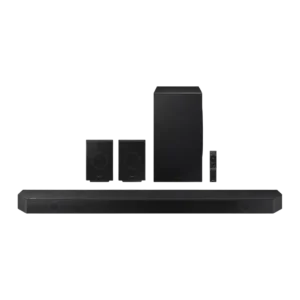
EQ, tone, woofer, channel-level, voice, bass, and sound-mode controls give broad customization.
Pros: AirPlay compatibility, HDMI ARC)
Cons: Status indicators, Weight convenience

EQ control is simple but useful, with bass, treble, loudness and related sound modes available in the Sonos app.
Pros: Setup simplicity, Distortion at high volume
Cons: Bluetooth codec support, Video passthrough support
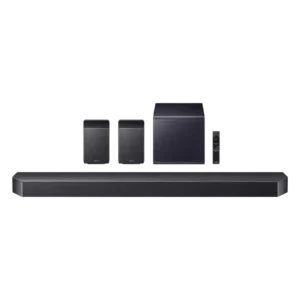
EQ and channel tuning are useful, especially via app, but some modes limit EQ to bass and treble.
Pros: Cohesive presentation, Detail retrieval
Cons: Weight convenience, Status indicators
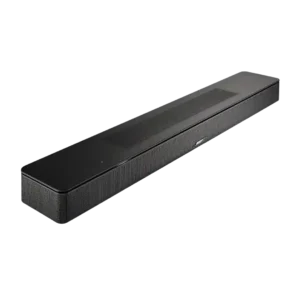
EQ customization is useful but basic, typically covering bass, treble, center, height, Wall EQ, or similar app controls.
Pros: Spotify Connect reliability, AirPlay compatibility
Cons: AI Room Calibration, Gaming HDMI passthrough
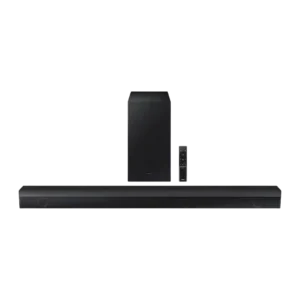
EQ and sound-mode customization is a recurring strength, with graphic EQ, bass/treble controls and multiple presets, despite some limits.
Pros: Setup simplicity, Dialogue clarity (for TV/soundbar use)
Cons: AirPlay compatibility, Chromecast compatibility
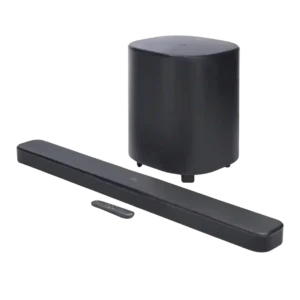
EQ customization is available through the app or controls, but one reviewer criticizes the lack of saved presets and unsaved EQ behavior.
Pros: AirPlay compatibility, Chromecast compatibility
Cons: HDMI 2.1 gaming, Gaming HDMI passthrough
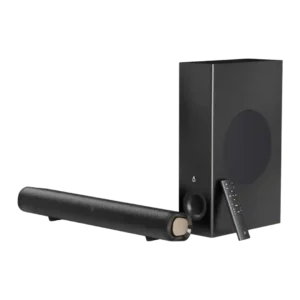
EQ customization is useful but basic: bass, treble, presets, and SuperWide modes are available, while deeper app-based band EQ is missing.
Pros: Setup simplicity, Voice clarity
Cons: Wi-Fi streaming reliability, Spotify Connect reliability
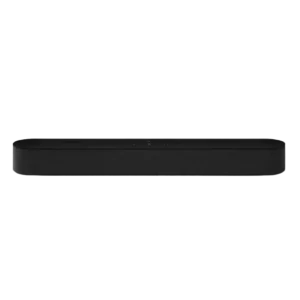
EQ customization is useful but basic, generally limited to bass, treble, balance, Loudness, Night Sound, and Speech Enhancement rather than full frequency control.
Pros: Weight convenience, Dialogue clarity (for TV/soundbar use)
Cons: Bluetooth codec support, Dolby Atmos height effects
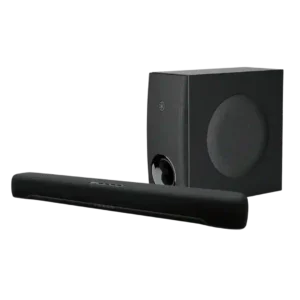
EQ customization is limited to presets and toggles (Stereo/Standard/3D Movie/Game, Clear Voice, Bass Extension, and sub level). Reviews note there is no full parametric/graphic EQ, but there is enough control...
Pros: Wired input availability, Low-volume performance
Cons: Wi-Fi streaming reliability, AirPlay compatibility
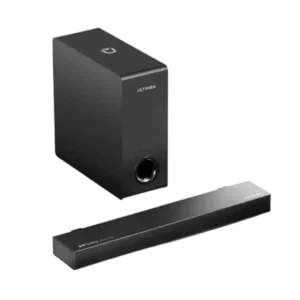
EQ customization is useful but basic, built around Movie, Game, Music, and bass adjustment, with Movie usually favored.
Pros: optical, Weight convenience
Cons: Gaming HDMI passthrough, Smart features

EQ customization is useful but basic, usually limited to bass, treble, loudness, night mode, and speech enhancement rather than a full equalizer.
Pros: Smart assistant integration (Alexa, Dialogue clarity (for TV/soundbar use)
Cons: Bluetooth codec support, Gaming HDMI passthrough
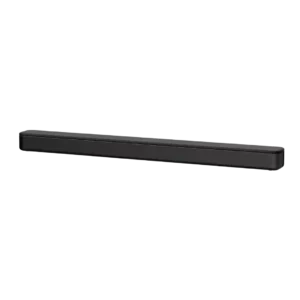
Sound modes provide useful preset flexibility, but deeper EQ control is limited or not very distinct.
Pros: Distortion at high volume, Setup simplicity
Cons: Wi-Fi streaming reliability, Dolby Atmos height effects
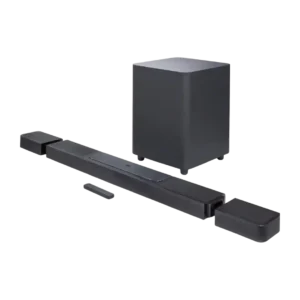
EQ customization was a repeated weakness because the app offers only limited bands, presets, and coarse level adjustments.
Pros: Amplifier power requirements, HDMI ARC)
Cons: HDMI 2.1 gaming, Gaming HDMI passthrough
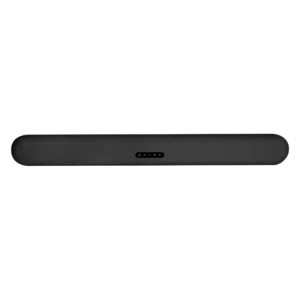
EQ customization is a weakness: several reviewers complain that true EQ or room tuning controls are missing or too limited.
Pros: Dialogue clarity (for TV/soundbar use), Detail retrieval
Cons: Chromecast compatibility, Google