Best for False alert filter effectiveness
Arlo Pro 5s Spotlight Security Camera
5.0 feature score
Highest scored product for this feature based on supporting review evidence.
Highest scored product for this feature based on supporting review evidence.
Balances feature score, supporting reviews, and overall product strength.
Has the broadest review evidence for this feature.
Strongest overall product among items with scored evidence for this feature.
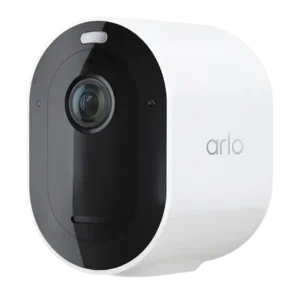
False alert filtering is praised where discussed, with activity zones and detection filters helping cut noise and reduce false positives.
Pros: Notification speed, Event recording reliability
Cons: Mesh network compatibility, Customer support responsiveness
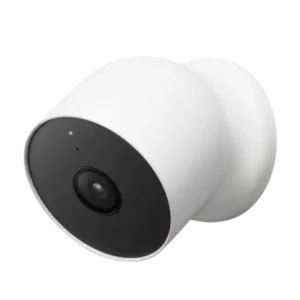
False alert filtering is a major strength, with reviewers praising the camera for ignoring irrelevant motion and reducing useless alerts.
Pros: False alert filter effectiveness, Operating temperature range
Cons: IFTTT/automation compatibility, HomeKit integration
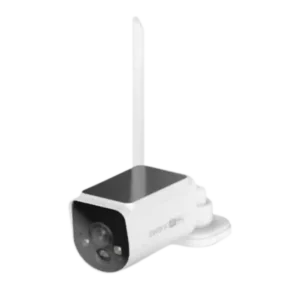
False-alert filtering was a strong point, with reviewers praising reduced false triggers and useful sensitivity or AI filtering.
Pros: Digital zoom clarity, Floodlight brightness
Cons: Frame rate, Smart-home integration (Alexa
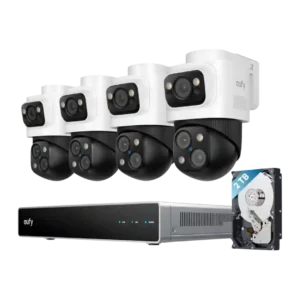
False alert filtering was generally strong, with reviewers praising fewer irrelevant alerts, though one noted the AI was not perfect.
Pros: Detection range, Recording start-time lag
Cons: ONVIF/RTSP support, HomeKit integration
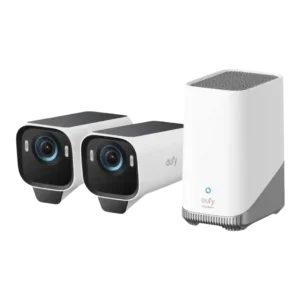
False alert filtering performed well overall, with radar/PIR and AI helping reviewers avoid false alarms from branches, shadows, or non-relevant motion.
Pros: Low-light performance, Color accuracy
Cons: Speaker volume, Frame rate
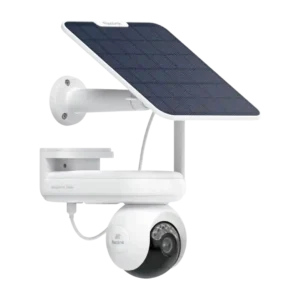
False alert filtering was positive in the available evidence, with correct identification and comments about cutting back false alerts.
Pros: Recording start-time lag, Smart home accessory compatibility
Cons: Optical zoom performance, HomeKit integration
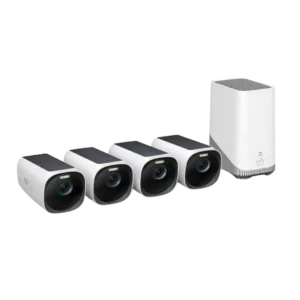
False-alert filtering is mostly strong after tuning, though high sensitivity and some auto-tracking scenarios can still produce mistakes.
Pros: Cloud storage plan value, Weather resistance rating (IP code)
Cons: Recording start-time lag, Pre-event recording length
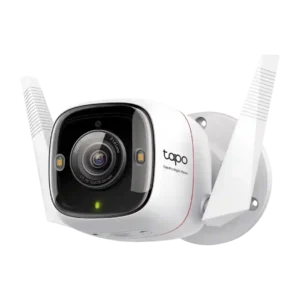
False-alert filtering was mixed, with WIRED seeing false positives and flaky AI while other testers reported accurate alerts or no false triggers.
Pros: Detection range, On-device features
Cons: HomeKit integration, PoE
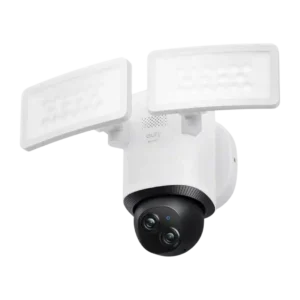
False-alert performance was mixed but positive overall: several reviewers praised filtering, while others saw cats, chairs, or trees misidentified.
Pros: Cloud storage plan value, Dual-band (2.4/5GHz) performance
Cons: HomeKit integration, ONVIF/RTSP support
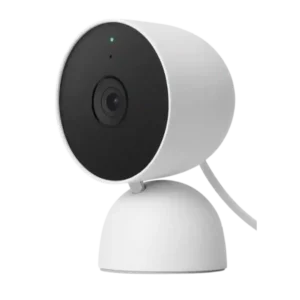
False alert filtering was mostly strong, though one reviewer had a dog misidentified as a human.
Pros: Low-light performance, Notification speed
Cons: Recording start-time lag, PTZ (pan/tilt/zoom) control responsiveness
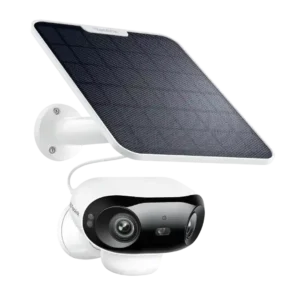
False-alert filtering was generally effective after tuning, with reviewers praising sensitivity controls, object-size filters, and fewer false alerts.
Pros: Connectivity options, Detection range
Cons: HomeKit integration, Continuous recording capability
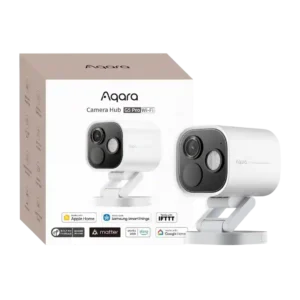
False-alert filtering was mostly good but not perfect: several reviewers reported accurate alerts or no night false alarms, while others saw extra or mistaken alerts.
Pros: Durability, Low-light performance
Cons: Power options (solar panel), PTZ (pan/tilt/zoom) control responsiveness
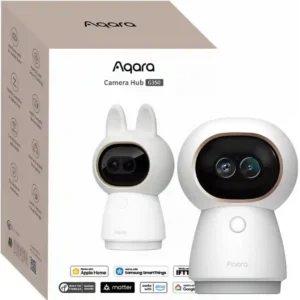
Early lighting and shadow alerts were resolved through firmware in one test, indicating updates can meaningfully improve false-trigger behavior.
Pros: Frame rate, Continuous recording capability
Cons: Weather resistance rating (IP code), Included accessories
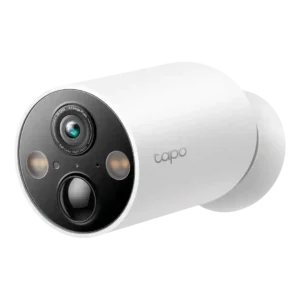
False-alert filtering was mostly positive thanks to proper notifications and reduced false alerts, though one reviewer saw overly sensitive spotlight behavior.
Pros: Power options (solar panel), On-device features
Cons: PTZ (pan/tilt/zoom) control responsiveness, Continuous recording capability
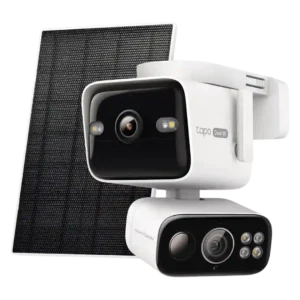
False-alert filtering helped reduce noise, though one test noted minor misclassification of some events.
Pros: Low-light performance, Floodlight brightness
Cons: HomeKit integration, Echo/noise cancellation
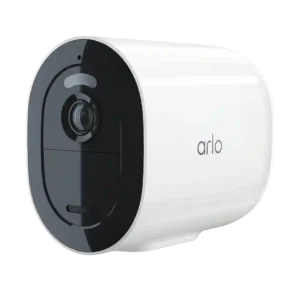
False-alert filtering was mixed: activity zones and detection filters helped reduce simple movement alerts, but one reviewer saw nonstop alerts from small motion.
Pros: Notification speed, Smart home accessory compatibility
Cons: Replacement part availability, HomeKit integration
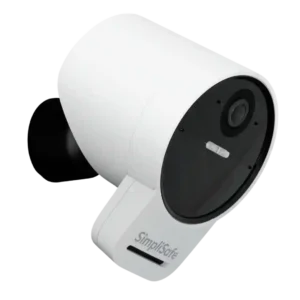
False-alert filtering was generally praised through AI, familiar faces, and zones, but one review found face scanning time-consuming and another preferred alternatives with fewer false positives.
Pros: Weather resistance rating (IP code), System scalability
Cons: Pre-event recording length, HomeKit integration
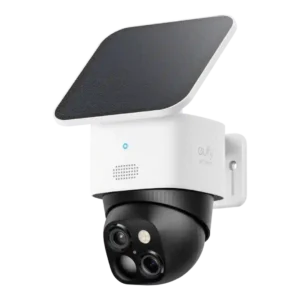
False-alert filtering is mixed: AI and zones can reduce false alarms, but cats, wind, and trigger-happy motion still cause problems.
Pros: Cloud storage plan value, Power options (solar panel)
Cons: HomeKit integration, IFTTT/automation compatibility
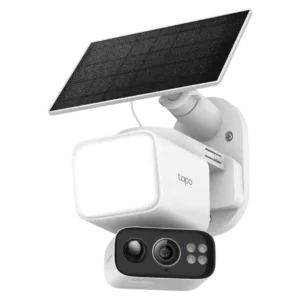
False-alert filtering was mixed: subject-specific settings helped avoid unwanted triggers, but reviewers also reported hit-or-miss detection and PIR limits.
Pros: Speaker volume, Lens distortion correction
Cons: Field of view, Detection range
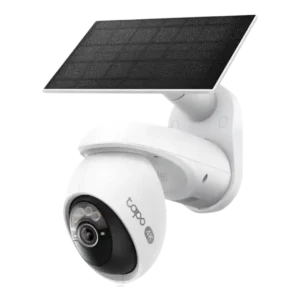
False-alert filtering was only moderately effective because branches and shadows could still trigger alarms.
Pros: On-device processing (AI), Installation and Mounting
Cons: ONVIF/RTSP support, HomeKit integration
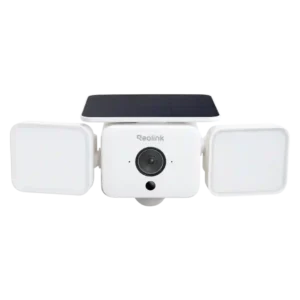
AI categories and exclusion zones can reduce nuisance alerts, yet default sensitivity often triggers on traffic, laundry, pets, or minor movement and may require careful tuning.
Pros: Field of view, Customizable motion zones
Cons: Continuous recording capability, ONVIF/RTSP support
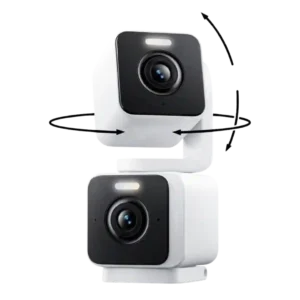
False-alert filtering was mixed, with activity zones helping but tracking and subscription limits causing more unwanted alerts.
Pros: Installation and Mounting, Articulation range
Cons: ONVIF/RTSP support, Connectivity options