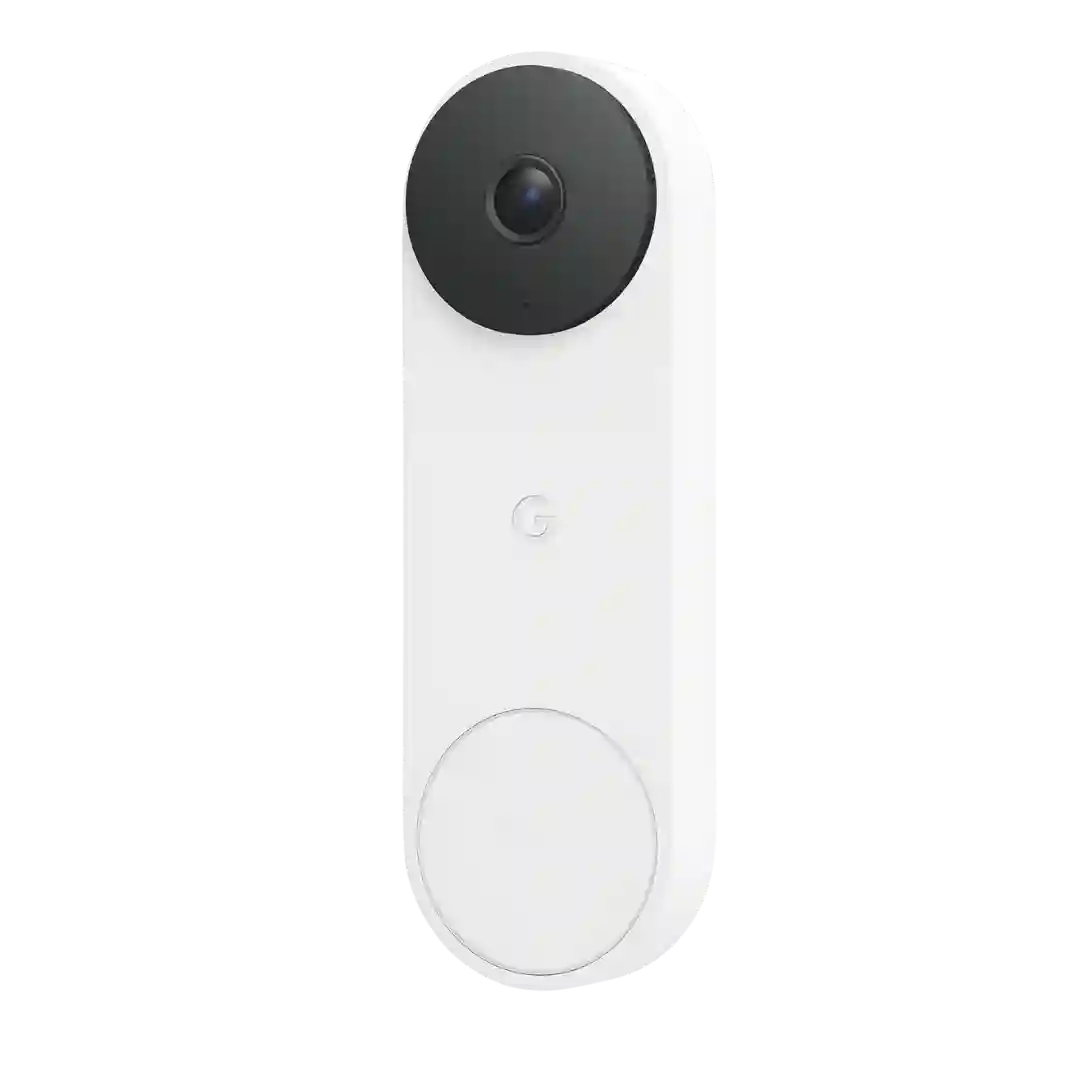
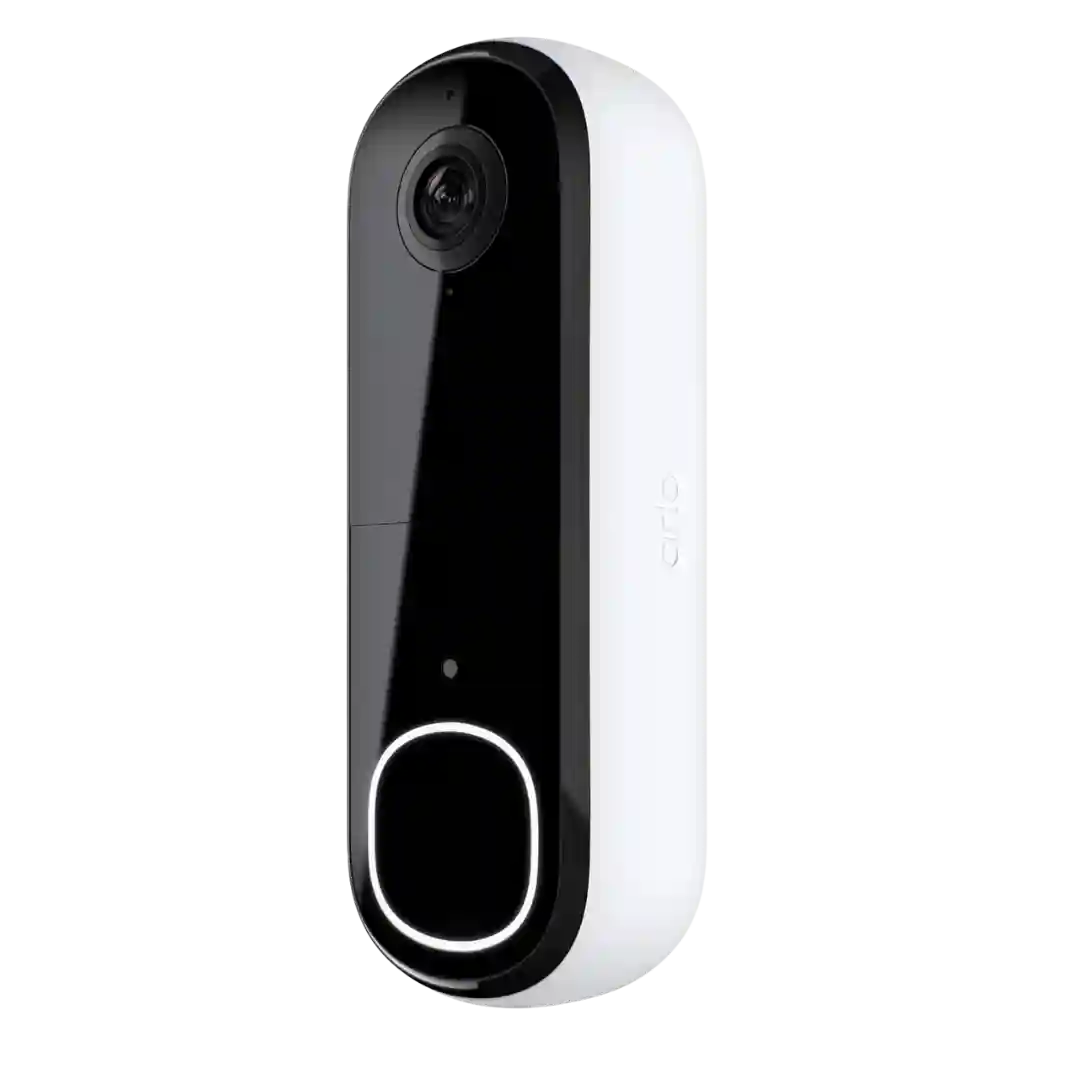
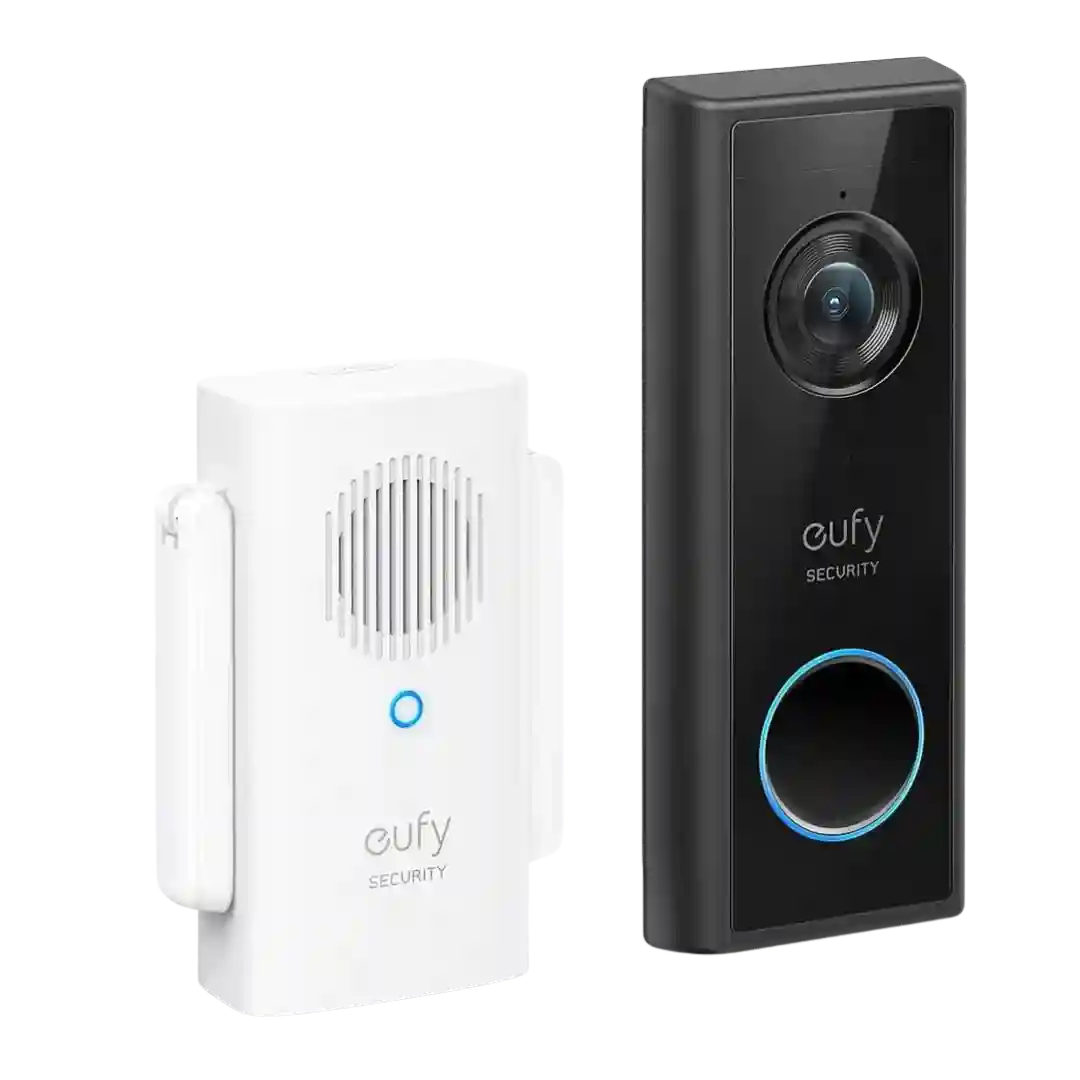
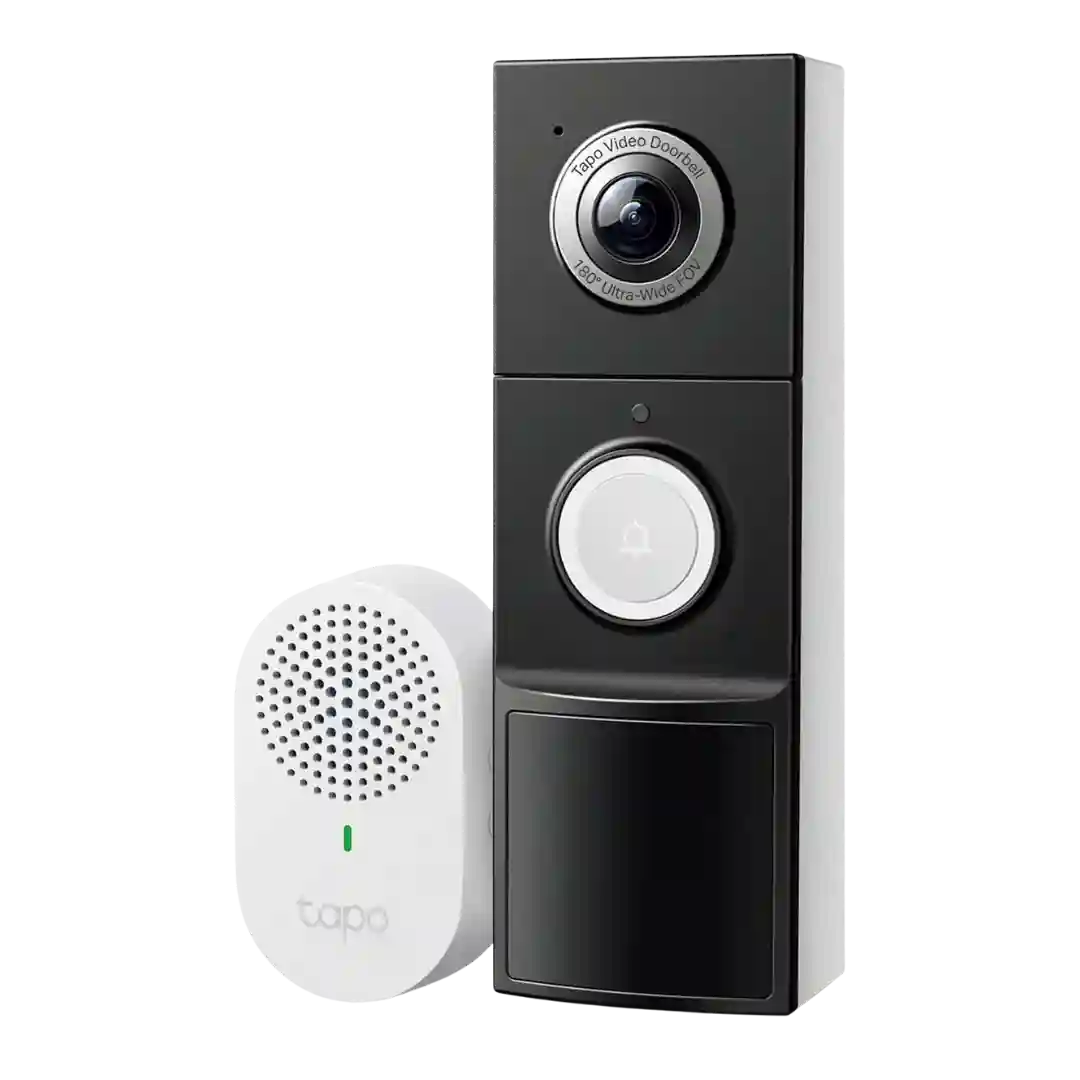
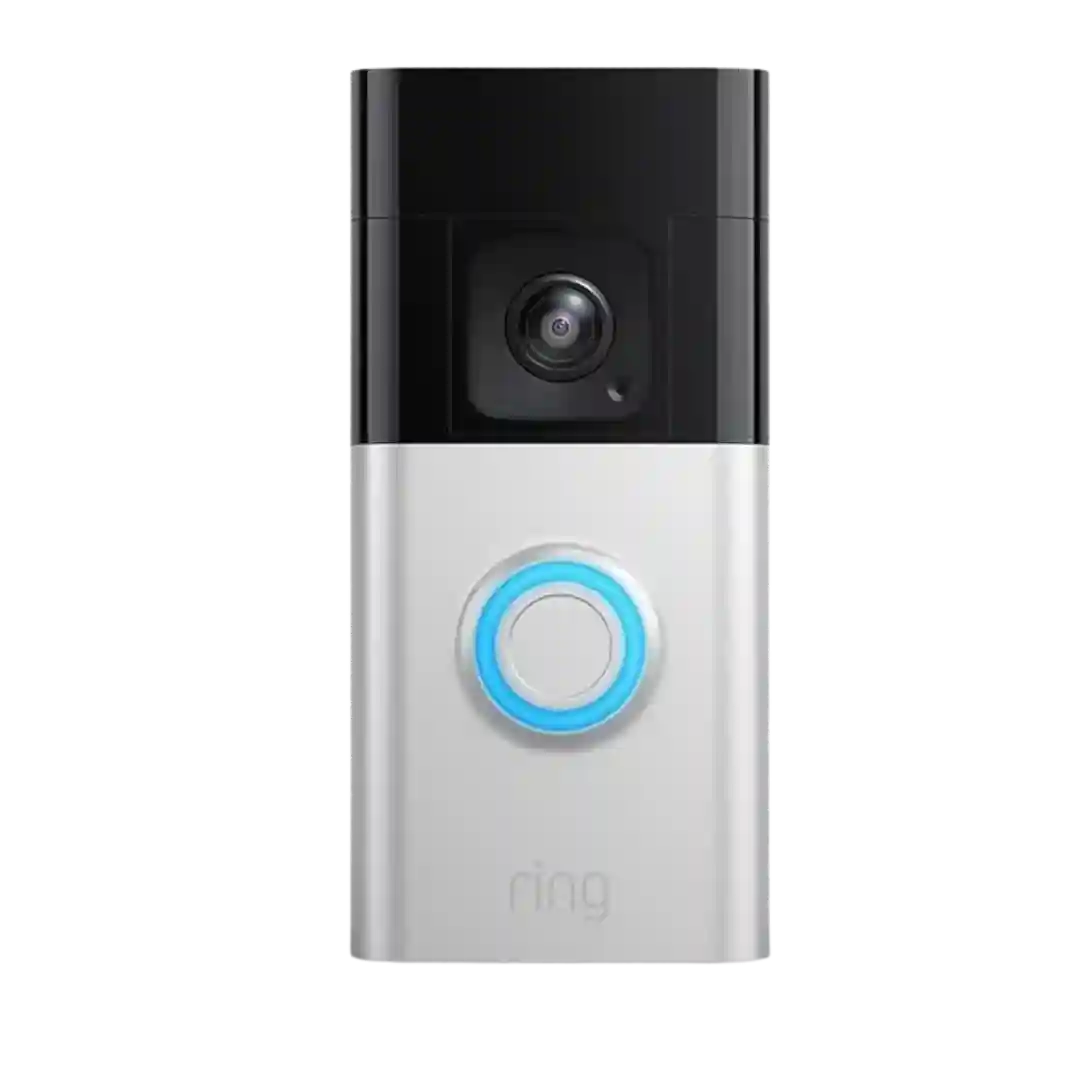
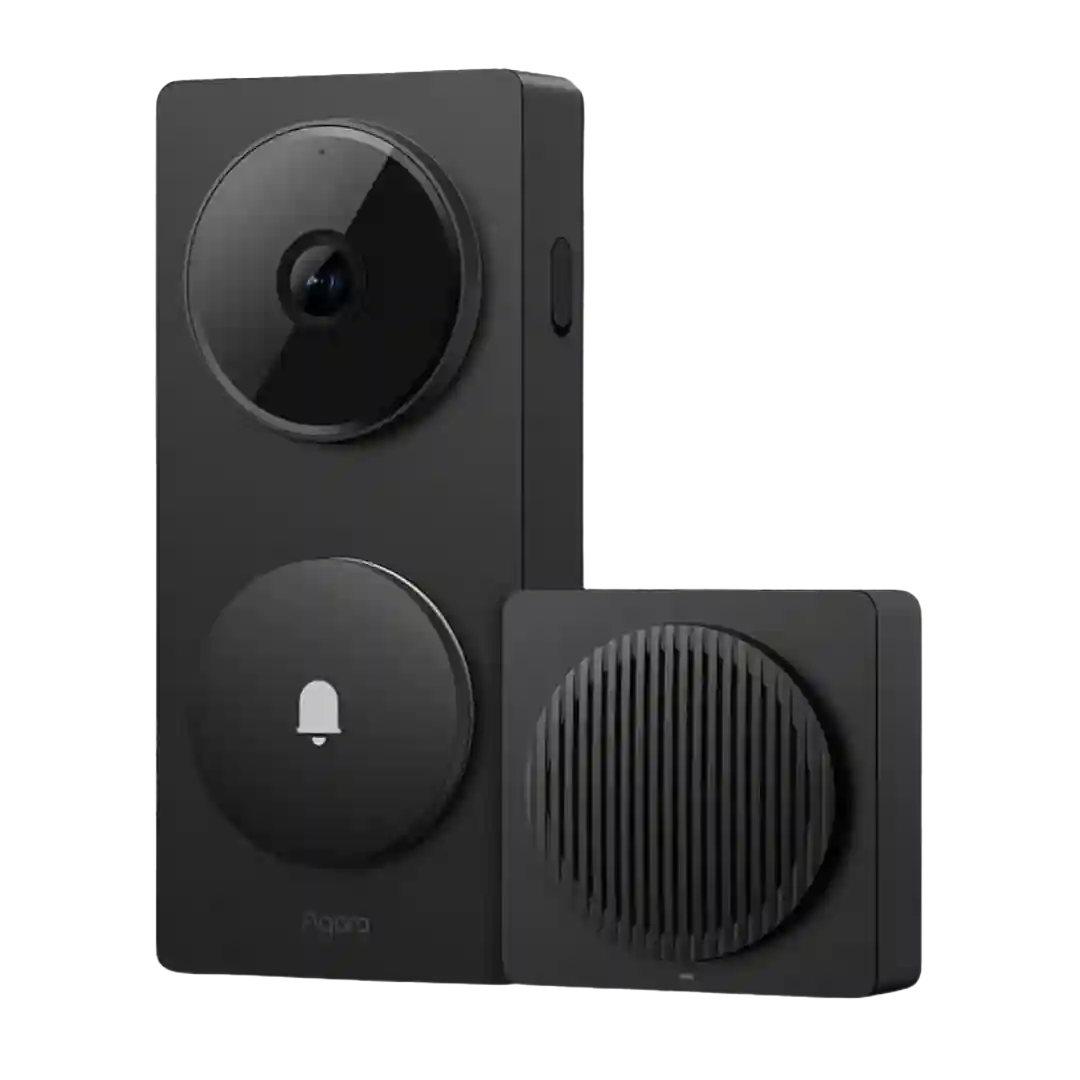
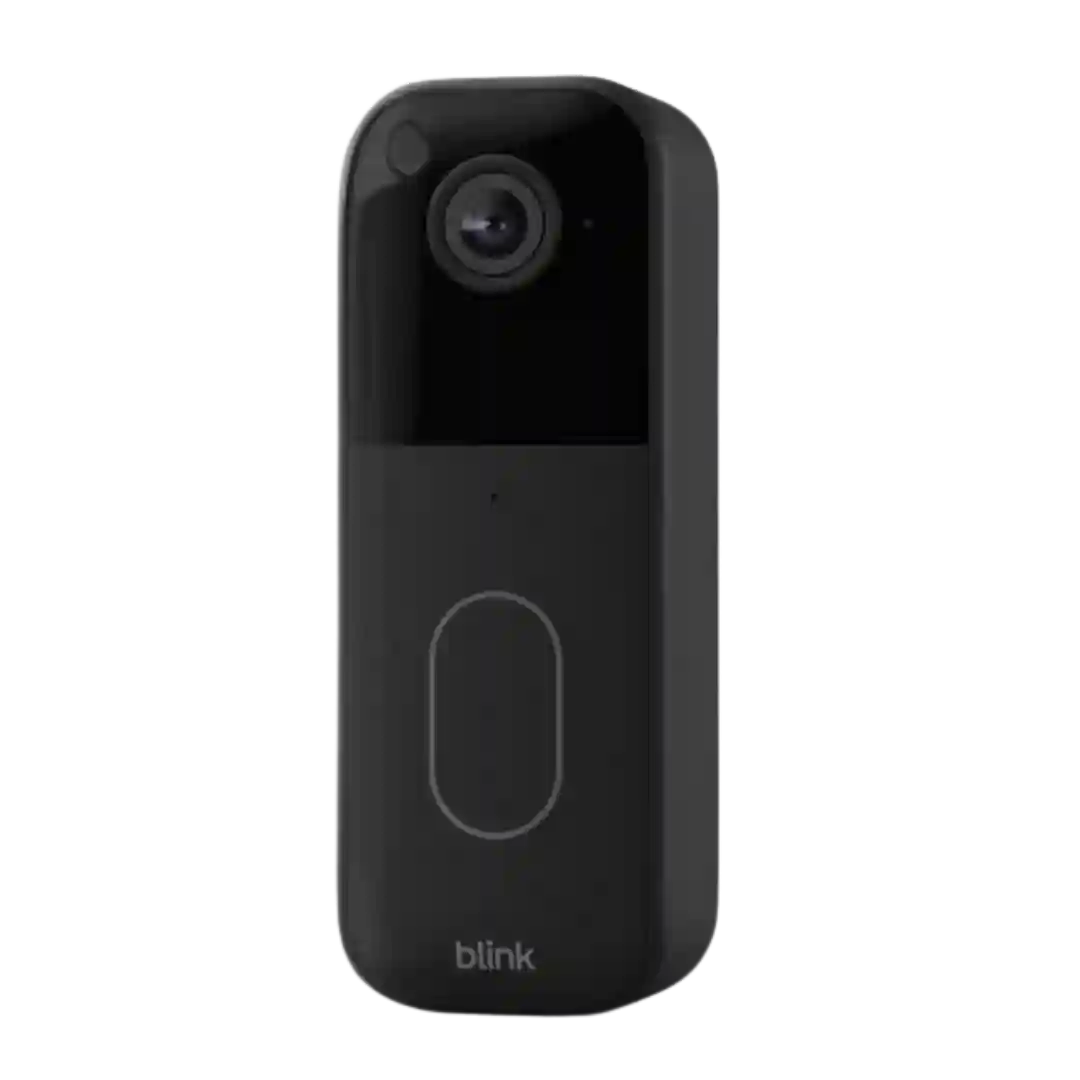
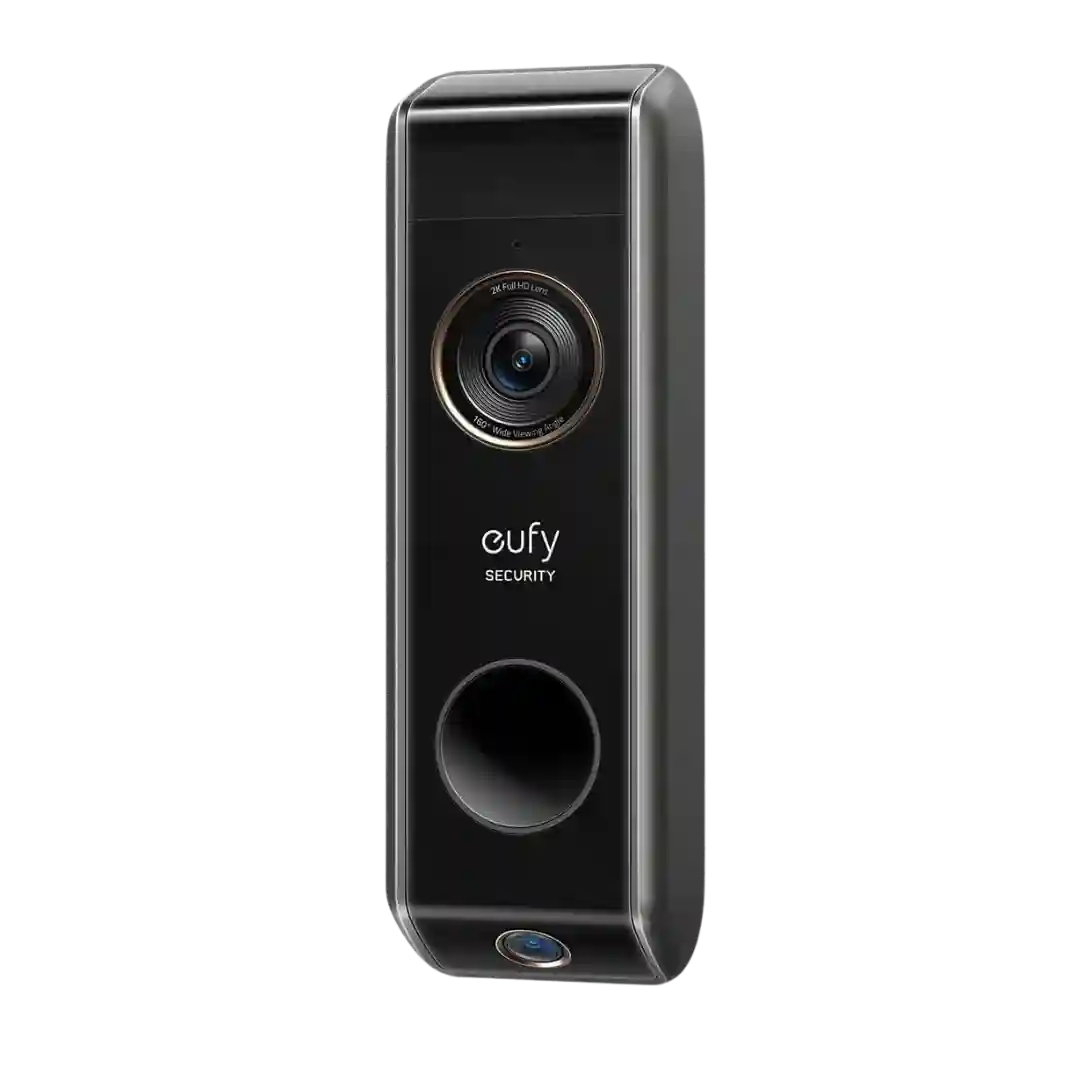
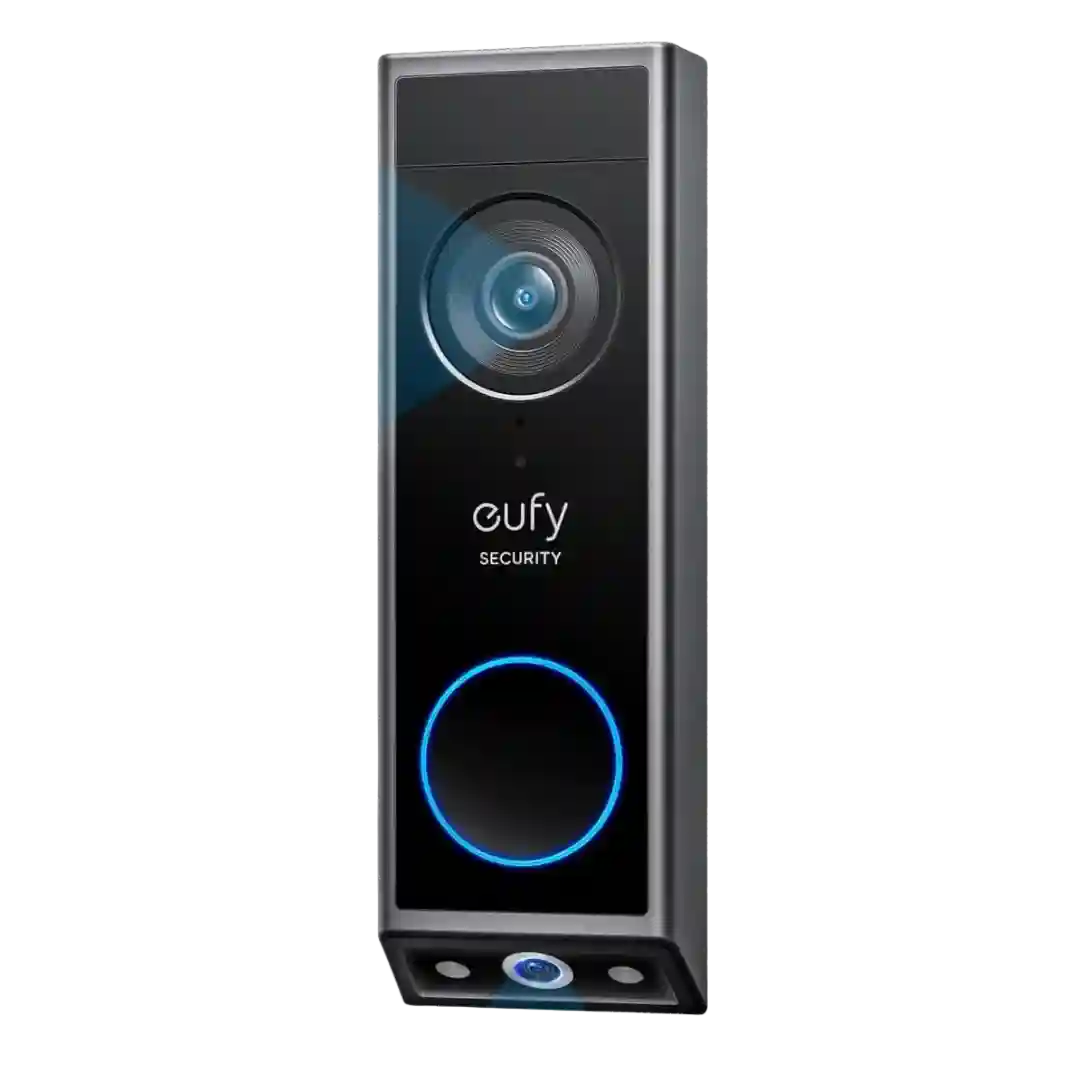
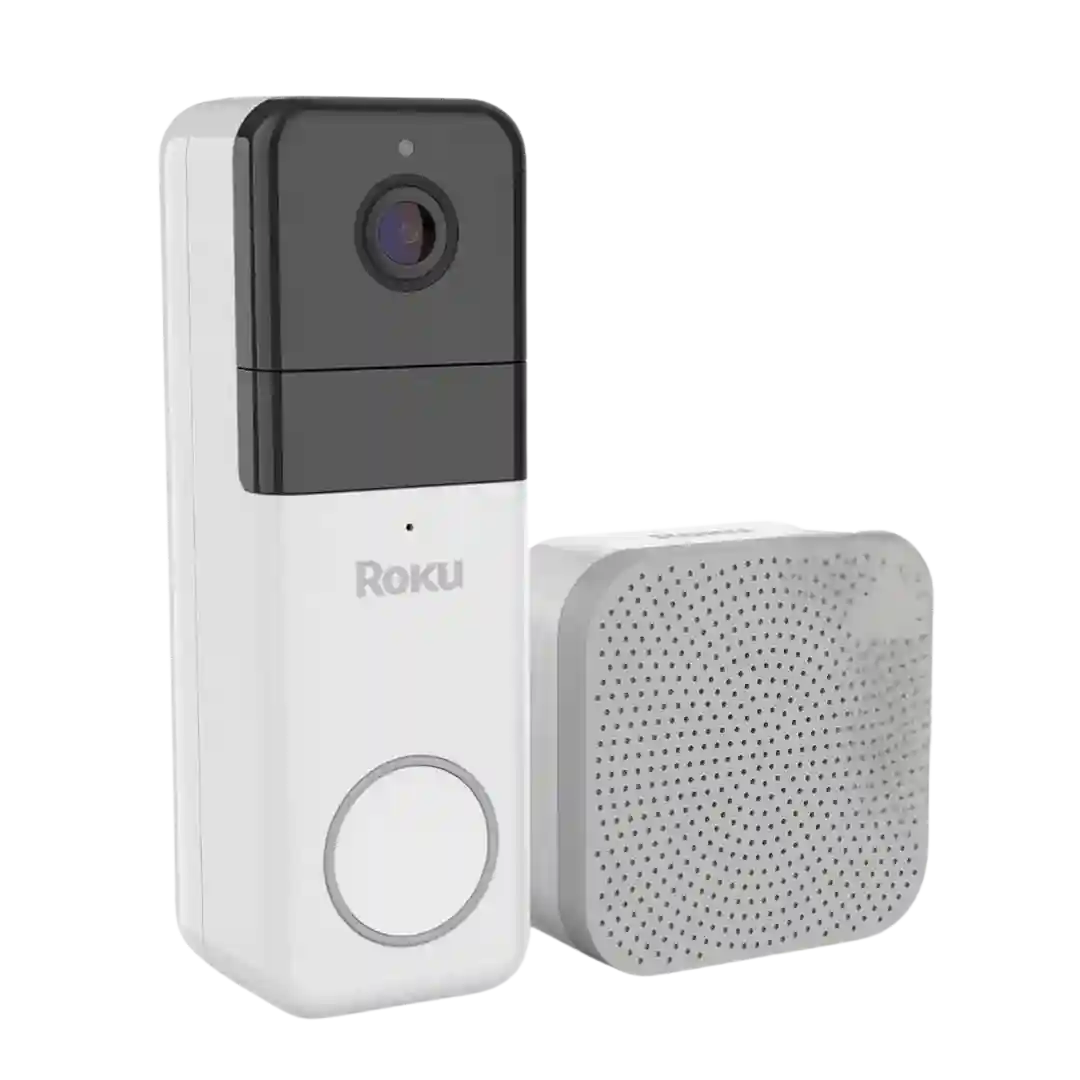
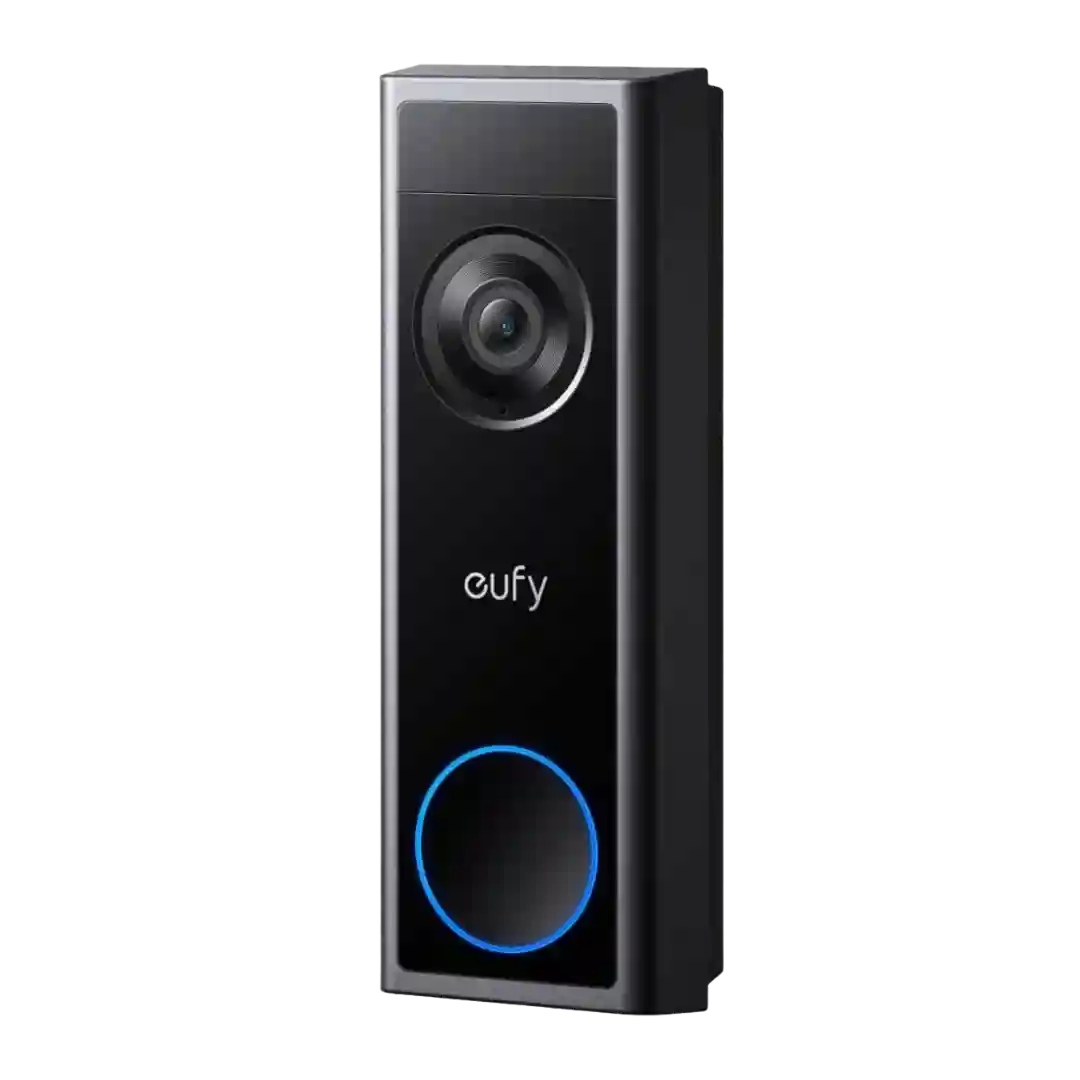
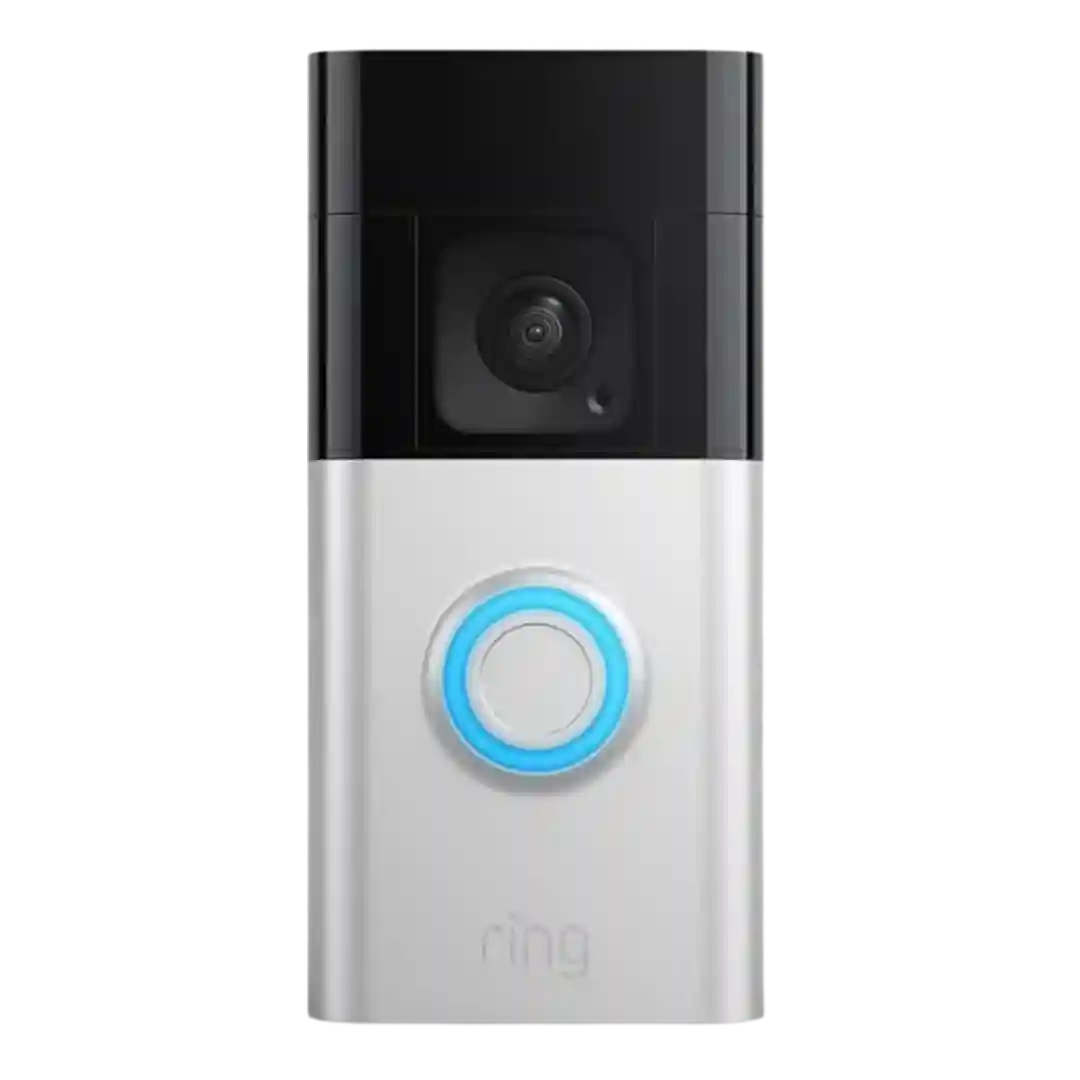
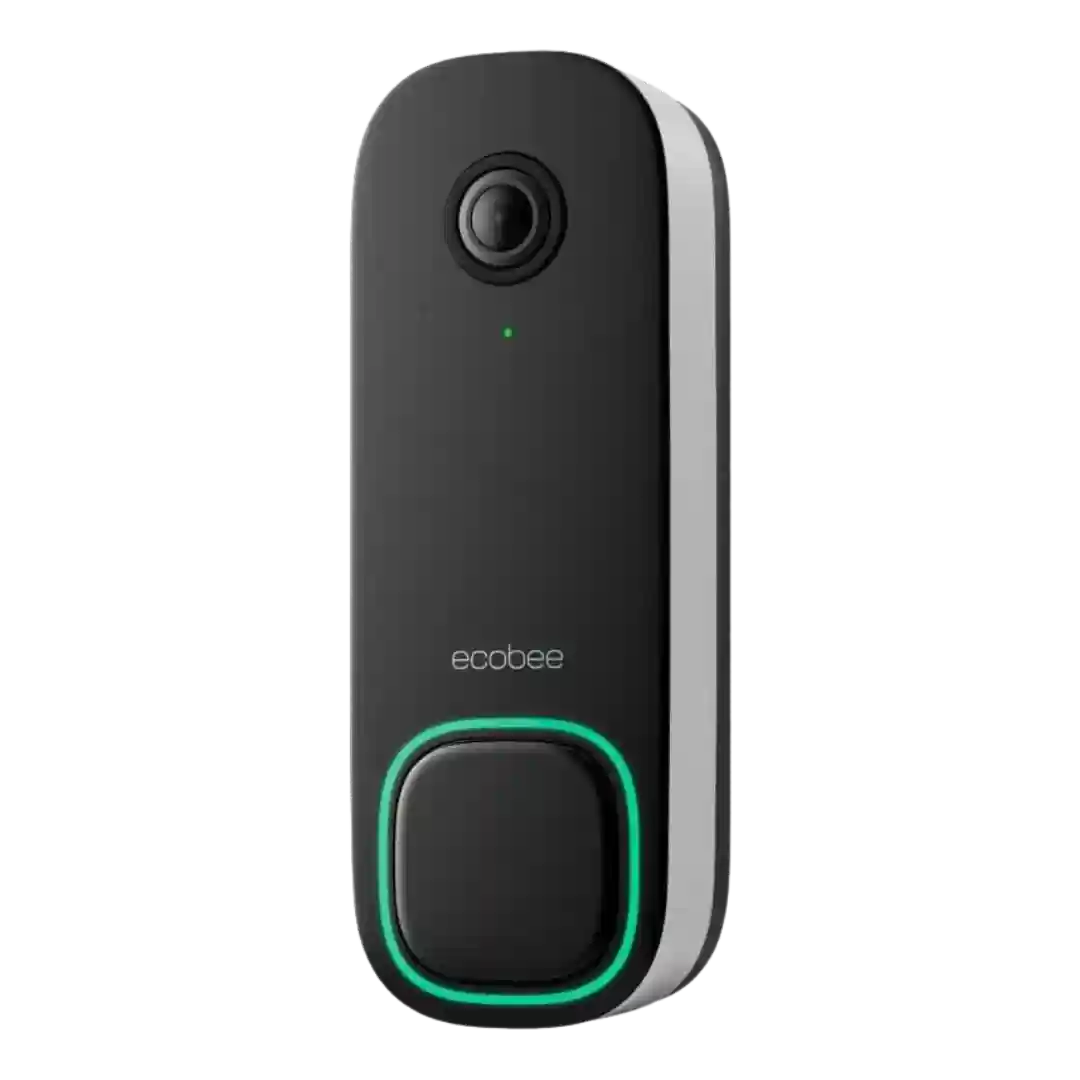
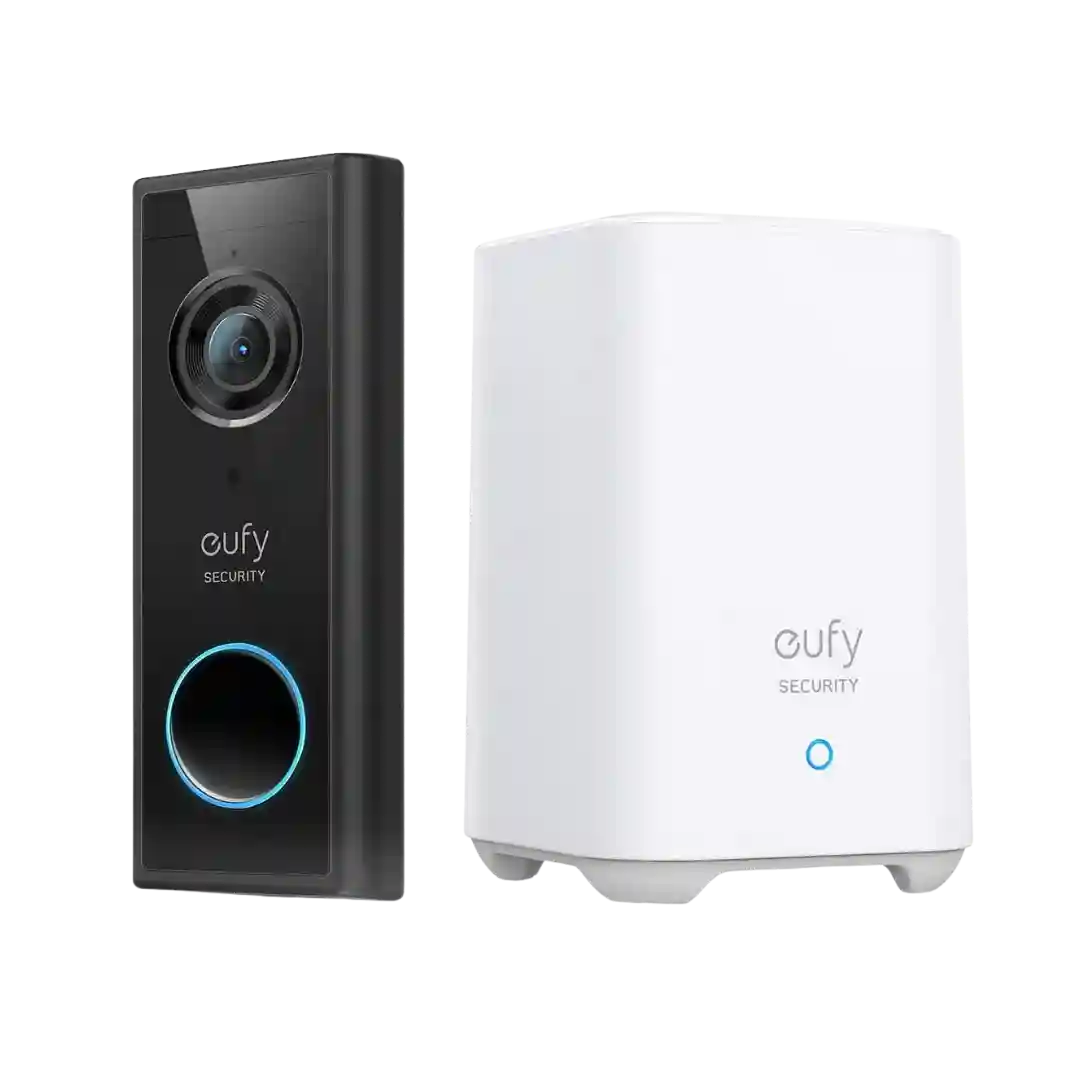
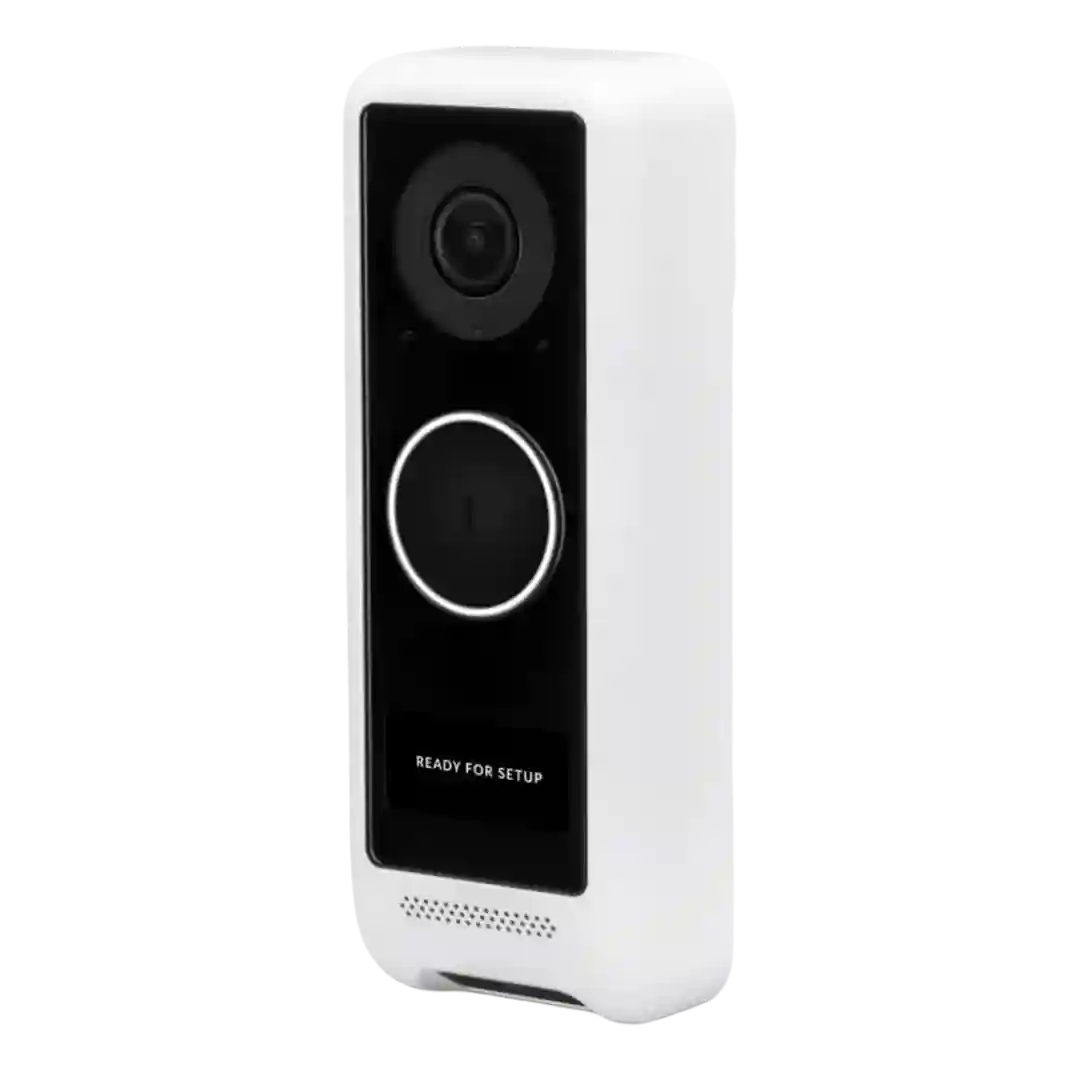
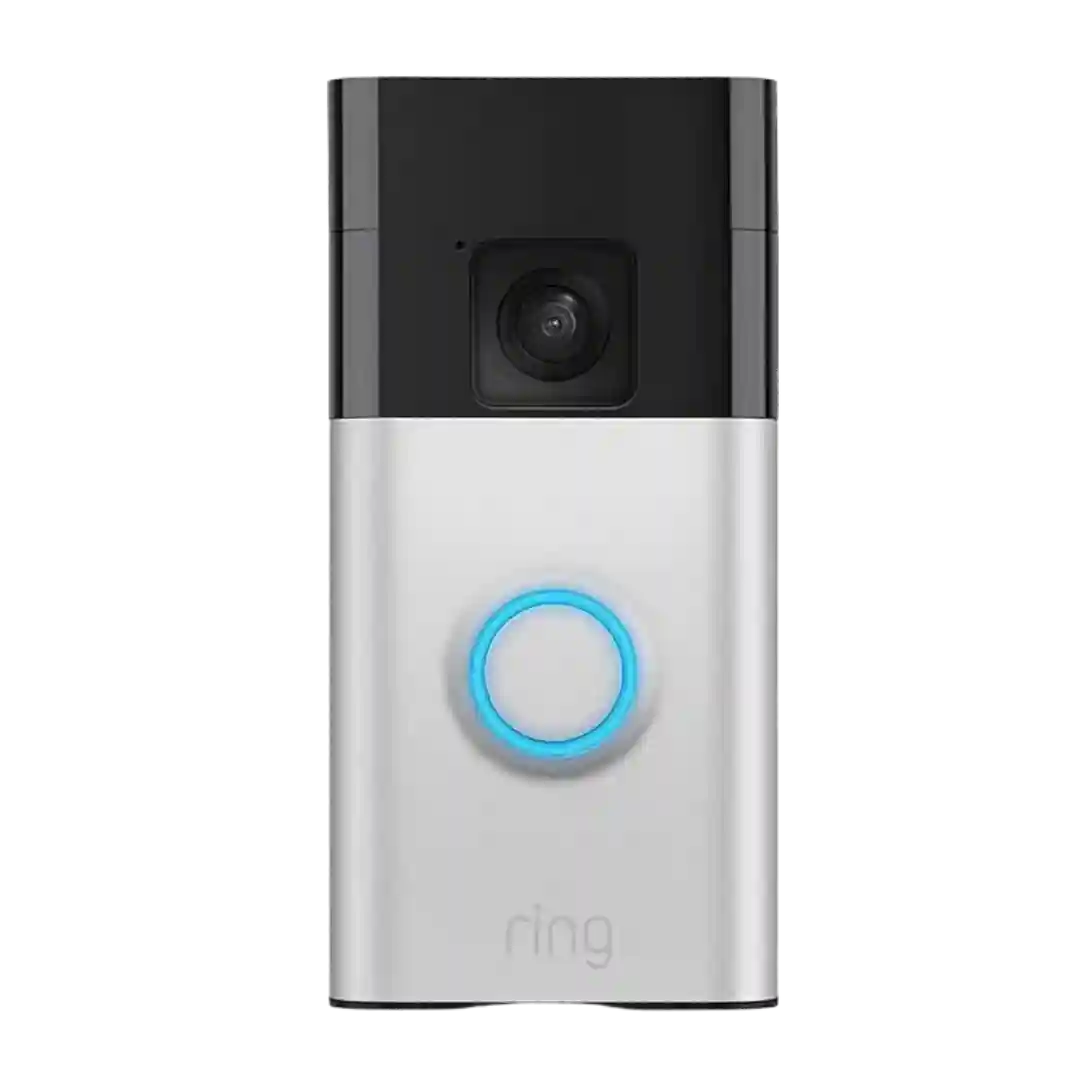
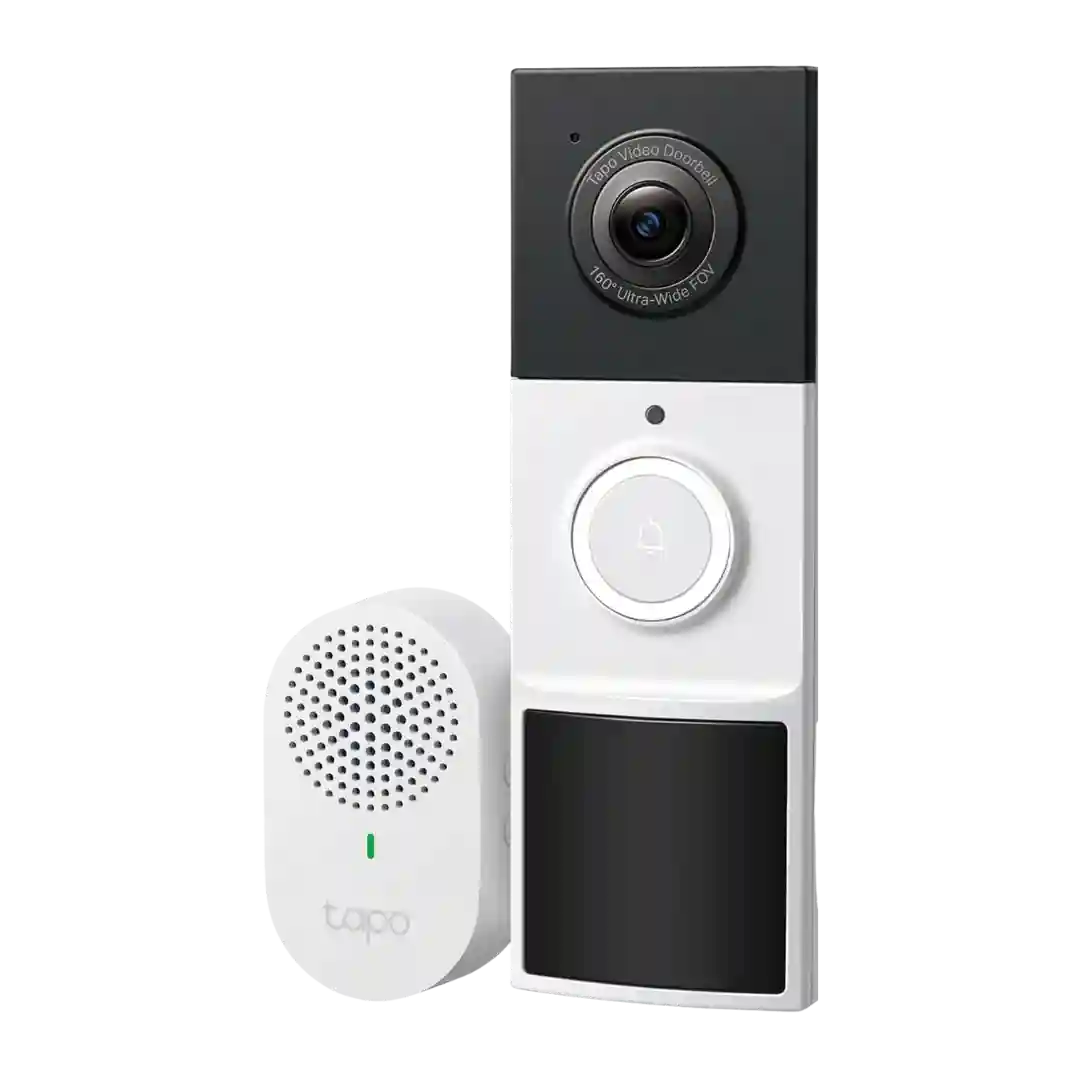
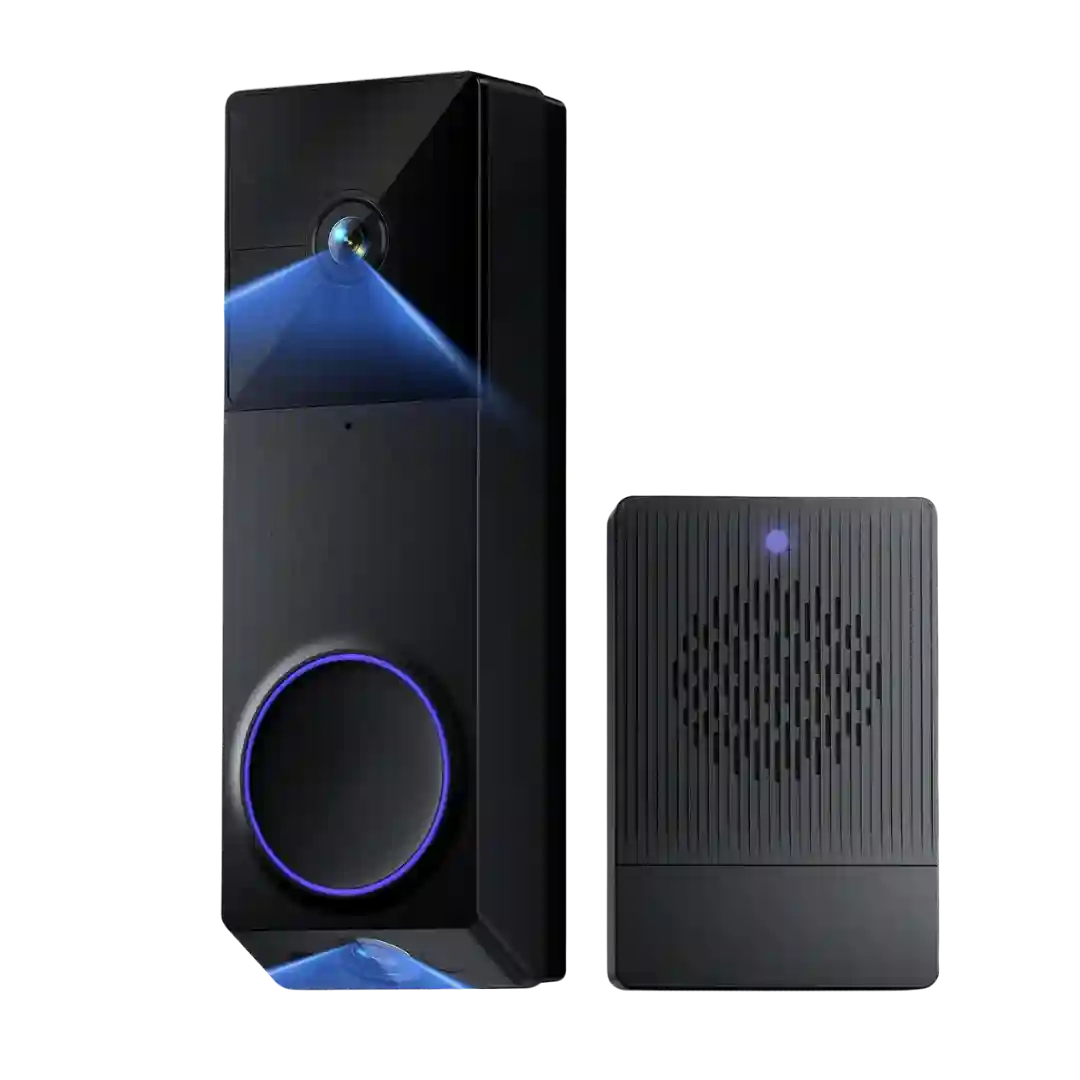
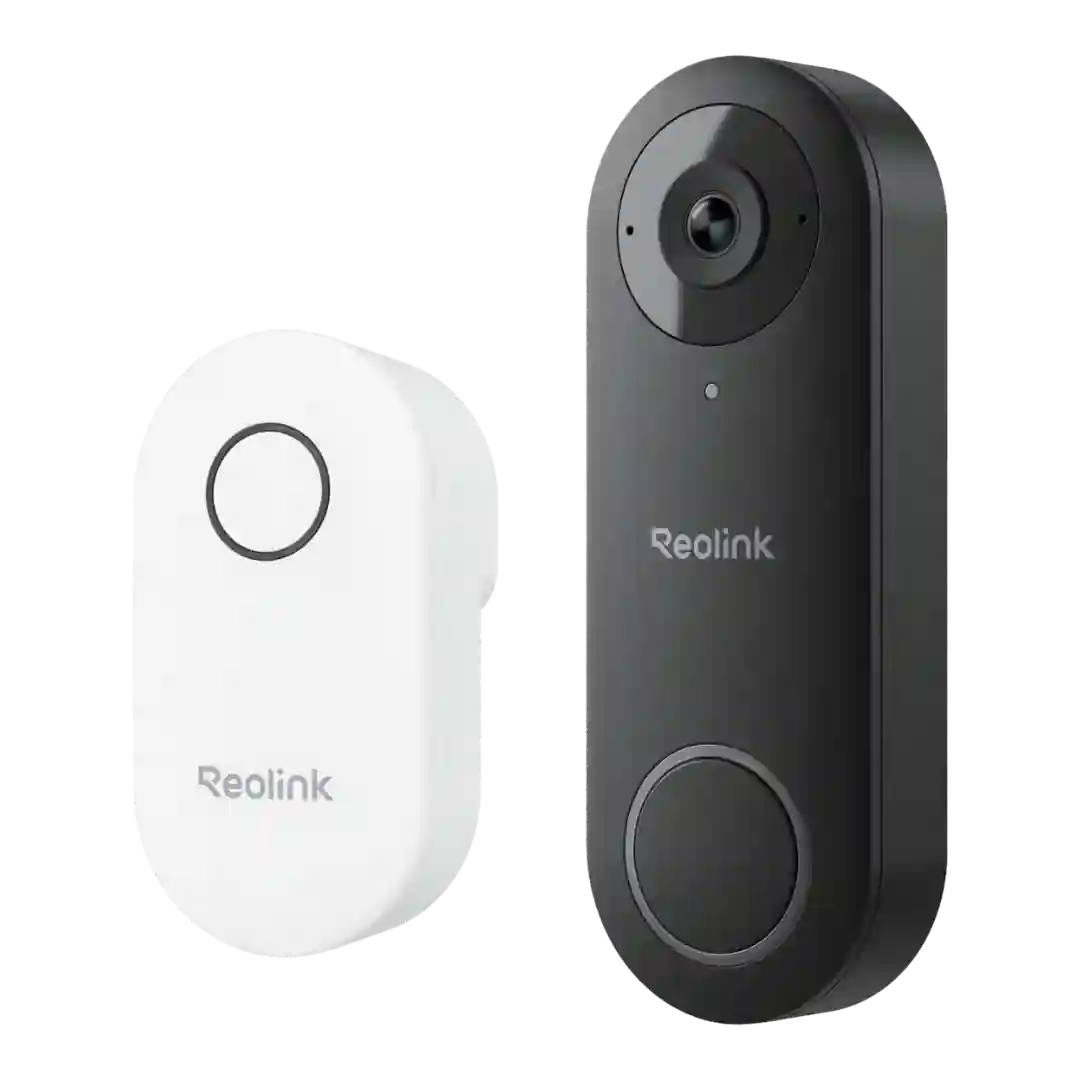
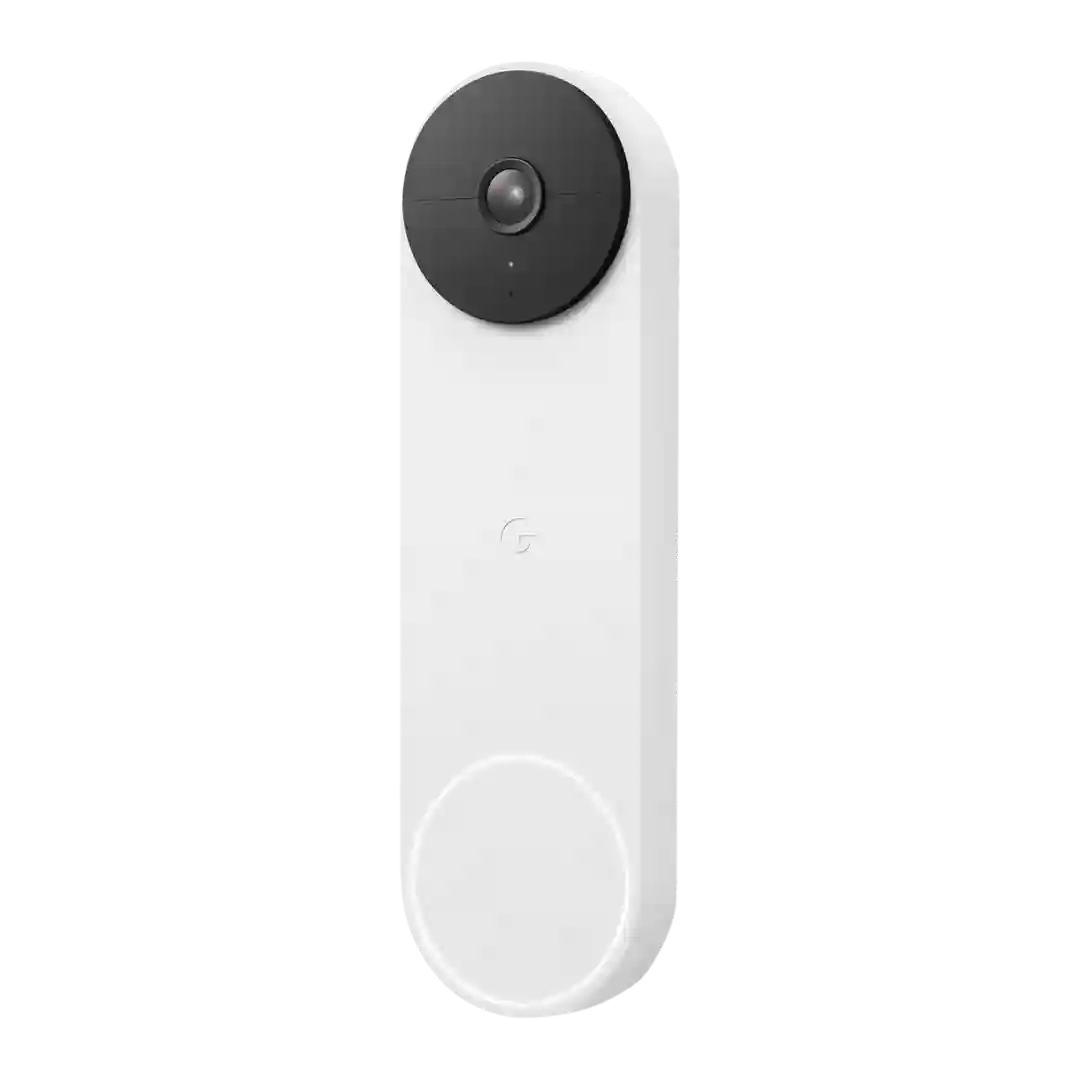
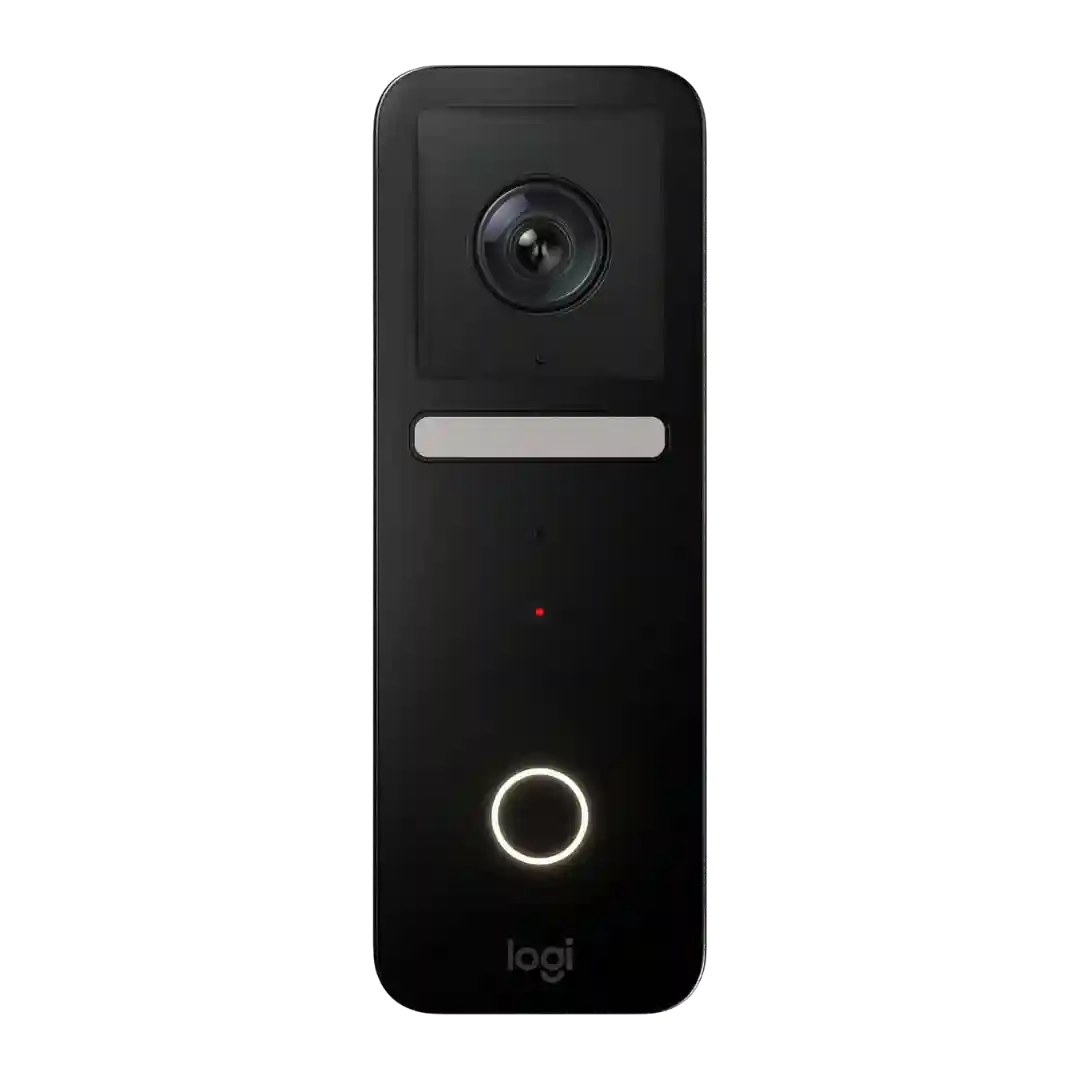
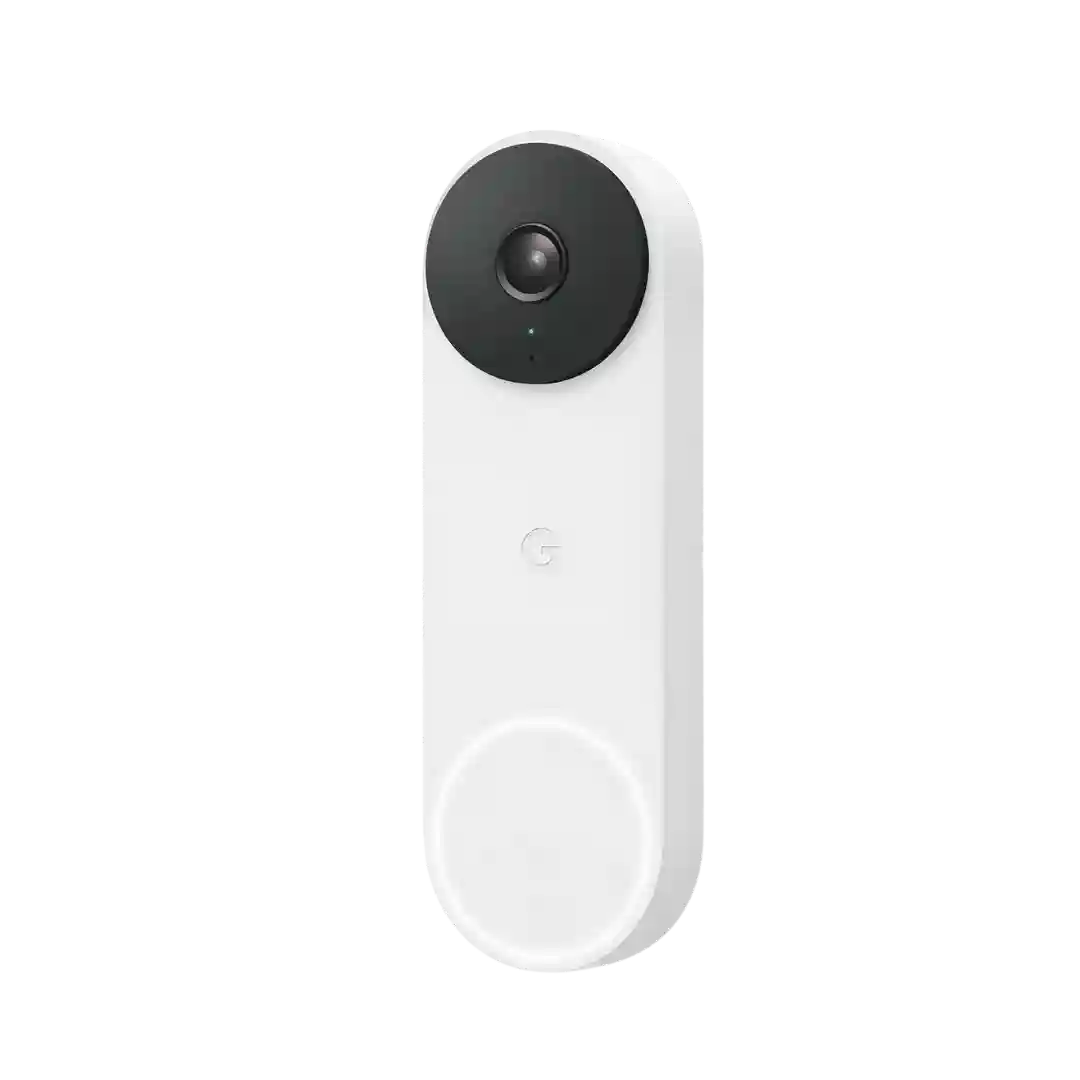
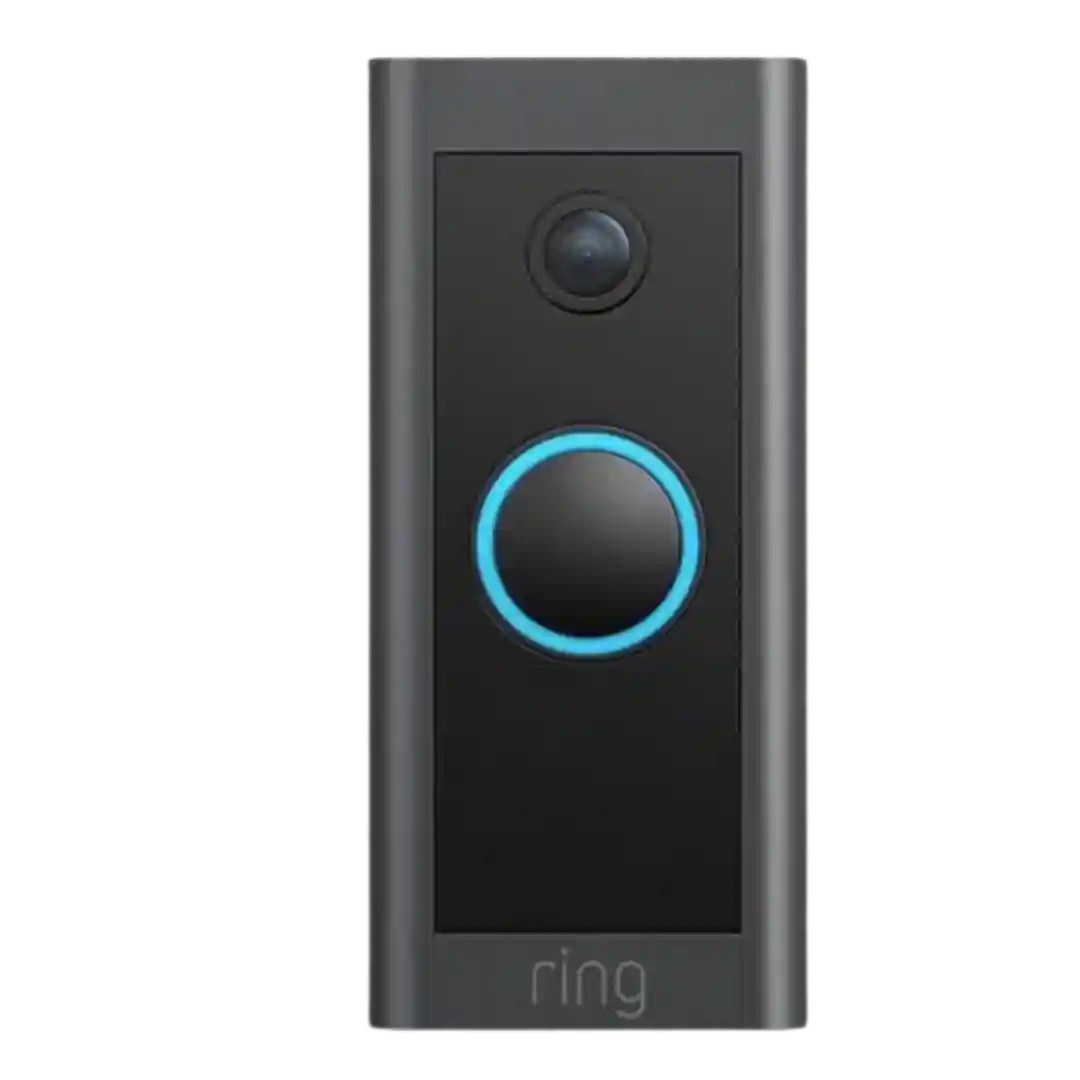
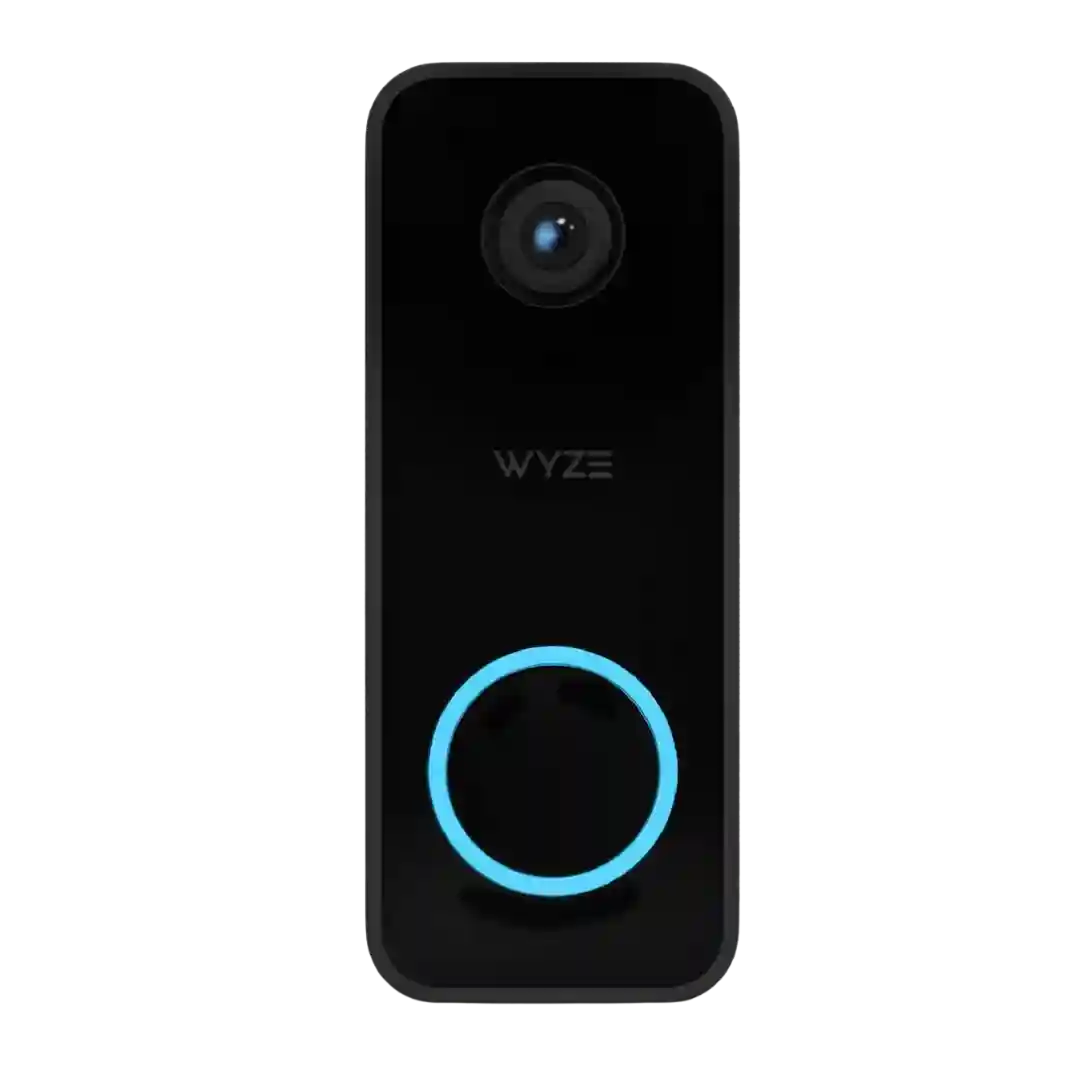
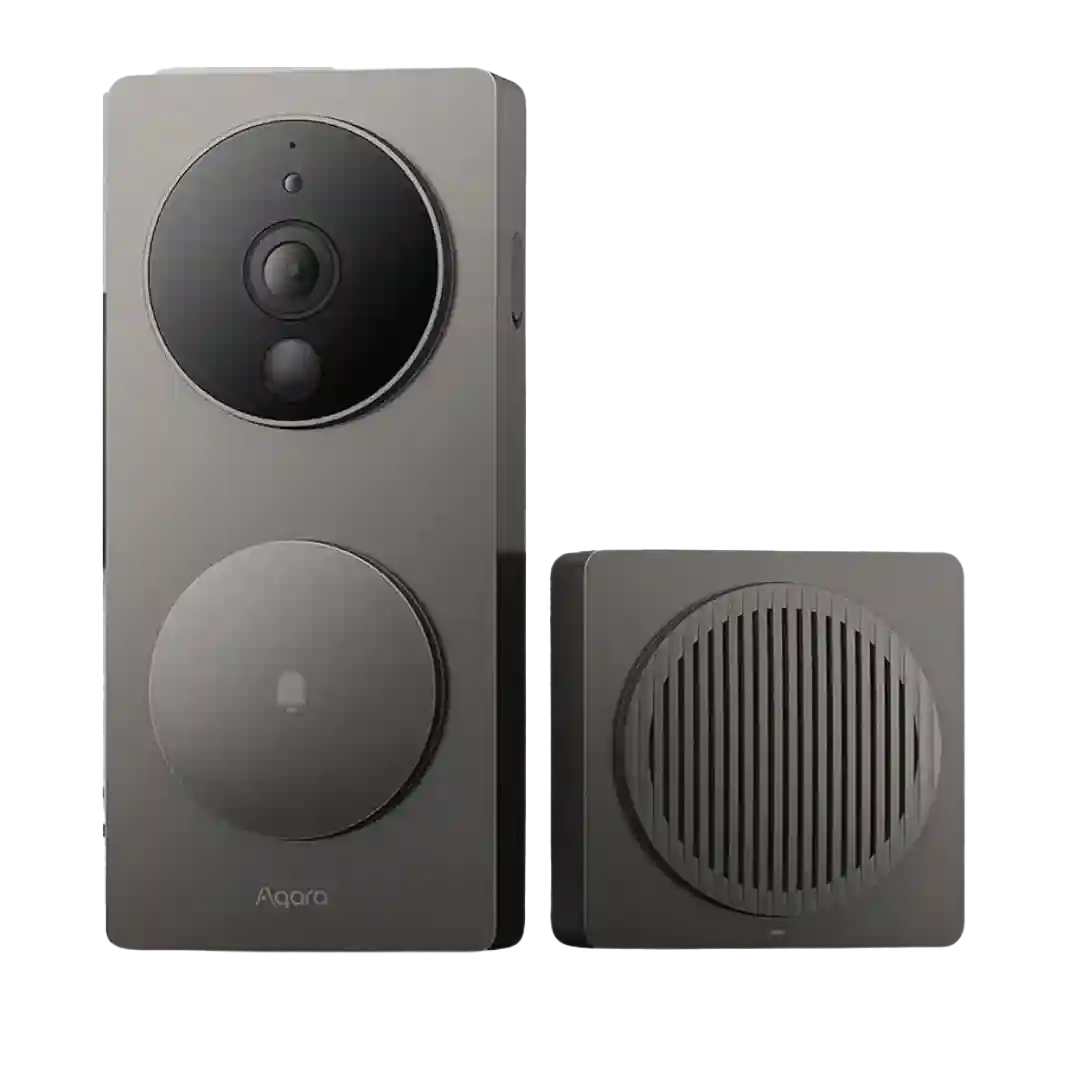
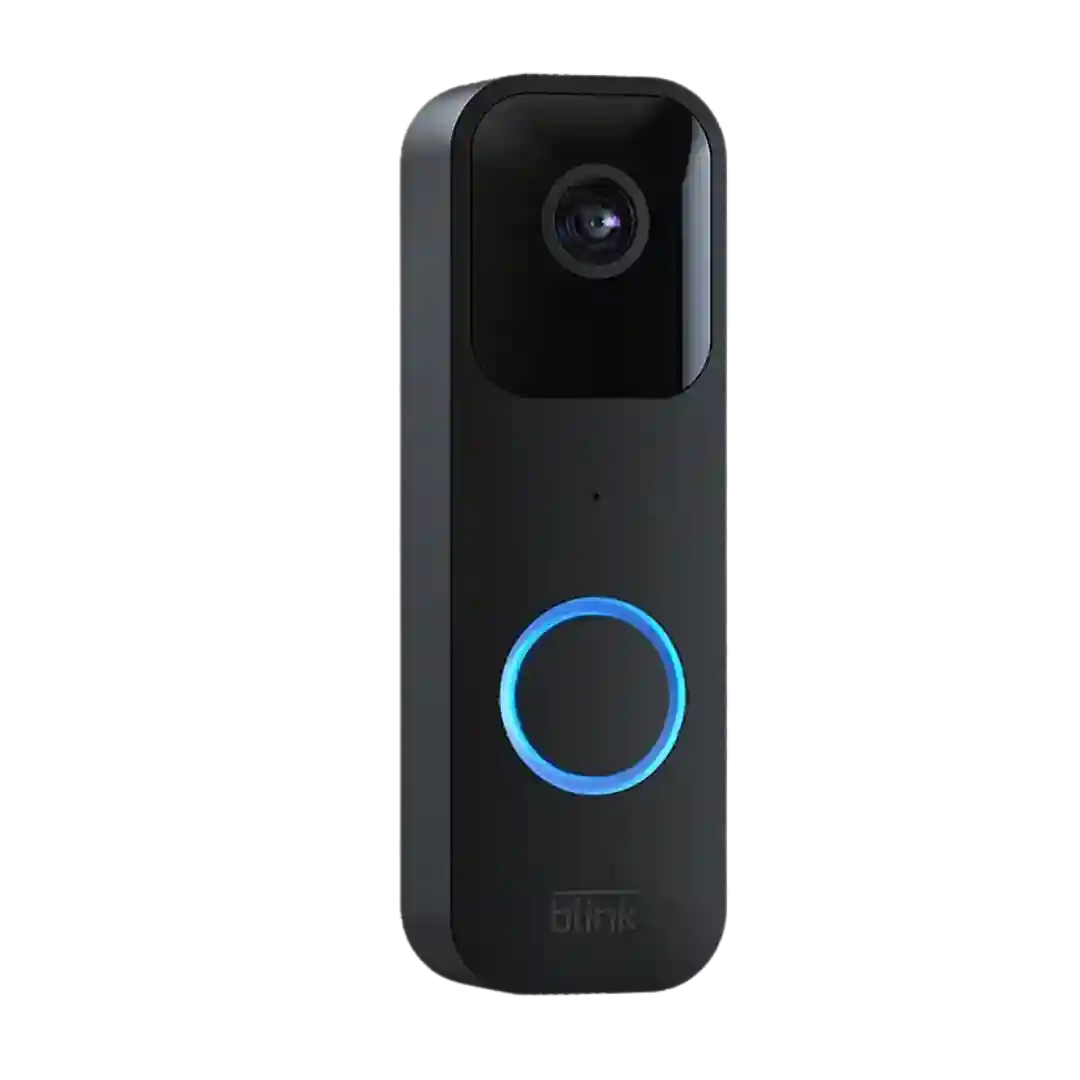
The square 1:1 framing and wide field of view give a broad head-to-toe porch view, with several reviewers praising better left-right coverage and package visibility.
The 4:3 framing is repeatedly praised because it captures more vertical context than 16:9, helping you see faces up close and packages near the door threshold.
The 150° by 150° 1:1 framing is repeatedly highlighted as a major strength for seeing faces and packages, with only the area directly under the camera occasionally missed.
Reviewers consistently praise the tall 4:3 framing and ultra-wide field of view for showing visitors head to toe and improving doorstep coverage. Placement height matters; installing slightly lower can help capture packages near the threshold.
The head-to-toe framing is a standout: many reviewers highlight a 150° horizontal and vertical view with a square aspect ratio that captures both visitors and the doorstep. Older coverage notes a narrower, more traditional view that can miss packages on the ground.
The main camera is frequently described as wide-angle and the dedicated package camera helps keep the floor area in view, improving overall framing for deliveries.
Reviewers consistently like the framing benefit of the dual-camera layout: a wide main view plus a dedicated floor view improves head-to-toe coverage and package visibility. A few mention tradeoffs like digital zoom limits or occasional blown highlights in bright sun.
Coverage is a strong point: reviews call out an ultrawide, head-to-toe style view, a 1:1 framing approach, and a broad 150-degree field of view on the wireless model.
The C31 is repeatedly framed as wide-angle with a 4:3-style view that captures more of the porch/approach; one review cites a 160 degree field of vision. Wide coverage helps situational awareness, but can bring edge artifacts.
The head-to-toe 150° x 150° framing is repeatedly called the standout upgrade, helping you see visitors plus the doorstep area for deliveries. Older wide-but-short Ring views are criticized for cutting off packages at your feet.
The tall, head-to-toe framing is a consistent strength, helping visibility of visitors and packages near the door. One reviewer notes it may not reach the absolute base of the doorstep in every install.
Wide-angle coverage is a recurring positive. Reviewers cite a broad field of view (often described around 160 degrees) and optional wedge mounts to better frame the approach path.
Framing is frequently praised for being very wide, helping cover porch area and approach paths. One comparison review notes the standard doorbell view is more squarish than truly vertical, while dual-camera models (like the Pro) reduce blind spots for deliveries.
Head-to-toe framing is a standout benefit, with a tall square view repeatedly praised for seeing people and doorstep packages. However, some users report a blind spot close to the door depending on mounting height, and the fisheye view can amplify distortion.
The 160-degree view is widely seen as a strong balance of breadth and usefulness, giving good head-to-toe porch coverage without the heavier fisheye effect of wider doorbells. It is not as expansive as the D225, but most reviewers still found framing very good.
Wide angles provide strong porch coverage and help with head-to-toe context, though the wide view can reduce perceived detail compared with narrower lenses.
The roughly 180-degree diagonal view offers broad porch coverage in a 4:3-ish framing, but it is not the widest option and placement matters if you want to see more of the doorstep or avoid neighbors.
The 3:4 portrait framing is widely praised for head-to-toe coverage and seeing packages on the mat, though the 145-degree view can feel tight horizontally; wedge mounts help aim it back toward the door.
The 3:4 portrait framing is widely liked for capturing more vertical porch context, but several reviewers still note a blind spot very close to the door where packages can sit.
The 3:4 portrait framing is valued for head-to-toe views and package coverage, but many note it feels narrow side-to-side. Several reviewers recommend using the included wedge mount to better capture the porch and doorway.
The 155-degree horizontal view covers most porches, but multiple reviewers note it can miss the very bottom of the stoop where packages land unless you angle it with a wedge or mounting tweaks.
Wider than the original model and good for seeing visitors, but the vertical framing is often not tall enough to reliably see packages placed directly under the doorbell.
The 162-degree, horizontal 16:9 framing provides wide side coverage, but many reviewers note it frequently misses the porch floor, making it weaker for package visibility than portrait or dual-camera doorbells.
The wide horizontal view is generally adequate, but multiple reviews call out a narrow vertical framing that can miss packages or feet near the door. Placement and optional wedges/angling matter to avoid seeing too much porch ceiling and not enough doorstep.