Best for Field of view
Reolink Solar Floodlight, B430
5.0 feature score
Highest scored product for this feature based on supporting review evidence.
Highest scored product for this feature based on supporting review evidence.
Balances feature score, supporting reviews, and overall product strength.
Has the broadest review evidence for this feature.
Strongest overall product among items with scored evidence for this feature.
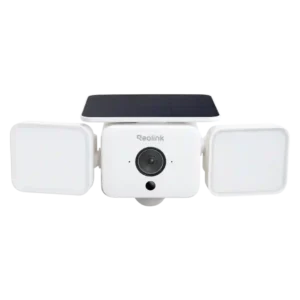
The wide view covers driveways, entrances, yards, and perimeter areas effectively, reducing the need to aim at one narrow section.
Pros: Field of view, Customizable motion zones
Cons: Continuous recording capability, ONVIF/RTSP support
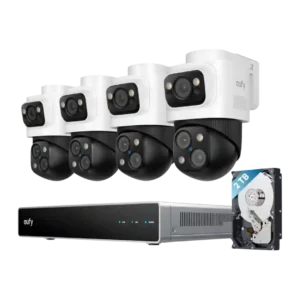
Coverage was a major strength: reviewers described removed blind spots, broad views, and complete property coverage from fewer physical cameras.
Pros: Detection range, Recording start-time lag
Cons: ONVIF/RTSP support, HomeKit integration
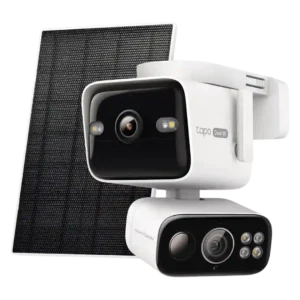
Field of view was praised for covering almost an entire backyard from one fixed lens.
Pros: Low-light performance, Floodlight brightness
Cons: HomeKit integration, Echo/noise cancellation
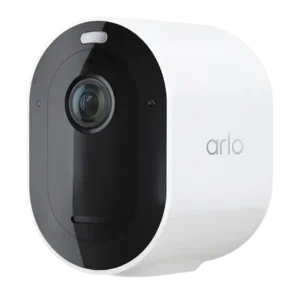
The 160-degree view is repeatedly treated as a real advantage for covering more area from one fixed position.
Pros: Notification speed, Event recording reliability
Cons: Mesh network compatibility, Customer support responsiveness

The motorized base and wide lens provide near-complete room coverage, with reviewers highlighting 360-degree movement and minimal blind spots.
Pros: Frame rate, Continuous recording capability
Cons: Weather resistance rating (IP code), Included accessories
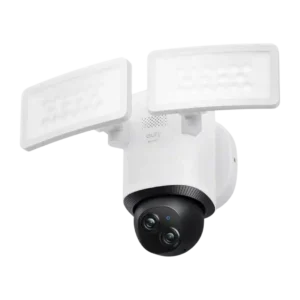
Coverage was a major strength, with reviewers praising the wide property view, pan coverage, and ability to cover larger spaces.
Pros: Cloud storage plan value, Dual-band (2.4/5GHz) performance
Cons: HomeKit integration, ONVIF/RTSP support
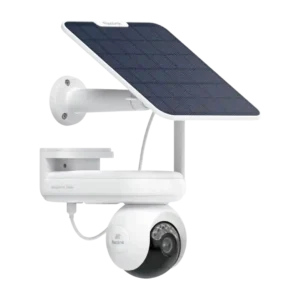
Reviewers liked the broad practical coverage from pan/tilt movement, repeatedly noting few blind spots and useful all-around monitoring.
Pros: Recording start-time lag, Smart home accessory compatibility
Cons: Optical zoom performance, HomeKit integration
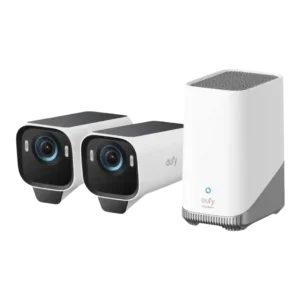
One reviewer liked the wide 135-degree view as generous enough to cover a broader area.
Pros: Low-light performance, Color accuracy
Cons: Speaker volume, Frame rate
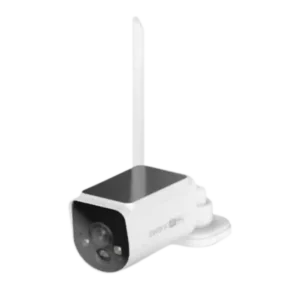
One reviewer judged the 105-degree view wide enough to cover a large space.
Pros: Digital zoom clarity, Floodlight brightness
Cons: Frame rate, Smart-home integration (Alexa
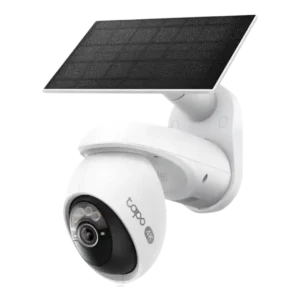
One reviewer praised the nearly 360-degree view as excellent for seeing more of a yard or driveway.
Pros: On-device processing (AI), Installation and Mounting
Cons: ONVIF/RTSP support, HomeKit integration
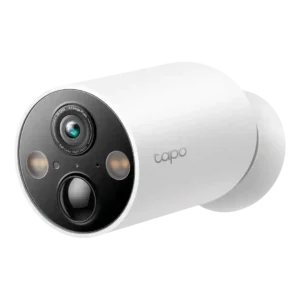
The wide view was usually a strength for covering more property, though one reviewer found it captured too much beyond the intended area.
Pros: Power options (solar panel), On-device features
Cons: PTZ (pan/tilt/zoom) control responsiveness, Continuous recording capability
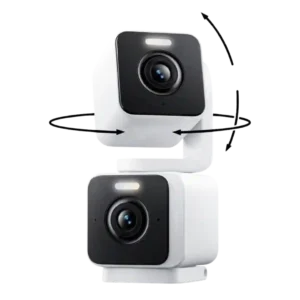
Coverage was repeatedly praised as wide and flexible, though one reviewer wished the fixed camera used an even wider lens.
Pros: Installation and Mounting, Articulation range
Cons: ONVIF/RTSP support, Connectivity options
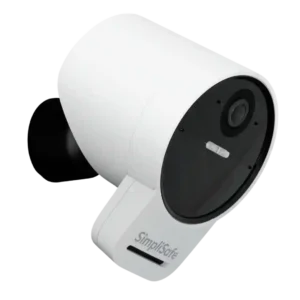
Reviewers consistently liked the wide field of view and its ability to cover yards, driveways, and backyards.
Pros: Weather resistance rating (IP code), System scalability
Cons: Pre-event recording length, HomeKit integration
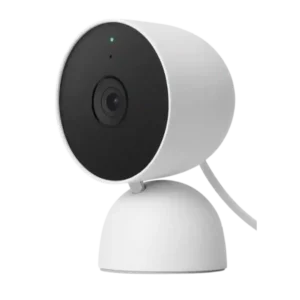
The 135-degree view was useful for covering more space and generally balanced width with limited distortion, despite a slight fish-eye caveat.
Pros: Low-light performance, Notification speed
Cons: Recording start-time lag, PTZ (pan/tilt/zoom) control responsiveness
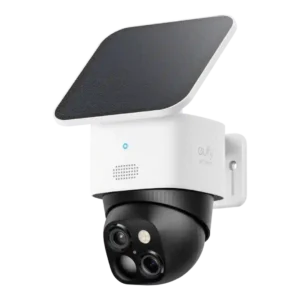
Coverage is generally broad, with reviewers valuing the wide lens and pan movement, though one notes the native view is narrower than true 360-degree coverage.
Pros: Cloud storage plan value, Power options (solar panel)
Cons: HomeKit integration, IFTTT/automation compatibility
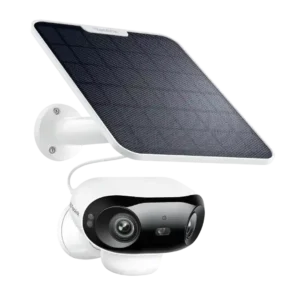
The 180-degree horizontal view was the product’s defining strength for yards, driveways, and broad perimeters, but reviewers repeatedly warned about the narrow vertical view and small-area fit.
Pros: Connectivity options, Detection range
Cons: HomeKit integration, Continuous recording capability
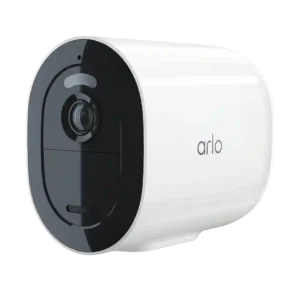
Reviewers liked the 130-degree/wide view as broad enough to cover useful areas without making the image overly distorted.
Pros: Notification speed, Smart home accessory compatibility
Cons: Replacement part availability, HomeKit integration
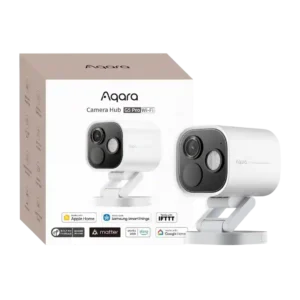
Field of view was adequate to good, but not class-leading; reviewers liked the wide view yet noted wider-area users may want another camera.
Pros: Durability, Low-light performance
Cons: Power options (solar panel), PTZ (pan/tilt/zoom) control responsiveness
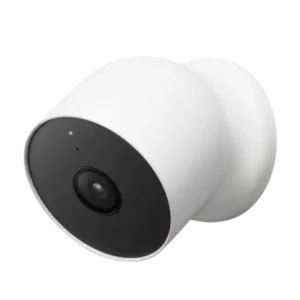
Field of view is adequate for broad driveway and yard coverage, but one reviewer wanted it wider and found the magnetic stand limiting indoors.
Pros: False alert filter effectiveness, Operating temperature range
Cons: IFTTT/automation compatibility, HomeKit integration
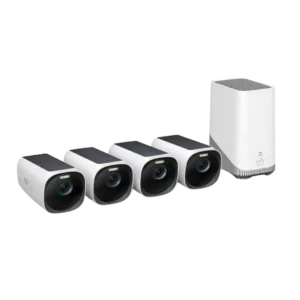
Field-of-view feedback is mixed: reviewers liked broad coverage with multiple cameras, but several called the native view narrow for outdoor placement.
Pros: Cloud storage plan value, Weather resistance rating (IP code)
Cons: Recording start-time lag, Pre-event recording length
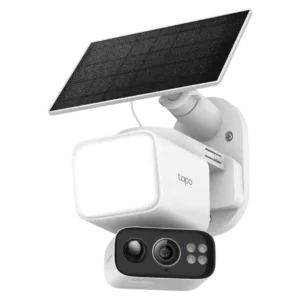
The fixed sensor view was consistently described as narrow or only adequate, with pan/tilt helping offset but not eliminate the limitation.
Pros: Speaker volume, Lens distortion correction
Cons: Field of view, Detection range
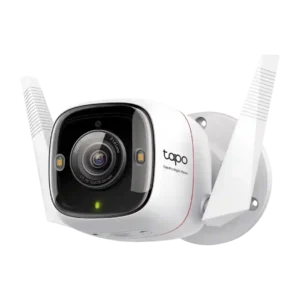
Field of view drew a clear caveat: GearBrain was disappointed by the 127-degree view compared with wider outdoor cameras.
Pros: Detection range, On-device features
Cons: HomeKit integration, PoE