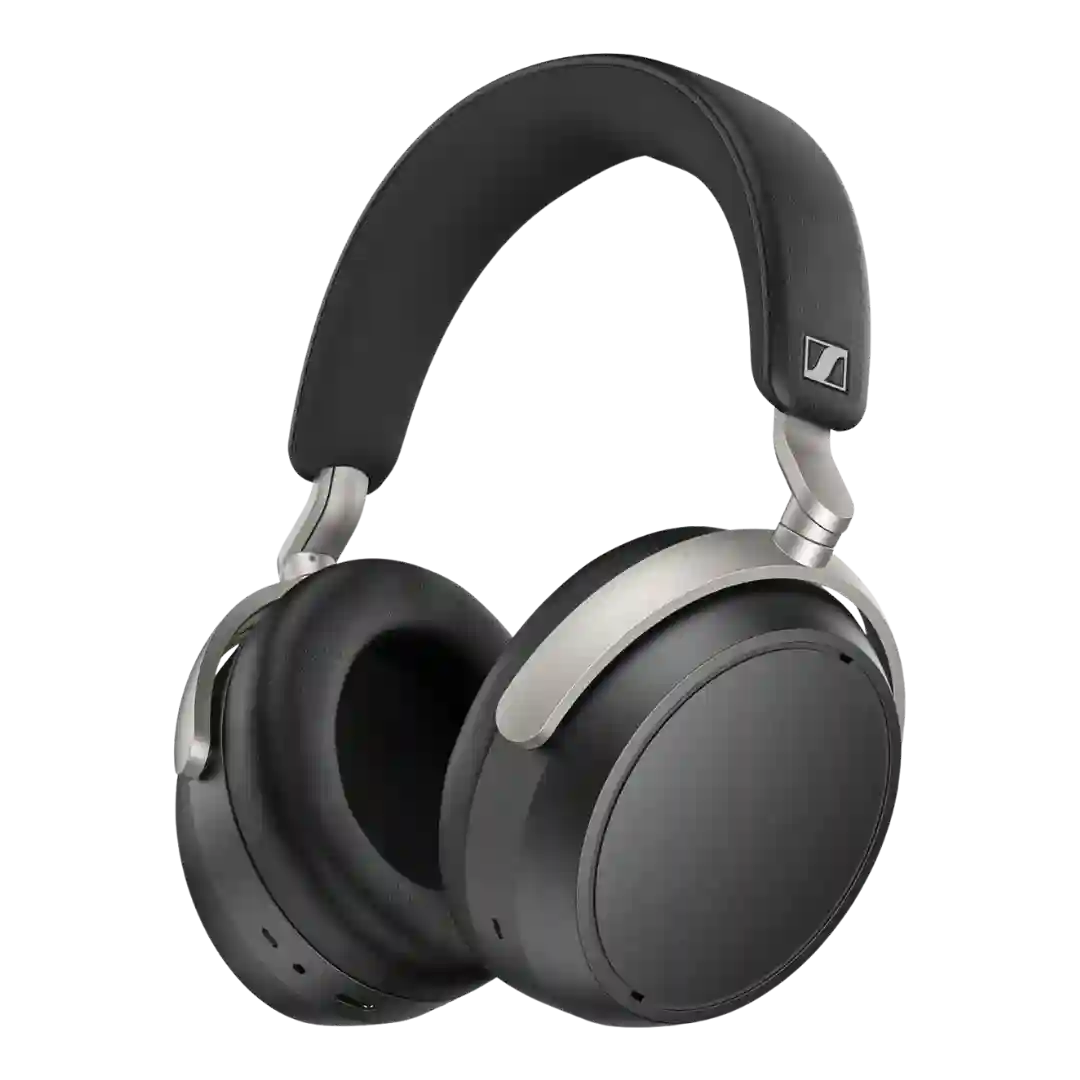
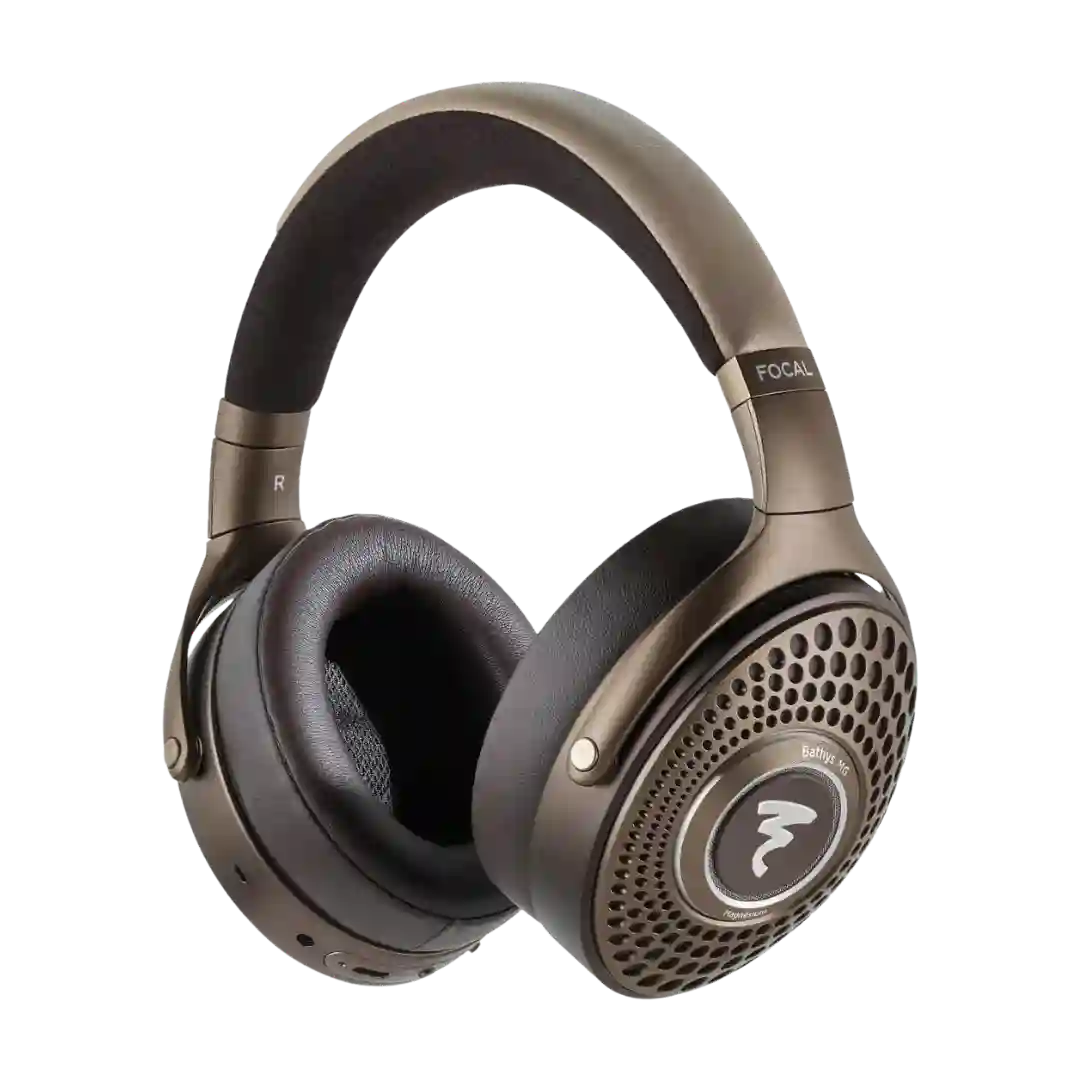
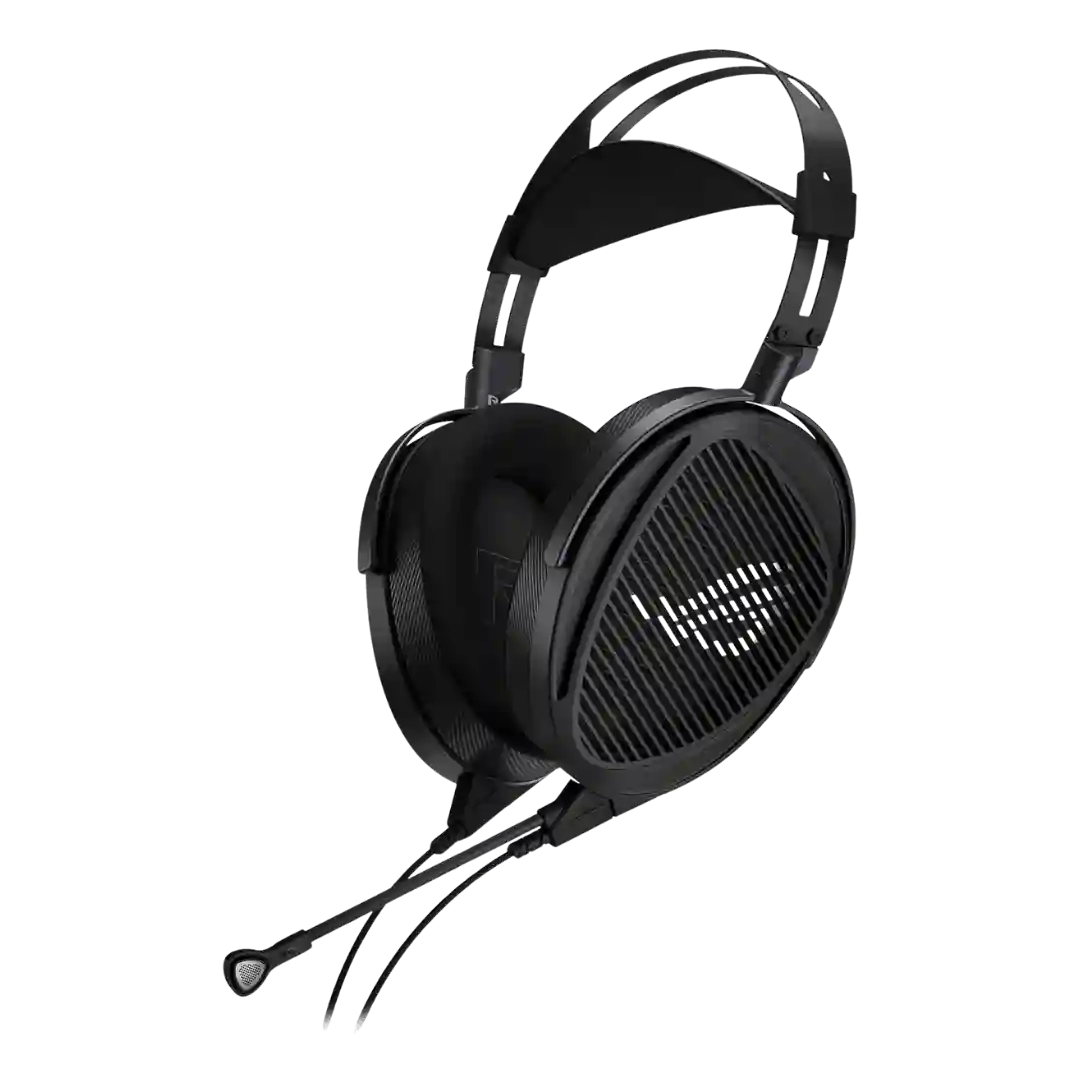
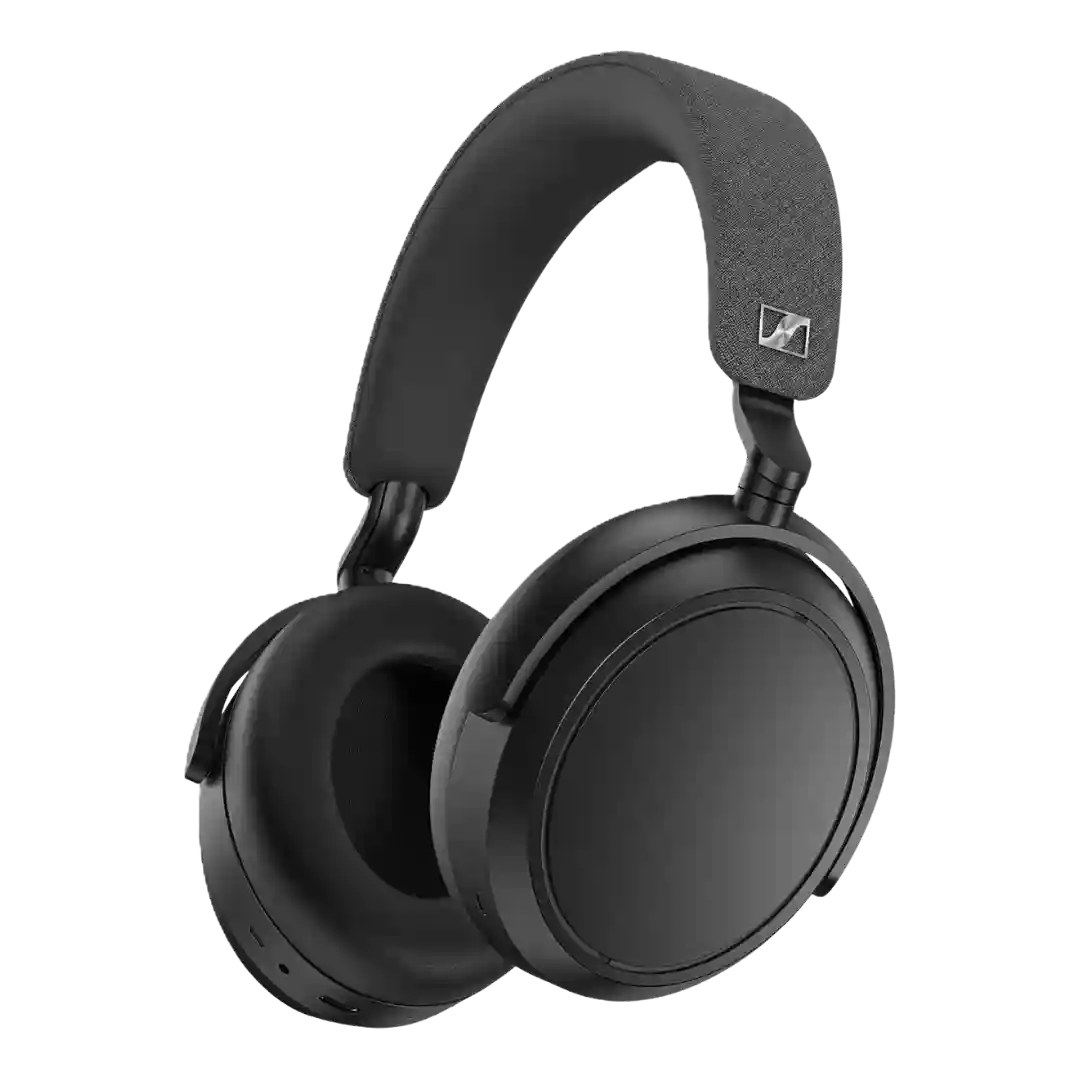
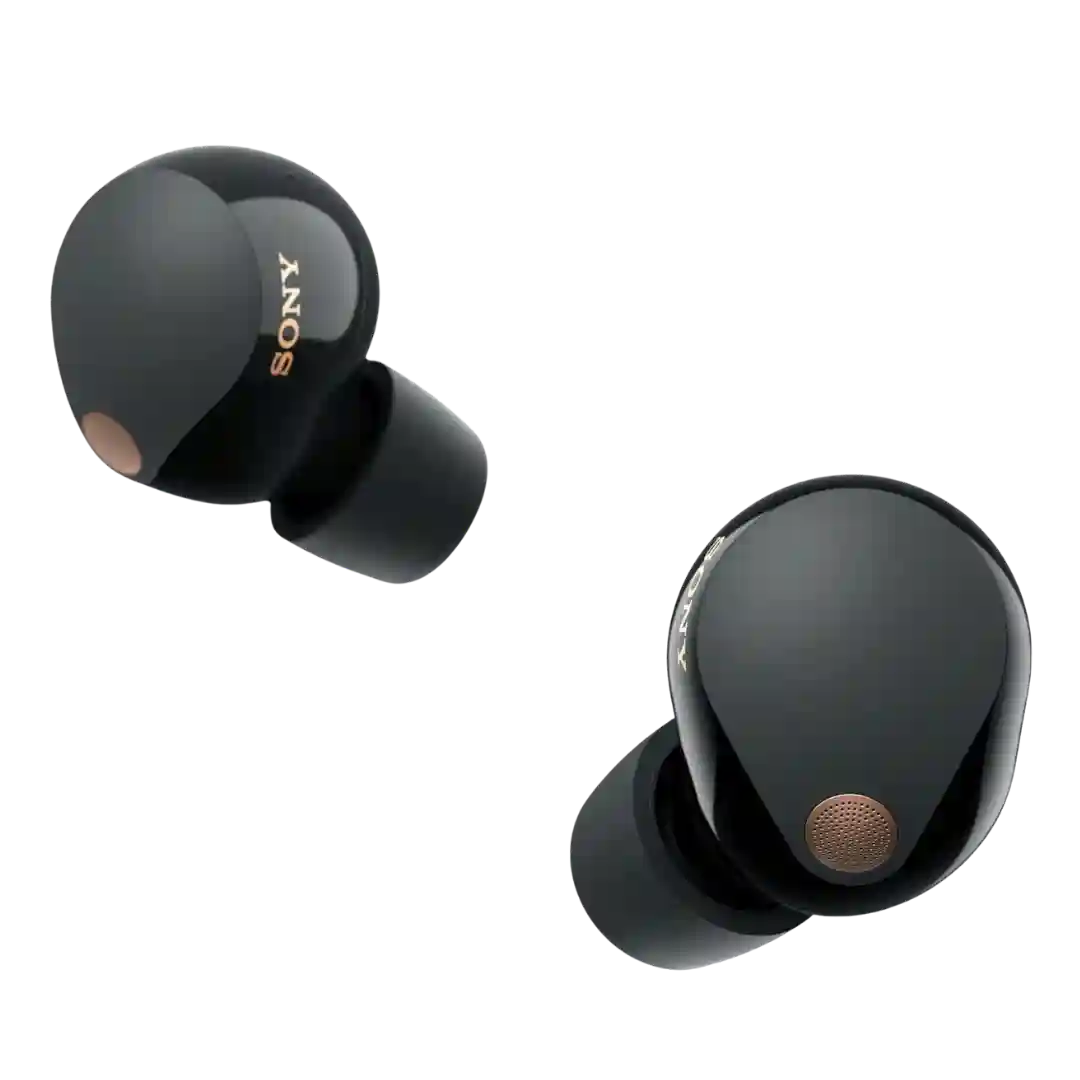
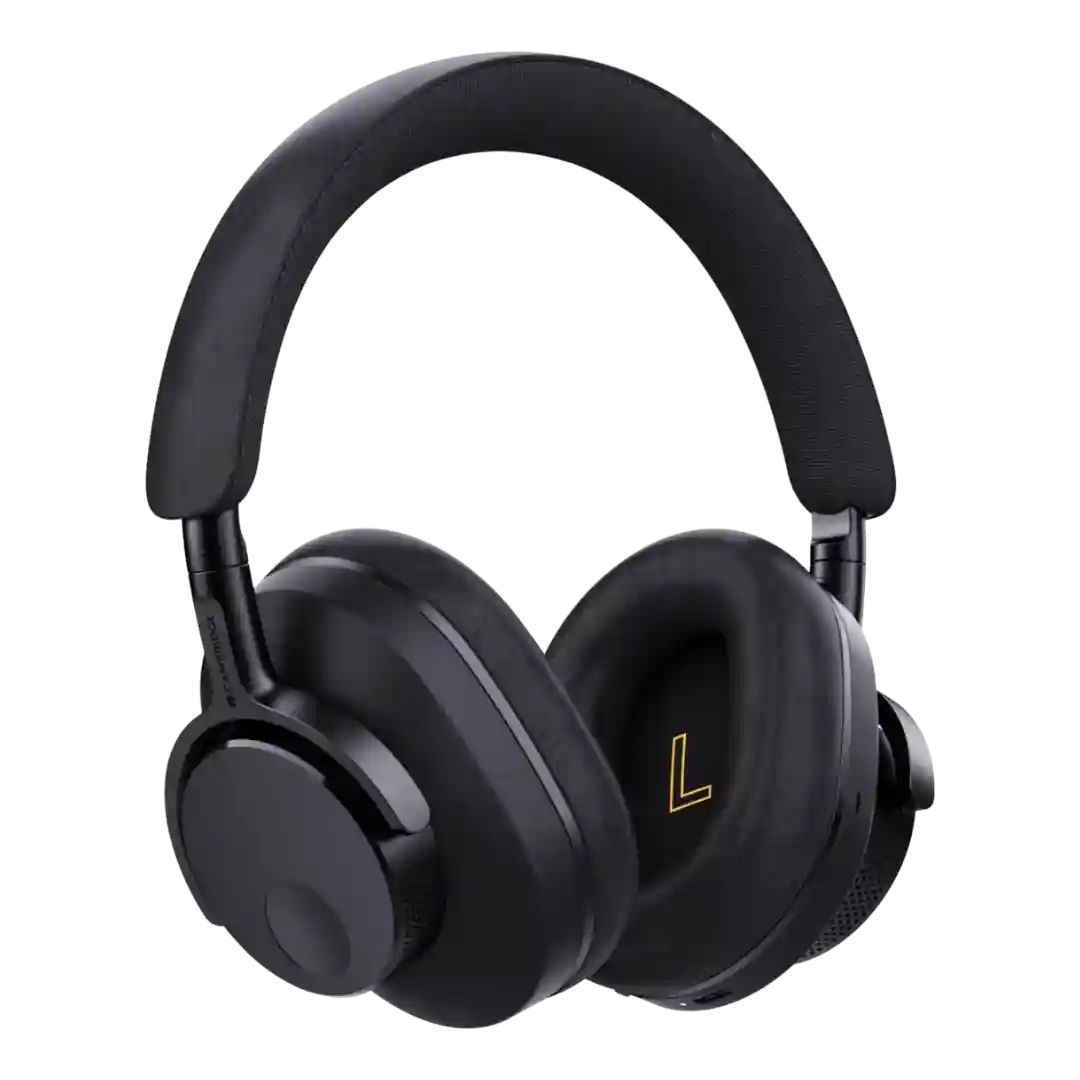
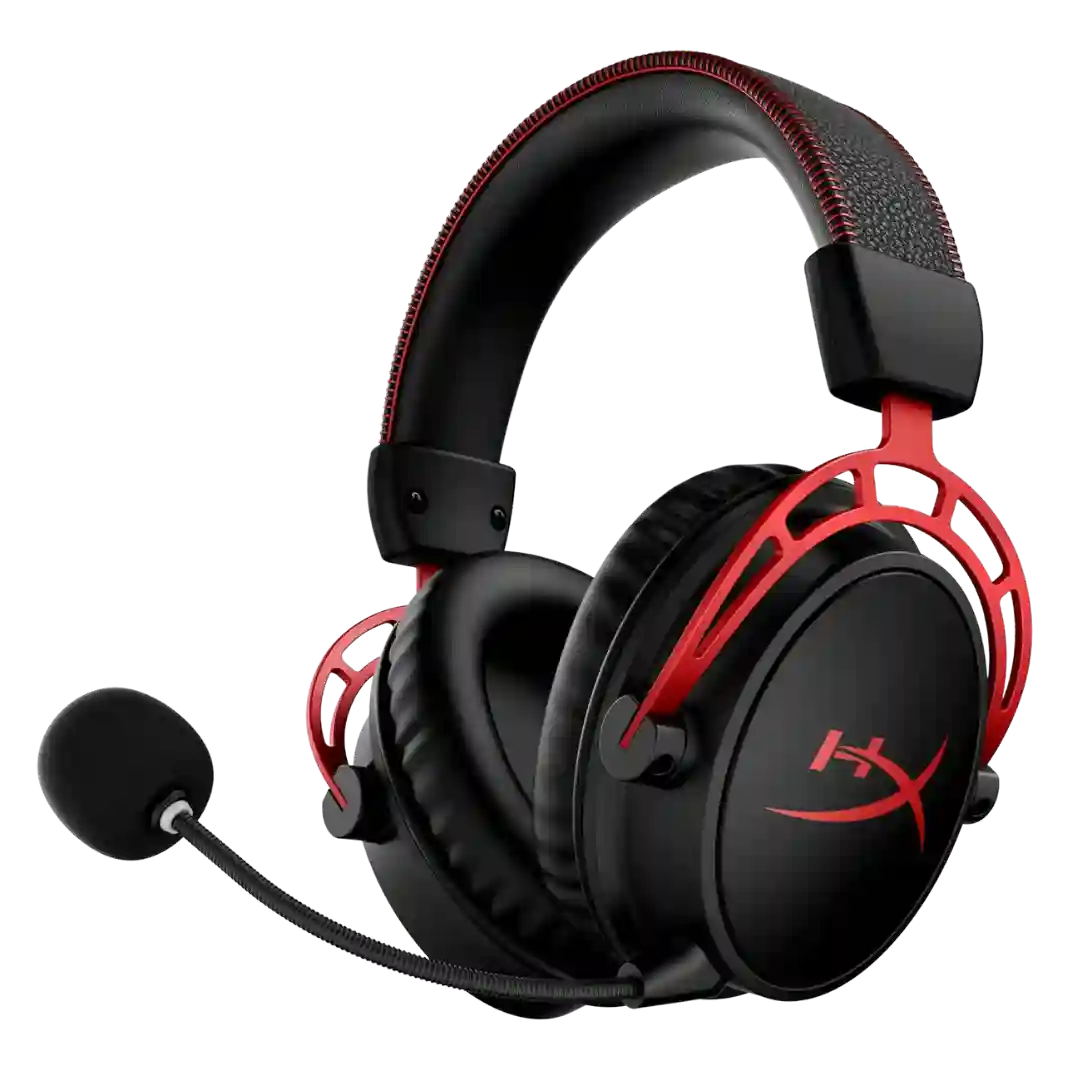
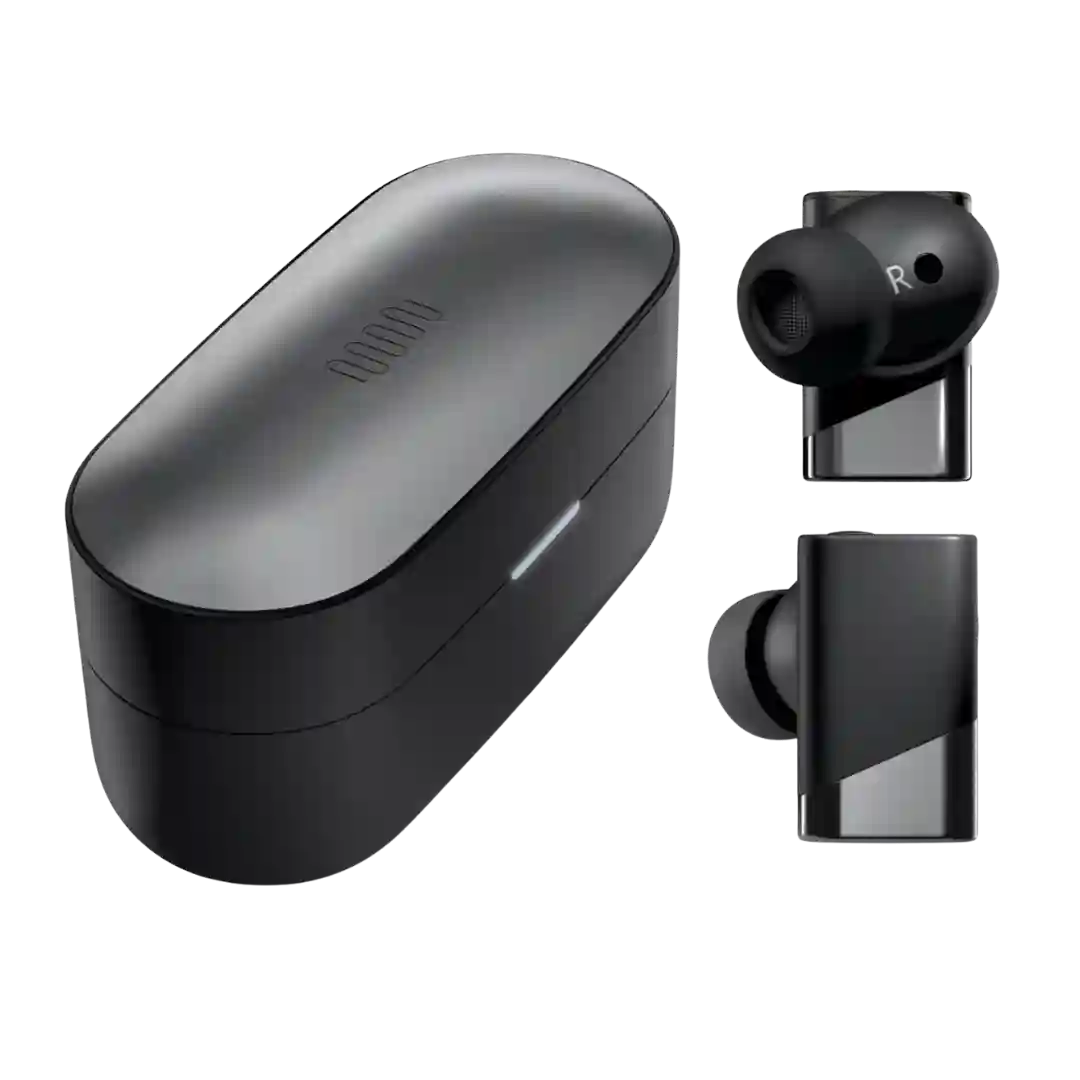
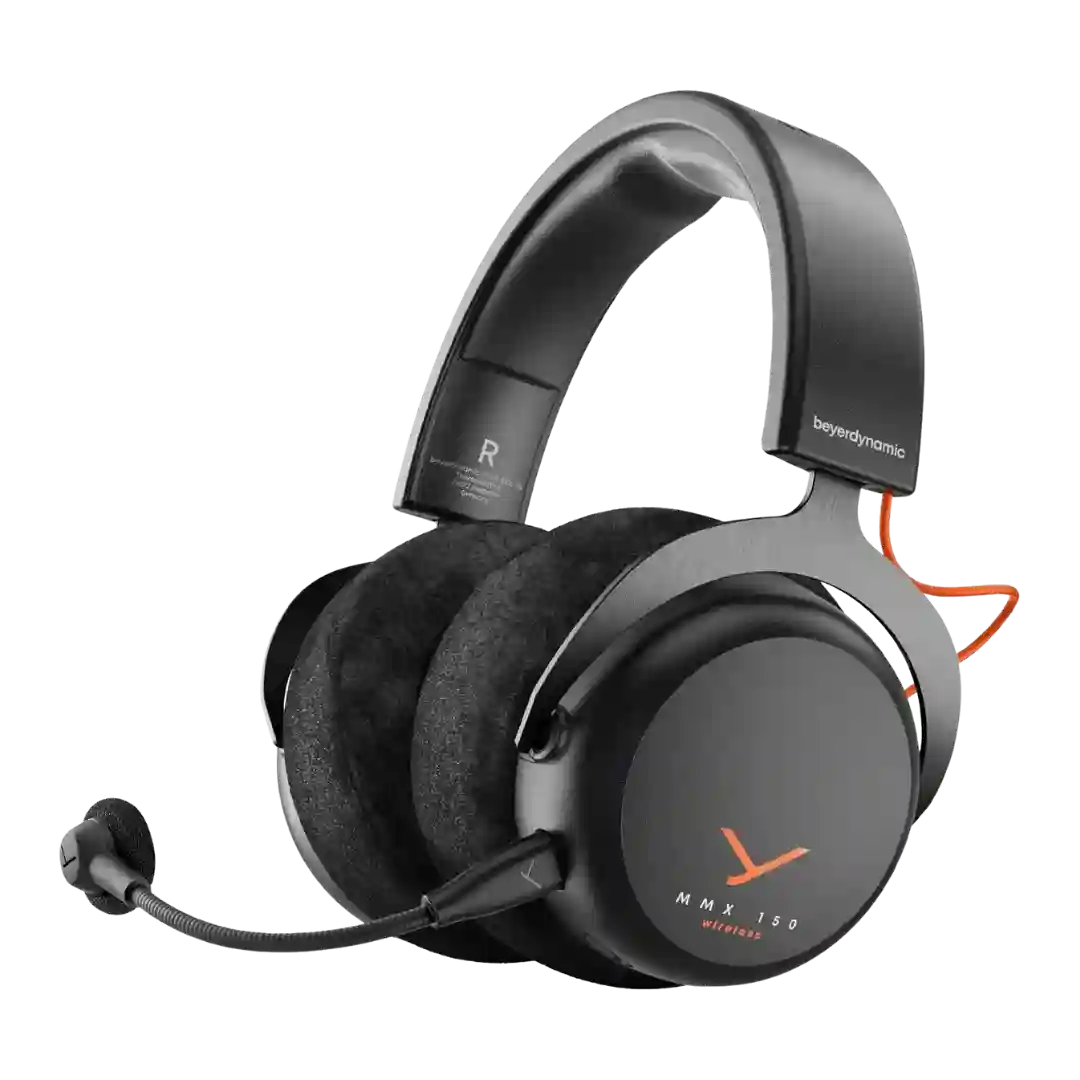
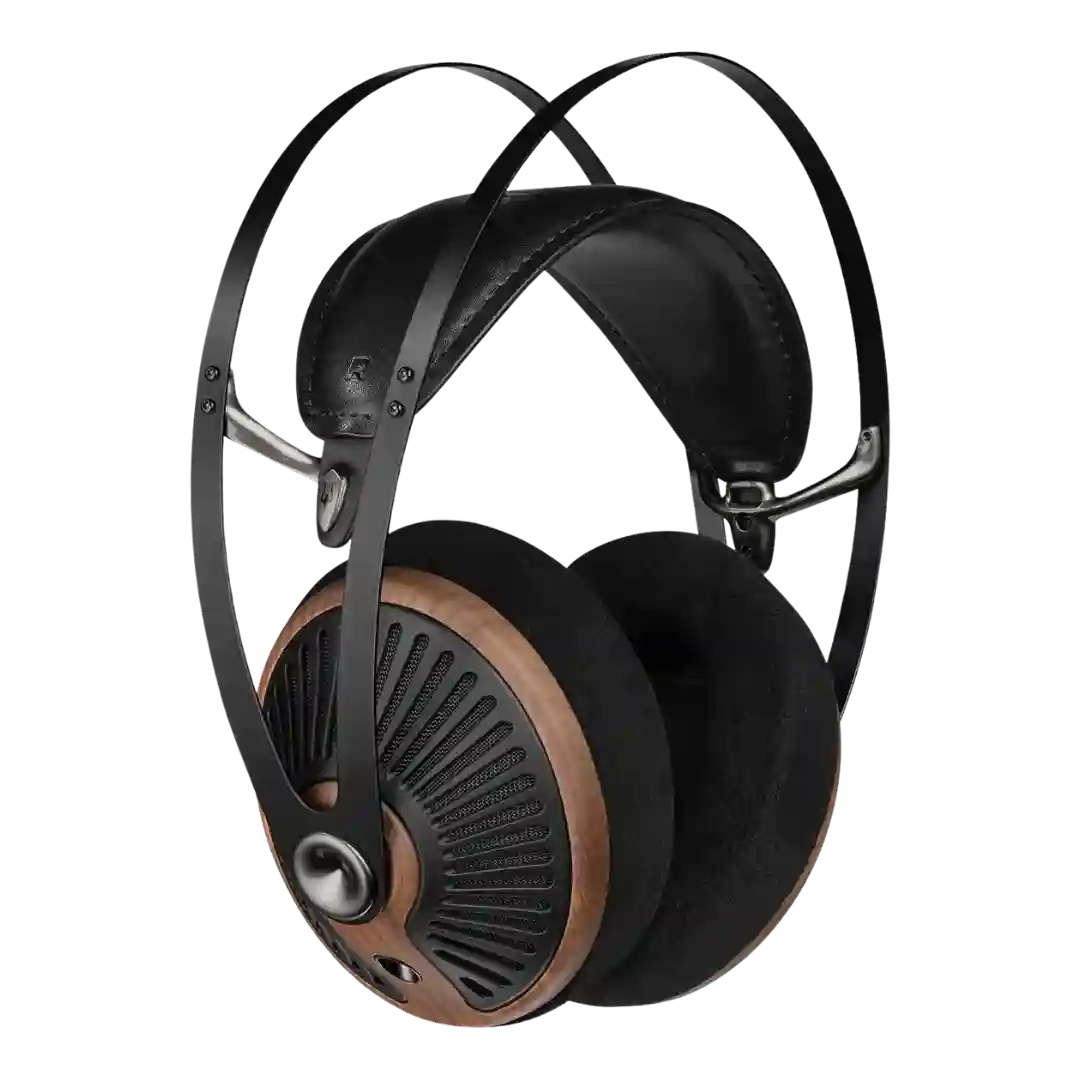
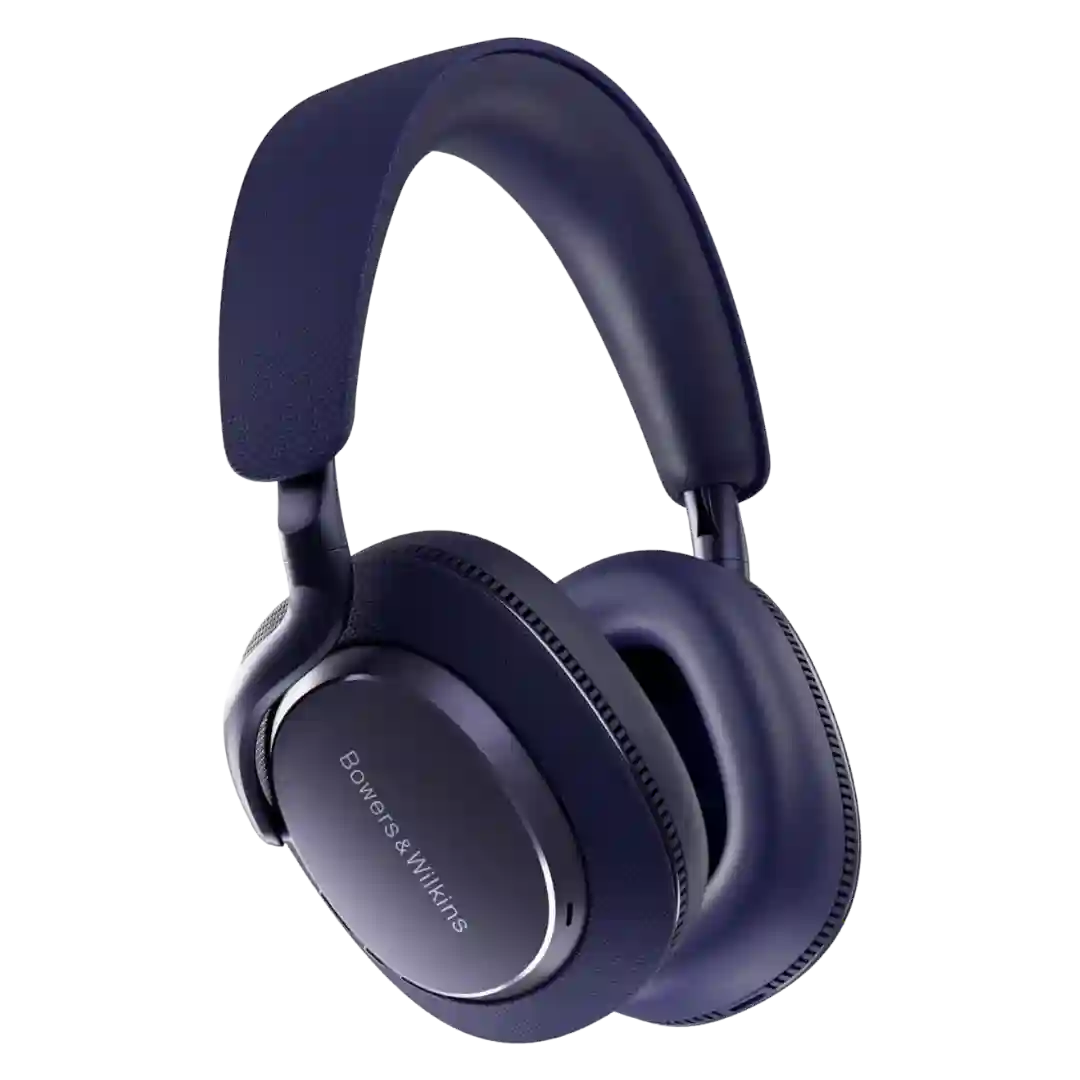
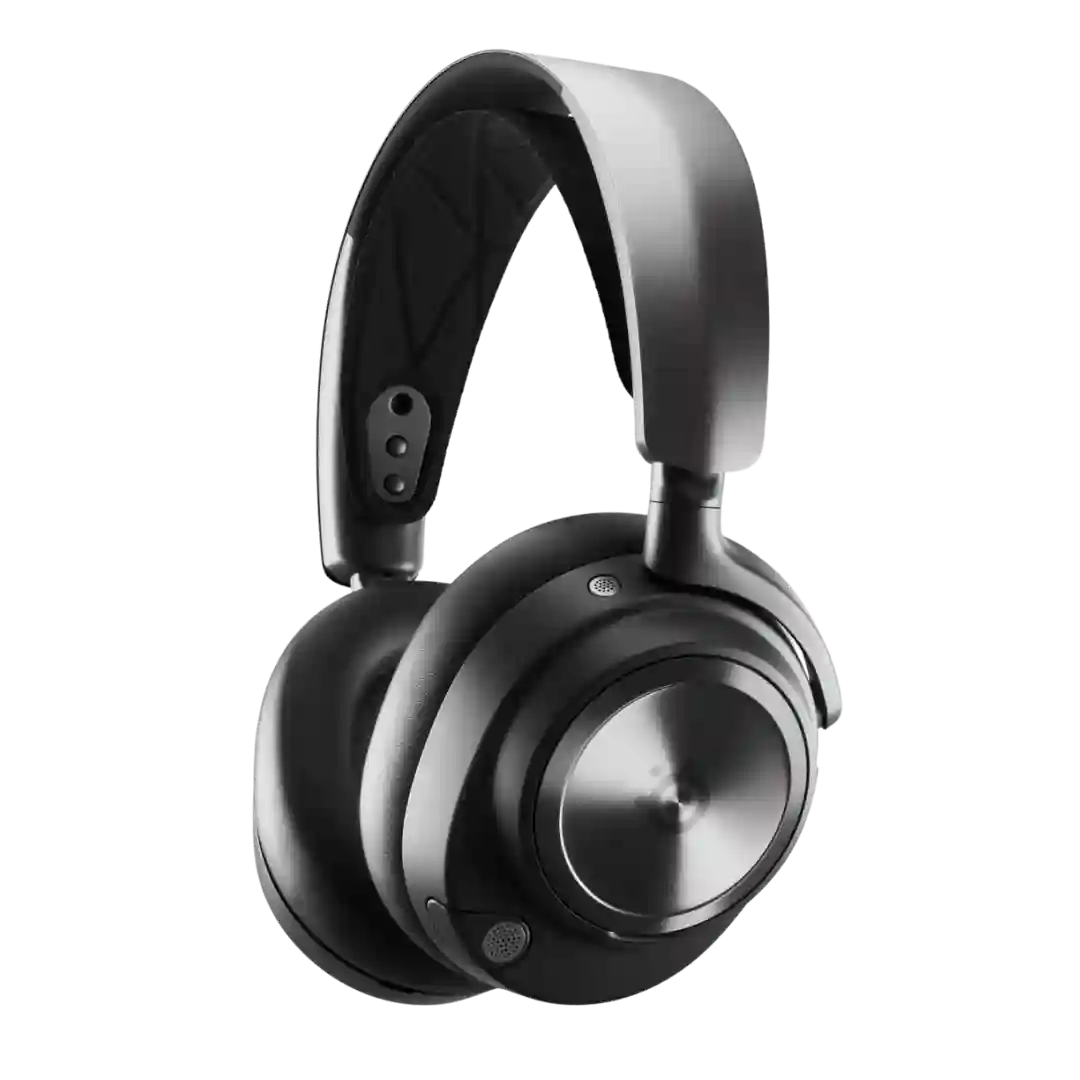
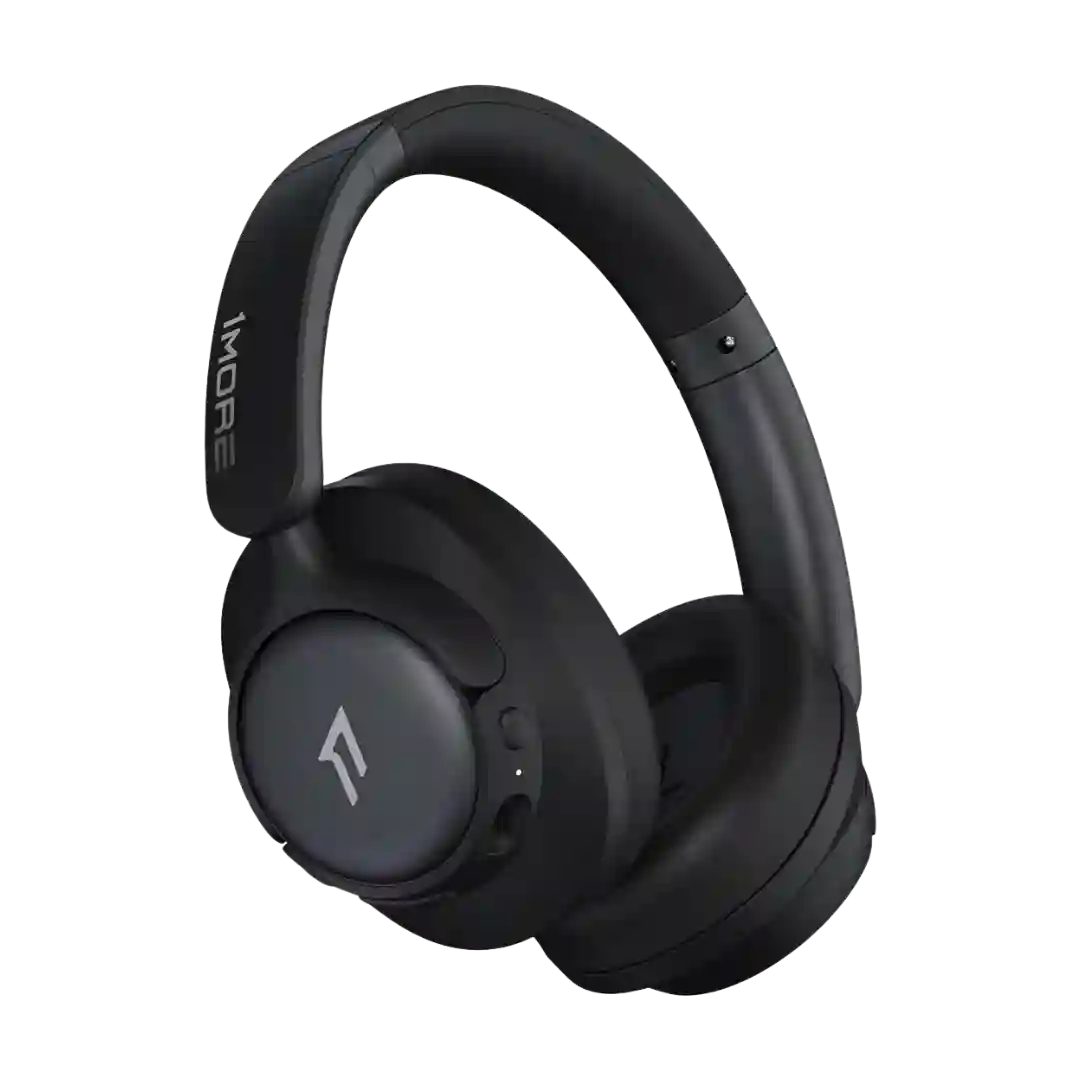
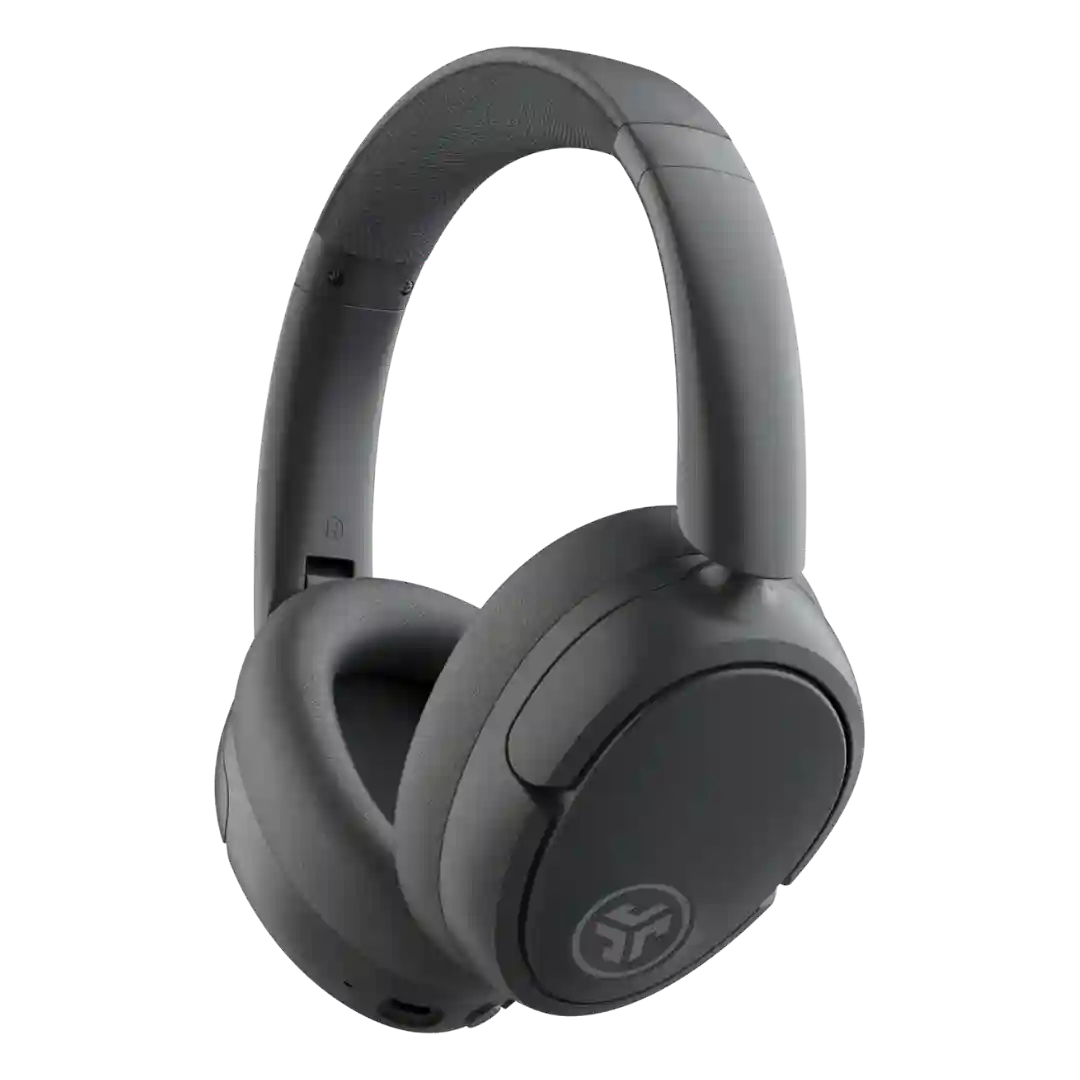
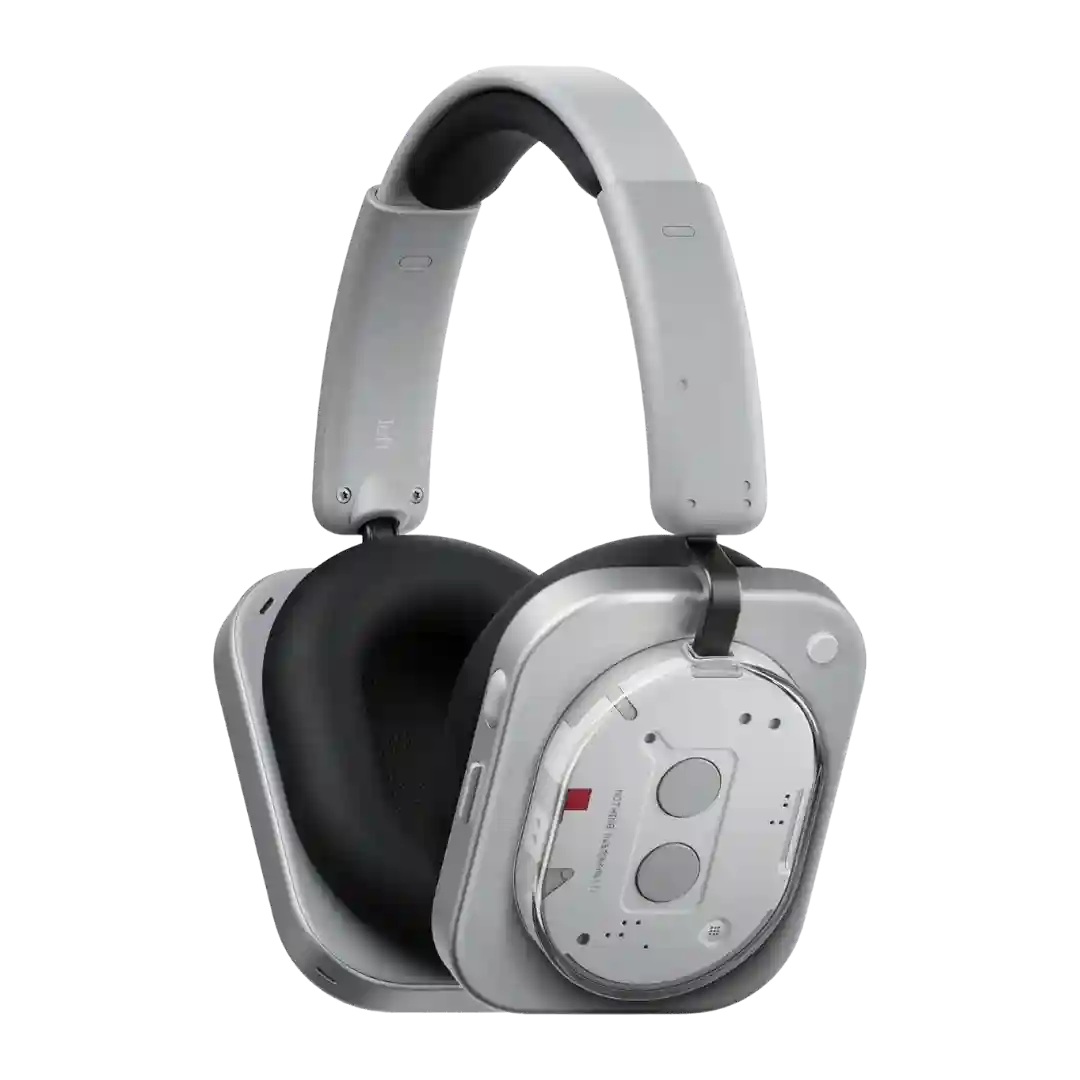
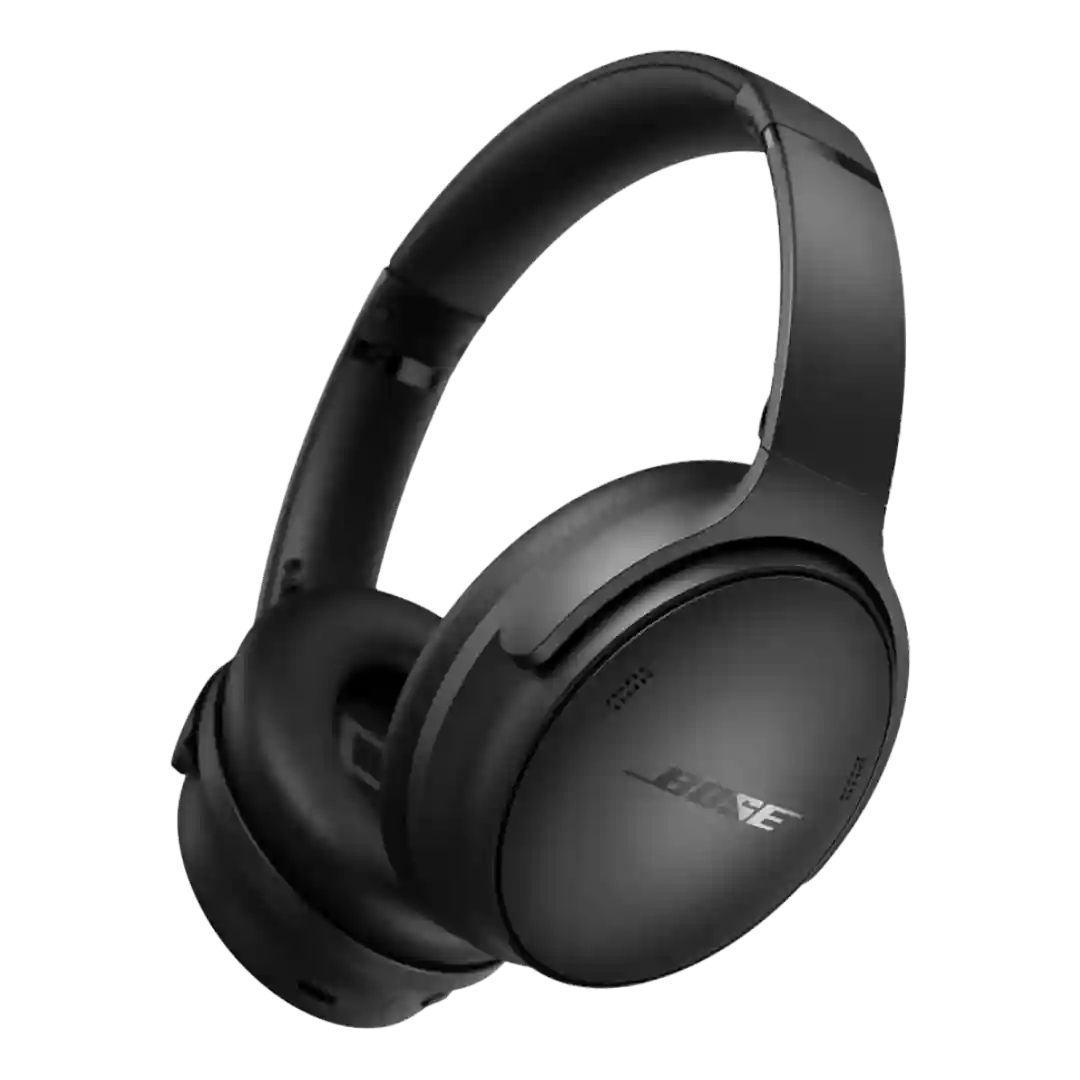
Several reviewers highlight target-curve or reference-leaning balance and good tonal accuracy. Fit and seal still matter, with small positioning changes affecting bass and lower-mid response.
Reviewers consistently describe the tonal balance as natural, balanced, or close to reference in the better presets, with cleaner frequency relationships than the original Bathys.
Measurements and listening impressions generally align on a well-tuned response for broad appeal, with small deviations (notably bass lift) that can be refined via EQ.
One detailed measurement-focused review describes the default tuning tracking a target curve closely, with only a modest bass emphasis and less problematic treble emphasis than some pricier siblings.
Hi-Fi mode is commonly described as balanced and relatively uncolored, while Bass mode shifts the tonality warmer and can slightly reduce upper-mid and treble prominence.
Reviewers consistently describe the tuning as balanced and accurate for the price, with natural vocals, convincing tonal balance, and good detail retrieval.
The frequency balance is commonly characterized as neutral-to-crowd-pleasing, aided by Adaptive EQ and fit-dependent tuning. Most reviewers find it consistent and natural, even if not fully customizable.
Reviewers often describe the tuning as accurate and balanced enough for monitoring, with strong bass support and good detail retrieval. The main caveat is that its balance seems most convincing with electronic material rather than every genre.
Tuning is usually characterized as close to neutral with a touch of warmth or bass lift; a couple of reviews suggest the default EQ can feel a bit restrained until adjusted.
The tuning is commonly described as balanced, mildly V-shaped, or reference-leaning, with strong overall coherence even if it is not perfectly neutral.
Reviews describe the tuning as fairly faithful or reasonably balanced, though some also note a sculpted or slightly shaped response rather than strict neutrality.
Default tuning is often described as balanced or close to a preference curve, and the multi-driver setup helps maintain clarity across lows, mids, and highs.
Tonal balance is often described as slightly warm rather than strictly neutral; DynamEQ and the SE retune can shift bass/treble balance, so accuracy depends on settings.
Tuning is broadly balanced with a mild upper-frequency emphasis that favors detail and competitive cues. Multiple notes point to less sub-bass than many closed-backs and occasional treble unevenness.
Tonality is often described as balanced or smooth rather than strictly neutral, with a coherent frequency integration that avoids obvious bloat. Some characterize it as tastefully colored (warm-bright/W-shaped) rather than reference-flat.
Tonal balance is described as neutral-with-warmth by several outlets, while others report noticeable swings and a more consumer-friendly curve. Overall, it is closer to balanced than purely V-shaped, but not a strict reference-flat tuning.
Measured or described tuning is close to neutral with a modest bass lift and some upper-mid/treble shaping. Most agree it responds very well to EQ if you want to fine-tune accuracy.
Tuning is described as broadly balanced and inoffensive, with the ability to correct the signature via EQ; some note small tonal shifts when ANC is enabled.
Measured/tonal accuracy is broadly good, but several reviewers note a mild upper-mid/high underemphasis that can read as less crisp detail out of the box. Personalization tools and EQ can compensate, and many still find the tuning musically pleasing.
Frequency response out of the box is commonly described as V-shaped rather than neutral. With the right preset or custom EQ, several reviewers say it can get much closer to balanced listening.
Tonality can be shaped into a more balanced response with CustomTune and light EQ, but out of the box many characterize it as a V-shaped or slightly dark consumer tuning rather than strictly neutral.
Measurements and subjective impressions suggest the default tuning is gaming-optimized rather than strictly neutral. Reviewers commonly recommend EQ to smooth peaks and achieve a more balanced frequency response for mixed use.
Tonal accuracy is decent but not reference grade, with several listeners hearing a consumer-friendly tuning and others noting scratchiness or uneven balance.
Tuning is widely described as more balanced than older Beats, but still stylized with boosted lows and bright highs rather than strict neutrality. Purist listeners may prefer a more accurate, less sculpted alternative.
The tuning is optimized more for competitive usefulness than tonal neutrality. Accuracy in positional cues is good, but the overall balance is not especially natural or reference-like.
Frequency balance is not especially accurate. Reviewers often heard boosted bass, dipped mids, or sharp or rolled-off treble, although a few still found the overall tuning enjoyable.
Frequency response accuracy is not a priority here: multiple reviews describe a built-in V-shaped or bass-forward curve that does not fully conform to neutral targets even with presets.
Frequency response and tonal balance are seen as less strictly neutral than Pro 2, with some reviewers noting a more V-shaped or bass-forward tilt. Fit and listening volume can noticeably change perceived balance.
Measured and subjective impressions frequently point to a non-neutral stock response (often described as dark), with EQ being the practical path to a more accurate balance.
Frequency response accuracy is described as consumer-tuned rather than neutral, with boosted bass and some upper-range shaping that not everyone enjoys.