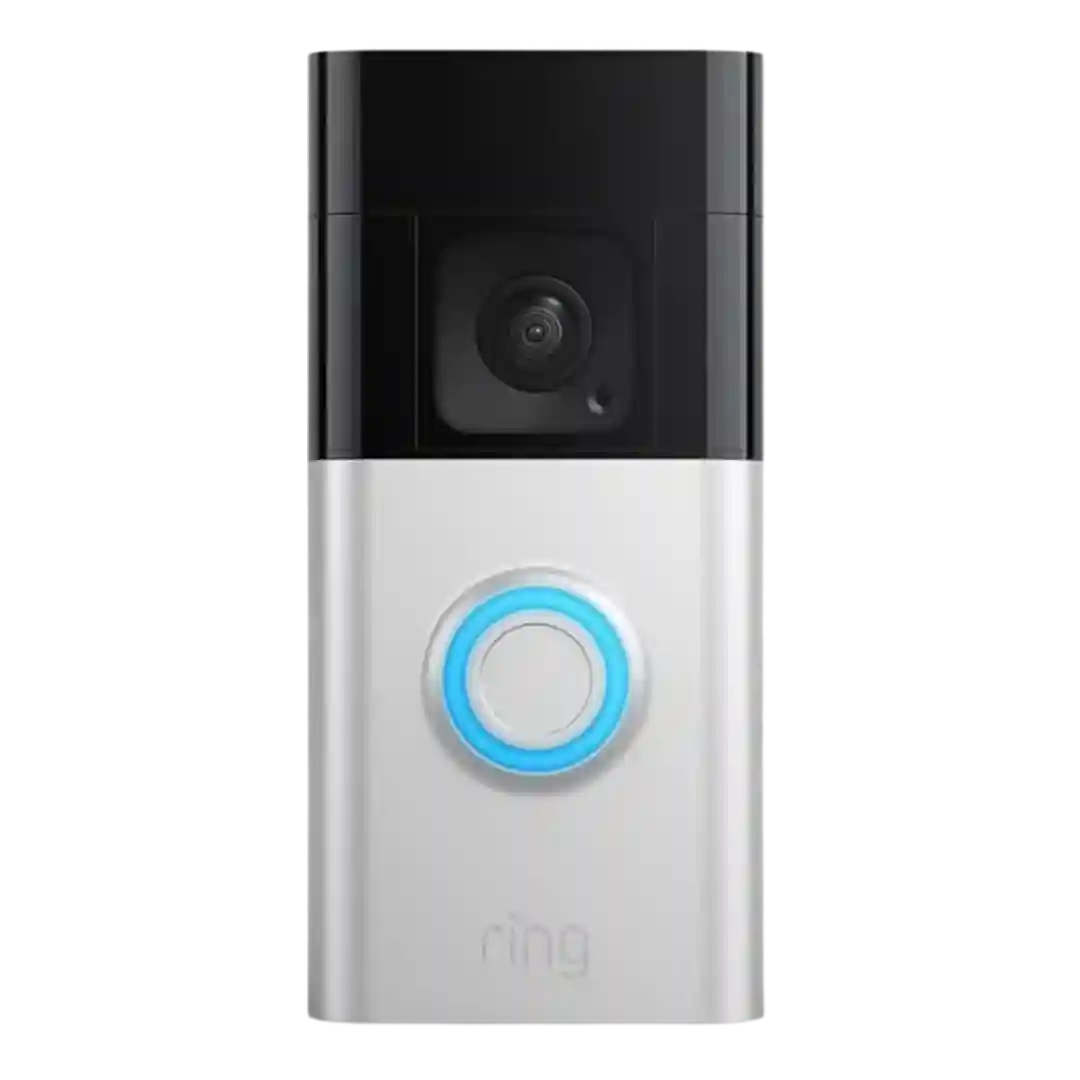
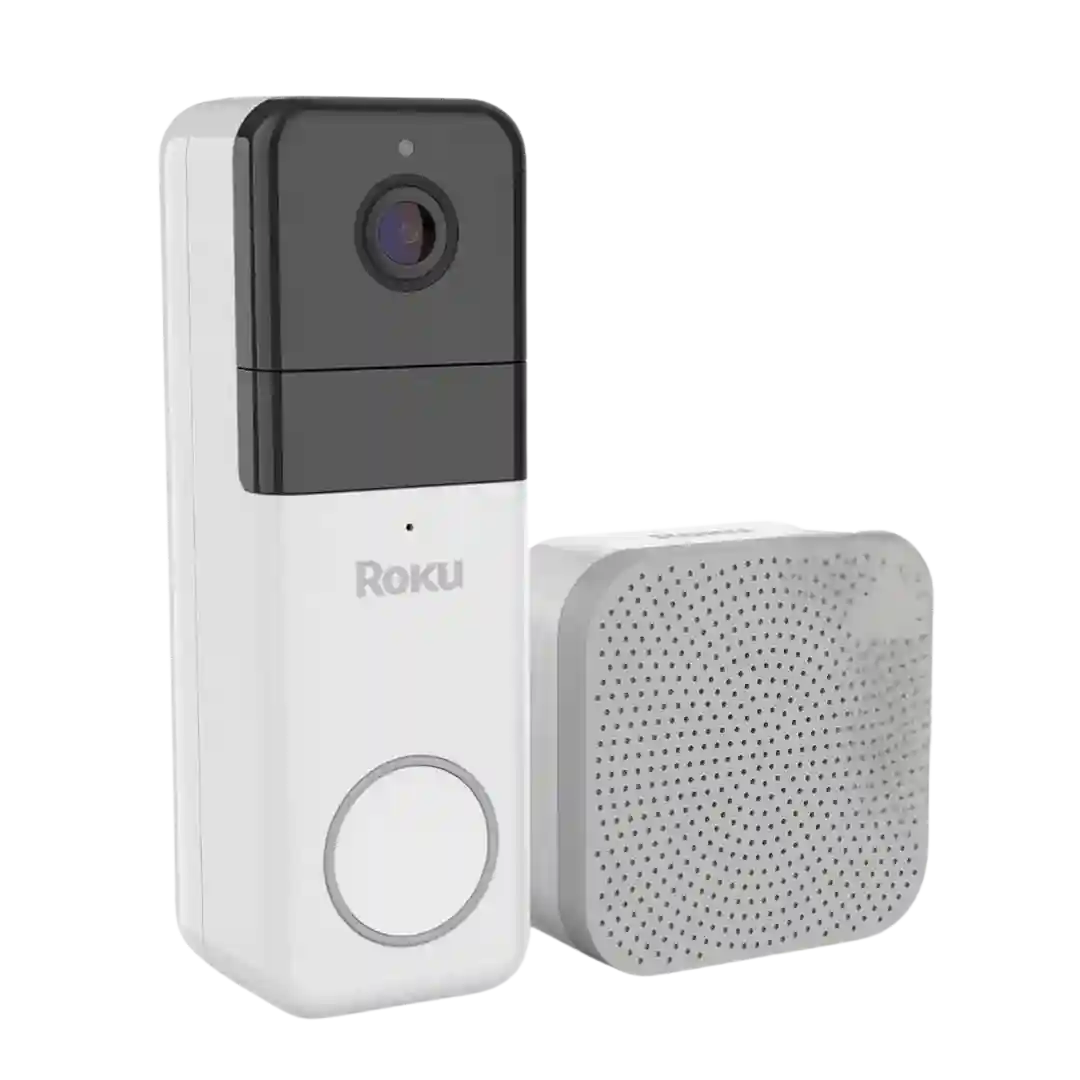
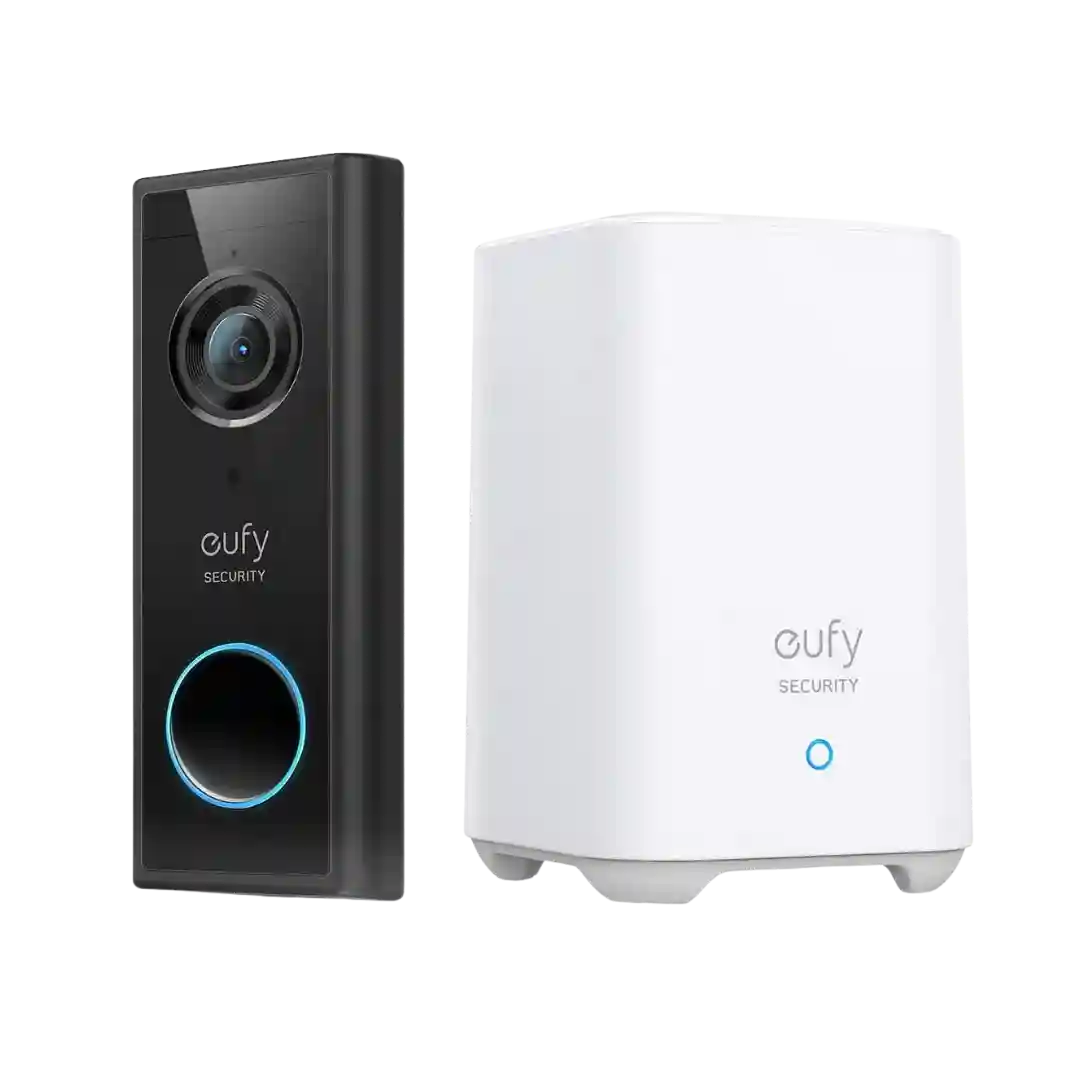
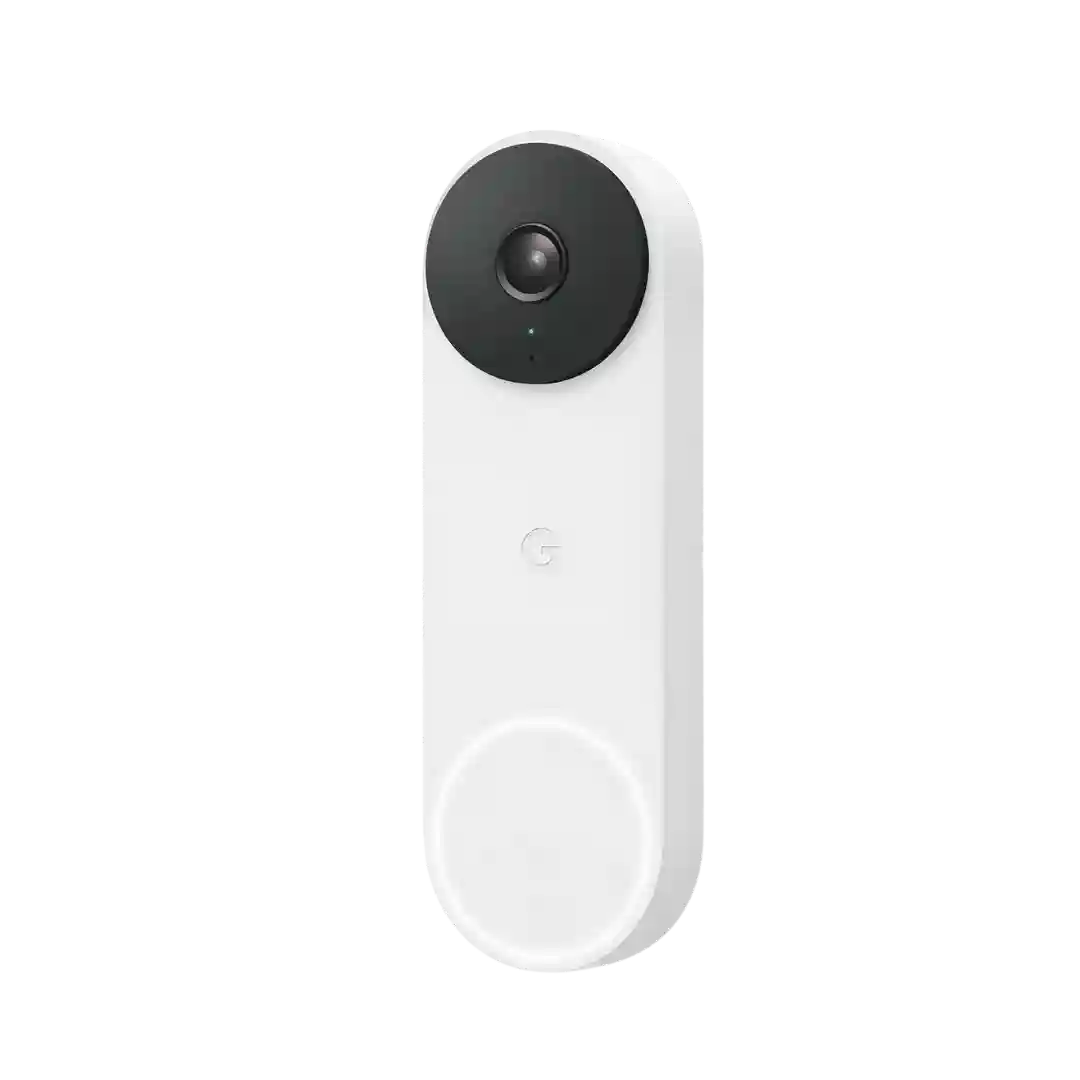
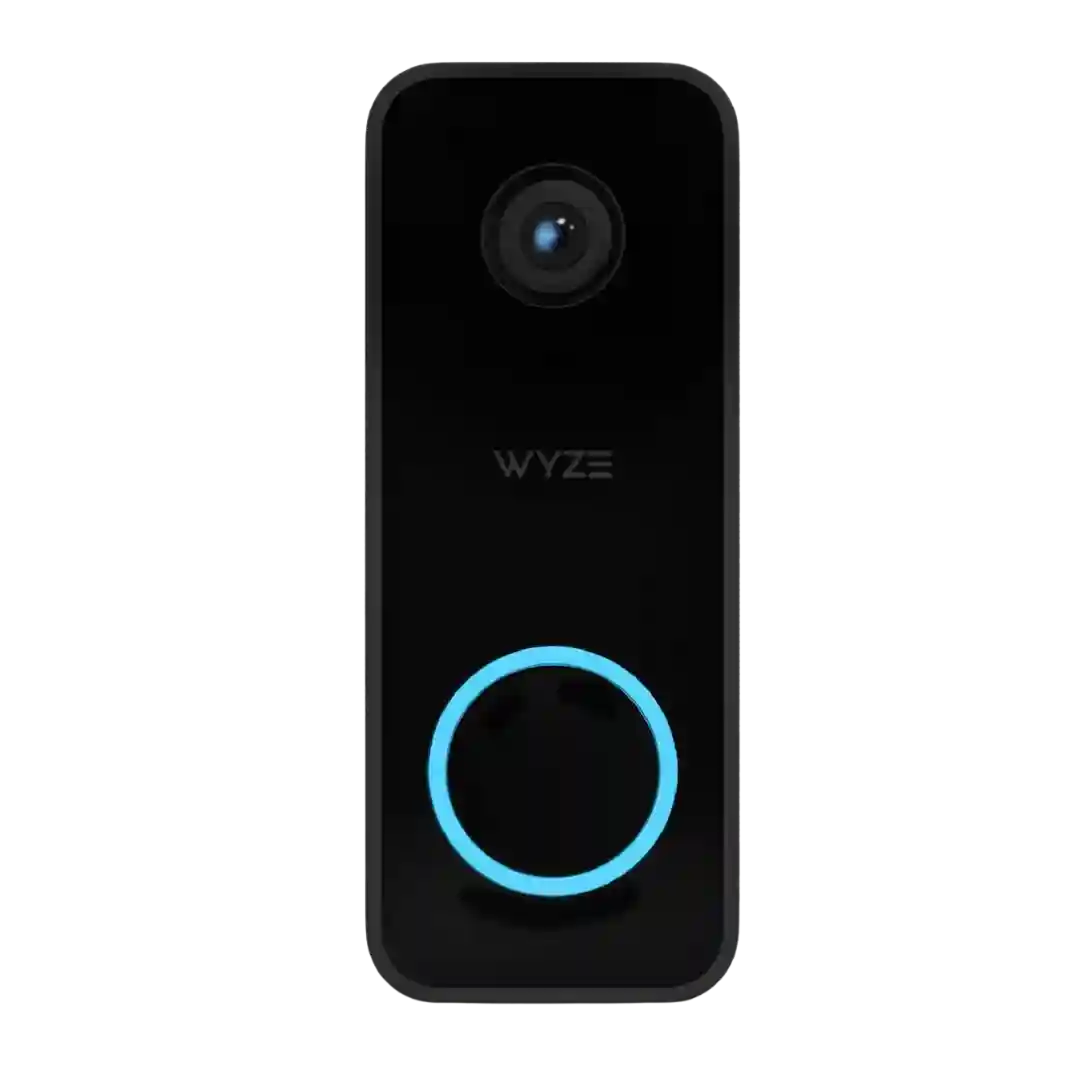
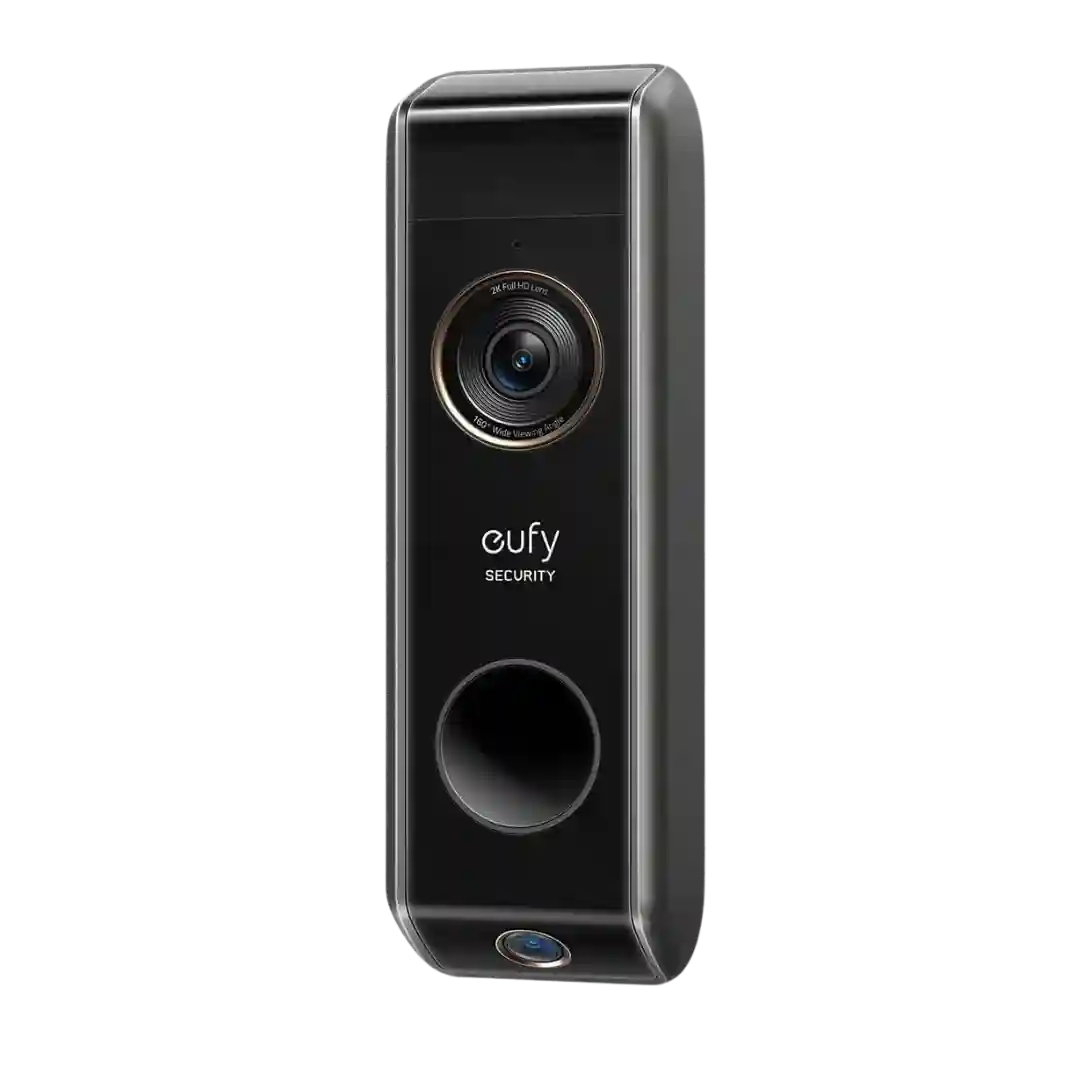
Night performance is a major positive, with reviewers liking both the infrared mode and the color night option. The one recurring caveat is that color mode depends on the built-in light or other porch lighting, so it is not a free upgrade in every situation.
Night performance is a strong point: reviewers praise color night vision enabled by built-in lights, with the option to fall back to infrared. The common tradeoff is that lights can reduce battery life and the far end of the scene may lose detail in full-color spotlight mode.
Night performance is a standout in many reviews thanks to color night vision and HDR, but results depend on ambient light if you disable the built-in light strip.
Night performance is consistently characterized as solid, with IR illumination doing a good job on nearby subjects. Reviewers note it holds up well even with bright strobes or porch lighting in the scene.
Night vision is generally viewed as strong for the price, with reviewers showing usable black-and-white night footage and improved visibility when porch lights are on. The consensus is that nighttime clarity is better than many expect from an entry-level option.
Black-and-white IR night vision is dependable; color night vision and Low-Light Sight look best with some ambient light and can be weak in near-total darkness.
Infrared night vision is generally described as clear enough to identify visitors close to the door, and some call it impressive. The most consistent caveat is that aggressive compression can reduce nighttime detail compared to what 2K implies.
Night vision is generally dependable for close-range porch activity, but detail drops with distance and heavy darkness; adding or automating porch lights can improve clarity.
Infrared night vision is generally solid, while color night vision via the spotlight or LED ring is available but can look less vibrant or require extra ambient light.
Night performance is typically rated as clear and usable, with strong IR night vision and good low-light handling for a 1080p doorbell. Some reviewers wish it had color night vision, while others report color detail under certain lighting.
Color night vision and infrared are viewed as a major plus, but several reviewers mention grain/pixelation and occasional exposure quirks up close at night.
Infrared night vision is generally described as reliable and clear for close-range activity, while color night vision is more mixed: it can help with some ambient light, but some reviewers see limited color benefit or motion ghosting/pixelation in darker scenes.
Night vision is consistently included (IR and, in one review, color night vision). Performance is described as usable at night with ambient lighting, though one review notes a tiny built-in LED is not very helpful for lighting visitors.
Night performance is described as good overall but inconsistent across scenarios. Some reviewers call it crisp, while others report limited IR reach or softer detail without porch lighting and rate it below the best night-vision doorbells.
Infrared black-and-white night vision is widely called clear enough to identify visitors, though fine detail drops compared with daytime and the image can look a bit soft.
Infrared night vision is generally considered adequate, but some reviews mention washed-out facial detail or uneven illumination. Overall night usability is acceptable, yet not best-in-class.
Infrared night vision is generally clear and usable, but motion at night can look choppy because frame rate tops out around 20 fps and there is no built-in spotlight for color night video.
Night performance is generally described as usable with infrared, but most note it is monochrome and not as impressive as color night-vision cameras. Low-light clarity varies by porch lighting, with darker or backlit scenes showing more noise and less detail.
Infrared night vision is generally considered usable and improved versus older models, but it remains black-and-white and not as clear as higher-end options. Several reviewers call out the lack of color night vision and occasional challenges in tricky lighting.
Black-and-white IR night vision is generally usable, but several reviewers note dimmer scenes, motion blur, or a lower night frame rate and there is no color night vision.
Night performance is mixed: some reviews say color night vision looks great with adequate ambient lighting, while others report washed-out color or weak usefulness in darker locations. Several reviewers highlight dusk/backlight scenarios as a common weak spot for doorbells.
Night vision works reliably with adjustable infrared intensity and automatic switching. However, too-high IR can wash out close faces, and bright background lights can blow out parts of the scene.
Color night vision can look good with nearby lighting, while IR mode is crisp; performance drops noticeably in dark or unlit entryways and on cloudy/low-light days.
Low-light performance is the most disputed area: some reviewers call night vision weak beyond short distances, while others find it acceptable for typical doorstep ranges, usually in black-and-white IR rather than color.