Best for Low-light performance
Tapo C675D
5.0 feature score
Highest scored product for this feature based on supporting review evidence.
Highest scored product for this feature based on supporting review evidence.
Balances feature score, supporting reviews, and overall product strength.
Has the broadest review evidence for this feature.
Strongest overall product among items with scored evidence for this feature.
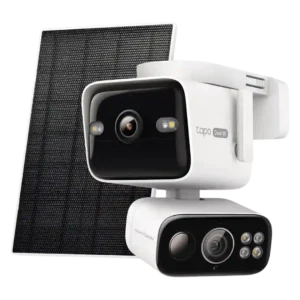
Low-light performance was exceptionally strong in testing, with the reviewer struggling to find anything to criticize.
Pros: Low-light performance, Floodlight brightness
Cons: HomeKit integration, Echo/noise cancellation
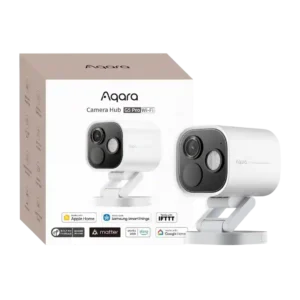
Low-light performance was a standout, with reviewers repeatedly reporting unusually bright, detailed, useful footage after dark.
Pros: Durability, Low-light performance
Cons: Power options (solar panel), PTZ (pan/tilt/zoom) control responsiveness
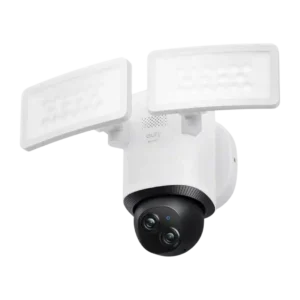
Low-light performance was praised for clear detail, especially when the floodlights enabled color night footage.
Pros: Cloud storage plan value, Dual-band (2.4/5GHz) performance
Cons: HomeKit integration, ONVIF/RTSP support
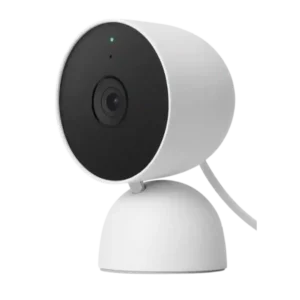
Low-light footage was reported as clear, bright, and strong enough in full dark.
Pros: Low-light performance, Notification speed
Cons: Recording start-time lag, PTZ (pan/tilt/zoom) control responsiveness
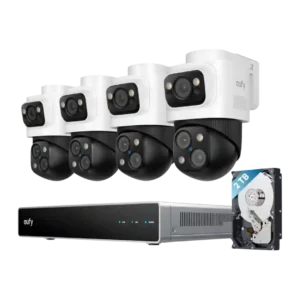
Low-light footage was viewed positively, especially where reviewers saw clean, reliable, or surprisingly good footage in dim scenes.
Pros: Detection range, Recording start-time lag
Cons: ONVIF/RTSP support, HomeKit integration
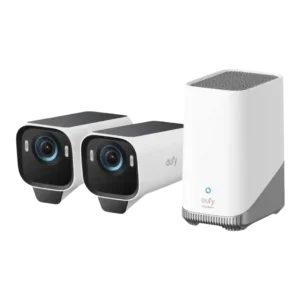
Low-light image quality was repeatedly praised for staying detailed and color-rich after dark without relying only on bright lighting.
Pros: Low-light performance, Color accuracy
Cons: Speaker volume, Frame rate
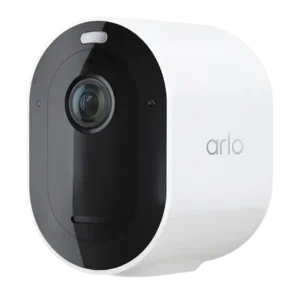
Low-light performance is viewed positively, with reviewers highlighting strong color night results and clear images when lighting is limited.
Pros: Notification speed, Event recording reliability
Cons: Mesh network compatibility, Customer support responsiveness
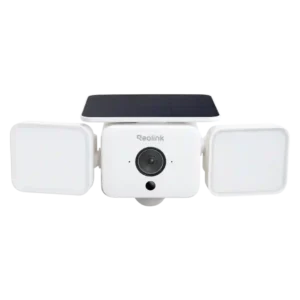
The camera captures useful activity in very dark conditions, especially wildlife and nearby movement, but the best color detail still depends on the floodlights.
Pros: Field of view, Customizable motion zones
Cons: Continuous recording capability, ONVIF/RTSP support
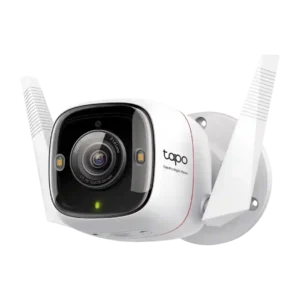
Low-light performance was widely praised for bright color detail in dark areas, although one reviewer found identification difficult unless subjects were close.
Pros: Detection range, On-device features
Cons: HomeKit integration, PoE
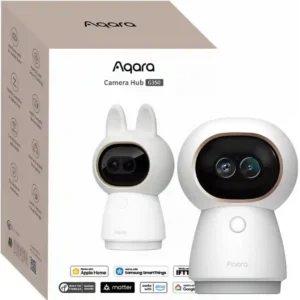
Low-light and infrared performance earned strong marks for sharpness and minimal ghosting, though reflective surfaces can affect exposure in difficult placements.
Pros: Frame rate, Continuous recording capability
Cons: Weather resistance rating (IP code), Included accessories
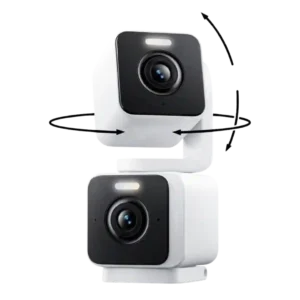
Low-light performance was strong overall, with reviewers praising natural color night vision and the sensor's sensitivity in a dark room.
Pros: Installation and Mounting, Articulation range
Cons: ONVIF/RTSP support, Connectivity options
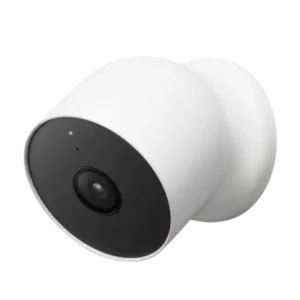
Low-light performance is generally strong for black-and-white or HDR detail, though reviewers noted weak or absent color night performance.
Pros: False alert filter effectiveness, Operating temperature range
Cons: IFTTT/automation compatibility, HomeKit integration
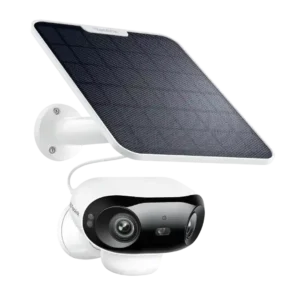
Low-light performance was generally strong when some ambient light or spotlight help was available, but pitch-black performance was more qualified.
Pros: Connectivity options, Detection range
Cons: HomeKit integration, Continuous recording capability
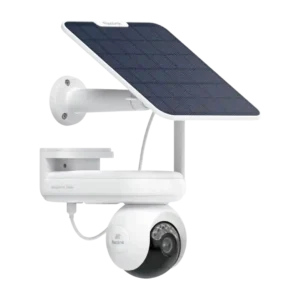
Low-light performance was generally strong with ambient light, but one test found readability dropped quickly without the floodlight.
Pros: Recording start-time lag, Smart home accessory compatibility
Cons: Optical zoom performance, HomeKit integration
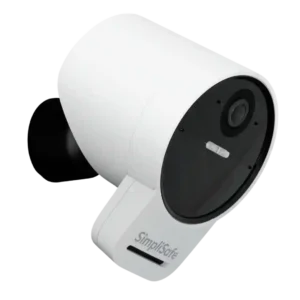
Low-light performance was mostly positive, though PCMag noted spotlight color was not as bright as daytime video.
Pros: Weather resistance rating (IP code), System scalability
Cons: Pre-event recording length, HomeKit integration
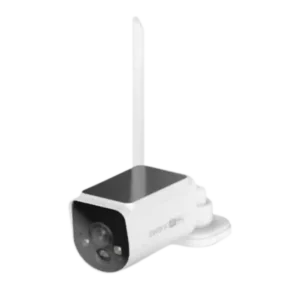
Low-light performance was positive for infrared detail, with the caveat that color night vision needs external light.
Pros: Digital zoom clarity, Floodlight brightness
Cons: Frame rate, Smart-home integration (Alexa
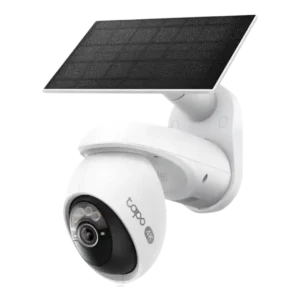
Low-light performance was generally seen as good, with useful detail at dusk or low light, although some artifacting and ghosting appeared in harder scenes.
Pros: On-device processing (AI), Installation and Mounting
Cons: ONVIF/RTSP support, HomeKit integration
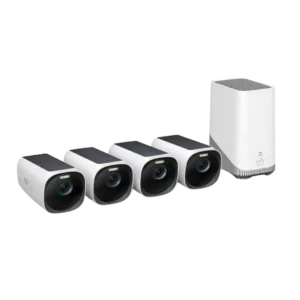
Low-light performance earns mixed-positive feedback: several reviewers praised sharp night footage, while others reported motion blur or weaker nighttime detection.
Pros: Cloud storage plan value, Weather resistance rating (IP code)
Cons: Recording start-time lag, Pre-event recording length
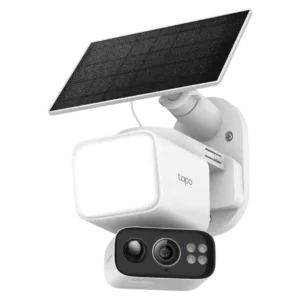
Low-light results were strong when the floodlight was involved, but one reviewer found tracking image quality weak without enough light.
Pros: Speaker volume, Lens distortion correction
Cons: Field of view, Detection range
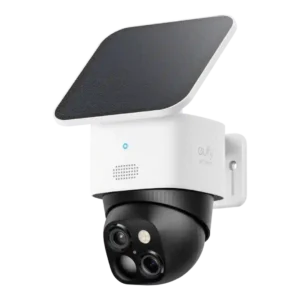
Low-light performance is useful but mixed, with reviewers appreciating extra detail while noting motion blur or the need for more light in color mode.
Pros: Cloud storage plan value, Power options (solar panel)
Cons: HomeKit integration, IFTTT/automation compatibility
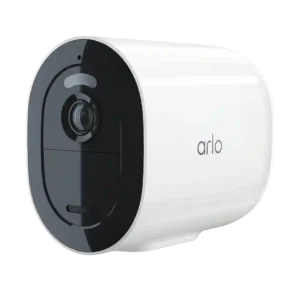
Low-light opinions were mixed: IR and spotlight modes could work well, but color low-light video could look dark and pixelated without the light.
Pros: Notification speed, Smart home accessory compatibility
Cons: Replacement part availability, HomeKit integration
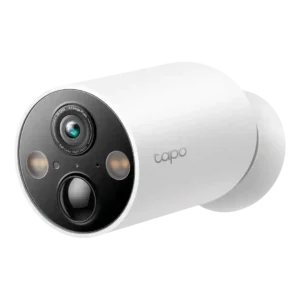
Low-light performance was the most context-dependent image weakness, ranging from very strong color night praise to murky or grainy footage in darker or longer-range scenes.
Pros: Power options (solar panel), On-device features
Cons: PTZ (pan/tilt/zoom) control responsiveness, Continuous recording capability