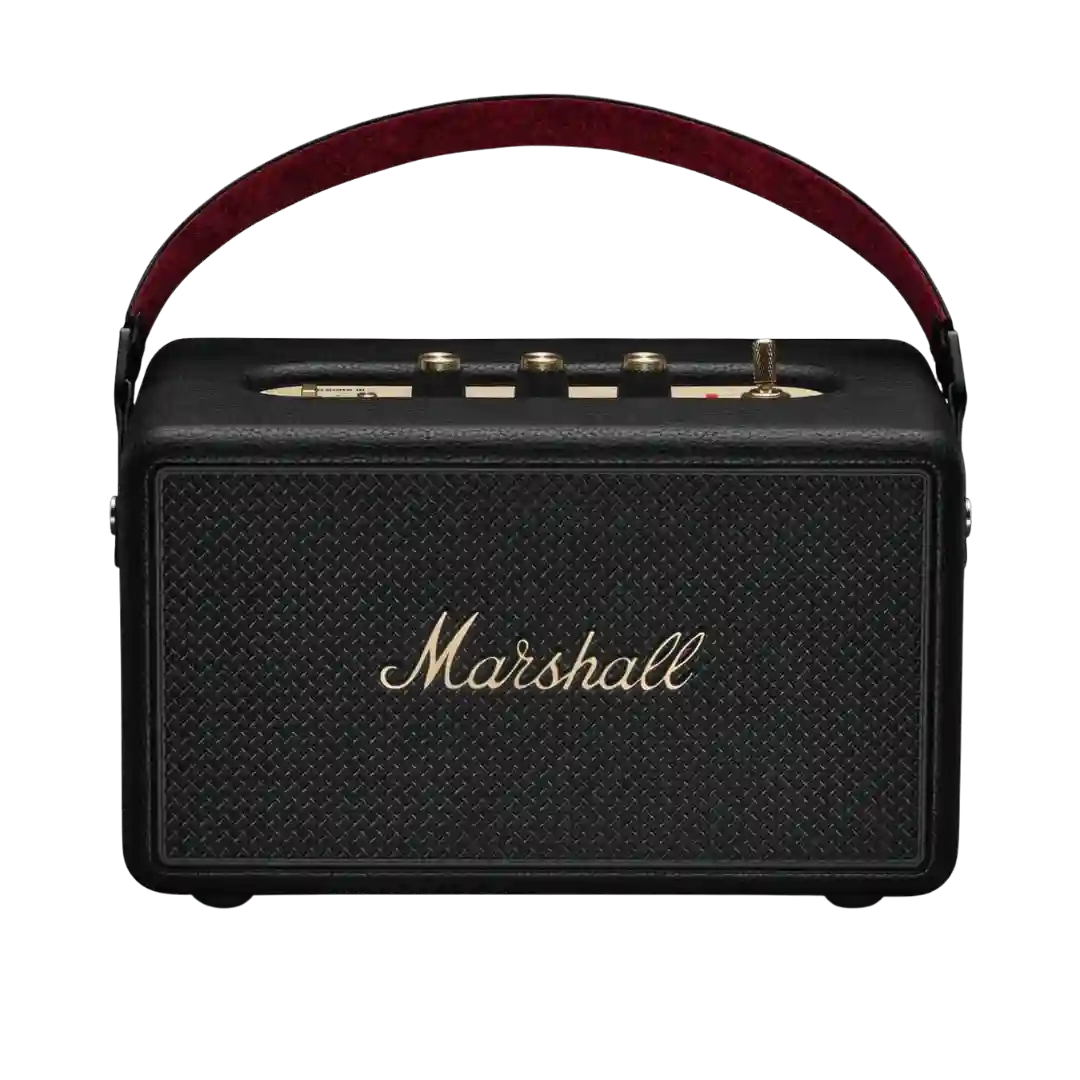
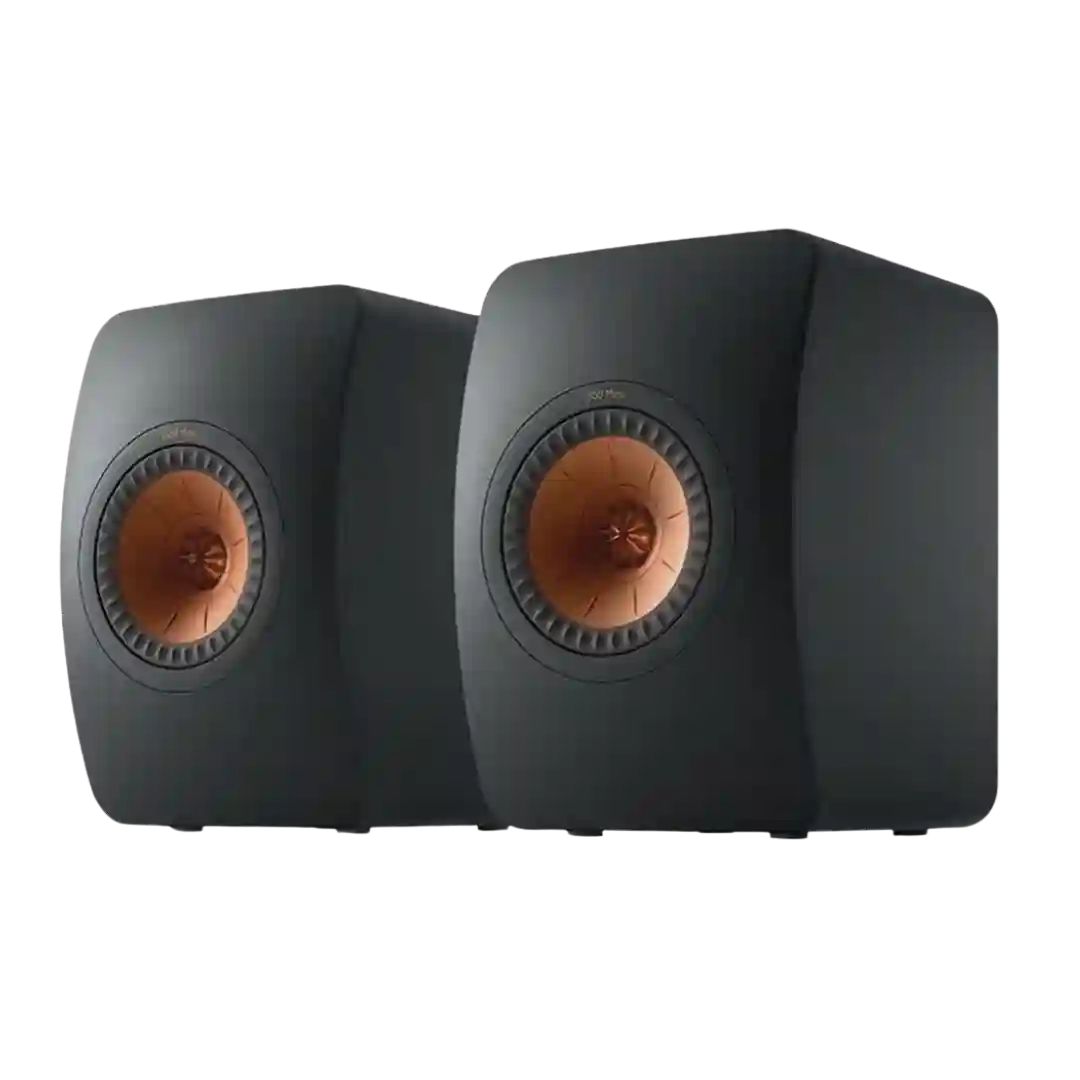
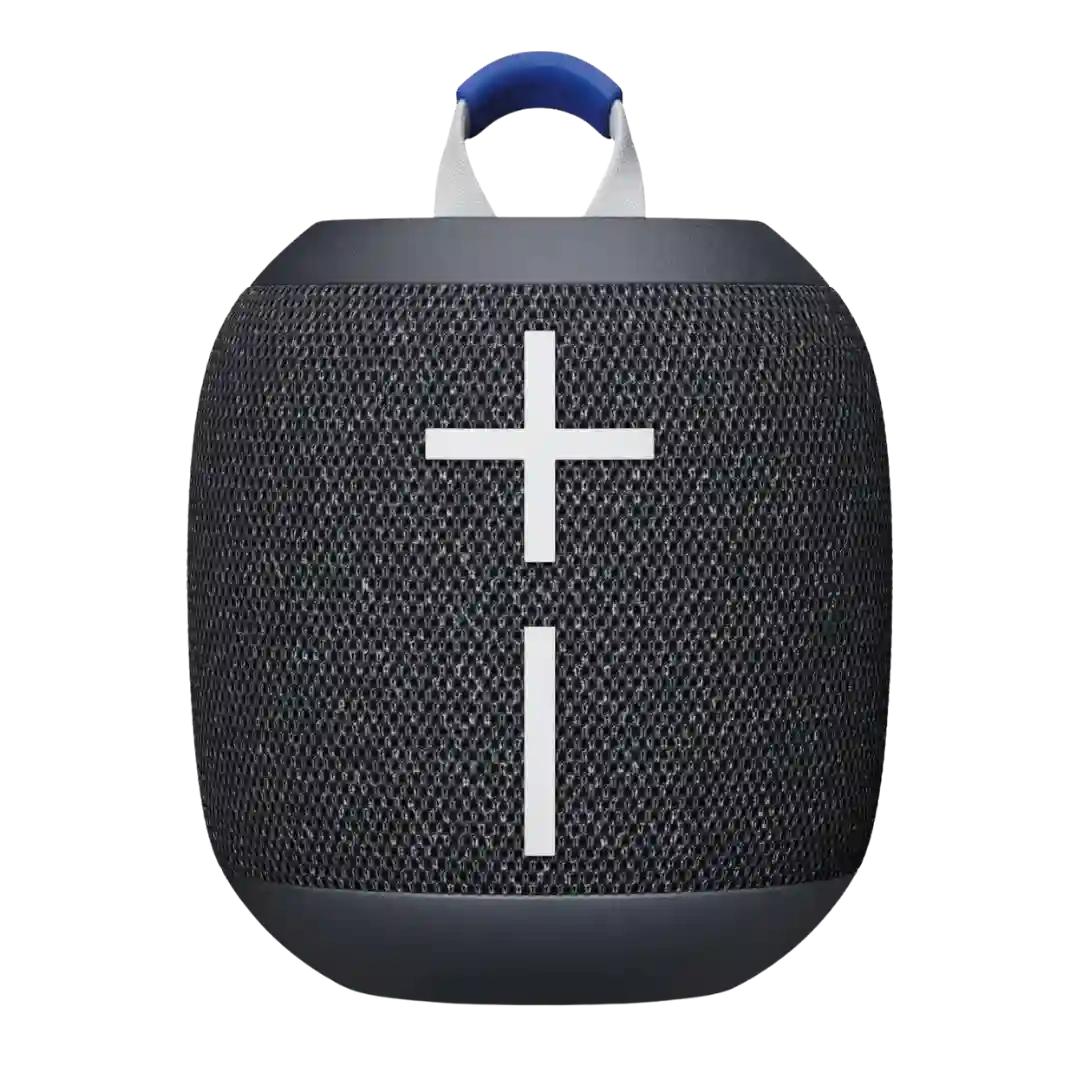
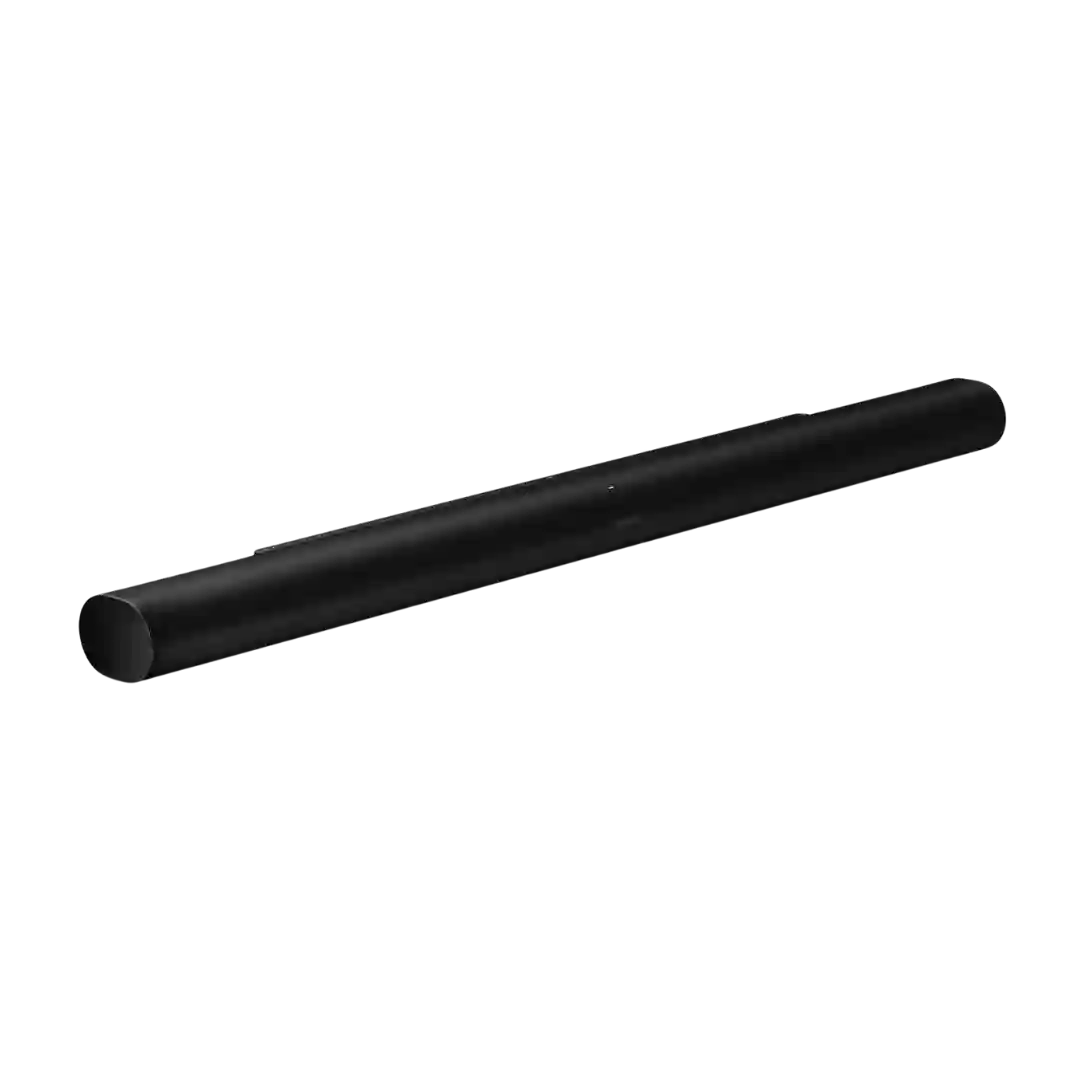
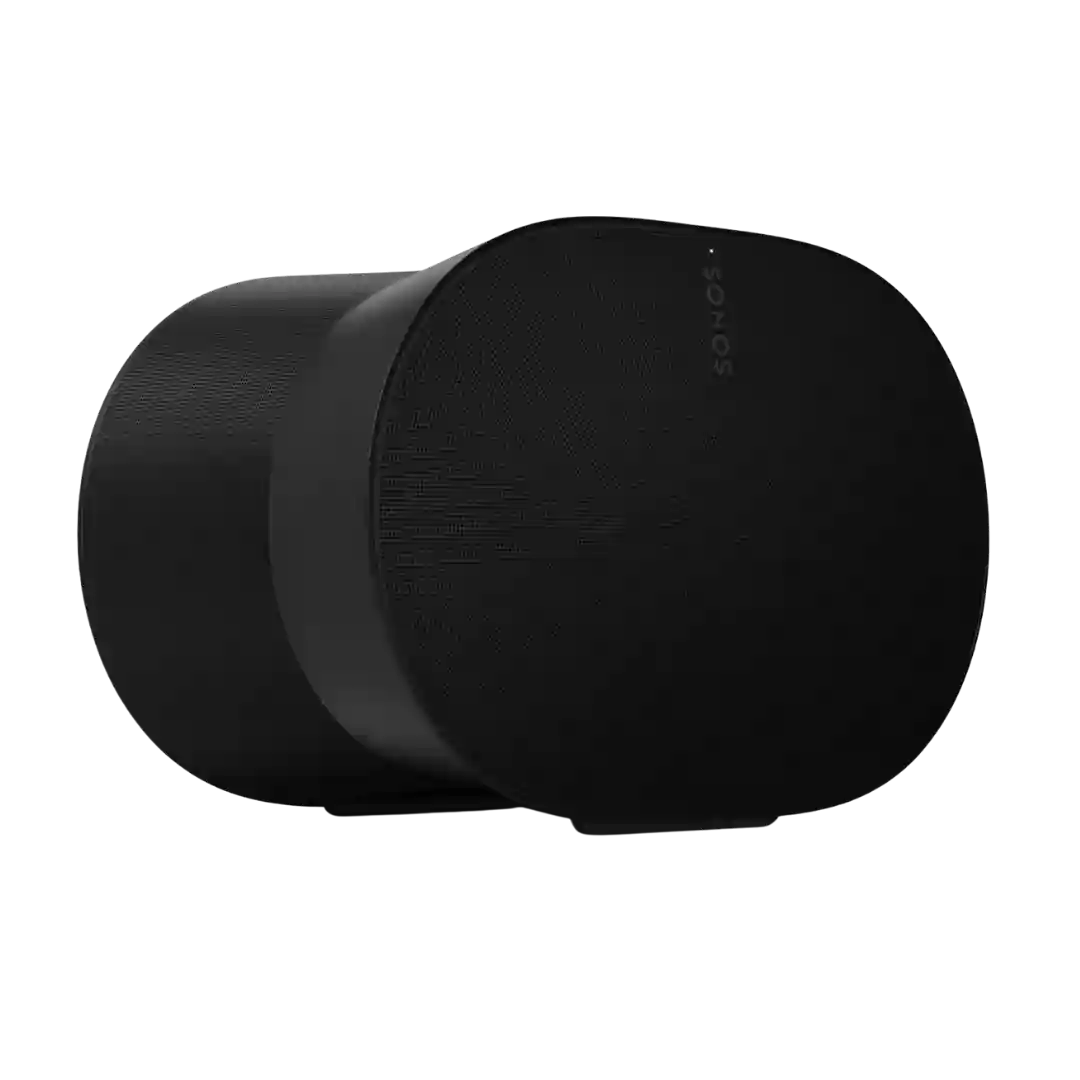
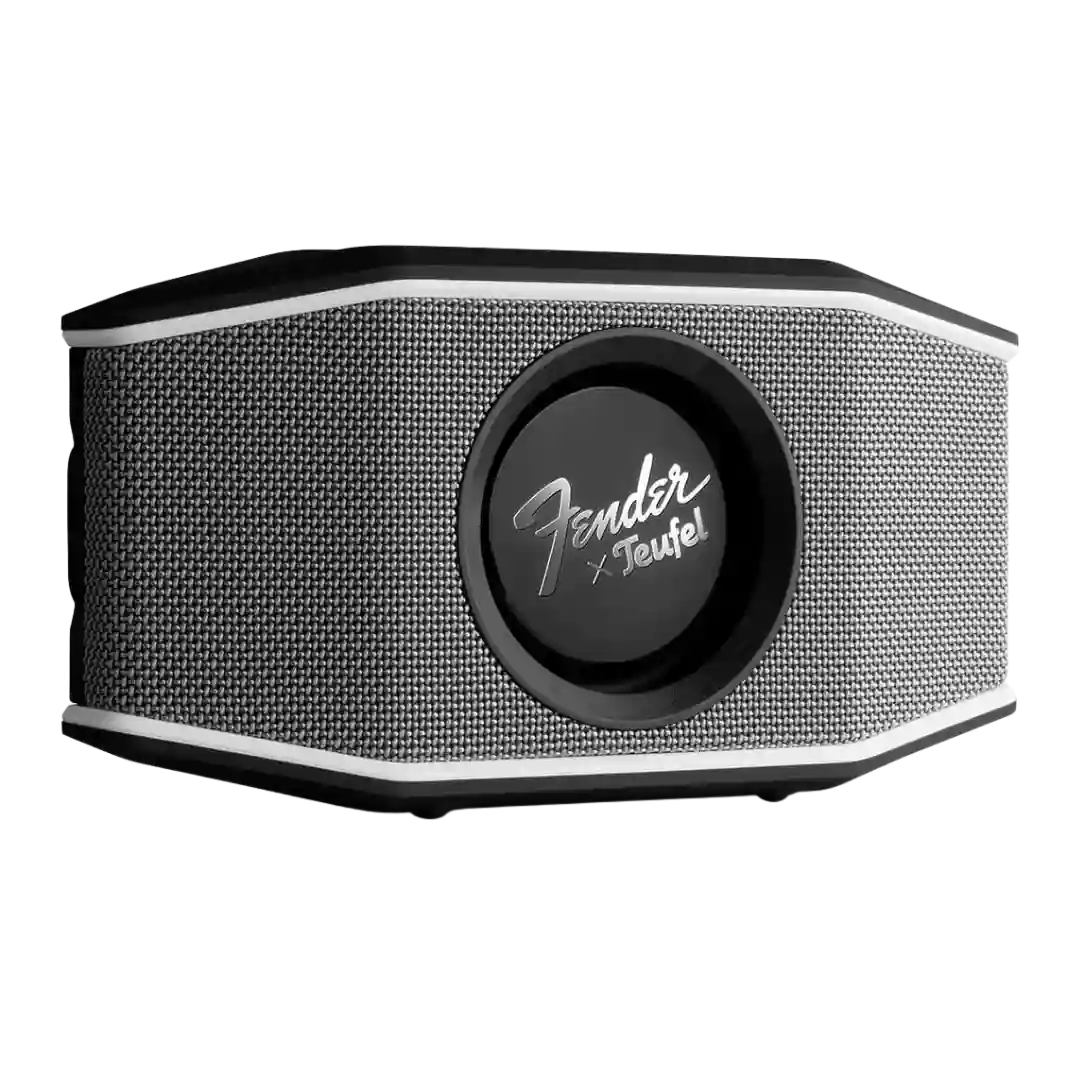
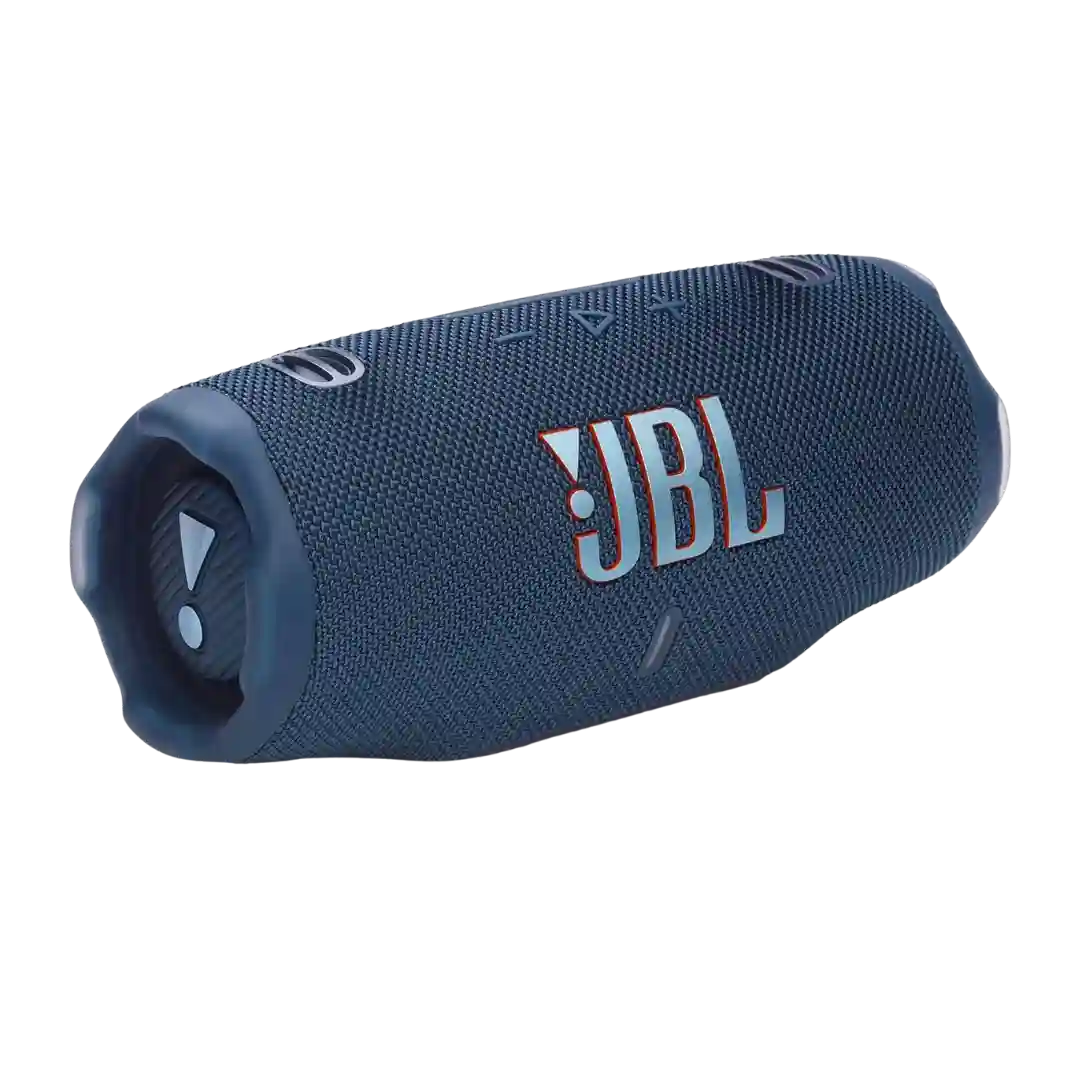
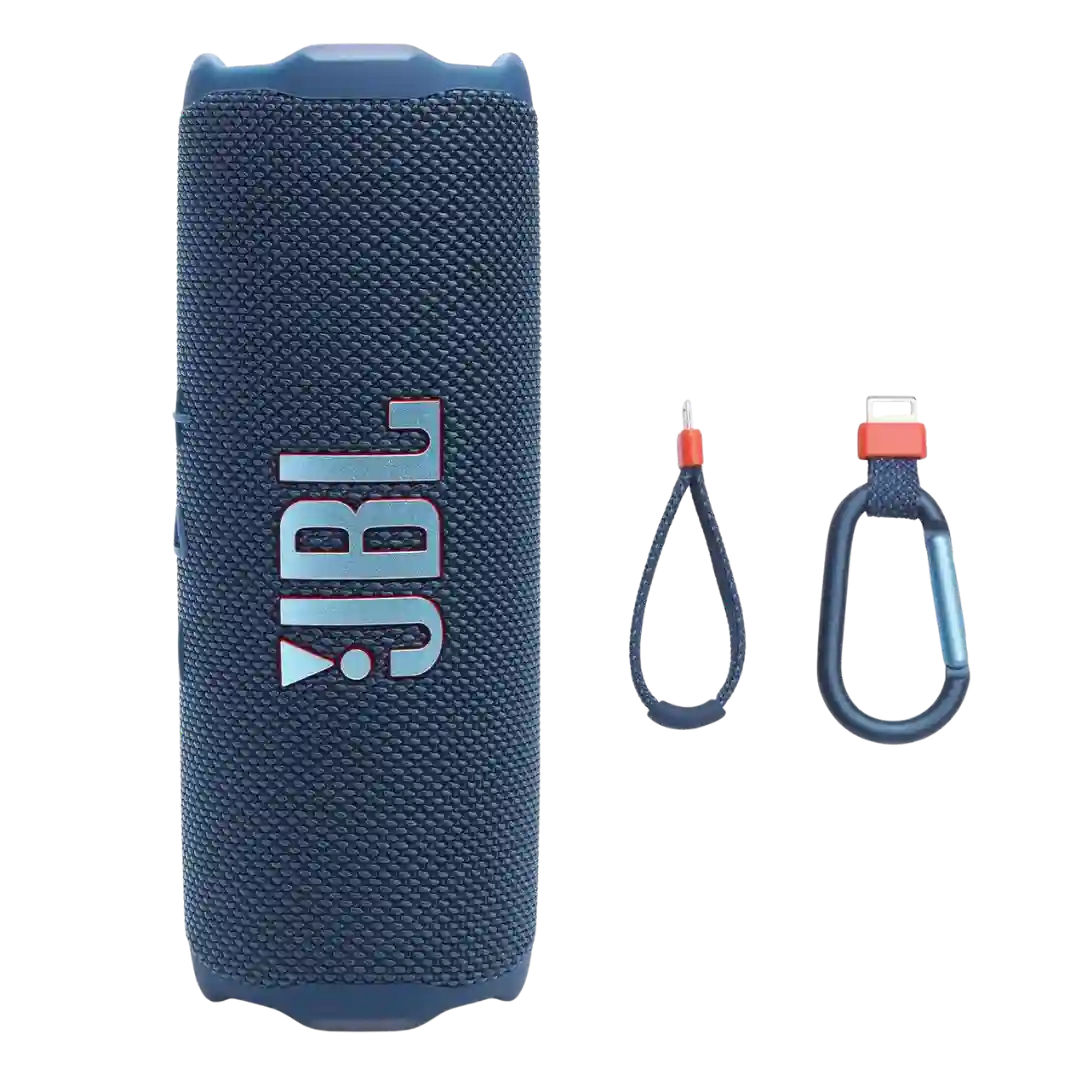
Low-volume performance is frequently praised, with good intelligibility and detail at night-friendly levels; private rear/voice modes can help in shared spaces.
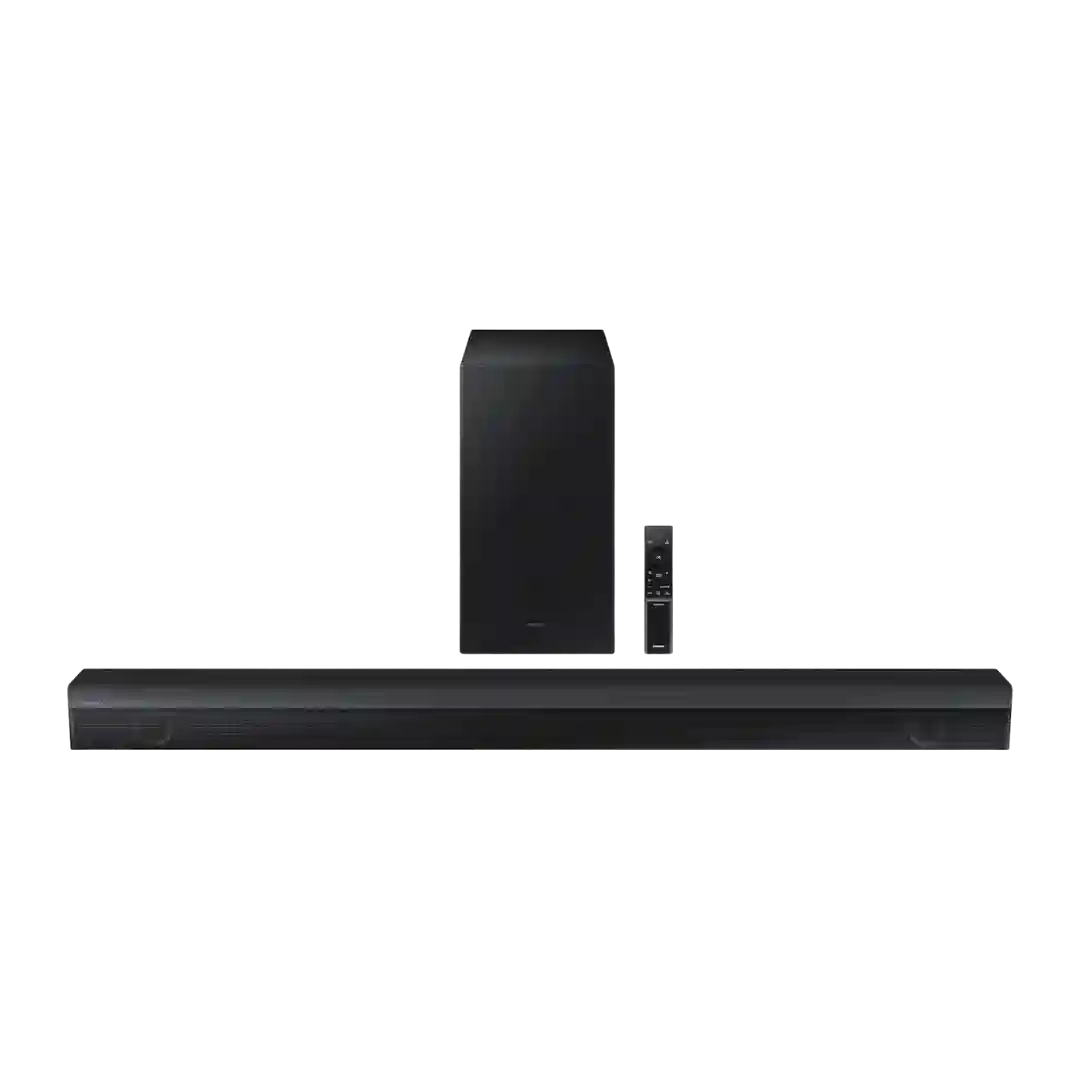
Low-volume listening gets specific praise where PureVoice 2.0 is said to keep speech intelligible at night or in apartments without needing to crank the master volume.
Adaptive Low Volume is repeatedly highlighted as maintaining fullness at quieter listening levels, supporting late-night or apartment-friendly use without the sound feeling too thin.
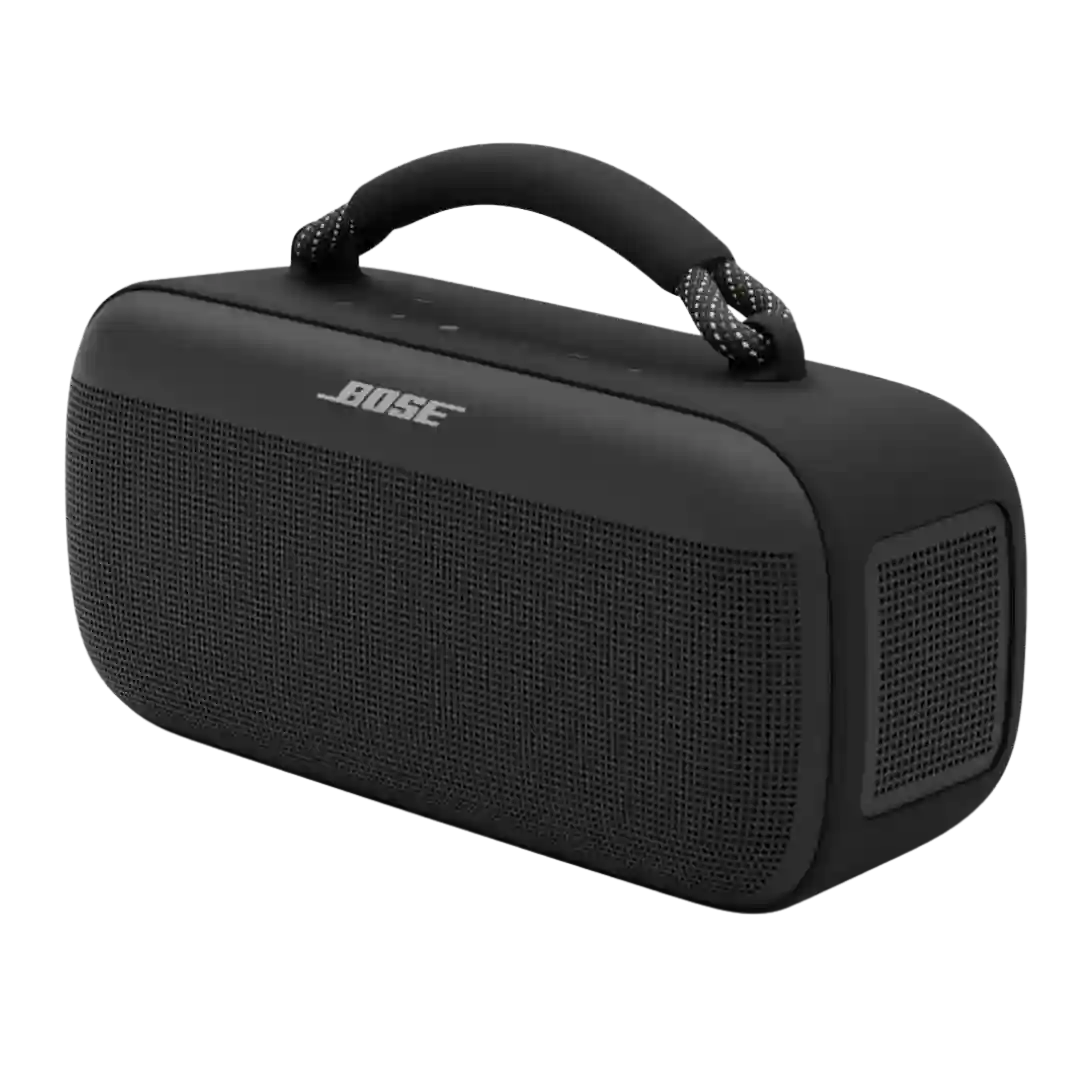
Low-volume listening is reported to stay rich and satisfying, helped by dynamic loudness behavior that avoids losing bass and body when playing quietly.
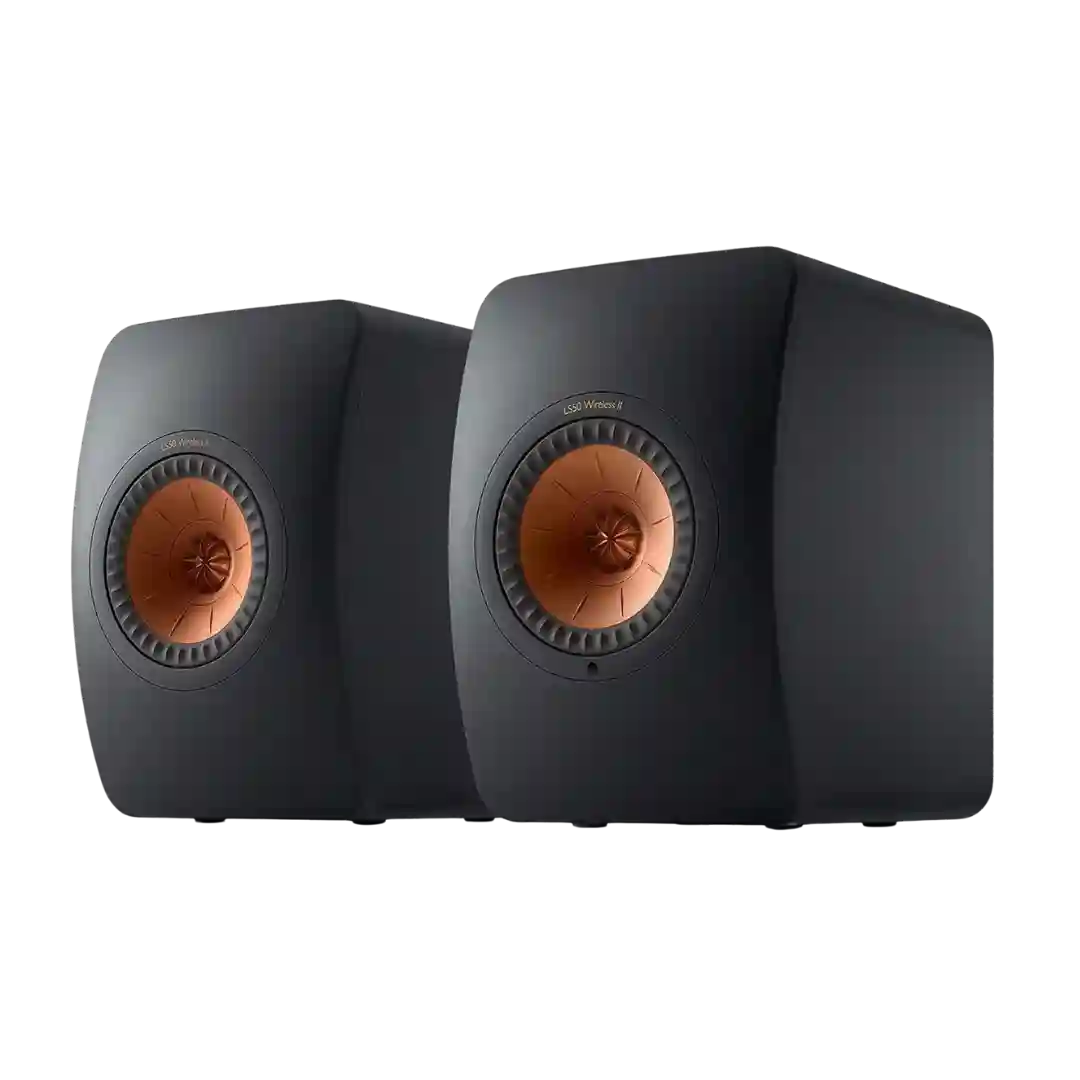
Low-volume performance is commonly praised, with many noting that imaging, vocal focus, and fine detail remain convincing even at quiet listening levels.
Low-volume performance is positively noted in at least one review, highlighting that it can play quietly without losing usability, supporting flexible use in smaller indoor spaces.
At least one review specifically highlighted that quieter details remain audible during louder scenes, which helps everyday low-level or late-night viewing.
In smaller rooms and quieter listening, the Ri71 still preserves detail and tonal balance reasonably well, though bigger spaces may want a sub or a little bass lift.
Low-volume performance is generally solid, with multiple reviewers noting that it sounds best or most consistent at moderate levels. Some explicitly recommend keeping volume lower for the cleanest result.
One review explicitly argued that the speaker makes more sense at lower listening levels, where its clarity is easier to appreciate before high-volume shortcomings dominate.
Low-volume listening remains full and satisfying, with several users noting audible bass presence even around 20 to 30 percent volume. A recurring caveat is that it can feel subjectively loud even when set low.
At lower listening levels the system is generally still described as clear and controlled, but a few users mention auto-standby behavior or less visceral bass until volume or content demands wake the low end.
Low-volume behavior is respectable but not class-leading. Some reviewers appreciated loudness support, while others felt the speaker sounds less full or energetic when played quietly.
Low-volume listening is inconsistent. A few reviewers liked the fullness it retains at modest levels, but at least one reviewer said it only really comes alive once the volume is raised.
Low-volume listening is a consistent weak spot in some reviews: the speaker can sound less lively or lose its expansive, direct character when played quietly.
Low-volume listening is generally described as enjoyable with audible bass presence, but some note separation improves at higher volumes and Playtime Boost changes the tonal balance noticeably.
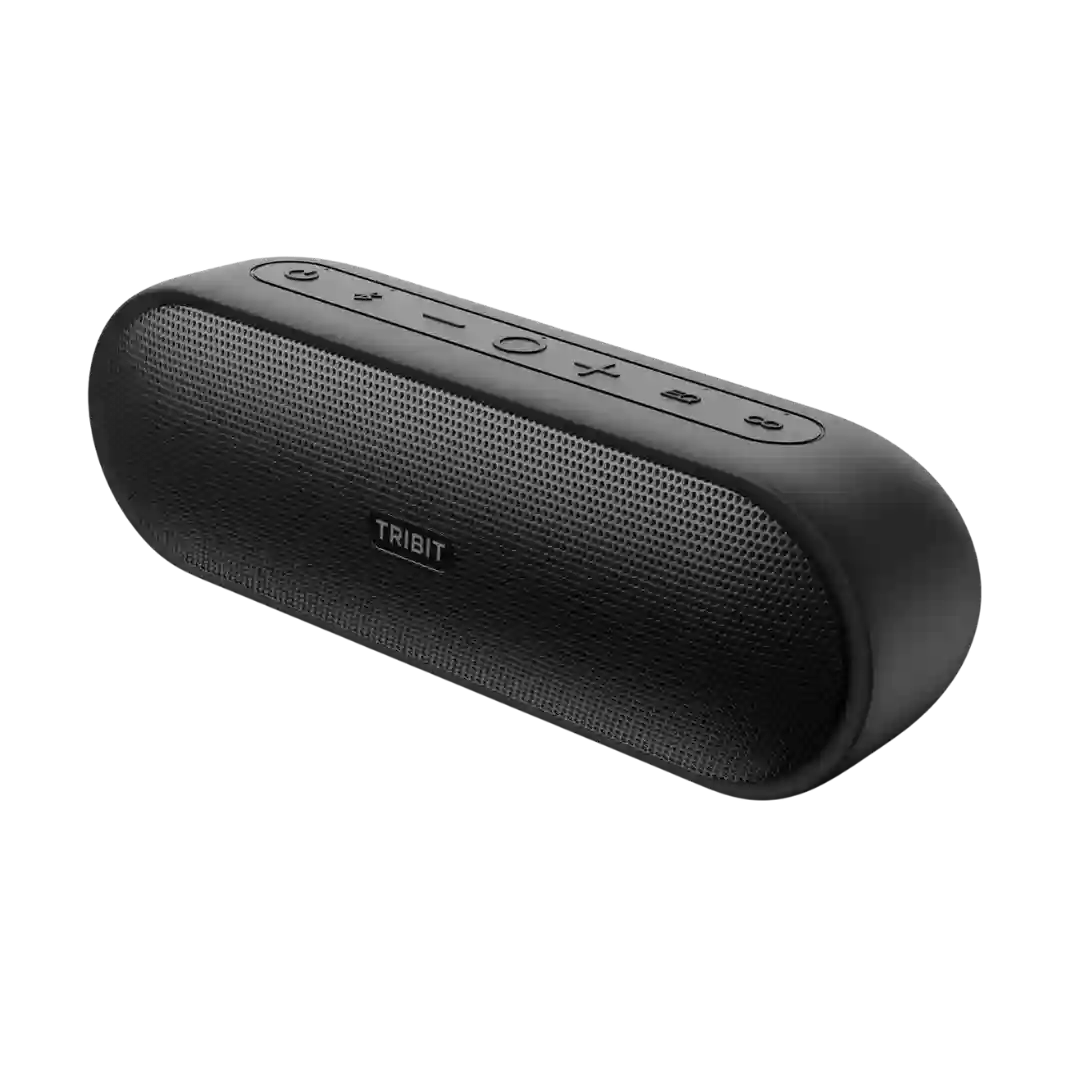
Low-volume listening can sound flat or lacking treble presence according to at least one detailed evaluation. Multiple sources suggest it benefits from being turned up to reach its best balance.
Low-volume performance is a recurring weakness. More than one review says the tonal balance and engagement diminish when played quietly, even though the speakers remain pleasant overall.
Low-volume listening is not flawless. One full review specifically noted pinched treble even at low levels, suggesting the bar can sound edgy before volume is pushed.