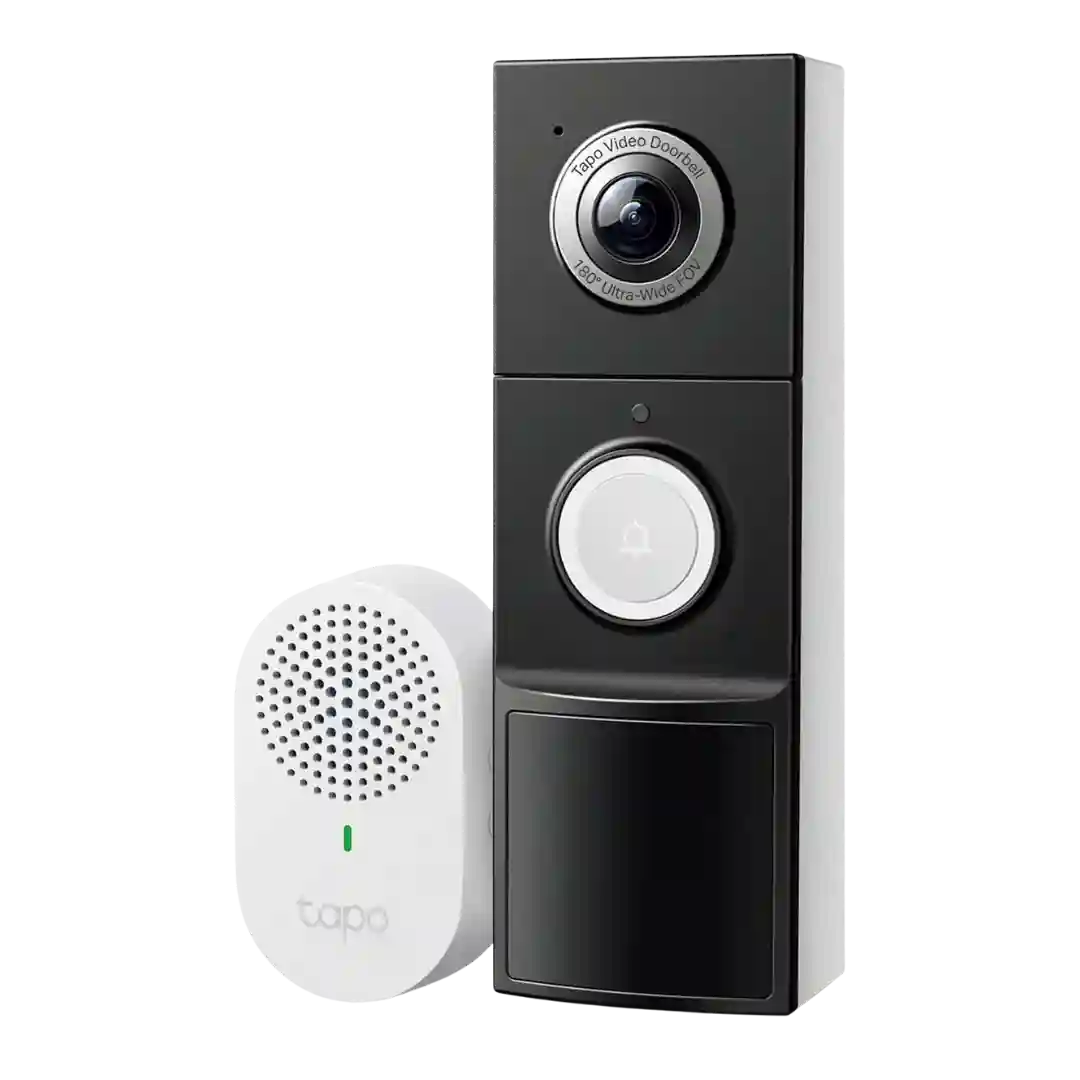
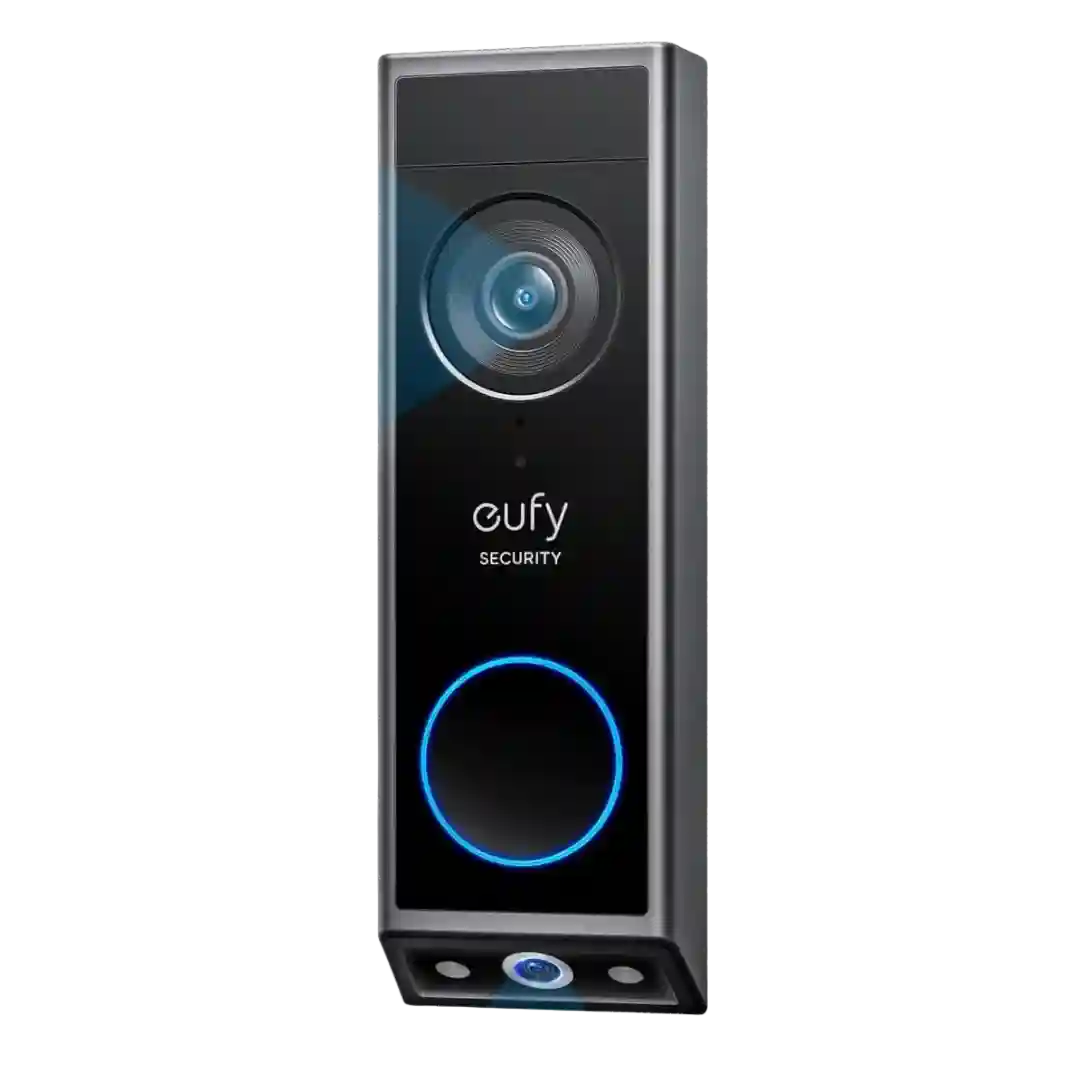
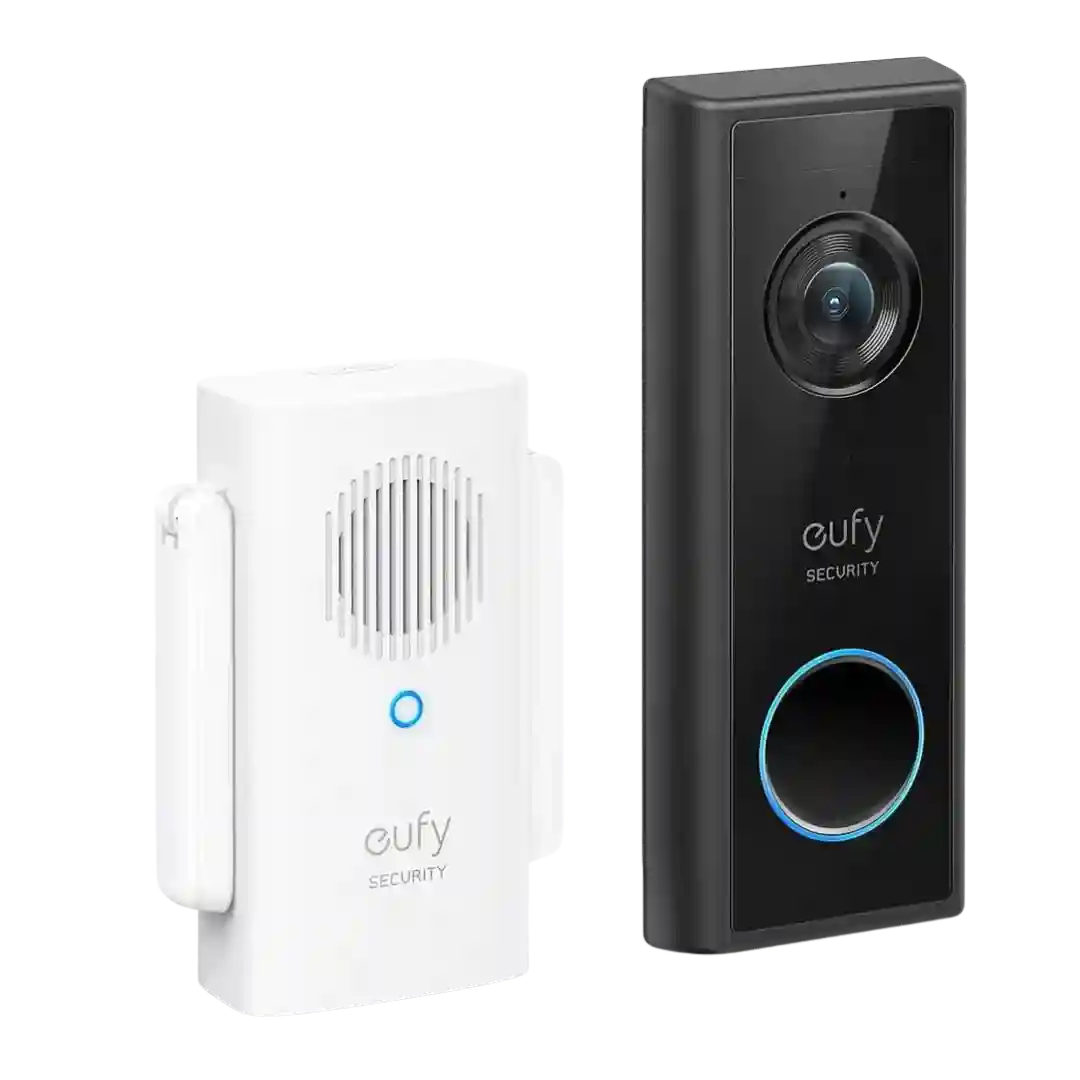
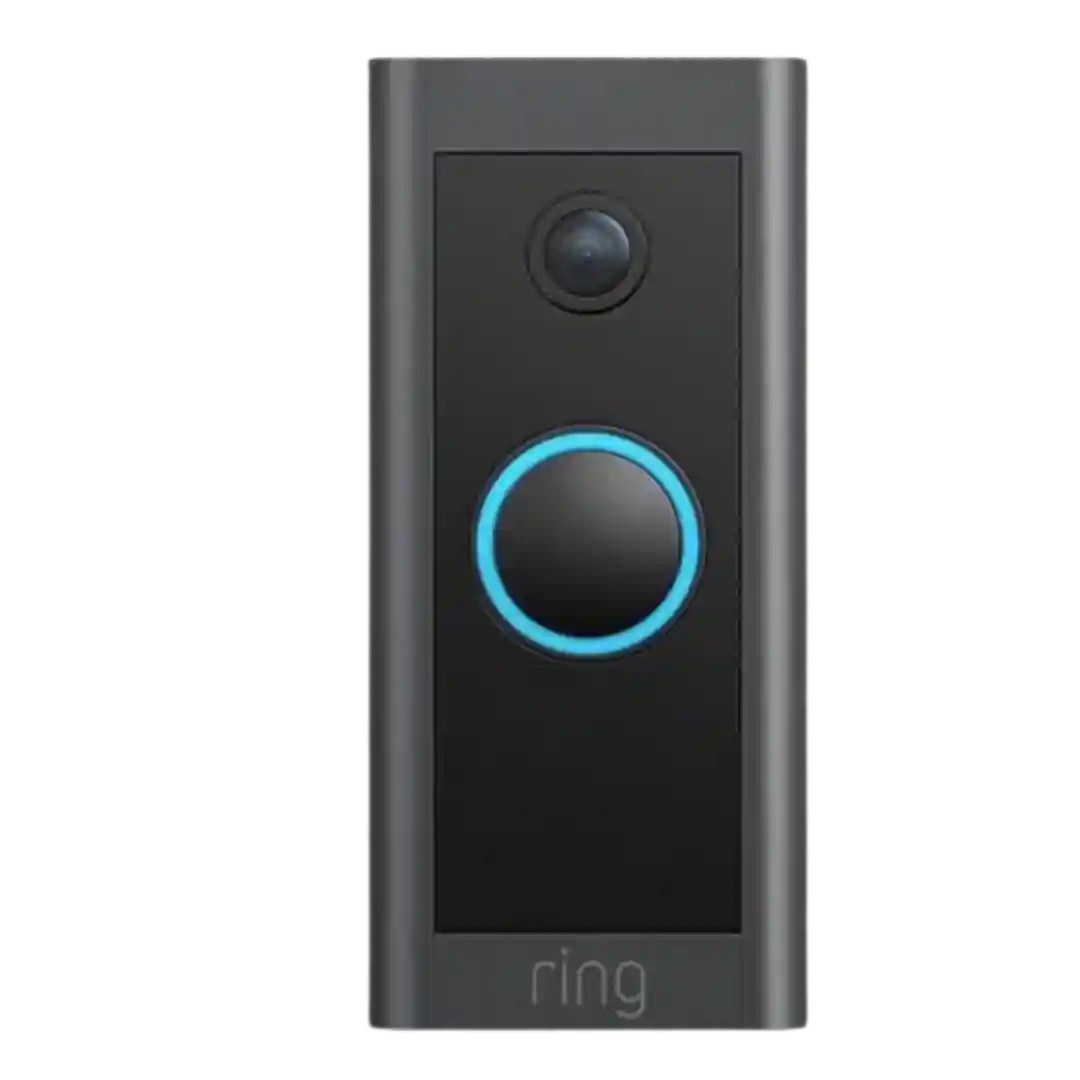
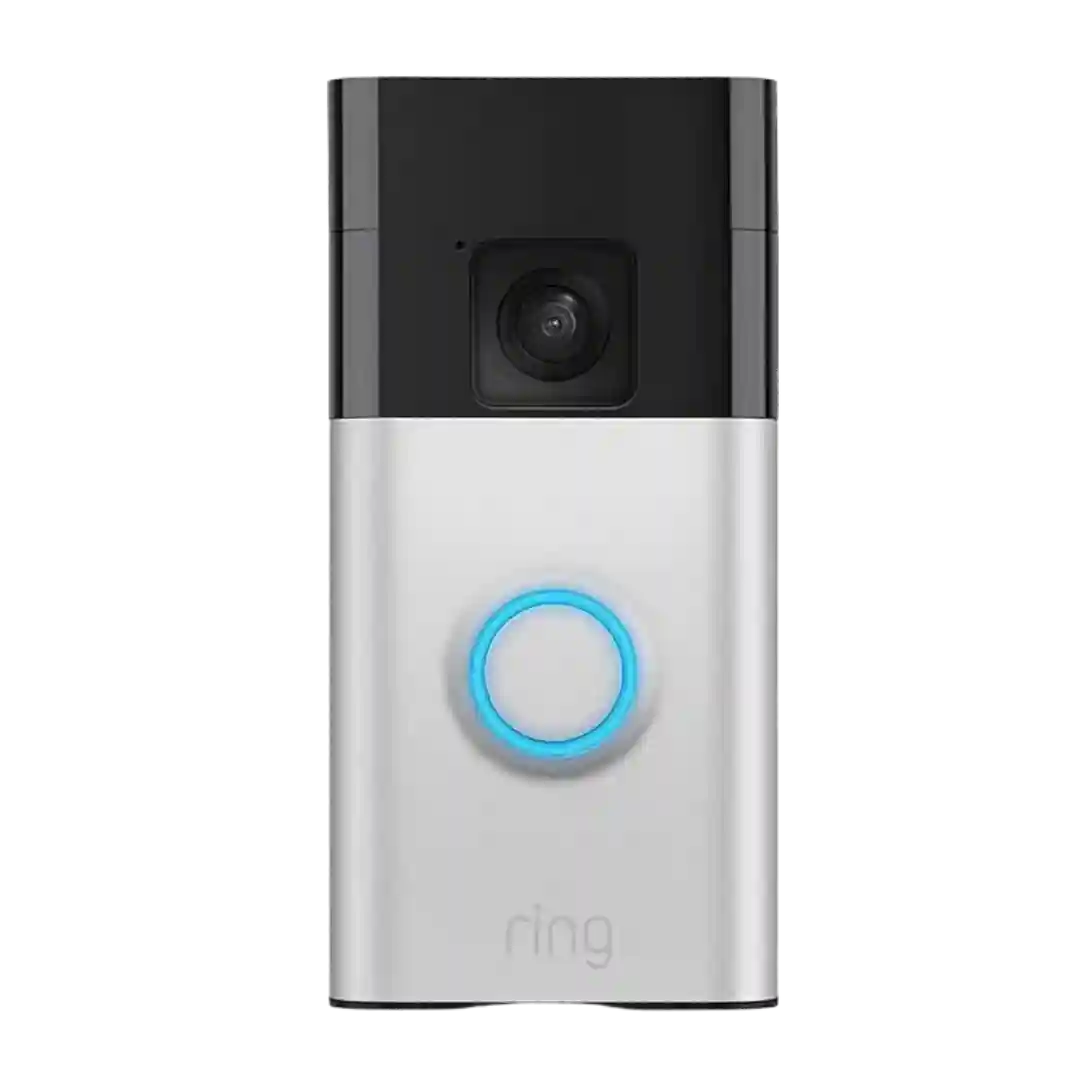
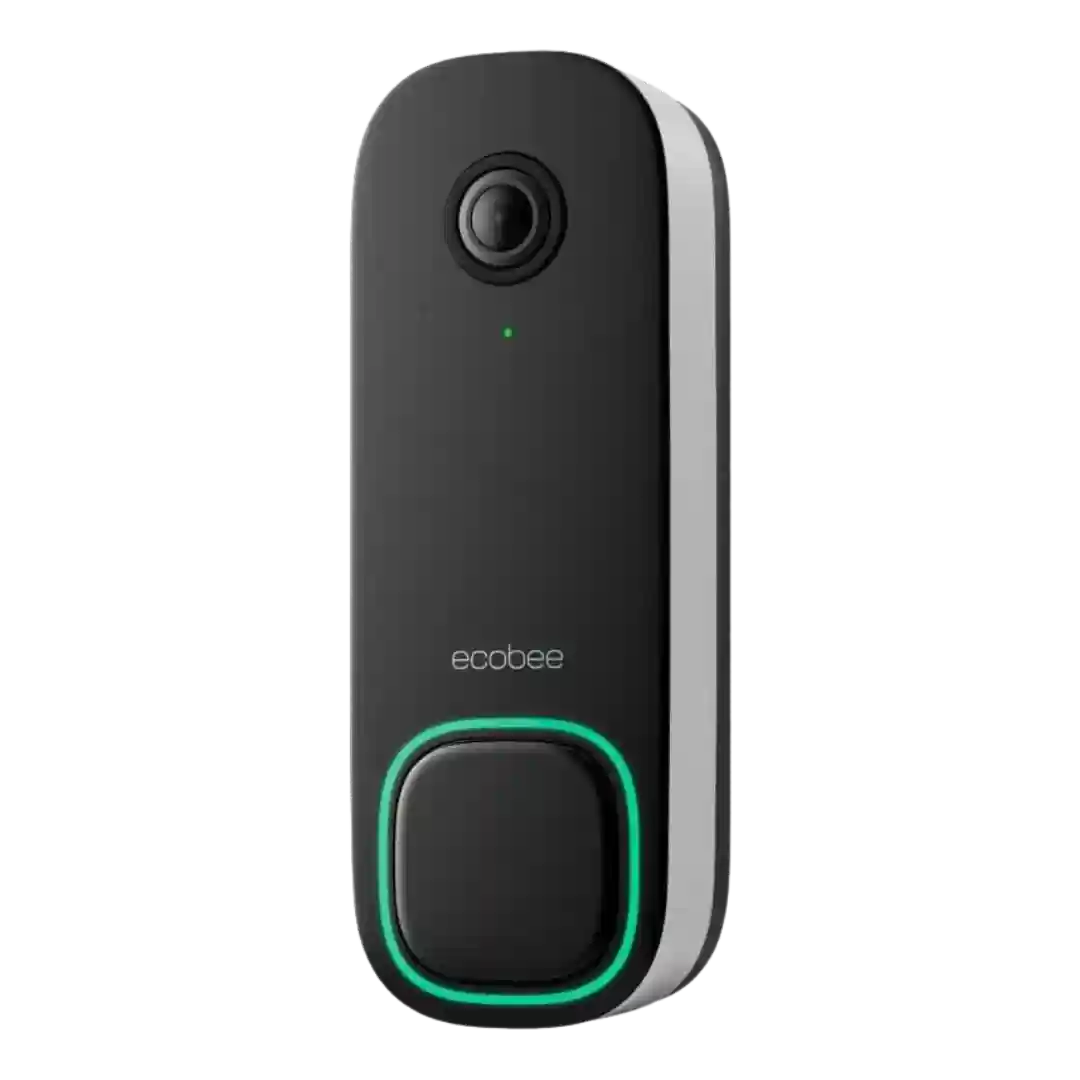
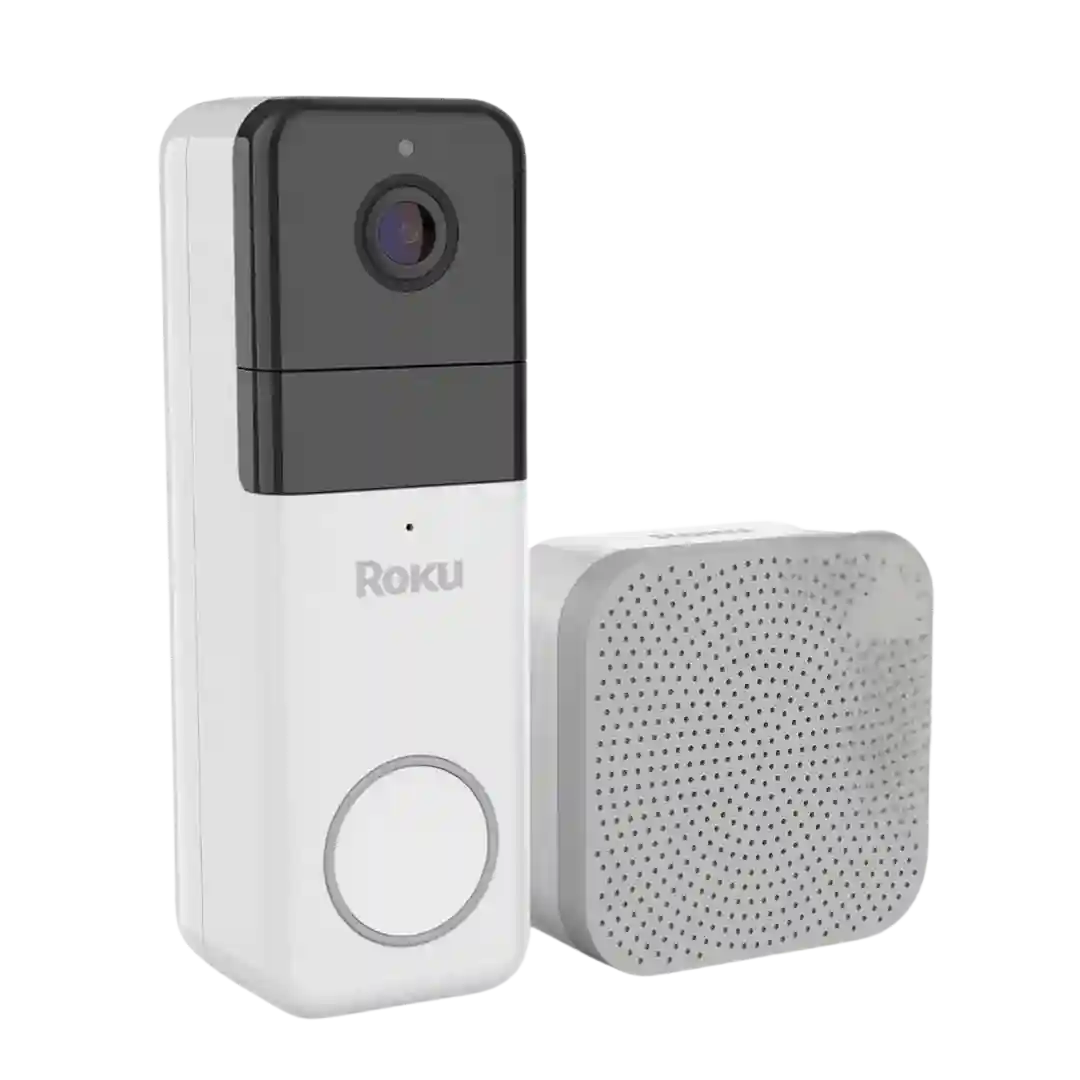
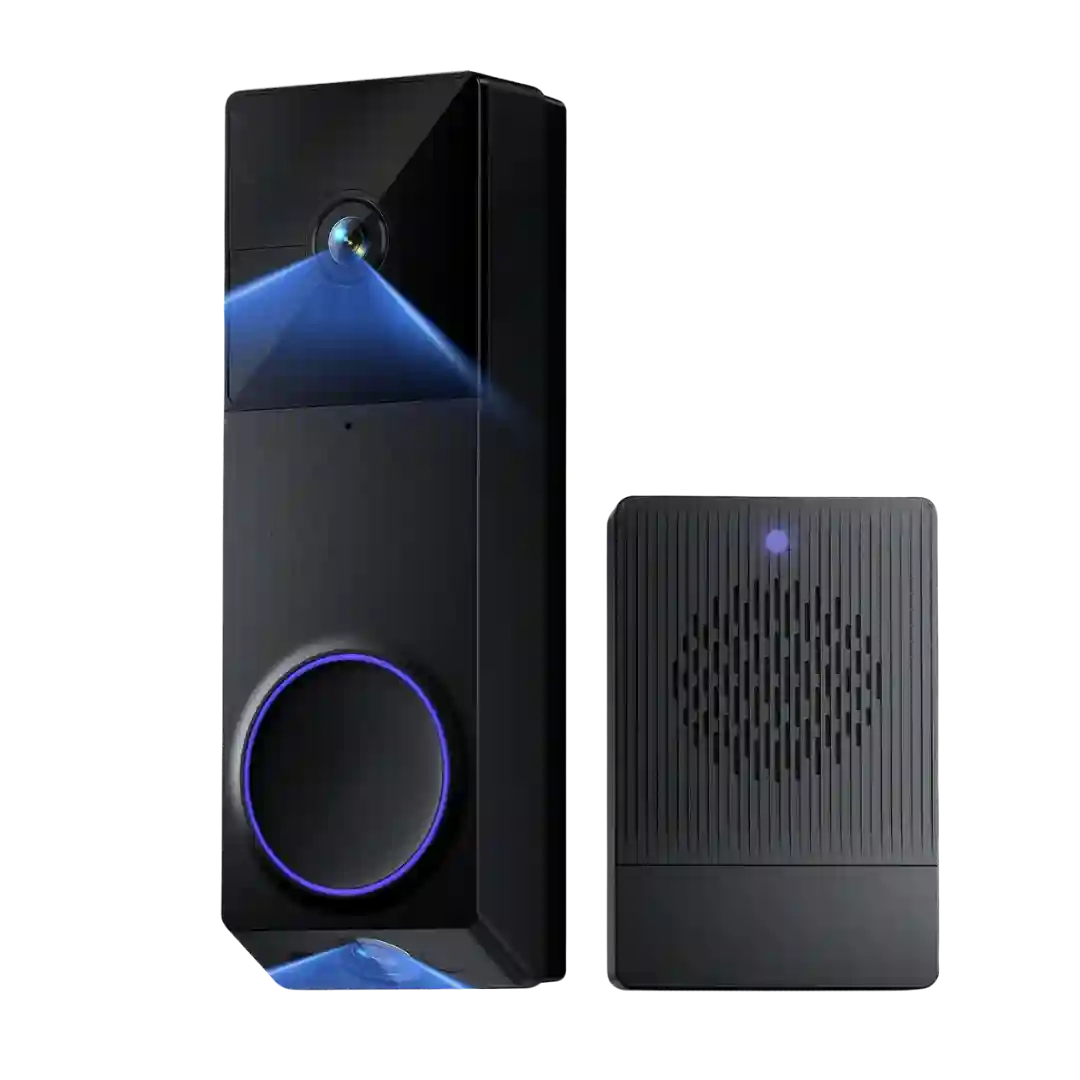
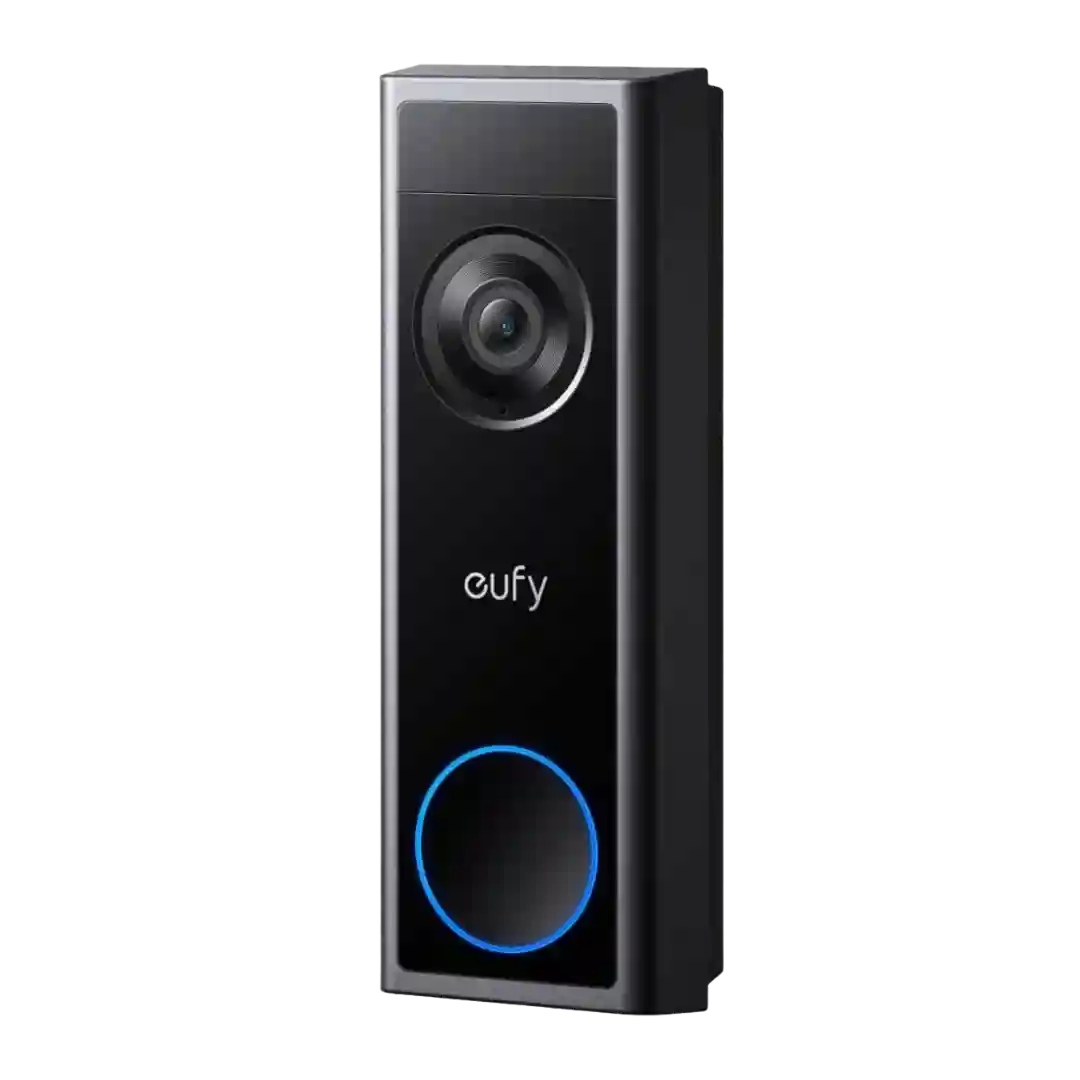
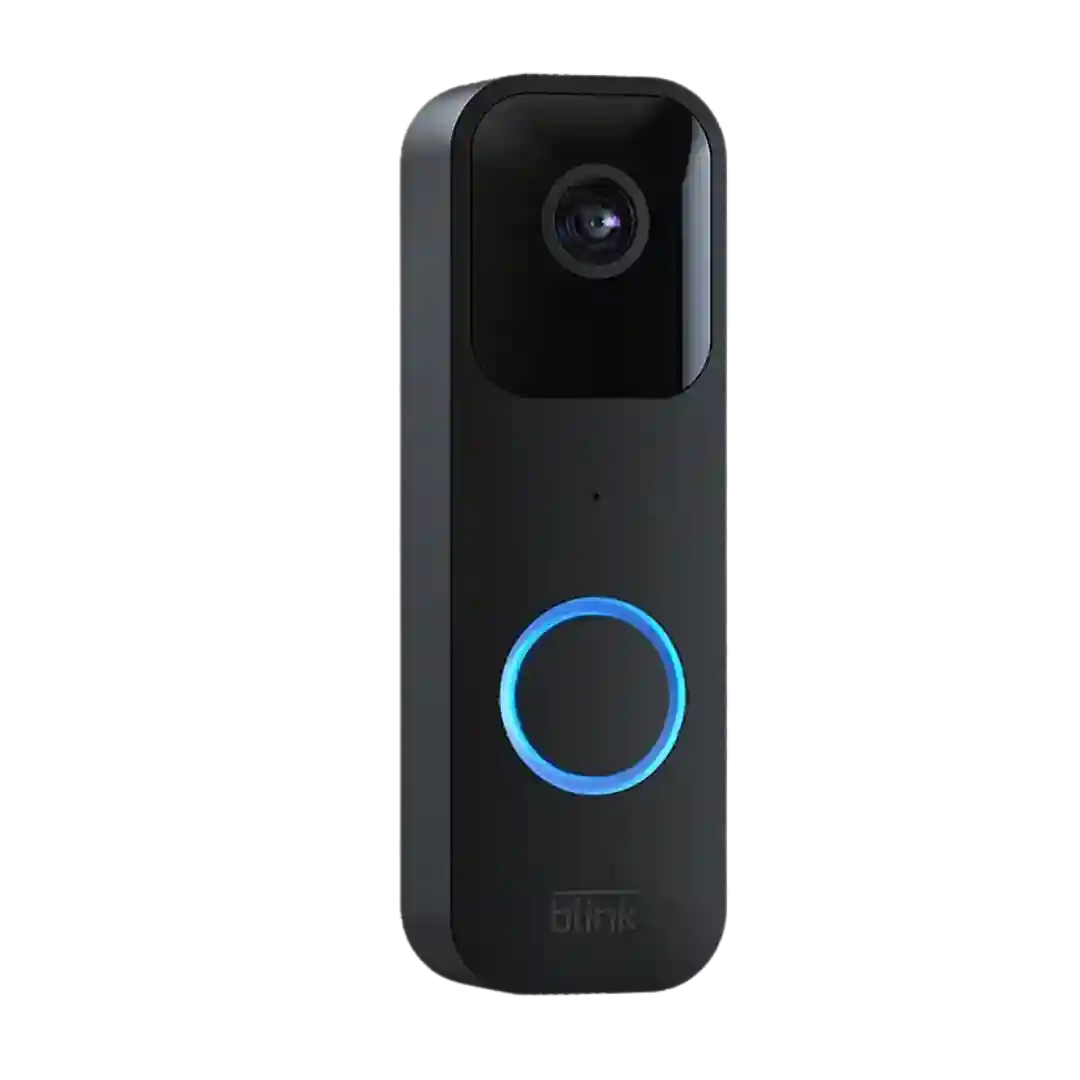
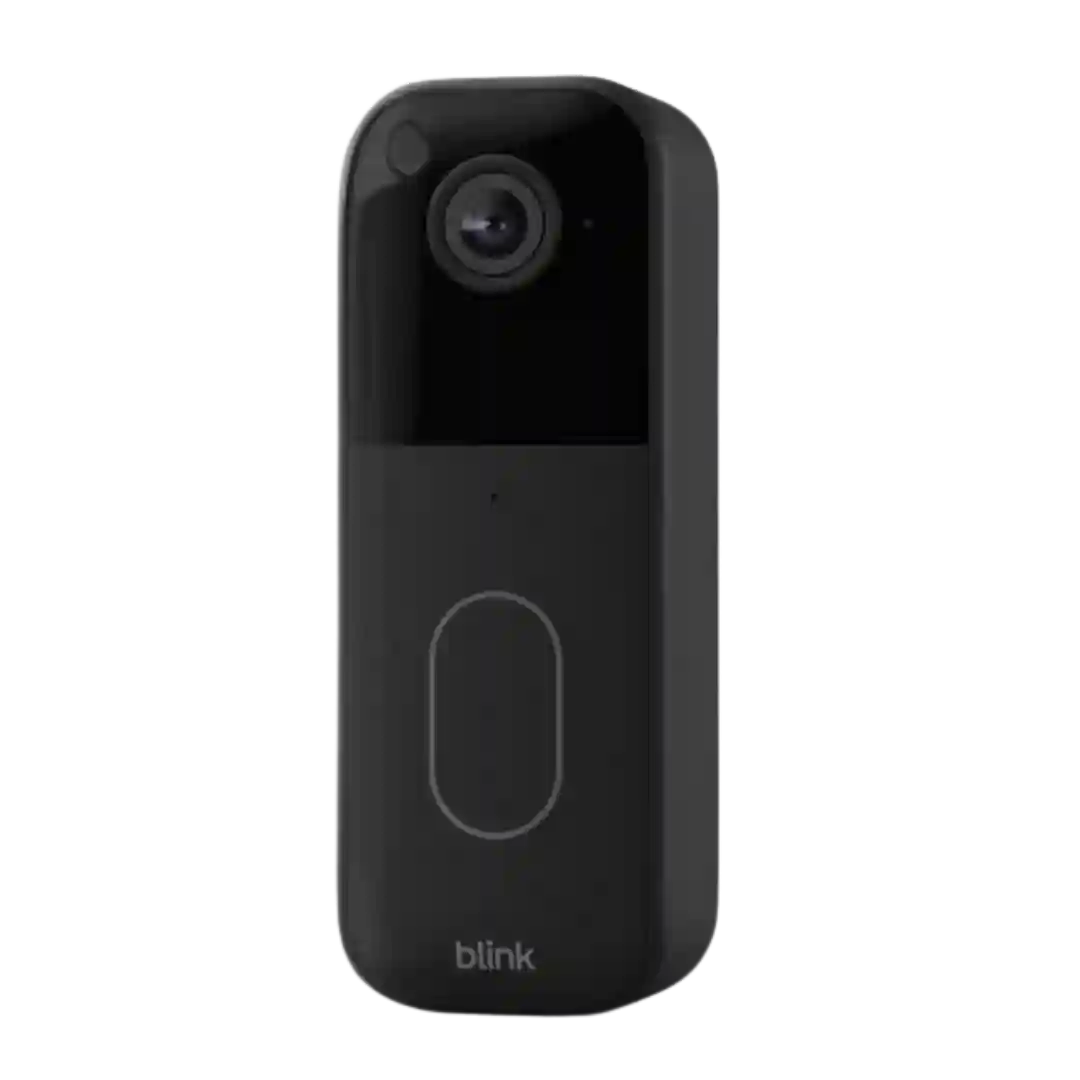
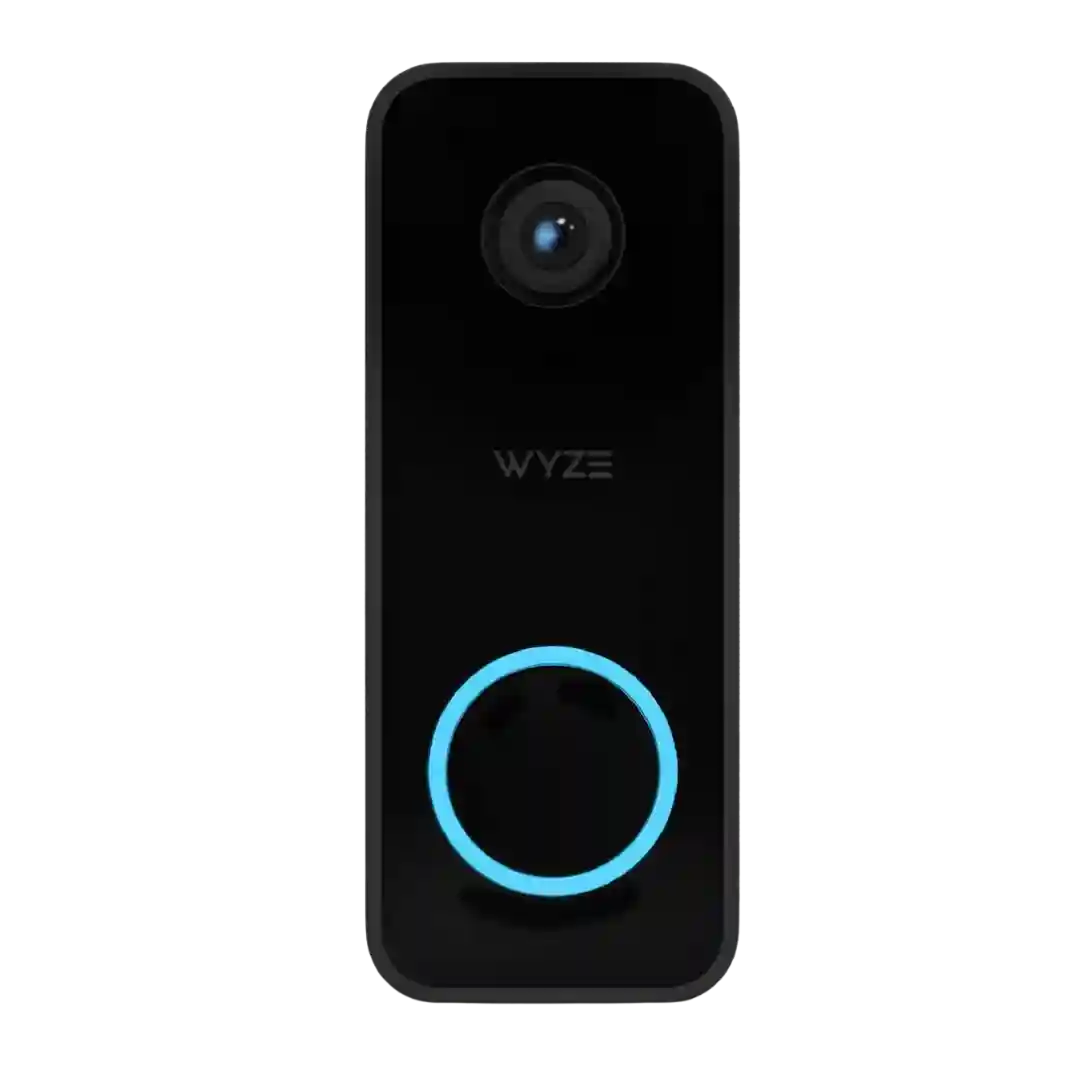
Motion detection is widely described as reliable and responsive, with fewer missed events when properly positioned and configured, and strong performance in everyday porch activity. Customization is a core strength. Reviews highlight granular toggles for what gets recorded versus what triggers notifications, allowing users to reduce noise while still capturing important activity.
Motion detection is generally described as fast, dependable, and better than expected for a budget battery model. Reviewers repeatedly say it captures relevant activity well when installed and aimed correctly. Detection settings are unusually granular for the price, with reviewers calling out per-type sensitivity, zones, retrigger timing, clip length, and scheduling controls. That flexibility helps reduce nuisance events and tailor battery use.
Motion detection is typically responsive and consistent, catching visitors and deliveries quickly, though high sensitivity or wide zones can also pick up sidewalk or street activity. Motion controls are a highlight, with customizable activity zones and event-type filters that let you record broadly while only notifying for the events you care about.
Radar-assisted motion detection is widely praised for speed and fewer false alerts, especially after zone setup. Plenty of tuning options (sensitivity, frequency/cooldown, schedules, smart alerts) allow tailoring, but more settings also mean more initial setup time.
mmWave presence sensing is widely cited as the standout upgrade, cutting down false alerts from cars, shadows, and passersby while catching real approach events. A few reviewers still saw edge-case false triggers from moving objects like hanging lights or wind-driven motion.
Motion detection and camera wake are usually fast and dependable, with frequent mentions of quick alerting and early capture compared to older Ring battery doorbells. A few note occasional missed notifications or the inherent limitation of battery units without pre-roll.
Motion detection is typically fast and reliable with few false alerts when tuned, though a couple of comparisons describe it as slightly slower than top competitors. Customization includes sensitivity tuning and (with subscription) activity zones; some reviewers want deeper control and note limitations in disabling or reshaping detection behavior.
Motion and press alerts are generally reliable, though a few false positives and edge cases are noted. Reviews emphasize granular motion controls, including sensitivity tuning and per-type detection settings, alongside options that affect clip behavior.
Motion detection is generally considered reliable and tuneable, with filters to reduce false alarms. A few reviewers still observed late triggering or missed first seconds due to PIR-style triggering and battery-saving behavior, making it less ideal for capturing lead-in context.
Motion detection is reported to be reliable in typical porch approaches, with fewer false alerts when set to human-only. Some reviewers still experience a short delay before the motion alert arrives on the phone, depending on notification settings. Reviewers demonstrate activity zones, human-only toggles, sensitivity control, and re-trigger/cool-off timing. The ability to tune notification style (efficient vs thumbnail) is repeatedly cited as a key customization that changes perceived speed.
Motion detection is repeatedly described as reliable once sensitivity is tuned. With zones configured, reviewers report fewer false alerts and good consistency for everyday front-door traffic. Motion customization is a standout: polygonal or click-and-drag zones, sensitivity adjustments, and people-only filtering are repeatedly praised for reducing false alerts and tailoring coverage to the porch layout.
Motion detection is generally described as reliable and fast, with instant alerts in multiple tests. A recurring practical note is that overly broad detection can drain battery faster, making tuning important. Customization is consistently praised: reviewers mention multiple motion zones, package zones, sensitivity controls, motion frequency, and schedules that help reduce false positives and tailor alerts to your entryway.
Radar-assisted motion detection is frequently credited with reducing false alerts compared to other doorbells. Still, some environments (sun/shadows/trees or specific porch objects) can trigger false or confusing detections. Customization is a recurring plus: activity zones and adjustable detection range are repeatedly mentioned as useful tools to reduce unwanted alerts and tune coverage.
Motion and sound detection are described as working reliably in demos and written testing, but event handling can feel restricted without a subscription due to cooldown/delay behaviors. Customization options include sensitivity levels, choosing all motion vs smart detection categories, recording cooldown behavior, and maximum clip-length controls.
Motion detection generally triggers reliably around the entryway, with good coverage for approach and porch activity, though speed can vary by setup and mode. Users get solid controls for sensitivity, detection types, and event behavior, but a few reviewers wish key controls were less buried in menus.
Motion detection is described as PIR-based (battery-saving) and generally responsive, but can trigger slightly late in some scenarios. One reviewer reports occasional missed detections, while others present it as reliable for typical porch activity. Across reviews, the app offers sensitivity controls and selectable detection modes (human-focused, and broader modes when supported), giving users room to tune alerts. Reviewers repeatedly show or mention customization depth rather than a fixed one-size setup.
Motion alerts are consistently praised as responsive and generally reliable. That said, without AI filtering, some users still report false alerts that require careful zone tuning. Motion controls are a strong point, with adjustable sensitivity, re-trigger timing, clip length, and granular activity zones. Tuning is important to reduce false alerts in high-traffic areas.
Motion detection is usually reliable but can be overly sensitive out of the box, generating lots of events unless you tune it. Some reviews report sluggish motion notifications or inconsistent smart labeling, especially compared with pricier rivals. Customization is a strong point: sensitivity, motion zones, privacy zones, retrigger/cooldown timing, and sometimes smart filters (person/vehicle) are available. Proper tuning is repeatedly recommended to avoid excessive false alerts and preserve battery.
Person detection is commonly reported as solid, while vehicle and package detection are more hit-or-miss depending on placement and subscription tier. Motion settings include sensitivity controls and a grid-based zone tool; reviewers like the customization but still report occasional nuisance triggers (e.g., passing cars).
Motion capture is generally reliable, yet multiple reviewers mention false alerts from flags, trees, sidewalks, or distant street traffic unless you fine-tune settings. Customization is deep, including motion zones, sensitivity sliders, object-size thresholds, alarm delay, and recording/notification schedules; one reviewer finds the zone-painting UI less convenient than simple boxes.
Motion detection is generally reliable but not always fast. Some tests show several seconds of delay before a motion alert appears, though sensitivity settings and notification modes can improve responsiveness. Customization options are a highlight: reviewers mention adjusting sensitivity, motion frequency, clip length, and notification efficiency settings to balance responsiveness against battery life and false alerts.
Motion detection is mixed: some tests report very few false alerts and reliable human-only detection, while others found it temperamental or overly chatty on busy streets. Customization is a strong point, with control over sensitivity, loitering thresholds, radar sensing, and per-camera activity zones, even if tuning cannot fully eliminate latency.
Motion sensing is often described as quick and capable of catching people/animals/vehicles at distance, yet some reviewers report oversensitivity, false triggers, or missed events in certain setups. Motion settings offer strong zone drawing and the ability to filter by people/animals/vehicles, but some reviewers want finer controls like sensitivity sliders, better package handling, and fewer false alerts.
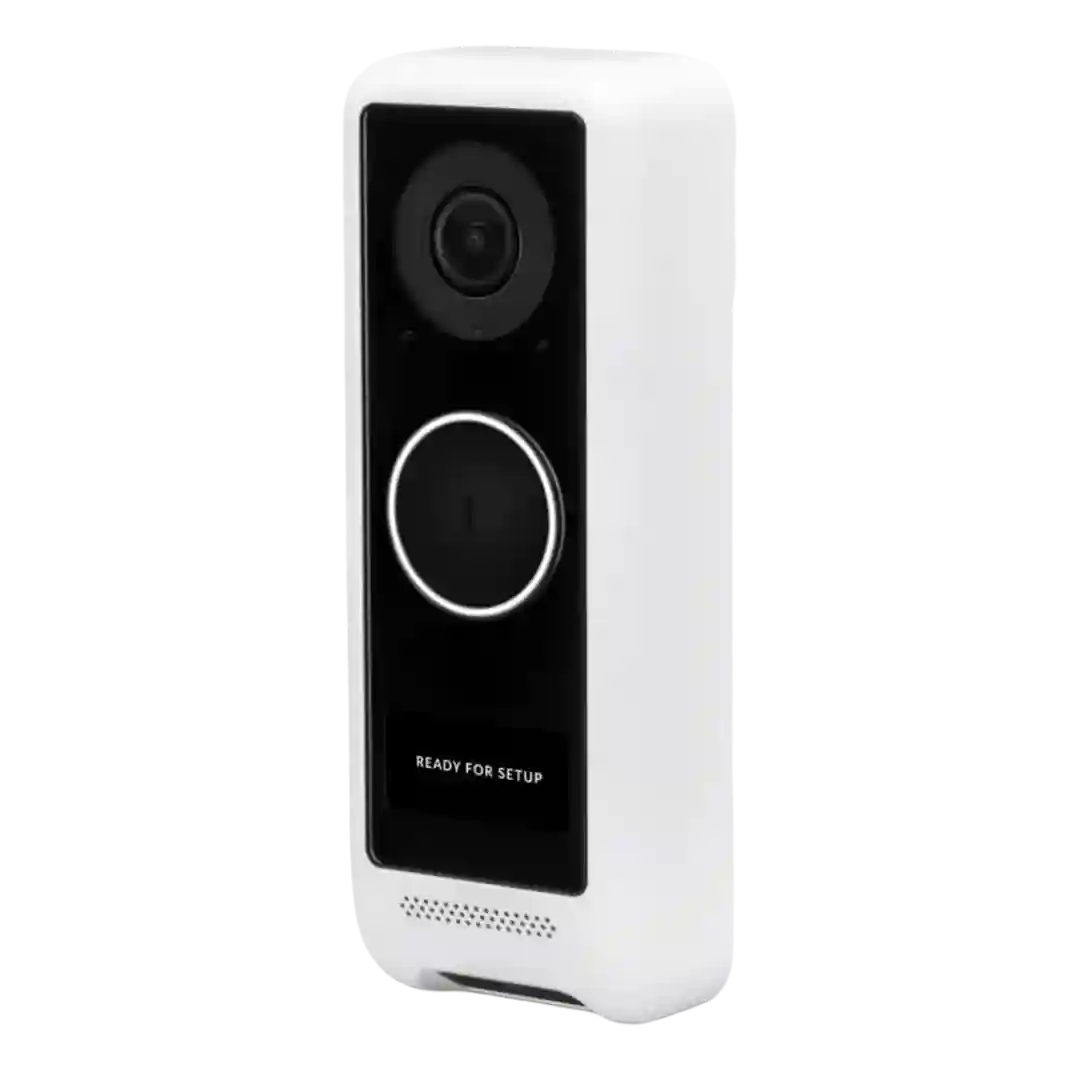
Motion detection is often described as reliable in daily use, but at least one long-term user reports missed motion compared with another nearby UniFi camera. Detection tuning and zones help reduce nuisance triggers on busy streets. Motion customization is repeatedly praised, including motion zones, detection timing, and configurable pre/post recording windows. These controls are framed as especially useful for reducing street traffic triggers and focusing on the porch approach.
Motion detection is inconsistent across setups: some testers call it very responsive, while others report missed events or finicky motion alerts, especially when relying on HomeKit Secure Video settings. Customization is a strong point when it is fully available, including activity zones and loitering-style options, but some reviewers report missing or limited motion-zone controls in certain app states or firmware combinations.