Best for Mounting flexibility
Tapo MagCam (Battery) Outdoor Security Camera, C425
4.9 feature score
Highest scored product for this feature based on supporting review evidence.
Highest scored product for this feature based on supporting review evidence.
Balances feature score, supporting reviews, and overall product strength.
Has the broadest review evidence for this feature.
Strongest overall product among items with scored evidence for this feature.
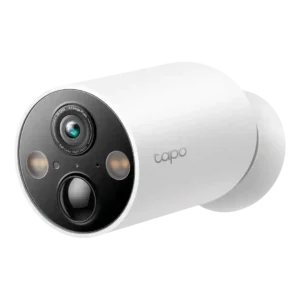
The magnetic mount and placement flexibility were among the strongest points, with reviewers praising quick adjustments and broad placement options.
Pros: Power options (solar panel), On-device features
Cons: PTZ (pan/tilt/zoom) control responsiveness, Continuous recording capability
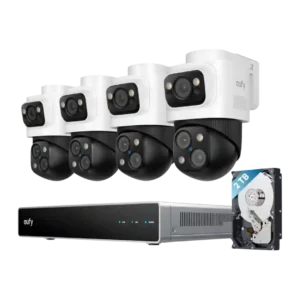
Mounting flexibility was praised for allowing flexible positioning and fewer cameras over larger areas, though cable routing still matters.
Pros: Detection range, Recording start-time lag
Cons: ONVIF/RTSP support, HomeKit integration
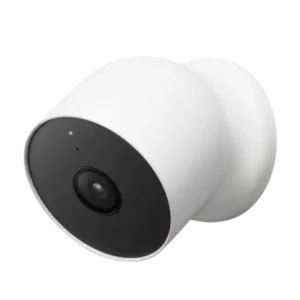
Mounting flexibility is a standout strength, with reviewers praising battery placement freedom, renters’ ease, and the magnetic mount.
Pros: False alert filter effectiveness, Operating temperature range
Cons: IFTTT/automation compatibility, HomeKit integration
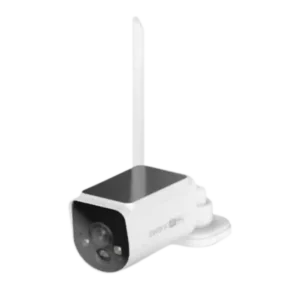
Mounting flexibility was praised for flexible camera placement, simple brackets, and workable renter-friendly mounting improvisation.
Pros: Digital zoom clarity, Floodlight brightness
Cons: Frame rate, Smart-home integration (Alexa
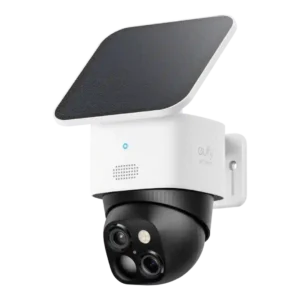
Mounting flexibility is a strength, helped by wall/ceiling options, remote solar placement, and wire-free placement choices.
Pros: Cloud storage plan value, Power options (solar panel)
Cons: HomeKit integration, IFTTT/automation compatibility
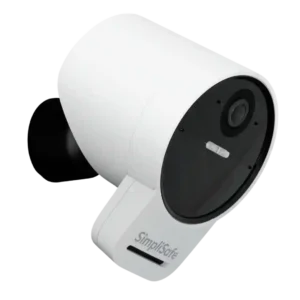
Mounting flexibility was praised for easy installation and magnetic adjustment.
Pros: Weather resistance rating (IP code), System scalability
Cons: Pre-event recording length, HomeKit integration
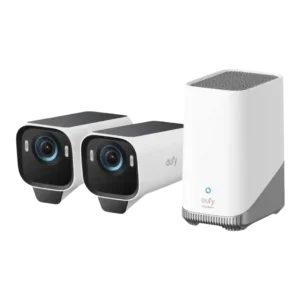
Mounting flexibility was generally strong thanks to battery/solar placement freedom, though one reviewer wanted more adjustment from the brackets.
Pros: Low-light performance, Color accuracy
Cons: Speaker volume, Frame rate
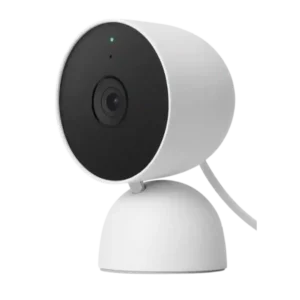
Mounting and positioning were mostly flexible, especially with the ball/socket and built-in mount.
Pros: Low-light performance, Notification speed
Cons: Recording start-time lag, PTZ (pan/tilt/zoom) control responsiveness
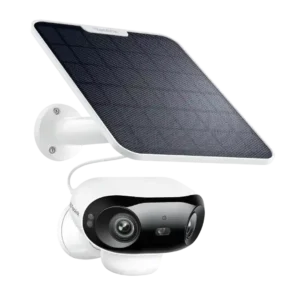
Mounting flexibility was widely praised for brackets, straps, wall/tree options, and no-screw setups, though one reviewer found the ball joint hard to tighten.
Pros: Connectivity options, Detection range
Cons: HomeKit integration, Continuous recording capability
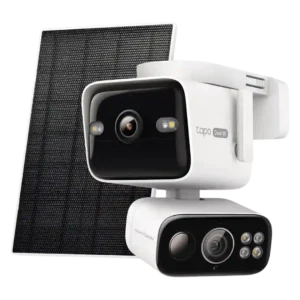
Mounting flexibility was praised for under-eave and gutter-adjacent setups.
Pros: Low-light performance, Floodlight brightness
Cons: HomeKit integration, Echo/noise cancellation
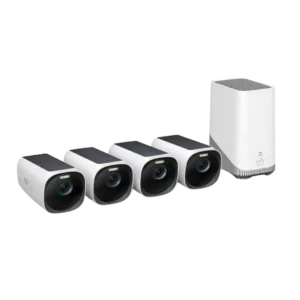
Mounting flexibility is mixed: wireless placement helps, but solar exposure and positioning constraints can limit real-world mounting choices.
Pros: Cloud storage plan value, Weather resistance rating (IP code)
Cons: Recording start-time lag, Pre-event recording length
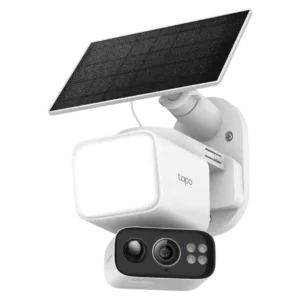
Mounting flexibility was mostly praised for separable solar-panel placement and versatile mounts, though one review disliked the lack of tabletop or inverted use.
Pros: Speaker volume, Lens distortion correction
Cons: Field of view, Detection range
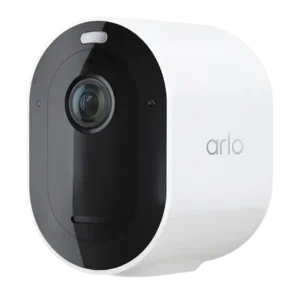
Mounting flexibility is mostly positive because the battery-powered design allows broad placement, but at least one reviewer criticizes the included mount as fiddly.
Pros: Notification speed, Event recording reliability
Cons: Mesh network compatibility, Customer support responsiveness
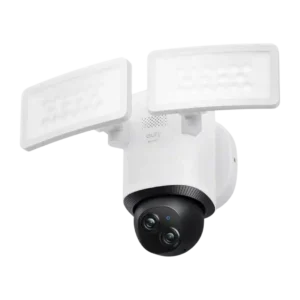
Mounting flexibility was useful, including wall or ceiling placement and a workaround plug-in installation, though hardwiring still limits placement.
Pros: Cloud storage plan value, Dual-band (2.4/5GHz) performance
Cons: HomeKit integration, ONVIF/RTSP support
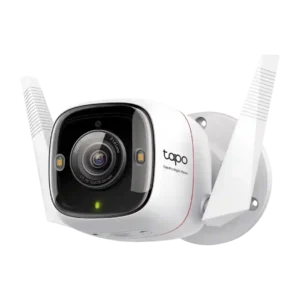
Mounting flexibility was mixed: reviewers liked the flexible mount and longer cable, but wired power and drilling reduced placement freedom.
Pros: Detection range, On-device features
Cons: HomeKit integration, PoE
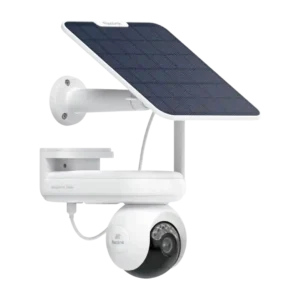
Mounting flexibility was useful thanks to wall, ceiling, strap, and tree options, but strap security and length drew concerns.
Pros: Recording start-time lag, Smart home accessory compatibility
Cons: Optical zoom performance, HomeKit integration
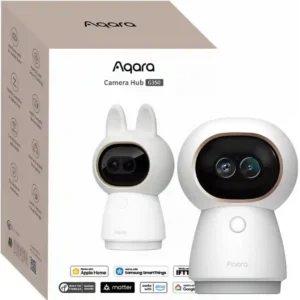
A standard threaded base and image rotation support shelf, wall, and ceiling placement. Its weight and limited tilt angle can make certain mounts less practical.
Pros: Frame rate, Continuous recording capability
Cons: Weather resistance rating (IP code), Included accessories
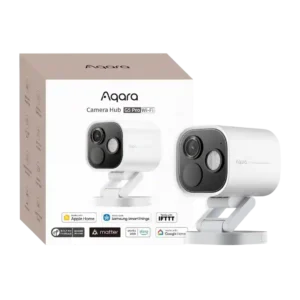
Mounting flexibility was mixed: reviewers liked tilt, swivel, upside-down mounting, and base rotation, but some found positioning range restrictive.
Pros: Durability, Low-light performance
Cons: Power options (solar panel), PTZ (pan/tilt/zoom) control responsiveness
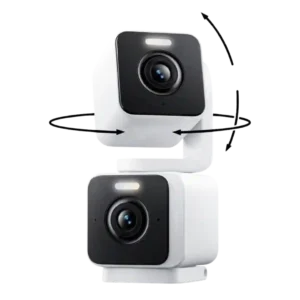
Mounting flexibility was mixed: reviewers noted multiple mounting options, but also short cable limits and coarse tilt positioning.
Pros: Installation and Mounting, Articulation range
Cons: ONVIF/RTSP support, Connectivity options
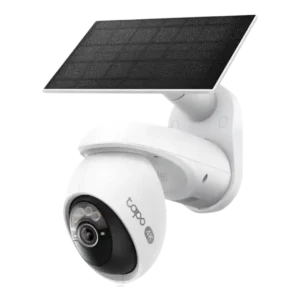
Mounting flexibility was mixed: solar-panel placement was flexible, but some reviewers found the arm weak or easy to remove.
Pros: On-device processing (AI), Installation and Mounting
Cons: ONVIF/RTSP support, HomeKit integration
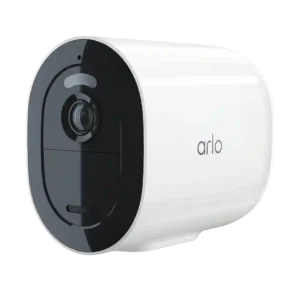
Mounting flexibility was mixed to negative: one reviewer liked the range of motion, but others found the screw/ball mount awkward or inconvenient.
Pros: Notification speed, Smart home accessory compatibility
Cons: Replacement part availability, HomeKit integration
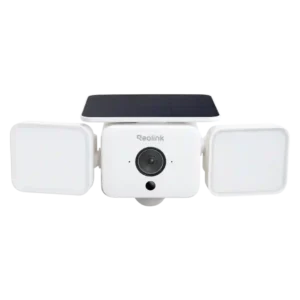
The camera body and lights can be aimed, but the permanently fixed solar panel and short or rigid mount often force compromises between view, sun exposure, and eaves or gutters.
Pros: Field of view, Customizable motion zones
Cons: Continuous recording capability, ONVIF/RTSP support