Best for Notification management
Reolink Solar Floodlight, B430
5.0 feature score
Highest scored product for this feature based on supporting review evidence.
Highest scored product for this feature based on supporting review evidence.
Balances feature score, supporting reviews, and overall product strength.
Has the broadest review evidence for this feature.
Strongest overall product among items with scored evidence for this feature.
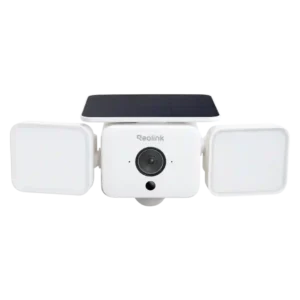
Category labels, schedules, snoozing, email, push, and FTP options make alerts easy to organize around household routines.
Pros: Field of view, Customizable motion zones
Cons: Continuous recording capability, ONVIF/RTSP support
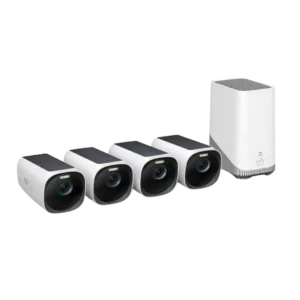
Notification management is praised where facial recognition helps reduce unwanted alerts and focus notifications on meaningful events.
Pros: Cloud storage plan value, Weather resistance rating (IP code)
Cons: Recording start-time lag, Pre-event recording length
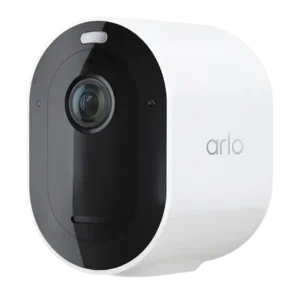
Notification management is a major strength, with rich alerts, previews, filters, and object-specific controls repeatedly praised.
Pros: Notification speed, Event recording reliability
Cons: Mesh network compatibility, Customer support responsiveness
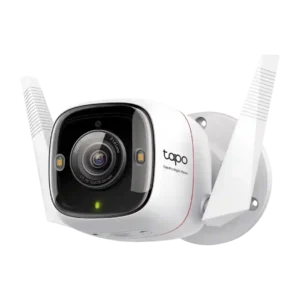
Notification management was praised for calibration and only notifying users when they wanted, but evidence came from two reviews.
Pros: Detection range, On-device features
Cons: HomeKit integration, PoE
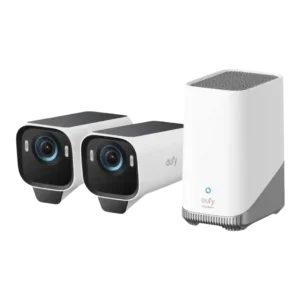
Notification management was praised for prompt, consistent alerts and useful AI-powered summaries.
Pros: Low-light performance, Color accuracy
Cons: Speaker volume, Frame rate
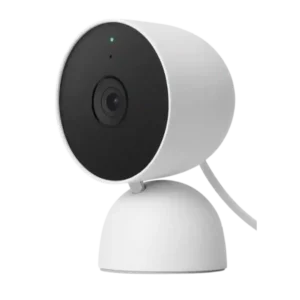
Notification controls were praised for customization, categories, push choices, and alert reduction.
Pros: Low-light performance, Notification speed
Cons: Recording start-time lag, PTZ (pan/tilt/zoom) control responsiveness
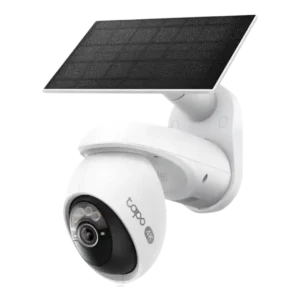
Notification management was praised for letting users choose activity types and schedules.
Pros: On-device processing (AI), Installation and Mounting
Cons: ONVIF/RTSP support, HomeKit integration
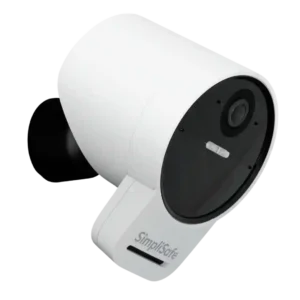
Reviewers liked having notification options and found the app controls intuitive.
Pros: Weather resistance rating (IP code), System scalability
Cons: Pre-event recording length, HomeKit integration
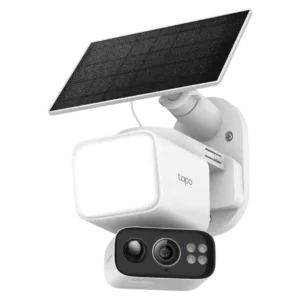
Notification management was useful and customizable, though rich snapshot notifications remained tied to cloud service.
Pros: Speaker volume, Lens distortion correction
Cons: Field of view, Detection range
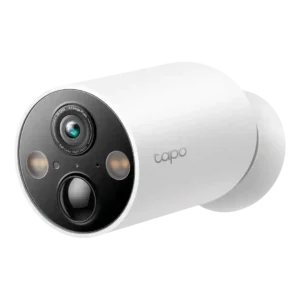
Notification management was generally flexible, with custom alerts and sensitivity controls, though one reviewer wanted location-based arming.
Pros: Power options (solar panel), On-device features
Cons: PTZ (pan/tilt/zoom) control responsiveness, Continuous recording capability
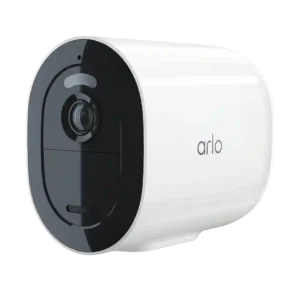
Notification management was strong when smart/rich alerts and detection filters worked, but one review complained of nonstop motion alerts.
Pros: Notification speed, Smart home accessory compatibility
Cons: Replacement part availability, HomeKit integration
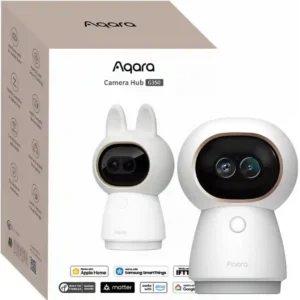
Detailed alert controls and duplicate filtering help reduce notification overload, but Aqara alerts may lack rich previews and require tuning for best results.
Pros: Frame rate, Continuous recording capability
Cons: Weather resistance rating (IP code), Included accessories
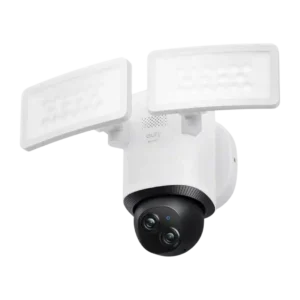
Notification management was adjustable and useful, but false-alert silencing and short delays made it somewhat mixed.
Pros: Cloud storage plan value, Dual-band (2.4/5GHz) performance
Cons: HomeKit integration, ONVIF/RTSP support
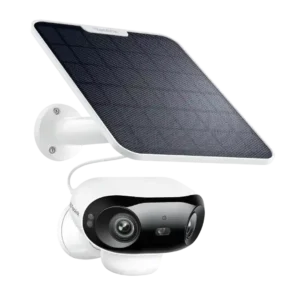
Notification management was mixed: tuning and scheduling were useful, but the lack of notification snooze was a repeated-style frustration in one detailed review.
Pros: Connectivity options, Detection range
Cons: HomeKit integration, Continuous recording capability
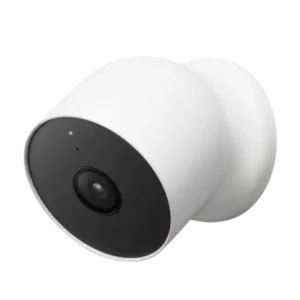
Notification management is strong when it comes to zone and event filtering, but some rich notifications failed in one review.
Pros: False alert filter effectiveness, Operating temperature range
Cons: IFTTT/automation compatibility, HomeKit integration
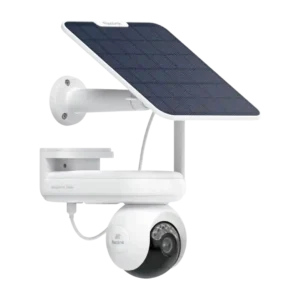
Notification management was mixed: configuration options exist, but one reviewer noted the lack of rich notifications.
Pros: Recording start-time lag, Smart home accessory compatibility
Cons: Optical zoom performance, HomeKit integration
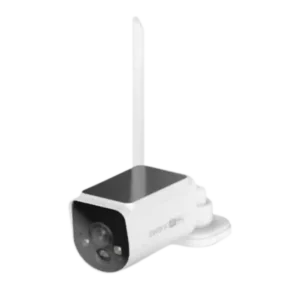
Notification management was mixed: preconfigured modes and schedules were useful, but deeper mode controls and rich notifications were lacking.
Pros: Digital zoom clarity, Floodlight brightness
Cons: Frame rate, Smart-home integration (Alexa
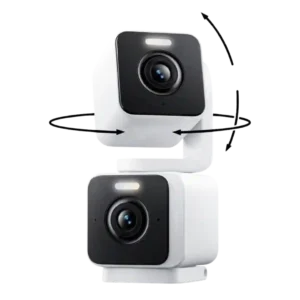
Notification management was strong with fast push alerts, but limited to five-minute intervals without a subscription in one review.
Pros: Installation and Mounting, Articulation range
Cons: ONVIF/RTSP support, Connectivity options
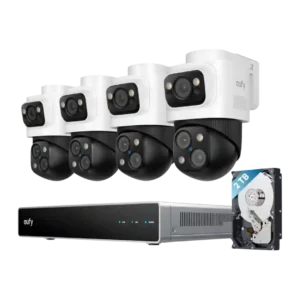
Notification management was mixed: alerts were fast, but setup could be tricky and some users may receive too many notifications.
Pros: Detection range, Recording start-time lag
Cons: ONVIF/RTSP support, HomeKit integration
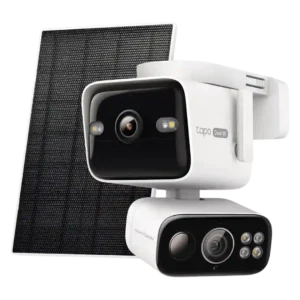
Notification management was a weakness because one reviewer wanted snooze alerts and custom notification sounds added.
Pros: Low-light performance, Floodlight brightness
Cons: HomeKit integration, Echo/noise cancellation
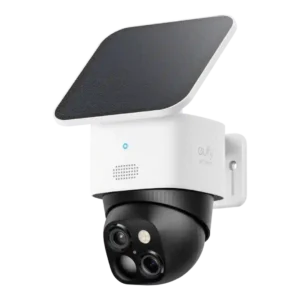
Notification management is a recurring frustration, especially around vehicle alerts, geofencing, snoozing, and buried notification settings.
Pros: Cloud storage plan value, Power options (solar panel)
Cons: HomeKit integration, IFTTT/automation compatibility
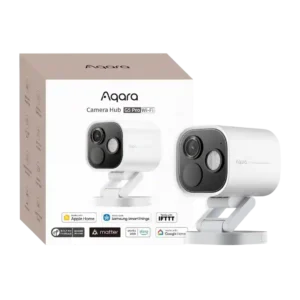
Notification management drew criticism because detection frequency and previews could be limited, though customization options exist elsewhere.
Pros: Durability, Low-light performance
Cons: Power options (solar panel), PTZ (pan/tilt/zoom) control responsiveness