Best for picture-in-picture and picture-by-picture
InnoCN GA27S1Q
5.0 feature score
Highest scored product for this feature based on supporting review evidence.
Highest scored product for this feature based on supporting review evidence.
Balances feature score, supporting reviews, and overall product strength.
Has the broadest review evidence for this feature.
Strongest overall product among items with scored evidence for this feature.
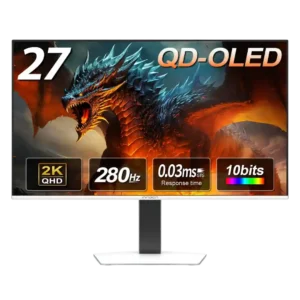
Picture-in-picture support is a useful extra for displaying multiple connected sources at once.
Pros: screen size, panel type
Cons: KVM switch performance, USB hub functionality
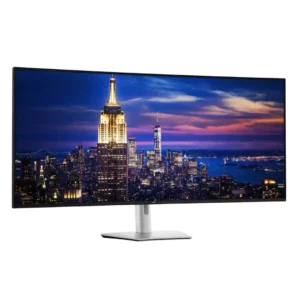
Picture-in-picture, picture-by-picture, and true screen partitioning are defining strengths, letting the panel behave like several displays or accept multiple systems at once. The many layouts are flexible, though certain Mac...
Pros: input lag, backlight bleed control
Cons: overdrive tuning, ghosting control
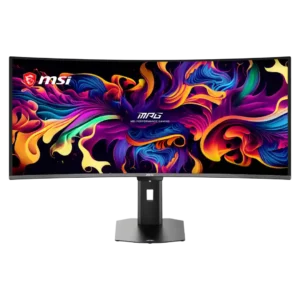
PiP and PbP modes let multiple systems share the ultrawide workspace, adding useful flexibility for multitasking and mixed-device setups.
Pros: screen size, panel type
Cons: Resolution, cable management
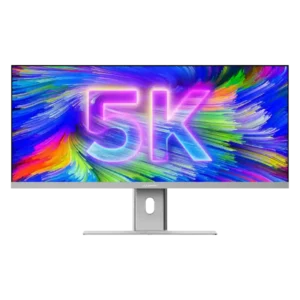
Picture-in-Picture and Picture-by-Picture make good use of the wide panel for multiple sources. PiP drew the strongest praise, while PbP was useful but less compelling for at least one reviewer.
Pros: productivity versatility, aspect ratio
Cons: HDR performance, HDMI 2.1 support
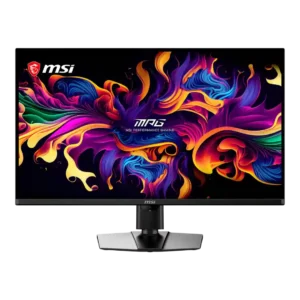
Picture-in-picture and picture-by-picture are included alongside the KVM and multi-input controls, strengthening the monitor’s multi-system flexibility.
Pros: panel type, response time
Cons: built-in speakers, curved screen immersion
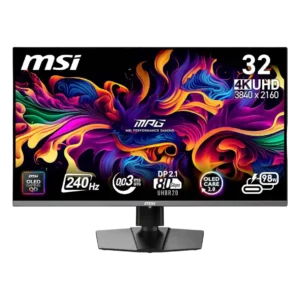
MSI’s companion software provides picture-in-picture and picture-by-picture controls for multi-source setups. Feedback on actual day-to-day use was limited.
Pros: response time, motion clarity
Cons: warranty and support service, sleep and wake behavior
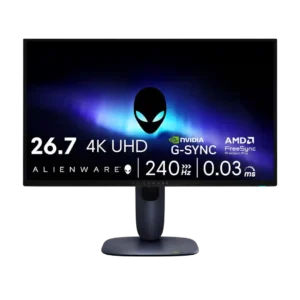
PiP/PbP support exists, but one reviewer framed it as less useful than full KVM functionality.
Pros: response time, contrast
Cons: built-in speakers, software support