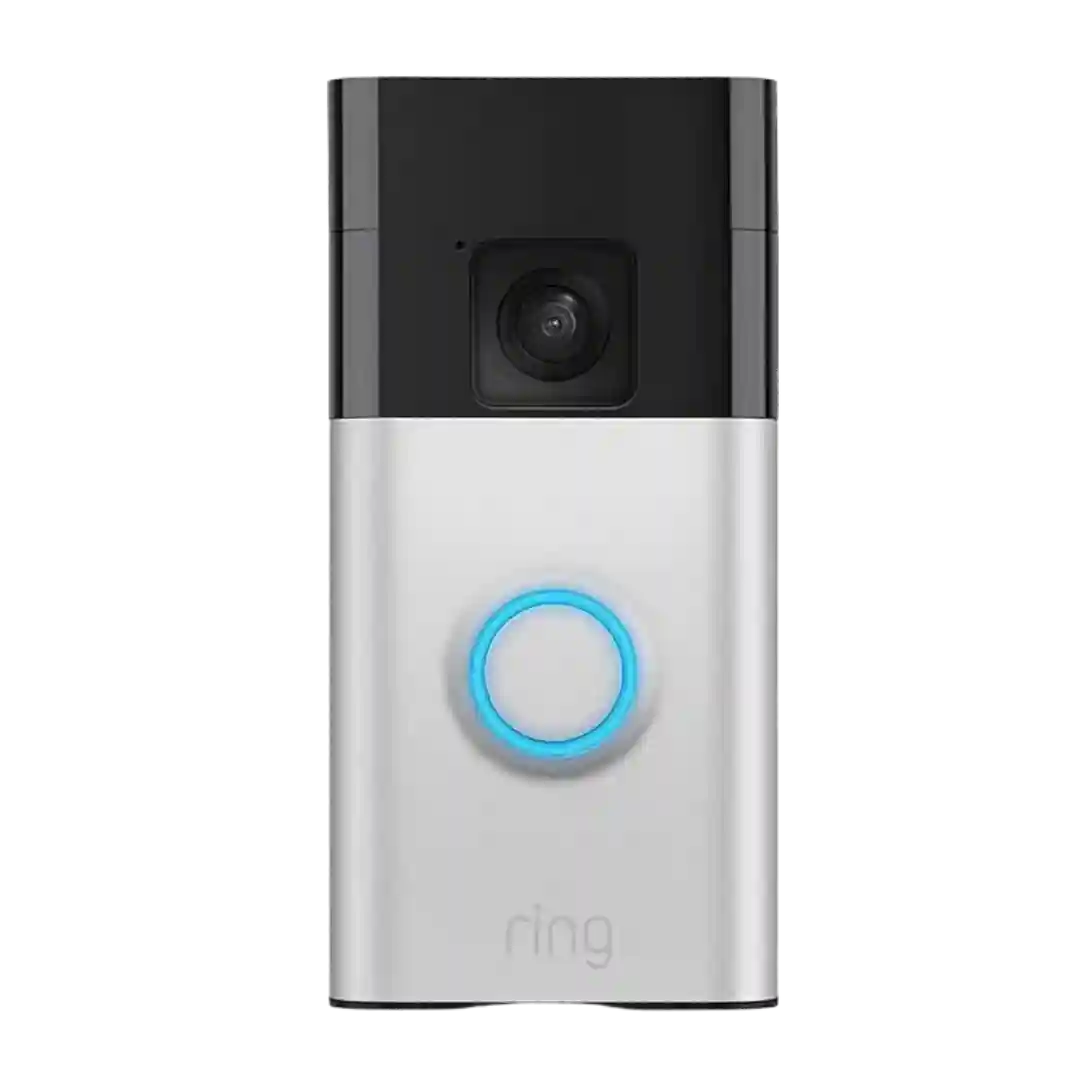
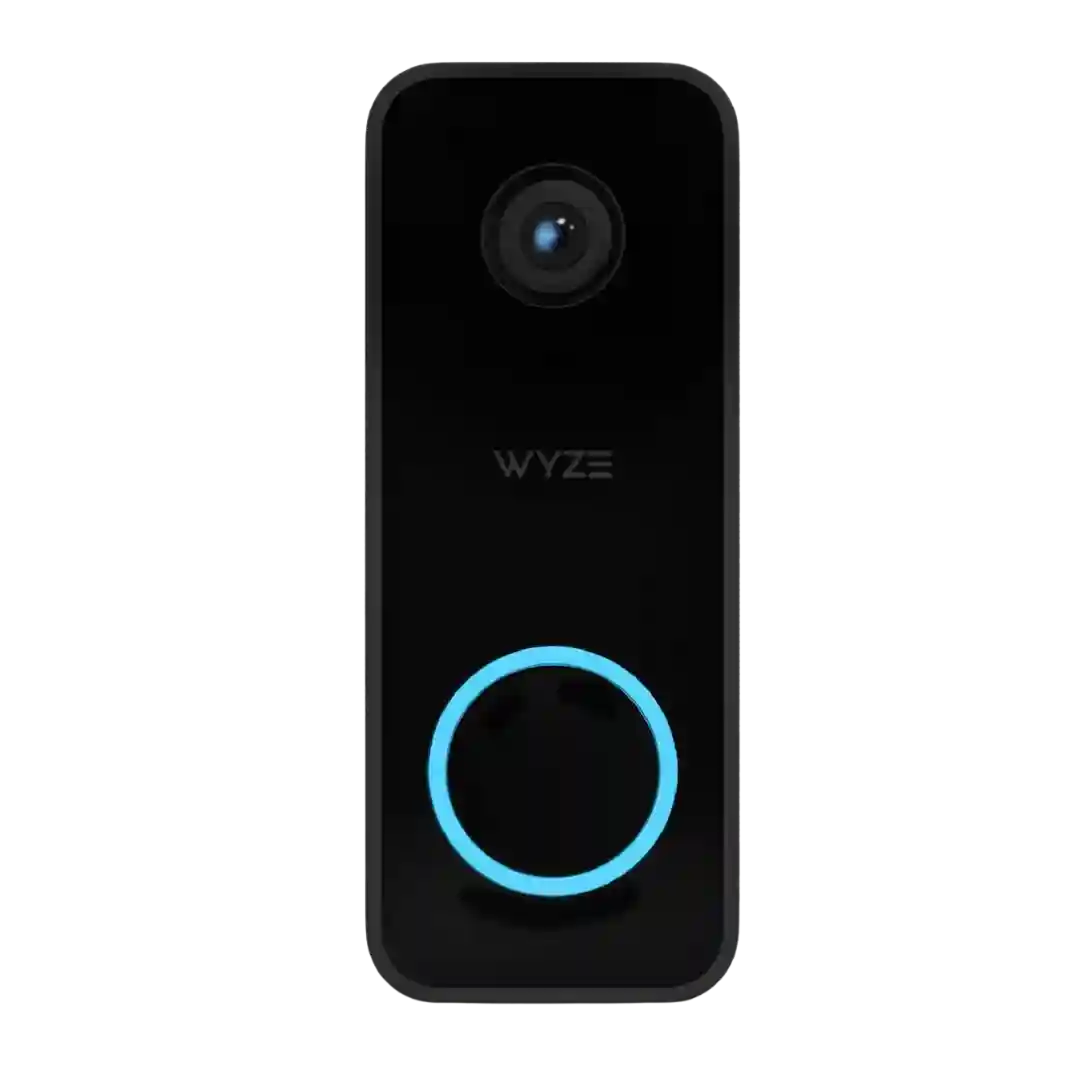
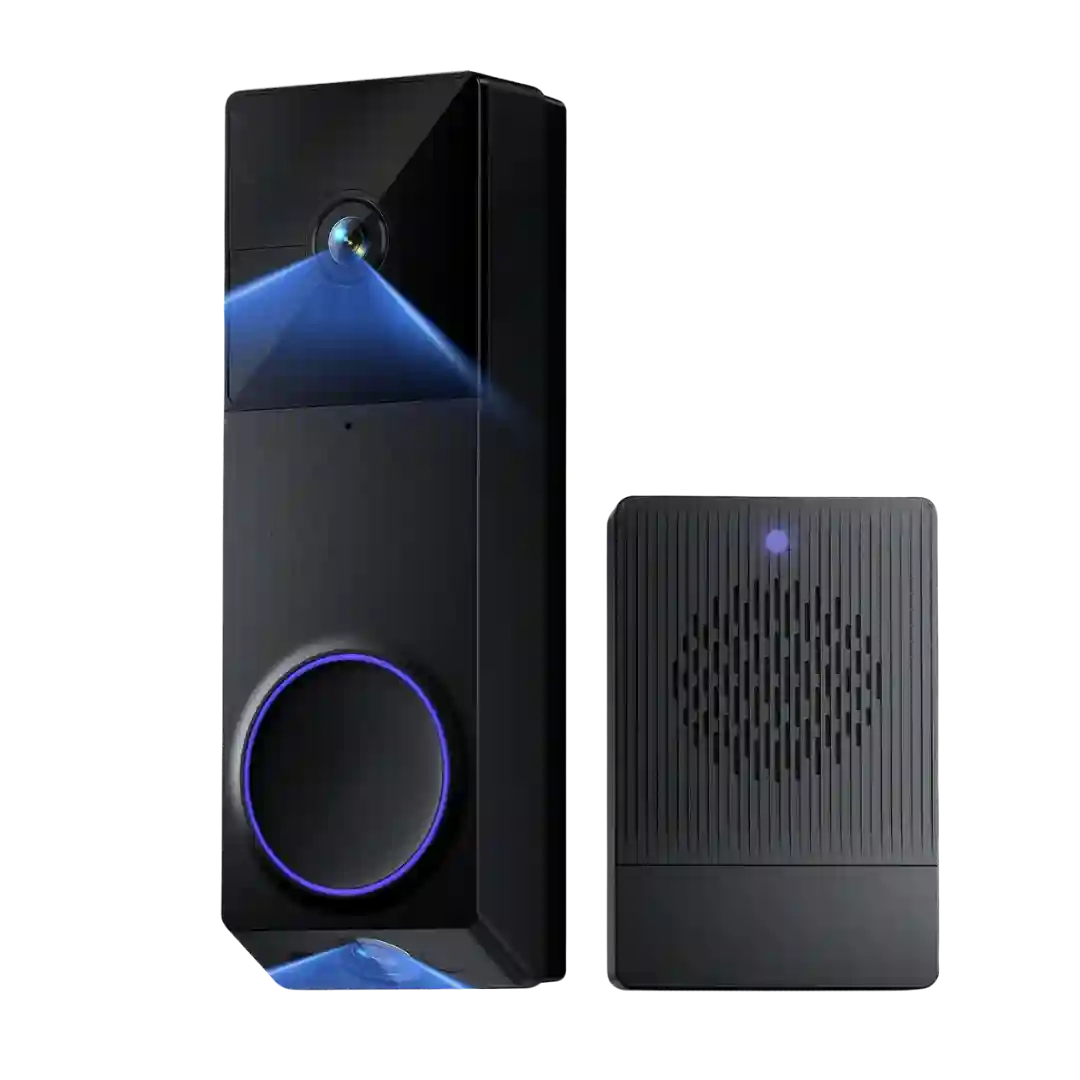
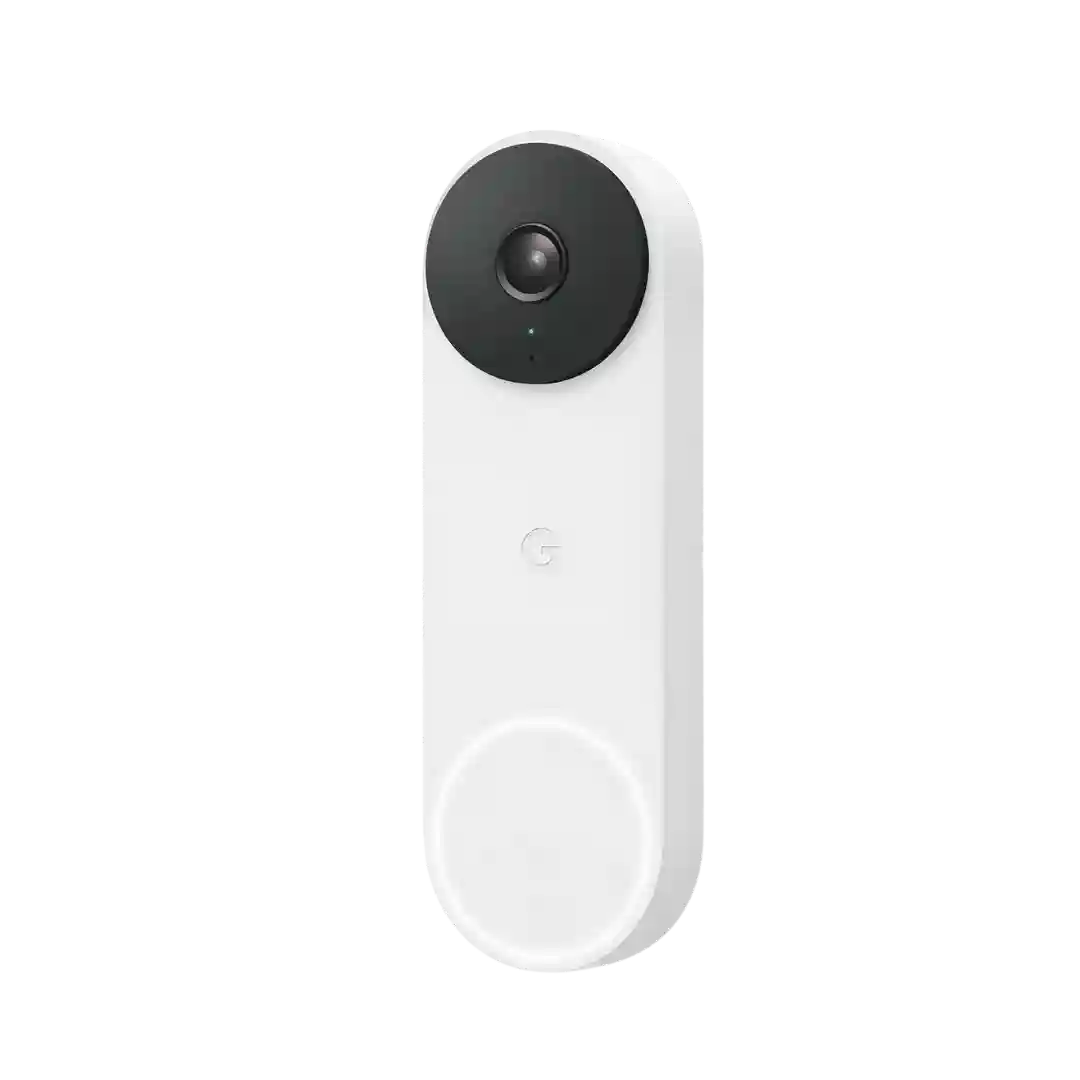
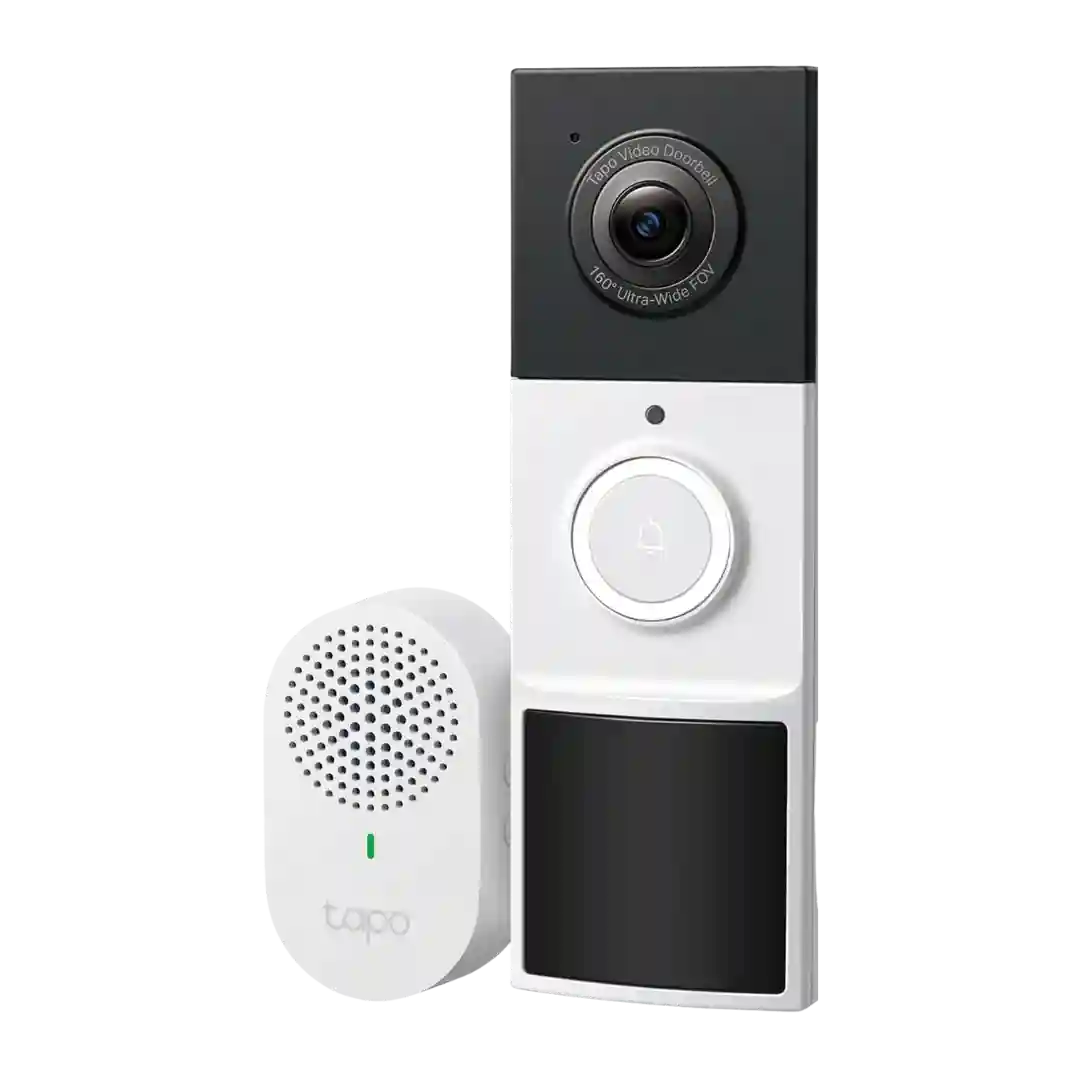
Power flexibility is a key strength: reviewers repeatedly note it can run on battery or be connected to existing doorbell wiring to keep it topped up and reduce charging hassle.
Power flexibility is a core plus: battery operation for easy installs and optional wiring for continuous charging and traditional doorbell compatibility.
Dual power (battery or doorbell wiring) is a major selling point, including battery fallback during outages; full Always On features depend on hardwiring.
Power flexibility is a repeated plus: it can run on its internal battery or be connected to standard low-voltage doorbell wiring, enabling existing-chime use and reducing charging hassle.
Power flexibility is excellent: it can run on six AA batteries for true wireless installs or be wired to doorbell power, and wired power enables heavier features like continuous recording without battery anxiety.
Dual power is consistently emphasized: battery for easy installs, wired for constant power and continuous features, with some reviewers noting automatic fallback to battery during outages. Wiring can have practical caveats (battery may still be needed and chime/feature tradeoffs can apply).
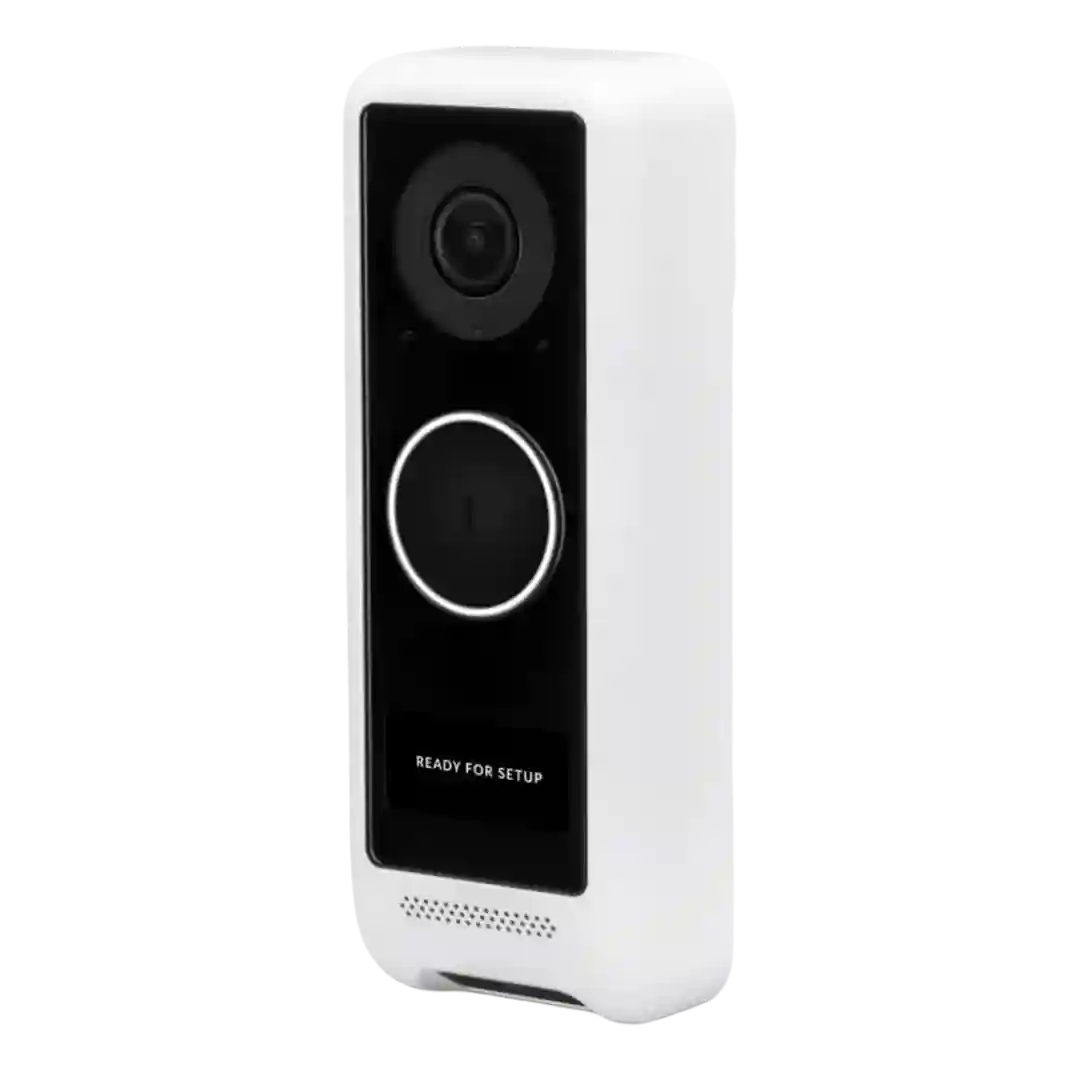
Power options are unusually flexible for a wired doorbell: it can use existing 12-24V wiring, an included adapter/extension, Ethernet for data, and a PoE variant for power+data; there is no battery mode.
Power flexibility is a plus: you can run it purely on battery or connect to existing doorbell wiring for trickle charging, though wiring does not turn it into a true always-on wired doorbell with pre-roll benefits.
Flexibility is a recurring positive: the doorbell can run on batteries or be hardwired to 12-24V power, with wiring enabling continuous recording. Several reviews also note that existing traditional chimes are not supported in the way some competing doorbells handle them.
Power flexibility is a plus, with options for battery or hardwiring; some installs may need a stronger transformer and the system may warn about insufficient power.
Power flexibility is widely confirmed: battery operation is easy, and hardwiring can provide constant/trickle power and trigger an existing chime. Several reviewers emphasize that wiring does not necessarily convert the E340 into a true always-on, wired-recording doorbell in the way some competitors can.
Power flexibility is repeatedly mentioned: it can run on battery, recharge via USB-C, and (in many homes) connect to existing doorbell wiring for power and/or chime support. Some reviewers describe hardwiring as trickle-charging rather than eliminating battery concerns entirely.
This is a wired-only doorbell requiring typical doorbell transformer power (16–24V AC cited) and uses 2.4GHz Wi-Fi; some mention a hidden USB power option for testing/setups.
Flexible power options (battery or hardwire) are a strong point, with hardwiring enabling continuous recording and steadier operation for high-traffic doors.
Being wired brings stable power and enables optional 24/7 recording, but it also limits placement and requires a compatible doorbell transformer. Some reviews note brief recording resilience during short connectivity interruptions.
Power flexibility is highlighted via separate wired vs wireless models, and demos note the wireless model can run on battery or be connected to existing doorbell wiring depending on the install path.
This is a wired doorbell that depends on compatible doorbell power; some reviewers highlight workarounds using plug-in transformers, but most emphasize you need solid wiring and nearby hub/Wi-Fi.
Power is hardwired, typically using existing doorbell wiring or a plug-in adapter. Installation commonly requires bypassing the existing chime, and reviewers emphasize checking transformer voltage and front-door power availability.
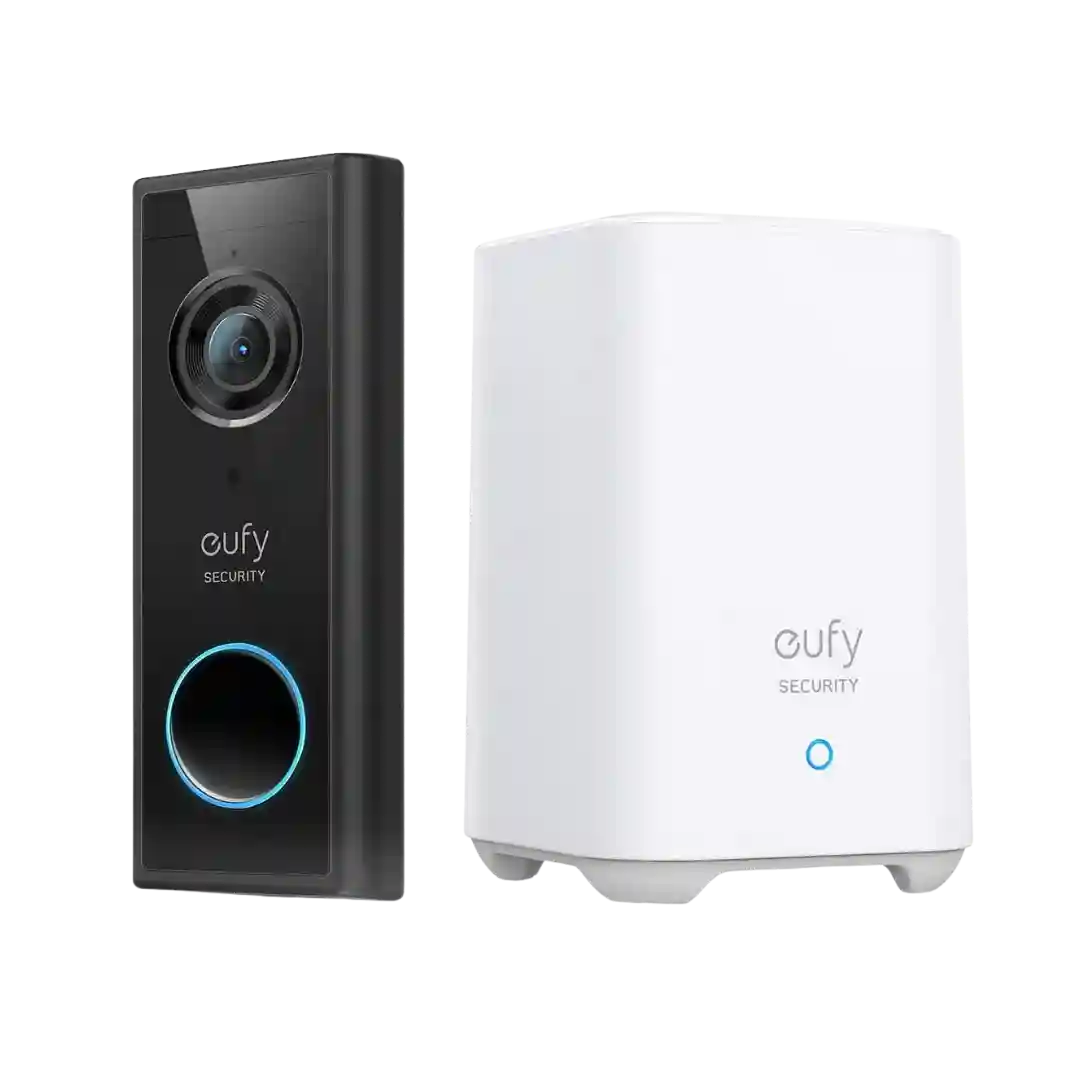
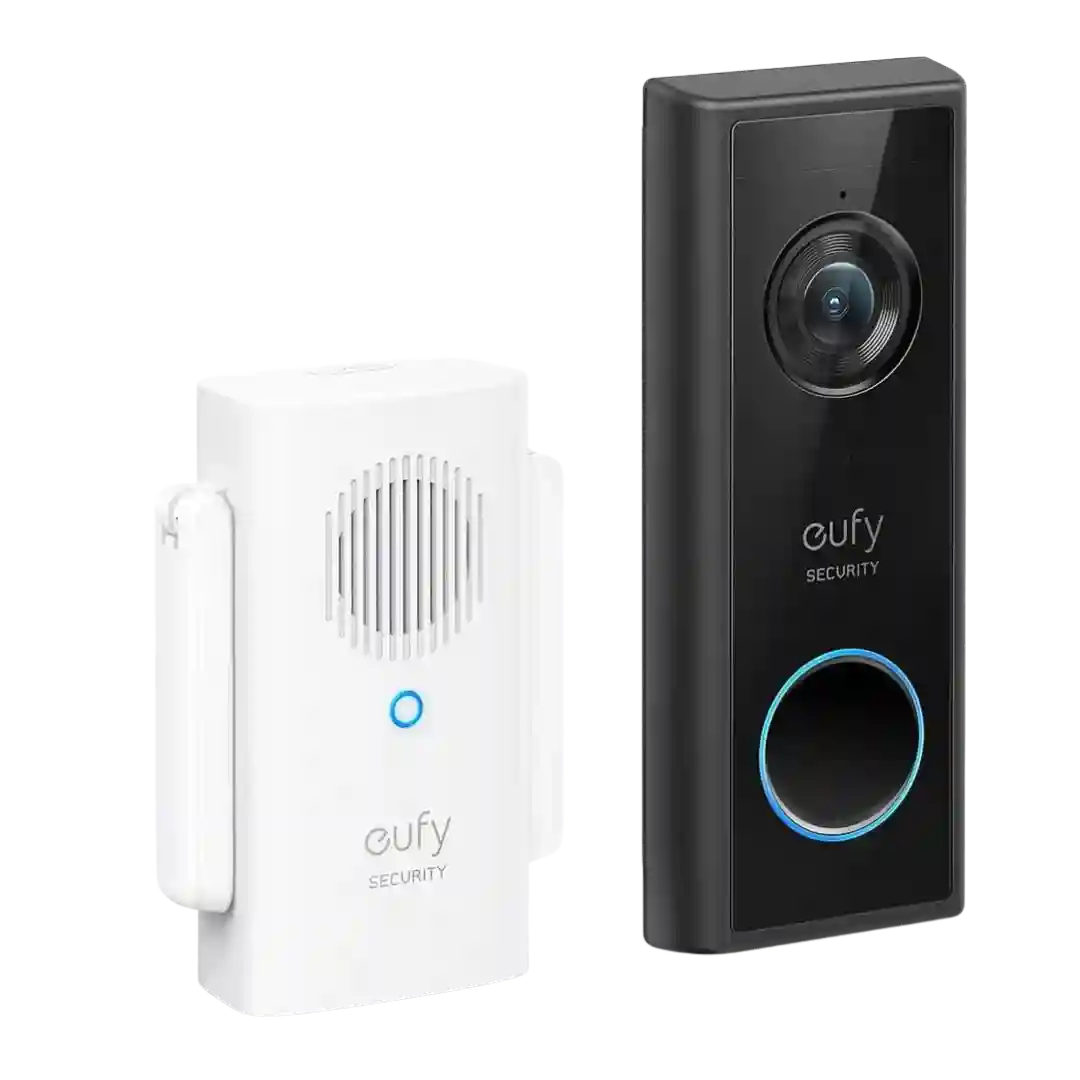
Several reviewers stress that the 1080p battery kit lacks wiring terminals, so it is battery-only and must be recharged. Other Eufy doorbells discussed in the review set can use existing doorbell wiring, which may confuse shoppers unless they confirm the exact model.
Power is commonly described as hardwired using standard low-voltage doorbell wiring, while network connectivity is Wi-Fi. Pro variants are discussed as offering USB-C or PoE-powered options, but multiple reviewers still express a preference for a truly PoE-connected doorbell.
You can run it on batteries or connect it to existing doorbell wiring to trigger an indoor chime. Multiple reviews note that wiring does not necessarily turn it into a fully powered always-on camera, and batteries may still be required as backup in some installations.
Installation can be battery-only or tied into existing doorbell wiring (often to trigger an indoor chime). Multiple reviews note that wired connections provide supplemental power/compatibility rather than eliminating the need for batteries.
Power is wired-only and requires compatible transformer/chime wiring; this is both a reliability advantage (no battery charging) and a limiting factor (not ideal for renters or outage resilience). Compatibility with many chimes is a plus.
Power flexibility is the D210's main compromise: it is battery-only and cannot be hardwired like the D225. That makes installation simpler, but buyers give up 24/7 recording, pre-roll, and wired convenience.