Best for Power Options and Compatibility
Tapo D225 Smart Video Doorbell Camera with Chime
4.6 feature score
Highest scored product for this feature based on supporting review evidence.
Highest scored product for this feature based on supporting review evidence.
Balances feature score, supporting reviews, and overall product strength.
Has the broadest review evidence for this feature.
Strongest overall product among items with scored evidence for this feature.
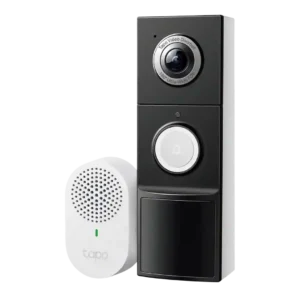
Dual-power flexibility was a major strength, especially for buyers who can hardwire while keeping battery backup.
Pros: Complete kit in box, Base / Hub integration
Cons: Face recognition, RTSP stream availability
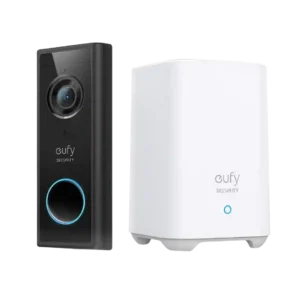
Power flexibility is a major advantage because the battery model can be mounted wire-free or hardwired to avoid charging concerns.
Pros: Ongoing ownership costs, Privacy
Cons: Controls and indicators, Smart-home integration (Alexa
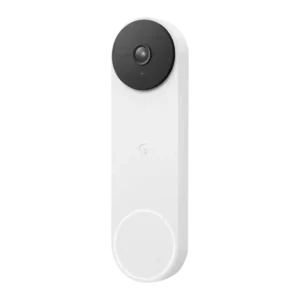
Power flexibility was praised because the doorbell can run on battery, work hardwired, and fit more homes than wired-only models.
Pros: Object and person detection, lag)
Cons: Law enforcement policy transparency, Privacy
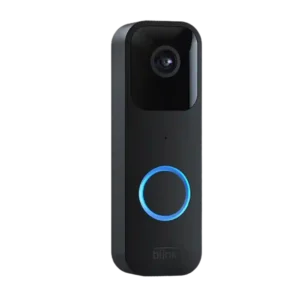
Power flexibility was praised by a reviewer who preferred battery operation for homes without wired doorbells.
Pros: Subscription, Power Options and Compatibility
Cons: AI features, Ongoing ownership costs
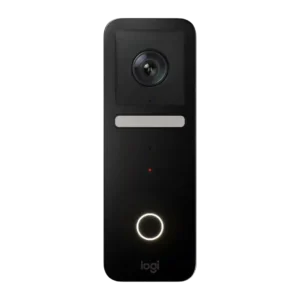
Power compatibility was positive for wired homes but restrictive for buyers without compatible doorbell wiring or reliable transformer conditions.
Pros: Privacy, Security ecosystem integration
Cons: Warranty and Support, Color options
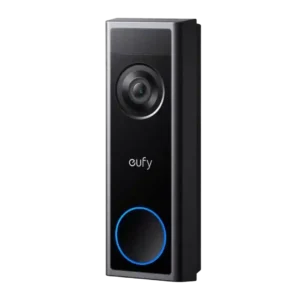
Dual power was one of the clearest strengths, with wired and battery options repeatedly praised for flexibility.
Pros: Wi-Fi range and stability, Ongoing ownership costs
Cons: Smart-home integration (Alexa, Google
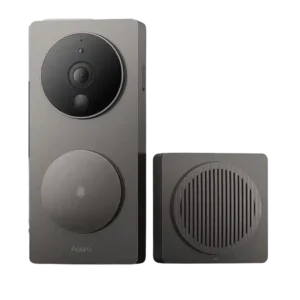
Power flexibility was a strength because the G4 supports battery and wired use, though one review criticized the wiring route design.
Pros: lag), Ongoing ownership costs
Cons: RTSP stream availability, Motion detection
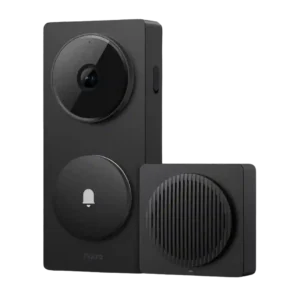
Power flexibility is a strength for buyers who need either battery or wired installation, though one reviewer reported hardwiring compatibility could be hit or miss.
Pros: Multi-user sharing ease, Ongoing ownership costs
Cons: Phone call integration, Weather and temperature tolerance
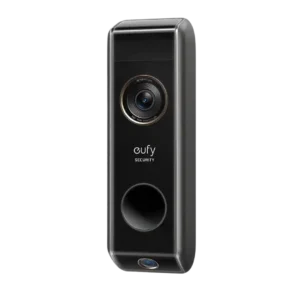
Power flexibility was positive overall, with reviewers valuing battery and wired options plus useful power diagnostics.
Pros: Ongoing ownership costs, Subscription
Cons: Wi-Fi range and stability, Law enforcement policy transparency
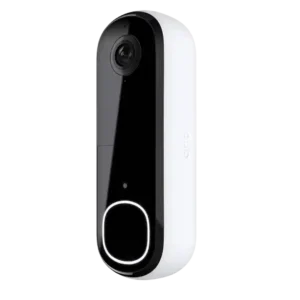
Power flexibility was a consistent strength, with reviewers valuing the choice of battery operation or hardwiring.
Pros: Phone call integration, System completeness
Cons: Recording, Subscription
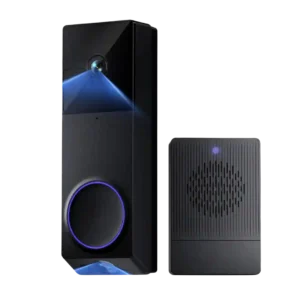
Power flexibility was praised because it can run on battery or hardwiring, with hardwiring also enabling continuous recording behavior.
Pros: Weather and temperature tolerance, lag)
Cons: Quick-reply / pre-recorded message usefulness, Theft and Tamper
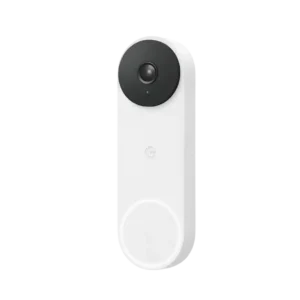
Wired power was valued for 24/7 recording and steadier operation, but wiring requirements made the battery model more appealing for some homes.
Pros: Motion detection, Object and person detection
Cons: Storage, Field of view and framing
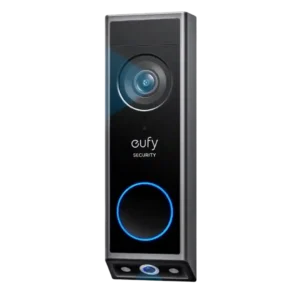
Power flexibility was a strength because the E340 supports wired and battery use, though one reviewer disliked that wiring only trickle-charges rather than enabling full wired features.
Pros: Ongoing ownership costs, Complete kit in box
Cons: Pre-roll buffer, Data-usage efficiency (bandwidth)
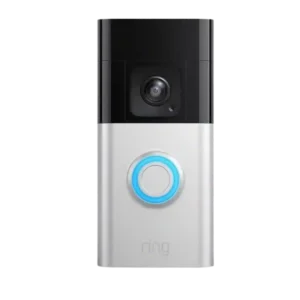
Power flexibility is positive, with battery, wired, trickle-charge, and in some reviews solar-friendly options helping different installations.
Pros: Wi-Fi range and stability, lag)
Cons: Subscription, Storage
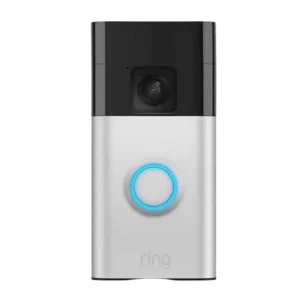
Power options were flexible, with battery, hardwire, and existing doorbell support, though trickle charging may not prevent drain in heavy use.
Pros: Quick-reply / pre-recorded message usefulness, lag)
Cons: Lens distortion handling, Storage
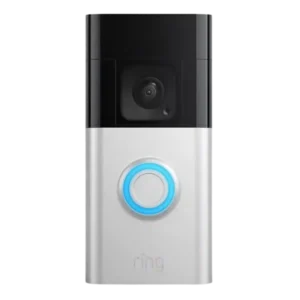
Power flexibility was useful because it can run on battery, wire in for trickle charging, or use a spare battery, though true wired models were still seen as stronger.
Pros: Upgrade value vs previous model, Peace of mind
Cons: Law enforcement policy transparency, Community feature usefulness
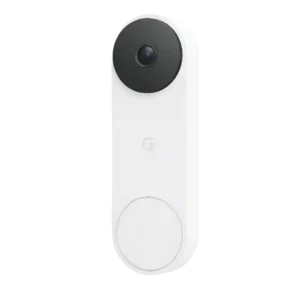
Power compatibility was generally manageable with proper wiring or a power adapter, though transformer and wire requirements can complicate installation.
Pros: Complete kit in box, Automation flexibility
Cons: Security ecosystem integration, Ongoing ownership costs
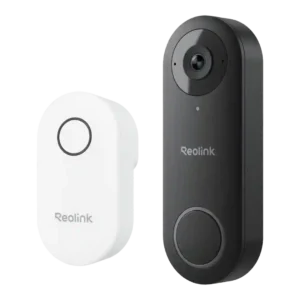
Power flexibility is strong for wired homes because reviewers note transformer, adapter, Ethernet, and PoE-related options, but the lack of battery power remains a caveat.
Pros: Ongoing ownership costs, Automation flexibility
Cons: Face recognition, Delivery package monitoring
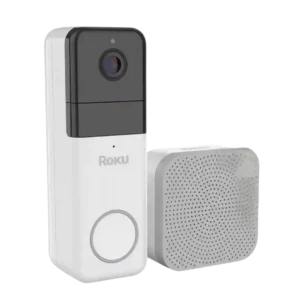
Power flexibility helps installation because the wireless version can be easier to install, though battery upkeep remains a tradeoff.
Pros: Audio, Installation and Mounting
Cons: Storage, Porch light brightness
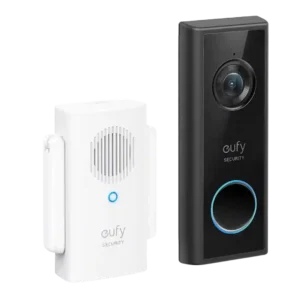
Power compatibility was mixed: battery-only placement was useful, wired power was appreciated on other versions, but lack of wiring support was criticized.
Pros: Ongoing ownership costs, Subscription
Cons: Wi-Fi range and stability, Chime
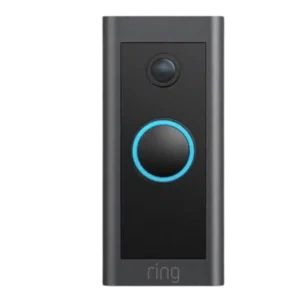
Power compatibility was mixed: voltage flexibility and wired reliability helped, but reviewers warned about wiring requirements and no battery fallback.
Pros: Battery and Charging, Security ecosystem integration
Cons: Face recognition, Video sharing options
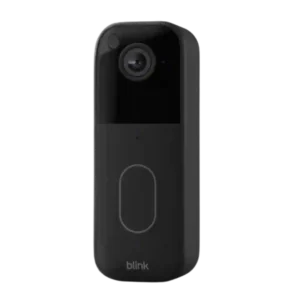
Power flexibility was mixed because wireless simplicity was praised, while one reviewer felt battery-saving compromises hurt security features.
Pros: Reliability (general), Automation flexibility
Cons: Quick-reply / pre-recorded message usefulness, Pre-roll buffer
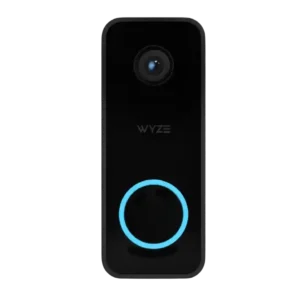
Power flexibility is limited because the doorbell is wired-only, which excludes buyers without existing wiring unless they use workarounds.
Pros: Quiet-time / do-not-disturb scheduling, Personalization options
Cons: Privacy, Security policy history
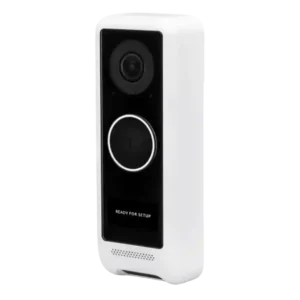
Power options are a tradeoff: USB-C/PoE options were appreciated in Pro context, but reviewers wished for wired networking or stronger power flexibility on the standard model.
Pros: Field of view and framing, Object and person detection
Cons: Face recognition, Wi-Fi range and stability
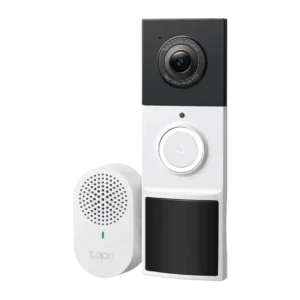
Power options were a weakness because reviewers repeatedly highlighted the D210’s battery-only design and inability to hardwire.
Pros: Wi-Fi range and stability, Subscription
Cons: Recording, Delivery package monitoring
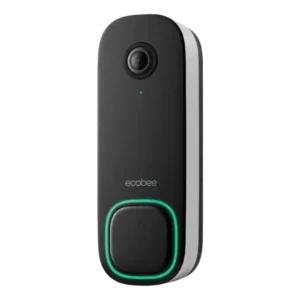
Power compatibility was a clear limitation because the doorbell is hardwired-only and loses function during power outages.
Pros: Warranty and Support, Controls and indicators
Cons: Storage, Face recognition