Best for PTZ (pan/tilt/zoom) control responsiveness
eufy 4K NVR Security Camera System S4 Max
4.8 feature score
Highest scored product for this feature based on supporting review evidence.
Highest scored product for this feature based on supporting review evidence.
Balances feature score, supporting reviews, and overall product strength.
Has the broadest review evidence for this feature.
Strongest overall product among items with scored evidence for this feature.
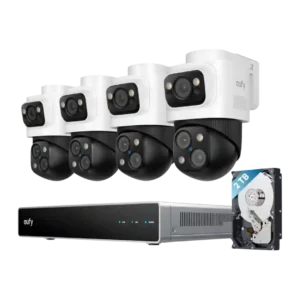
PTZ responsiveness was a major strength, with reviewers noting low latency, smooth real-time motion, accurate tracking, and precise quiet movement.
Pros: Detection range, Recording start-time lag
Cons: ONVIF/RTSP support, HomeKit integration
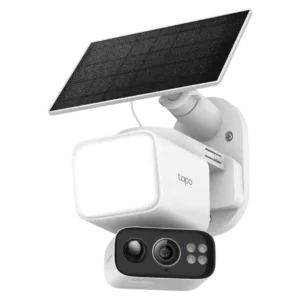
PTZ response and tracking were widely praised as smooth, quick, and useful for following subjects through a yard.
Pros: Speaker volume, Lens distortion correction
Cons: Field of view, Detection range
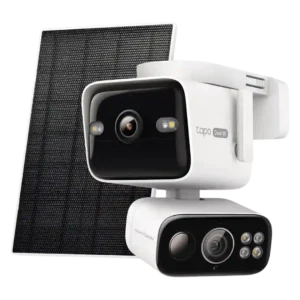
PTZ control and tracking were praised, especially in normal placement where tracking was described as near perfect.
Pros: Low-light performance, Floodlight brightness
Cons: HomeKit integration, Echo/noise cancellation
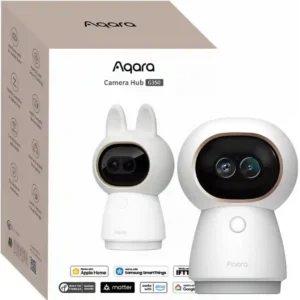
Pan and tilt are usually smooth, fast, and nearly silent, and tap-to-position controls make navigation easy. A few reviewers saw delayed tracking or unreliable position recall after privacy mode.
Pros: Frame rate, Continuous recording capability
Cons: Weather resistance rating (IP code), Included accessories
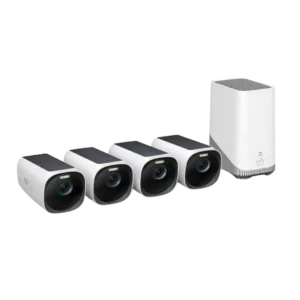
The pan-and-tilt control evidence is limited to one review, but that reviewer found the controls intuitive in the Eufy app.
Pros: Cloud storage plan value, Weather resistance rating (IP code)
Cons: Recording start-time lag, Pre-event recording length
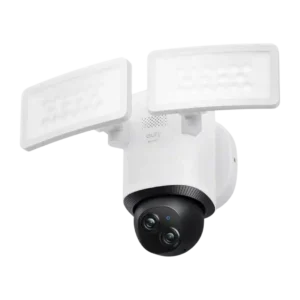
PTZ responsiveness and tracking were mostly smooth and effective, with one review noting occasional lag in manual controls.
Pros: Cloud storage plan value, Dual-band (2.4/5GHz) performance
Cons: HomeKit integration, ONVIF/RTSP support
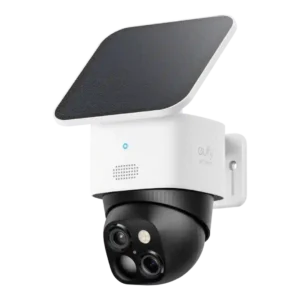
Pan, tilt, and tracking controls are mostly smooth and responsive, but a few reviewers want faster motors or more responsive manual control.
Pros: Cloud storage plan value, Power options (solar panel)
Cons: HomeKit integration, IFTTT/automation compatibility
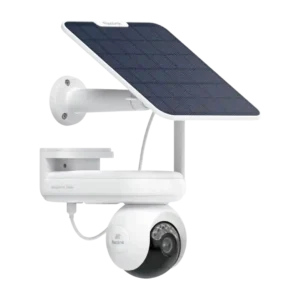
PTZ control was polarizing: several reviewers found motion smooth and easy, but others saw lag or wanted faster response.
Pros: Recording start-time lag, Smart home accessory compatibility
Cons: Optical zoom performance, HomeKit integration
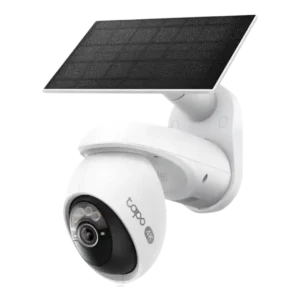
Tracking could be responsive and accurate, but manual pan/tilt control was patchy for some reviewers and a clear con for another.
Pros: On-device processing (AI), Installation and Mounting
Cons: ONVIF/RTSP support, HomeKit integration
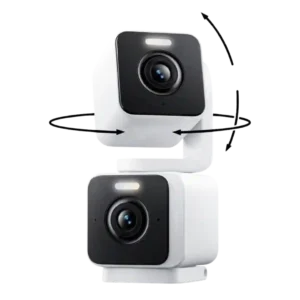
PTZ control was mixed: reviewers praised smooth tracking and movement, but also reported waypoint drift and slight delay.
Pros: Installation and Mounting, Articulation range
Cons: ONVIF/RTSP support, Connectivity options
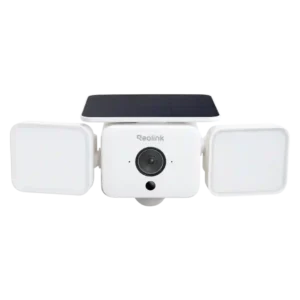
The fixed camera has no pan or tilt function, so buyers needing active coverage control should choose a PTZ model.
Pros: Field of view, Customizable motion zones
Cons: Continuous recording capability, ONVIF/RTSP support
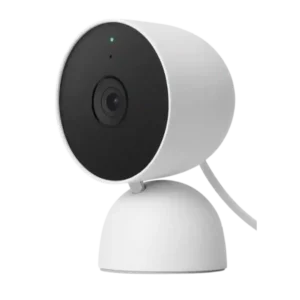
Remote pan/tilt movement is absent, and reviewers wanting room scanning or more accurate aiming marked this as a limitation.
Pros: Low-light performance, Notification speed
Cons: Recording start-time lag, PTZ (pan/tilt/zoom) control responsiveness
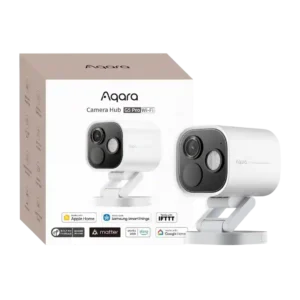
PTZ control was a weakness because one reviewer emphasized that the fixed-view camera does not pan or tilt.
Pros: Durability, Low-light performance
Cons: Power options (solar panel), PTZ (pan/tilt/zoom) control responsiveness
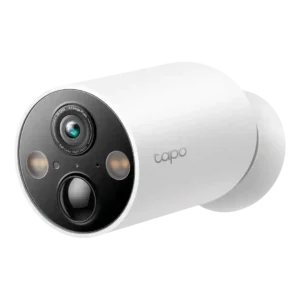
One reviewer treated the lack of pan, tilt, and tracking as a drawback versus more advanced cameras.
Pros: Power options (solar panel), On-device features
Cons: PTZ (pan/tilt/zoom) control responsiveness, Continuous recording capability