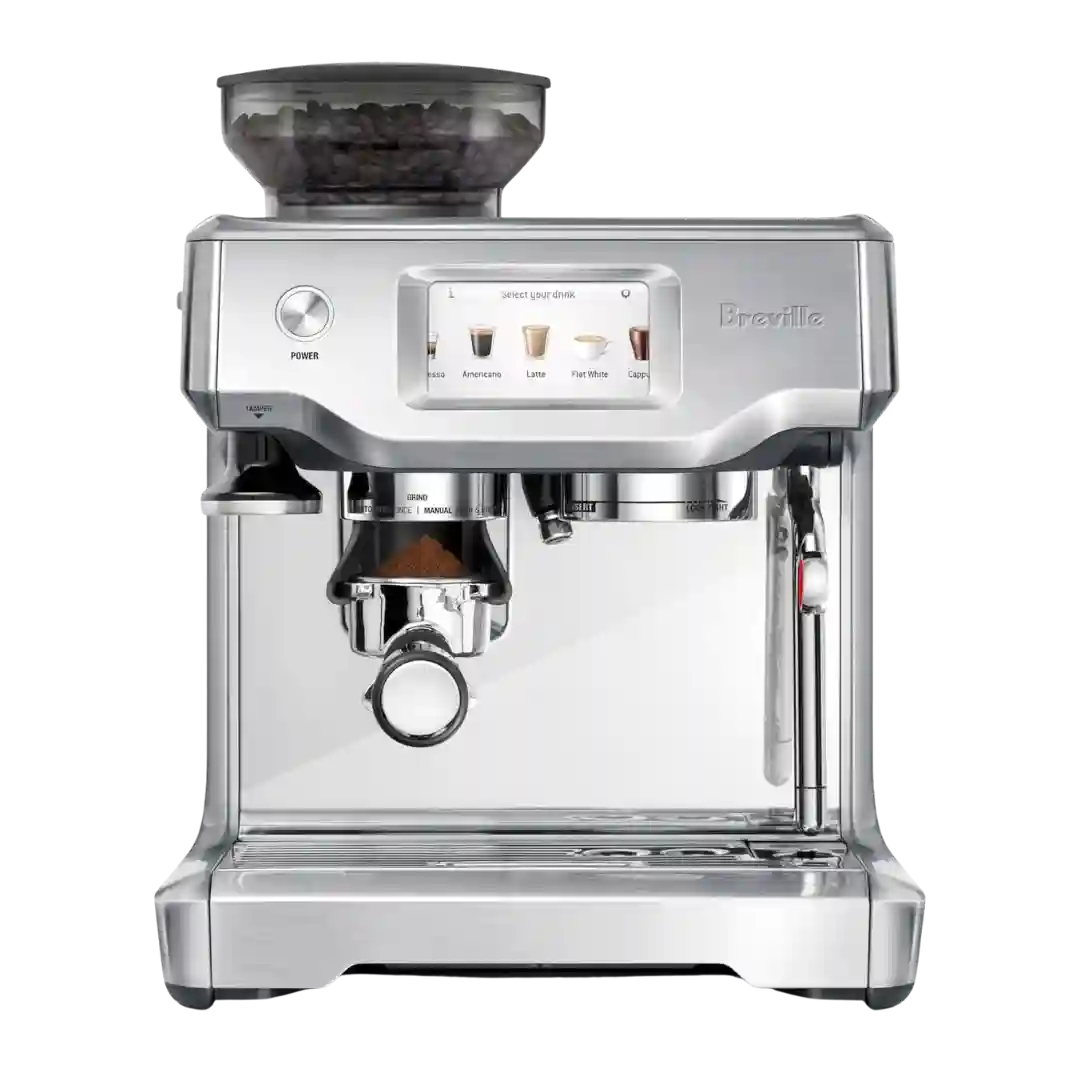
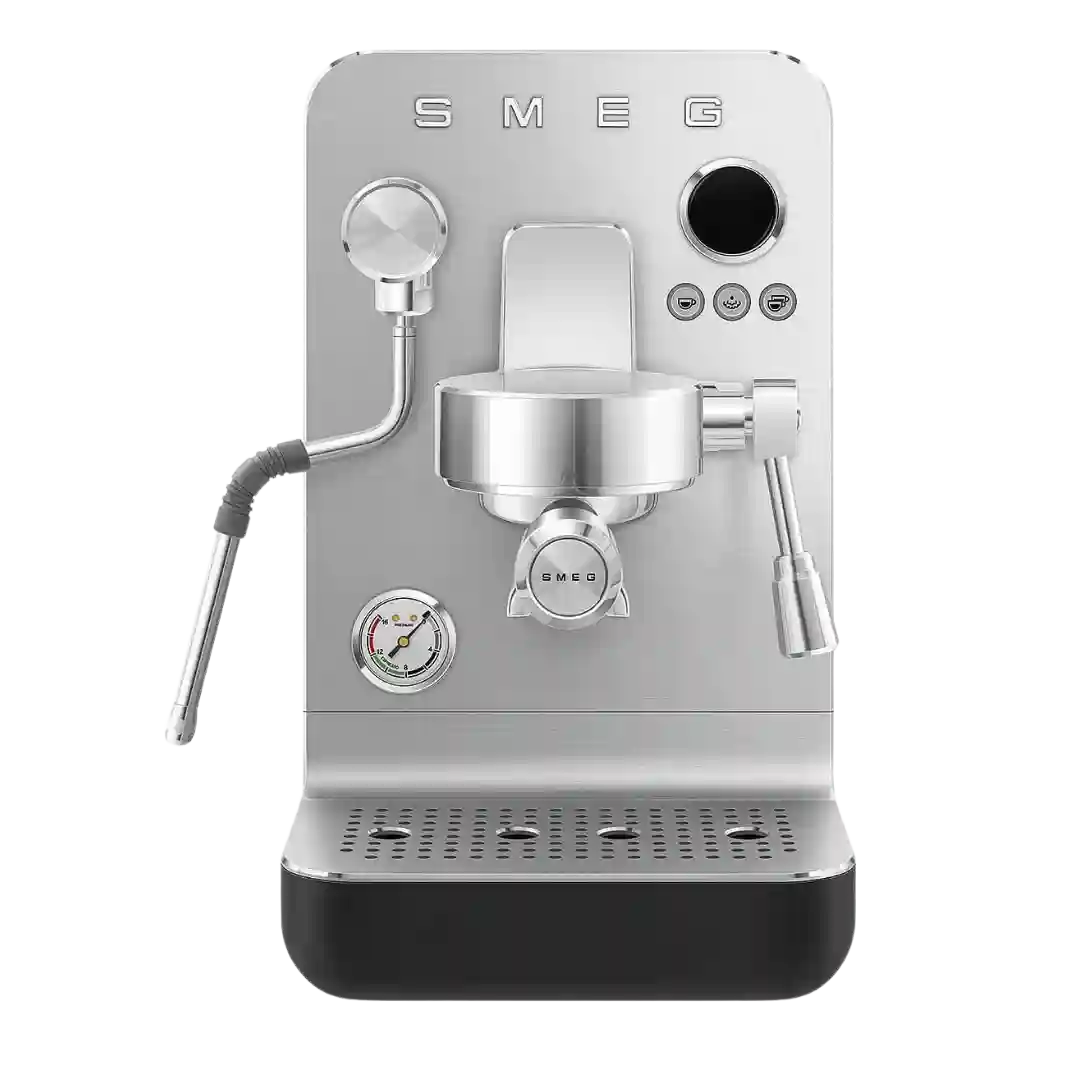
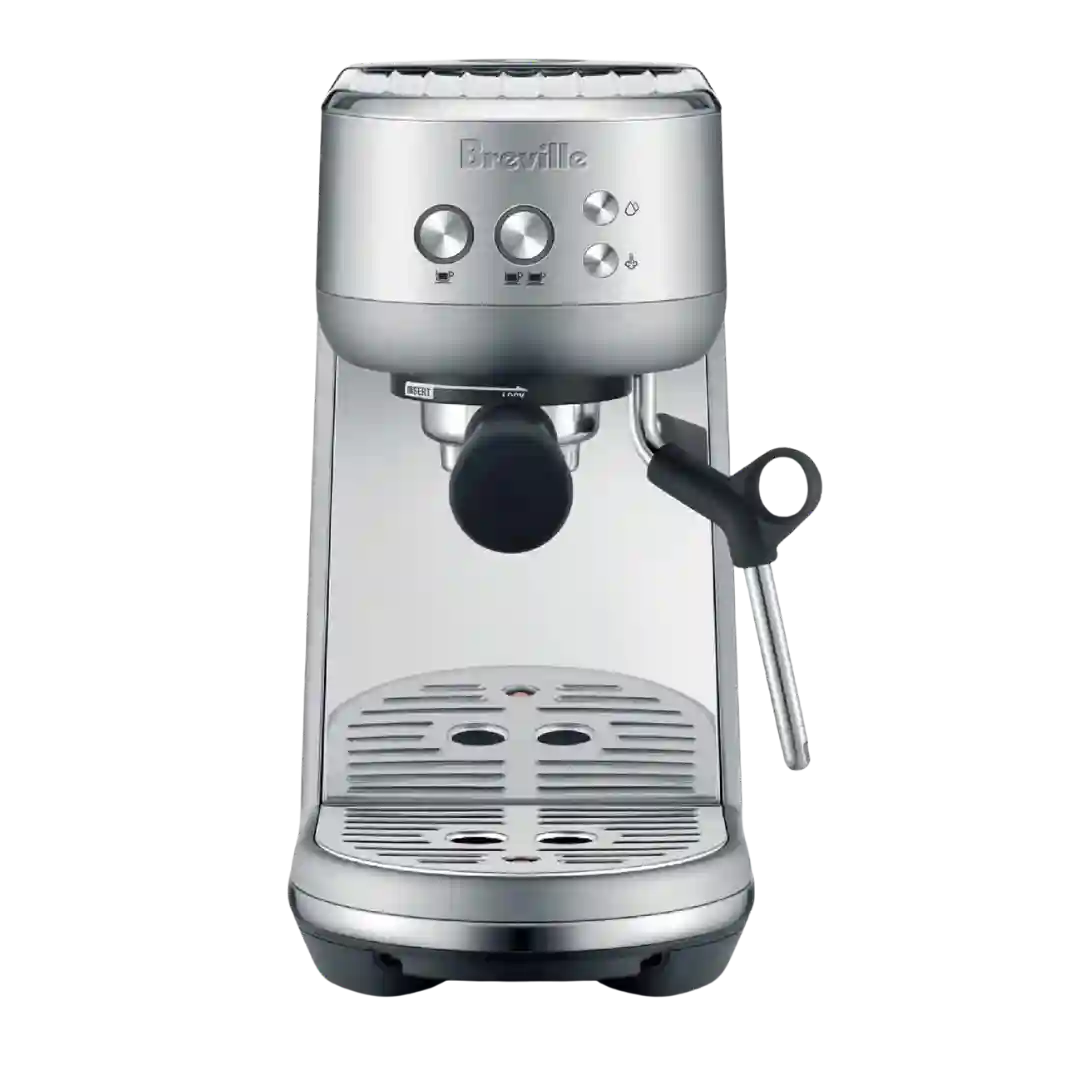
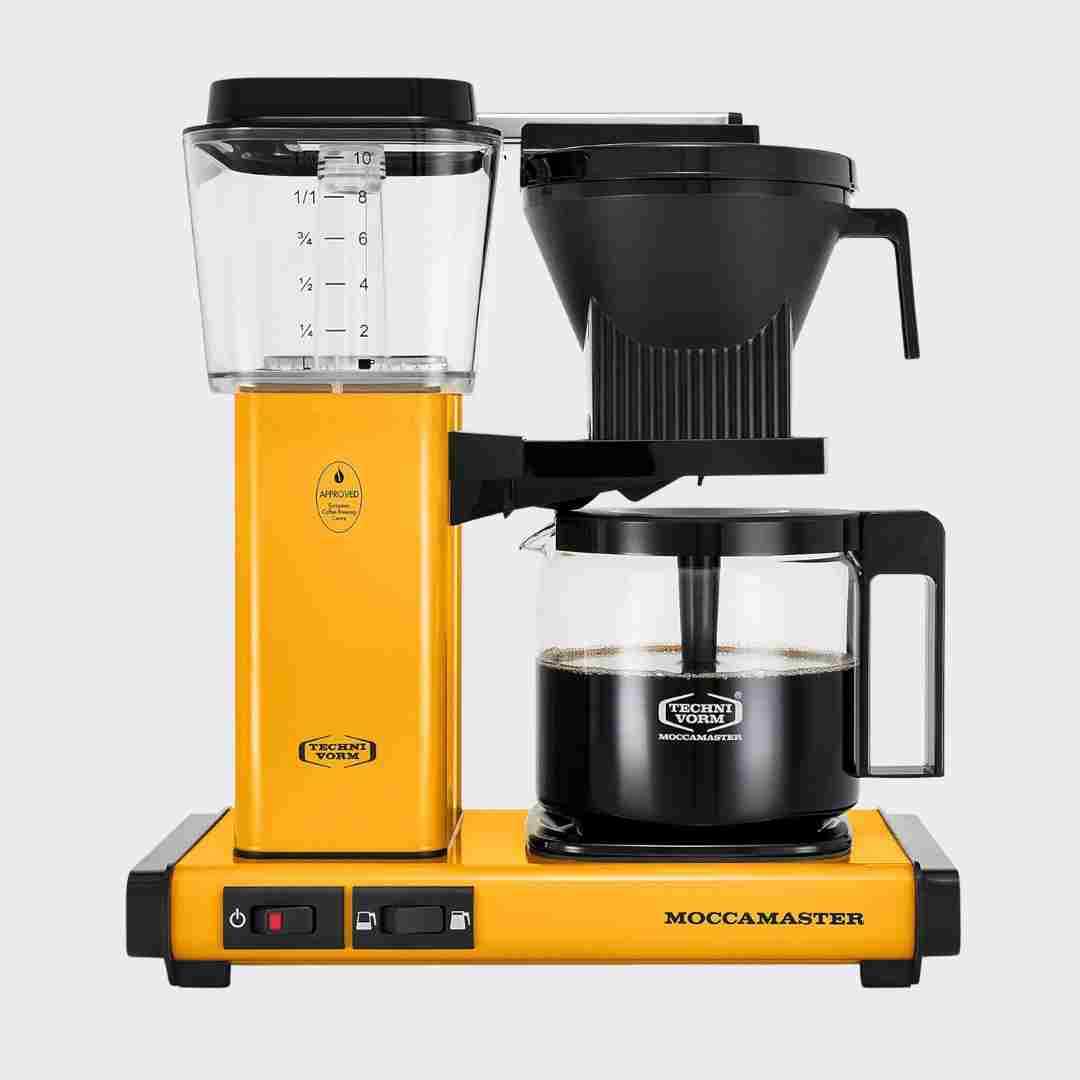
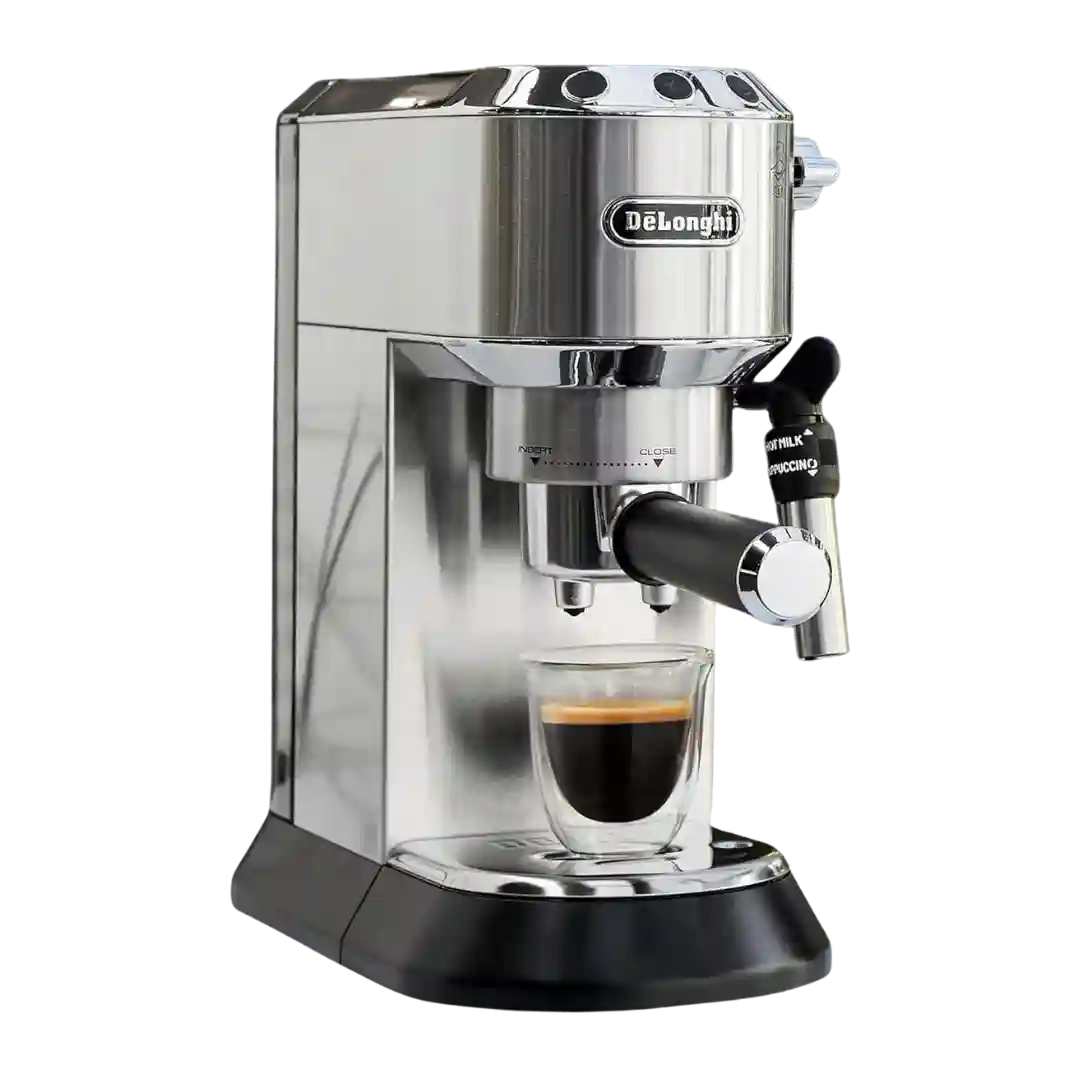
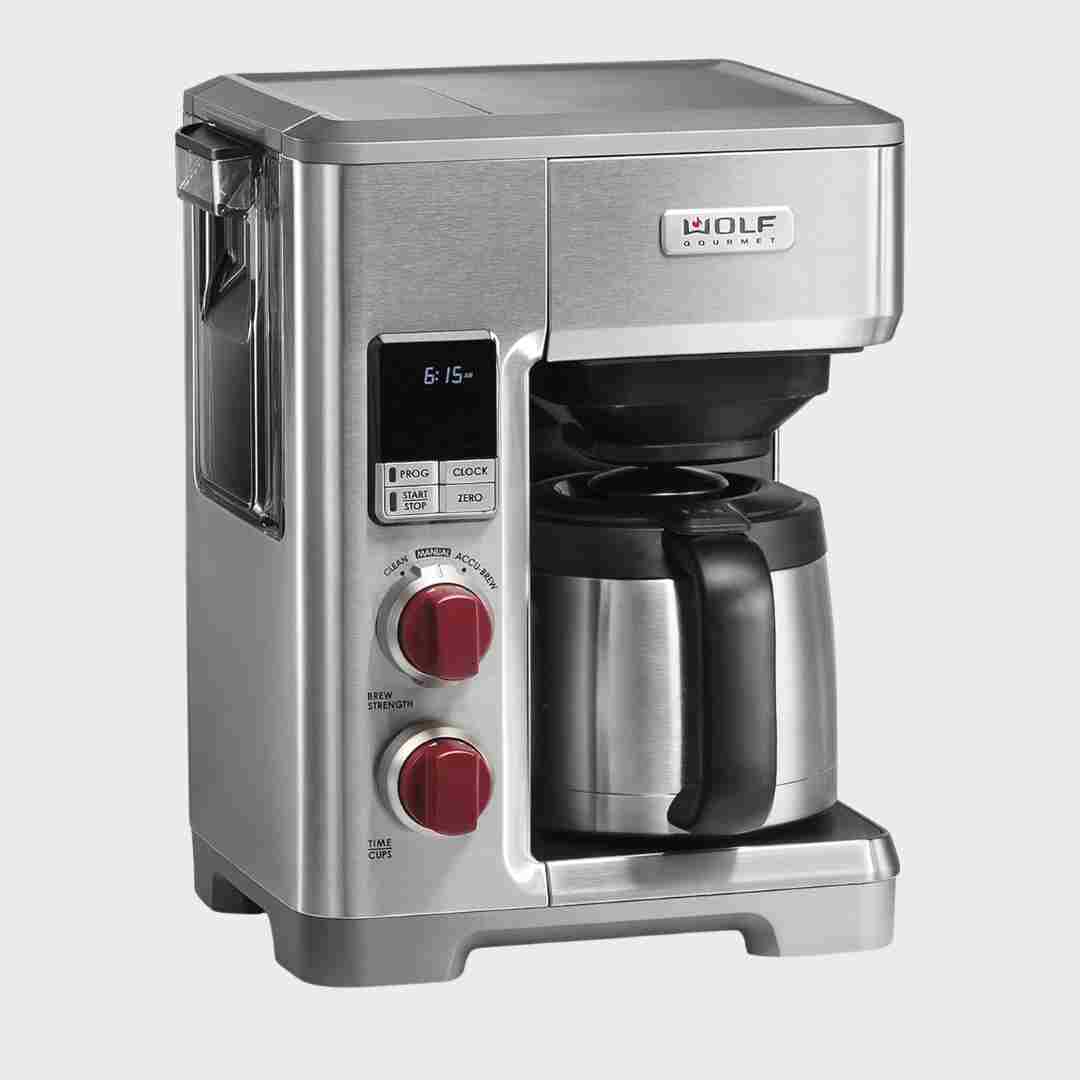
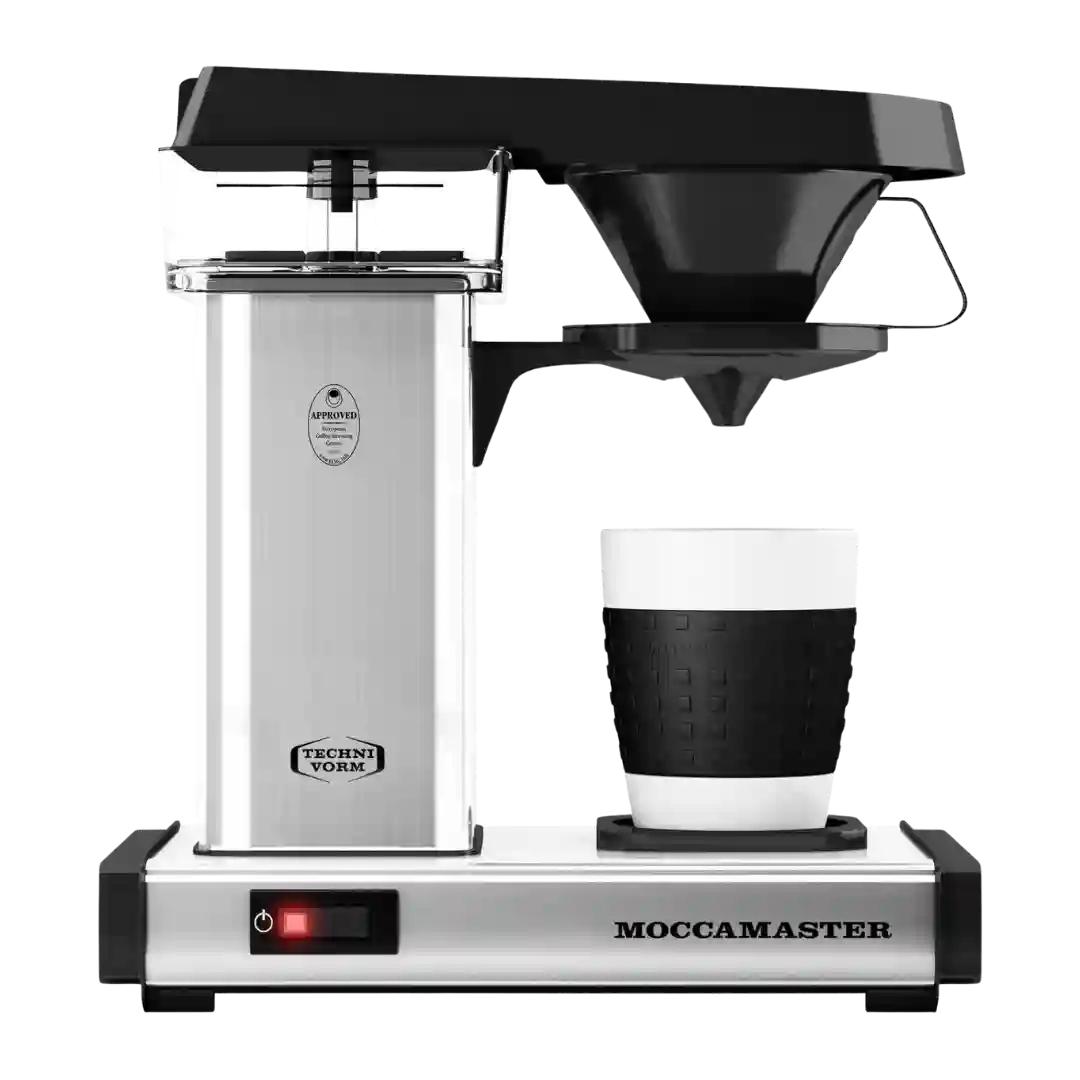
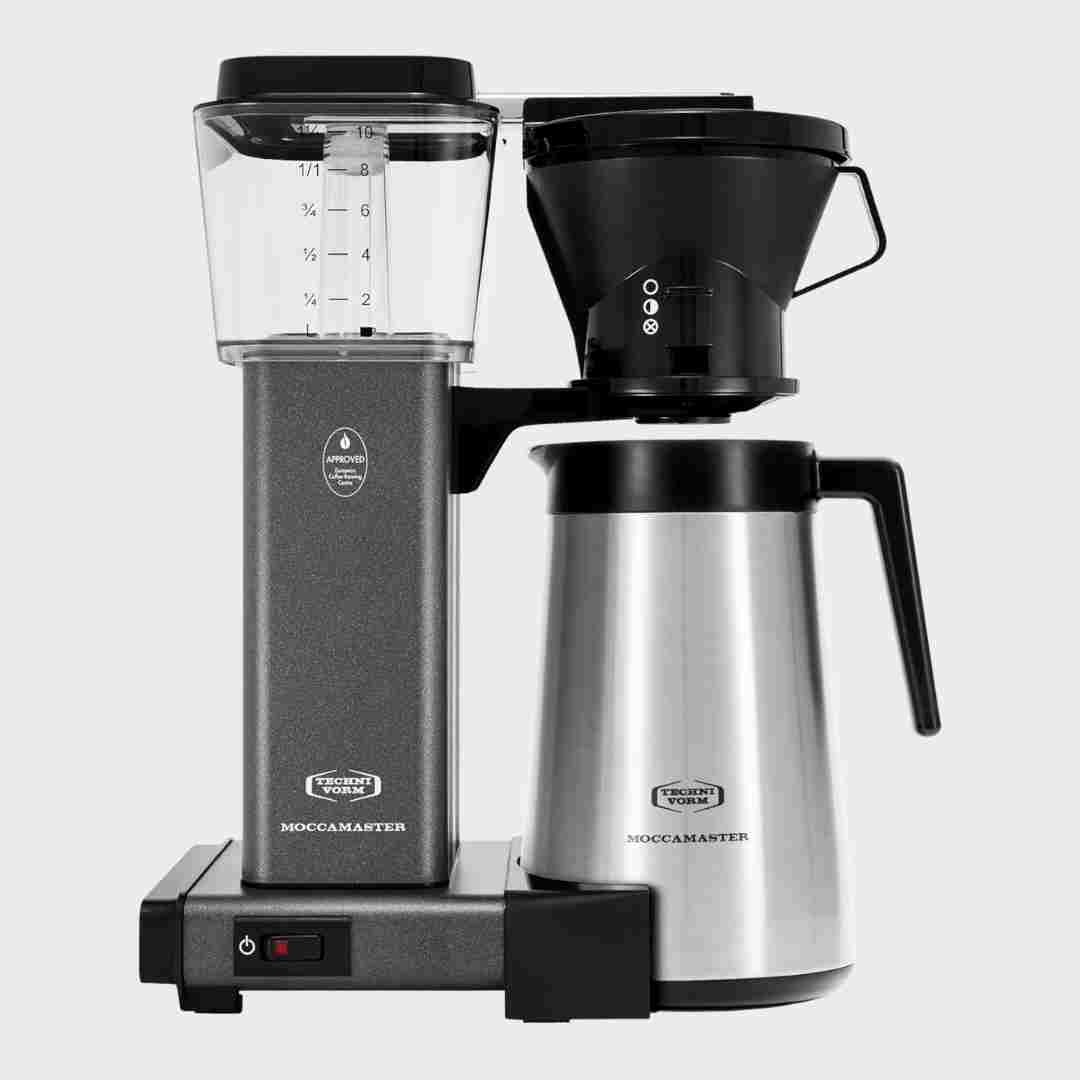
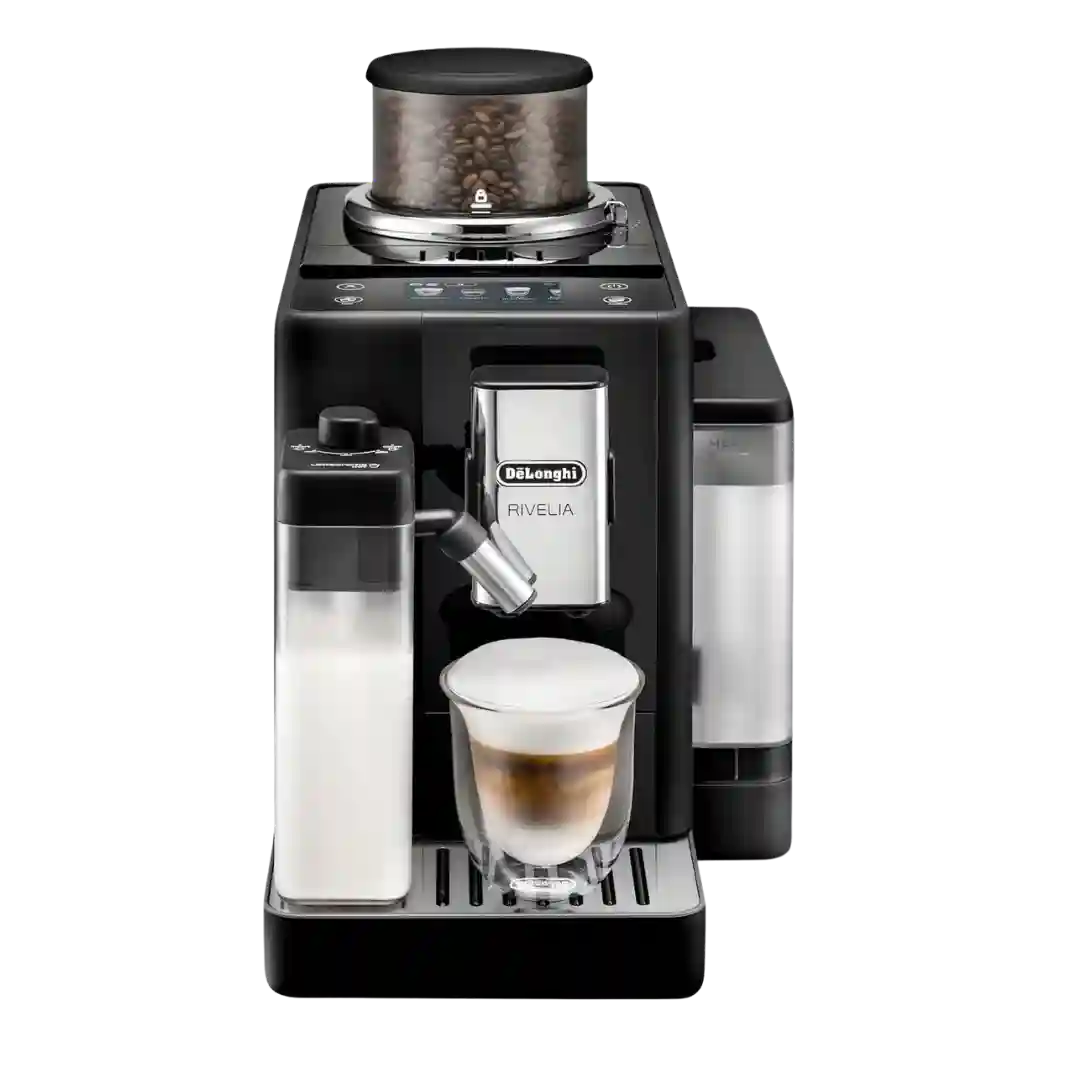
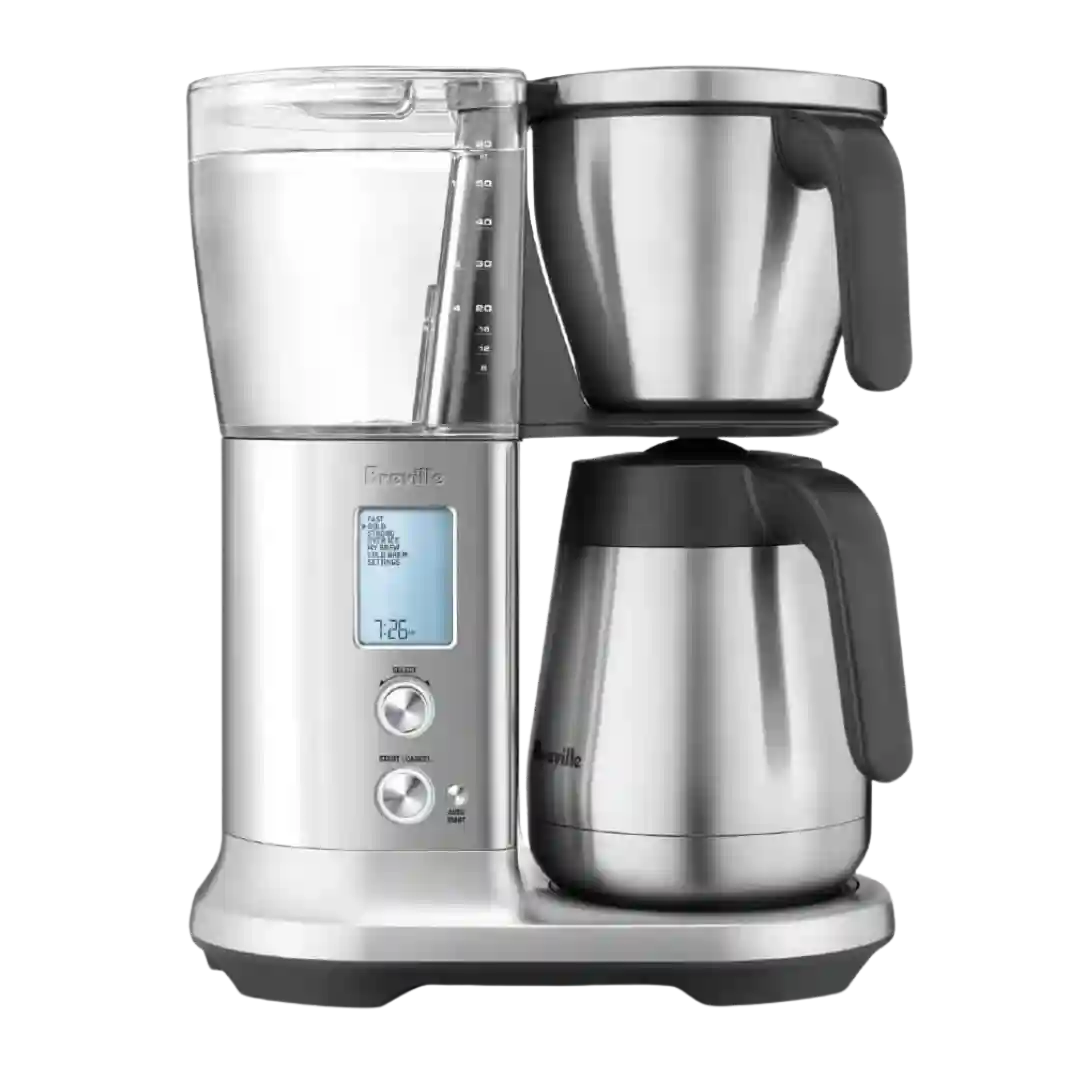
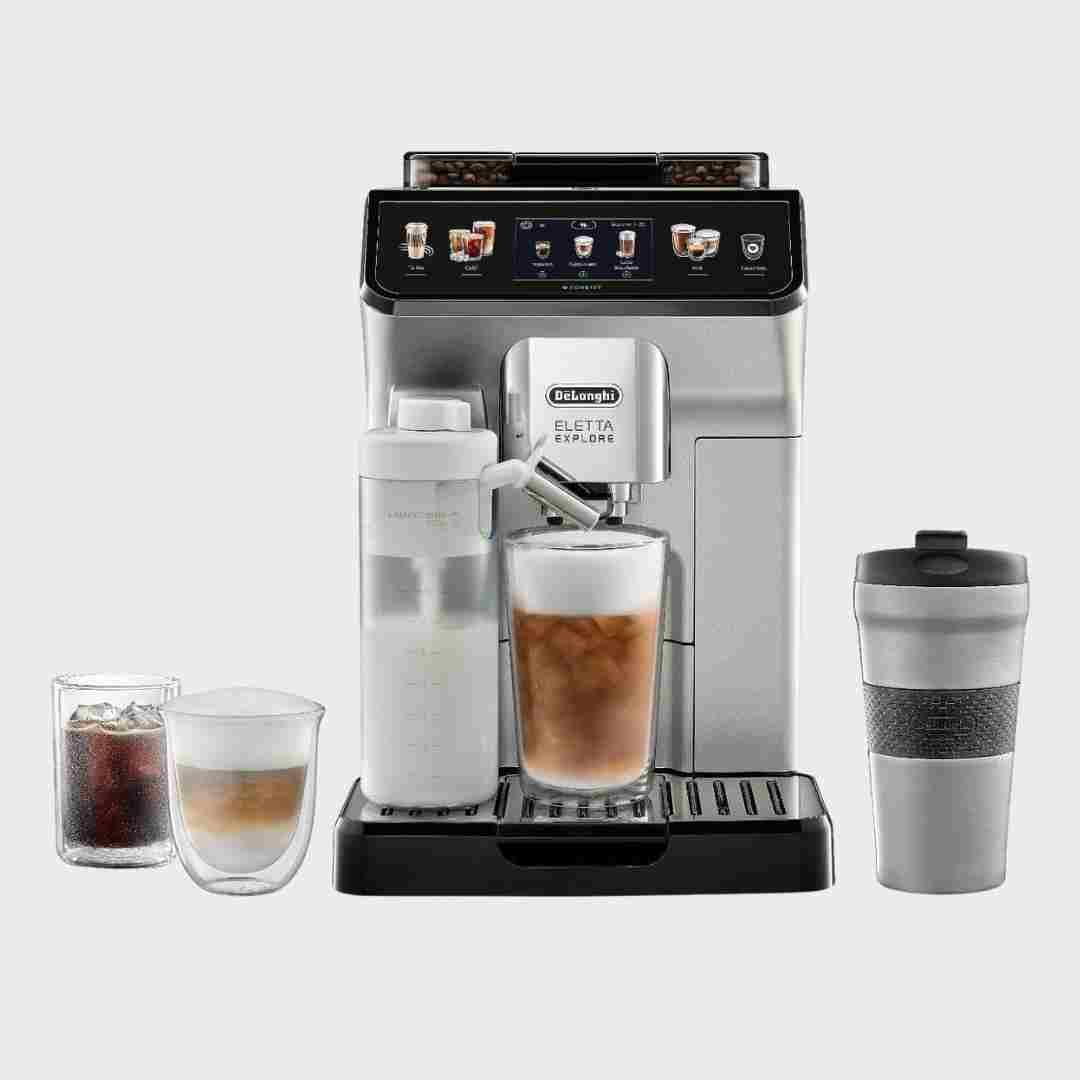
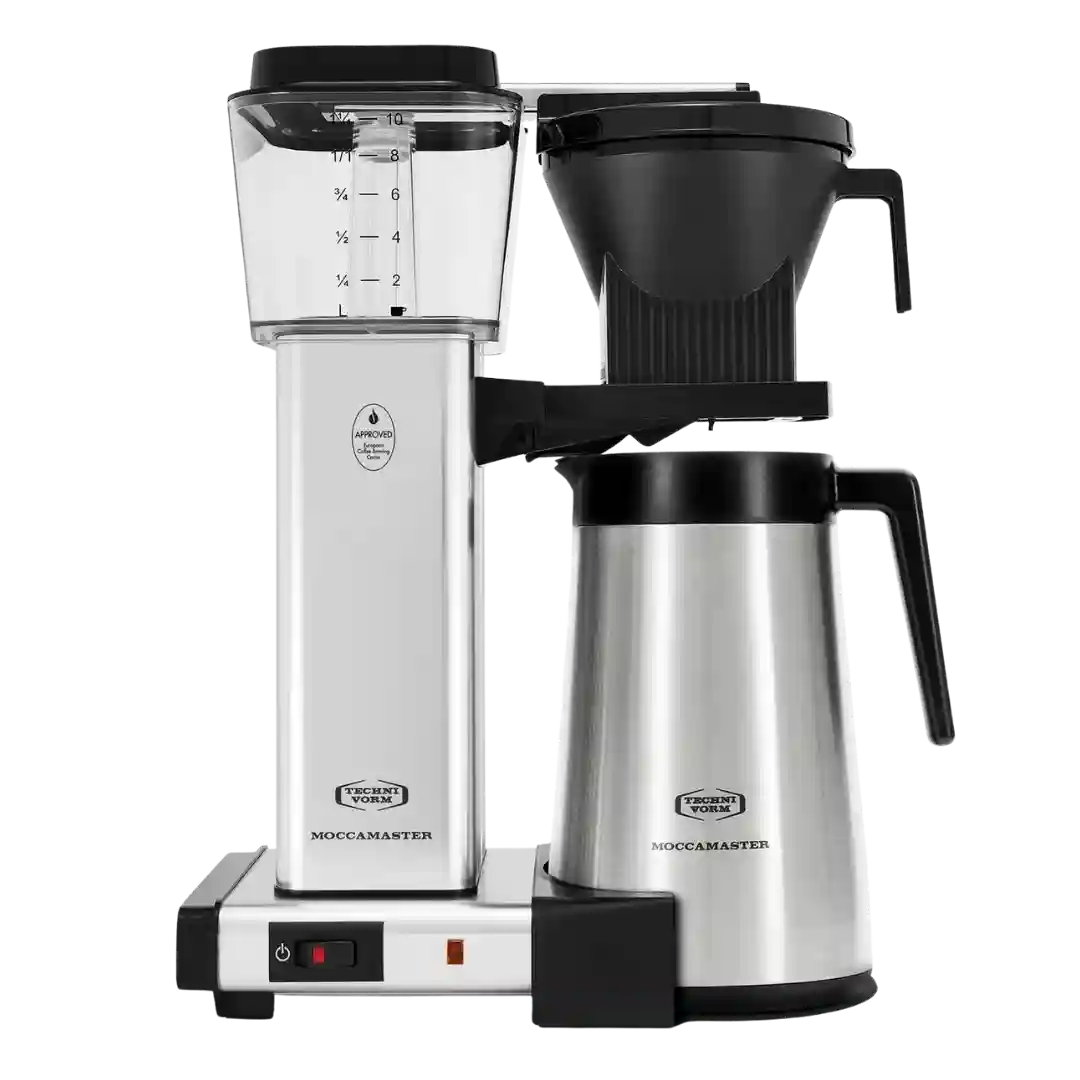
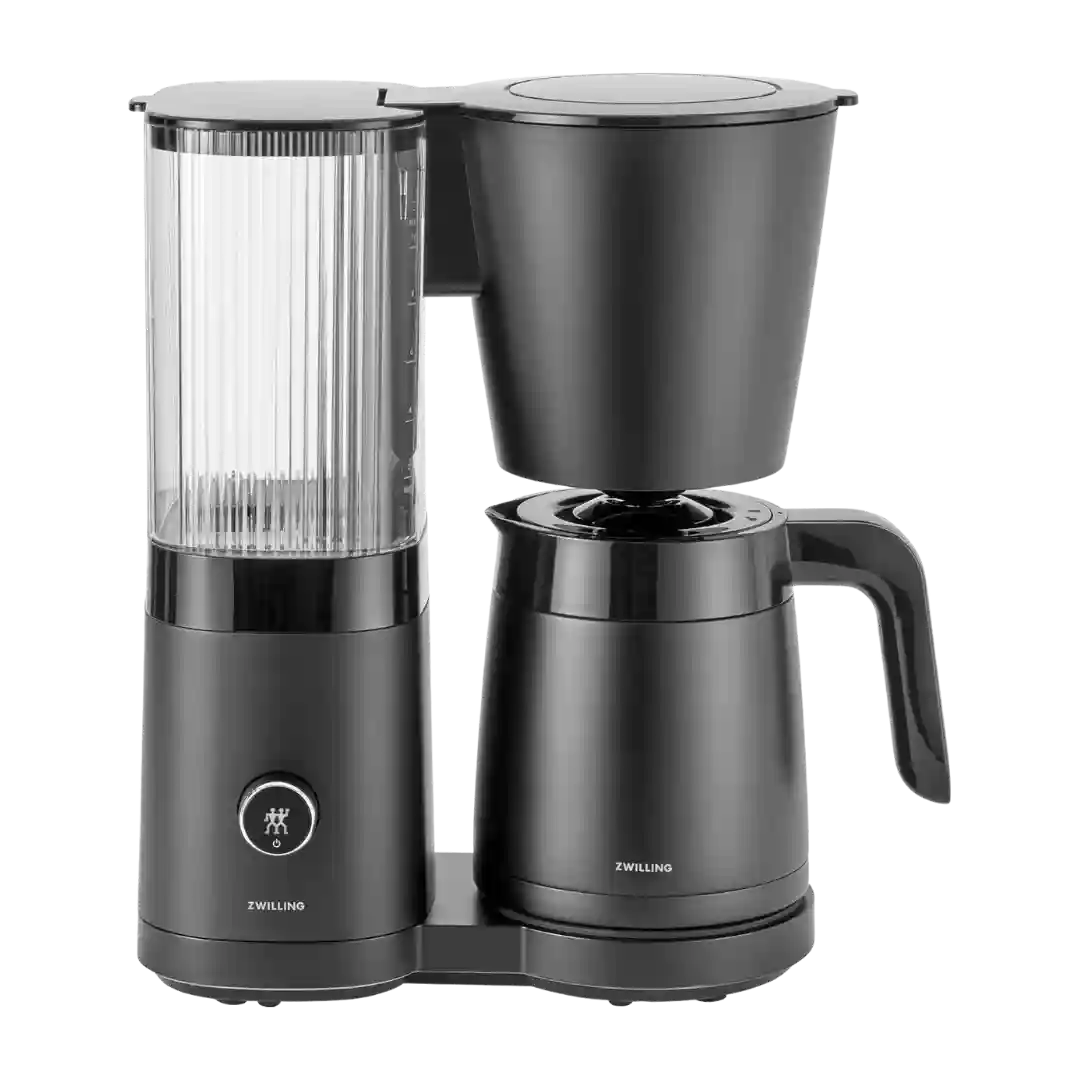
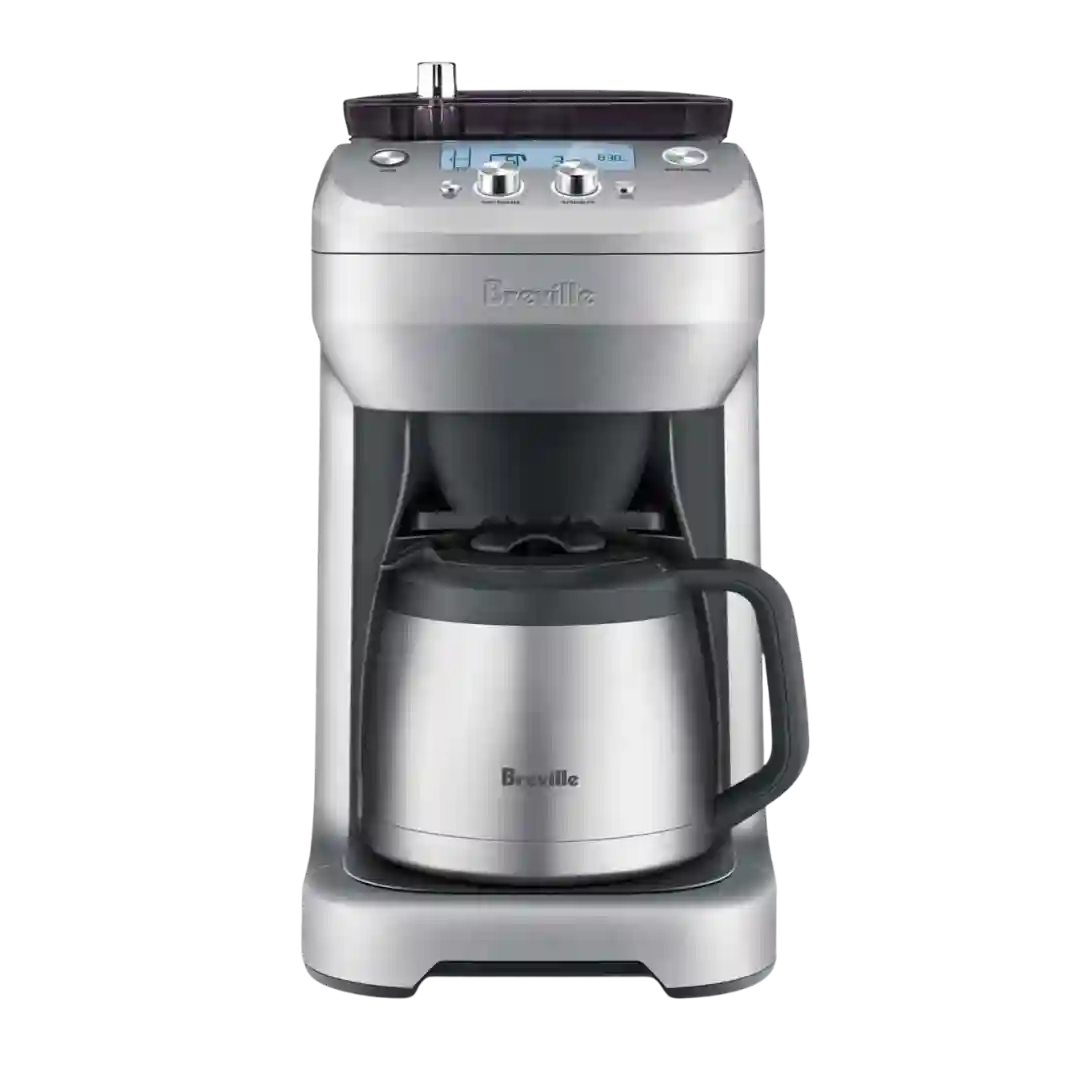
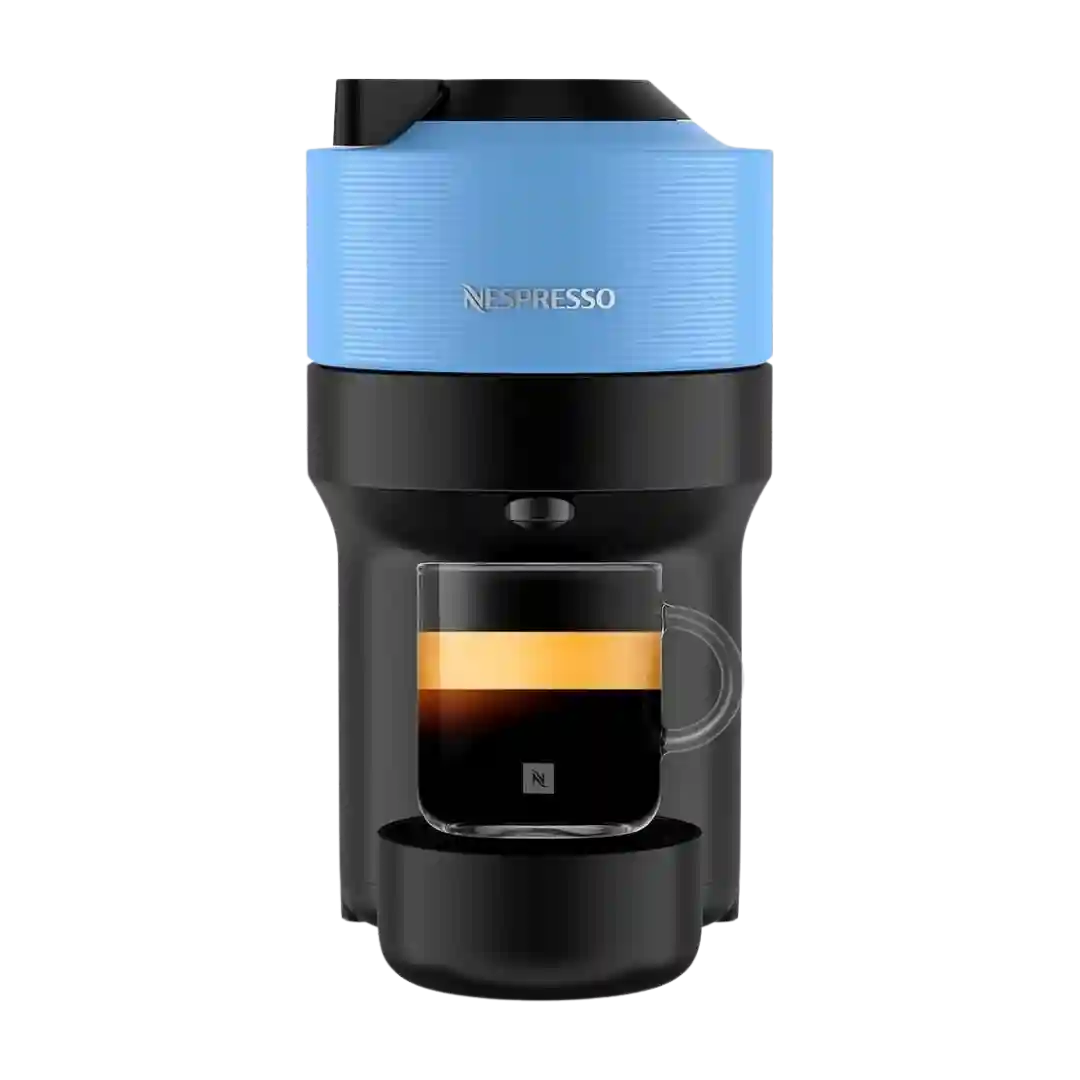
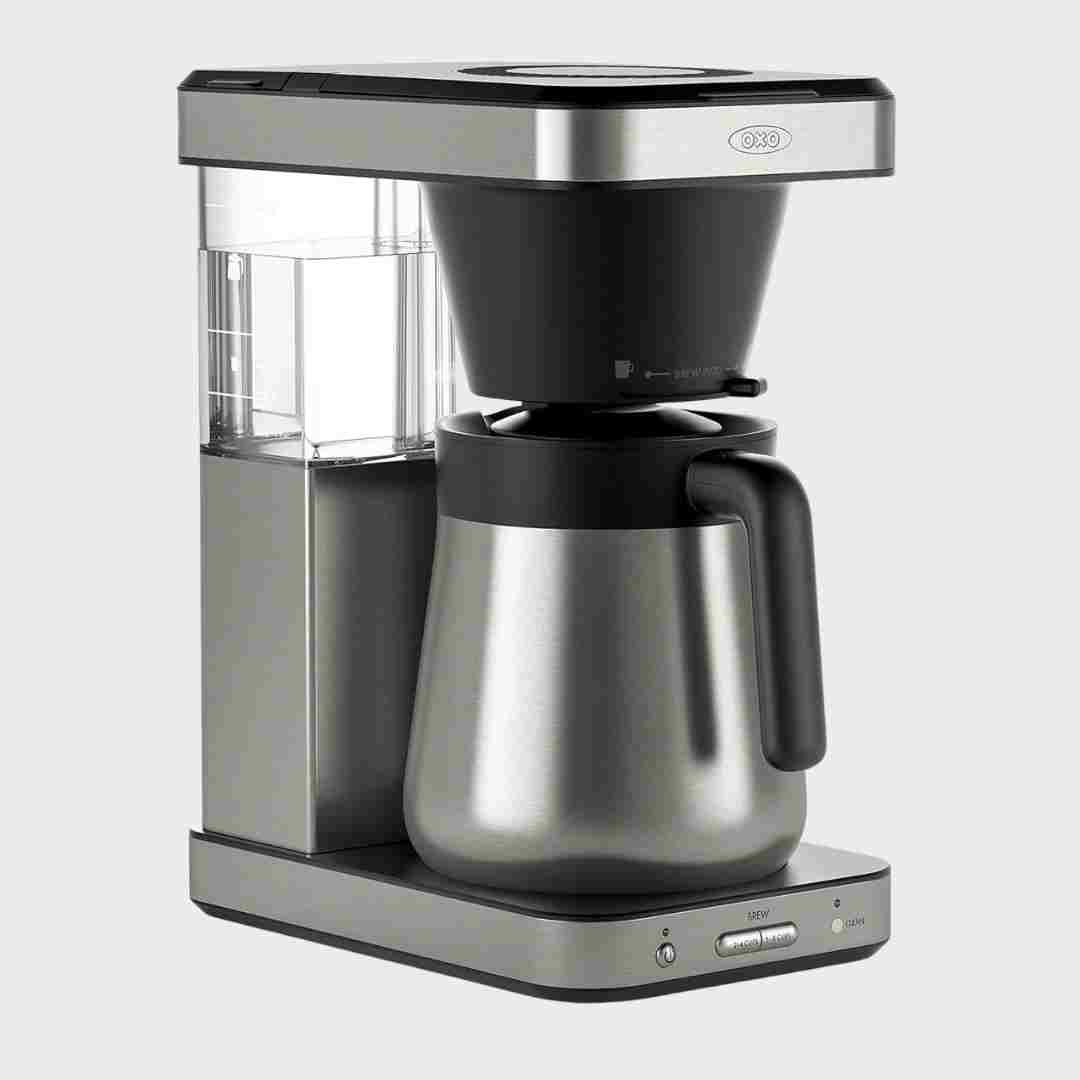
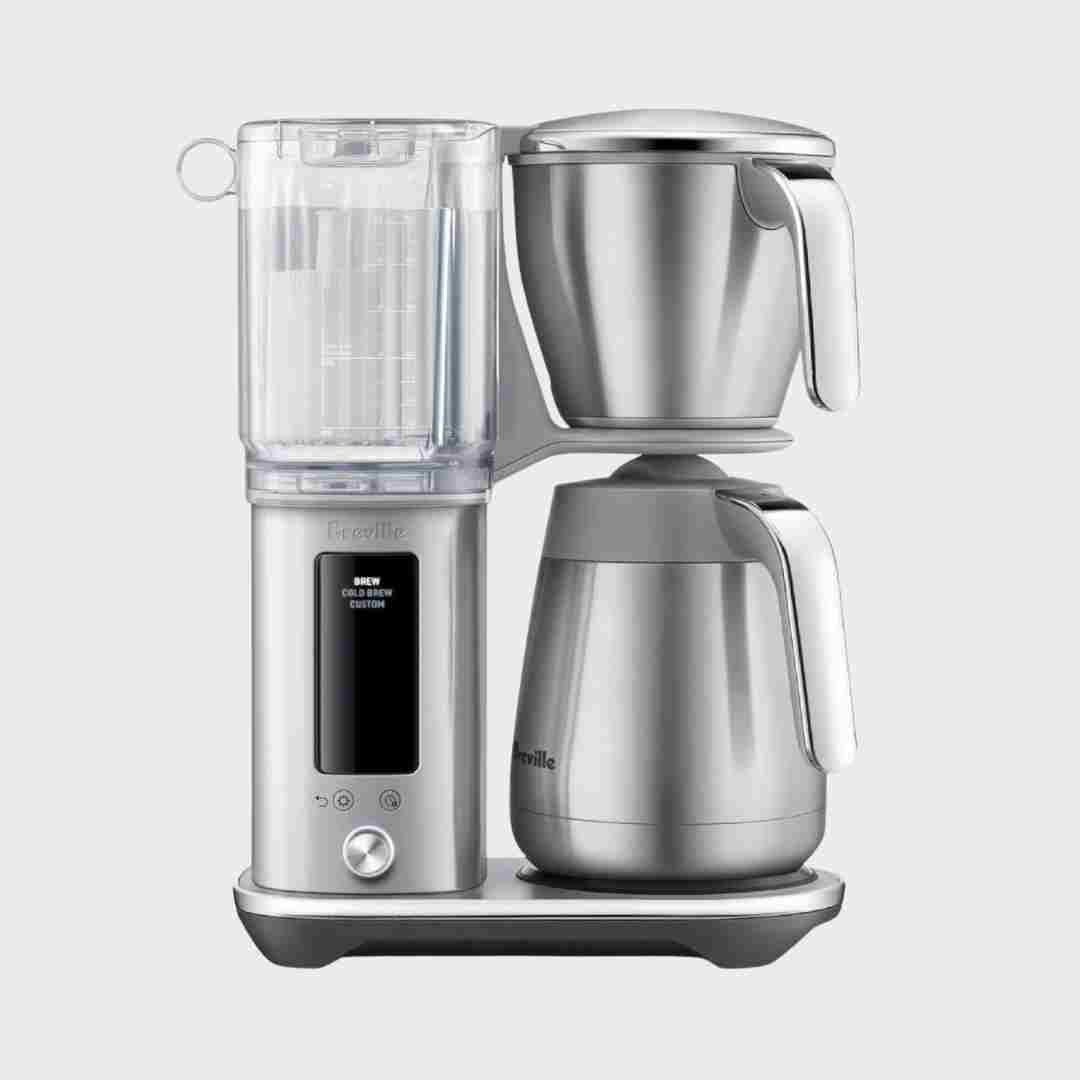
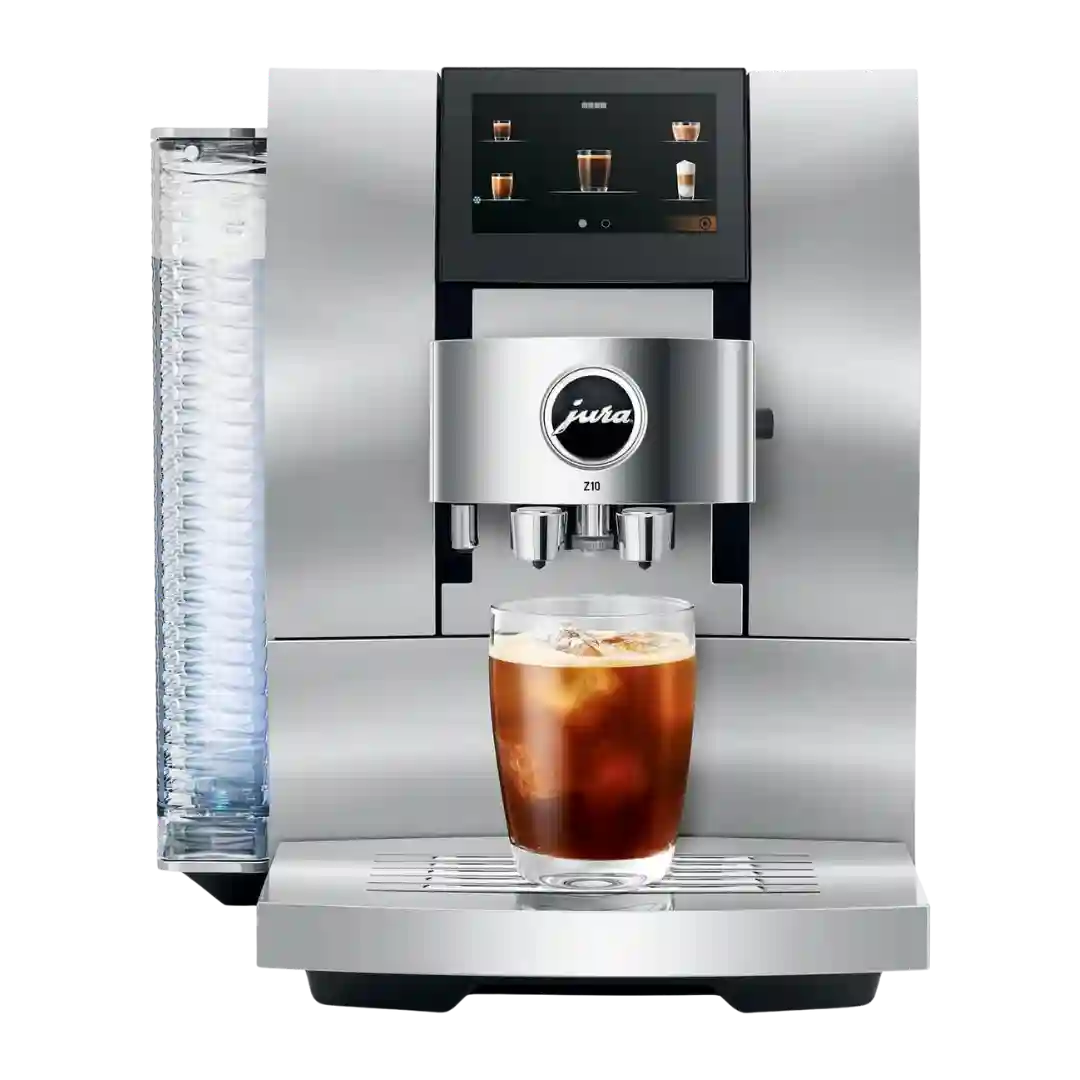
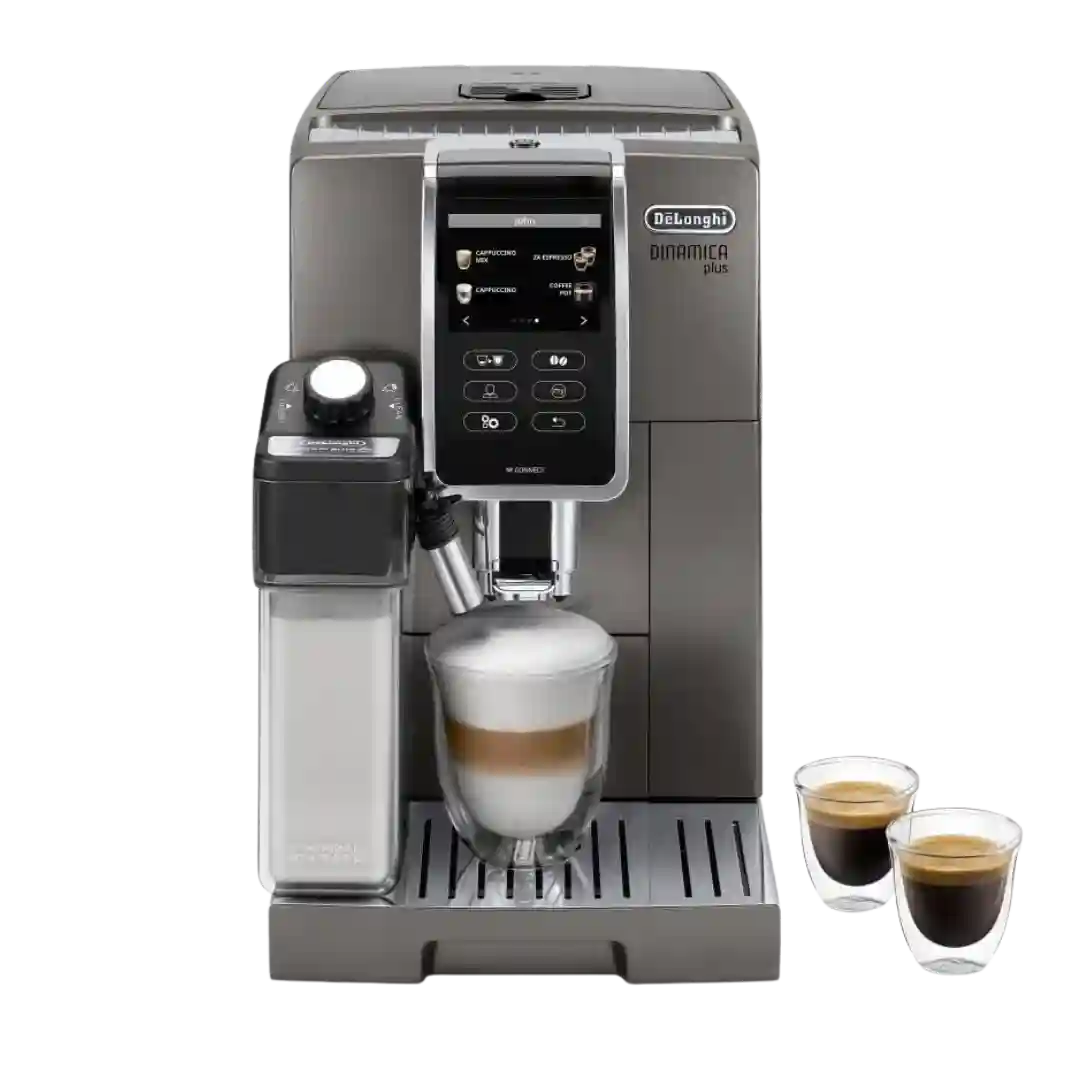
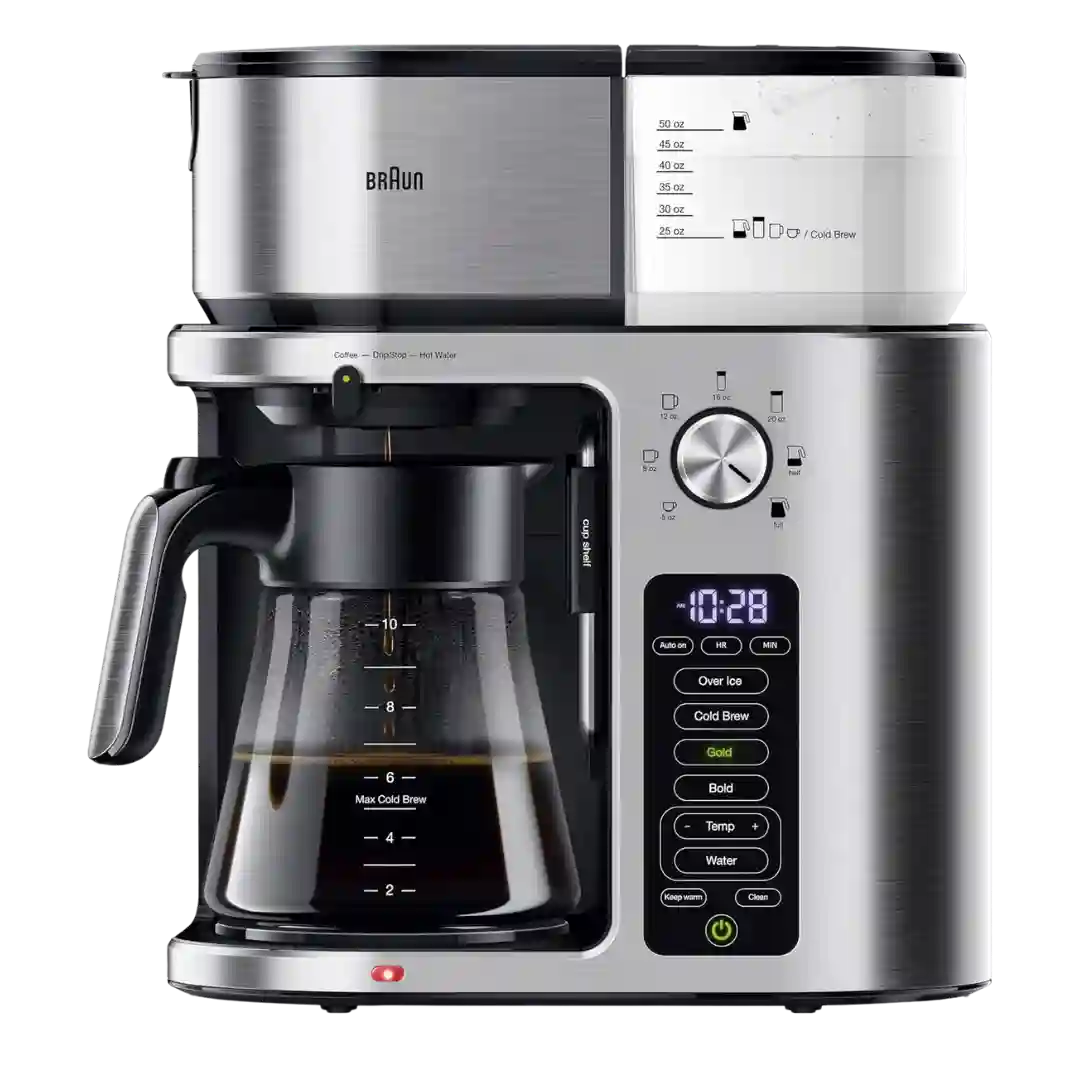
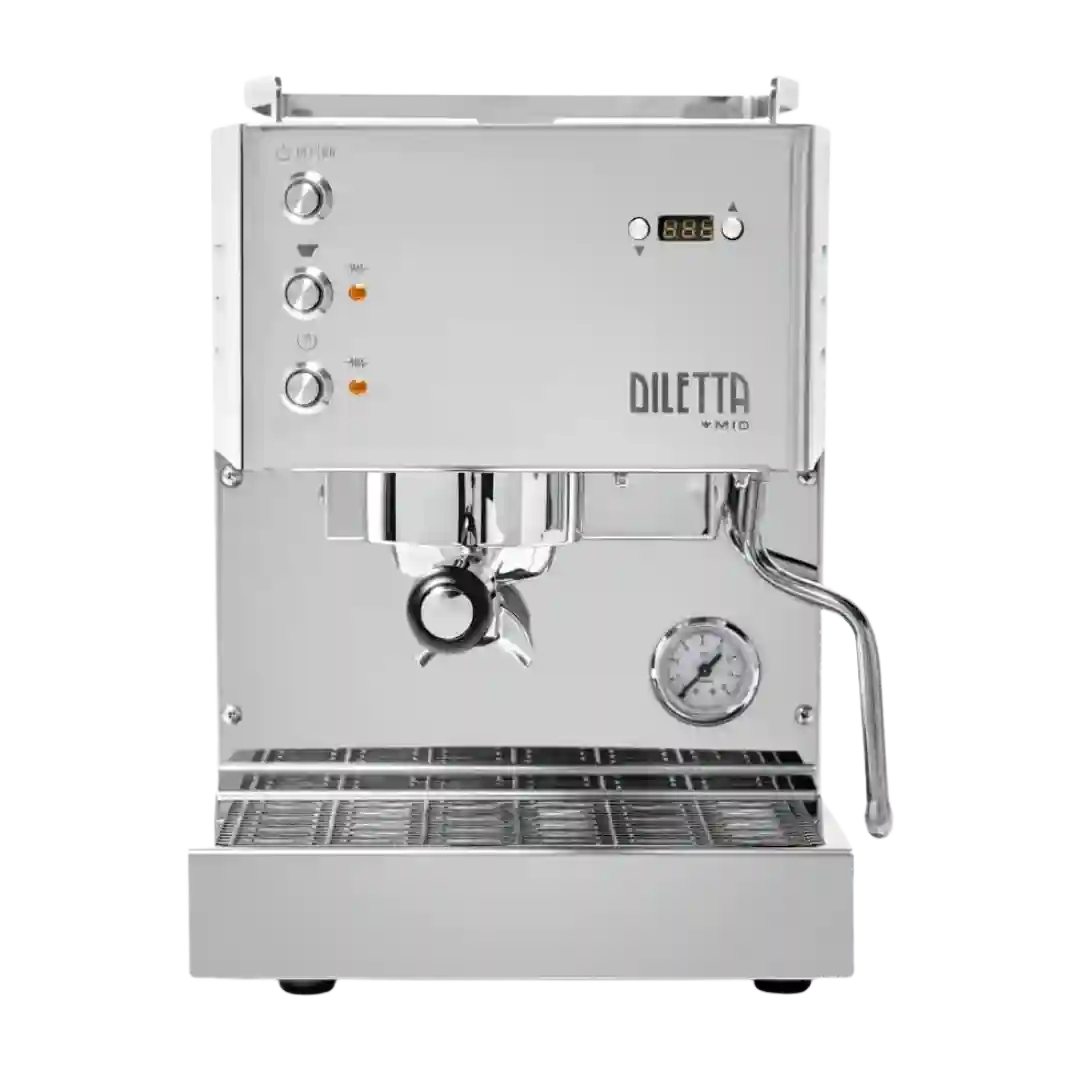
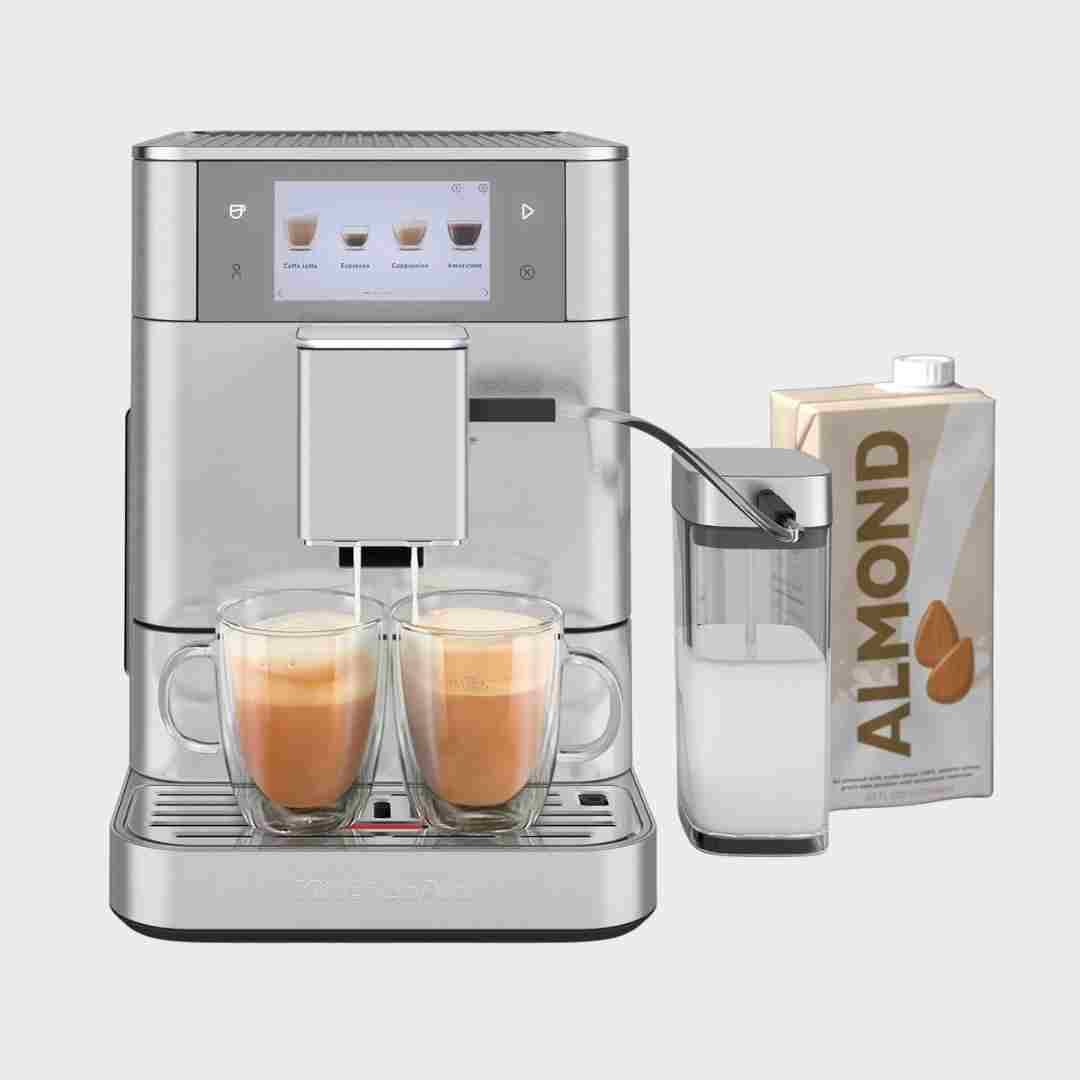
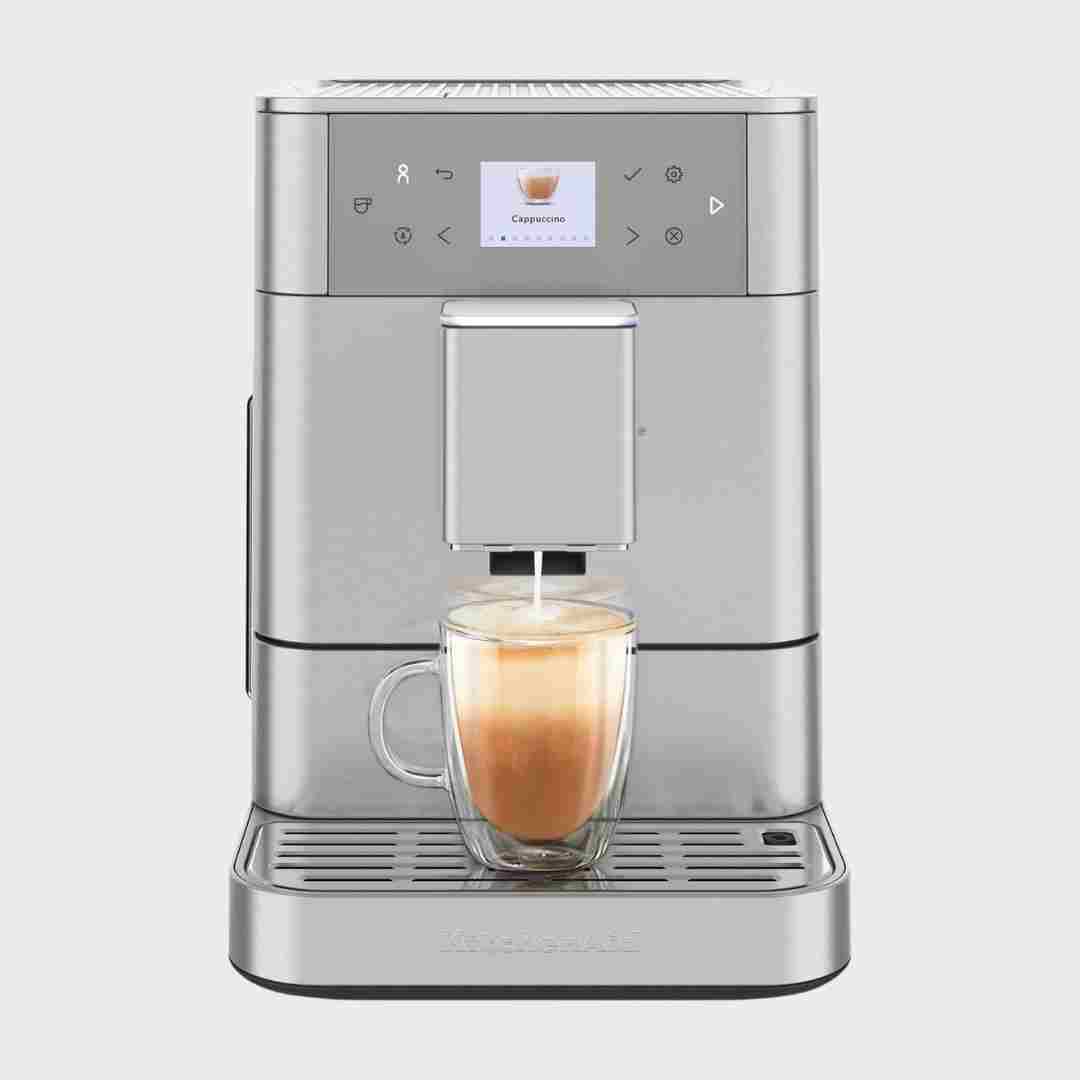
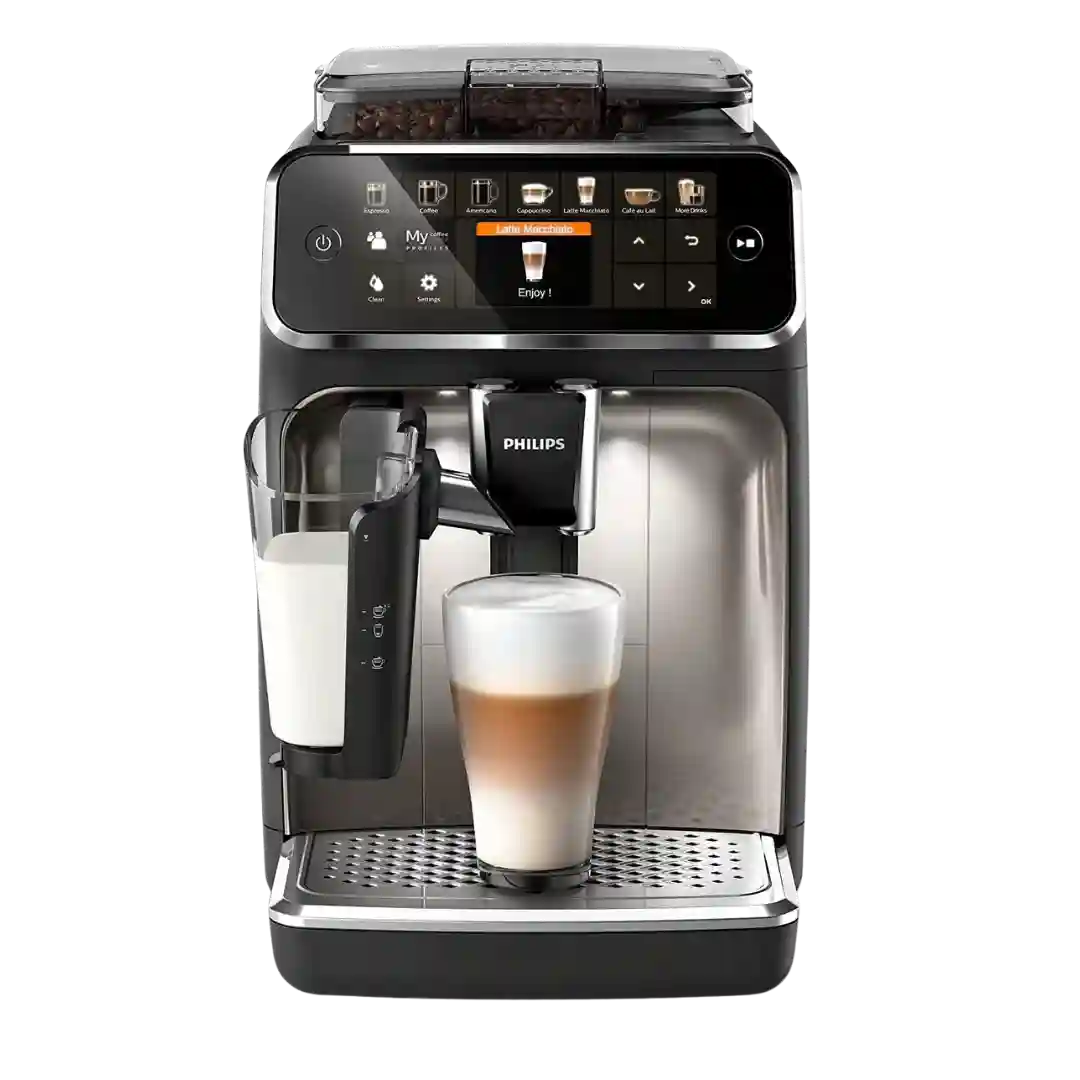
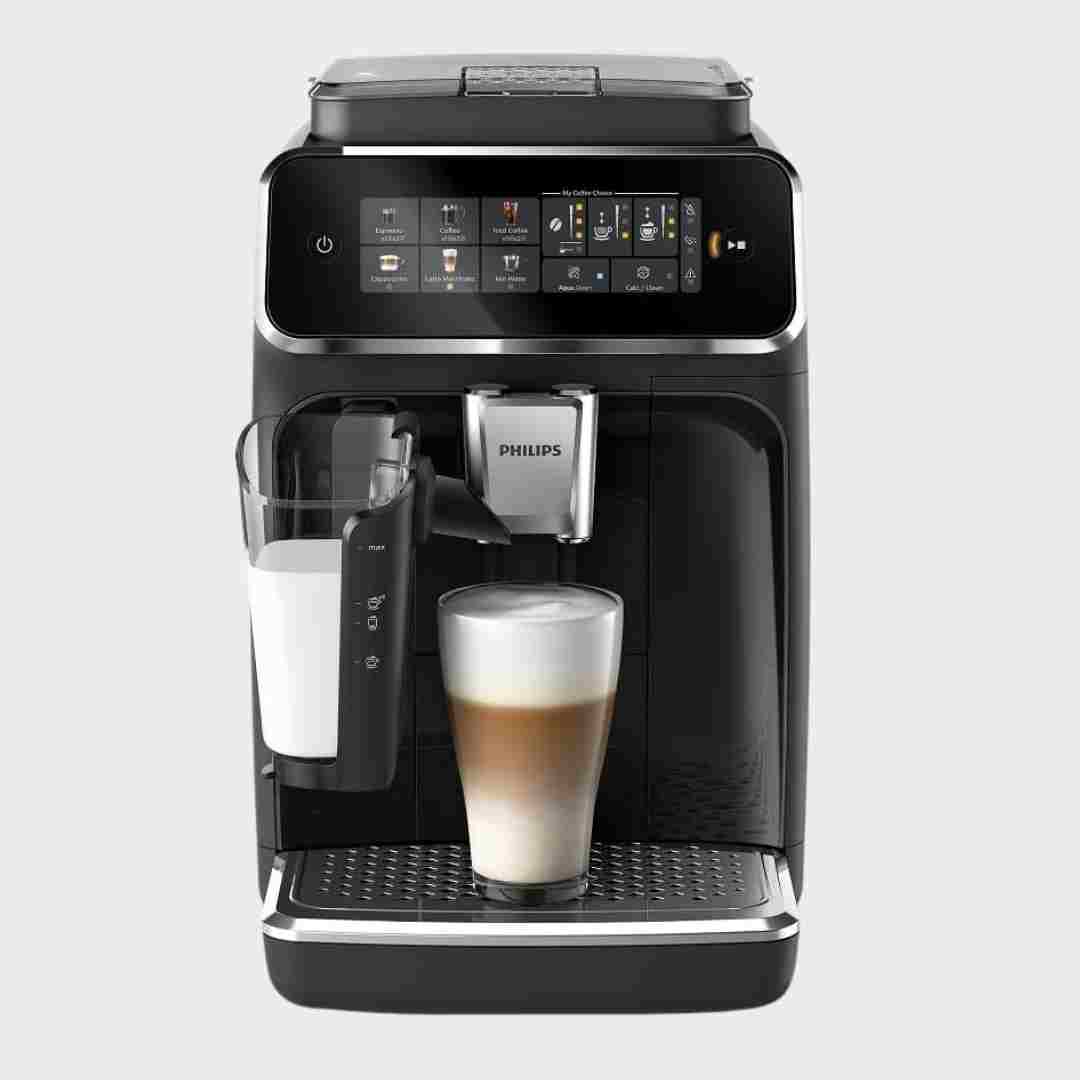
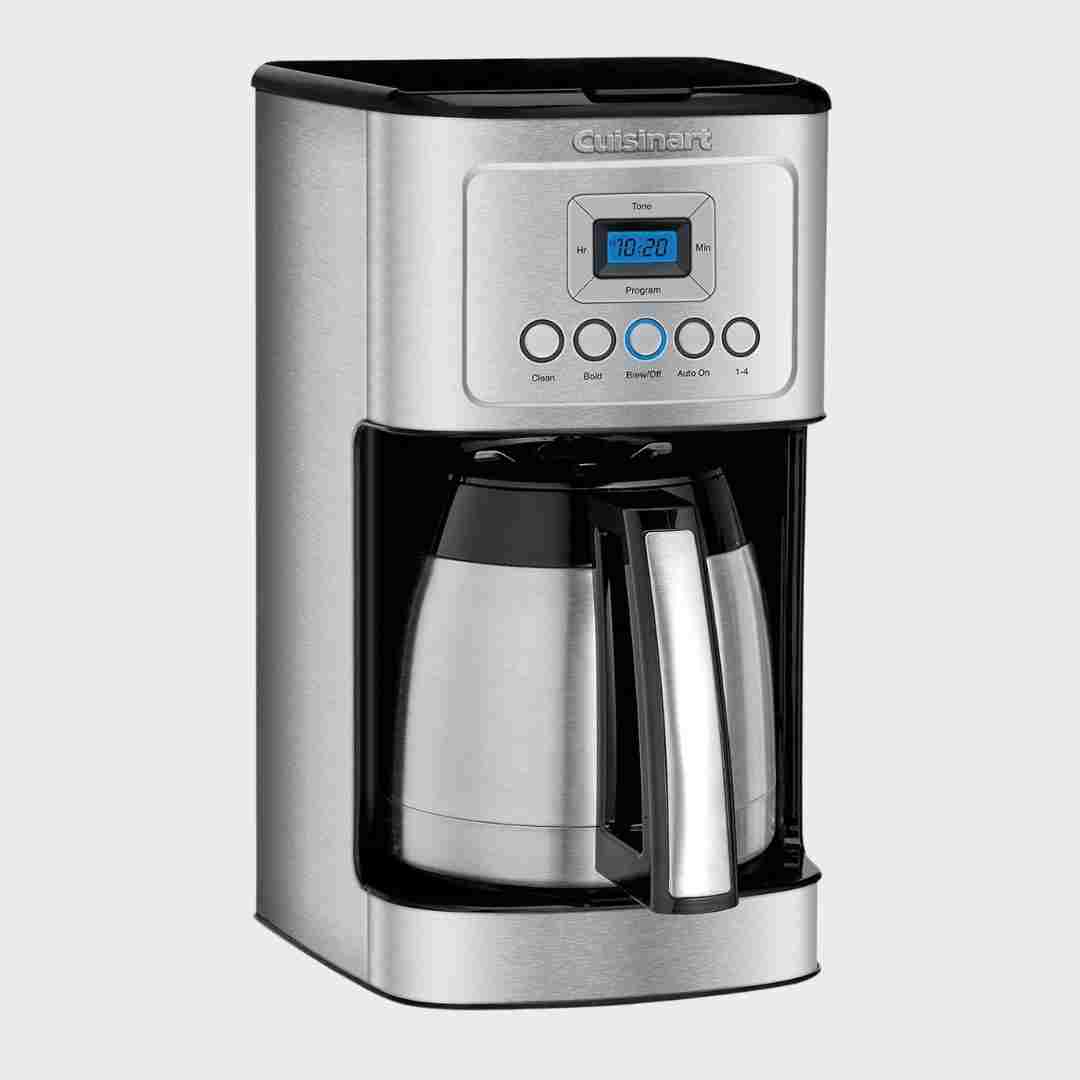
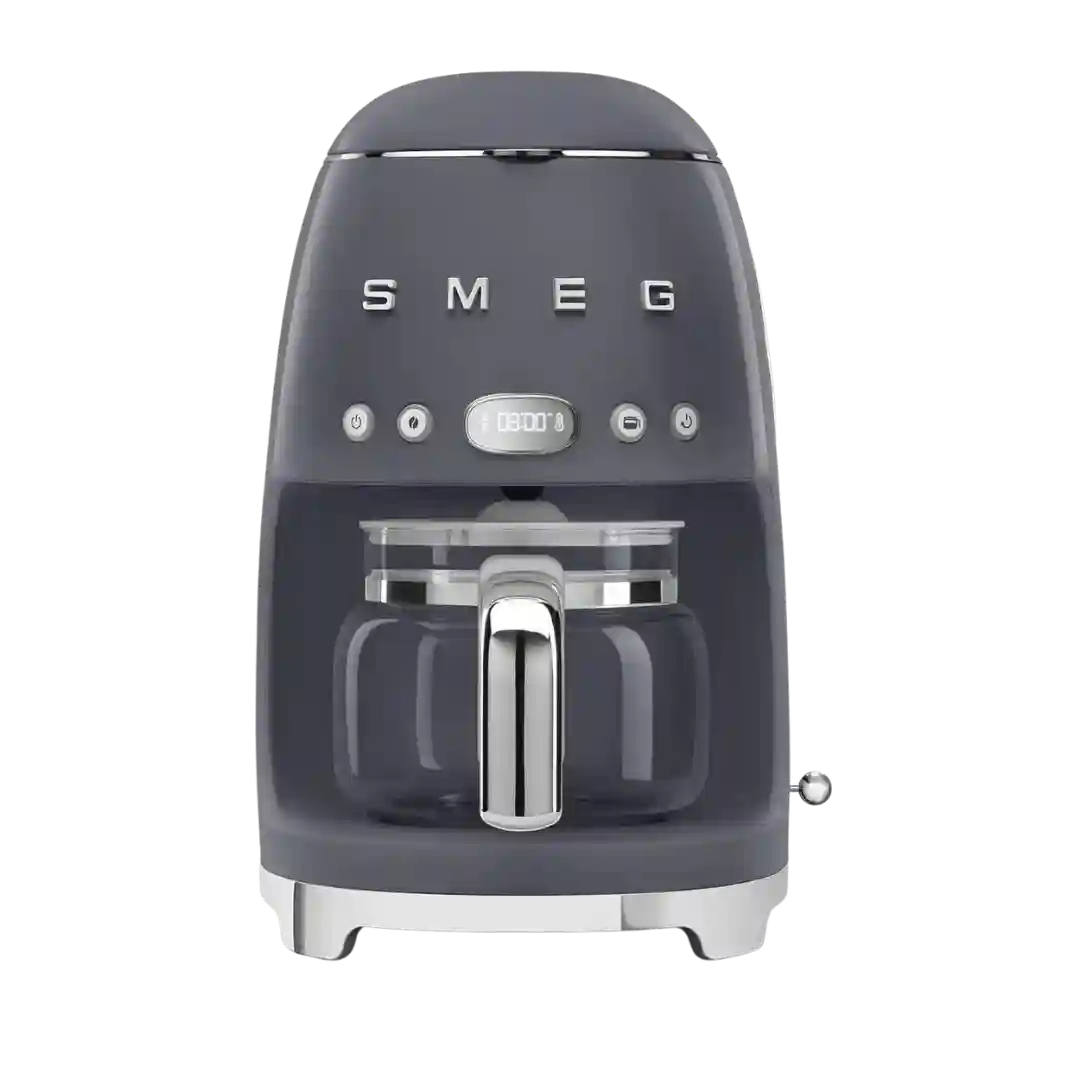
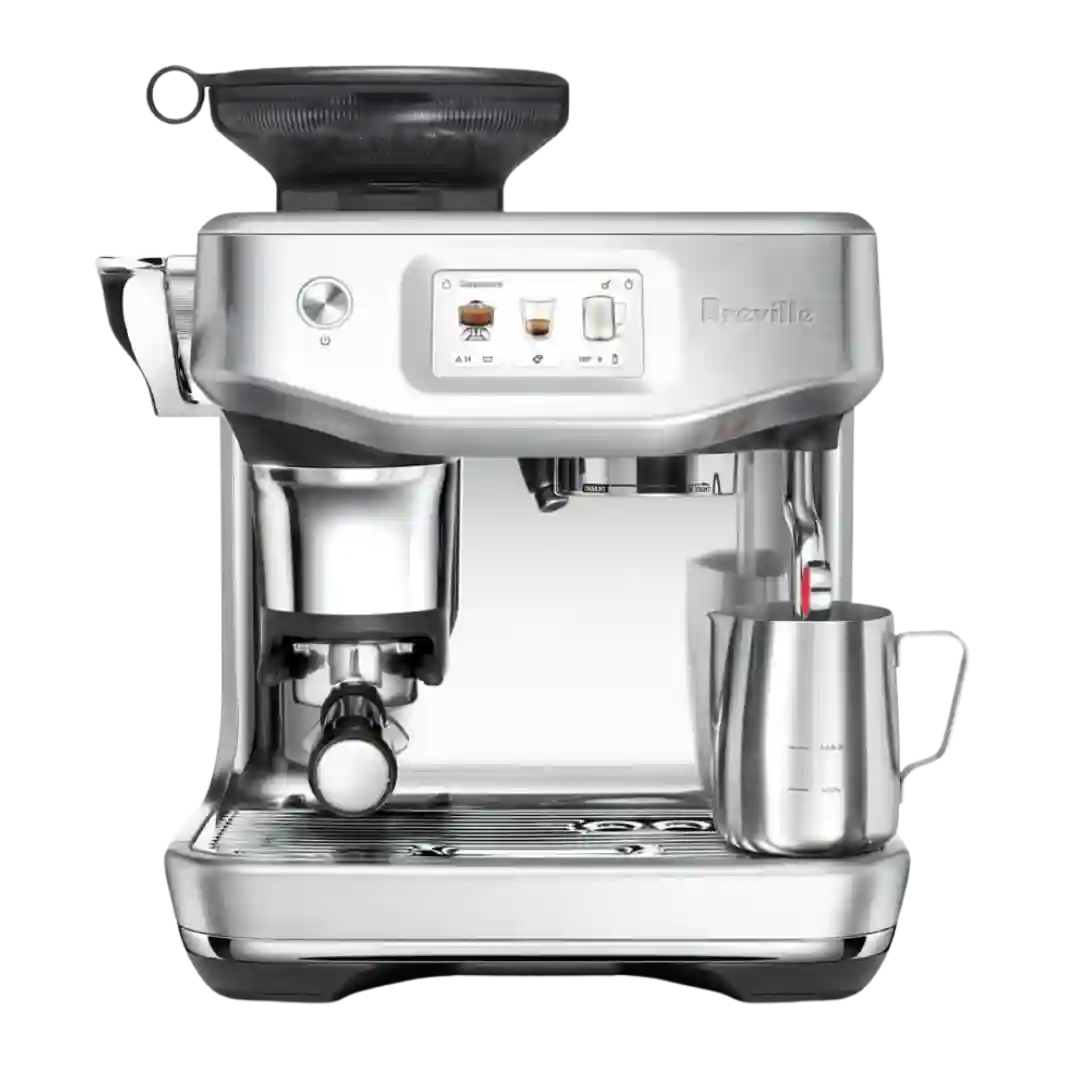
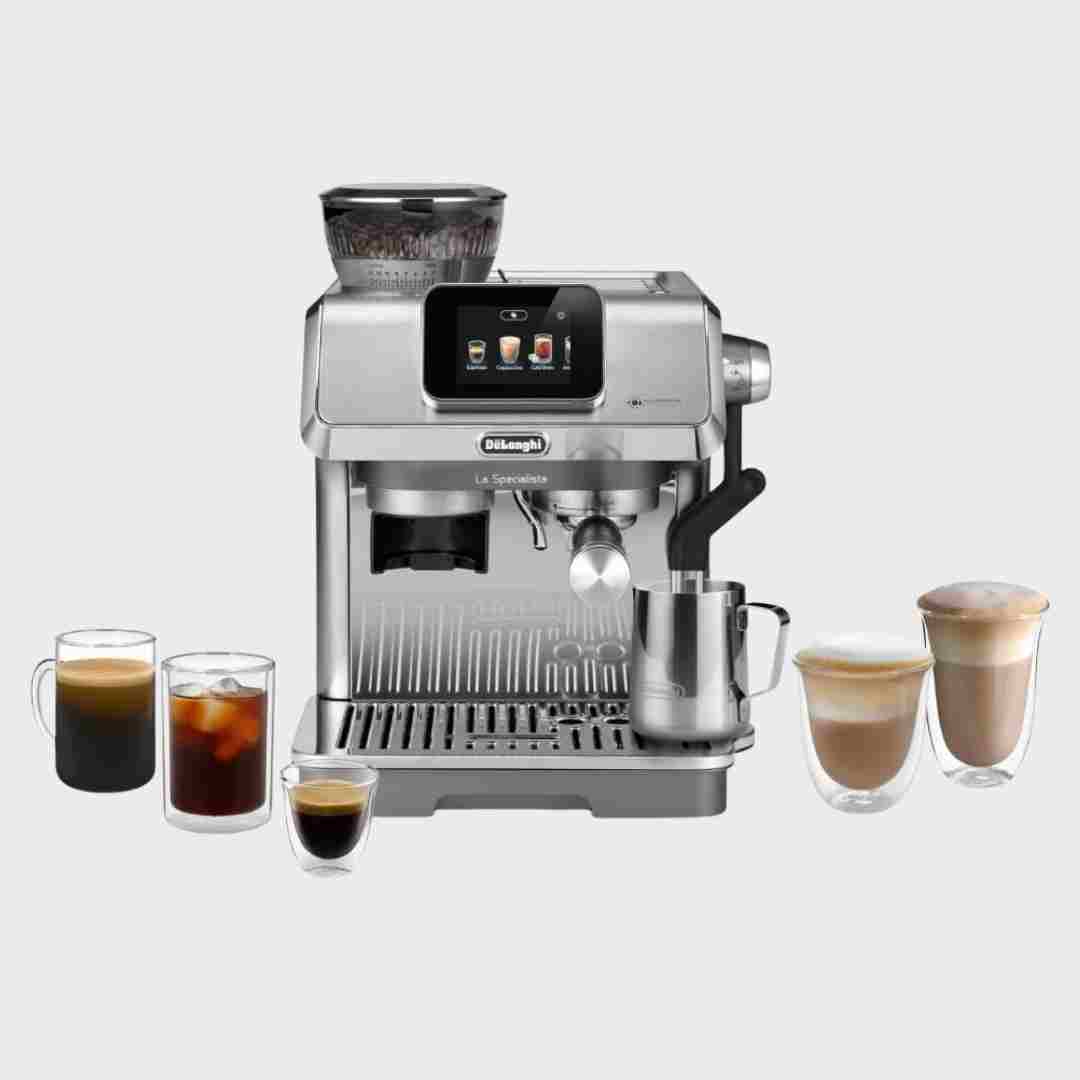
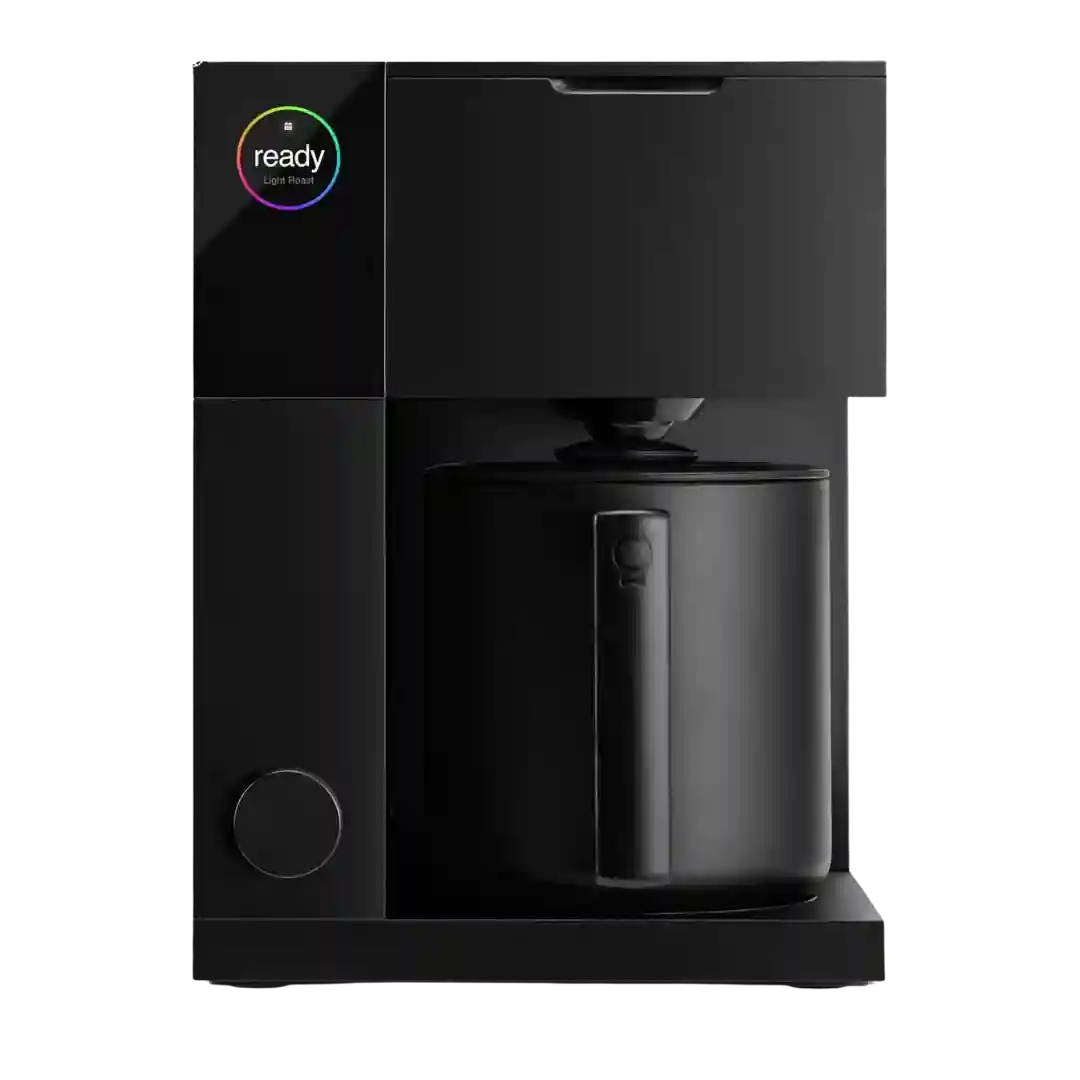
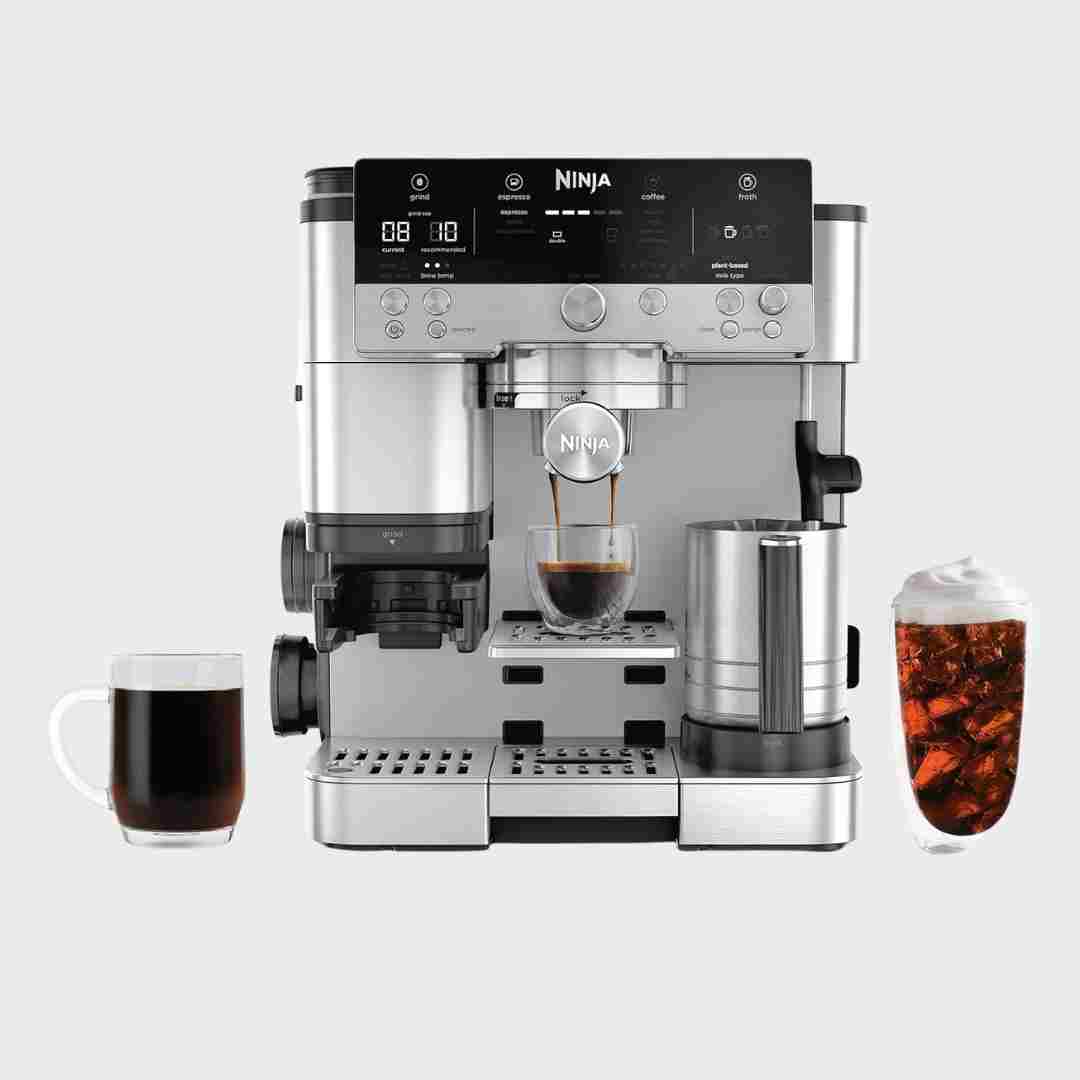
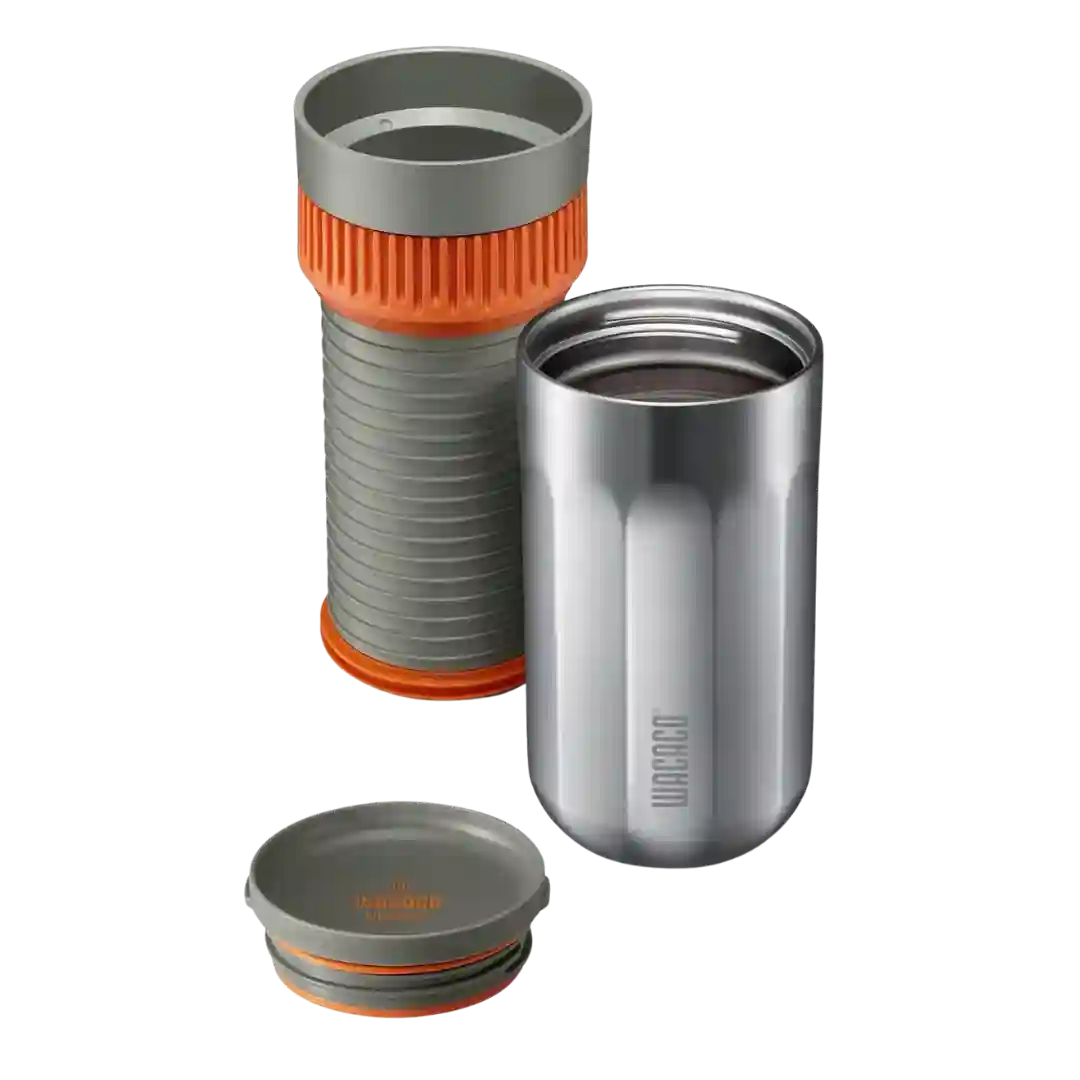
Speed is a standout theme: multiple reviews highlight very fast heat-up times (often described as a few seconds) thanks to the ThermoJet-style heating approach. That quick readiness makes the daily workflow feel much less fussy than traditional boilers that need long warm-up.
Time-to-cup is a major advantage: multiple reviews describe near-immediate readiness after power-on and rapid switching to steam mode, making it especially convenient for quick morning routines and back-to-back milk drinks.
Speed is a major strength: near-instant heat-up, quick transitions between brewing and steaming, and short time-to-cup workflows are repeatedly praised. Even without a true dual-boiler workflow, the fast switching and queueing features keep drinks moving quickly.
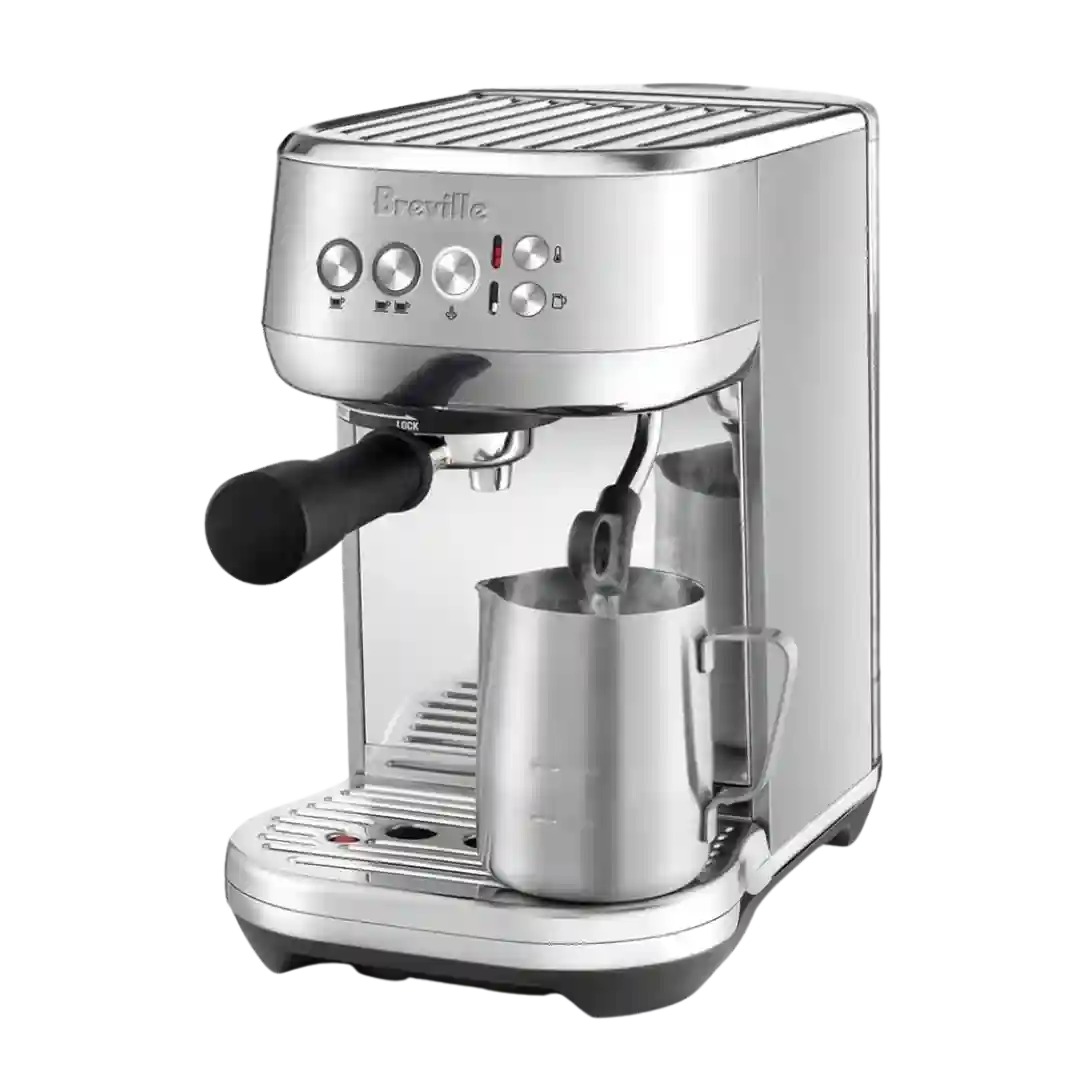
Speed is a headline strength: multiple reviews call out near-instant warmup (often described as about 3 seconds) and quick recovery between brewing and steaming. That makes it well-suited to fast morning workflows.
Speed is one of the machine's defining strengths in the reviews: warm-up is described in seconds, and switching from brewing to steaming is fast. This supports quick morning workflows and back-to-back milk drinks.
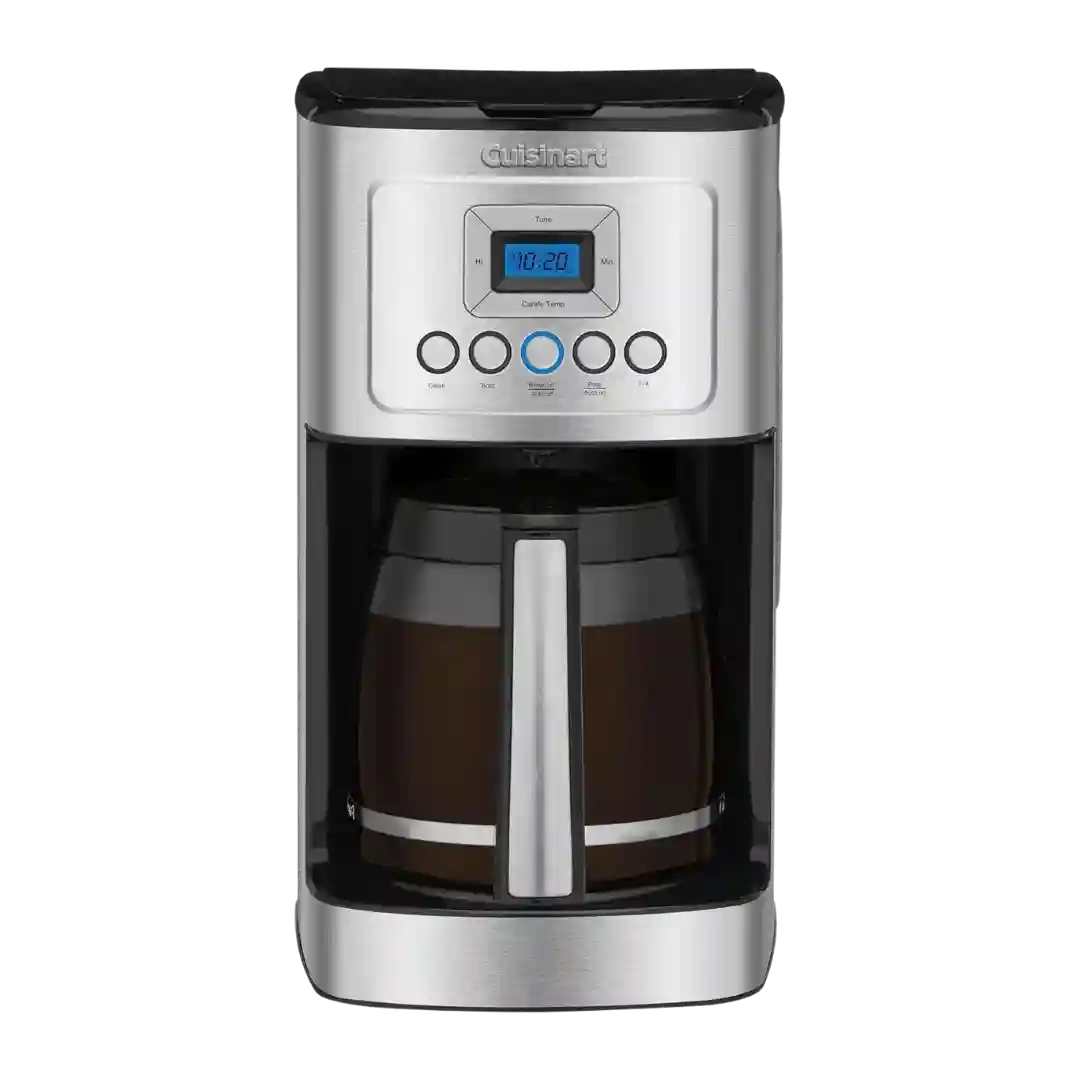
Speed is a consistent highlight: many tests land around six minutes for a full batch, with partial batches completing notably faster. A few reviews mention longer ranges depending on volume, but the overall pattern is quick time-to-cup for a batch brewer.
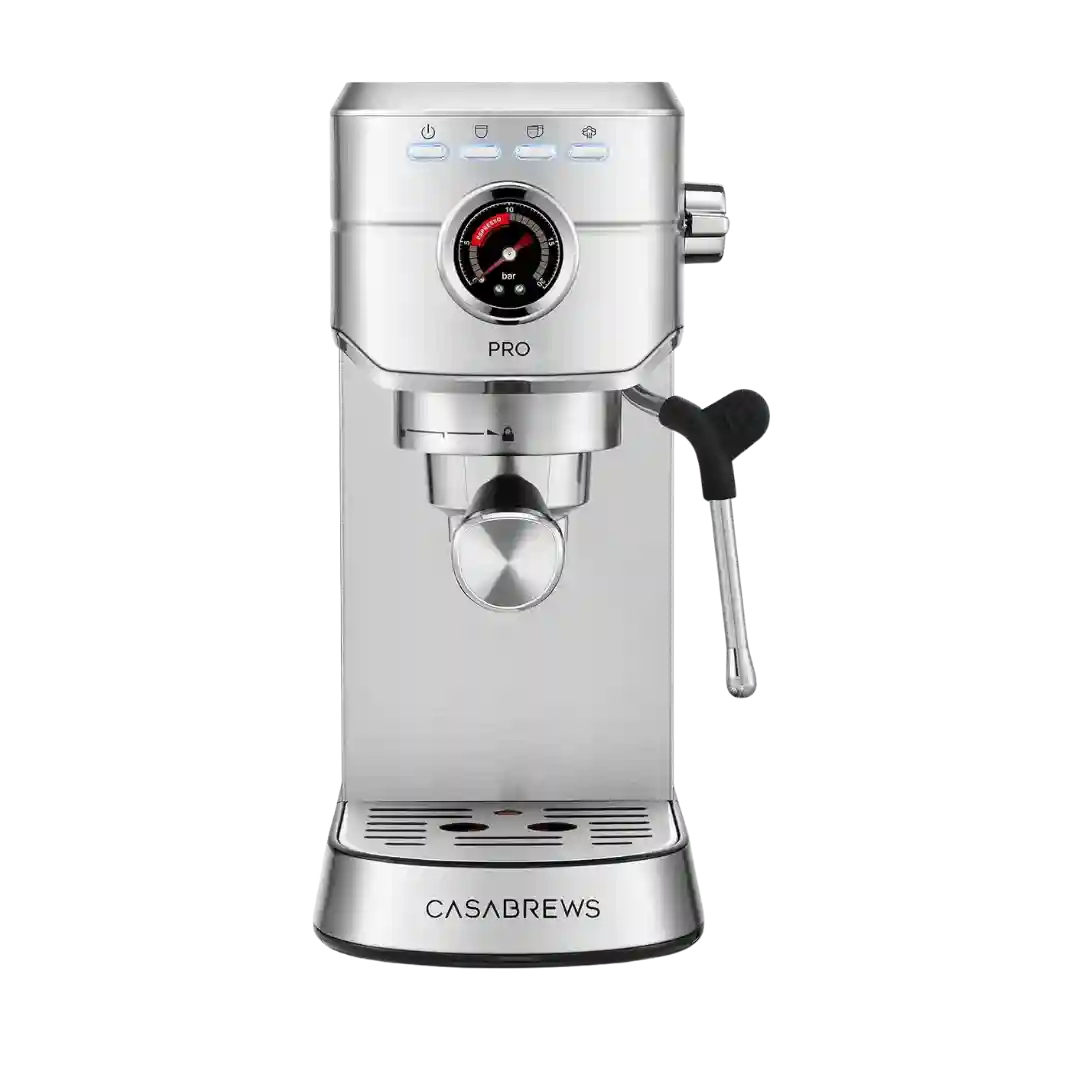
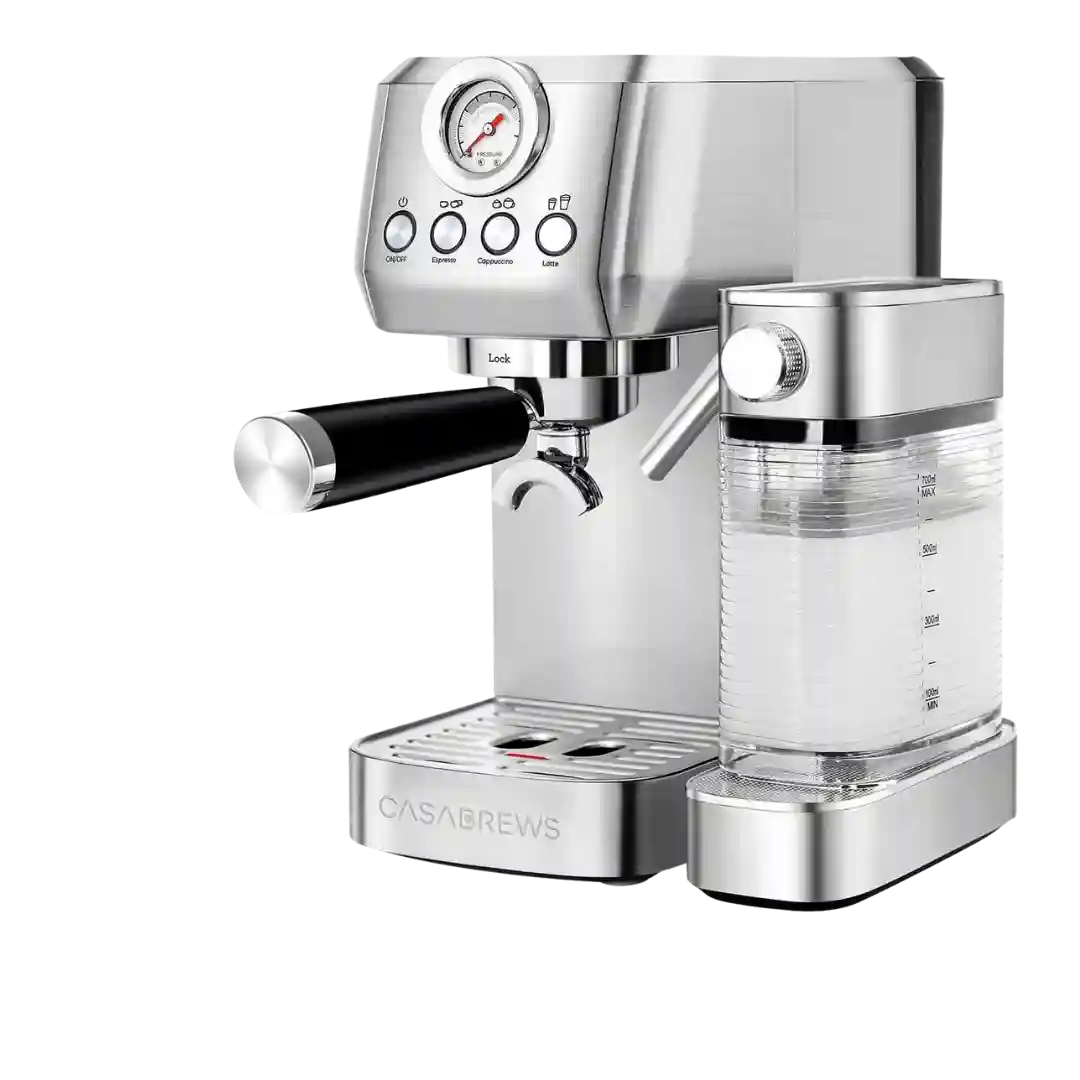
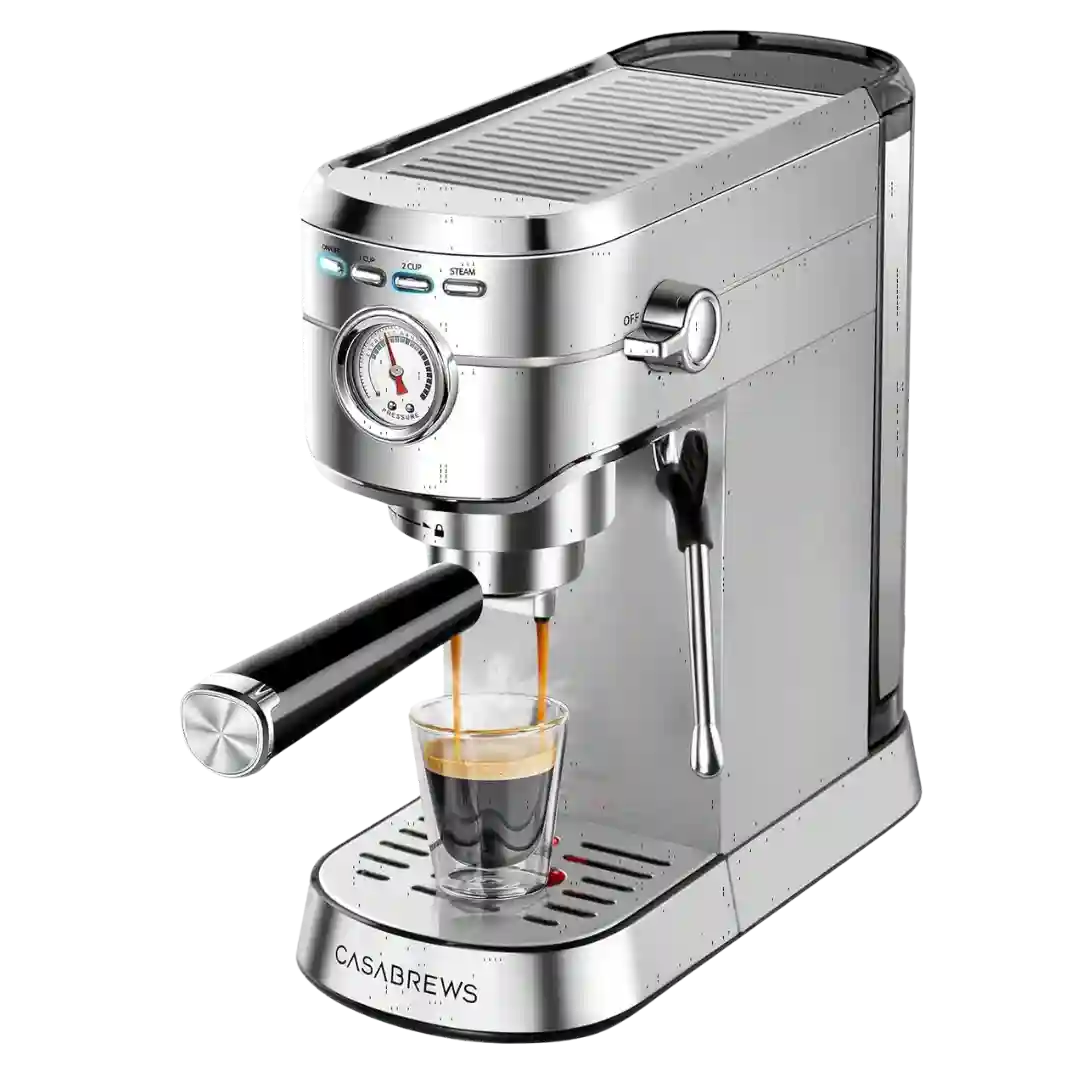
Thermoblock heat-up is repeatedly described as quick, with multiple sources calling out roughly 30–40 seconds to be ready. Speed stays strong for single drinks, but back-to-back workflow can slow when switching into steam or waiting for pressure to settle.
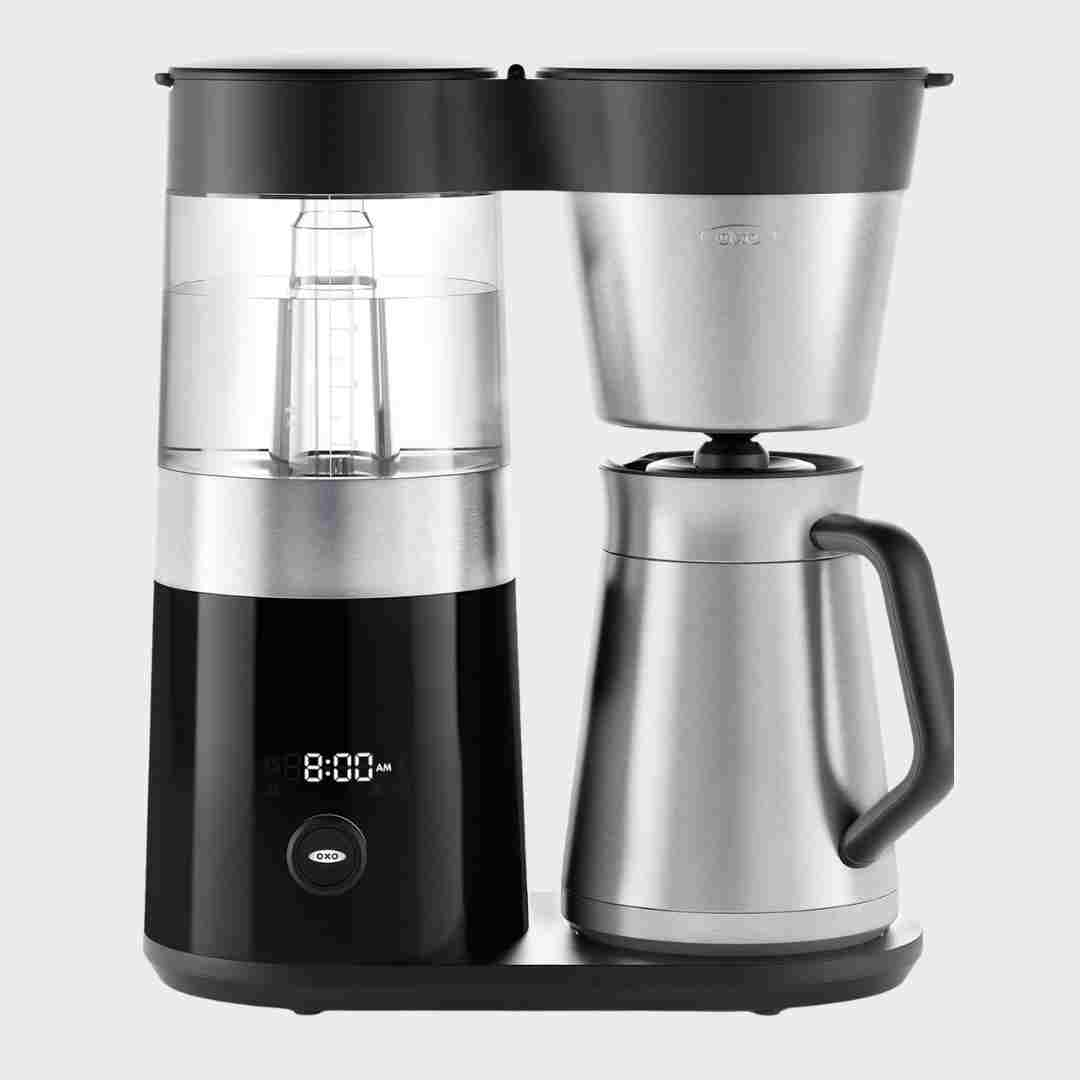
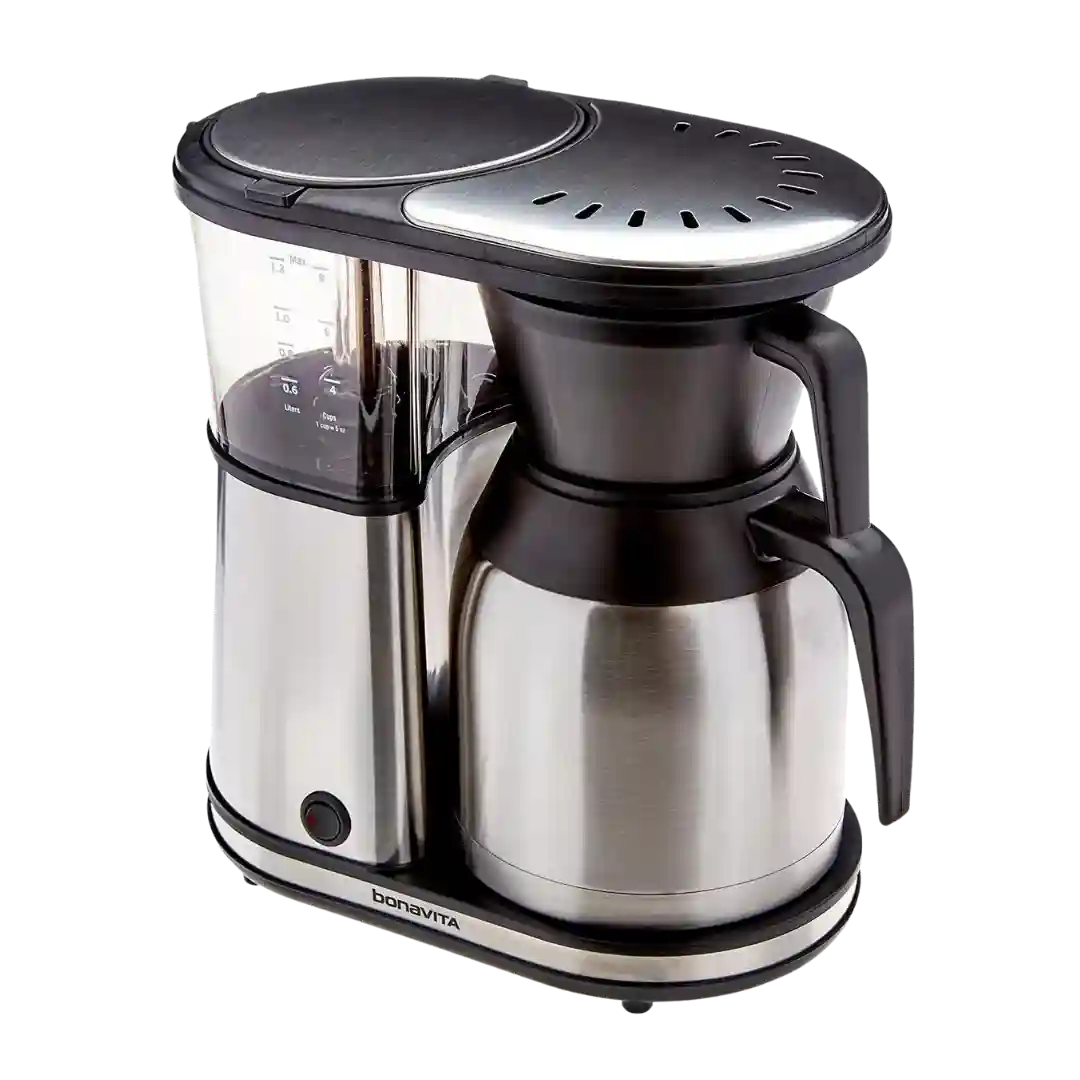
Speed is a clear positive: several reviews cite a full 10-cup brew in roughly 6.5 to 7 minutes, plus quick smaller-batch performance. Reviewers also describe the brew cycle as calm and relatively quiet for a high-output drip machine.
Speed is a consistent positive. Across the reviews, brew times are commonly described as roughly three to five minutes, with several reviewers emphasizing quick morning use.
Most sources emphasize speed, typically placing a full-pot cycle under the 8-minute target with several reports in the 4 to 6 minute range. Fast brewing is repeatedly framed as a key advantage, especially given the lack of scheduling features.
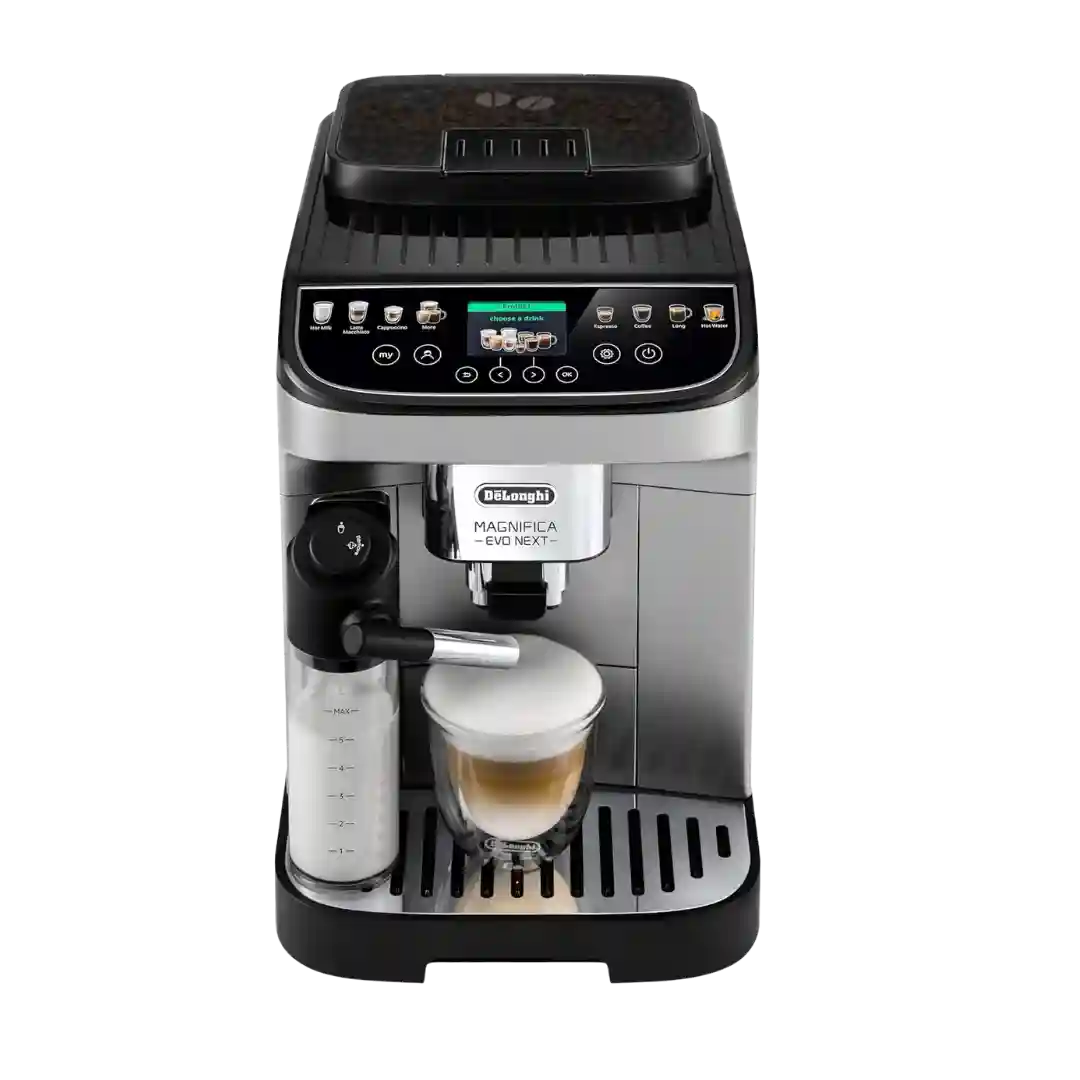
Speed is repeatedly praised: the machine heats quickly, produces drinks in well under a minute in several accounts, and generally delivers one-touch beverages faster than manual workflows.
Speed is strong for a feature-rich brewer. Most reviewers found it fast enough for daily use and competitive with other premium batch brewers, even if some runs are not class-leading.
Speed is a consistent plus when mentioned: quick warm-up (often around tens of seconds) and efficient drink workflows make it feel fast for daily use, including cold programs that complete in minutes.
Brew times are quick for an SCA-style brewer: roughly 3 minutes for two cups, about 5 minutes for a half carafe, and around 7–9 minutes for a full batch.
When settings are dialed in, brewing is generally quick for a grind-and-brew; one video review cites roughly a ~6-minute brew time for a smaller batch/cup.
Brew times are typically described in the fast range, often around 3–6 minutes depending on batch size, with small-batch cycles commonly finishing quickly. Some note a short extra drip period after the cycle completes.
Speed is a headline strength. Multiple reviewers cite full-pot brew times measured in minutes, including roughly 12 cups in about 3 minutes, which feels unusually fast for the category. Some caution that the very fastest cycles can trade a bit of flavor depth.
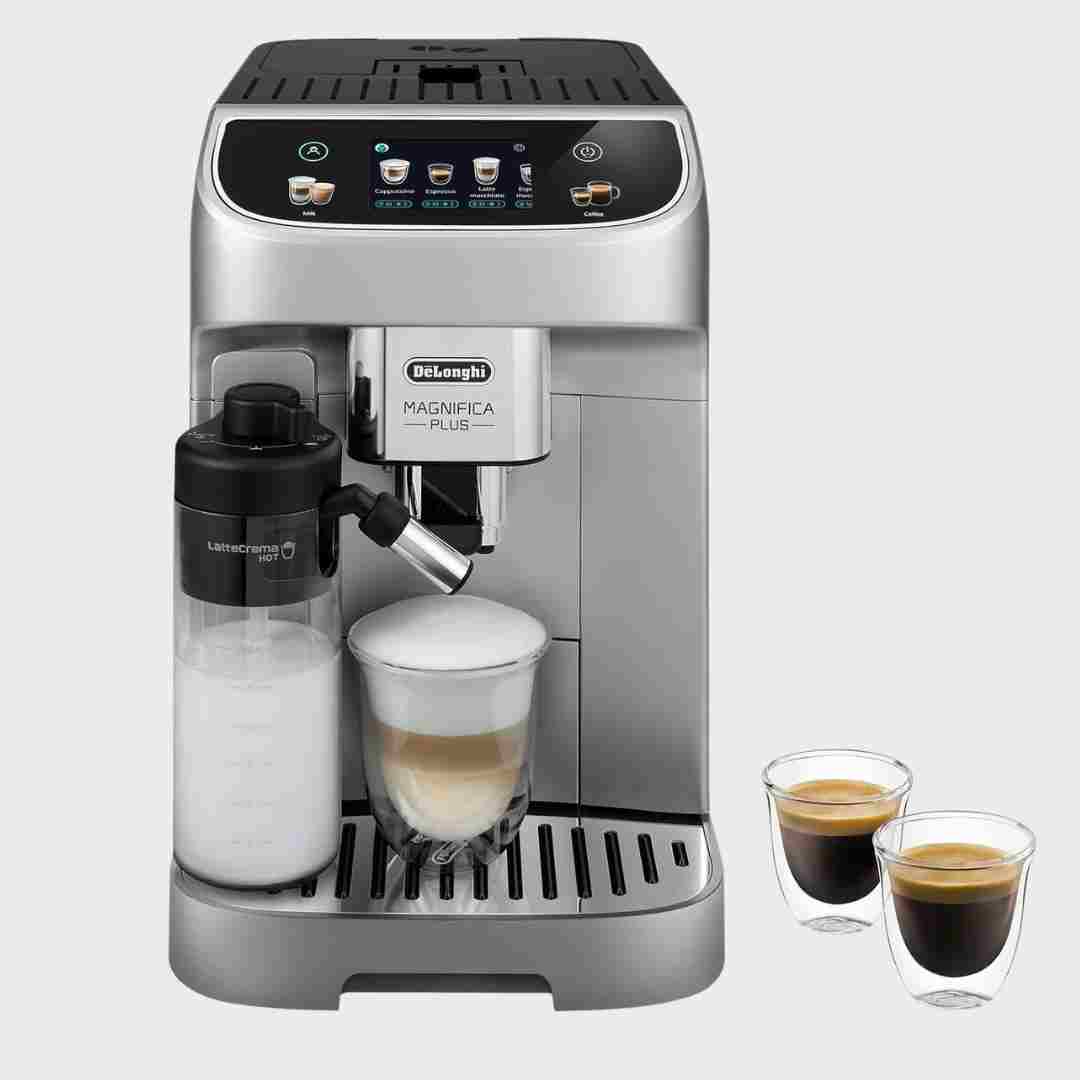
Time-to-cup is generally fast for a flagship superautomatic: one-touch drinks come out quickly once warmed, and espresso can be notably quick after initial use (14548). Reviews frame it as a practical daily driver for back-to-back drinks and entertaining (426, 4057, 14546).
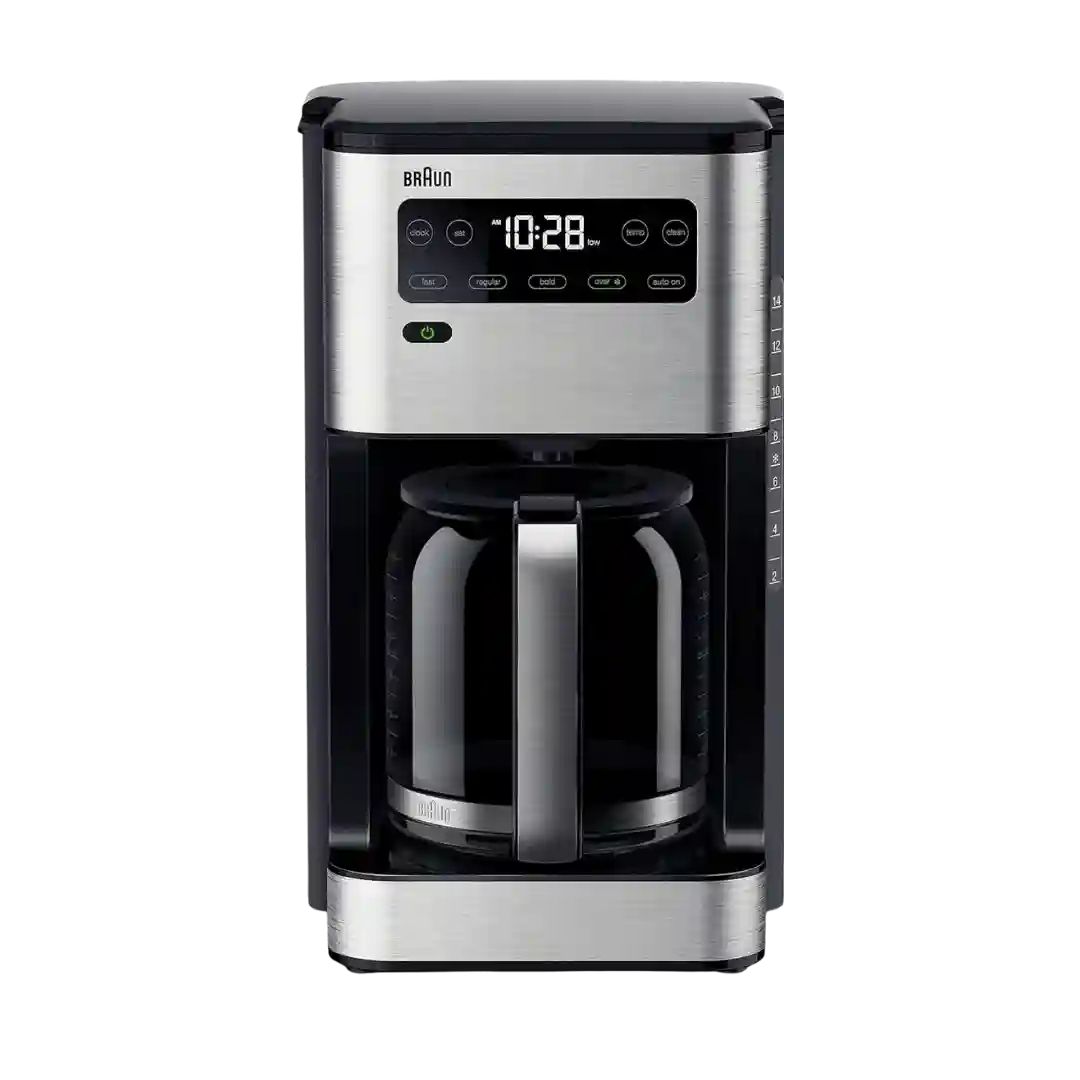
Brew speed is generally strong. Tom’s Guide measured 8 ounces over ice in about 2 minutes, while Braun/SCA materials claim under 8 minutes for a full pot and under 13 minutes for cold brew.
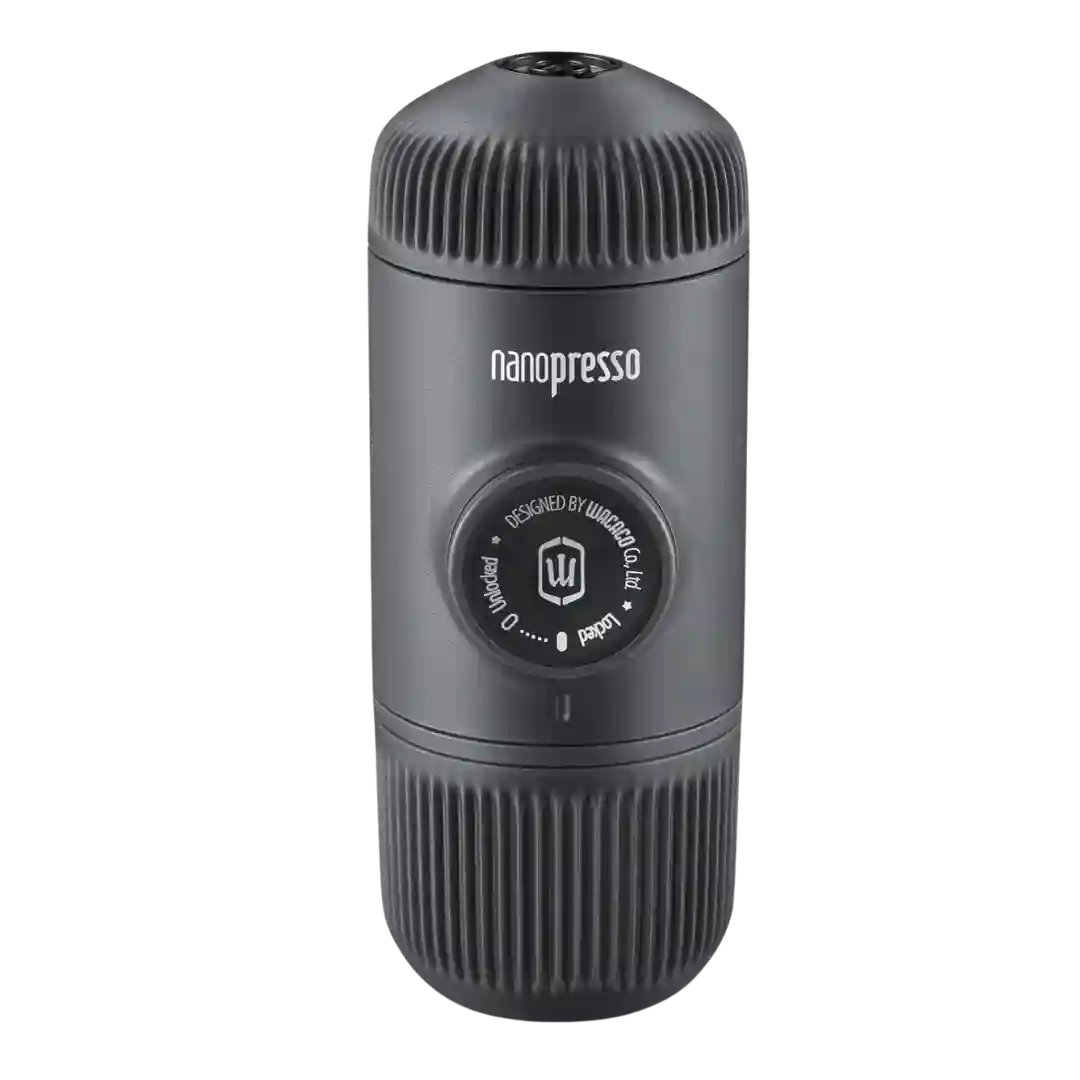
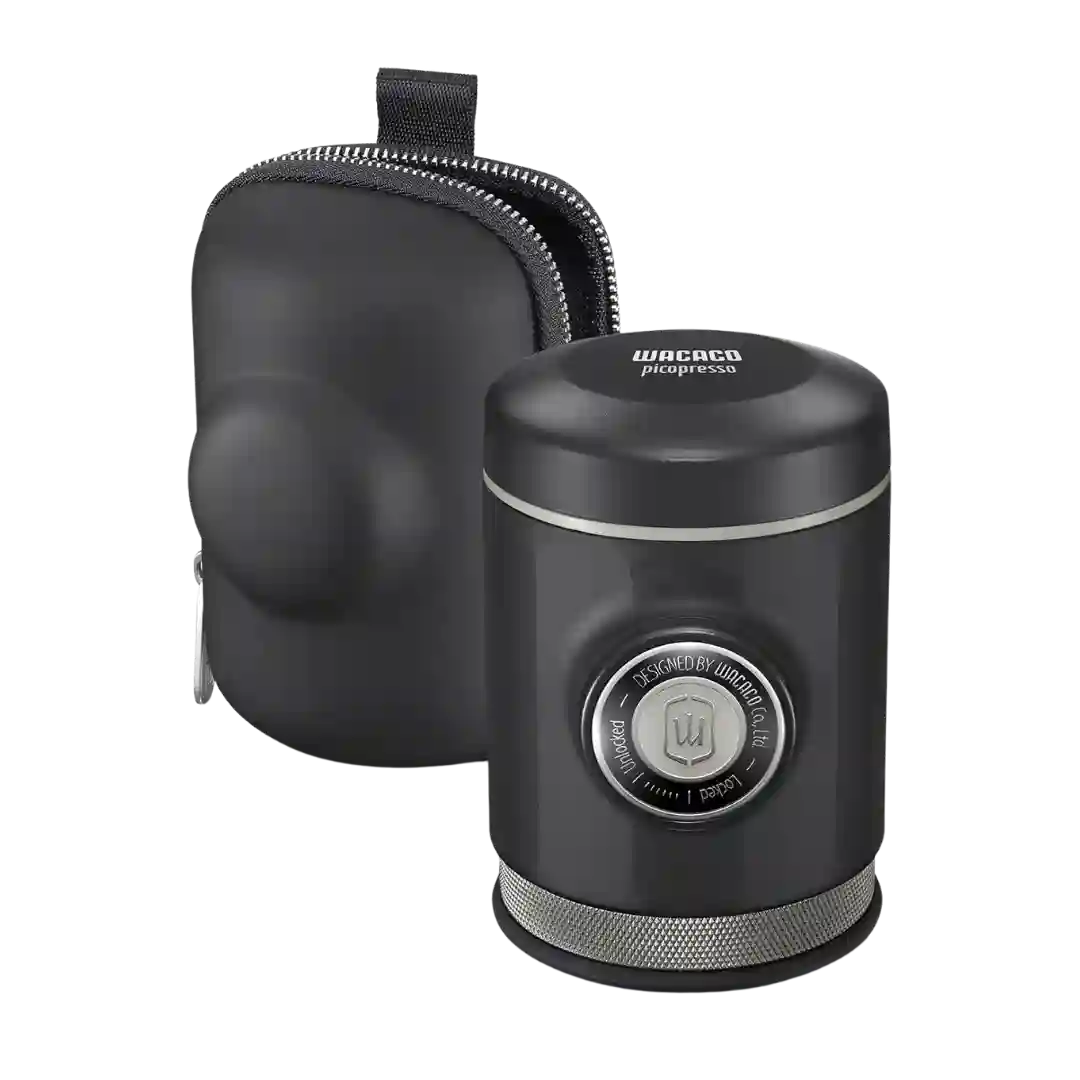
Once prepped, reviewers describe the Nanopresso as fairly quick, with shots typically arriving after a short pumping sequence and often within about 1 to 2 minutes.
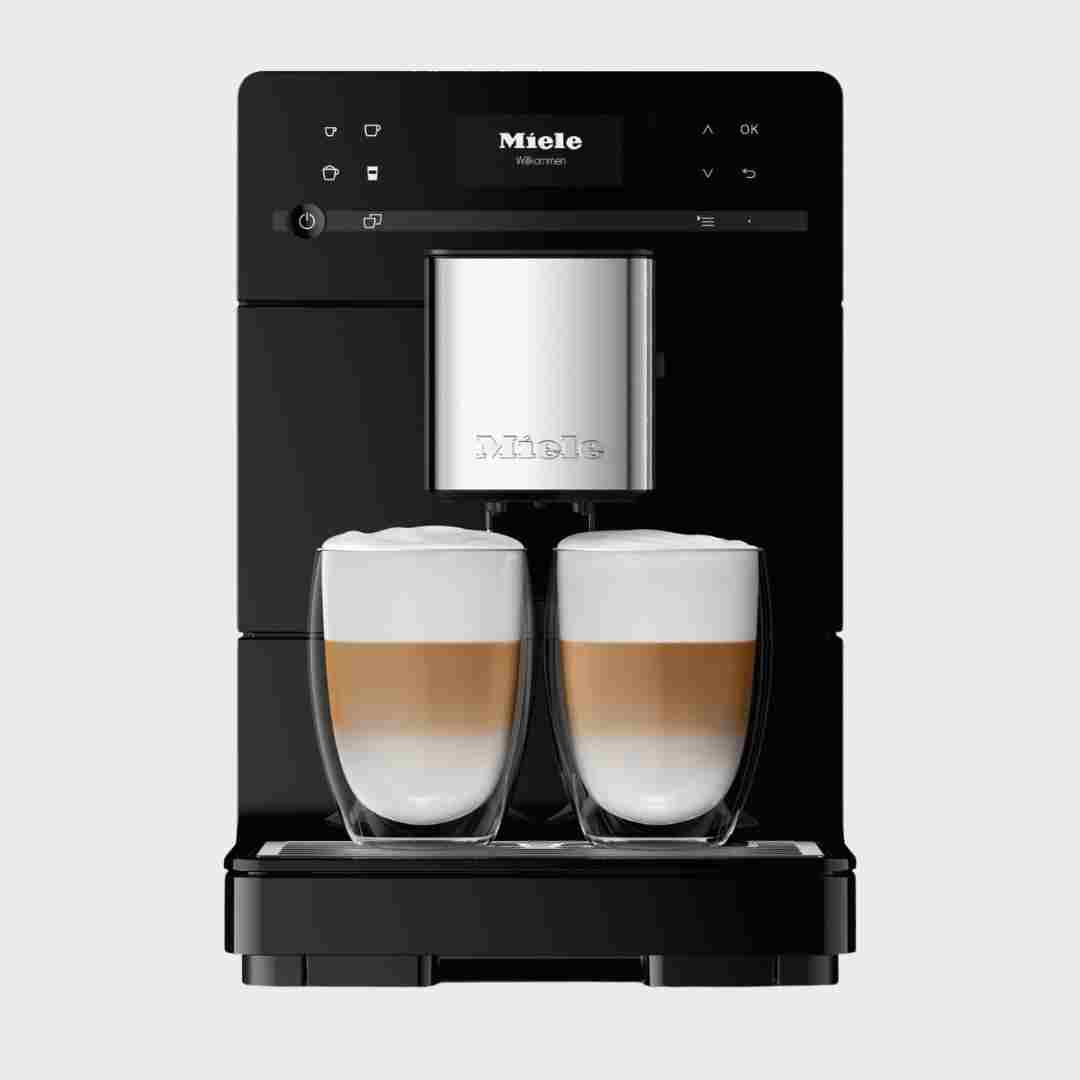
Time-to-cup is generally described as quick and convenient, especially for one-touch drinks. A minor tradeoff mentioned is small pauses or workflow friction when making multiple milk drinks back-to-back.
Speed is commonly described as fast for a premium brewer: many tests land around 6 to 8 minutes for a full pot, while some real-world demos show closer to about 9 minutes at maximum volume.
Speed is generally described as strong once set up: quick warm-up and fast time-to-cup for espresso and milk drinks. Initial priming and learning the menu can take longer on day one.
Speed is one of the clearer strengths. Reviews repeatedly mention fast warm-up, fast recovery, quick steam readiness, and back-to-back drink capability.
Time-to-cup is often described as fast once you press start, with quick heat-up and speedy drink delivery. That said, at least one review notes the KF8 can take longer overall because it runs cleaning cycles and those modes cannot be bypassed.
Speed feedback is generally positive with mentions of Extreme Brew and about cup-per-minute pacing on smaller batches. A recurring caveat is that brew cycles (especially on Bold) may slow as the machine ages for some owners.
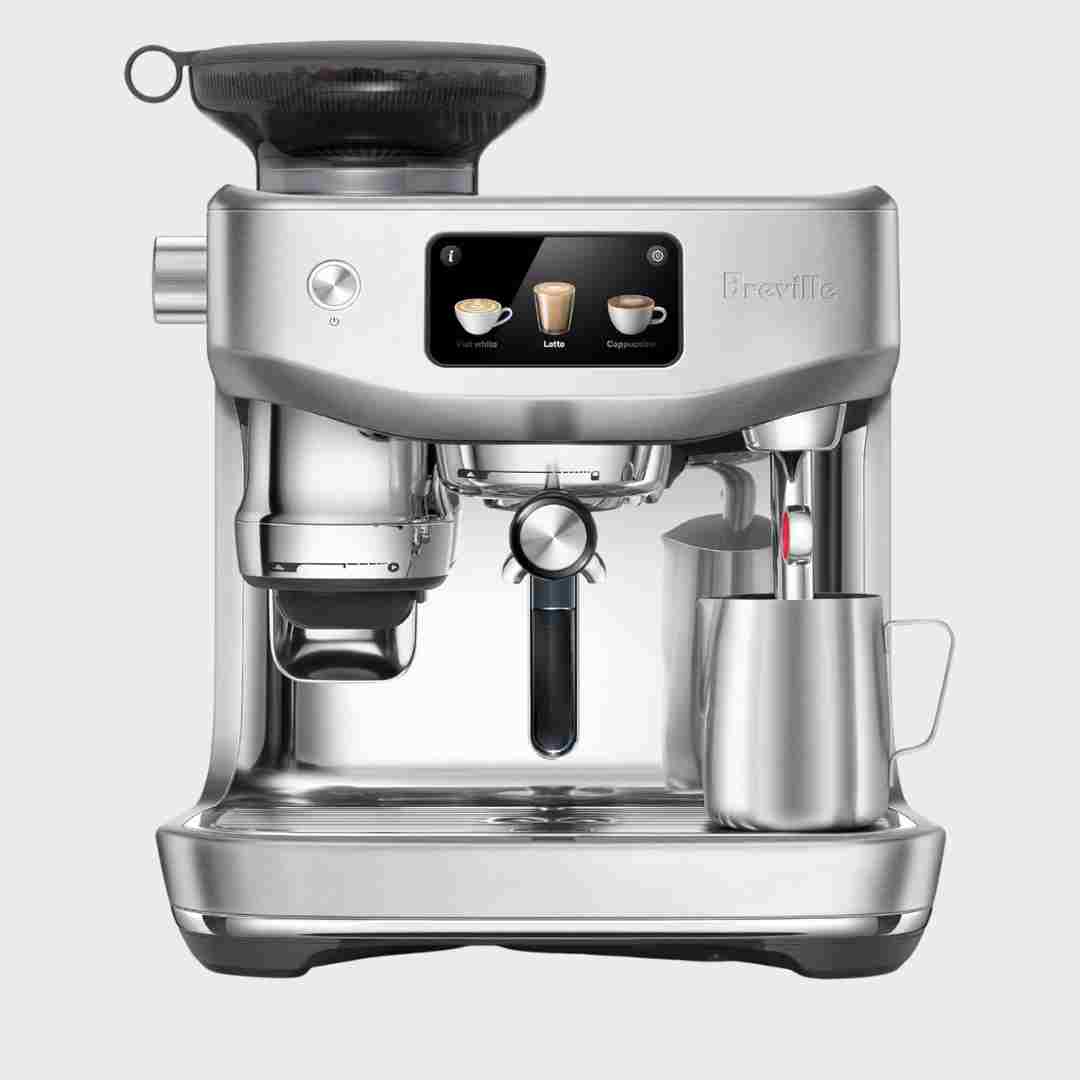
ThermoJet warm-up and quick switching are repeatedly praised, with drinks coming together fast compared to older thermocoil designs. Some reviews add that true best-shot readiness can take longer if we preheat metal parts.
Time-to-cup is generally quick after a brief preheat shot, with reviewers demonstrating fast lattes and cappuccinos. Switching between steaming and brewing can slow pacing due to cooldown/flush steps in some workflows.
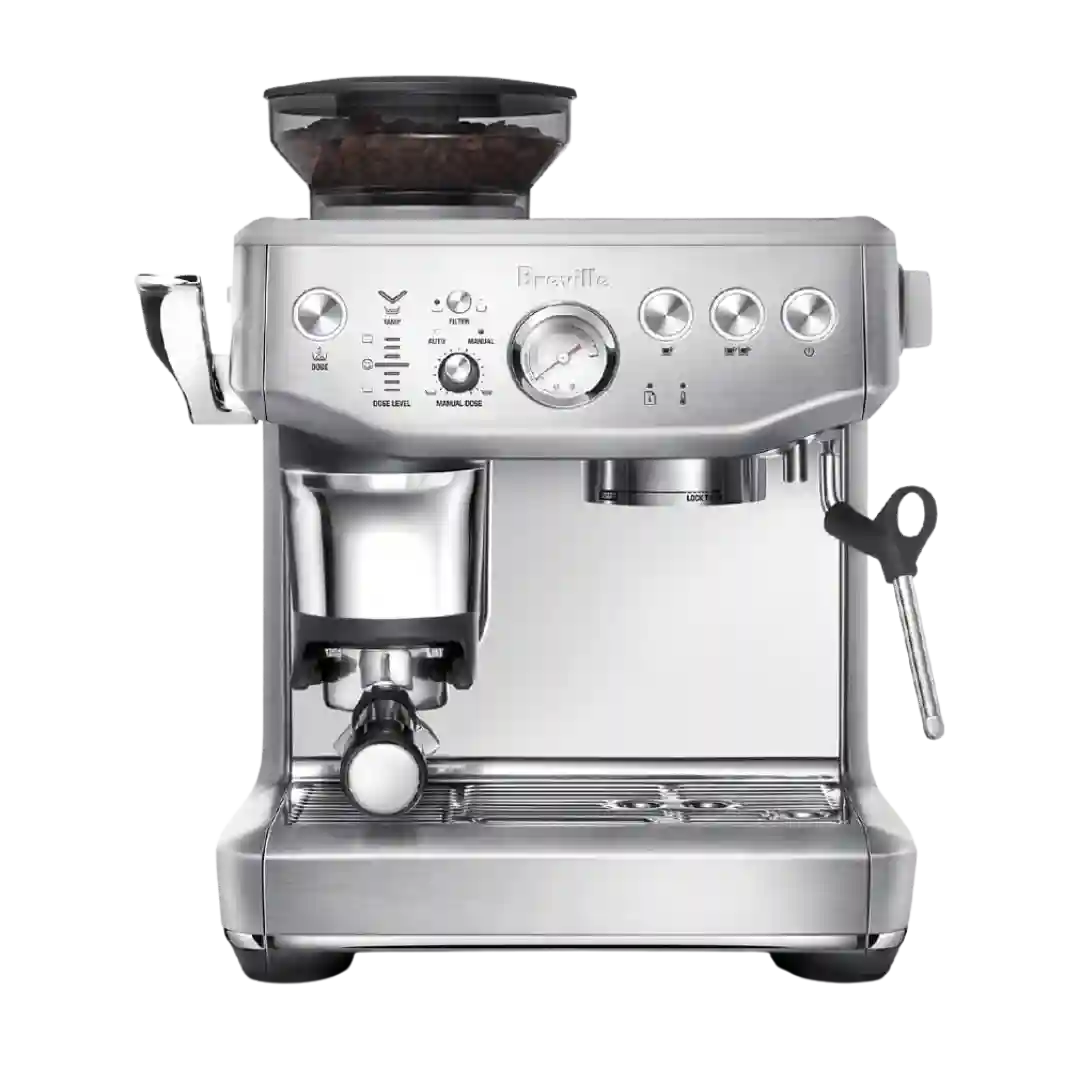
Heat-up and drink prep are often described as quick for a semi-automatic, especially compared with fully manual workflows. Steaming is the slower step, with several reviewers calling out longer wait or recovery times between brew and steam.
Speed is generally a strength: multiple reviews mention quick, one-touch drinks and fast warm-up, including a roughly 45-second heat-up cited in one hands-on test. One review flags slower pouring as a downside, so it may feel less snappy if you are sensitive to dispense time.
Warm-up and drink workflow are typically described as quick, with the thermoblock-style heating helping speed. Cold-brew cycles vary by reviewer, from about 4 to 5 minutes in some tests to around 7 to 8 minutes in a negative take.
Brew times are generally quick for the control offered, with single cups reported in the few-minute range and full batches around the 10 to 12 minute mark. Cold brew is positioned as a same-day option, typically a couple of hours rather than overnight.
Speed is a recurring plus, with quick heat-up and efficient drink workflows thanks to automation. Cold foam can run without heating, which helps iced drinks move faster.
Brew speed is generally described as quick enough for daily use, with measured full-pot brew times around the 7-8 minute range in testing. Some reviewers still call it slower than faster competitors, especially on the Bold cycle.
Shot pulling itself can be fairly quick once everything is ready, but total time-to-cup depends on preheating, grinding, and cleanup. Several reviewers say it is slower than convenience brewers yet still fast enough to feel worthwhile when the workflow is learned.
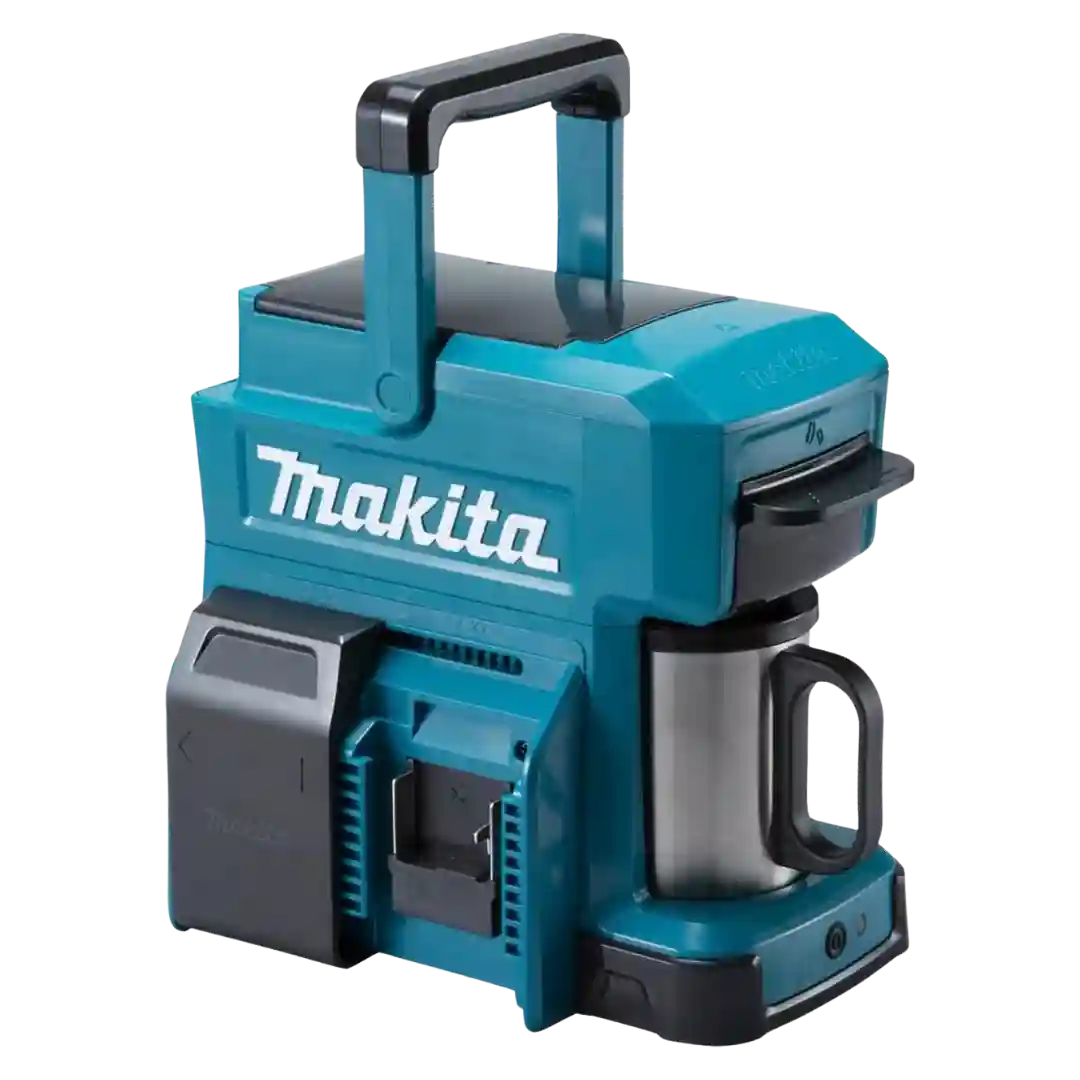
Most sources describe brew times in the ~4–7 minute range depending on battery and recipe, with occasional faster user-reported experiences. For battery power, it is generally considered acceptably quick.
Heat-up is typically around a minute or less, and steam can be ready quickly after pressing the steam button. Switching between brewing and steaming adds some waiting, and a few reviewers call multi-drink sessions slower than expected.
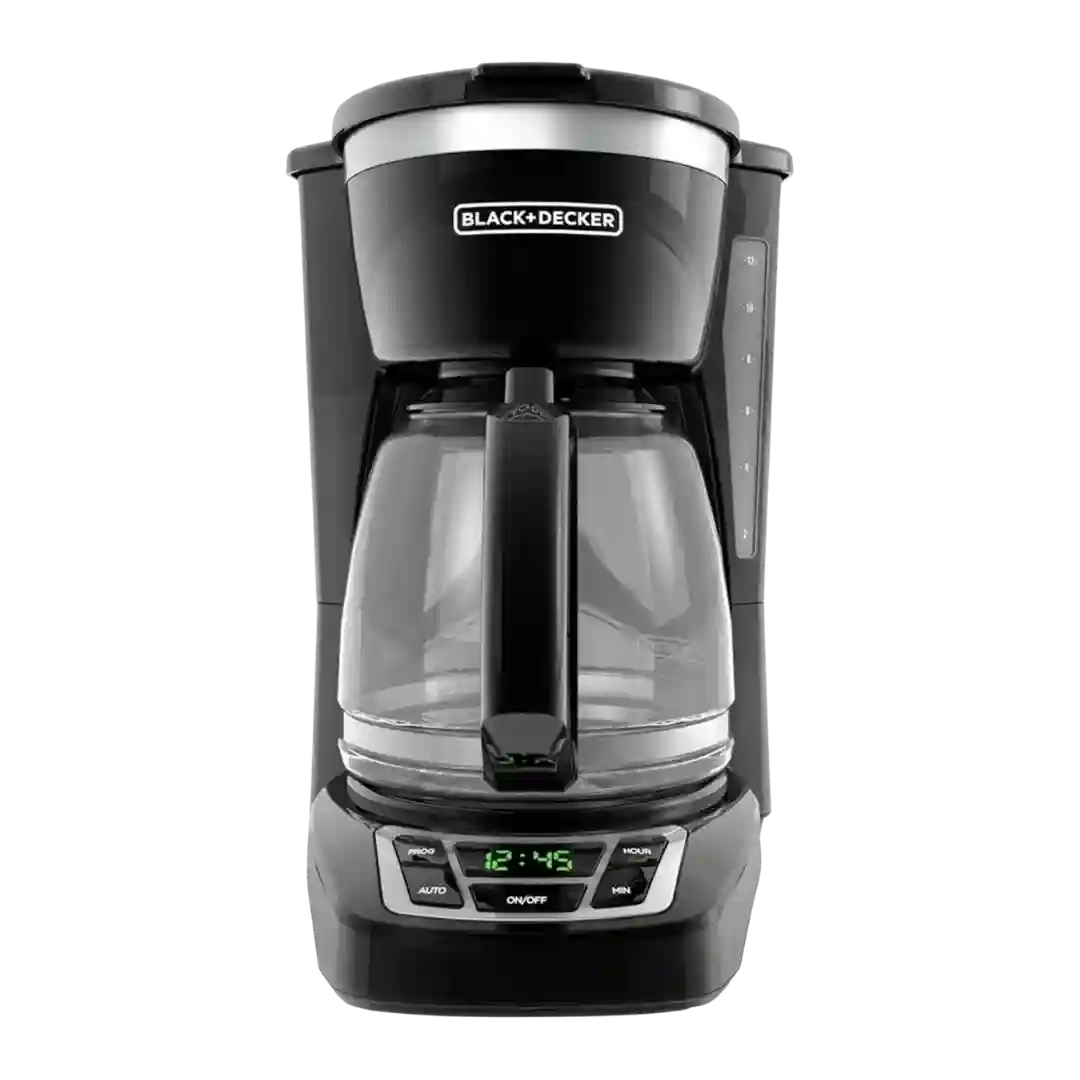
Speed is generally average-to-good for a budget drip maker. Multiple reviews describe roughly a cup-per-minute pacing; one lab test cites an average brew time around 7:53 for a full pot, and a video walkthrough suggests 4 cups in a little over 4 minutes and 6 cups in about 6 minutes.