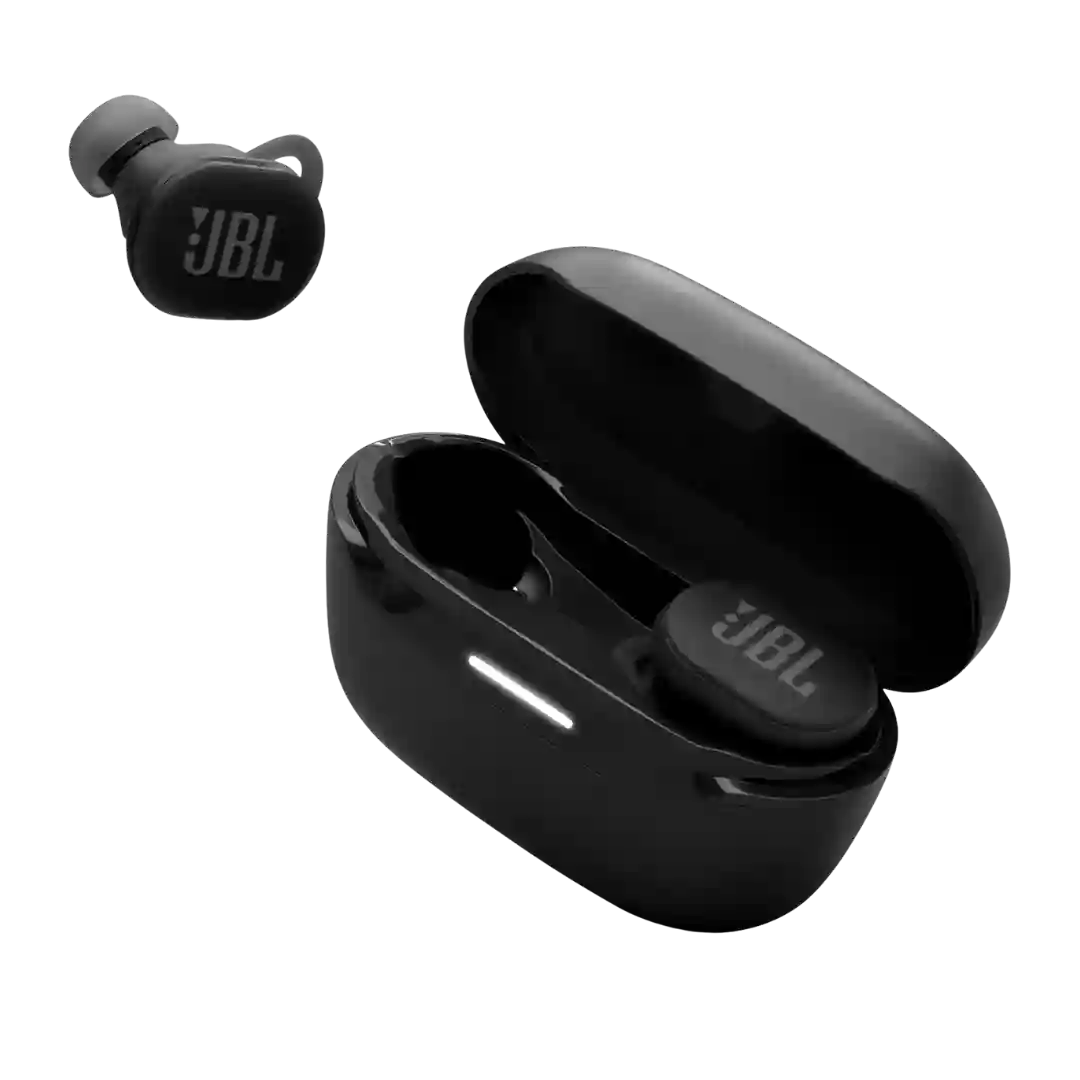
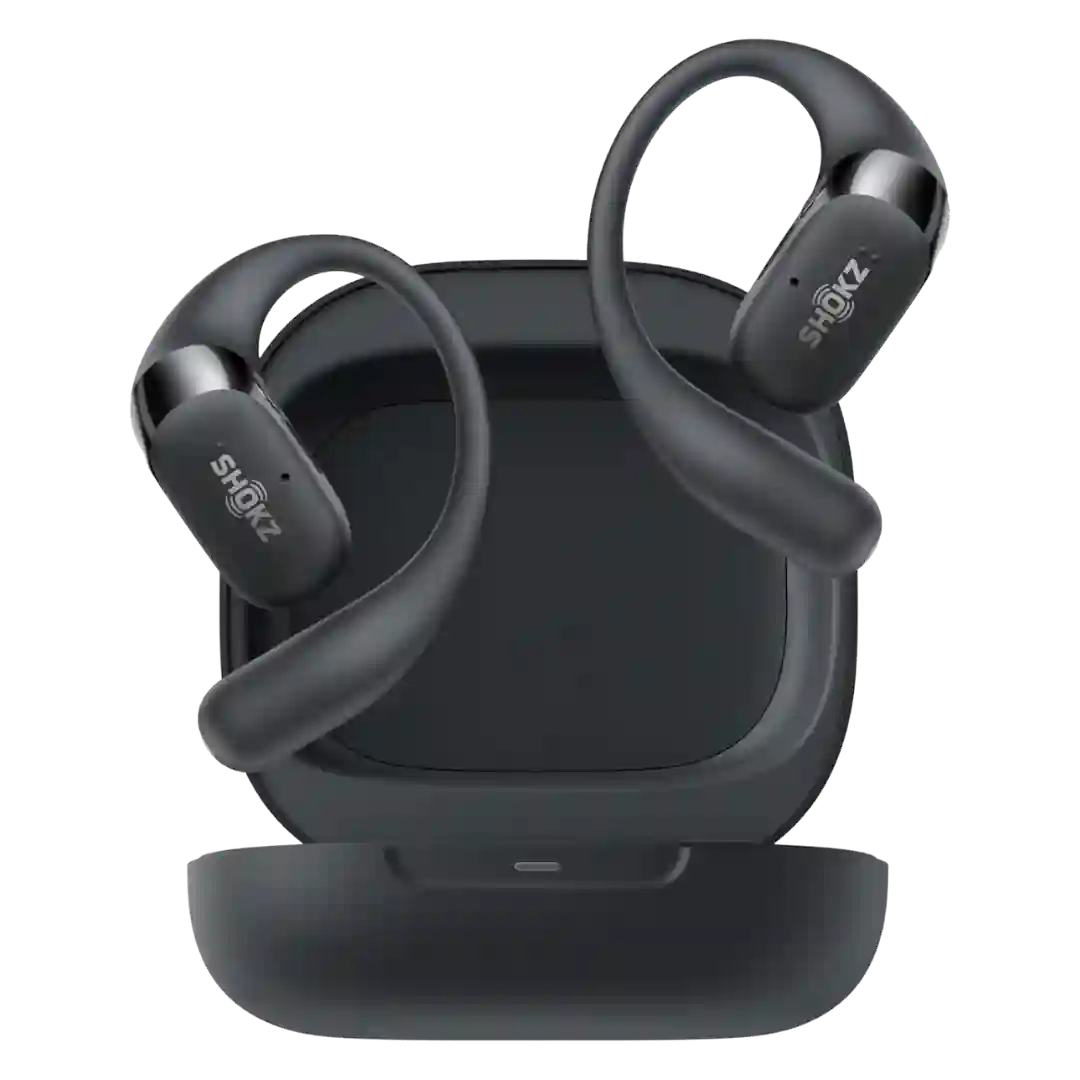
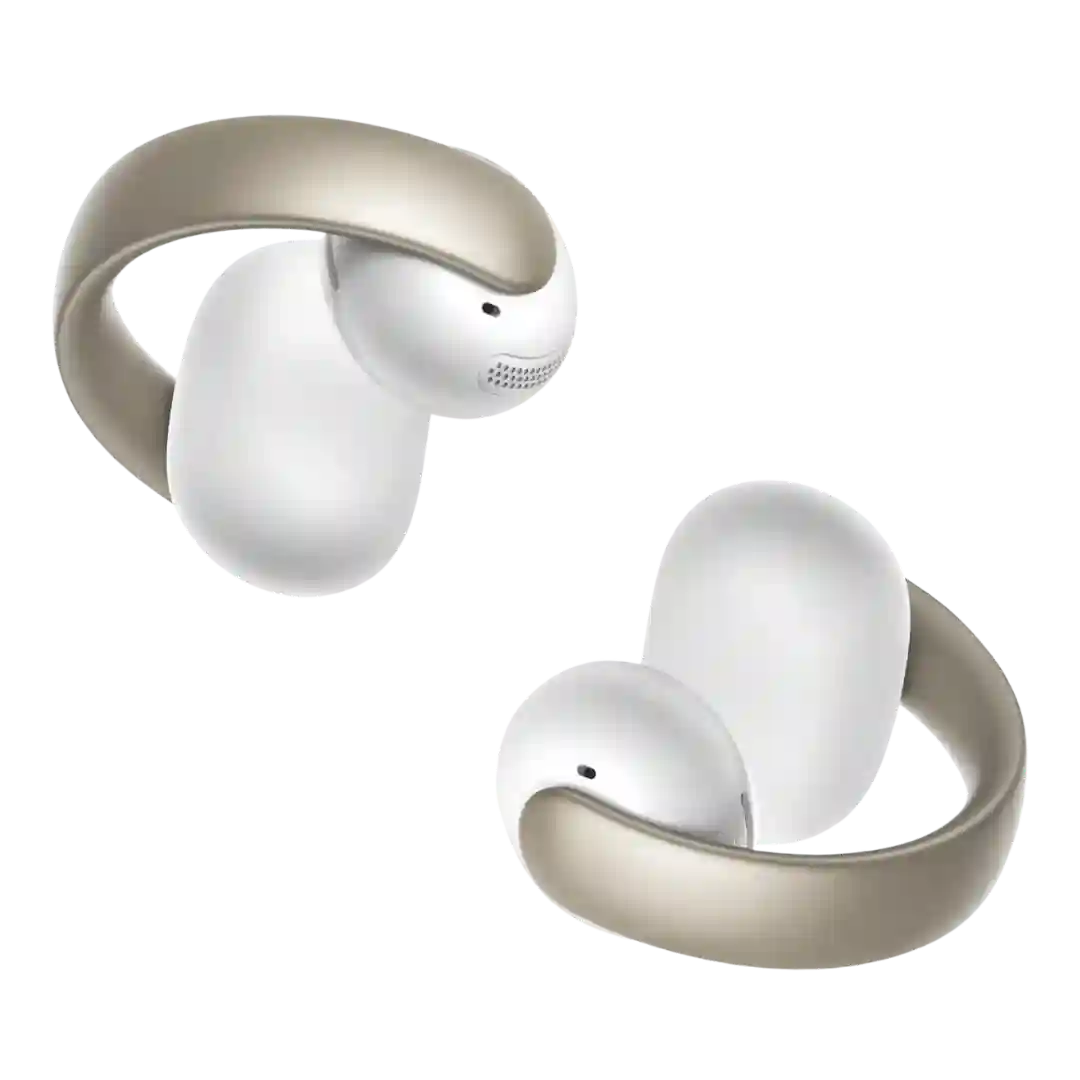
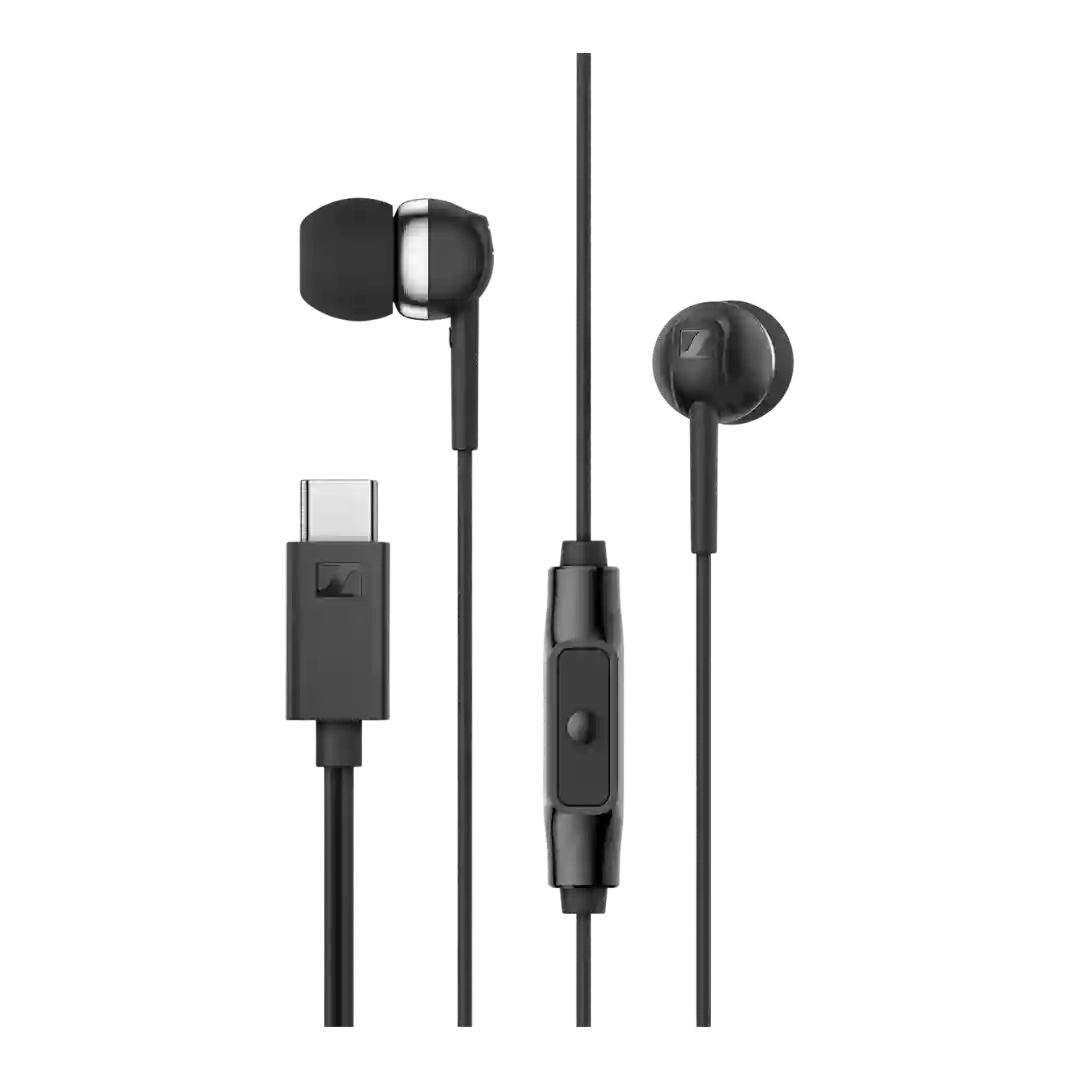
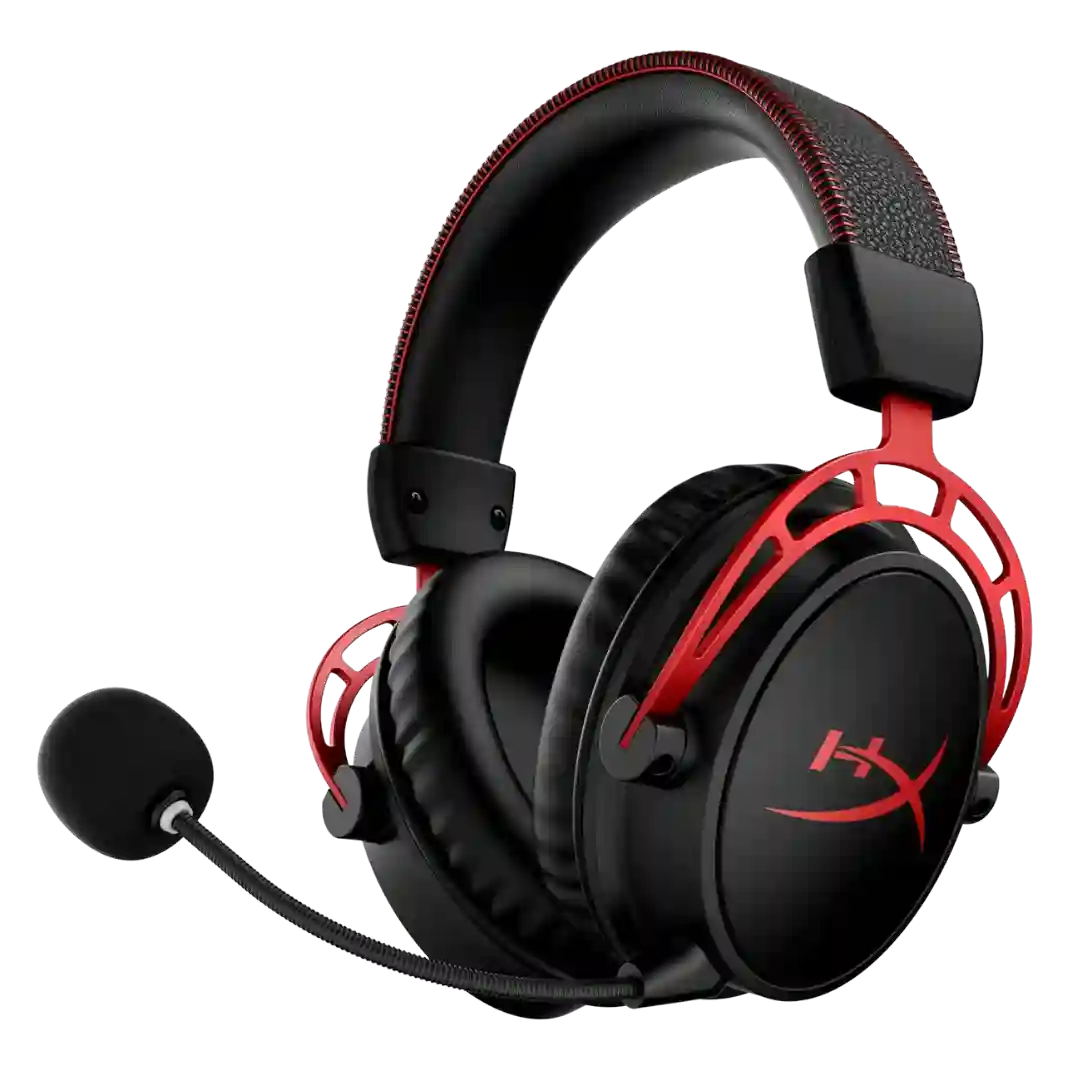
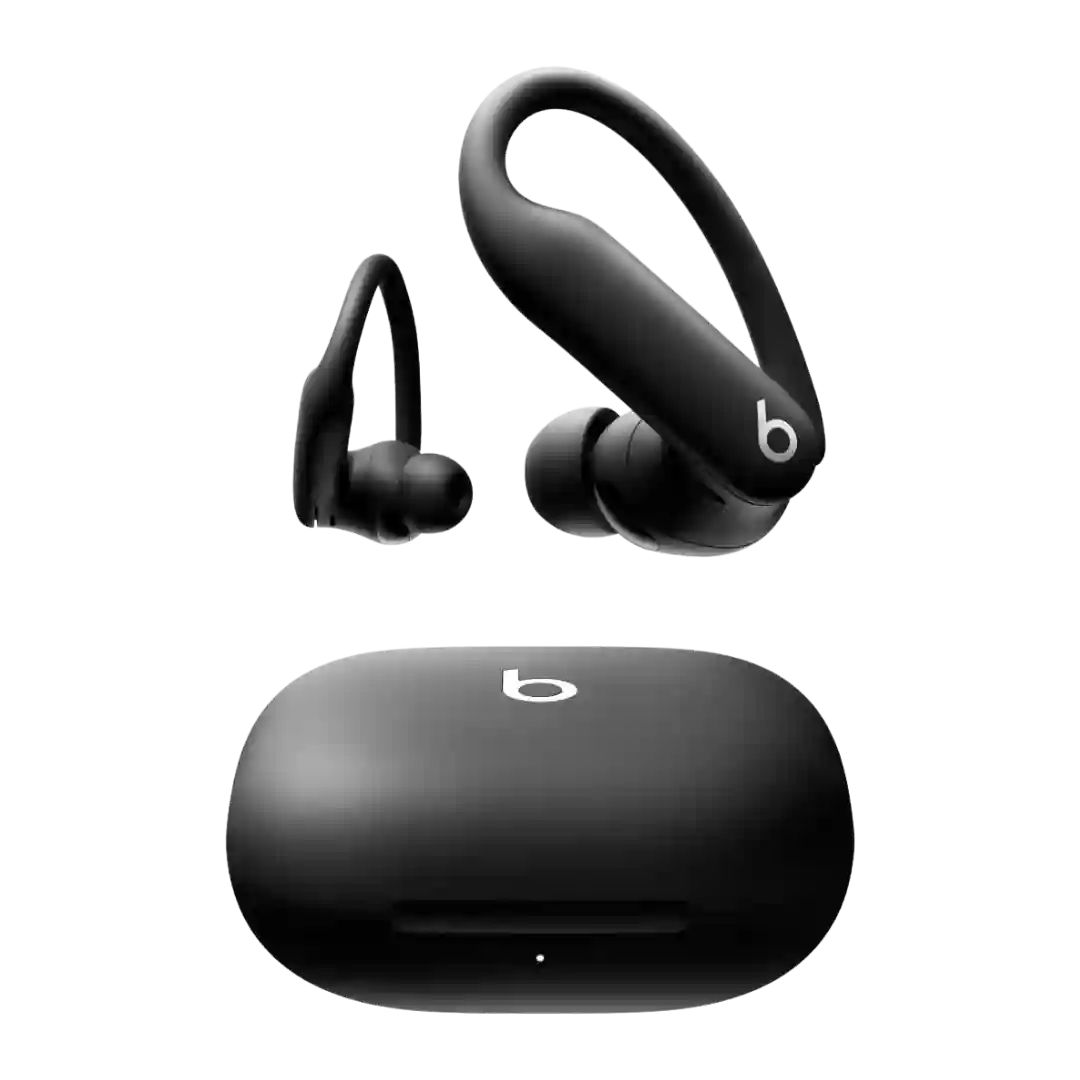
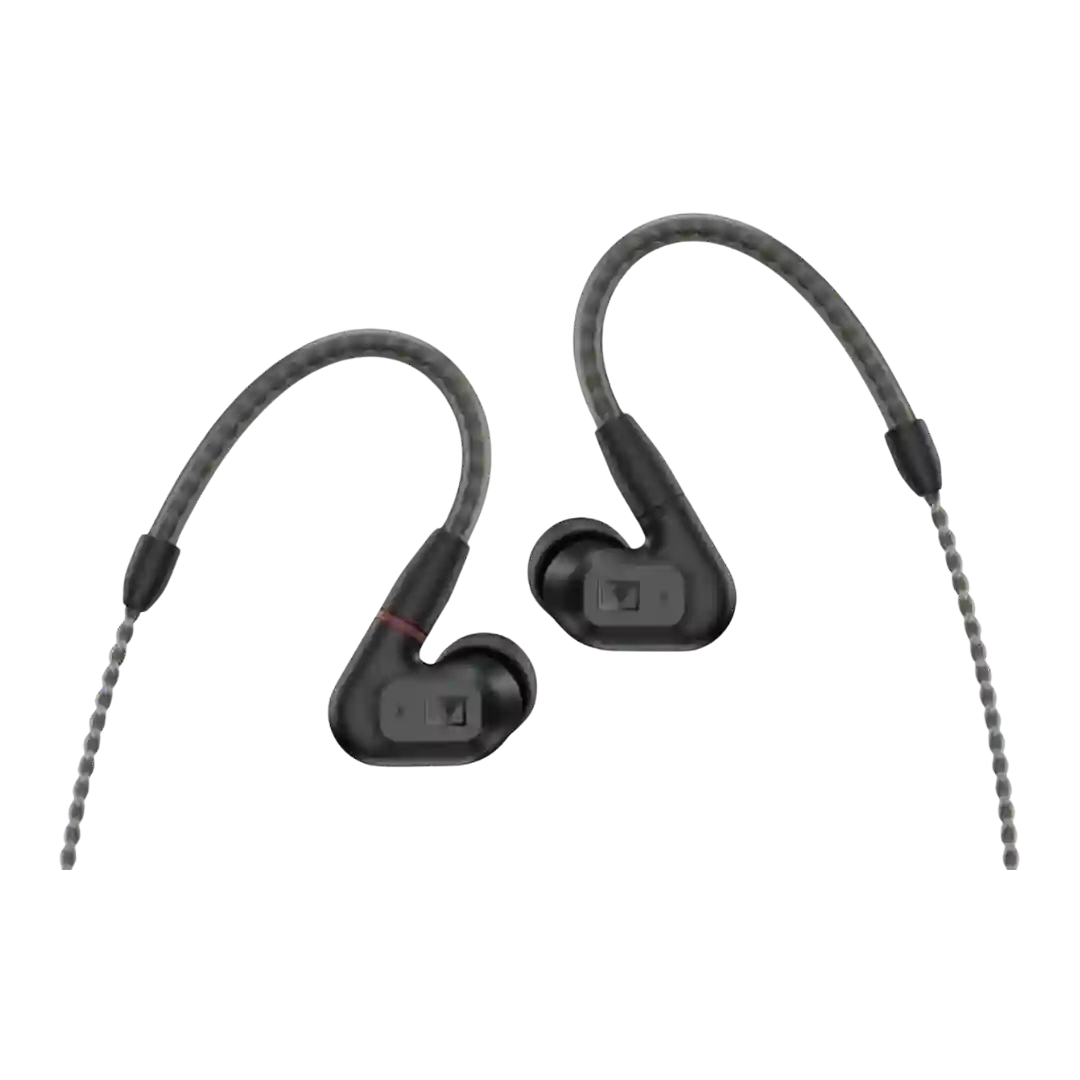
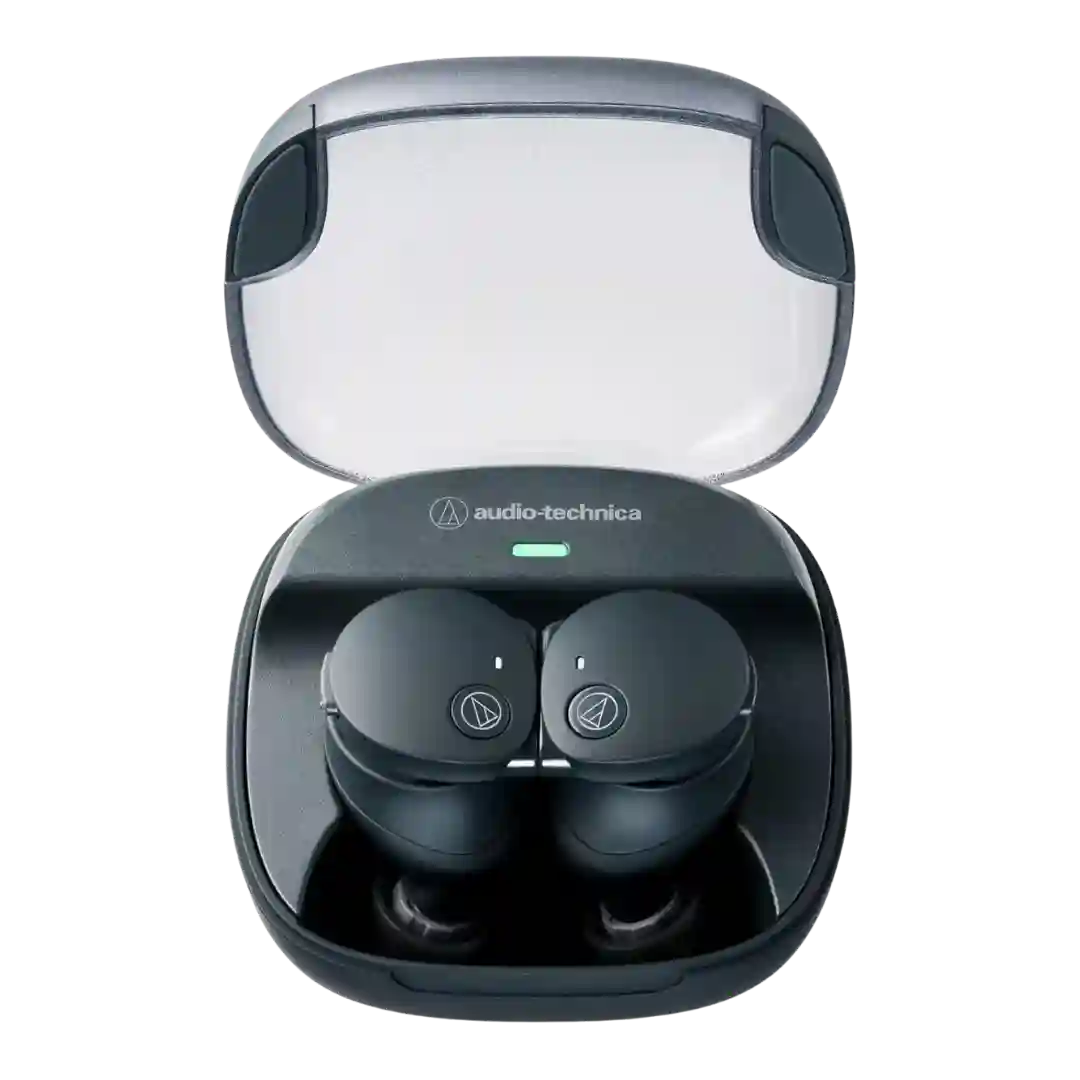
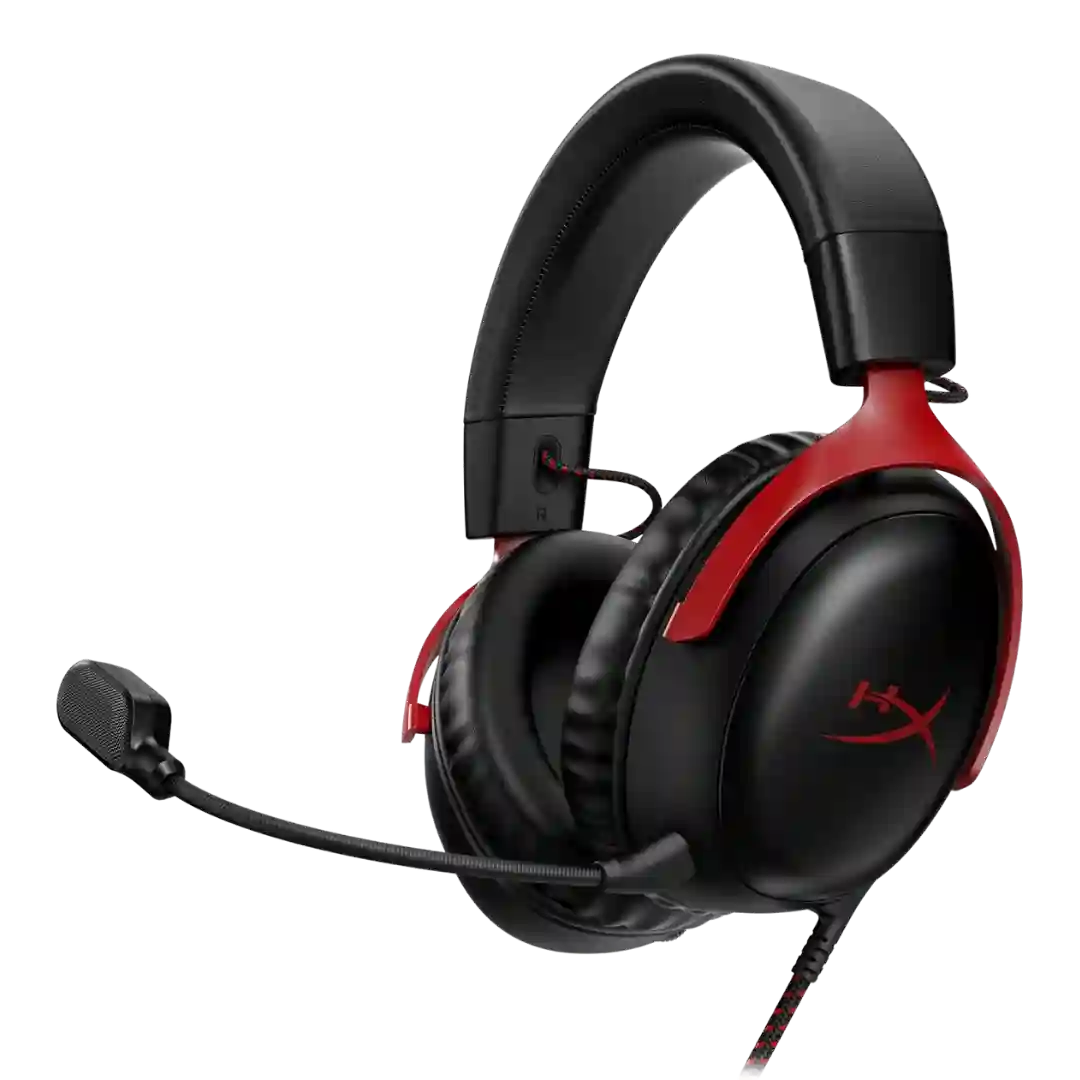
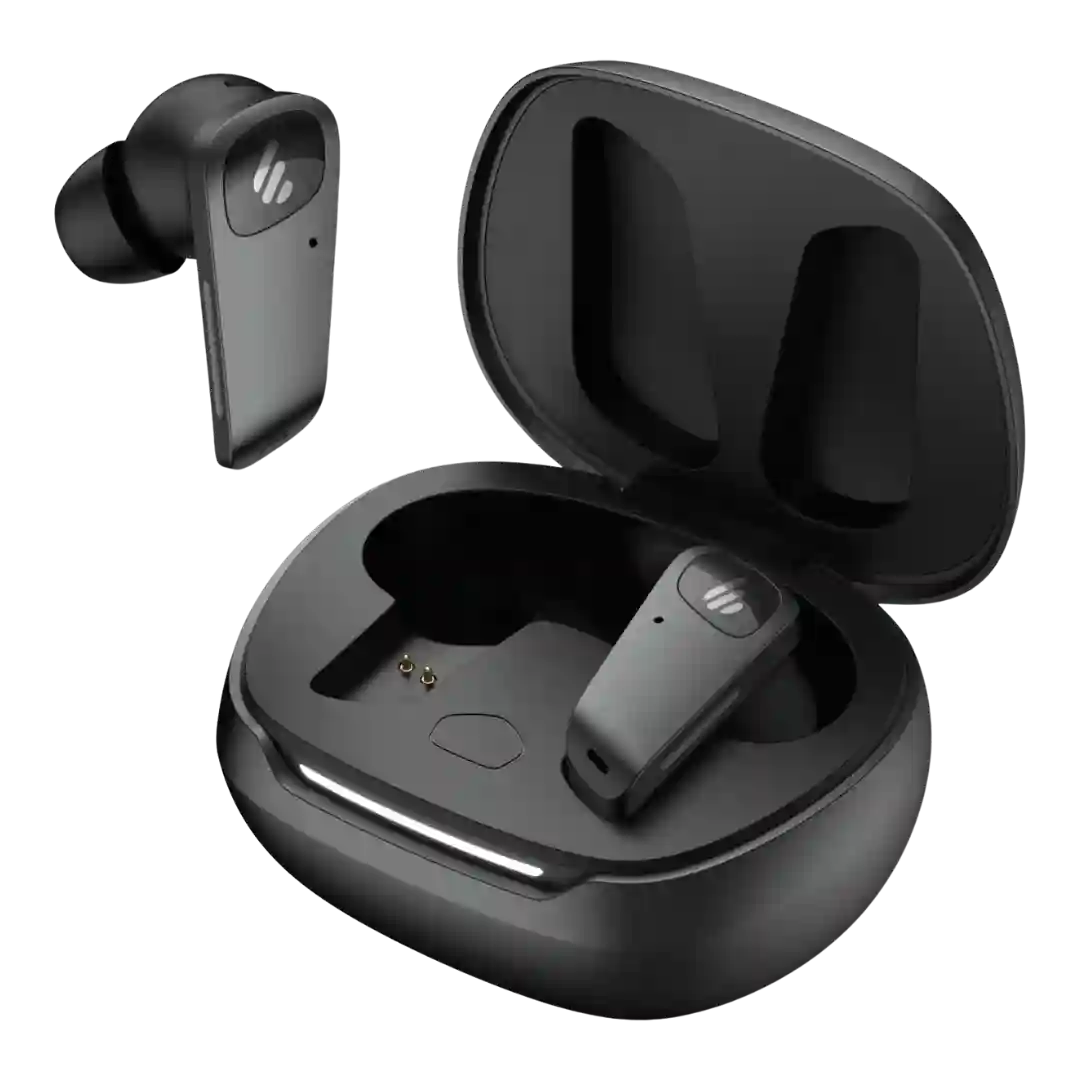
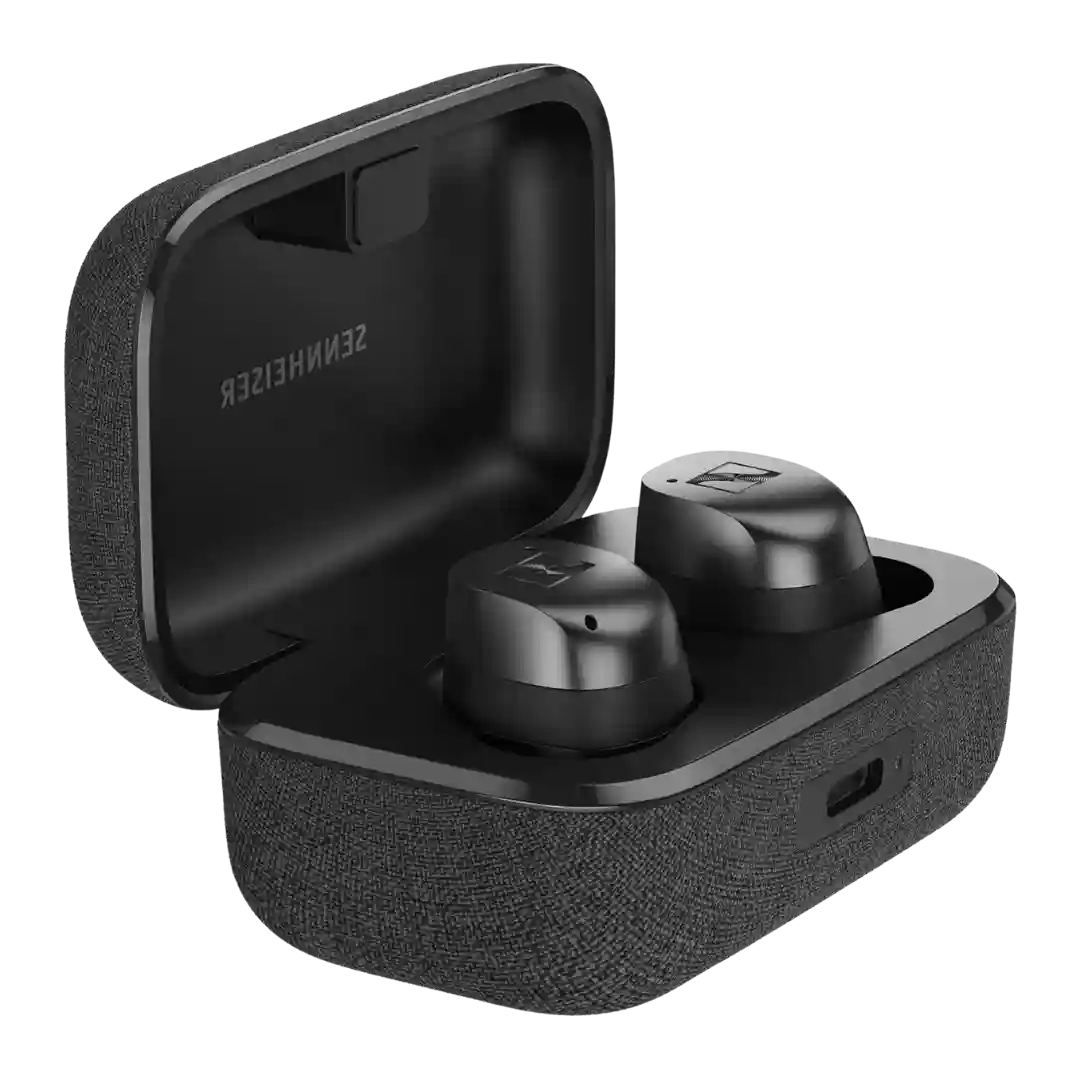
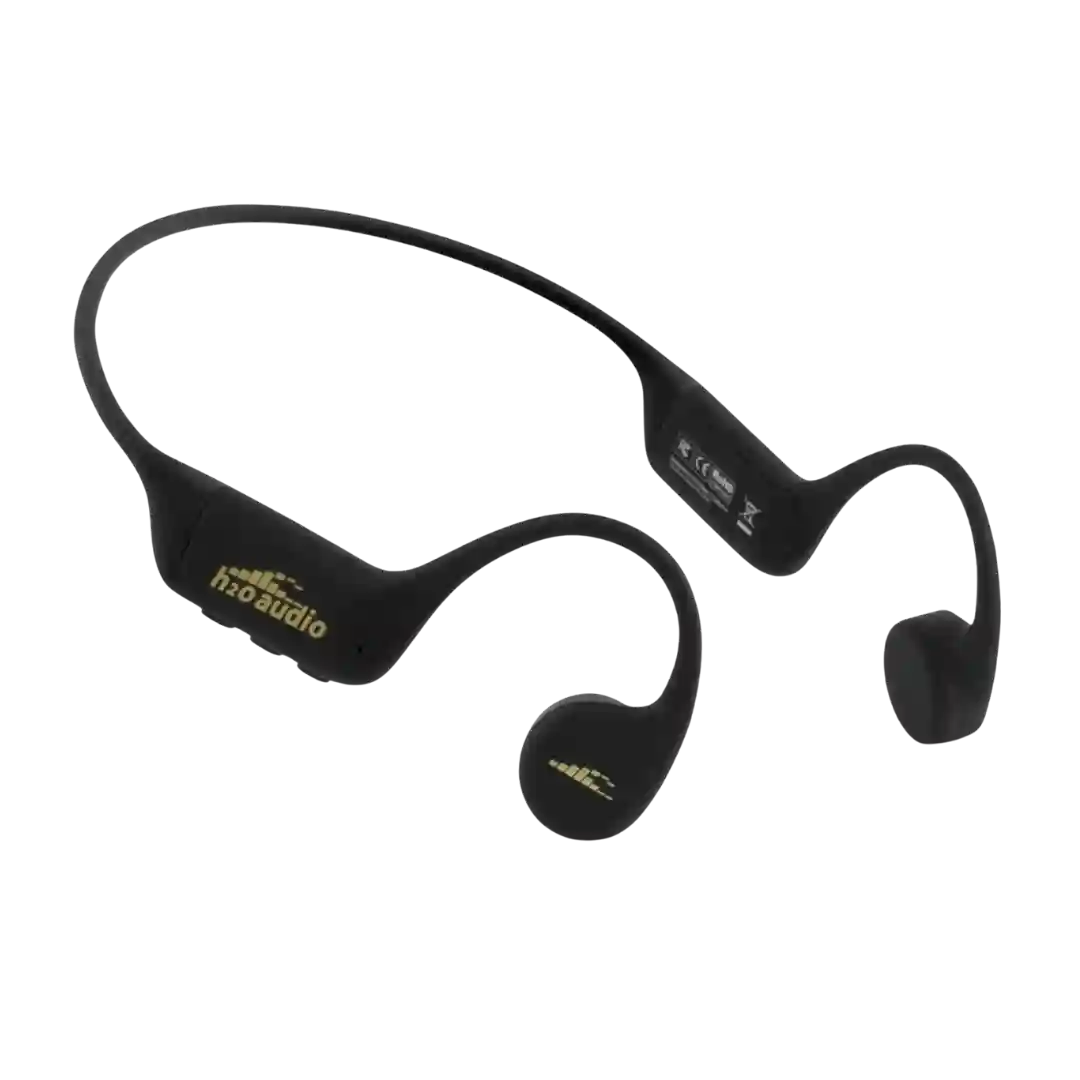
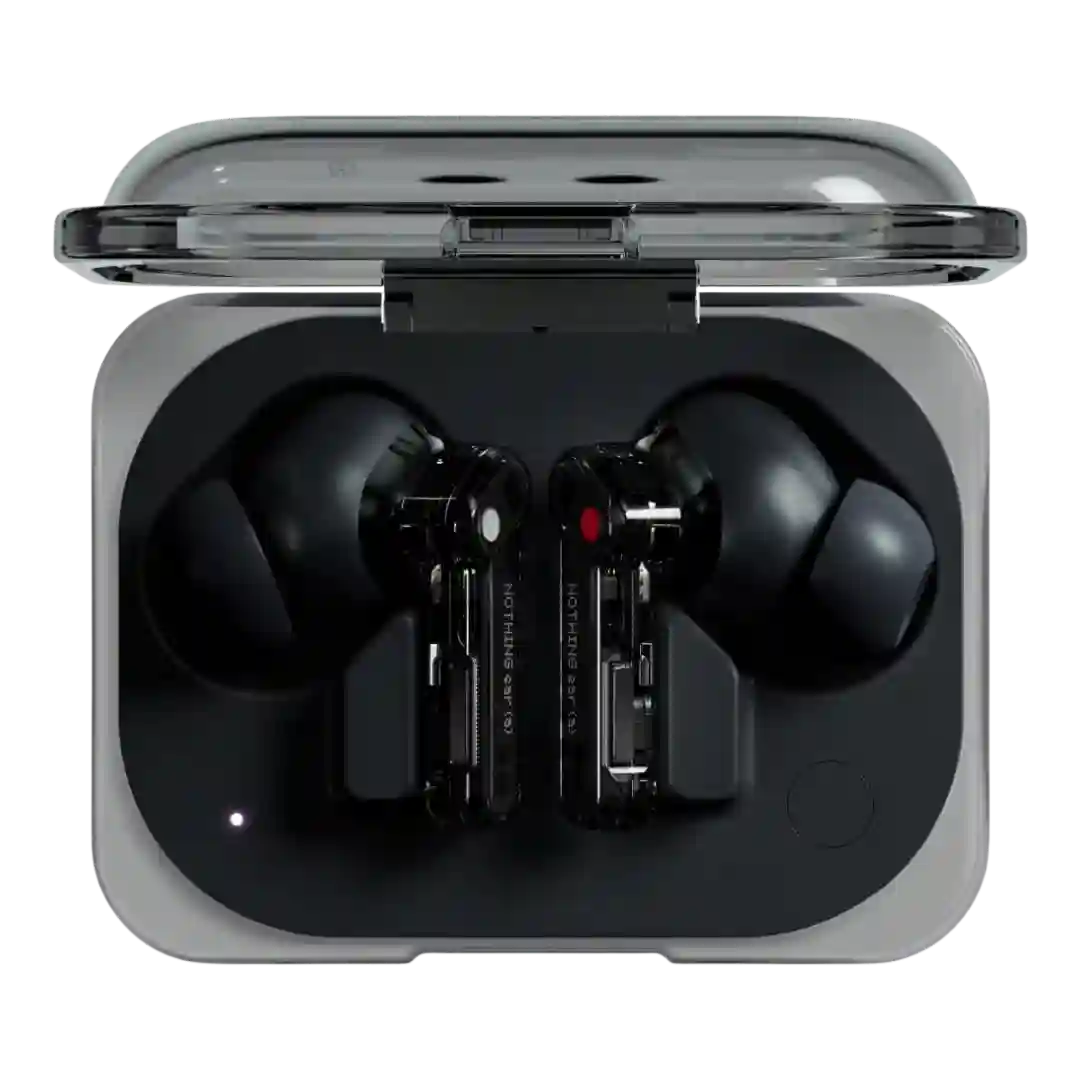
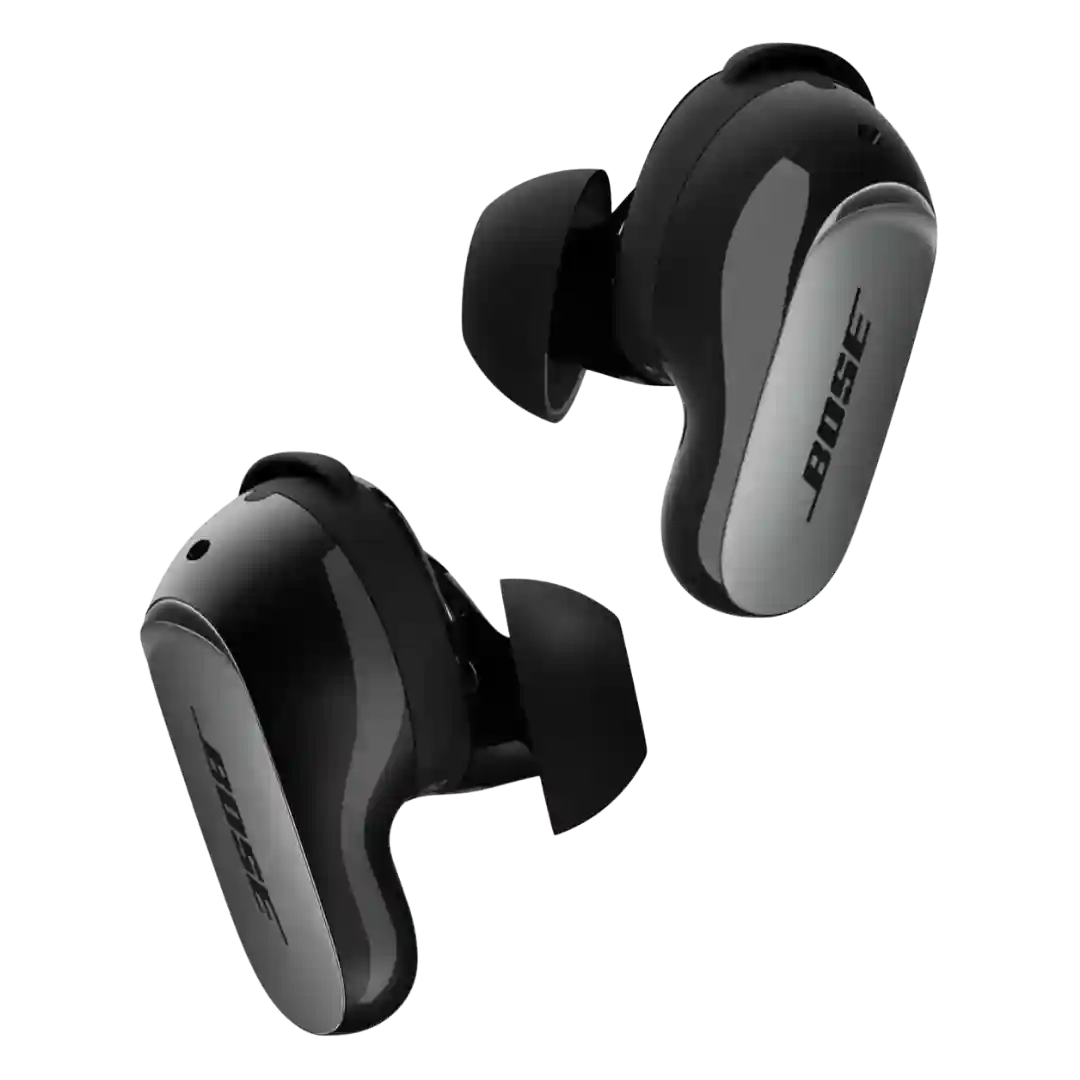
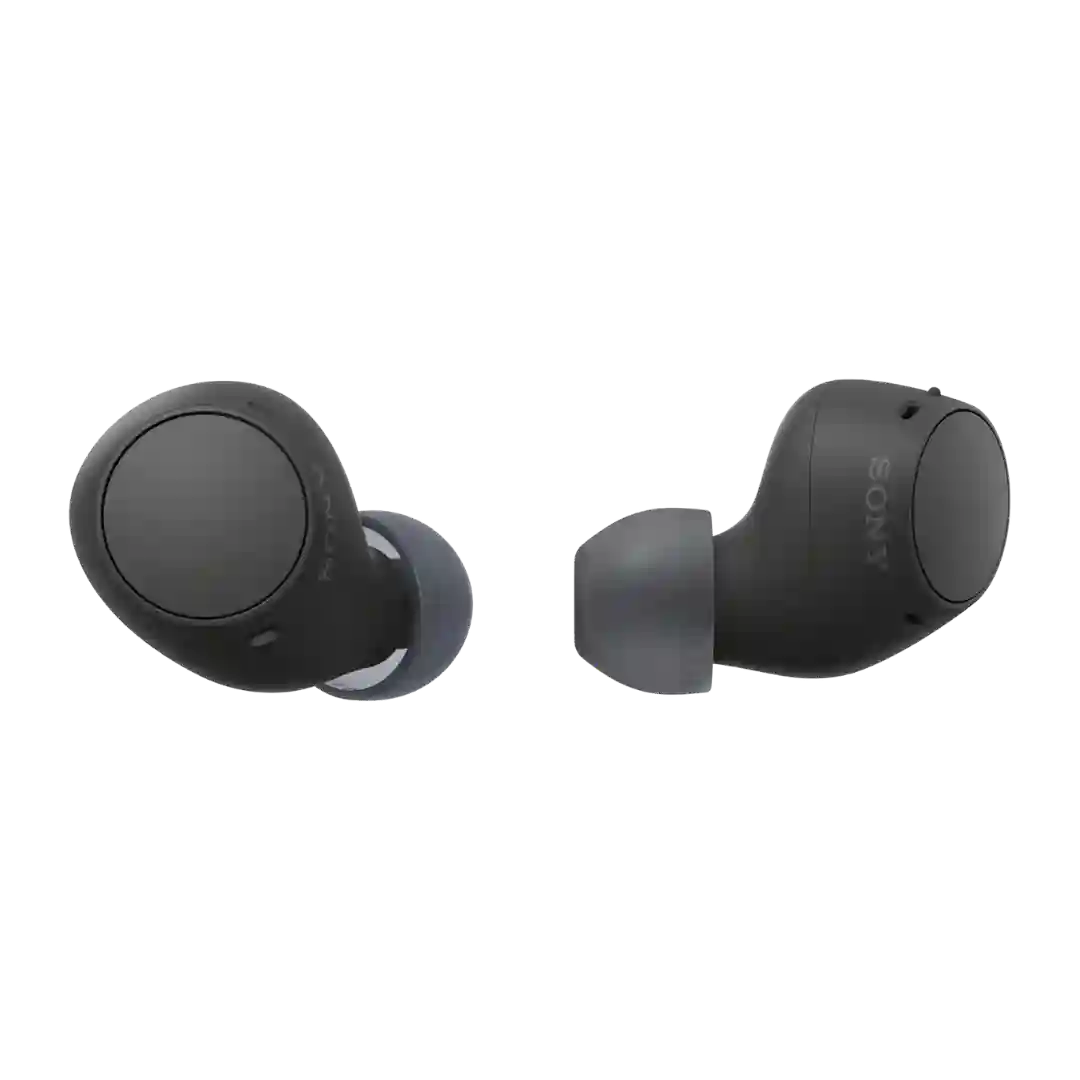
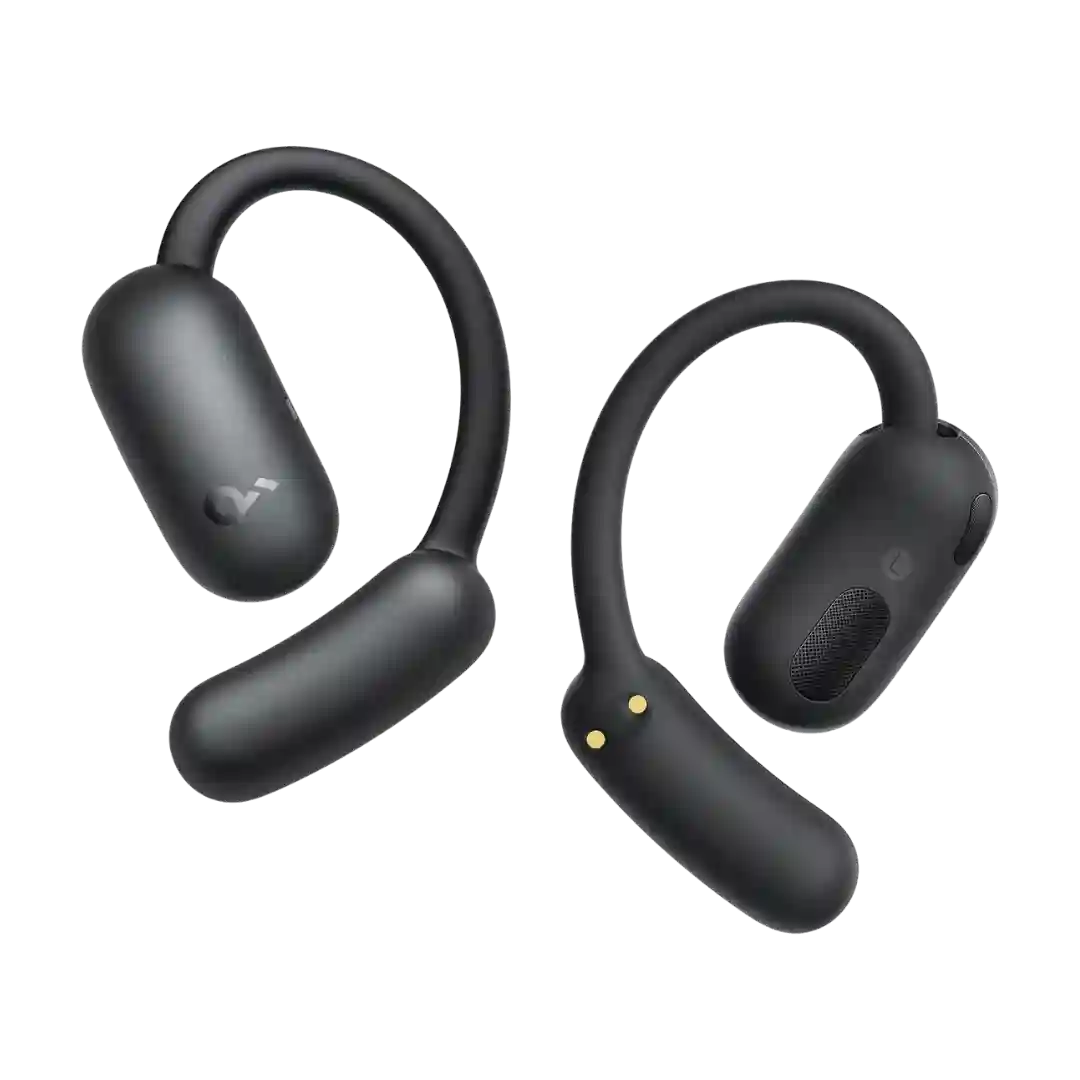
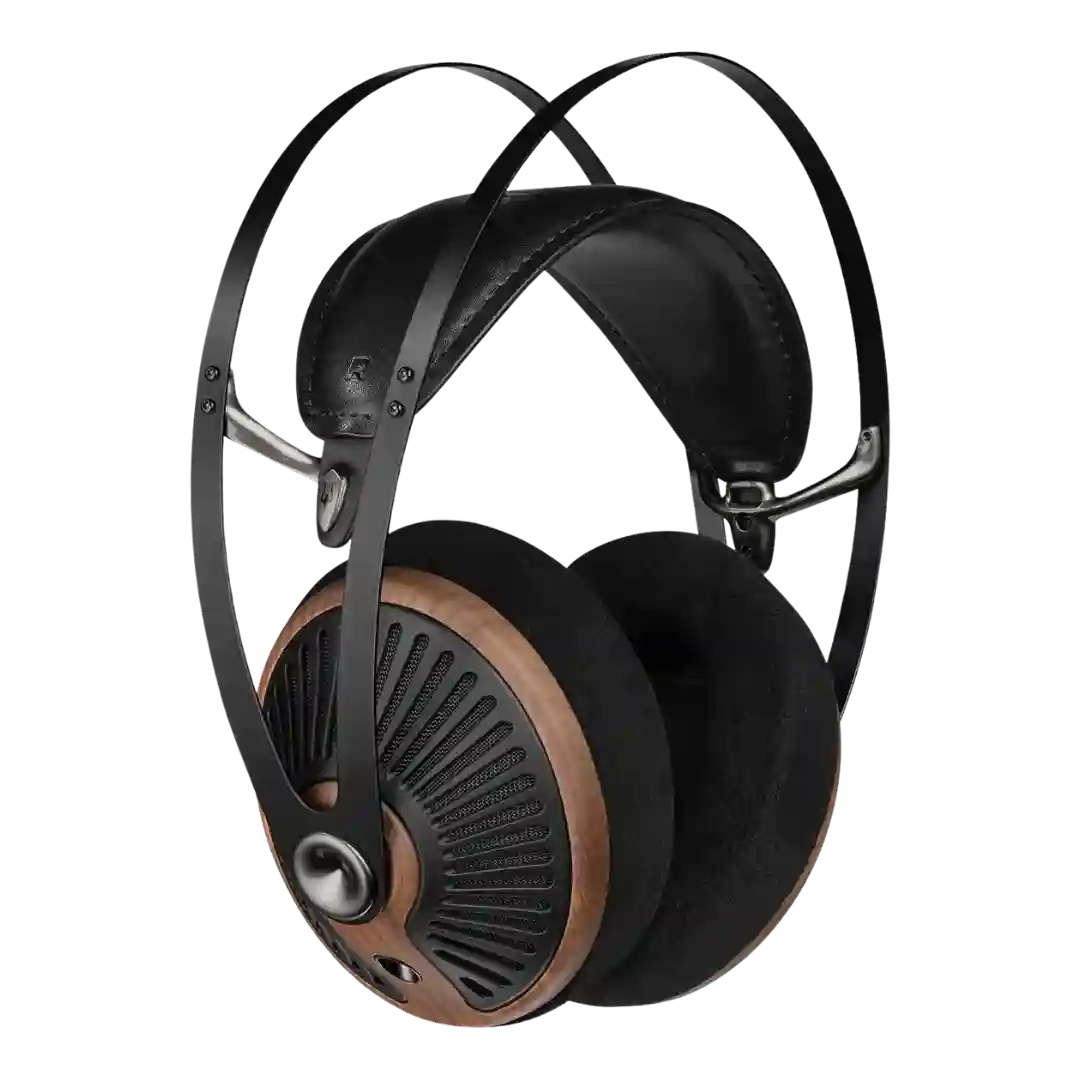
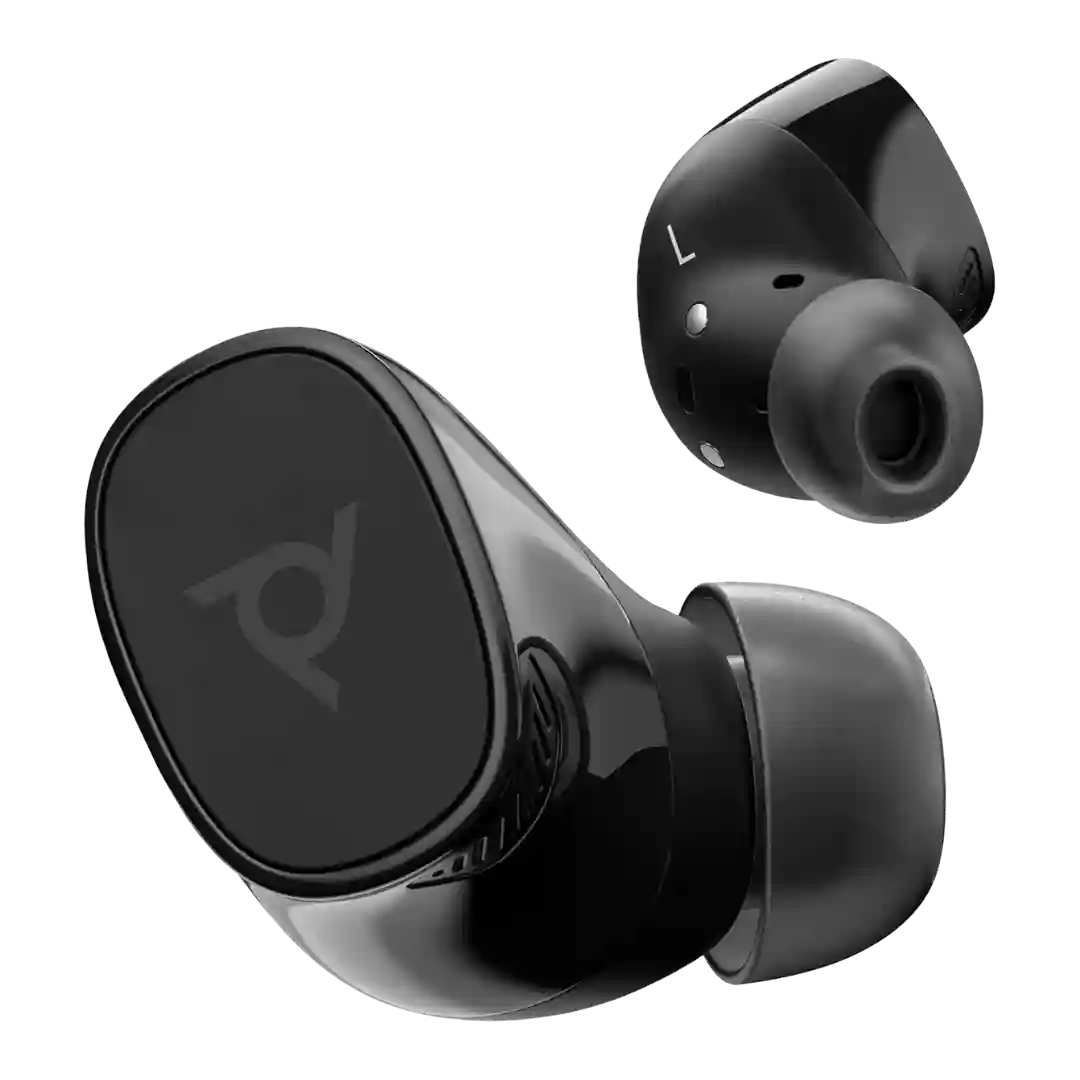
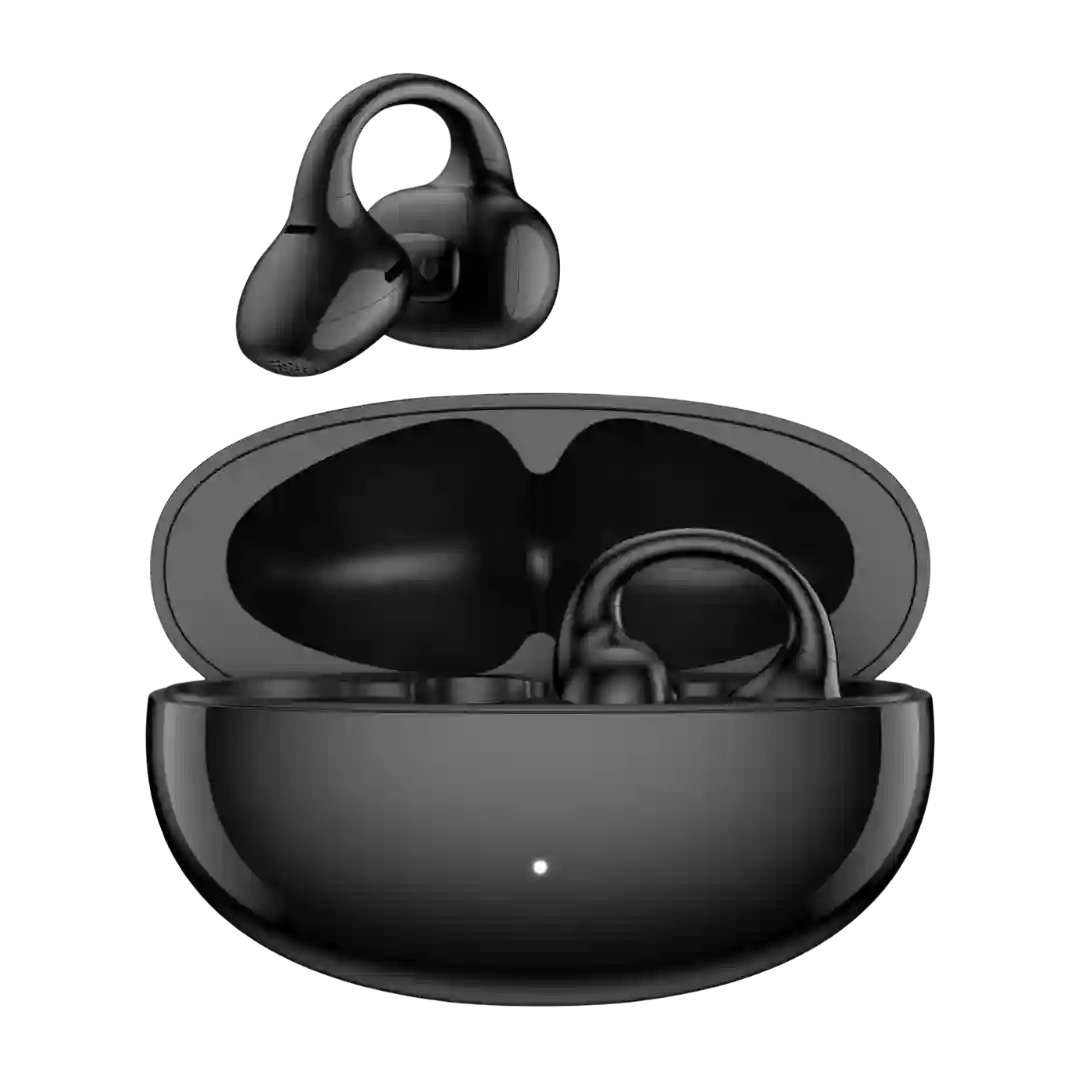
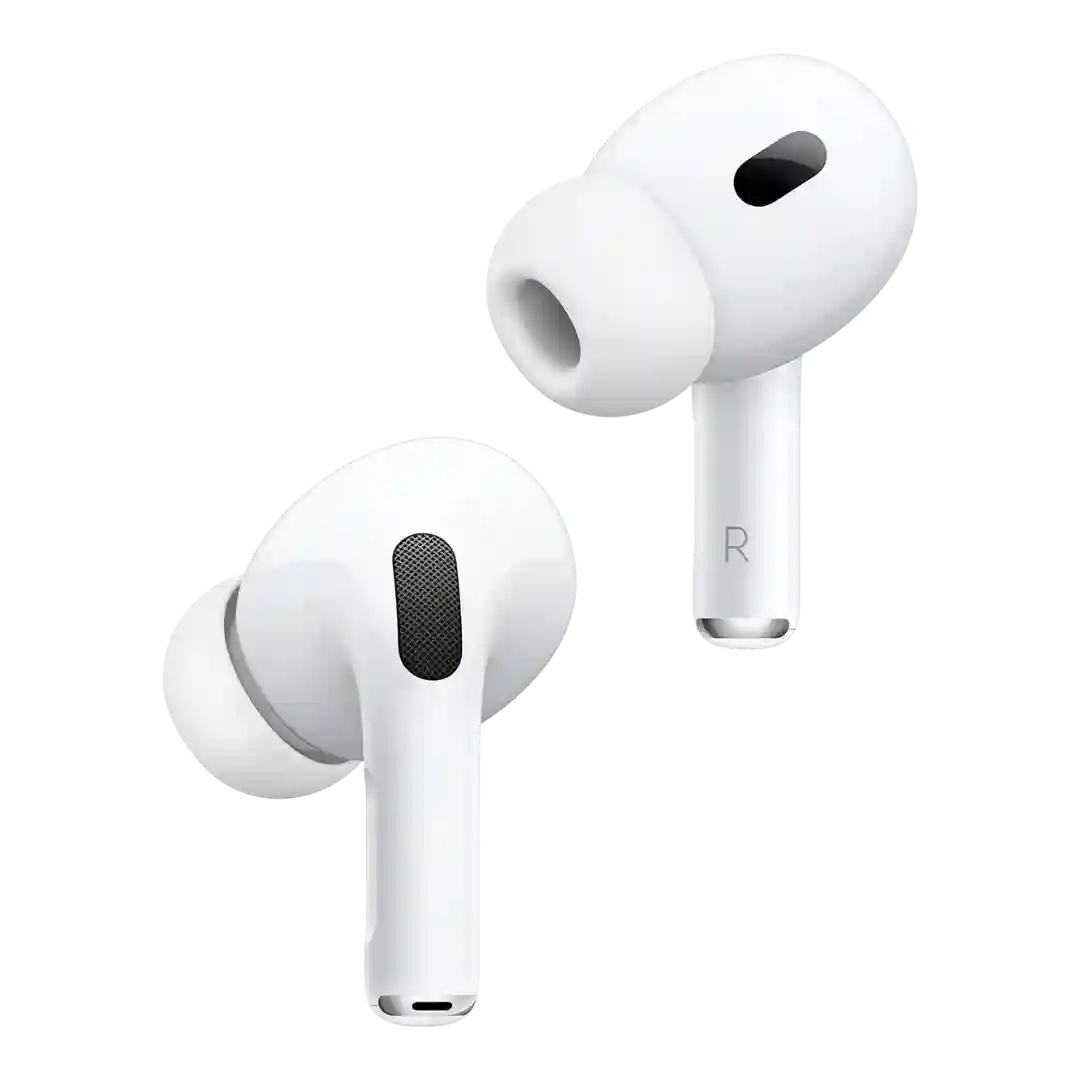
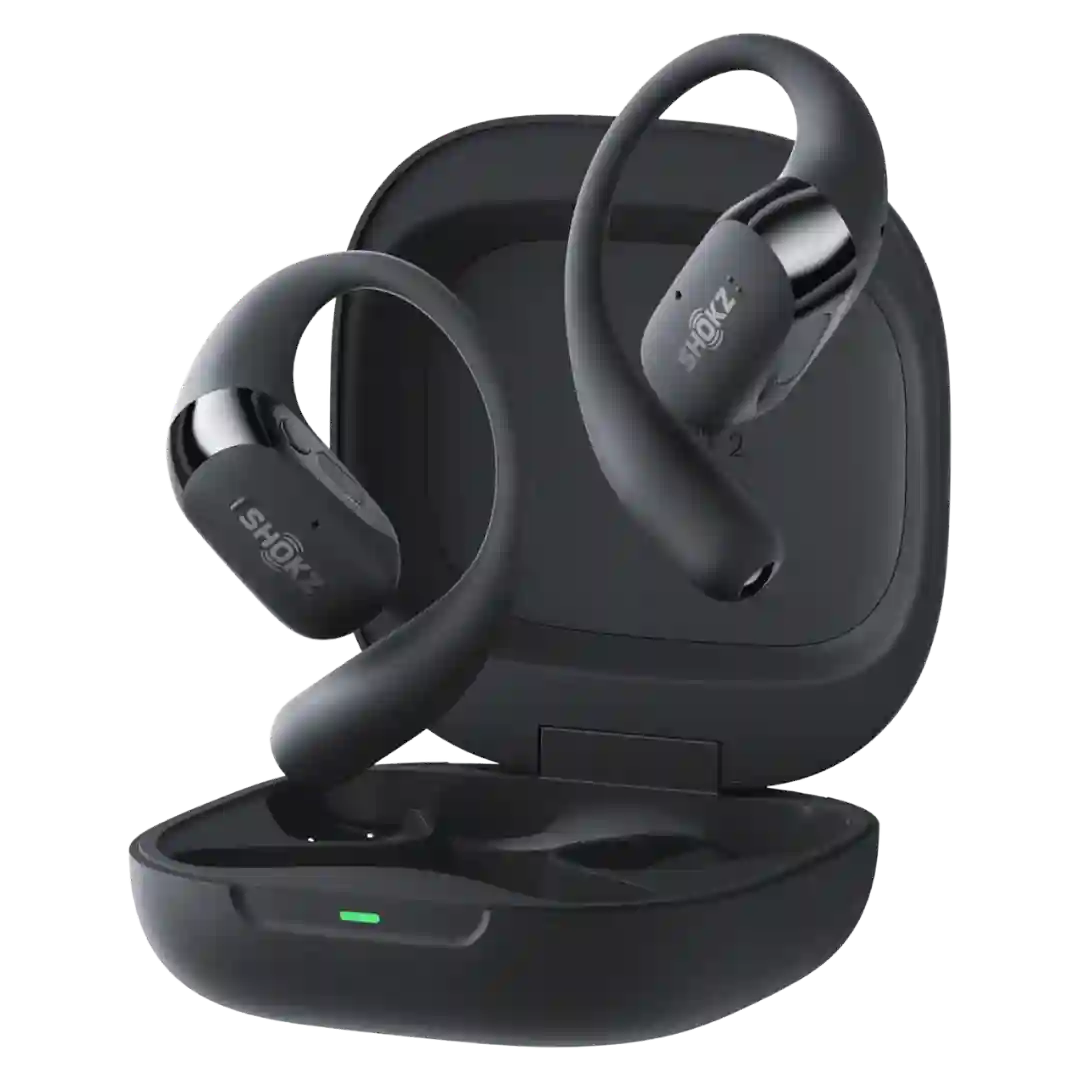
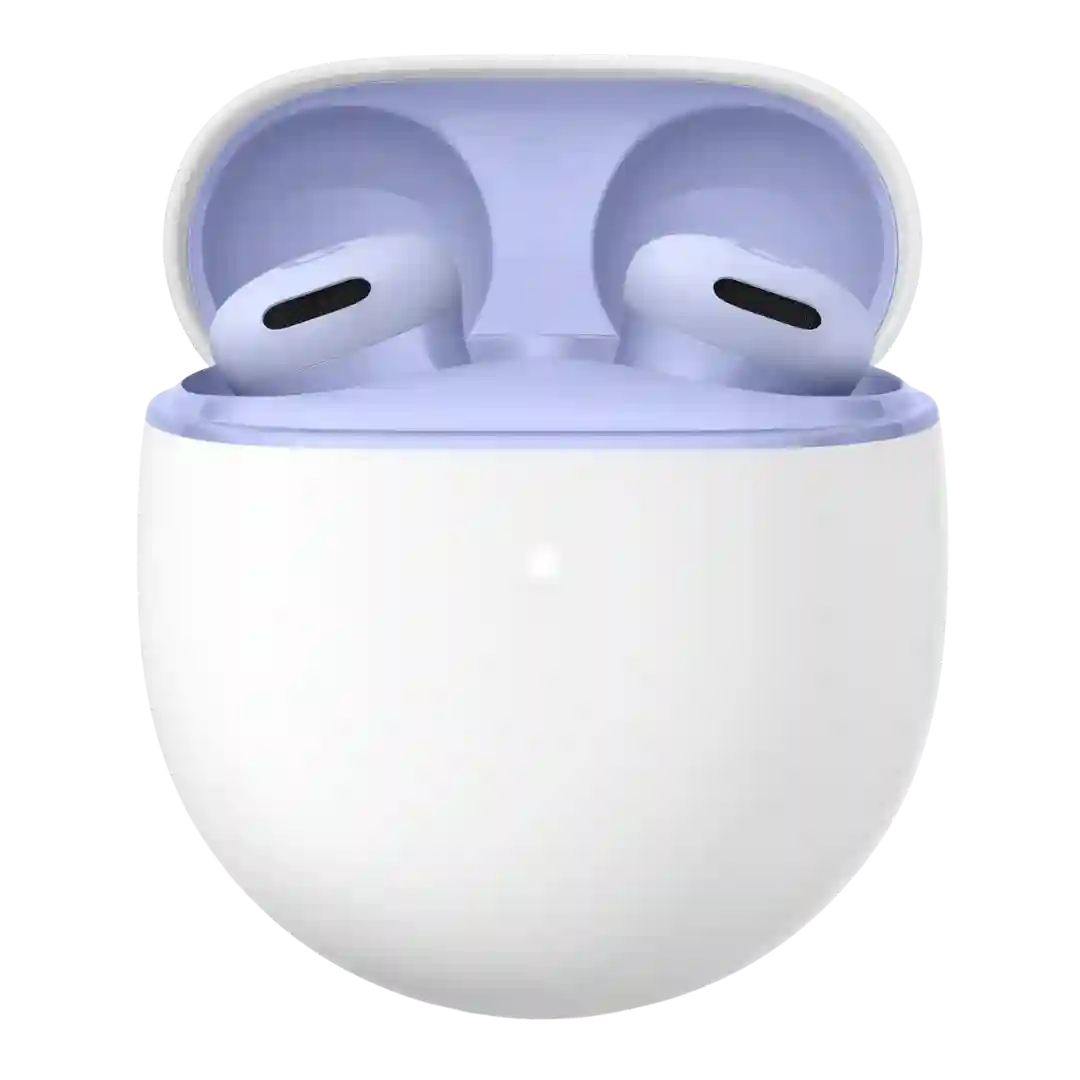
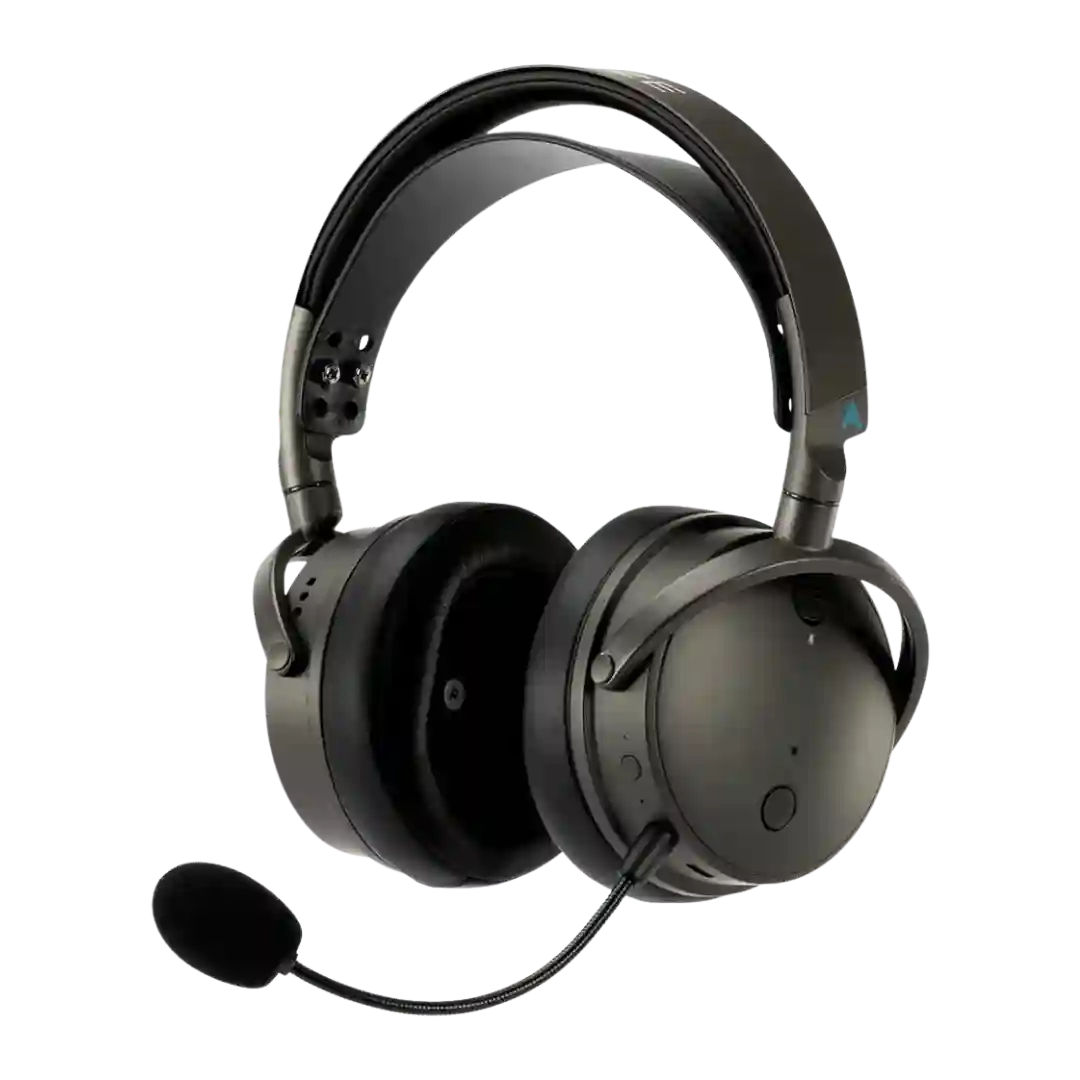
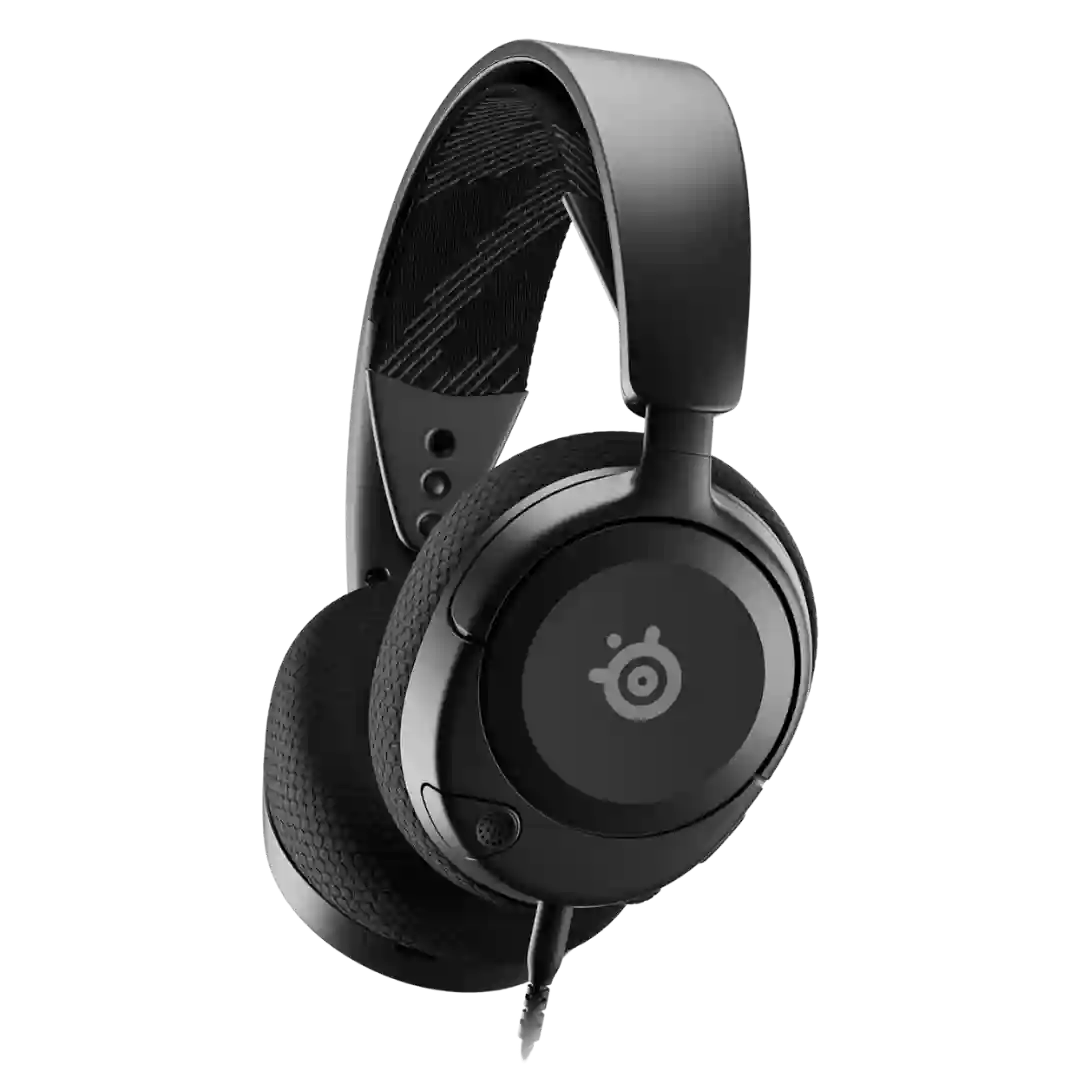
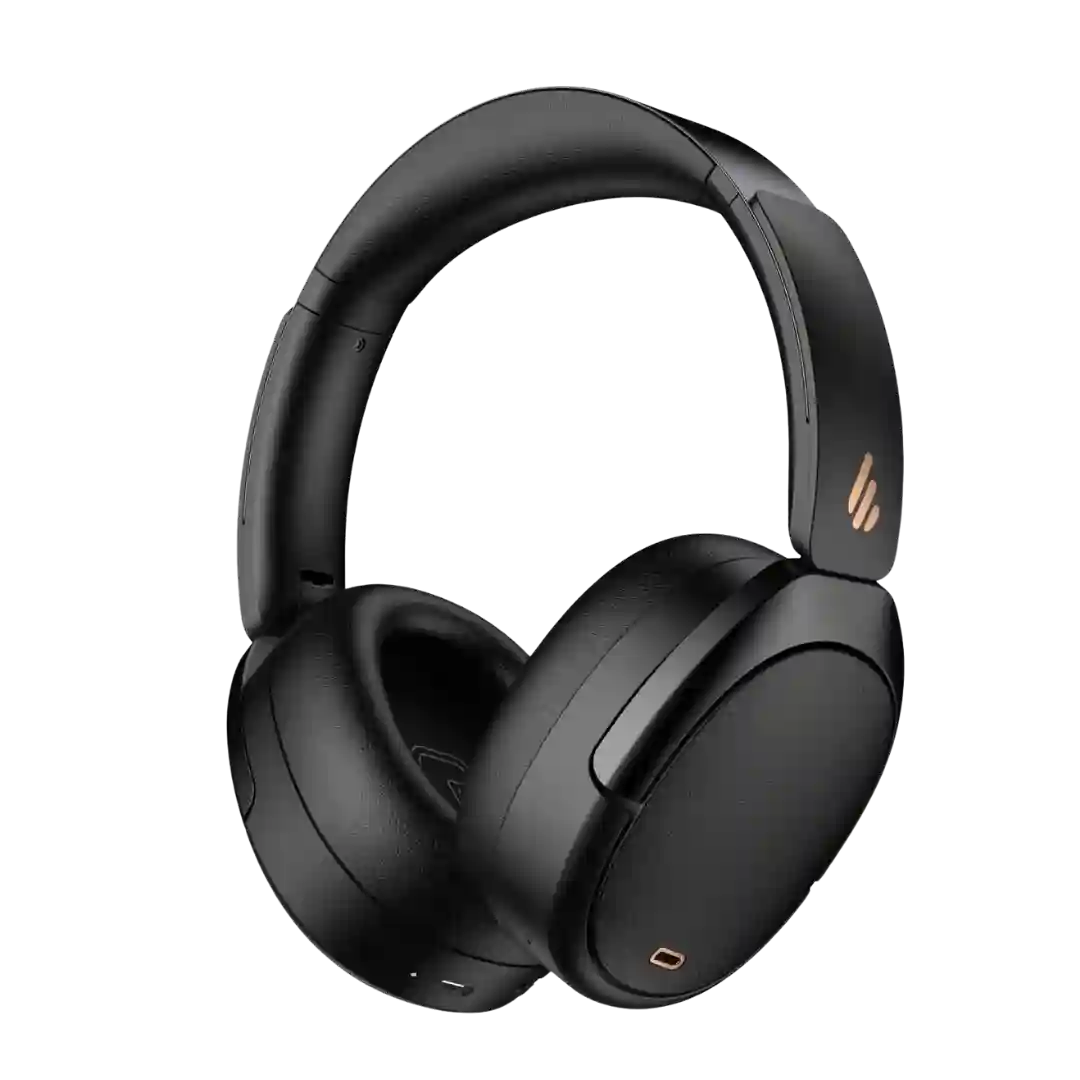
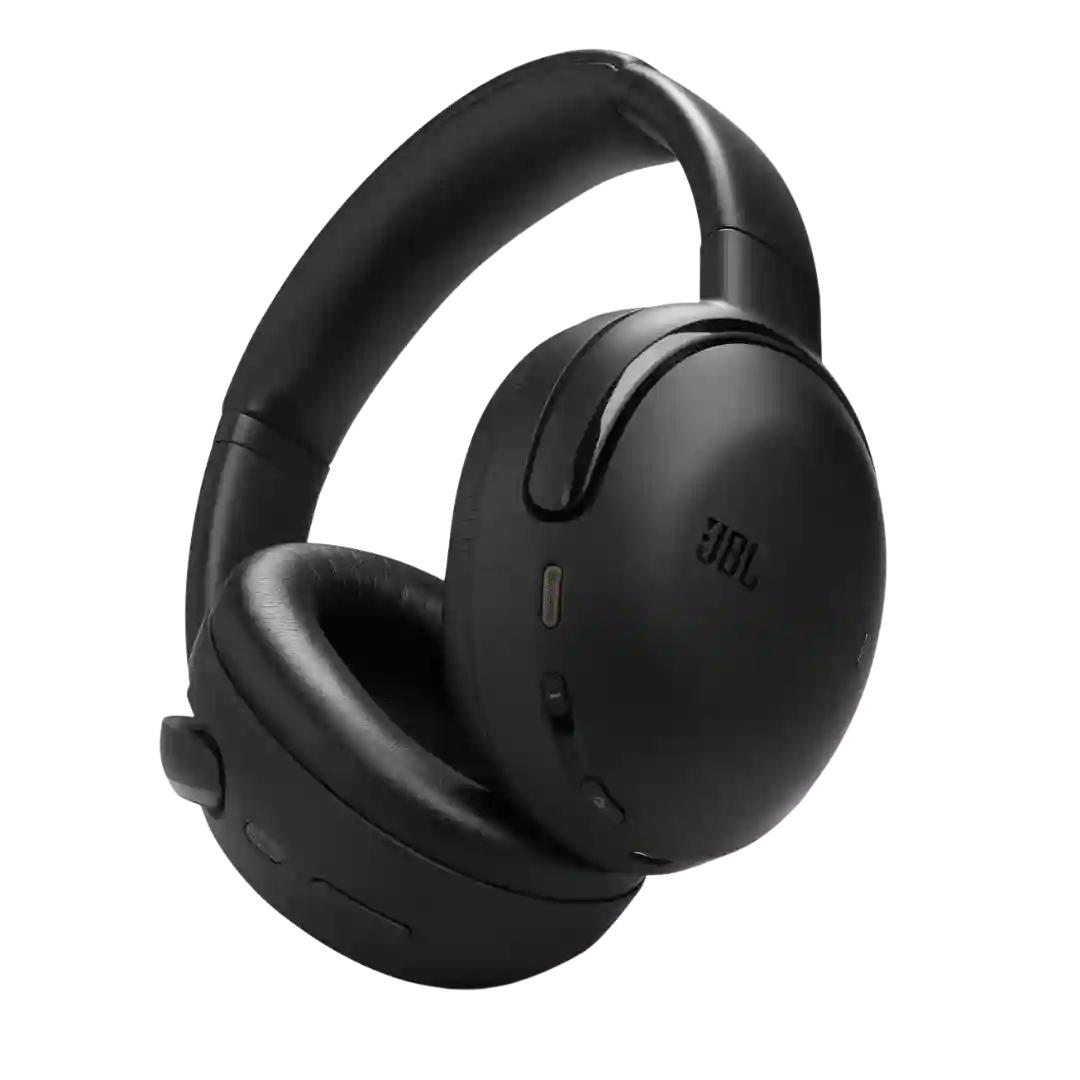
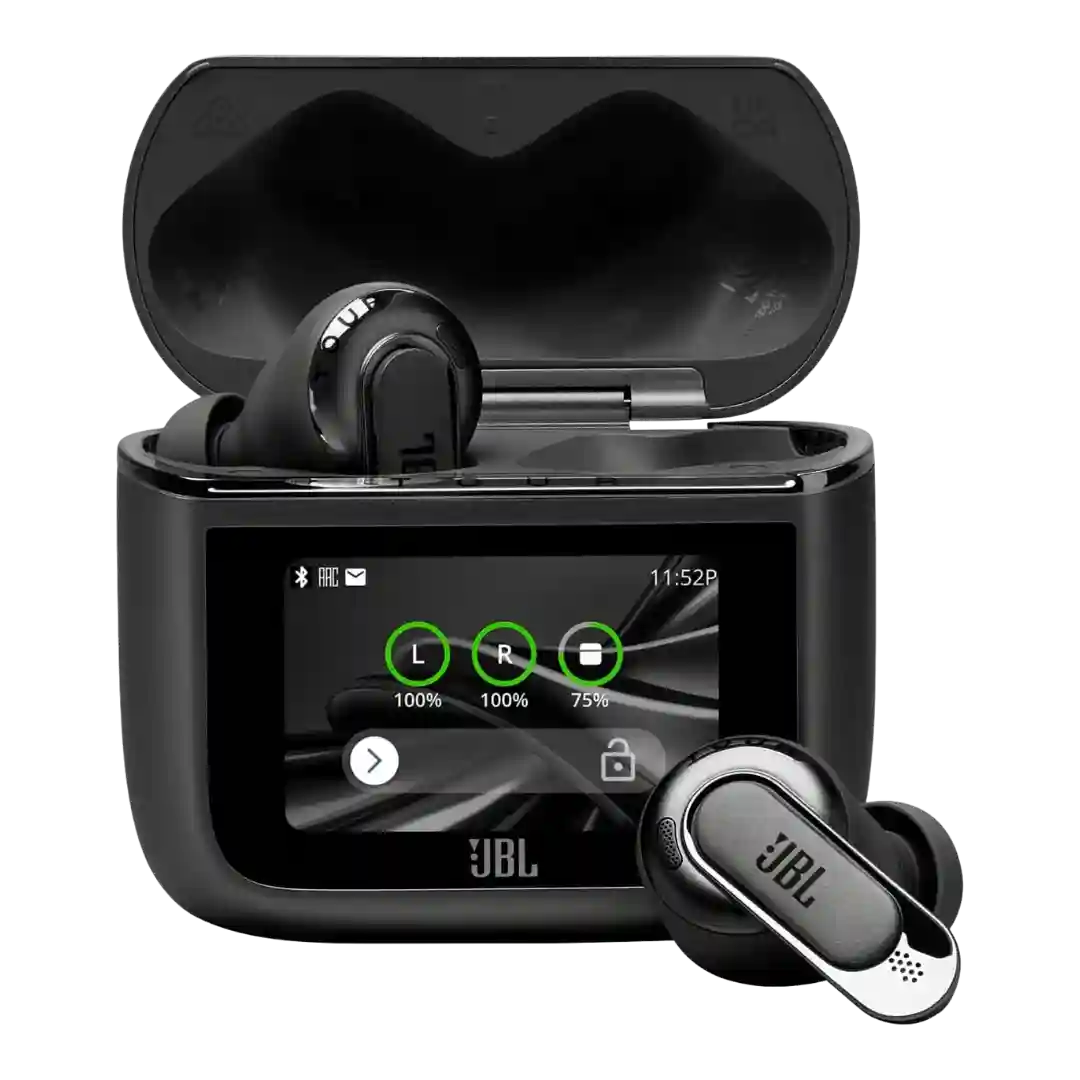
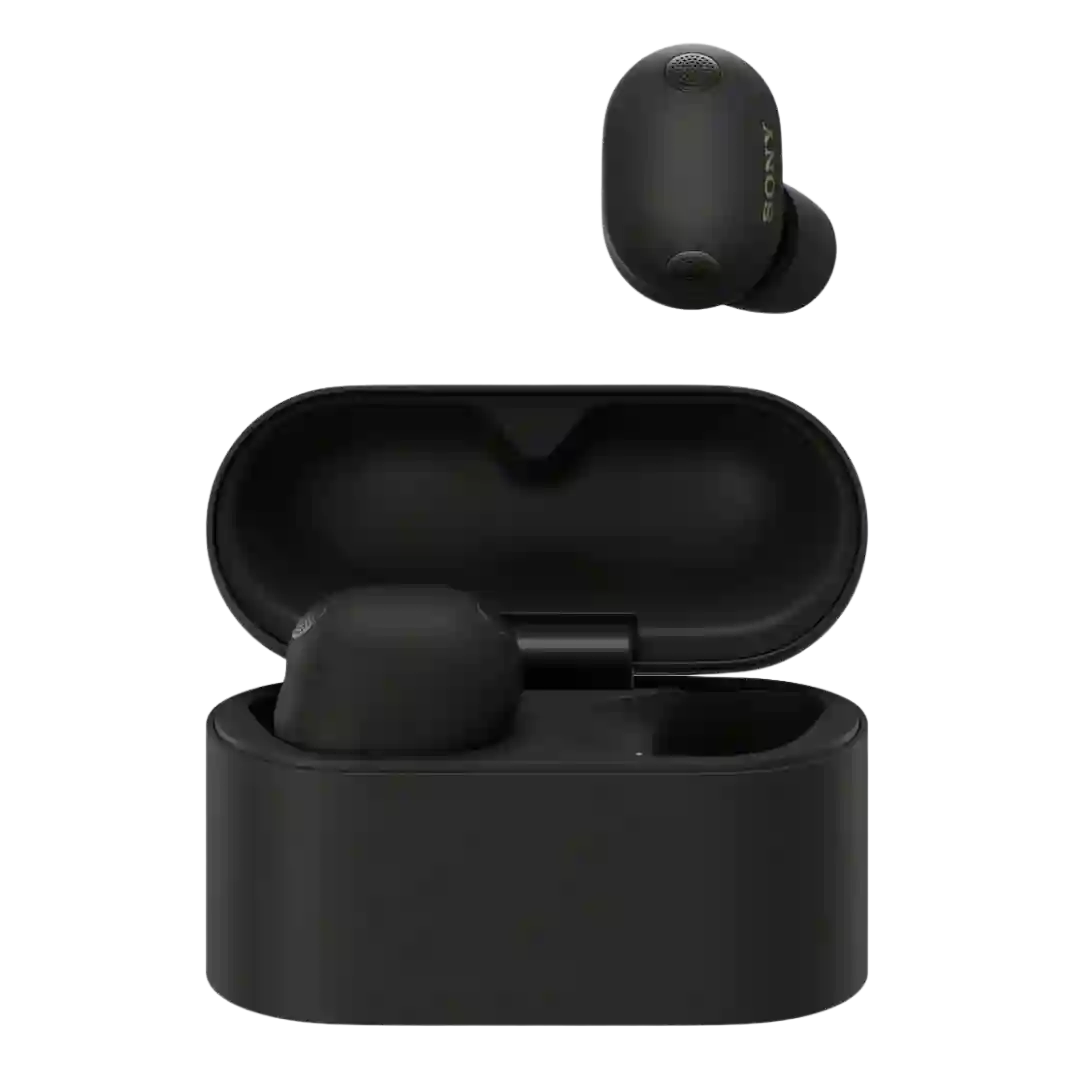
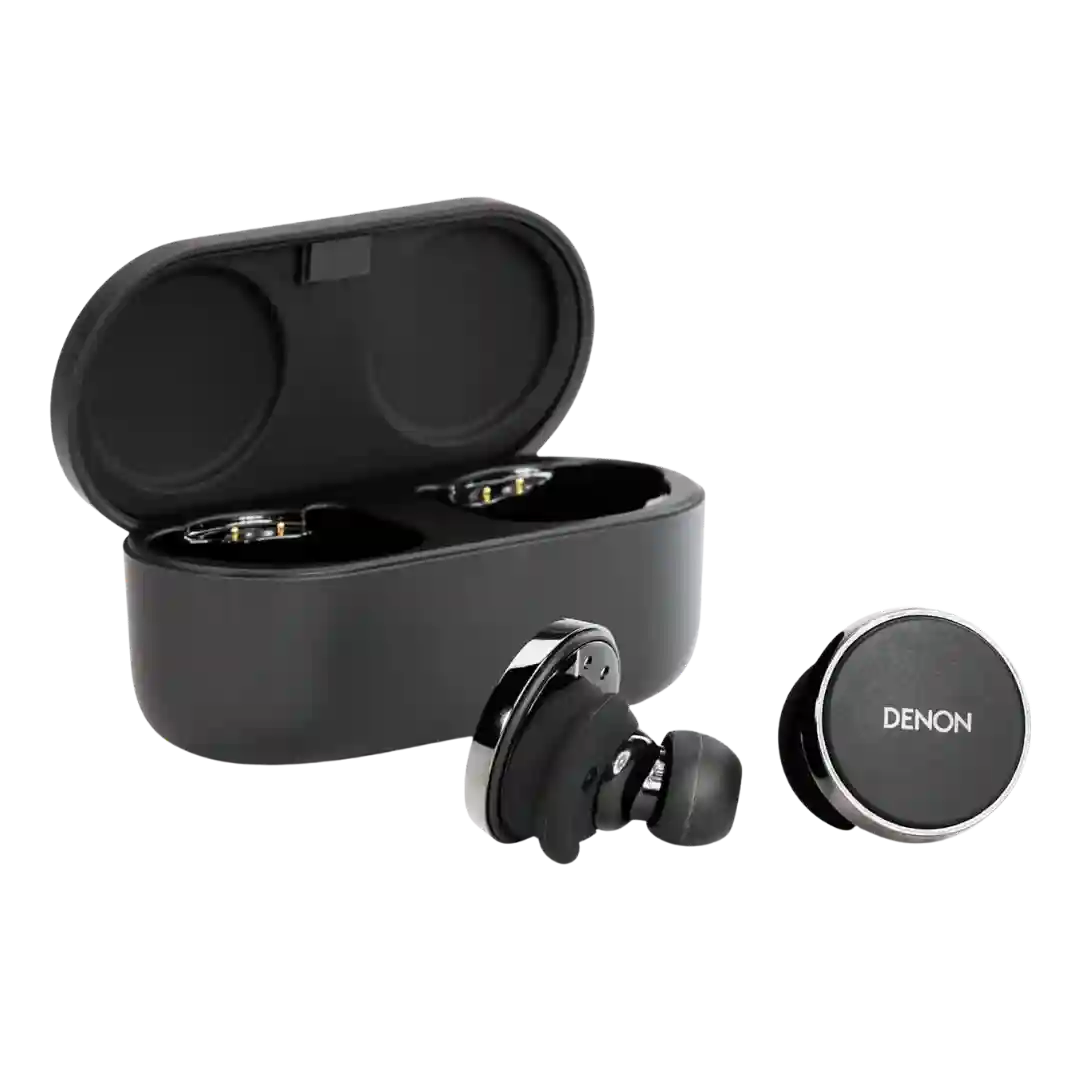
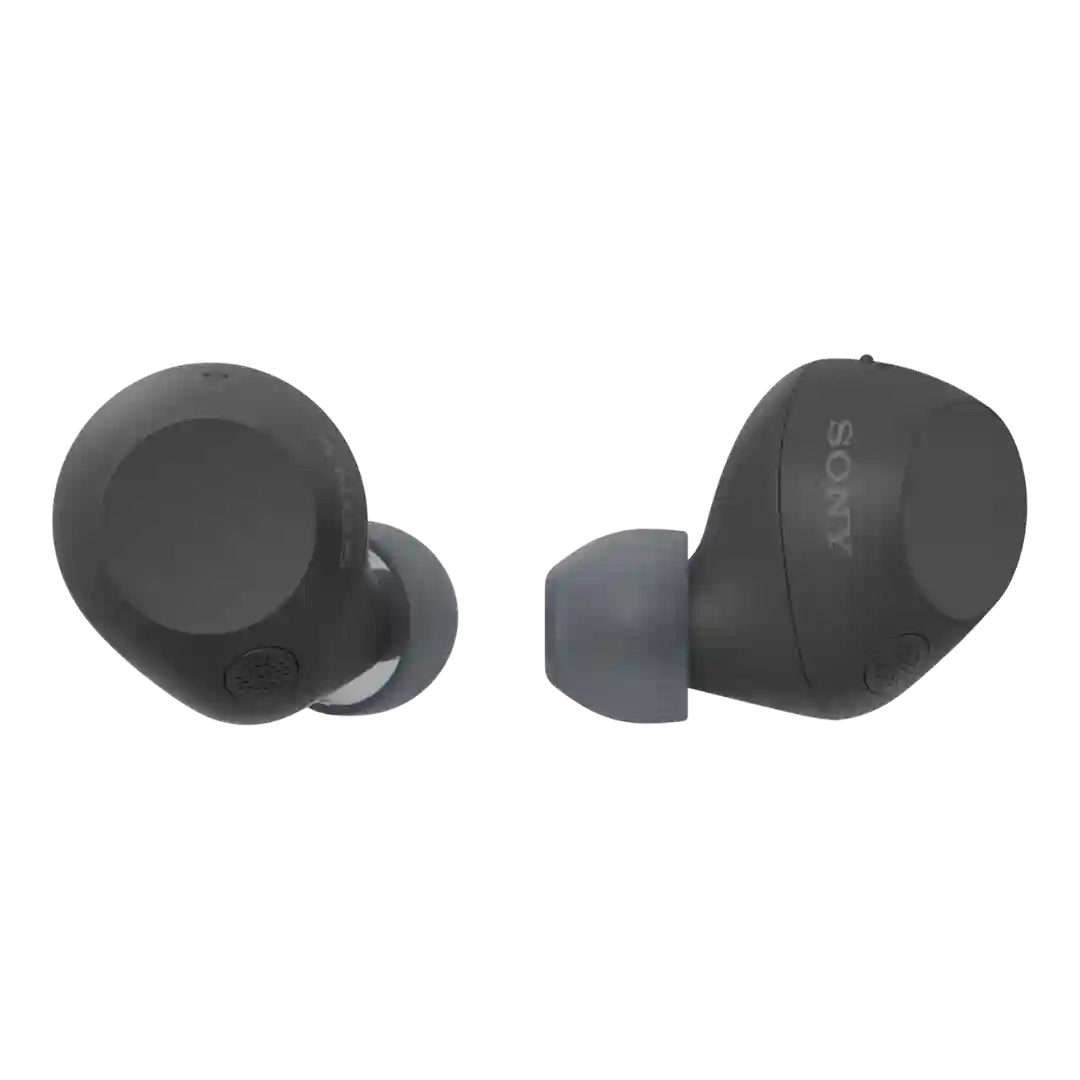
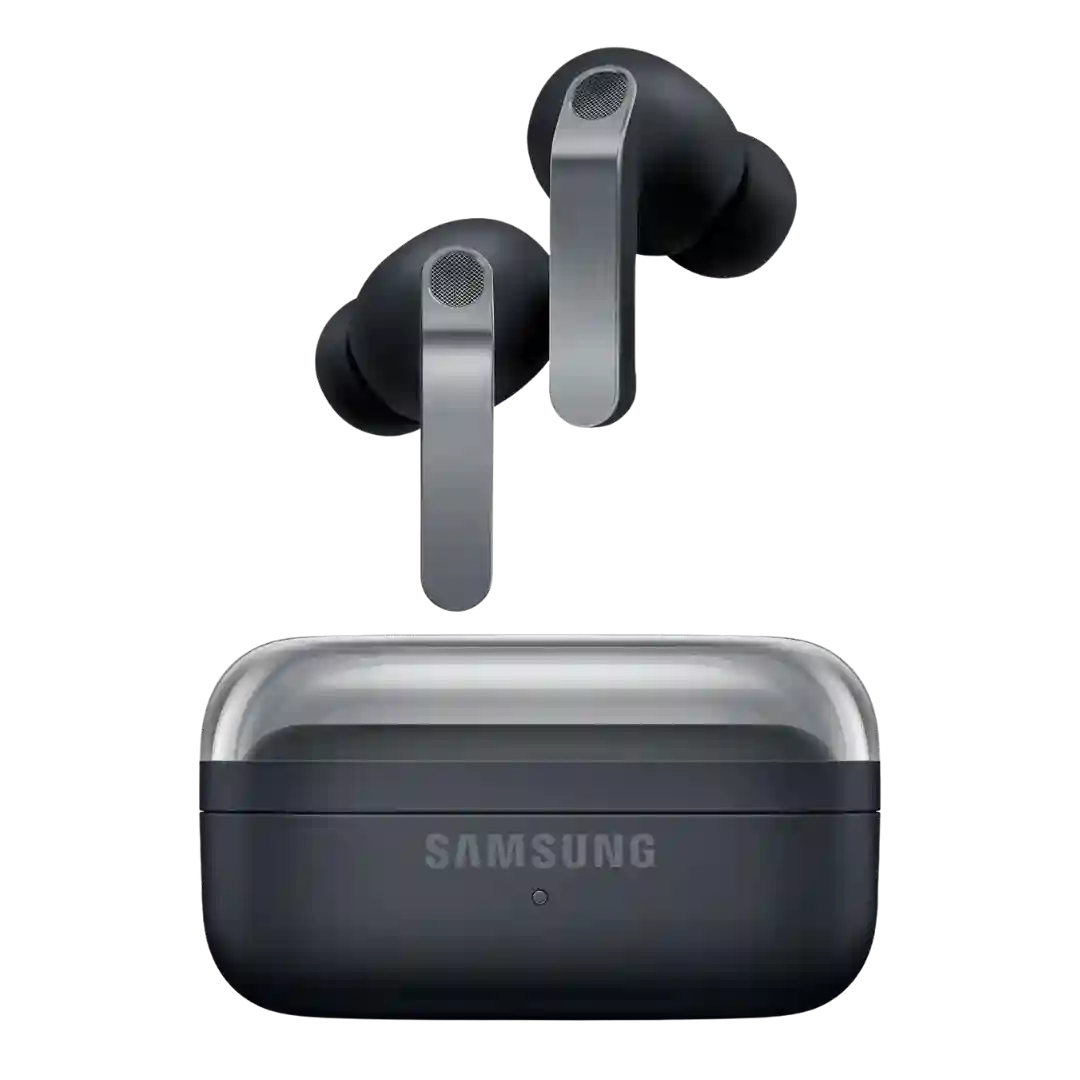
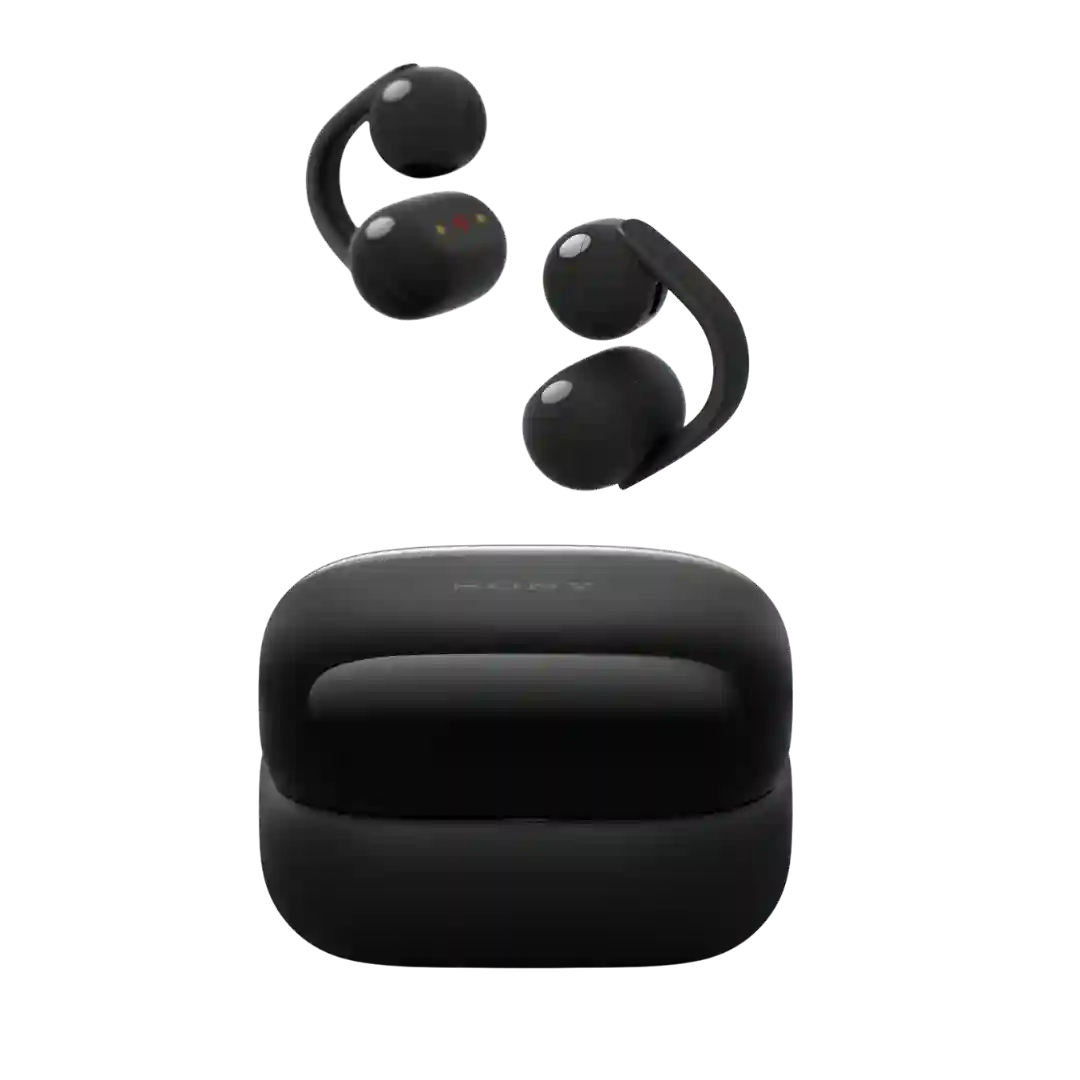
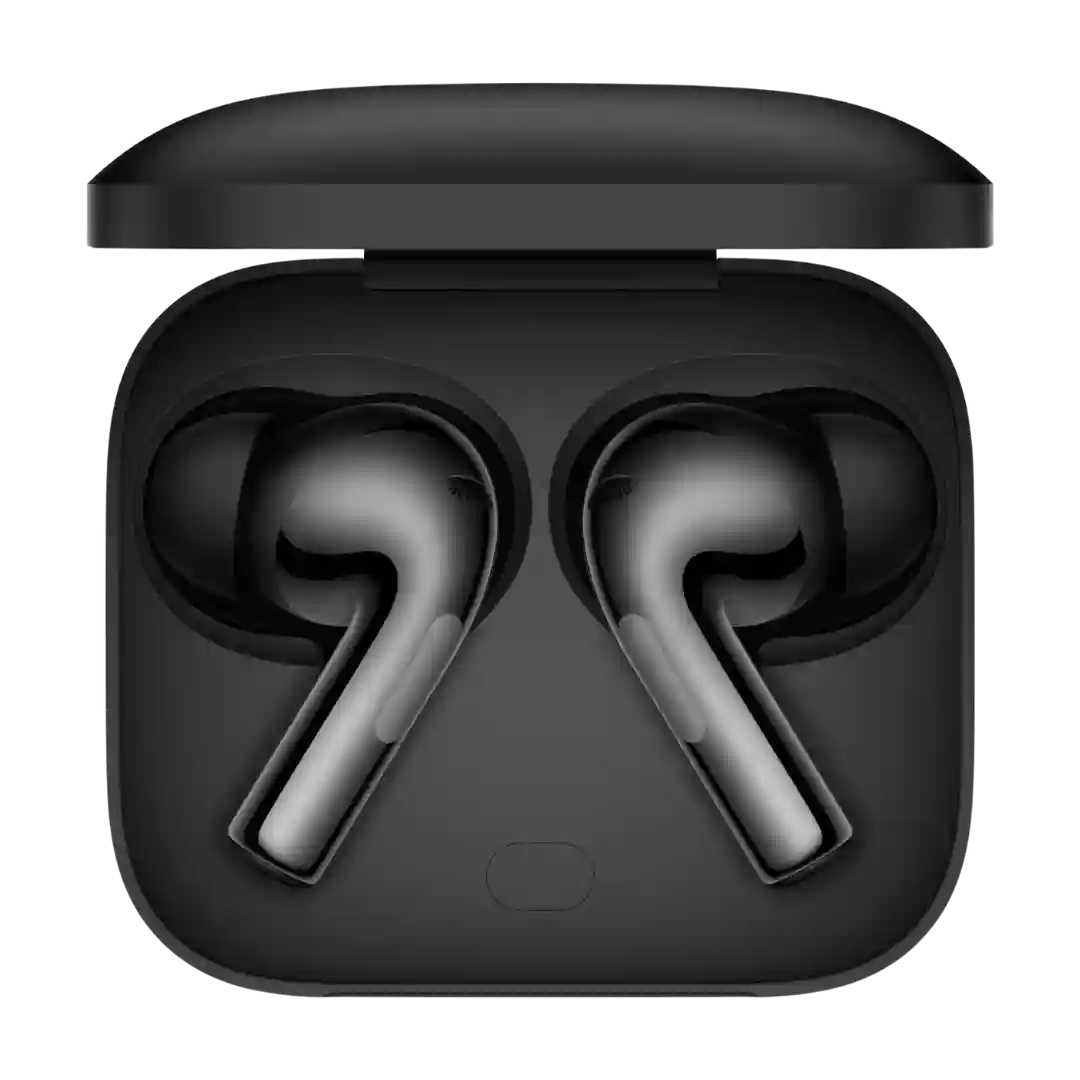
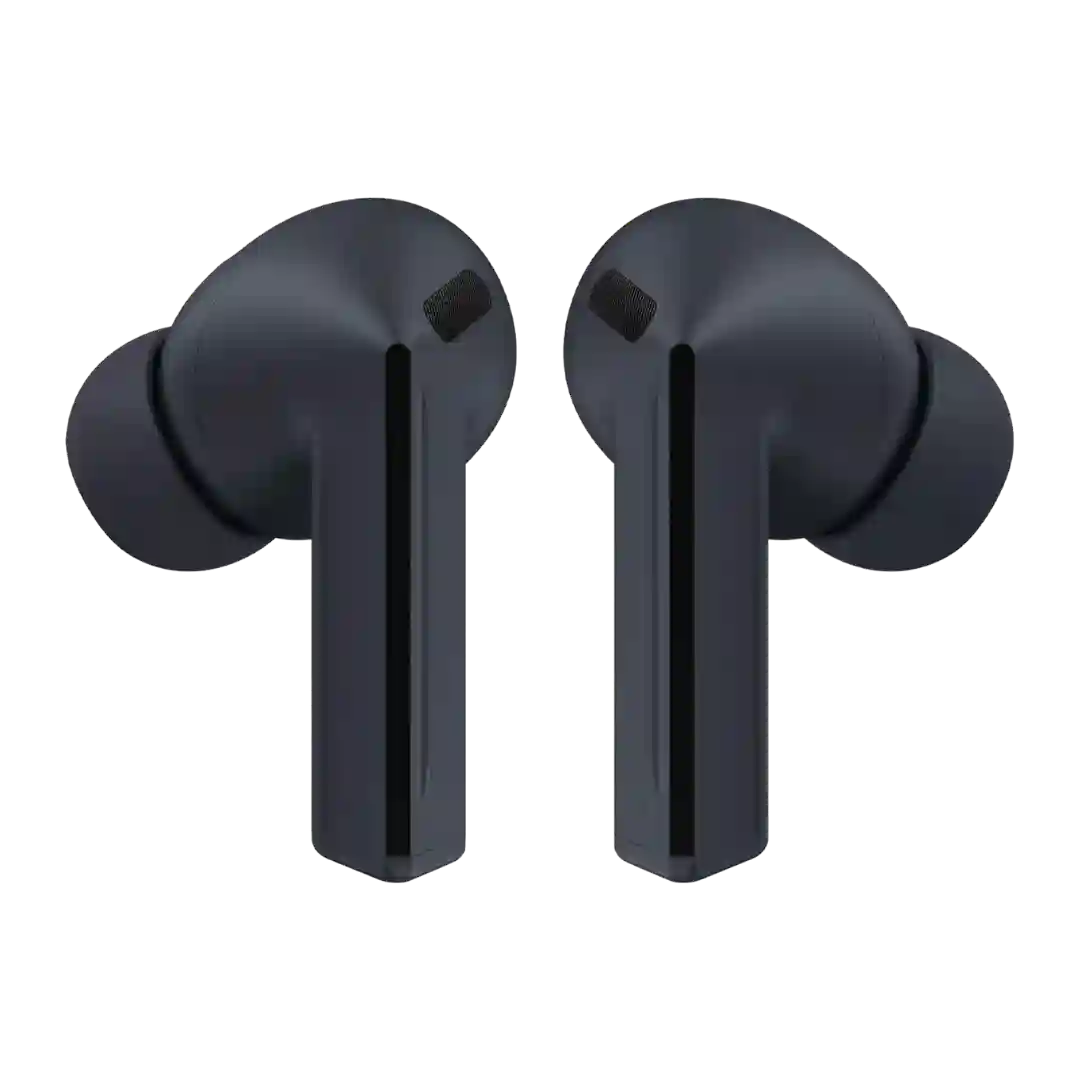
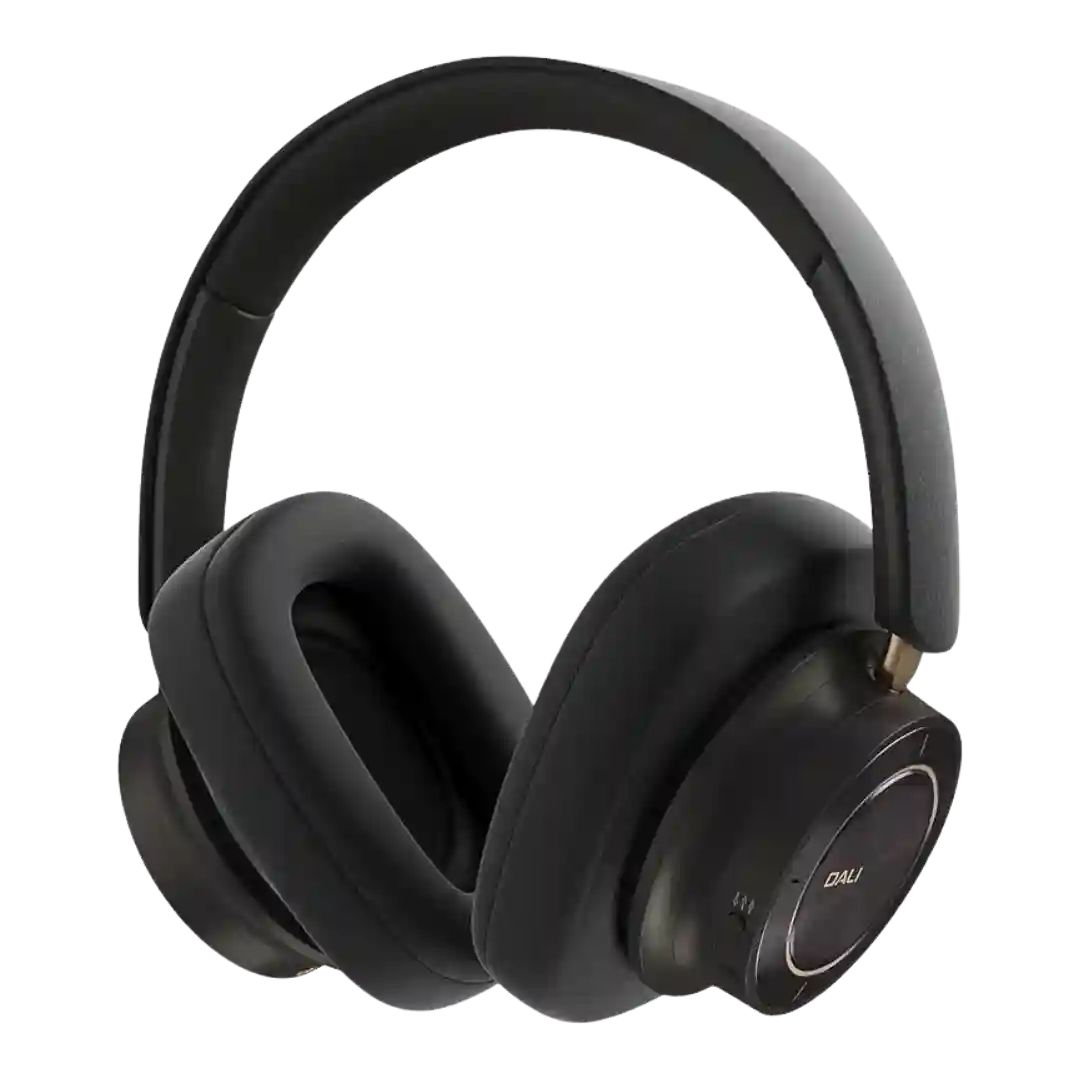
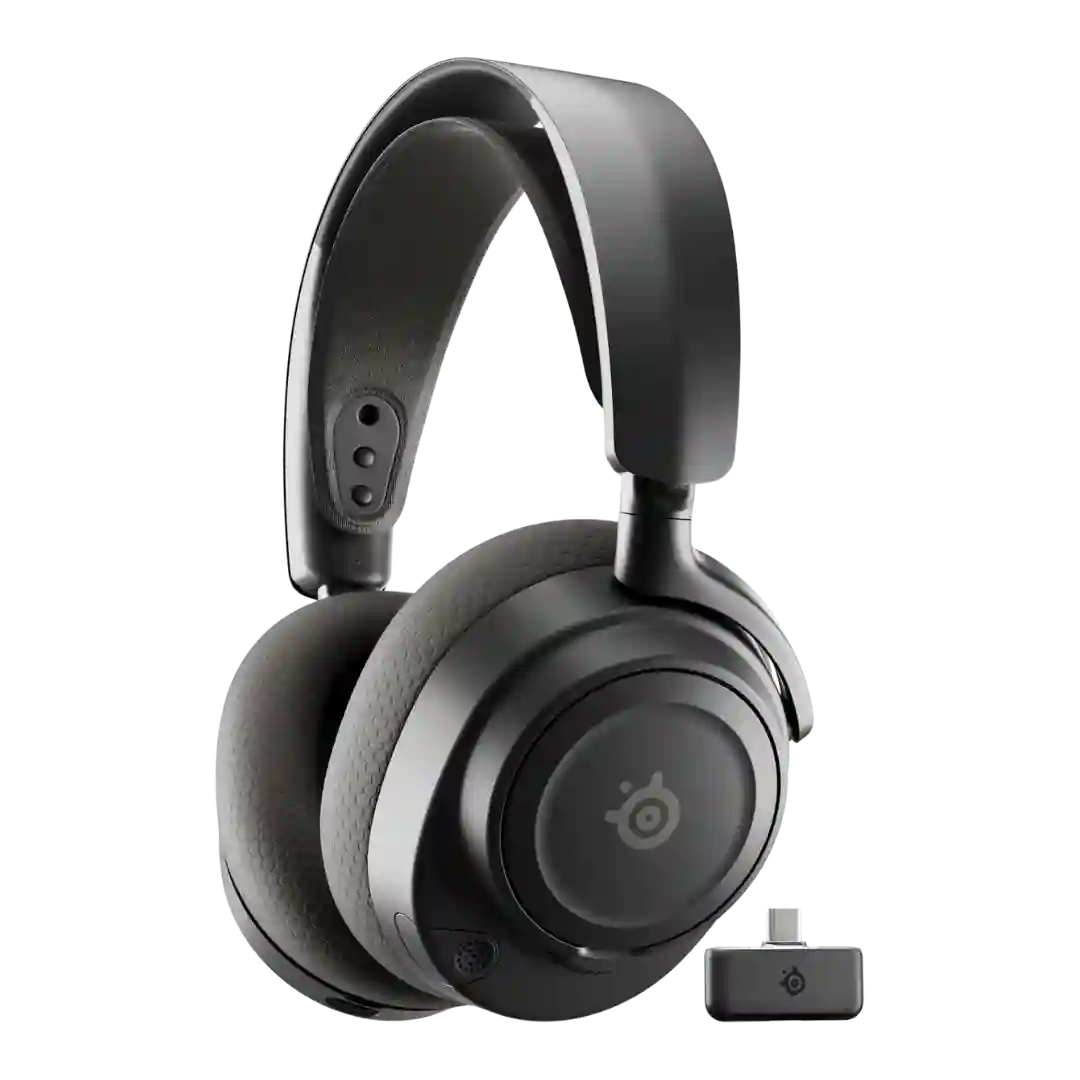
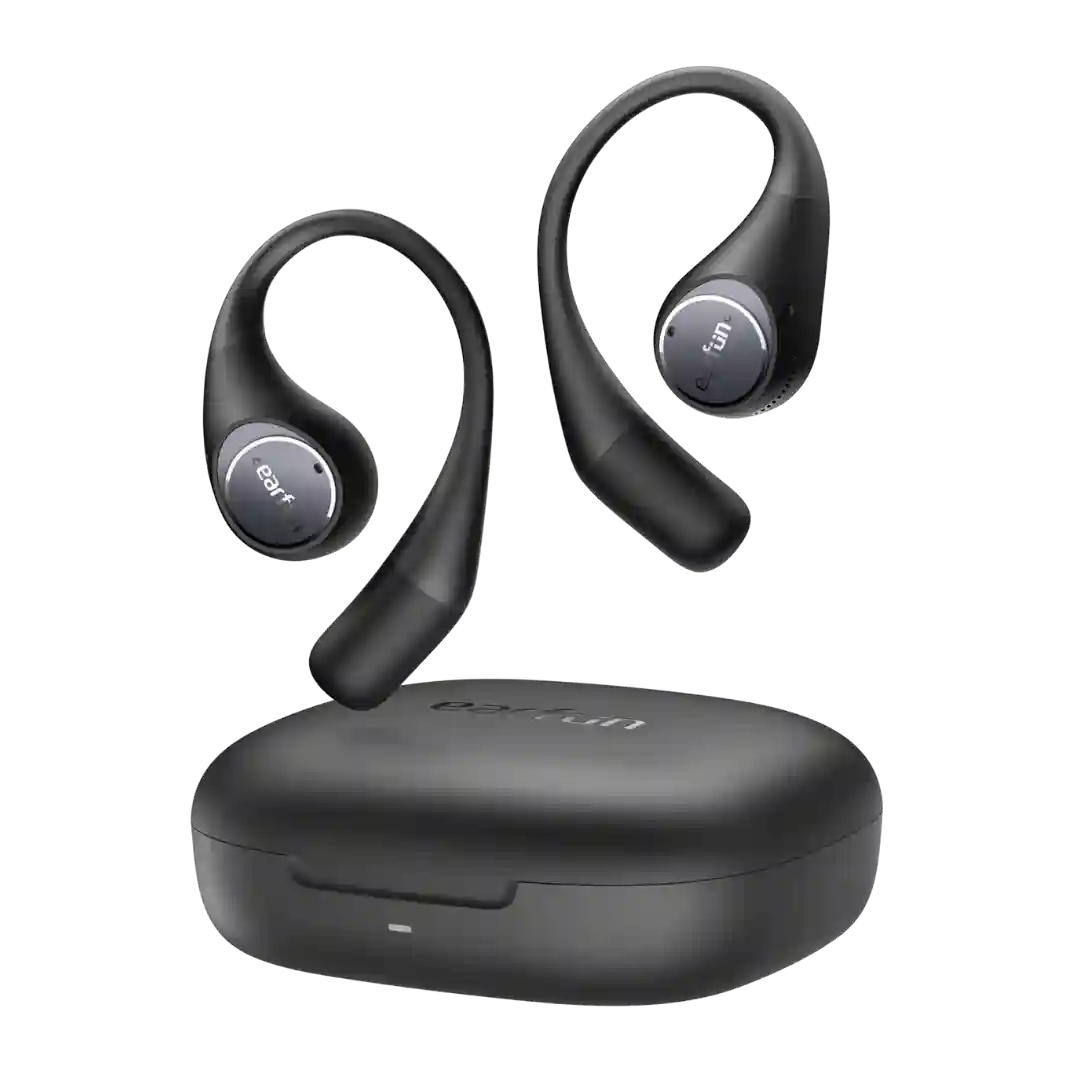
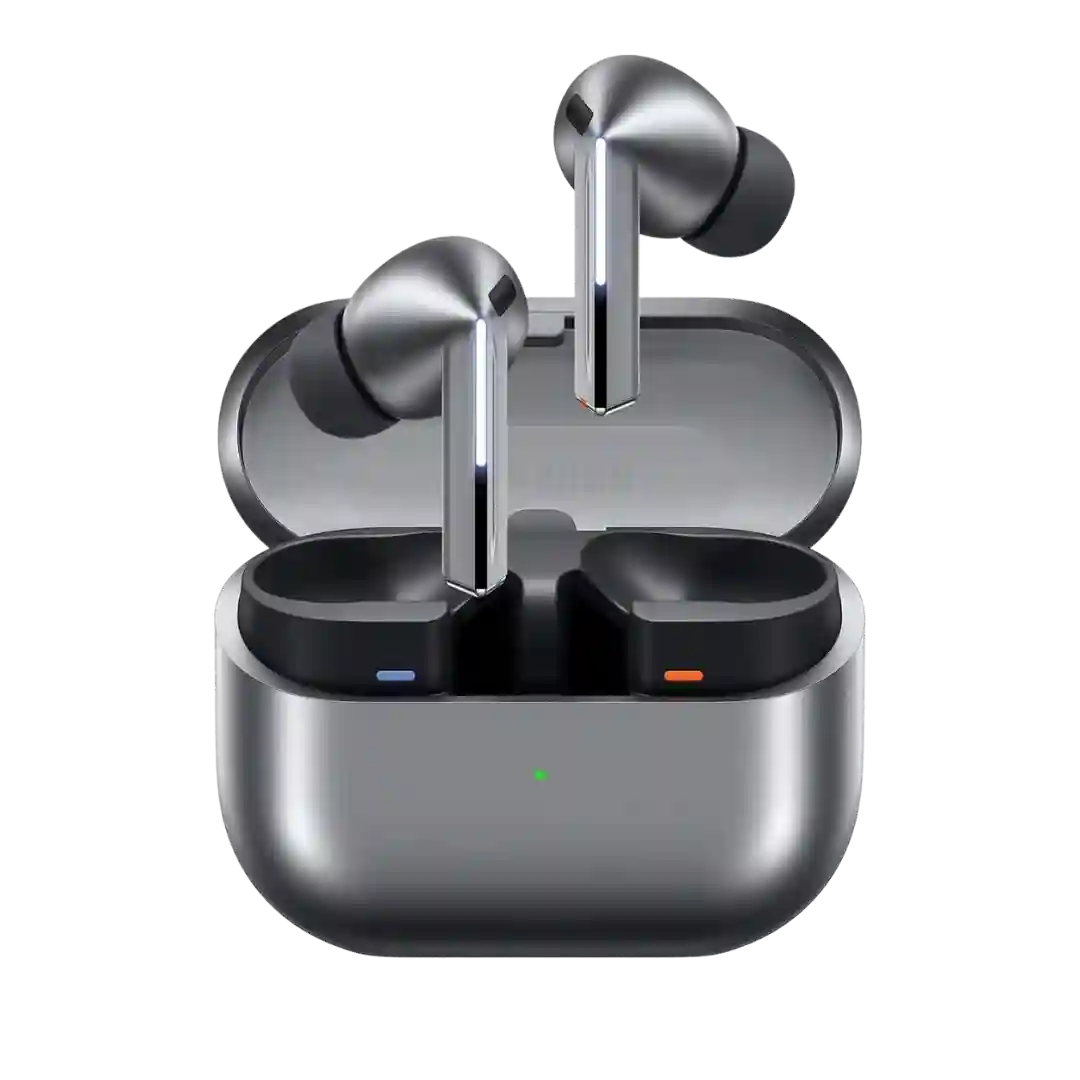
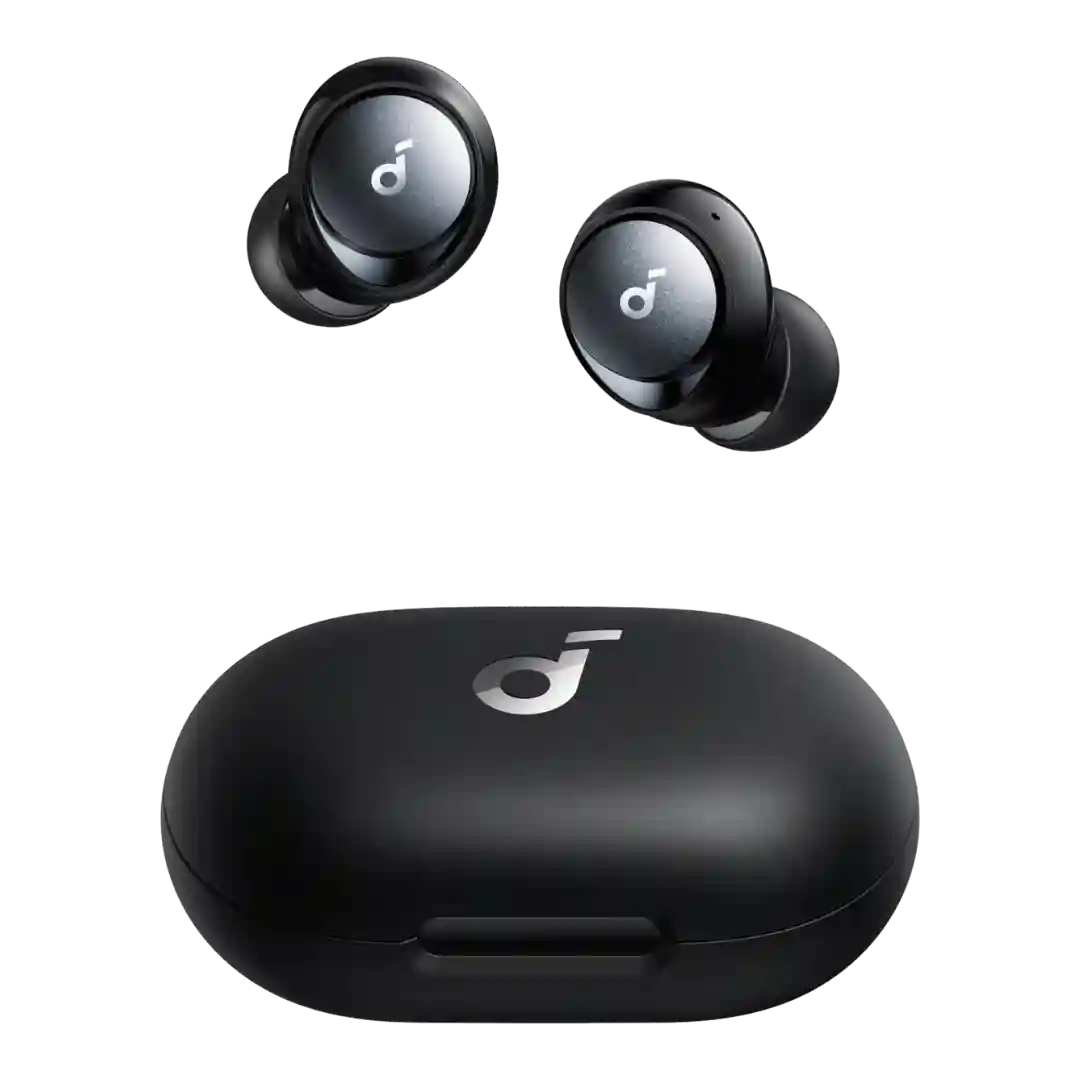
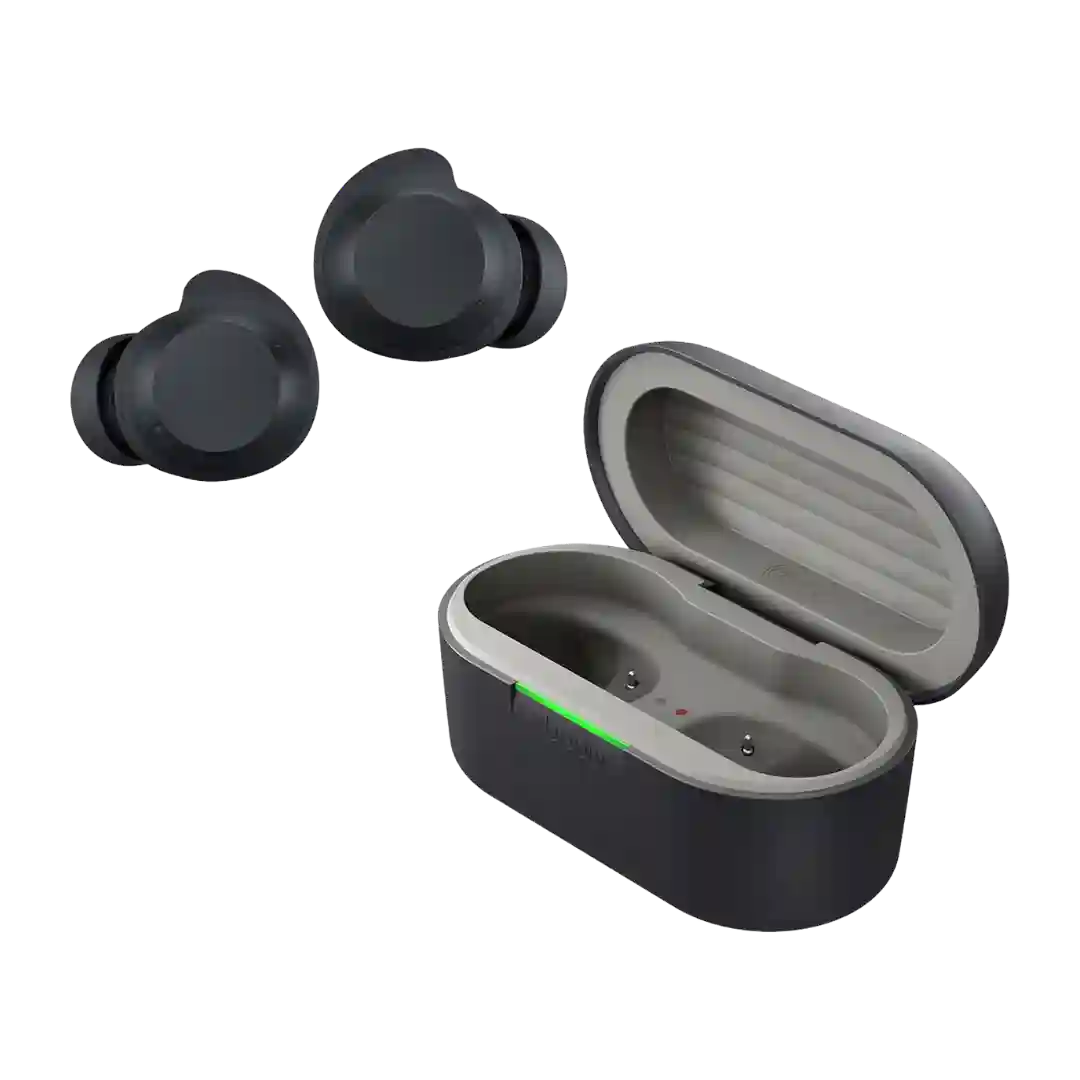
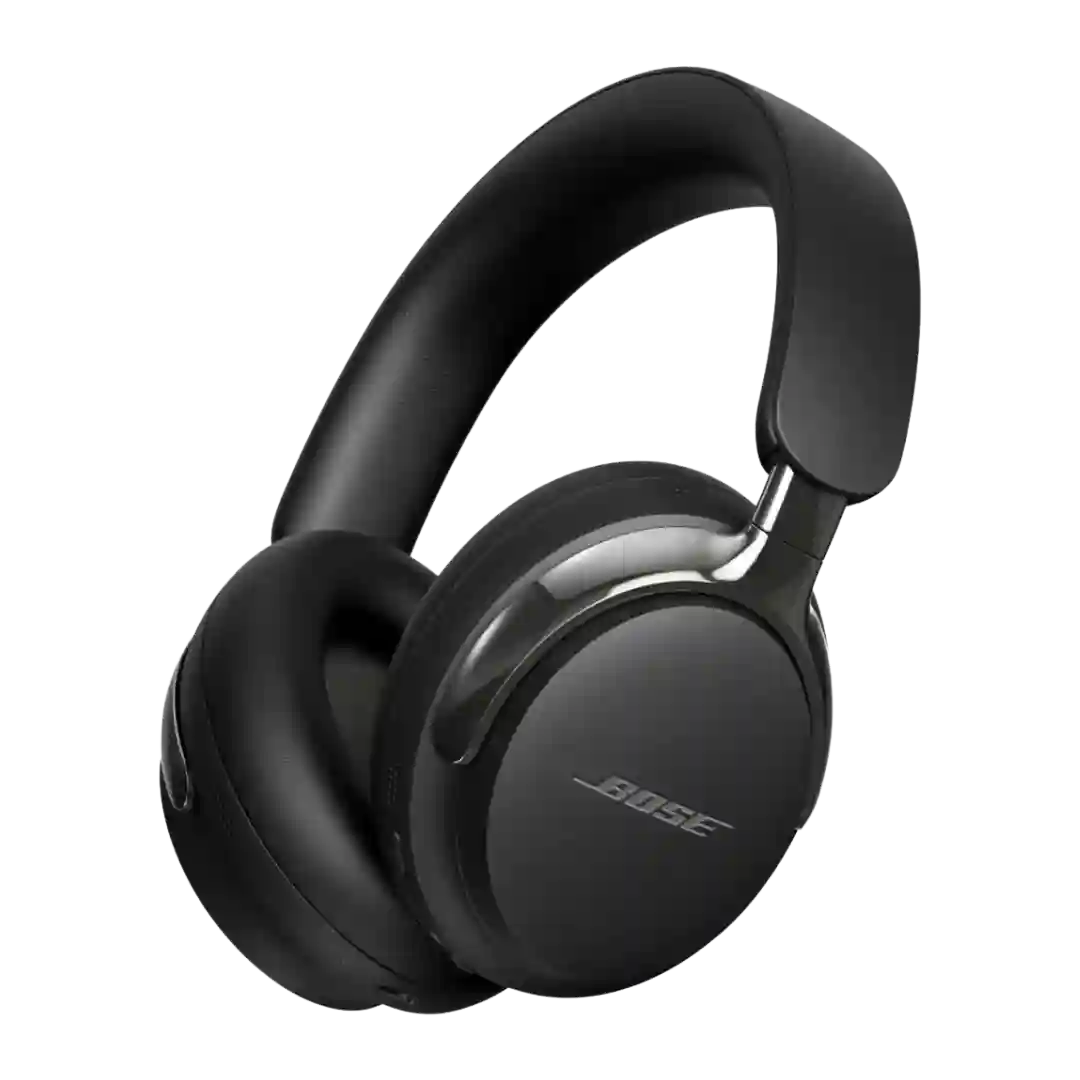
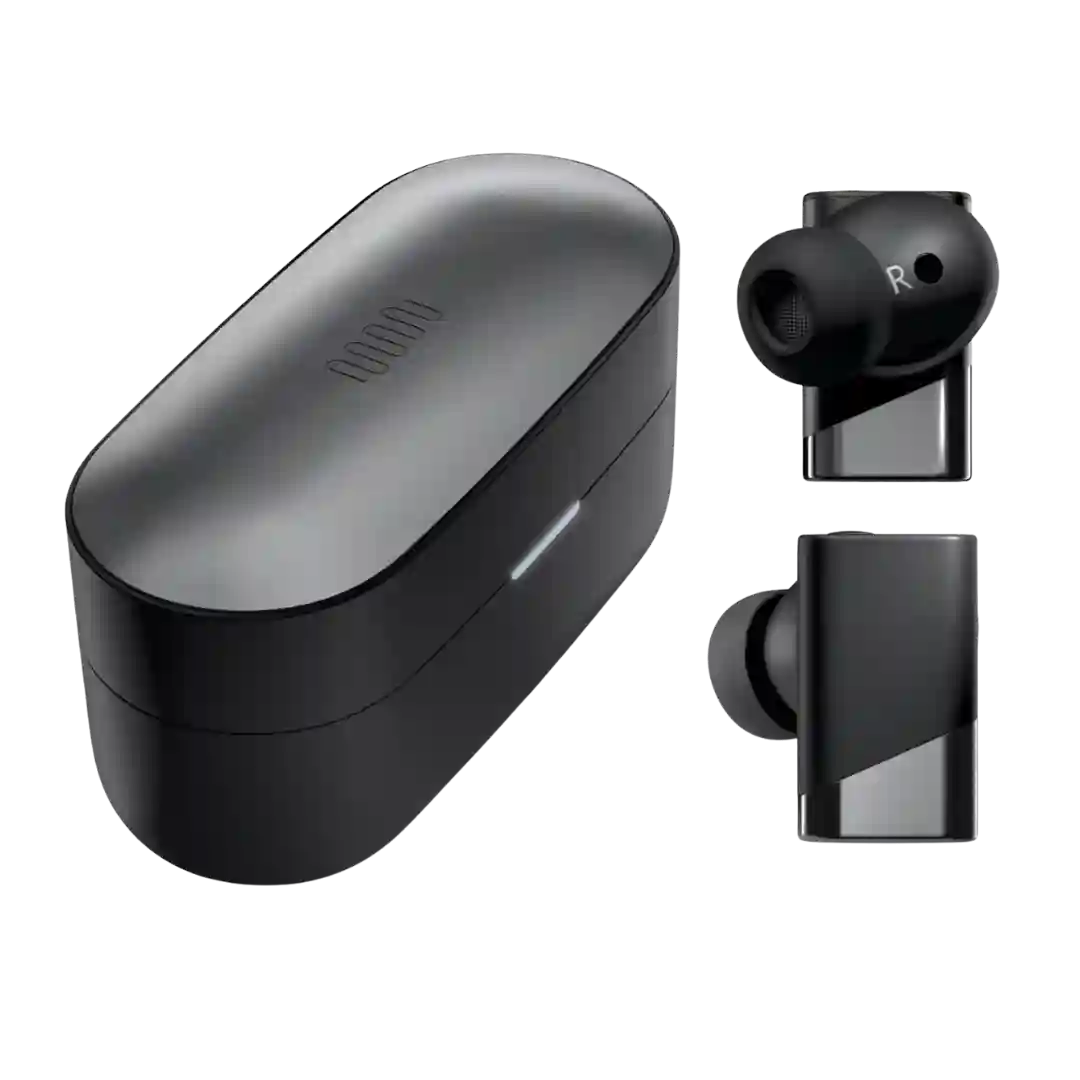
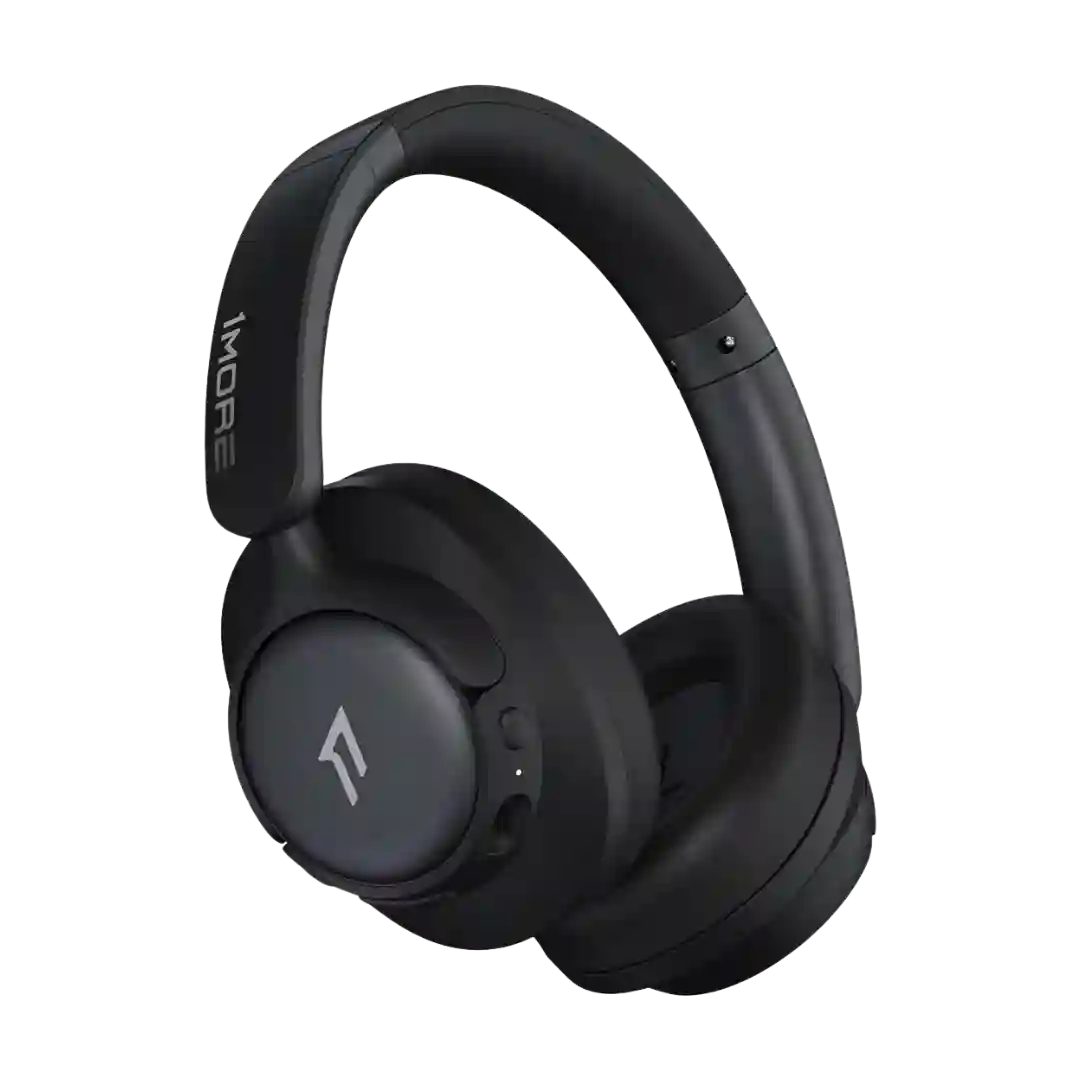
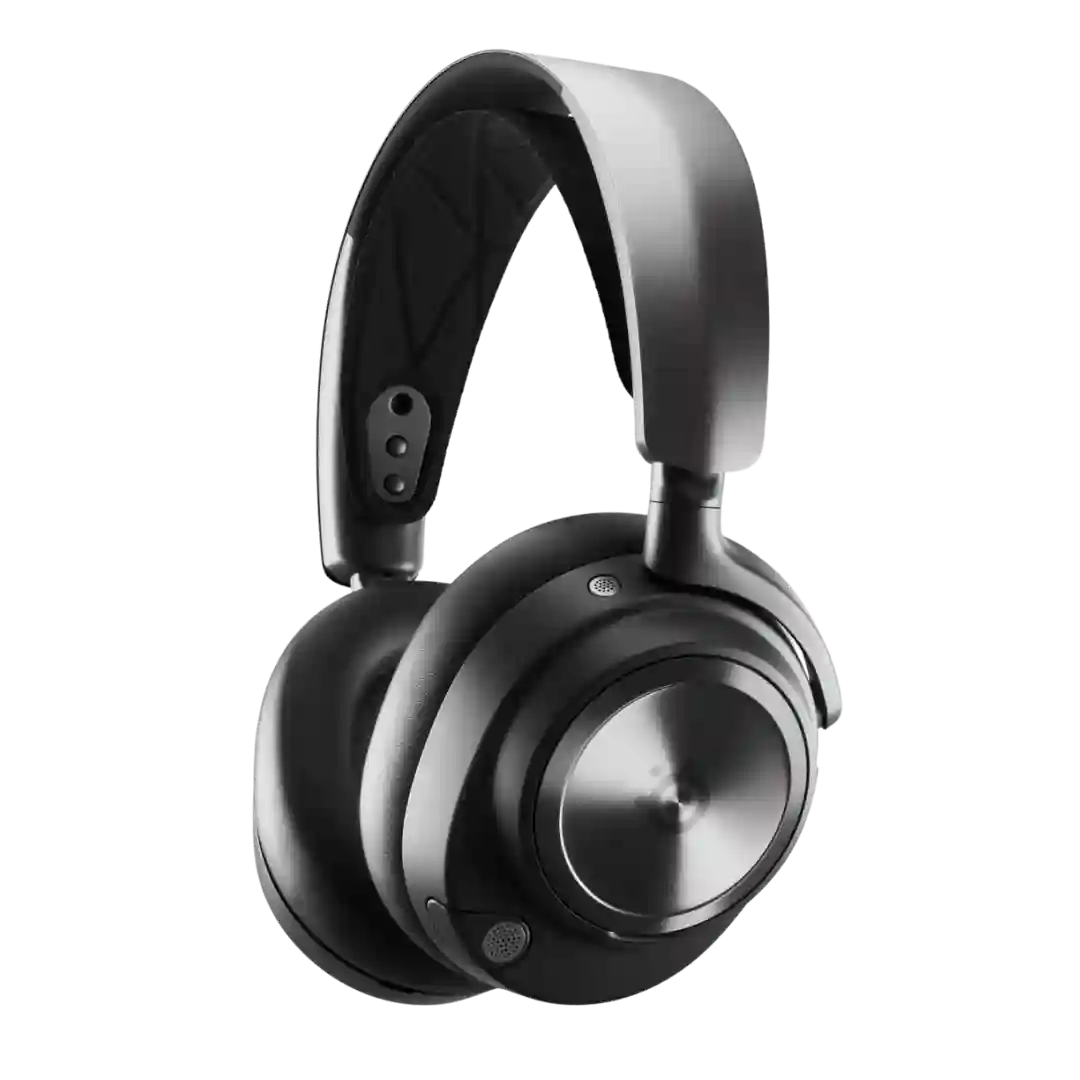
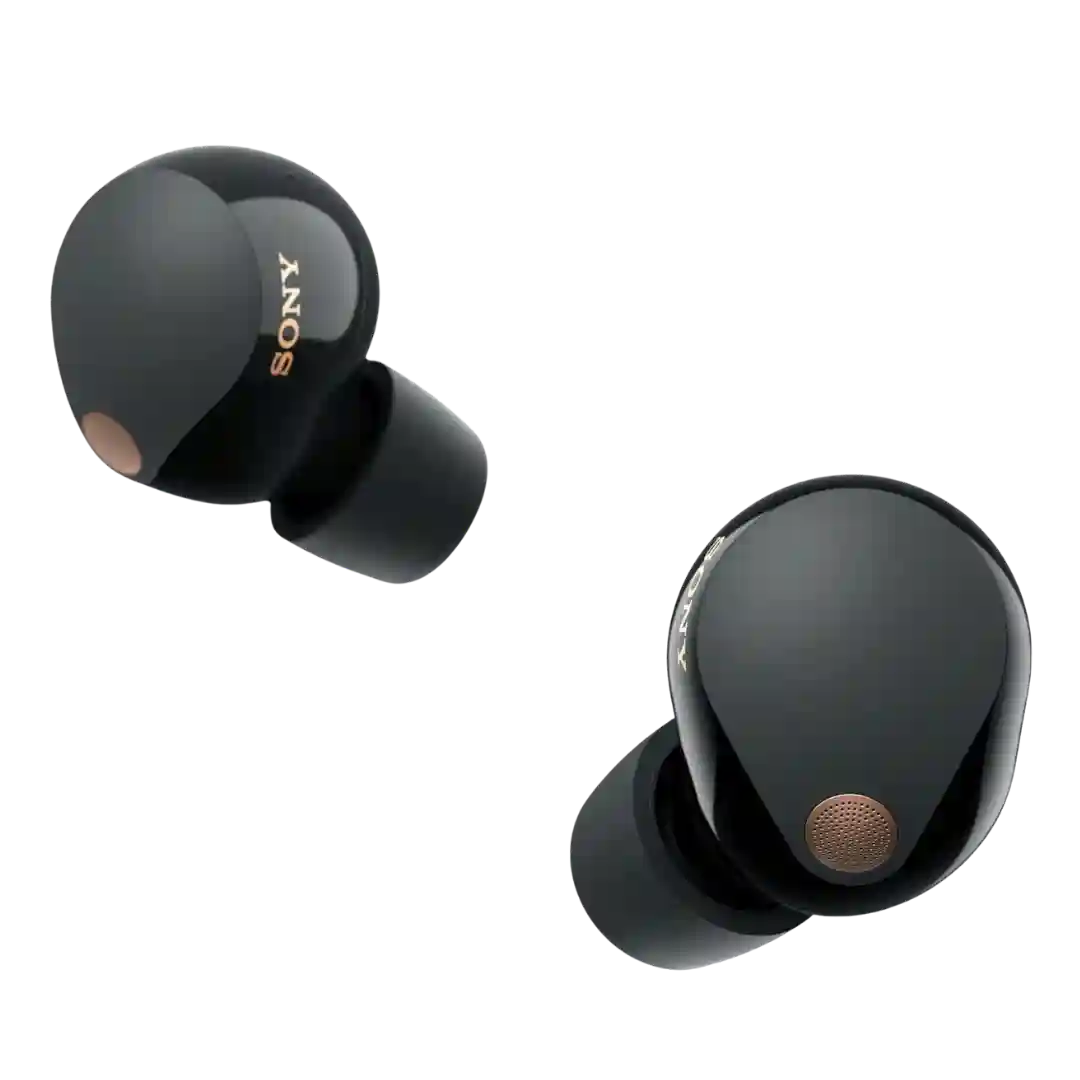
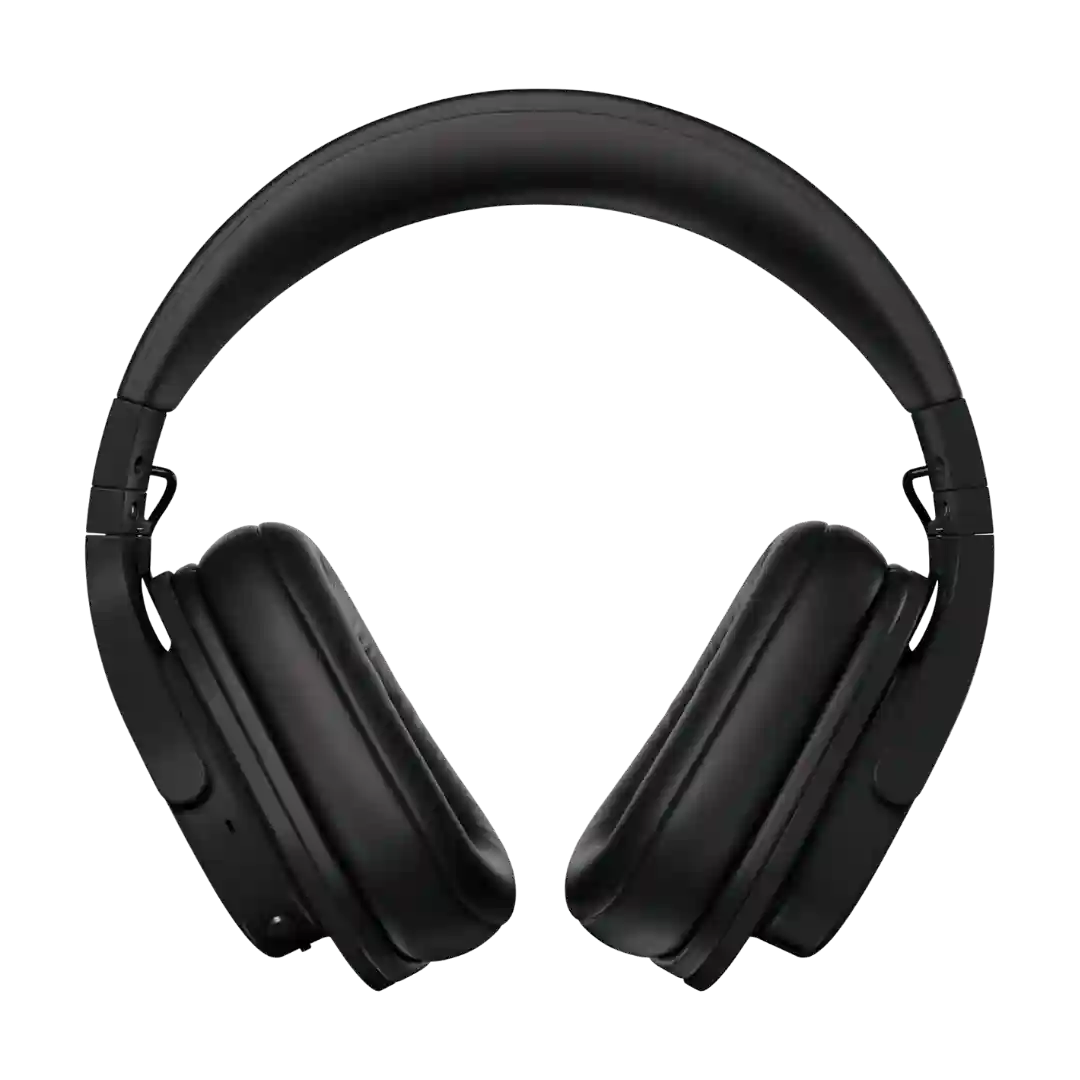
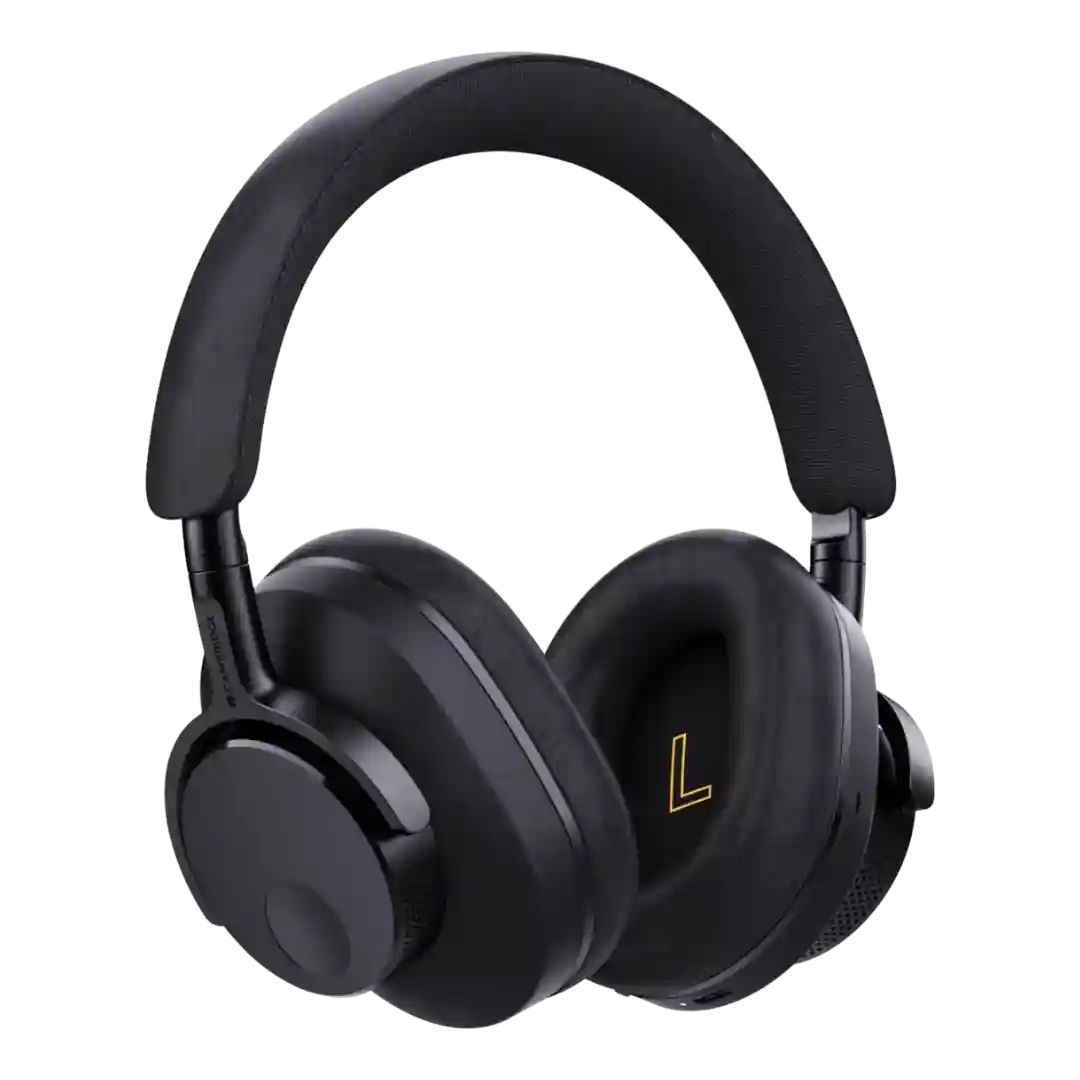
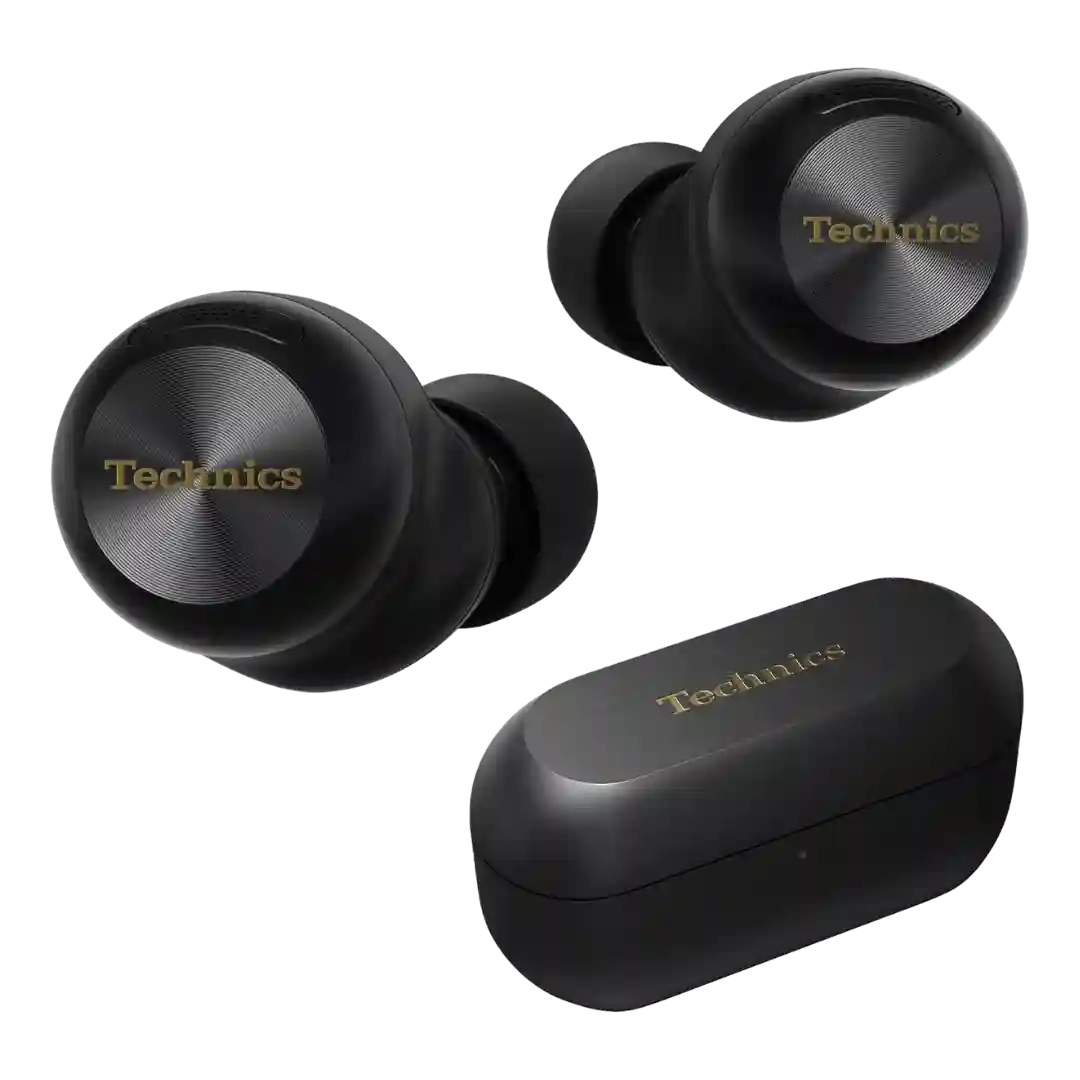
Earhook stability is a standout: most reviewers report the buds stay locked in through runs and gym sessions with minimal slippage, though a few note tips can loosen when readjusting and the hook can create pressure points for some ears.
Stability is generally strong, with fins helping keep the earbuds secure during movement and even light workouts. A small subset report fit/seal challenges that can make them feel less locked-in.
Once the fit suits your head, stability is excellent. Reviewers regularly say the headset stays put through swimming, running, and vigorous movement, though smaller heads can end up with extra rear loop.
Fit security is usually strong enough for commuting and light workouts, though a few reviewers still had occasional loosening depending on ear shape and activity.
Fit security is a major strength thanks to stability bands/wings, with several reviews calling them suitable for workouts and even running, though some users mention footstep thud in ANC mode.
Stability is often described as strong, with several reviewers comfortable using the buds for workouts or commuting; at least one reviewer experienced buds loosening or falling out, suggesting fit is user-dependent.
Fit security is a major strength: the adjustable speaker module helps align sound with the ear canal and keeps the buds stable during runs and workouts, though a few note the fit is not perfect for very jumpy activity.
Fit stability is usually strong thanks to moderate clamp and the suspension design, with reports of little slippage and secure positioning. One review flags potential fit issues for smaller heads due to the frame geometry.
Fit stability is generally strong when the right tip size is used, with multiple reviewers noting the earbuds stay put during normal movement and long sessions.
Stability is generally strong for workouts and daily movement, with most reports saying they stay put. Edge cases include loosening during extended talking or chewing for some wearers.
Fit security is generally excellent for running and daily movement, though a few reviews mention minor shifting during jumping or awkward clothing changes.
Stability is generally strong once inserted with the twist-to-fit stabilizer, holding up well for walking and light workouts, even if the tiny size can feel insecure at first.
Stability in motion is generally good for many users (running and gym use are commonly mentioned), especially with the right tips and seal. A smaller subset report dislodging or needing frequent fit corrections during activity.
Stability is generally strong for commuting and gym use when fit is correct, with foam tips helping seal retention. Some reviewers still hesitate to recommend them for running or high-impact movement due to the lack of stabilizing wings and fit variability.
Stability is usually good when the right tips and wings are used, though some users report slight movement during chewing or vigorous motion without added support.
Fit security is good for many listeners, but not universal. Several reviewers found the buds locked in well, while others reported slipping during movement or difficulty maintaining a seal.
Fit security is improved for many thanks to the new angle and deeper insertion, making the buds feel more locked in for daily wear. Some reviewers still note slip-outs during intense workouts or when sweat/oil builds up.
Stability in the ear is good for most users and workouts, but not perfect: a handful of reviews mention needing occasional readjustment, especially with sweat or a looser seal.
Stability is generally good for everyday wear with a proper seal, but at least one review warns they may not be rock-solid for high-impact activities like running compared with winged/fin-style designs.
Fit stability is generally described as secure with a good seal, but the sizing and overall footprint may feel better suited to average-to-larger heads than very small ones.
Stability is often improved versus older Galaxy Buds, with many reporting a secure fit for workouts, but some testers still experienced easy dislodging depending on ear shape.
Fit stability is generally good for daily use and light exercise, though the lack of stabilizing fins means heavy workouts and running can require occasional readjustment.
Stability is generally good thanks to the hook and snug fit, although one review says that security is only moderate if the tips do not suit your ears.
Fit stability is good for desk work, commuting, and light movement, but several reviewers caution it is not ideal for more dynamic workouts due to the lack of an IP rating and comfort-first clamping.
Fit stability is generally good for daily use and light workouts, but removing fit-wings and tip choice can affect how locked-in it feels for some users.
Wireless performance is often described as rock solid and low-latency, especially on 2.4GHz through the base station. A minority report rare dropouts, glitch noises, or occasional reconnect events over long-term use.
Stability ranges from rock-solid to finicky depending on ear shape and tip choice; a correct seal is the make-or-break factor for both comfort and ANC.
Stability is strong in the L500A home-viewing use case, with reports of minimal shifting; WL500 comments include occasional slipping forward when tilting the head.