Day-to-day use reports suggest strong stuck resistance, including handling rug edges and navigating under furniture without frequent rescues, though some caution/avoidance around certain rugs was mentioned.
Stuck resistance is generally a strength in real-home clutter, with at least one reviewer noting it did not require frequent rescues or re-docking in a challenging environment, though it can still snag on cords.
Stuck events are uncommon in most accounts, with the robot often able to ride over cords/thresholds without fully halting, though hair tangles can stop cleaning in worst-case scenarios.
Reviewers report good stuck resistance, including handling taller thresholds (often cited around 22mm) and completing coverage without frequent rescues. As with most robots, extreme clutter can still cause interruptions, but it is rated highly here.
The robot is rarely reported as getting stuck, and reviewers note solid threshold handling and sensible no-go/avoidance tools. Messy floors (wires, socks) can still trigger occasional issues.
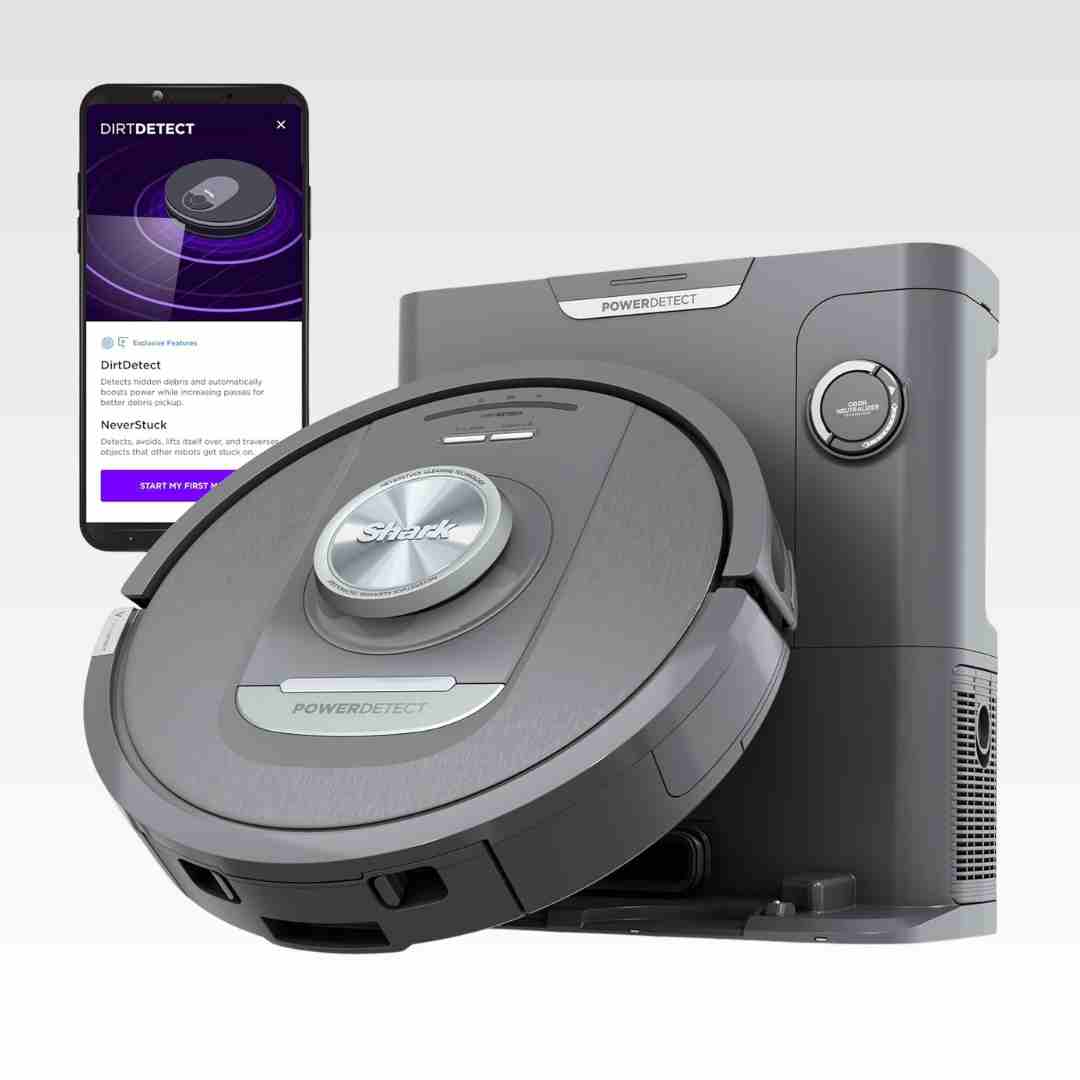
NeverStuck-style lifting helps the robot escape thresholds and tricky furniture better than average, reducing rescues even when obstacles do slow it briefly.
Stuck resistance is generally good, with test-based reports of clearing thresholds around 20 mm/2 cm. Occasional reports of getting stuck still appear, especially around clutter or tricky obstacles.
Stuck events are inconsistent by household: some reviewers report few rescues thanks to obstacle recognition, while others describe getting hung up on cords or awkwardly climbing onto objects.
Stuck resistance is often a strength thanks to threshold handling and lift behavior, but there are scattered reports of hesitations on low furniture or tricky transitions.
Navigation generally avoids getting stuck in open layouts, but multiple reviewers still report occasional hang-ups on cords, low furniture, or clutter when floors are not prepped.
Most testing suggests it navigates without frequent hang-ups, but real-world owners still report the occasional rescue when it wedges under furniture or hits an odd edge case.
Stuck resistance is generally good in open, mapped spaces, but clutter and small objects (toys/cables) can still cause interruptions due to basic object handling and limited recognition.
Most reviews say it avoids getting stuck better than many rivals thanks to climbing hardware, but it’s not foolproof. Thin cords, flat papers, and low objects can still jam brushes or snag the robot, sometimes requiring a rescue.
Several reviews report it avoids common snag points like rug tassels, but users still recommend pre-picking up cords and clutter because object detection is limited compared with camera-based models.
Many reviews report smooth navigation with few rescue moments, but there are exceptions. Cords, fringe, and in some cases firmware changes can increase the odds of an occasional stuck event.
Stuck resistance is generally good, with the robot recovering from minor traps and handling uneven floors. Edge cases include pedestal chair bases, thick rugs, or snaggy floor clutter that benefit from no-go zones.
Stuck events are infrequent once maps and keep-out zones are tuned, but the robot can still snag on bath mats, high-pile rugs, tight gaps, or situations where the mop arm can’t retract cleanly. Overall, it improves after the first few runs.
Stuck resistance is often praised, with reports of fewer under-furniture traps than older robots and better threshold handling, though some homes still see hang-ups on floor registers, table bases, or unusual legs.
Most reviewers report it rarely gets stuck in typical rooms, but threshold climbing is limited and a failure case appears when it ingests soft rubber messes that can jam the brush.
The robot generally navigates efficiently, but low cables/wires and certain tight areas can still cause issues. Reviewers recommend picking up clutter and using no-go zones, and the app may flag problem spots over time.
Stuck resistance is good in tidy homes, but several sources mention occasional hang-ups on toys, clothing, or shoelaces—suggesting it benefits from pre-pickup or no-go zones.
General navigation is stable, but clutter can still snag it, especially cords that can get pulled into the rollers. Reviewers often recommend using no-go zones and pre-tidying to reduce stuck events.
Many reviewers report that it rarely gets stuck thanks to strong obstacle avoidance, but a few mention occasional trouble with higher thresholds or brush jams from long hair.
Stuck resistance is fairly good in real homes. It usually avoids rescues, but strings, craft materials, cables, mats, and tricky transitions can still catch it out.
Threshold handling is a strength for a budget robot, with multiple mentions of crossing thresholds or small lips around 20 mm. However, it can still get stuck on certain awkward objects like boards depending on the environment.
Stuck resistance is generally solid on typical floors, but tassel rugs and some fringe edges can still cause hang-ups depending on settings and rug type.
Most reviews suggest good everyday mobility and threshold handling for typical transitions, but there are noted exceptions (very tall thresholds/step-ups or certain “rod furniture” styles). On extreme obstacle courses, it may request manual help.
Adaptive lift helps it clear thresholds and some obstacles, but cable snags and occasional attempts to 'climb' awkward objects can still interrupt runs in some homes.
It usually navigates cleanly, but at least one review reports occasional snagging on socks in dark rooms that requires intervention. No-go zones and better obstacle avoidance tuning can reduce interruptions.
Generally avoids getting stuck thanks to strong sensing, but a few users report occasional tangles with fabric, awkward under-furniture situations, or docking retries.
Reports vary from near trouble-free operation to frequent help alerts depending on home layout. Thresholds and odd obstacles can cause wedging or debris drops in some tests, while careful mapping/no-go zones improves reliability for others.
Experiences vary: some testers saw frequent snags on cords or tight spots, while others reported only occasional hang-ups. Threshold and transition handling is decent but not unlimited.
Stuck resistance is good in normal homes but not flawless; cables, strings, and some tight furniture layouts can still snag the robot or trigger recovery events.
It avoids getting trapped better than many robots thanks to low-profile navigation and chassis adjustments, but it is not immune. Multiple reviewers mention occasional hang-ups under certain couches or cluttered areas, and recommend using app no-go zones where it repeats.
It is generally stable in navigation, but reviewers report occasional hang-ups on flat cables or very low-profile items. Threshold capability is also limited compared with models that include advanced lifting systems.
Threshold handling is strong in some homes and tests, but not universally foolproof, with reports ranging from no issues to stranding or wheel-suspension errors.
Most day-to-day runs are described as smooth with few stops, but the robot can still get caught by cables or a sock in some tests. Lack of chassis lift also limits its ability to self-recover on tall thresholds.