Best for System scalability
Reolink Solar Floodlight, B430
5.0 feature score
Highest scored product for this feature based on supporting review evidence.
Highest scored product for this feature based on supporting review evidence.
Balances feature score, supporting reviews, and overall product strength.
Has the broadest review evidence for this feature.
Strongest overall product among items with scored evidence for this feature.
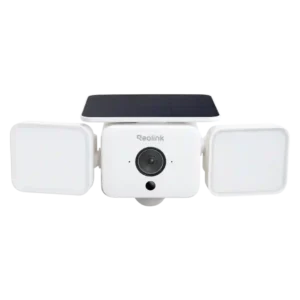
The camera fits well into larger Reolink setups, with owners successfully combining several cameras in one app and planning additional coverage.
Pros: Field of view, Customizable motion zones
Cons: Continuous recording capability, ONVIF/RTSP support
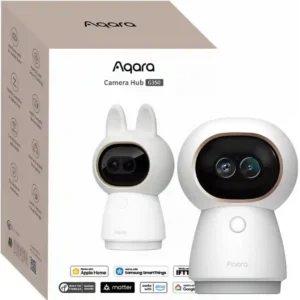
Combining camera, Zigbee hub, Matter controller, and Thread border router can simplify larger Aqara installations and reduce extra hardware.
Pros: Frame rate, Continuous recording capability
Cons: Weather resistance rating (IP code), Included accessories
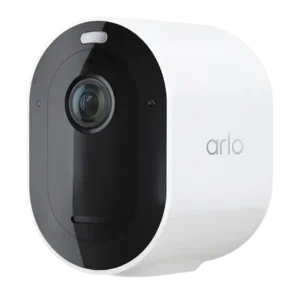
System scalability has limited but positive evidence, with one reviewer saying the Pro 5 integrates well into an existing Arlo camera system.
Pros: Notification speed, Event recording reliability
Cons: Mesh network compatibility, Customer support responsiveness
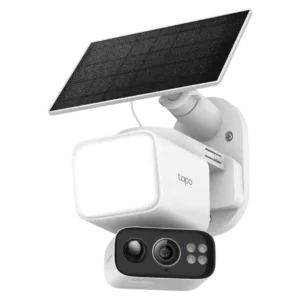
System scalability was praised for multi-camera views and local hub-based recording across several cameras.
Pros: Speaker volume, Lens distortion correction
Cons: Field of view, Detection range
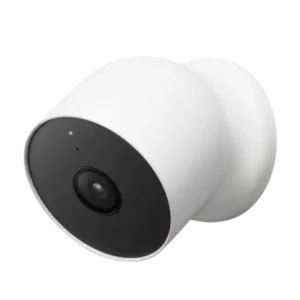
System scalability is positive for households with multiple Nest cameras because the plan covers all Google Nest cameras under one subscription.
Pros: False alert filter effectiveness, Operating temperature range
Cons: IFTTT/automation compatibility, HomeKit integration
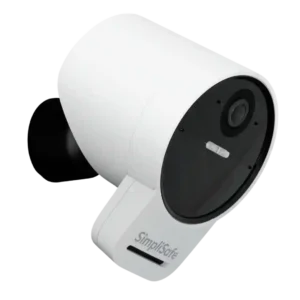
Security.org praised how the camera integrates with other SimpliSafe security products.
Pros: Weather resistance rating (IP code), System scalability
Cons: Pre-event recording length, HomeKit integration
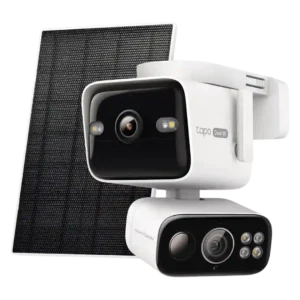
System scalability was supported by an off-grid reviewer using multiple Tapo cameras consistently around a property.
Pros: Low-light performance, Floodlight brightness
Cons: HomeKit integration, Echo/noise cancellation
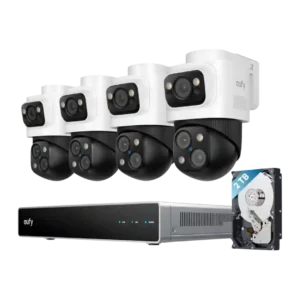
Scalability was a strength for larger homes or properties, with expandable camera counts and fewer physical cameras needed for wide coverage.
Pros: Detection range, Recording start-time lag
Cons: ONVIF/RTSP support, HomeKit integration
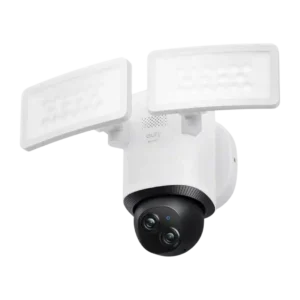
System scalability was a strength for Eufy users, especially with HomeBase storage and multi-camera expansion.
Pros: Cloud storage plan value, Dual-band (2.4/5GHz) performance
Cons: HomeKit integration, ONVIF/RTSP support
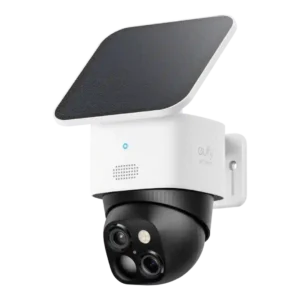
Scalability evidence is limited but positive, focused on HomeBase support for adding many cameras.
Pros: Cloud storage plan value, Power options (solar panel)
Cons: HomeKit integration, IFTTT/automation compatibility
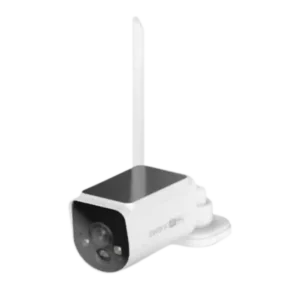
Scalability was positive in the one direct review, which described the hub-based setup as scalable.
Pros: Digital zoom clarity, Floodlight brightness
Cons: Frame rate, Smart-home integration (Alexa
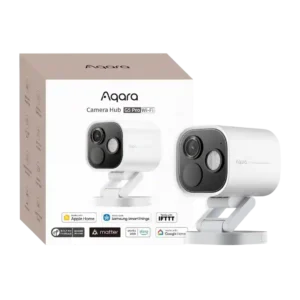
System scalability was strong because reviewers saw the G5 Pro extending smart-home coverage outdoors and acting as a hub/bridge for broader systems.
Pros: Durability, Low-light performance
Cons: Power options (solar panel), PTZ (pan/tilt/zoom) control responsiveness
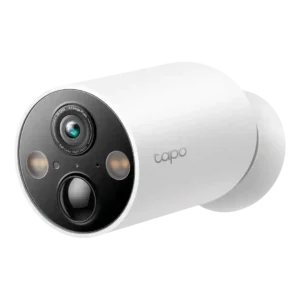
Multi-camera use was helpful, with reviewers noting multi-feed viewing and useful location-specific notifications across several cameras.
Pros: Power options (solar panel), On-device features
Cons: PTZ (pan/tilt/zoom) control responsiveness, Continuous recording capability
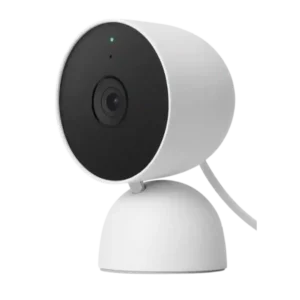
Scalability was favorable when multiple Nest cameras share one subscription.
Pros: Low-light performance, Notification speed
Cons: Recording start-time lag, PTZ (pan/tilt/zoom) control responsiveness
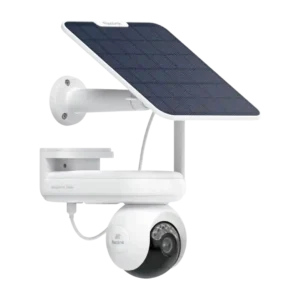
Scalability was positive for Reolink owners because the Home Hub/Home Hub Pro can centralize storage for multiple cameras.
Pros: Recording start-time lag, Smart home accessory compatibility
Cons: Optical zoom performance, HomeKit integration
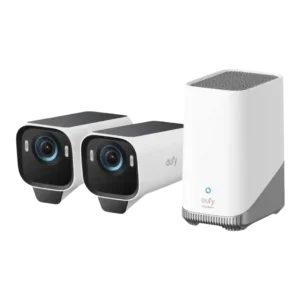
System scalability was mostly positive for larger homes and multi-camera coverage, though one reviewer cautioned that very large HomeKit setups may push limits.
Pros: Low-light performance, Color accuracy
Cons: Speaker volume, Frame rate
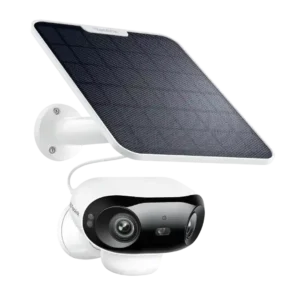
System scalability was positive when paired with the Home Hub, which reviewers saw as useful for centralized storage and protecting recordings.
Pros: Connectivity options, Detection range
Cons: HomeKit integration, Continuous recording capability
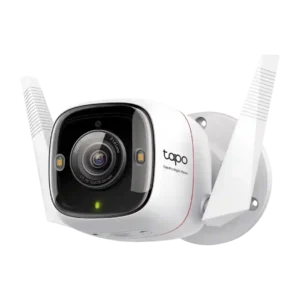
System scalability had limited evidence, with one reviewer saying users could deploy three or four around a house.
Pros: Detection range, On-device features
Cons: HomeKit integration, PoE
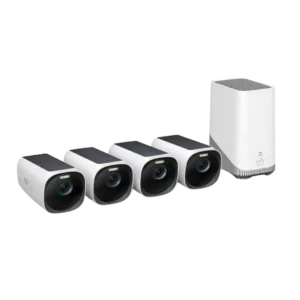
System scalability is mixed: HomeBase compatibility and multi-camera expansion are praised, but fleet-wide app actions and camera-count limits create caveats.
Pros: Cloud storage plan value, Weather resistance rating (IP code)
Cons: Recording start-time lag, Pre-event recording length
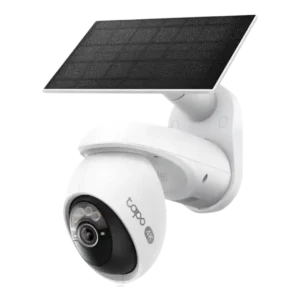
System scalability was a concern for one reviewer, who would not use this Wi-Fi camera approach for larger multi-camera setups.
Pros: On-device processing (AI), Installation and Mounting
Cons: ONVIF/RTSP support, HomeKit integration