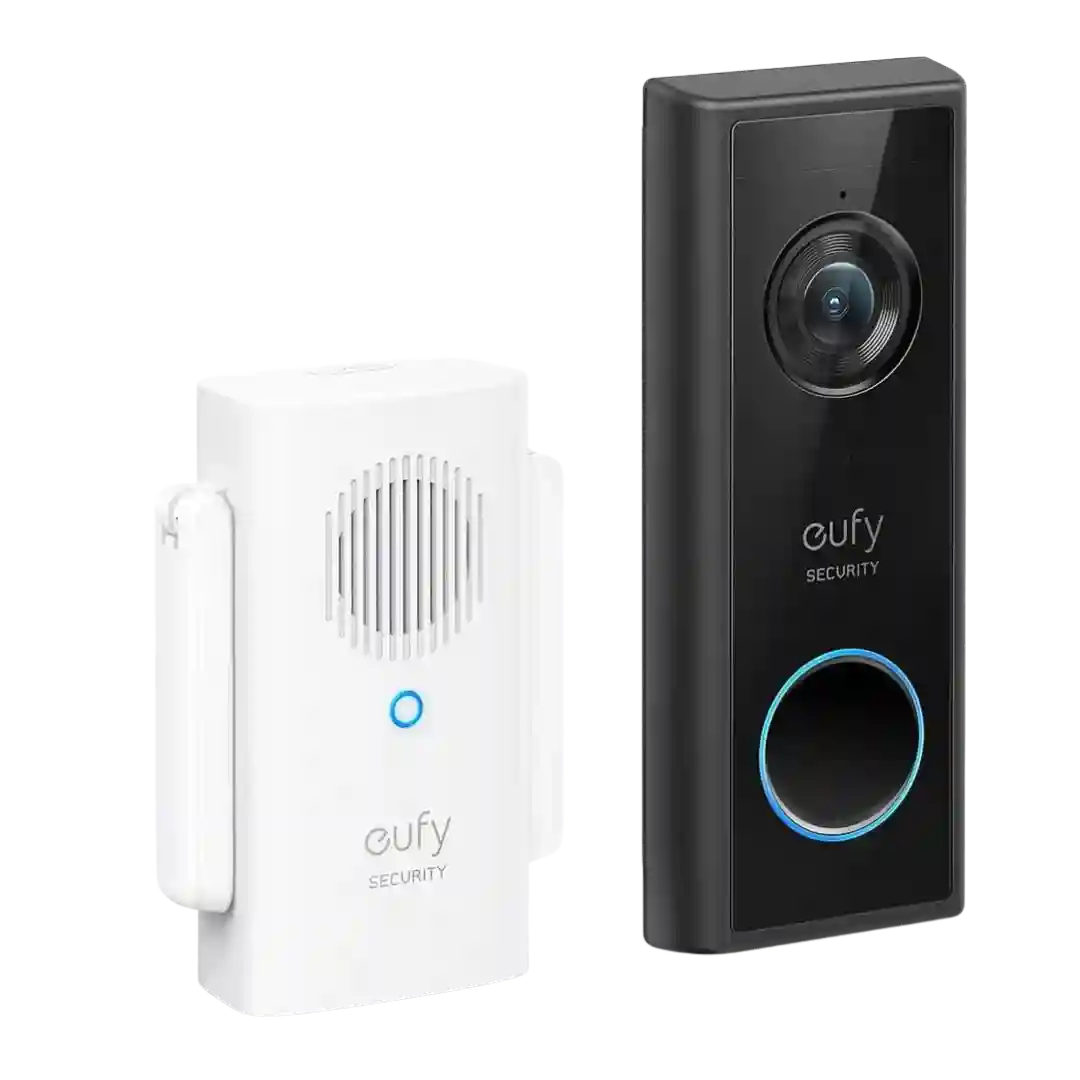
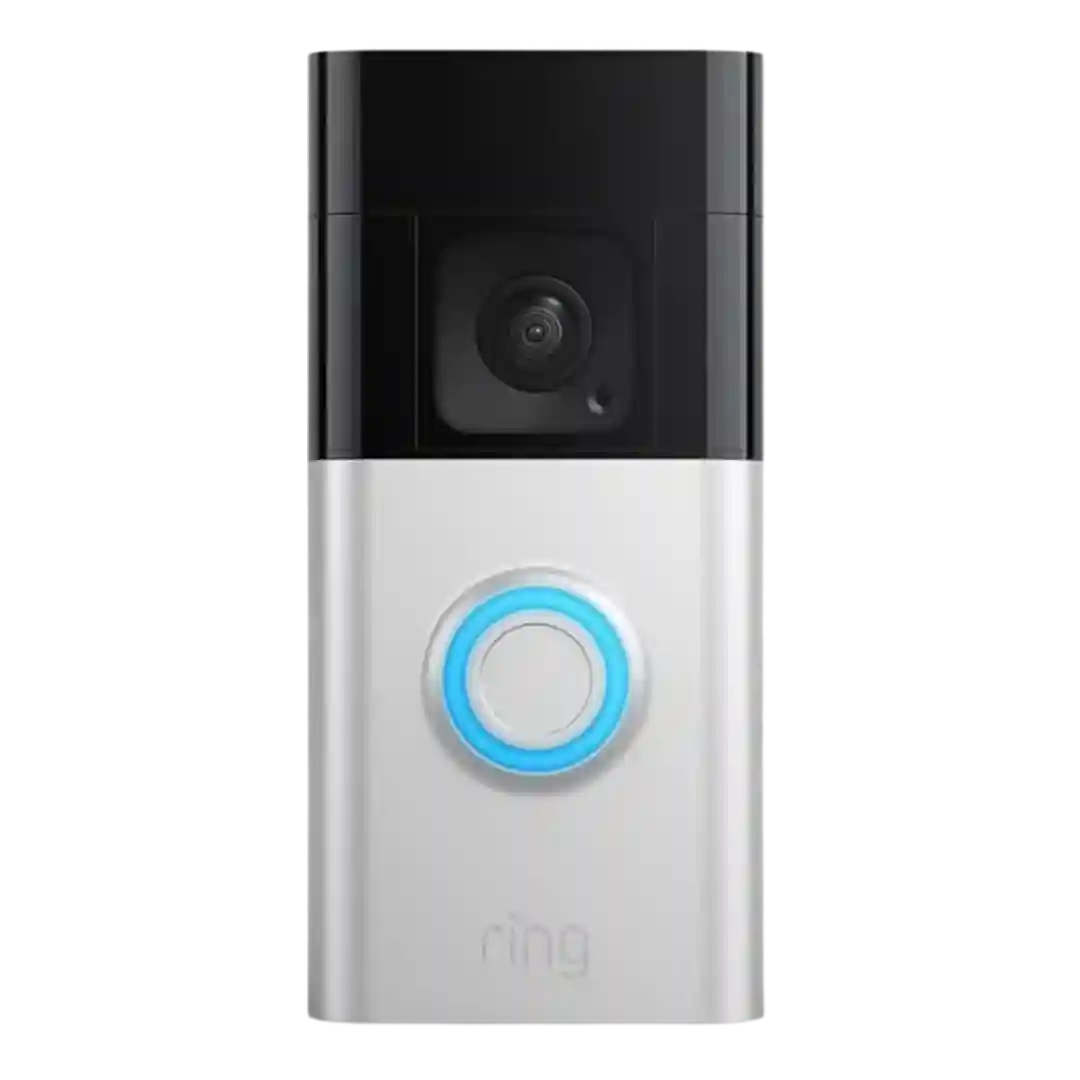
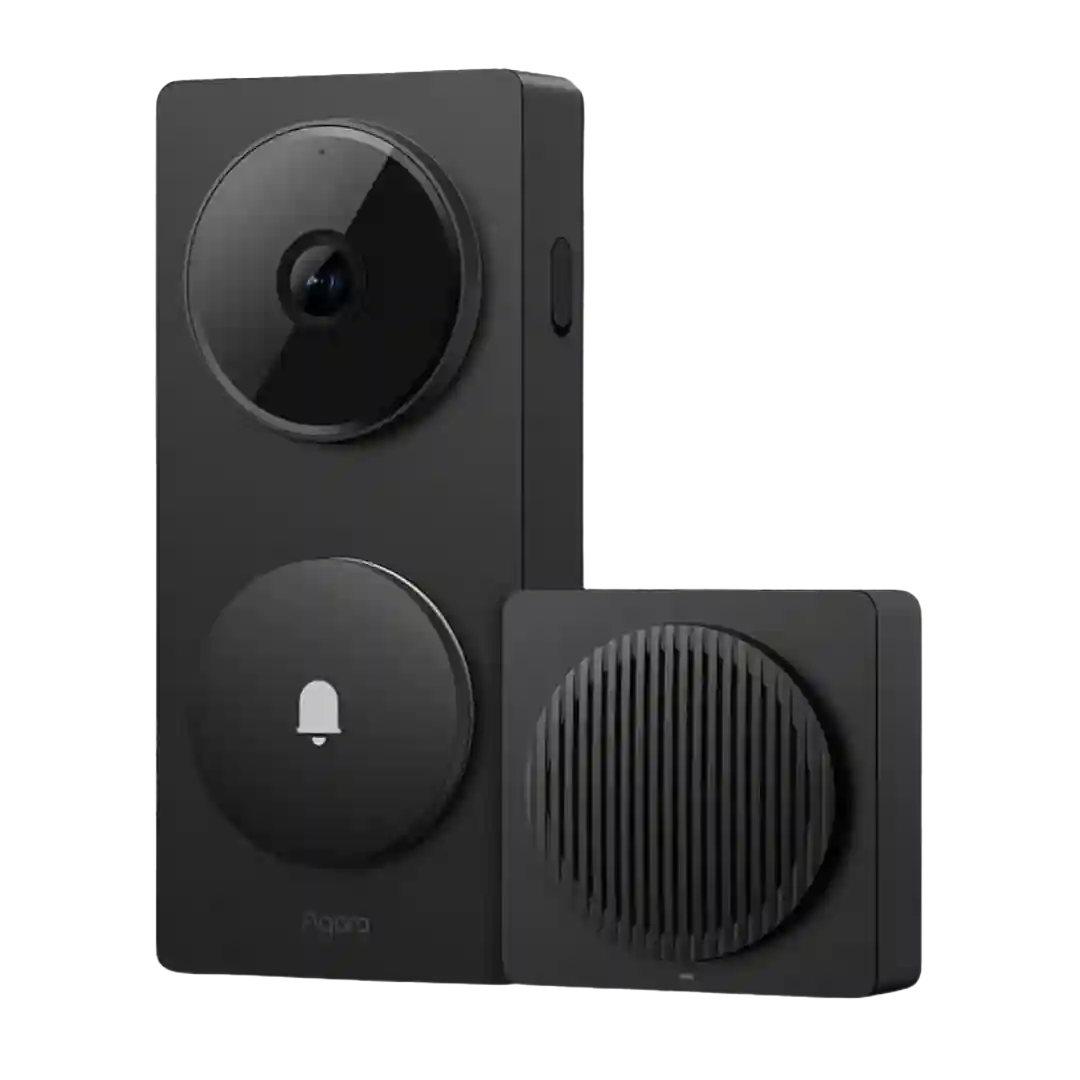
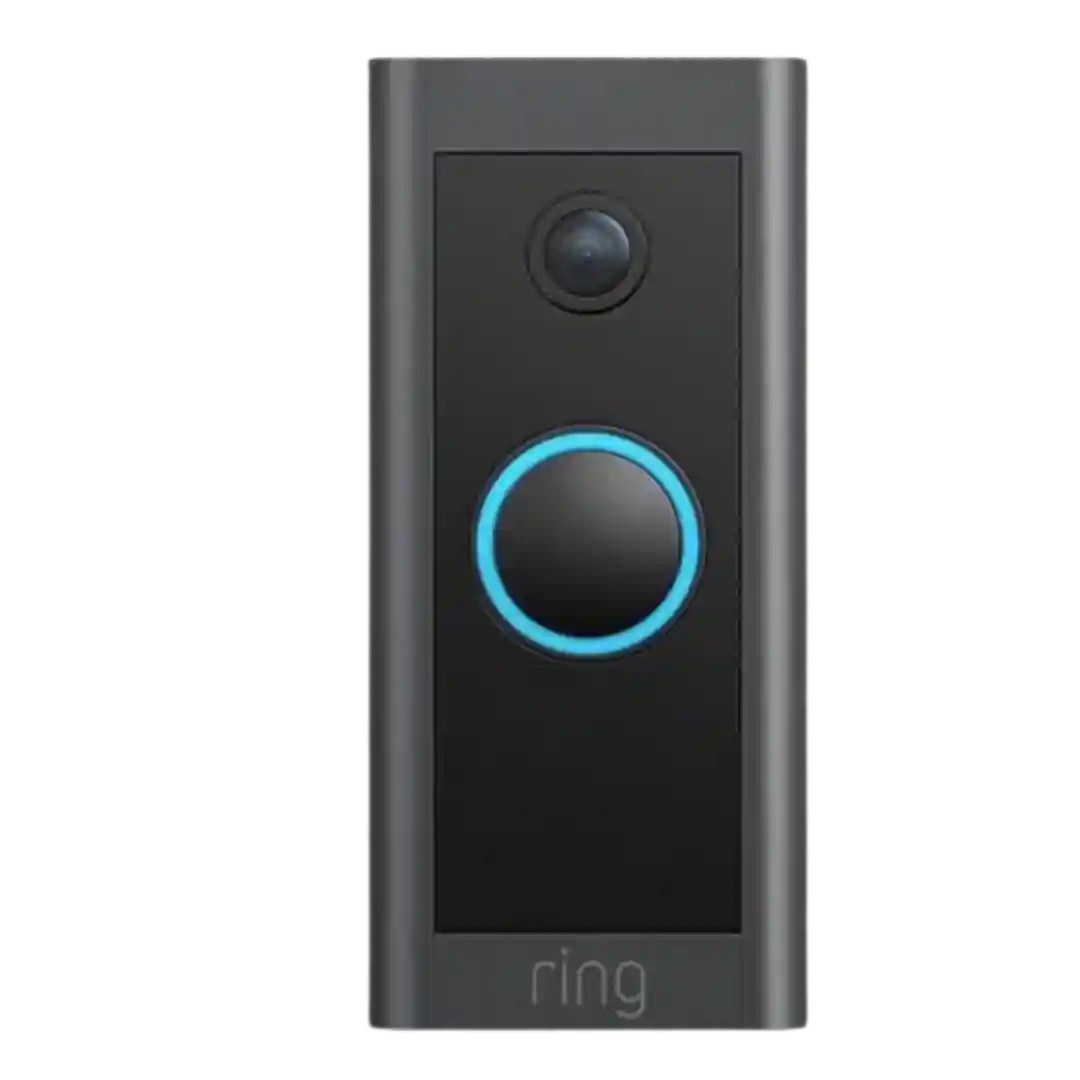
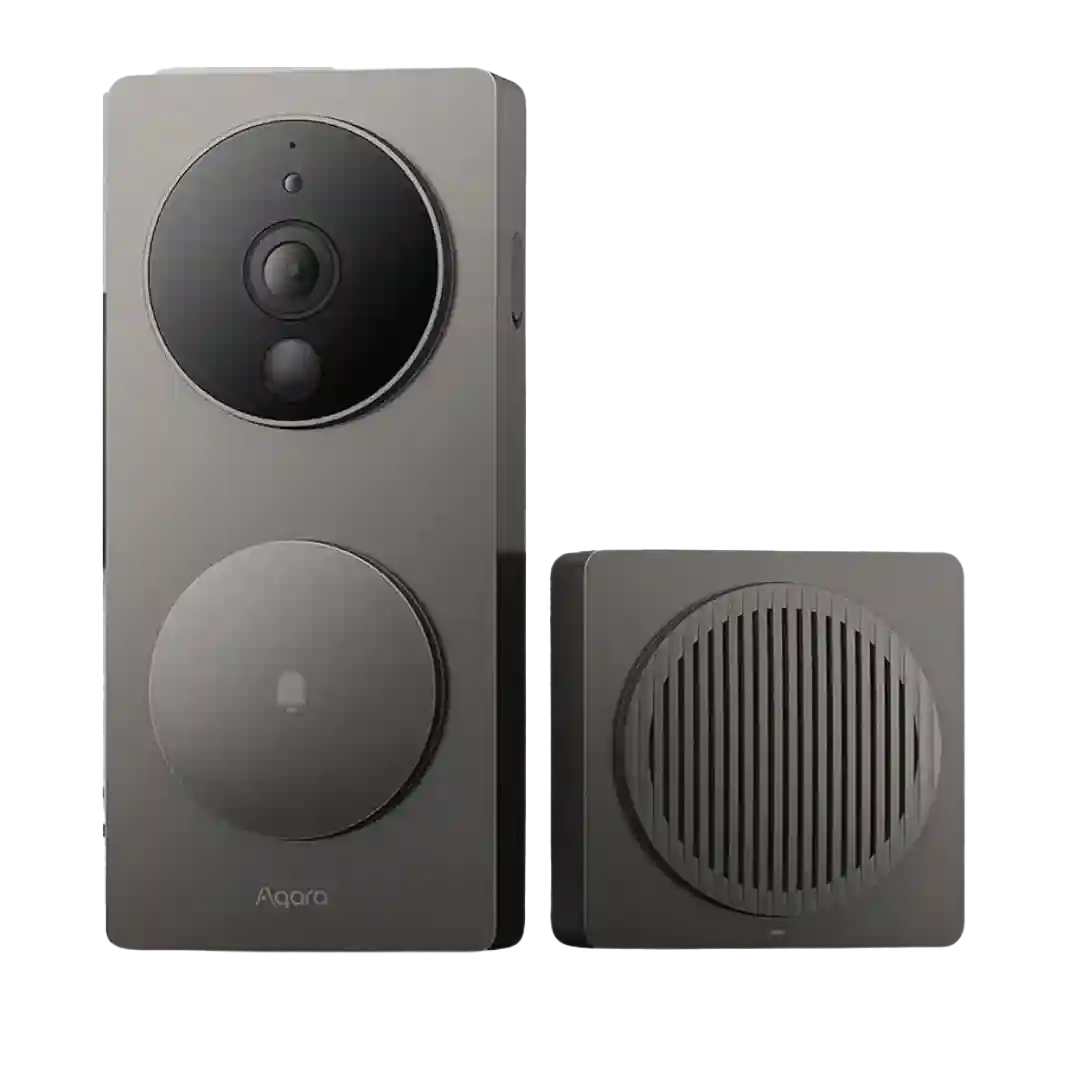
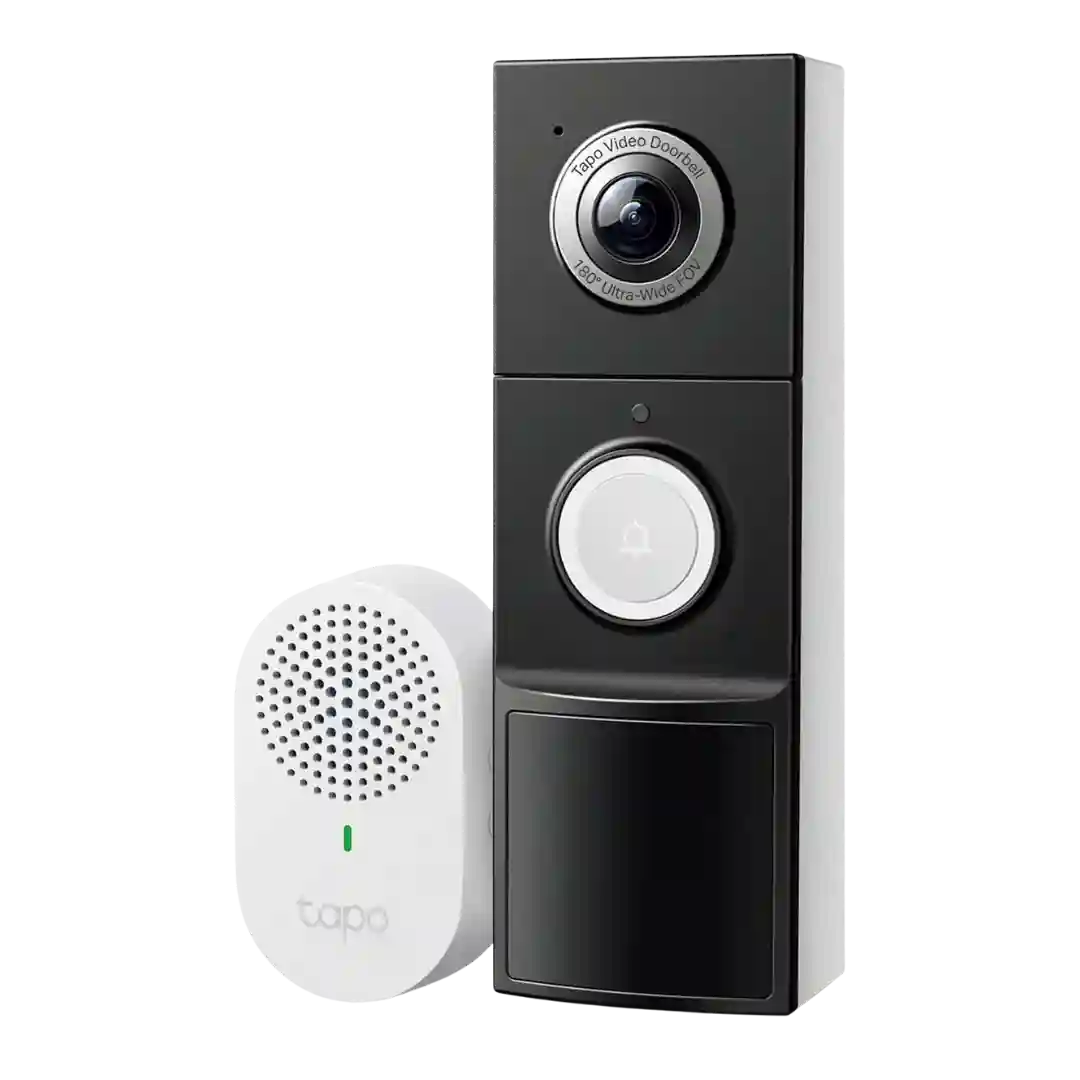
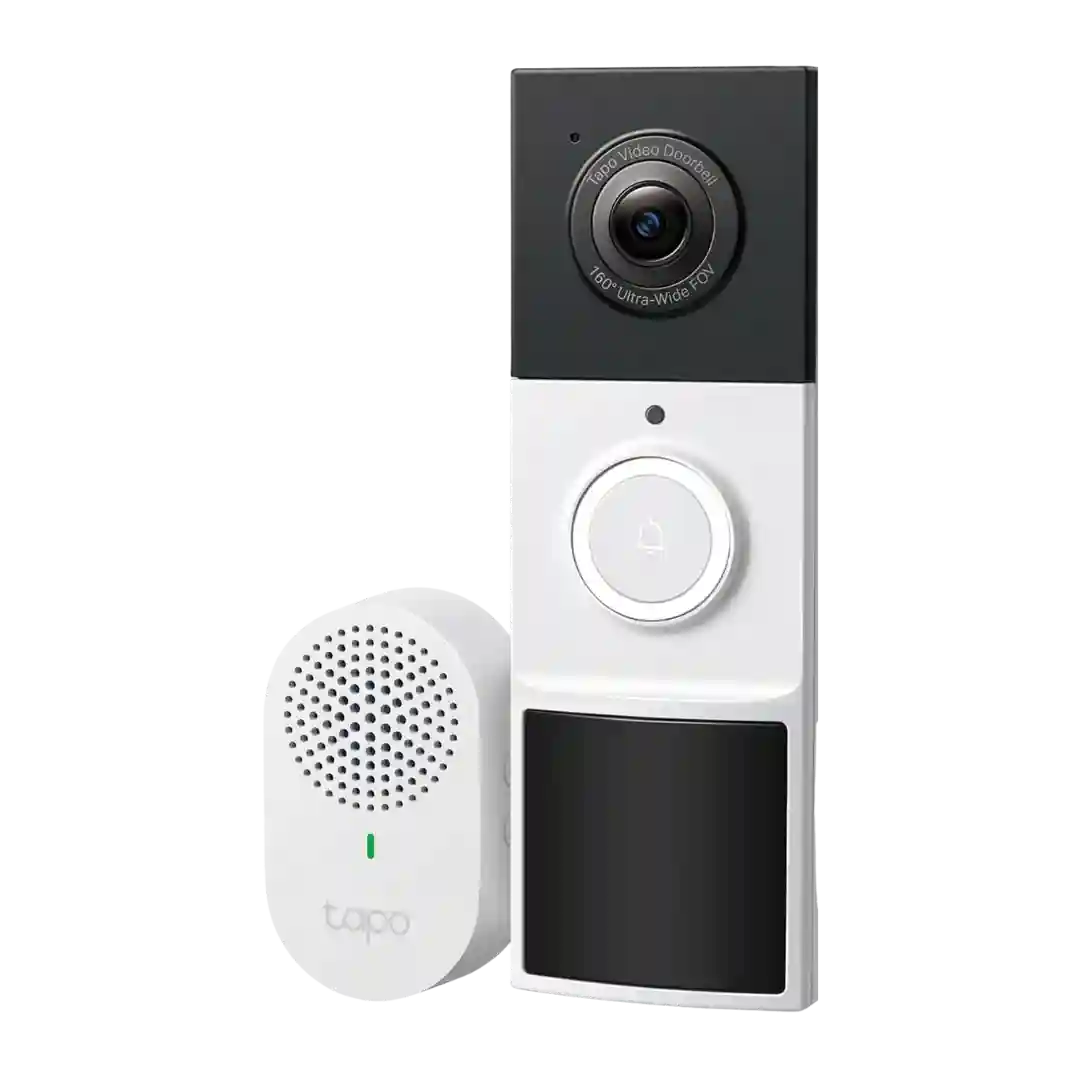
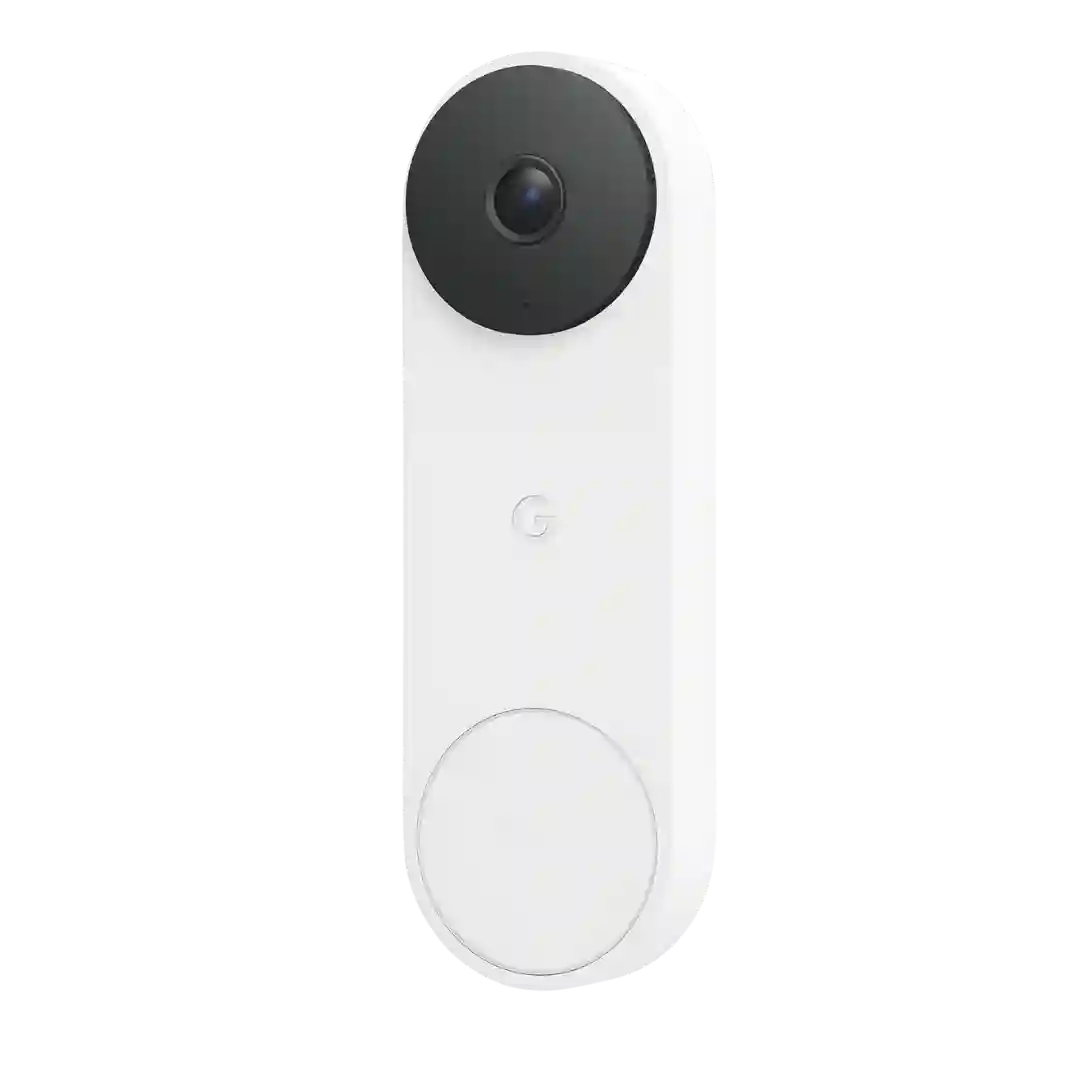
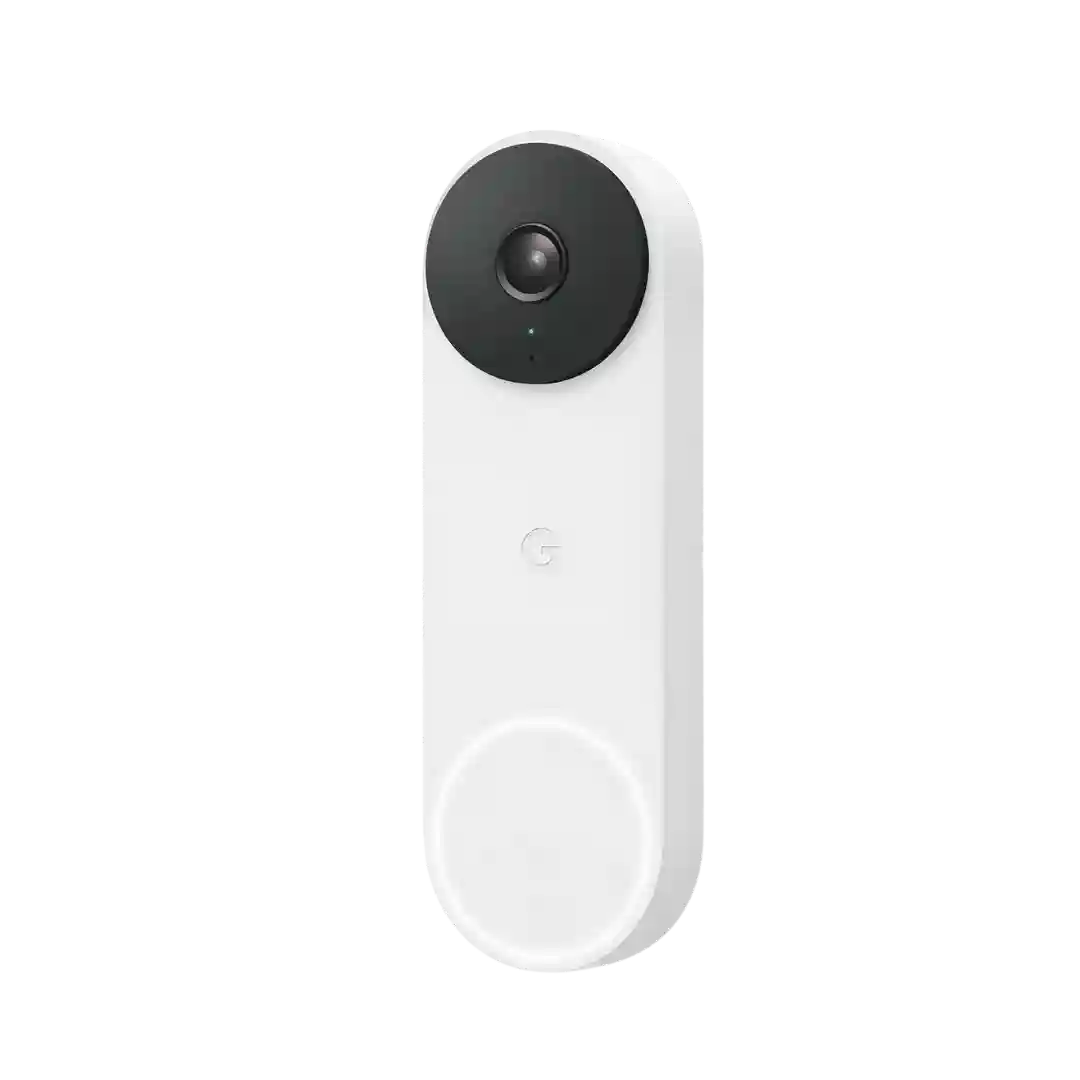
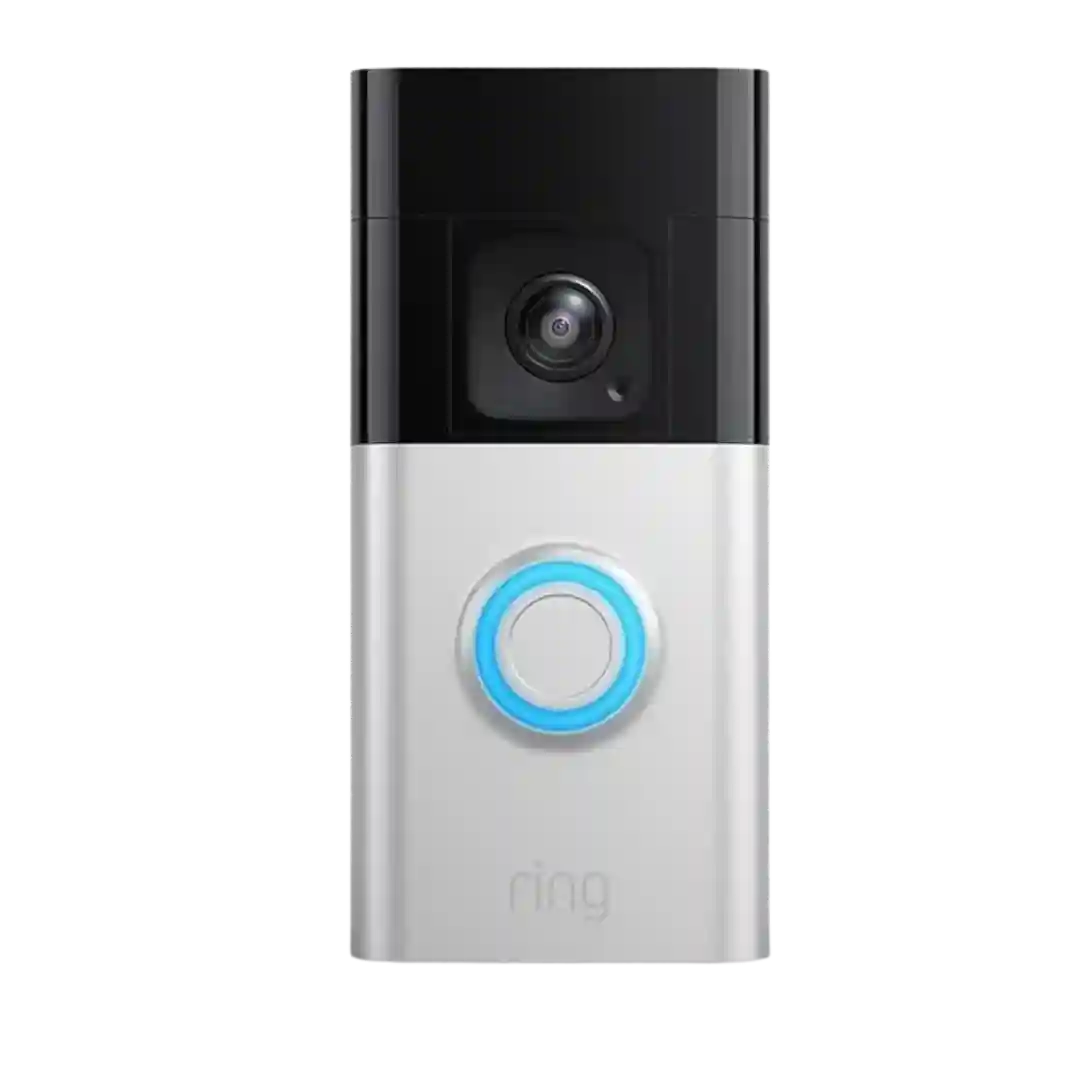
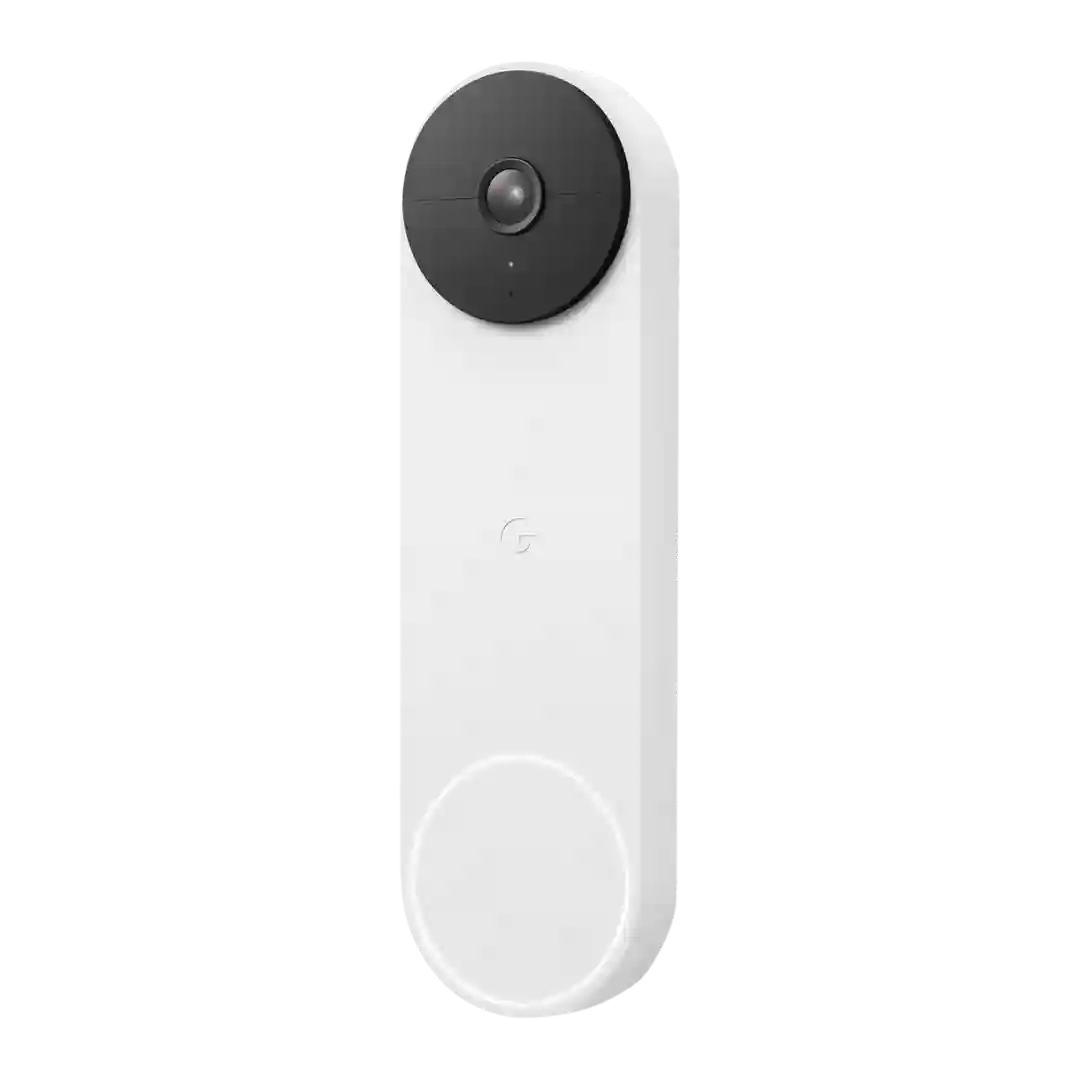
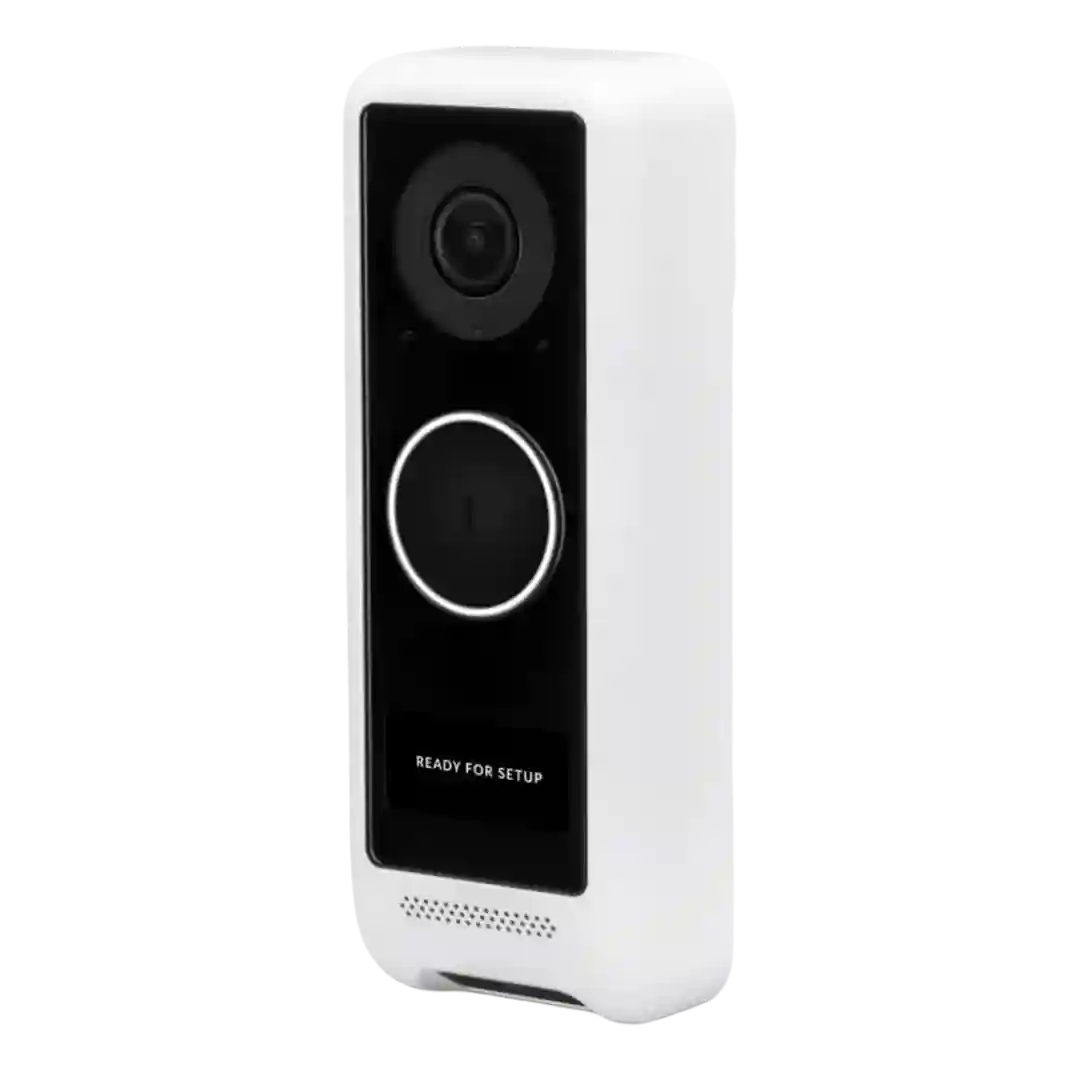
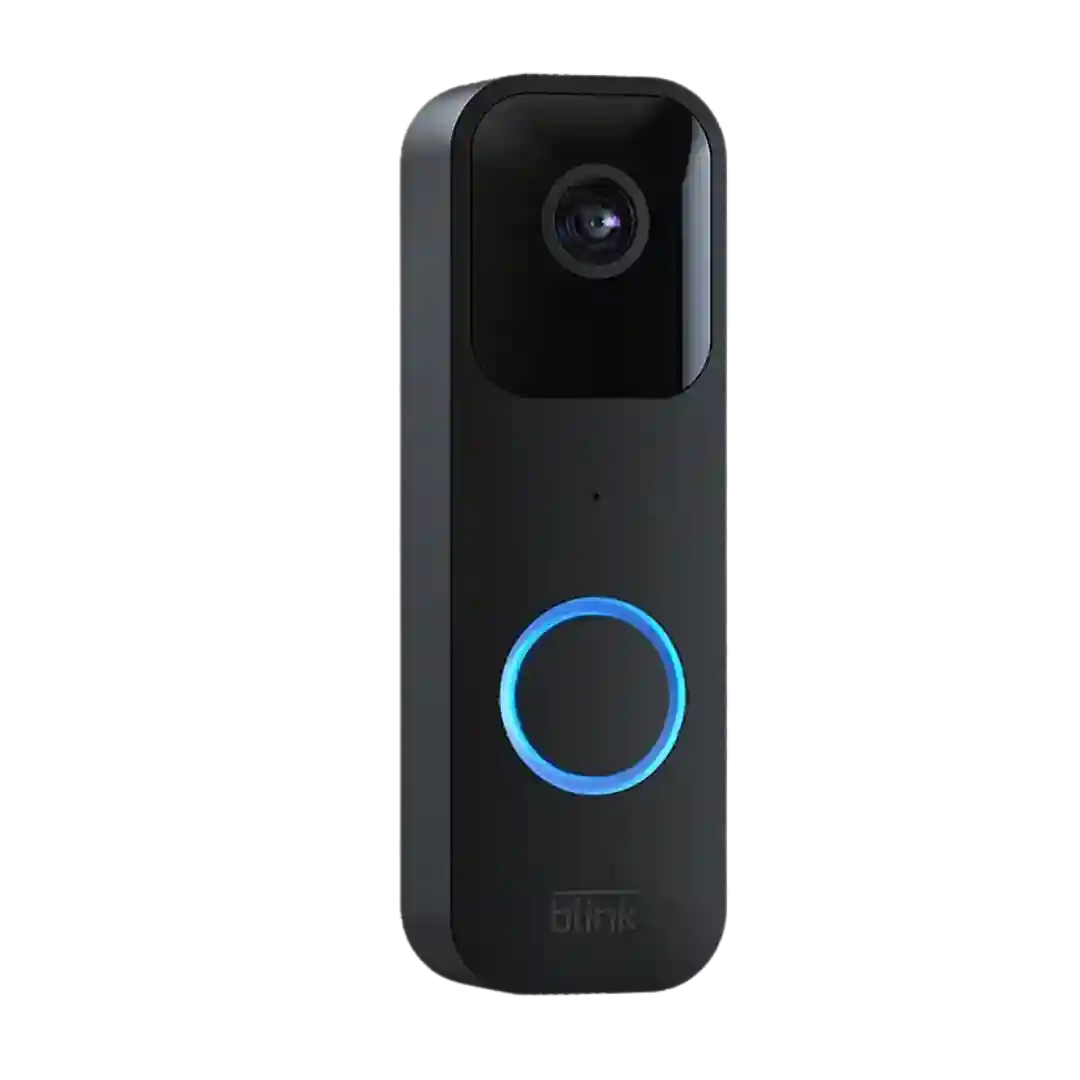
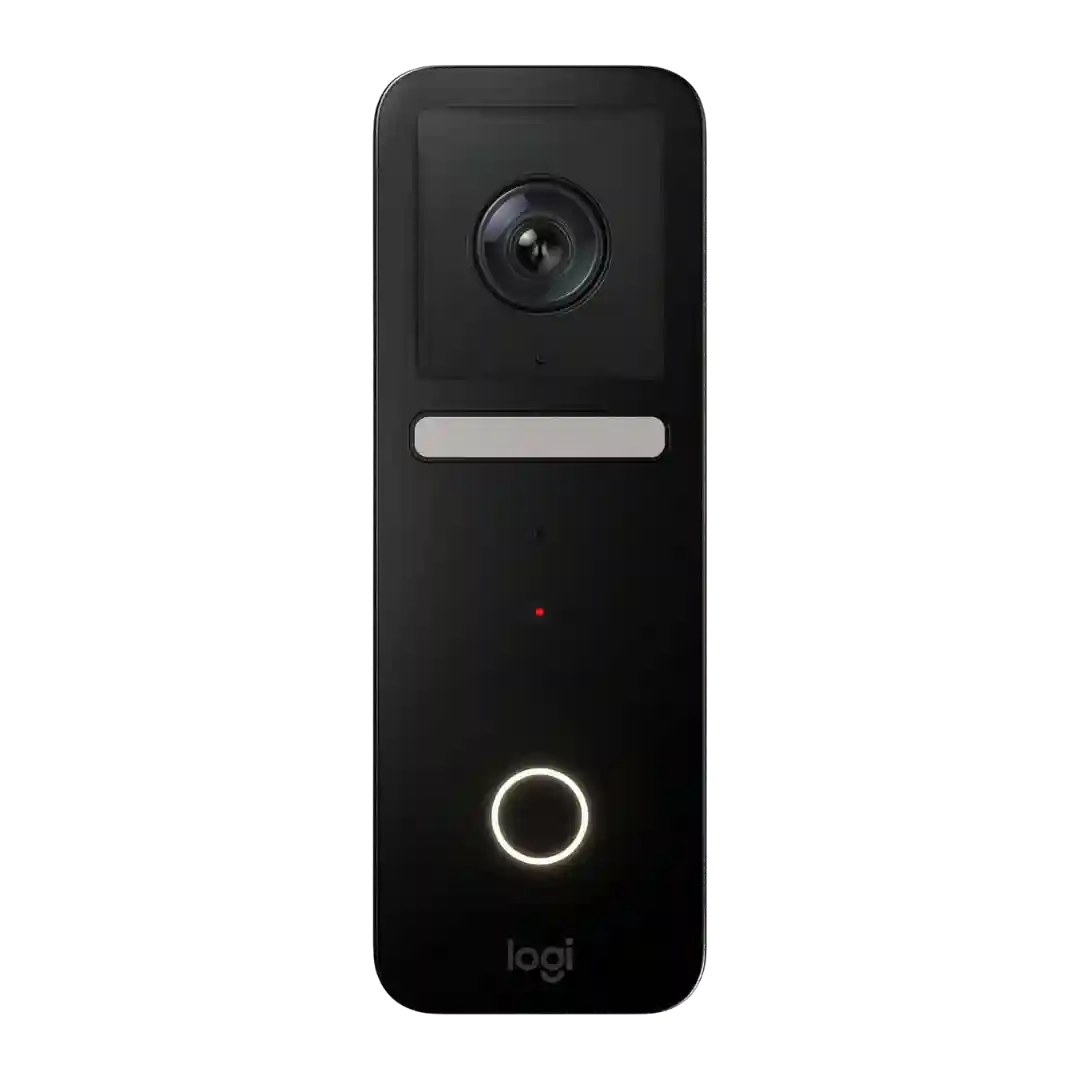
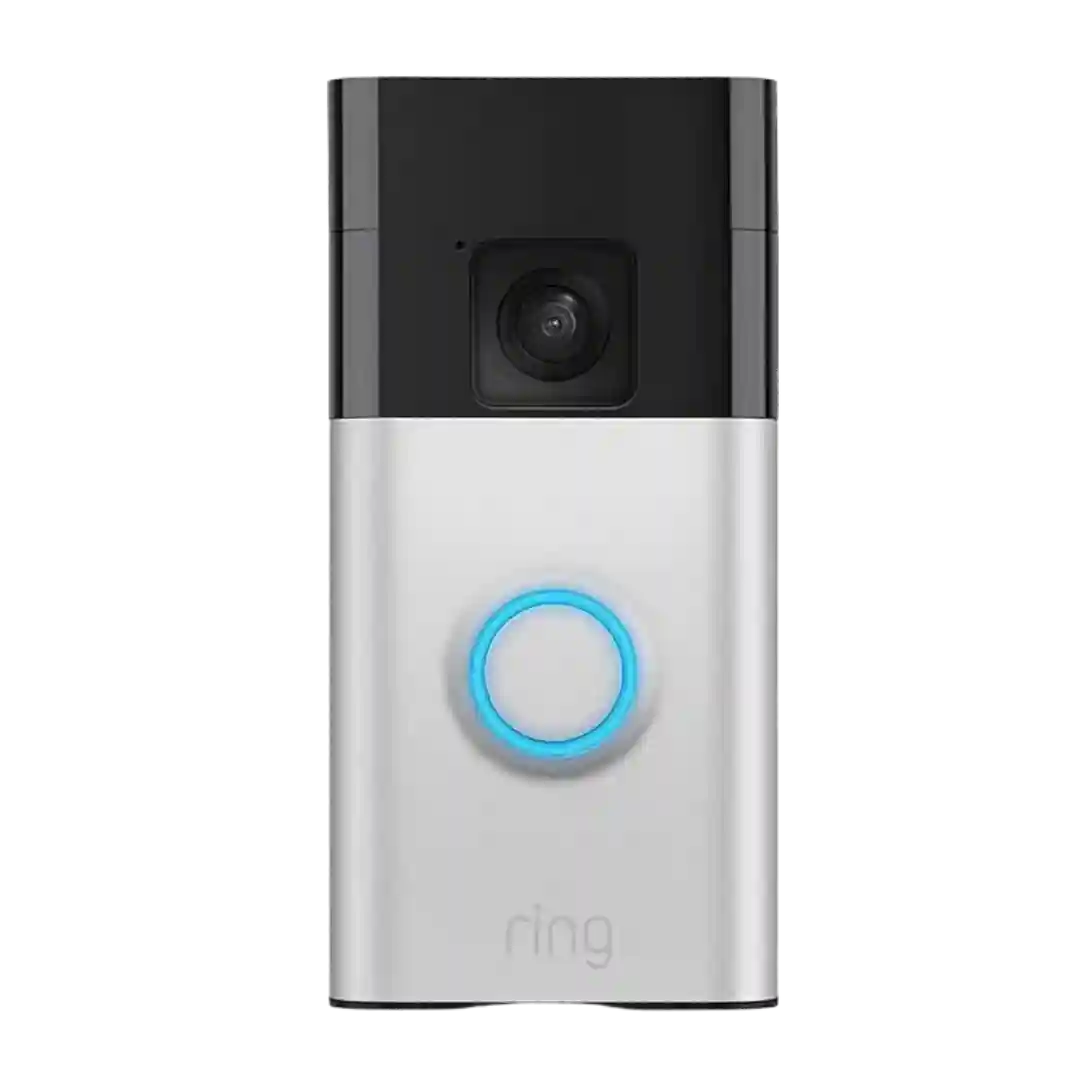
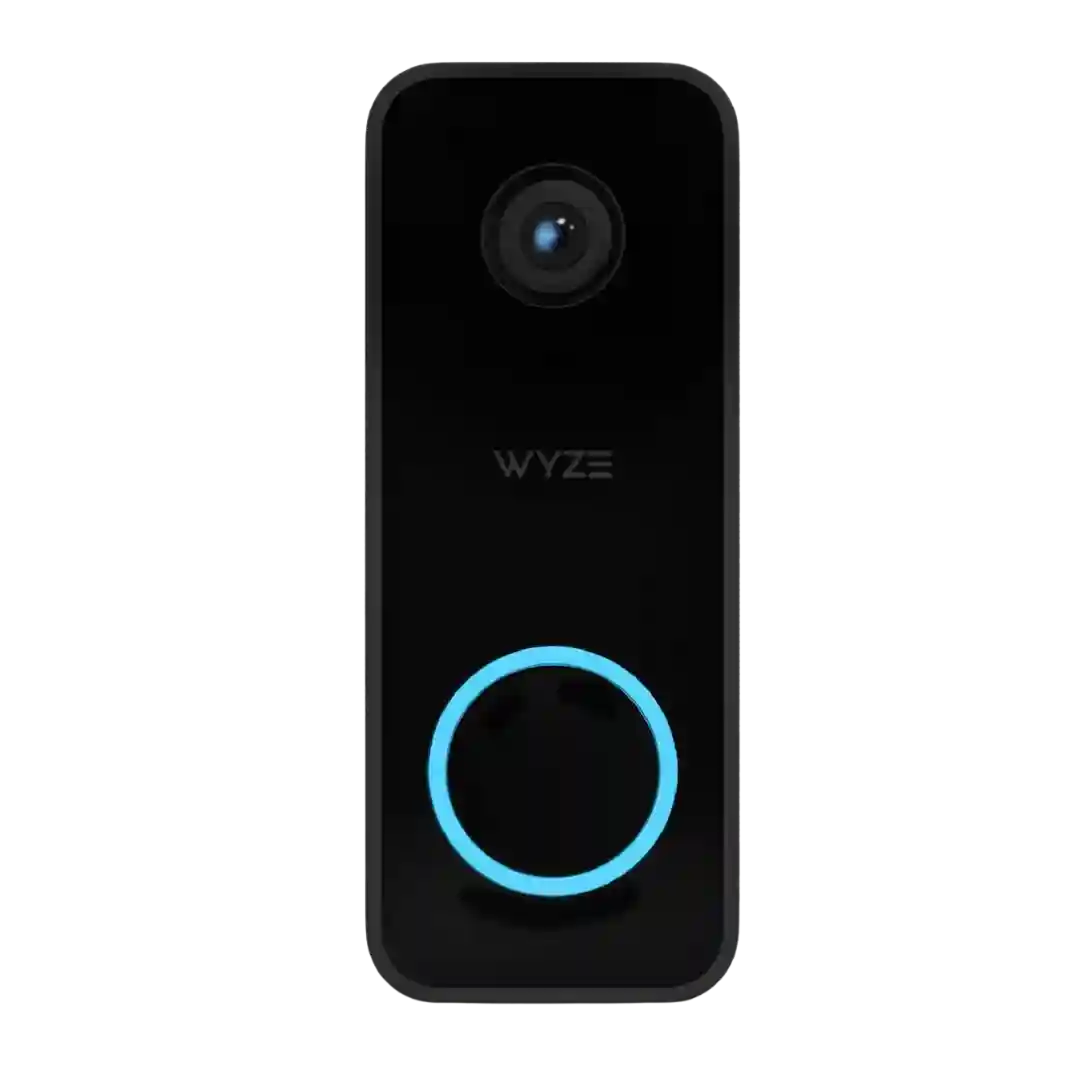
Anti-theft value is emphasized via local storage that remains indoors (chime/hub) even if the outdoor unit is stolen, plus a keyed/pin release mechanism that makes quick removal harder.
Theft protection features (blacklisting/reporting and replacement in some accounts) plus security screws are framed as practical deterrents, though physical removal is still possible with tools.
Anti-theft and tamper protection is viewed positively: the security screw, tamper alarm options, and storing microSD clips inside the chime all reduce the chance of losing evidence if the doorbell is stolen. A few reviewers remind users to disable tamper features before maintenance like battery swaps.
Physical anti-theft measures include a security screw, and multiple reviews mention theft replacement or deterrence. It is not tamper-proof, but the design aims to reduce casual removal.
Anti-tamper features (including alarms) and the indoor storage design reduce risk, and some sources mention pre-tamper capture behavior with cloud options. Adhesive mounting and the overall chunkiness can still make physical security situational.
Theft and tamper protection is generally viewed as above average because of the locking mount, screw-protected microSD area, and reported anti-removal alarm behavior. There is some conflicting evidence about the alarm, but reviewers still describe the doorbell as harder to steal than some rivals.
Anti-theft and tamper considerations get mixed notes: some sources mention tamper alarms and the need for a release pin/key, while others worry the unit can still be removed and stolen. Several reviewers suggest cloud backup or HomeBase storage as a hedge if device theft is a concern.
Security screws, theft-reporting options, and some replacement policies help deter casual theft, but physical battery covers are sometimes seen as a weak point.
The mount can be secured and removal requires a release tool, but because the unit must come off for charging, physical theft/tamper risk is still something to consider.
Physical security is solid in pull tests, but there are concerns about a plastic mounting bracket on some kits and about losing footage if an on-device-storage unit is stolen.
Tamper considerations cut both ways: the release-pin mechanism adds a barrier, and storing footage on the indoor hub helps preserve recordings even if the doorbell is taken, but some reviewers still feel it could be removed too easily by someone who knows the trick.
Physical security is mixed: some versions add a security screw, but multiple reviewers point out the unit can be removed fairly easily if the release is accessible. Practical mitigations mentioned include disabling obvious status lighting and physically blocking latch access.
Physical security is mixed: one test found the doorbell easy to remove, while another notes the included release tool adds some friction. If theft is a concern, placement and additional mounting security matter.
Tamper resistance gets mixed commentary: some like the updated mounting/removal approach, while others worry it is less secure than older screw-based designs. Reporting a stolen device and account removal options are mentioned as mitigation.
Tamper resistance is a weak spot: the microSD slot is exposed on the side and the doorbell can be removed from its plate without a locking screw in several reports.