Best for Wireless latency
Sony INZONE H9 II Wireless Gaming Headset
5.0 feature score
Highest scored product for this feature based on supporting review evidence.
Highest scored product for this feature based on supporting review evidence.
Balances feature score, supporting reviews, and overall product strength.
Has the broadest review evidence for this feature.
Strongest overall product among items with scored evidence for this feature.
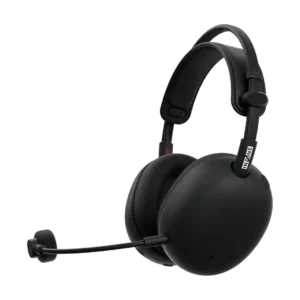
The 2.4GHz connection consistently delivers responsive, lag-free gaming audio. No reviewer who directly judged latency found it problematic.
Pros: Instrument separation, Maximum volume clarity
Cons: Packaging quality, Console compatibility limitations
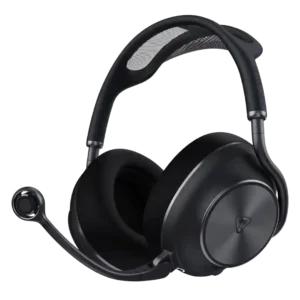
The 2.4GHz connection and low-latency Bluetooth options produce effectively immediate game audio, with multiple reviewers reporting no perceptible lag.
Pros: Codec support, Packaging quality
Cons: Multipoint connectivity reliability, Replaceable ear plates
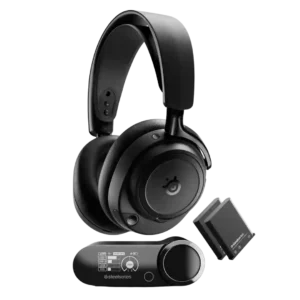
Wireless latency is consistently excellent in the scored reviews, with reviewers reporting no notable lag or no skips.
Pros: Maximum volume clarity, Multipoint connectivity reliability
Cons: Portability/foldability, USB-C
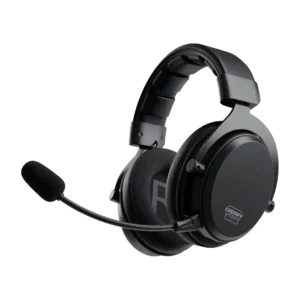
Wireless latency was praised by reviewers who reported no delay, no sync problems, or low-latency dongle performance.
Pros: Volume output, Audio-video sync accuracy
Cons: Xbox compatibility, Equalizer customization
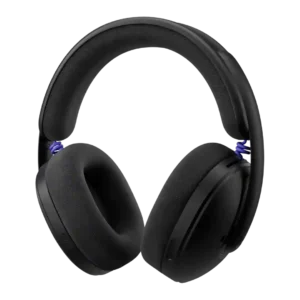
Wireless latency was excellent in the reviews that tested it, with no lag or latency reported during play.
Pros: Wireless latency, Weight comfort
Cons: Microphone noise reduction, Multipoint connectivity reliability
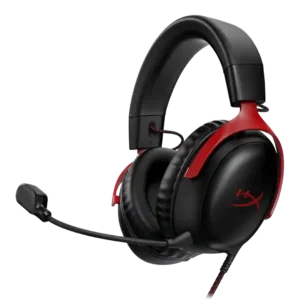
Wireless latency was consistently praised where tested, with reviewers reporting low or nonexistent lag.
Pros: Hinge durability, Wireless latency
Cons: Preset EQ profile quality, Xbox compatibility
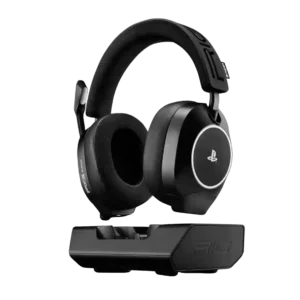
Wireless latency was praised directly in one review and treated as gaming-ready in another.
Pros: Spatial audio, Positional audio accuracy
Cons: Carry case quality, Detachable microphone convenience
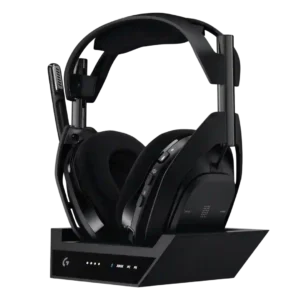
Wireless latency is a clear strength, with reviewers reporting no lag, reliable Lightspeed performance, or immediate reconnection after range dropouts.
Pros: Positional audio accuracy, Soundstage width
Cons: Active noise cancellation, Hinge durability
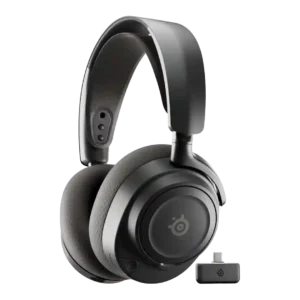
Wireless latency was excellent over the 2.4GHz dongle, while Bluetooth was not recommended for timing-sensitive gaming or video.
Pros: Connectivity versatility, Multi-platform compatibility
Cons: Transparency mode quality, Active noise cancellation
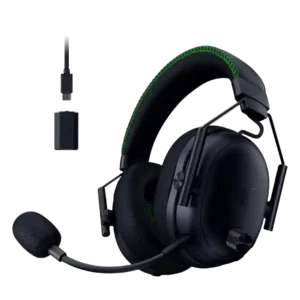
Wireless latency was one of the strongest technical positives, repeatedly described as ultra-low, imperceptible, and among the fastest available.
Pros: Audio-video sync accuracy, Multi-platform compatibility
Cons: Cable quality, Preset EQ profile quality
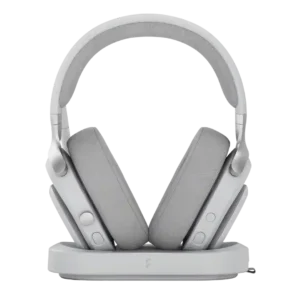
Wireless latency was praised in the scored evidence, with reviewers reporting low latency or zero lag.
Pros: Spatial audio, Software/setup simplicity
Cons: Xbox compatibility, Sidetone adjustment quality
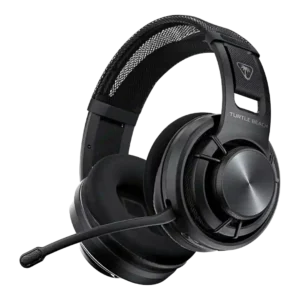
Wireless latency and stability are good over the 2.4GHz dongle, with reviewers reporting low-latency gaming and no dropout issues.
Pros: Weight comfort, Cable quality
Cons: Active noise cancellation, Noise isolation (passive)
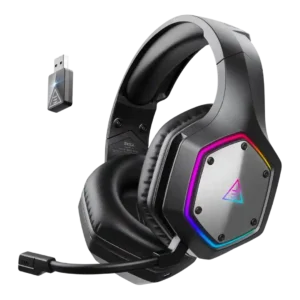
Wireless latency was consistently praised in WT reviews, with no noticeable lag or hiccups reported.
Pros: Audio-video sync accuracy, Wireless latency
Cons: Midrange clarity, Ear cup swivel/rotation range
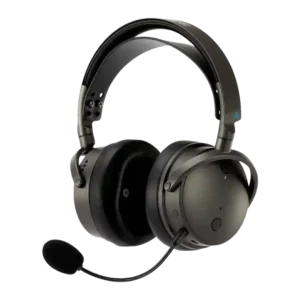
Wireless latency is generally low enough for gaming, though reviewers occasionally report small lag or system-specific issues.
Pros: Instrument separation, Maximum volume clarity
Cons: Hinge durability, Carry case quality
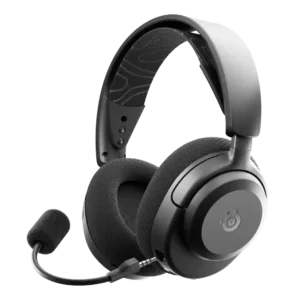
Wireless latency was consistently praised, with 2.4GHz and Bluetooth testing producing low-latency or no-lag impressions.
Pros: Charging, Weight comfort
Cons: Sound leakage, Cable quality
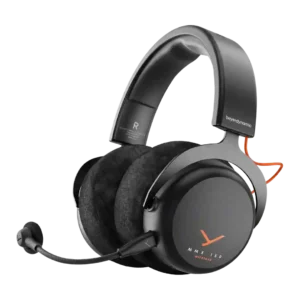
Wireless latency is praised subjectively through the dongle, with reviewers noting low-latency claims and little perceived audio/video gap.
Pros: Battery, Audio-video sync accuracy
Cons: Xbox compatibility, Volume output
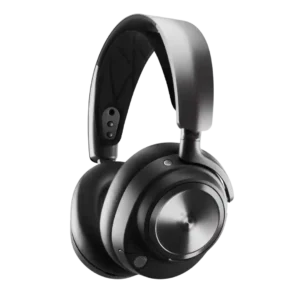
Wireless latency and reliability are mostly strong, with several lag-free reports, though one SoundGuys test and one long-term owner noted occasional drops.
Pros: Charging, Spatial audio
Cons: Hinge durability, Smudge resistance
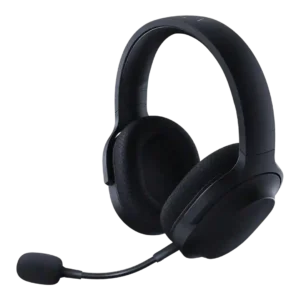
Wireless latency was usually low enough for gaming, with several reviews calling it lag-free or well synced, though one cloud-gaming case and one range test were weaker.
Pros: Cable quality, Hinge durability
Cons: aptX, Active noise cancellation
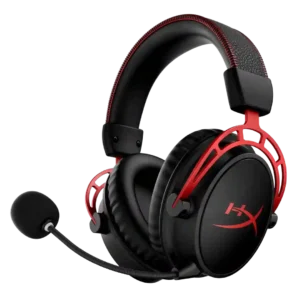
Wireless latency is mostly positive when mentioned, though one review reports occasional audio pops.
Pros: Maximum volume clarity, Earpad replacement ease
Cons: Bluetooth, Xbox compatibility