Best for Capacity
Black+Decker Thermal Coffeemaker, 12-Cup CM2035B
5.0 feature score
Highest scored product for this feature based on supporting review evidence.
Highest scored product for this feature based on supporting review evidence.
Balances feature score, supporting reviews, and overall product strength.
Has the broadest review evidence for this feature.
Strongest overall product among items with scored evidence for this feature.
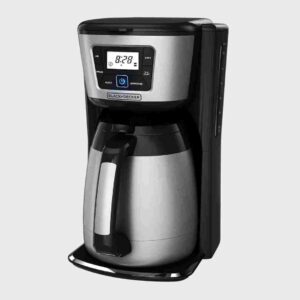
Capacity was a clear strength, with reviewers noting the full 12-cup output works well for larger households, offices, or frequent entertaining.
Pros: Assembly and Setup, Capacity
Cons: Filter, Design flaws
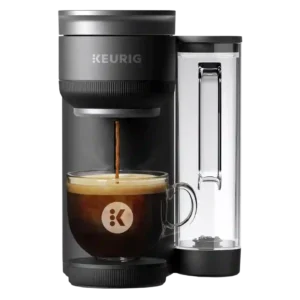
The 72-ounce removable reservoir is a consistent strength, allowing multiple cups between refills and making the water level easy to monitor.
Pros: Iced / cold-brew function quality, Cup
Cons: Delivery condition, Design flaws
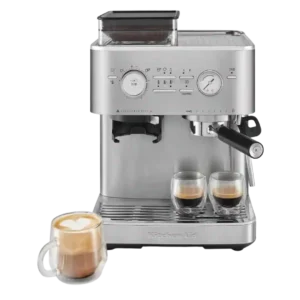
The roughly 2.5-liter water tank is a standout convenience and supports frequent drinks without constant refilling. The removable hopper also makes it easier to switch beans, though rear tank access...
Pros: Scoop-storage convenience, Recognition and certifications
Cons: Accuracy of marketing claims, Mess-free used-puck disposal
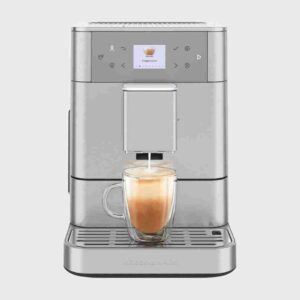
Capacity feedback is positive where discussed, especially the large water tank and healthy drip-tray capacity for an entry-level model.
Pros: Automation and sensors, Grinder
Cons: Accuracy of marketing claims, Design flaws
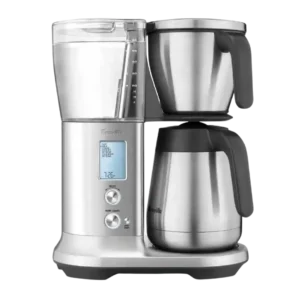
Capacity is consistently useful, with reviewers valuing the 60-ounce or 12-cup output for families, guests, teams, offices, or small cafe-style service.
Pros: Popularity, Heating-element power
Cons: Design flaws, Warranty and Customer support
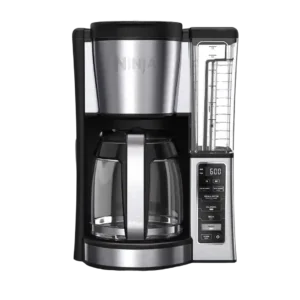
Capacity was a clear strength, with reviewers praising the 12-cup output for families, crowds, and big-pot convenience; one test found it close to the advertised capacity.
Pros: Recognition and certifications, Value and Price
Cons: Design flaws, Accuracy of marketing claims
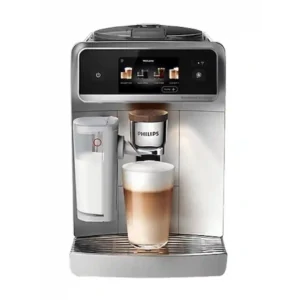
The 1.9-liter tank, 275-gram hopper, larger milk carafes, and eight profiles make it well suited to busy multi-user homes. Its generous capacity contributes to a large countertop footprint.
Pros: Pump pressure consistency, Capsules
Cons: Portability and travel-friendliness, Design flaws
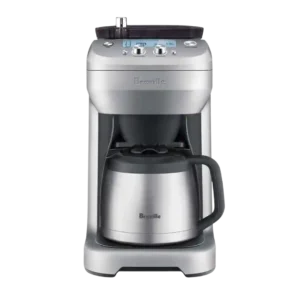
Capacity is a strength, with praise for the large water tank, 12-cup output, and bean/reservoir capacity that reduces refills.
Pros: Shipping policy, Automation and sensors
Cons: Environmental packaging sustainability, Accessories
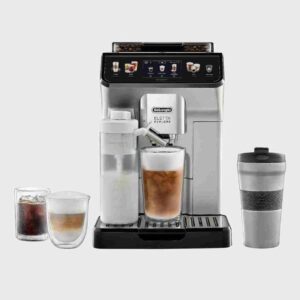
Capacity was praised as generous, with reviewers highlighting large water, bean and grounds capacities that reduce refilling in daily use.
Pros: Accessories, Espresso and beverage quality
Cons: Design flaws, Pot function
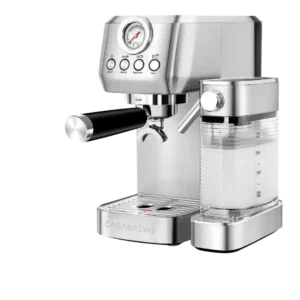
Capacity is viewed positively because the reservoir lasts multiple days or reduces the need for frequent refilling.
Pros: Design, ergonomics and footprint
Cons: Grinder, hopper and dosing system
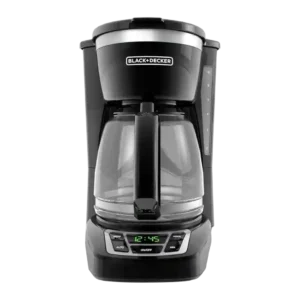
Capacity is supported mainly by the ability to make a large shared pot, with the 12-cup format seen as useful for families, offices, or heavier coffee drinkers.
Pros: Assembly and Setup, Warranty and Customer support
Cons: Design flaws, Accessories
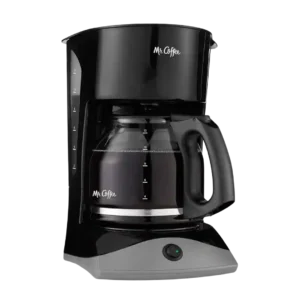
Capacity is viewed positively for basic household use, with one reviewer noting it can make a large amount of coffee.
Pros: Popularity, Cup
Cons: Build quality and durability, Design flaws
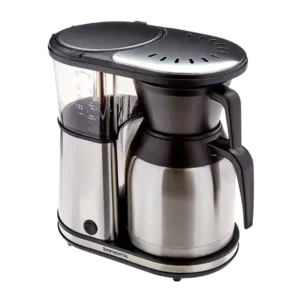
Capacity worked well for the intended use cases, from small households and solo drinkers to full-pot hosting, though the exact variant affected fit.
Pros: Espresso and beverage quality, Recognition and certifications
Cons: Accuracy of marketing claims, App
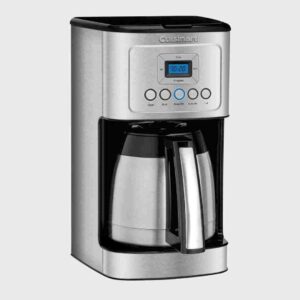
Capacity is praised for guest-sized brewing and flexible small or large batches, although reviewers clarify that coffee-maker cups are smaller than typical mugs.
Pros: Heating-element power, Overall user experience
Cons: Design flaws, Cup
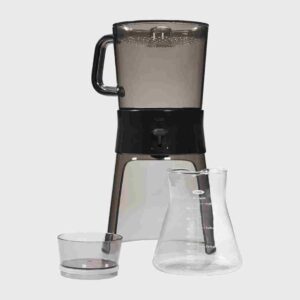
Capacity was viewed positively by reviewers who valued batches that make many diluted drinks, with larger yield also tied to the appliance’s bigger footprint.
Pros: Recognition and certifications, Iced / cold-brew function quality
Cons: Environmental packaging sustainability, Speed and time-to-cup
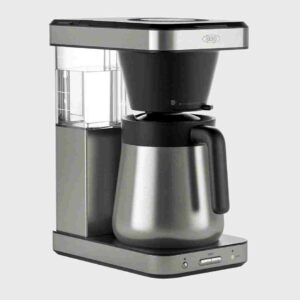
Capacity was viewed as flexible for single cups through eight-cup batches, though one reviewer still considered the eight-cup maximum relatively small.
Pros: Brewing performance and consistency, Build quality and durability
Cons: Design flaws, Capsules
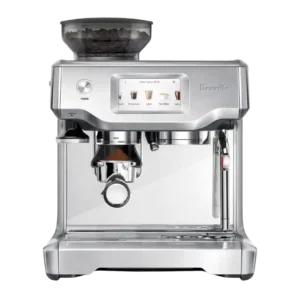
Capacity is viewed positively for the water tank and bean hopper, though the machine’s size can affect countertop fit.
Pros: Iced / cold-brew function quality, Recognition and certifications
Cons: Pot function, Accuracy of marketing claims
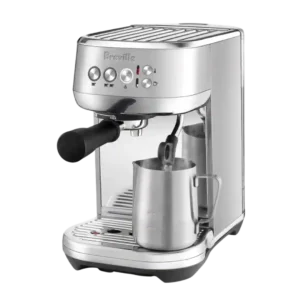
Water capacity is repeatedly praised as generous for such a small machine and capable of handling multiple drinks without refilling.
Pros: Speed and time-to-cup, Pump pressure consistency
Cons: Environmental packaging sustainability, Design flaws
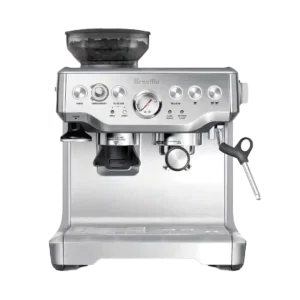
Capacity was praised for the 2-liter water tank, large drip tray, and workable hopper size, with only minor refill-handling caveats.
Pros: Recognition and certifications, Popularity
Cons: Environmental packaging sustainability, Design flaws
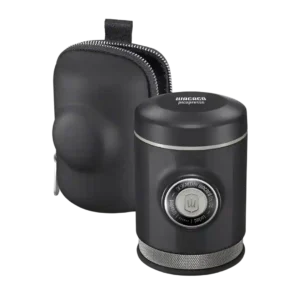
Capacity is a strength for a portable maker because reviewers praised the 18g-plus basket and true double-shot capability.
Pros: Design, ergonomics and footprint
Cons: Capsules, pods and consumables
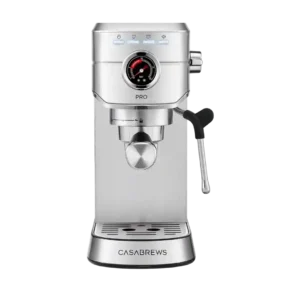
Capacity was judged sufficient for the machine size, with reviewers saying the reservoir is plenty for multiple cups or a small machine.
Pros: Popularity, Accuracy of marketing claims
Cons: Mess-free used-puck disposal, Accessories
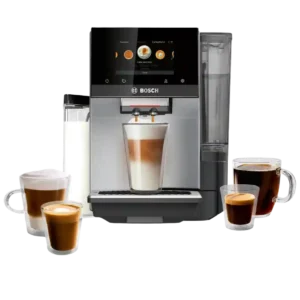
Capacity is usually praised, especially the large water tank and useful hopper sizing, although one review warns heavy users may still refill often.
Pros: Water system, maintenance and descaling
Cons: Iced / cold-brew function quality, Pot function
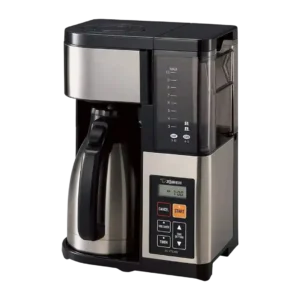
Capacity evidence is positive for batch use, with reviewers pointing to the large carafe, 10-cup scale, and preference for the Zojirushi when brewing batches.
Pros: Pot function, Recognition and certifications
Cons: Value and Price, Warranty and Customer support
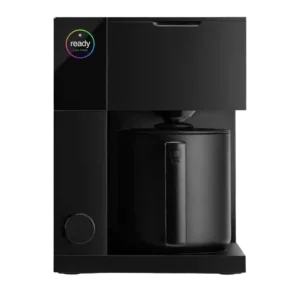
Capacity evidence was generally favorable across single-cup and larger-batch use, though reviewers warned that larger pots expose heat-retention and carafe-mixing limitations.
Pros: Recognition and certifications, Pump pressure consistency
Cons: Design flaws, App
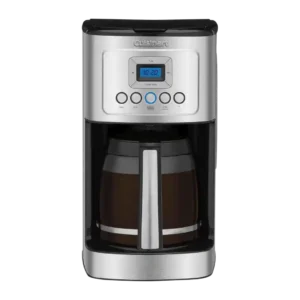
Capacity is one of the strongest themes, with many reviewers praising the 14-cup format for families or offices, though measured capacity can be below the marketing claim.
Pros: Warranty and Customer support, Build quality and durability
Cons: Accuracy of marketing claims, Environmental packaging sustainability
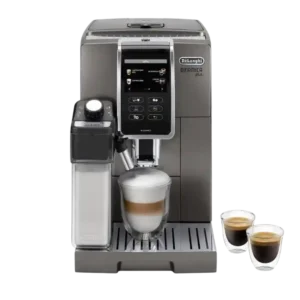
Capacity comments were positive where reviewers discussed the grounds container, water reservoir, or milk carafe lasting through multiple drinks or being a useful size.
Pros: Mess-free used-puck disposal, Milk
Cons: Portability and travel-friendliness, Environmental packaging sustainability
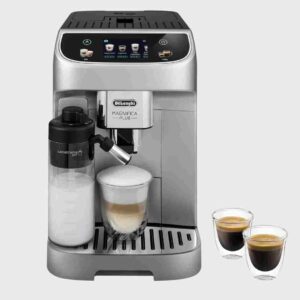
Capacity was viewed positively where discussed, with reviewers appreciating the large hopper and multi-day household capacity.
Pros: Overall user experience, Assembly and Setup
Cons: Portability and travel-friendliness, Accuracy of marketing claims
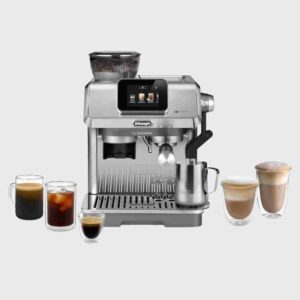
Water and bean capacity were usually seen as adequate or generous for the compact size, but one reviewer considered the bean hopper smaller than preferred.
Pros: Environmental packaging sustainability, Recognition and certifications
Cons: Pump pressure consistency, Accuracy of marketing claims
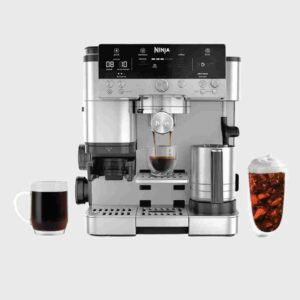
Capacity drew praise for the large reservoir, hopper, travel-mug clearance, and flexible cup sizes, but the machine remains better for individual servings than batch brewing.
Pros: Value and Price, Scoop-storage convenience
Cons: Hot water dispenser, Environmental packaging sustainability
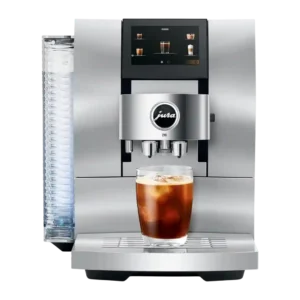
Capacity was mostly viewed positively for the large tank, hopper and grounds handling, though one reviewer felt cleaning cycles made the tank need refilling often.
Pros: Recognition and certifications, Espresso and beverage quality
Cons: Portability and travel-friendliness, Warranty and Customer support
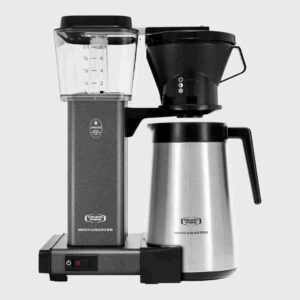
Capacity is mostly positive for full-pot brewing, with praise for 10-cup or 40-ounce output, but one reviewer says it is weaker for smaller brew sizes.
Pros: Heating-element power, Espresso and beverage quality
Cons: Design flaws, Automation and sensors
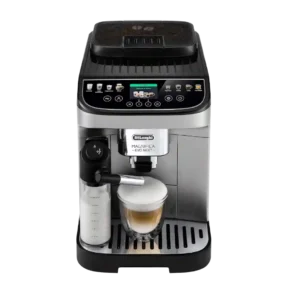
Capacity evidence is mixed: reviewers liked the large water tank and decent hopper, but the milk carafe and grounds capacity can feel limiting for heavier use.
Pros: Automation and sensors, Cup
Cons: Accuracy of marketing claims, Warranty and Customer support
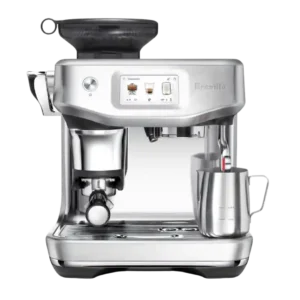
Capacity is generally adequate to good for the hopper and water tank, but the machine itself is large and one reviewer emphasizes counter-space demands.
Pros: Cup, tray and carafe handling
Cons: App, connectivity and smart control
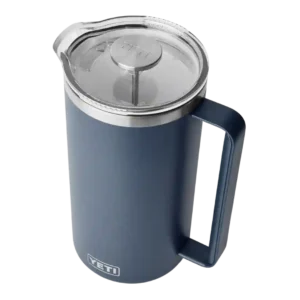
Capacity worked well for two to four cups or a small group, though one camping reviewer found the smaller size insufficient and preferred 64 ounces.
Pros: Accuracy of marketing claims, Brewing performance and consistency
Cons: Accessories, Design flaws
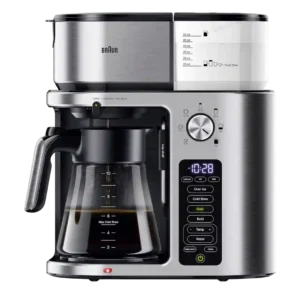
Serving capacity is flexible for single cups, but carafe capacity control is more limited because only half- and full-carafe sizes are available.
Pros: Recognition and certifications, Brewing performance and consistency
Cons: Design flaws, Cable management convenience
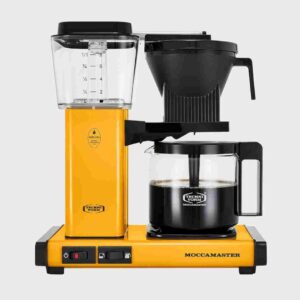
The half/full-pot flexibility and batch size worked well for couples, families, and groups, but reviewers noted limits for single cups, larger 50-ounce expectations, or big mugs.
Pros: Speed and time-to-cup, Recognition and certifications
Cons: Iced / cold-brew function quality, Design flaws
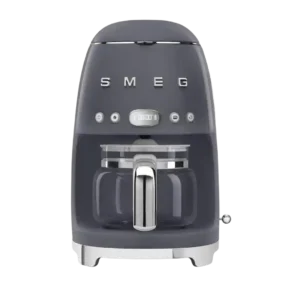
Capacity was usually adequate for households or multiple mugs, but reviewers repeatedly noted Smeg cup sizing makes the 10-cup claim feel smaller in real mugs.
Pros: Assembly and Setup, Environmental packaging sustainability
Cons: Warranty and Customer support, Heating-element power
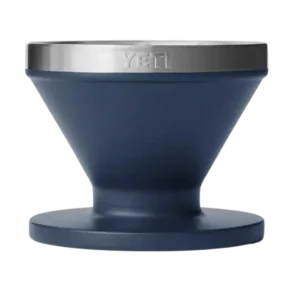
This is primarily a single-cup brewer, with owners commonly making roughly 10 to 20 ounces depending on mug size and technique. Shoppers wanting larger batches may find the cone too...
Pros: Plastic-free materials, Drink variety and customization
Cons: Warranty and Customer support, Noise level
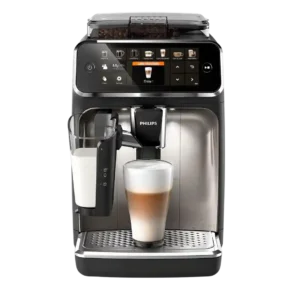
Capacity is good for households and family mornings, with large tank/hopper praise, but it is not suited to making rounds of coffee for groups.
Pros: Capsules, pods and consumables
Cons: Iced / cold-brew function quality, App
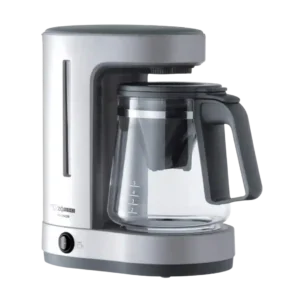
Capacity is best framed as small-household capacity: reviewers repeatedly treated the 5-cup size as ideal for one person, smaller homes, or fewer coffee drinkers, not big pots.
Pros: Water system, maintenance and descaling
Cons: Recognition and certifications, Design flaws
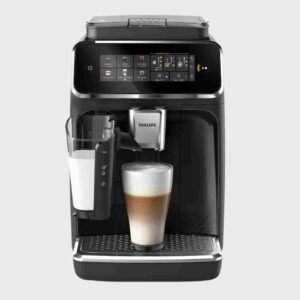
Capacity is mostly viewed as practical, especially water and bean storage, though one review warns refilling and emptying may still be frequent.
Pros: Warranty and Customer support, Water system
Cons: App, connectivity and smart control
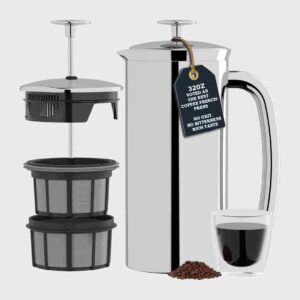
Capacity works well for solo, two-person, or roughly four-mug use, but reviewers imply larger gatherings may need more volume.
Pros: Speed and time-to-cup, Espresso and beverage quality
Cons: Design flaws
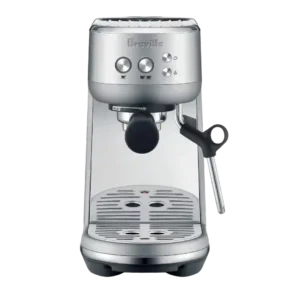
Capacity feedback is mixed: the 1.4L tank is often seen as generous for the tiny footprint, while the drip tray and basket capacity draw complaints.
Pros: Portability and travel-friendliness, Speed and time-to-cup
Cons: Environmental packaging sustainability, Accuracy of marketing claims
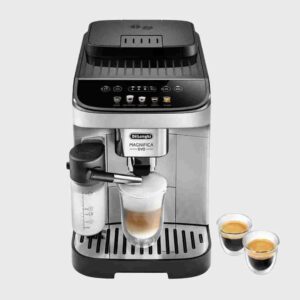
Capacity is mixed: water and grounds capacity are praised, but the bean hopper and milk carafe receive limits for bag size and two-drink milk service.
Pros: Mess-free used-puck disposal, Assembly and Setup
Cons: Design flaws, Accessories
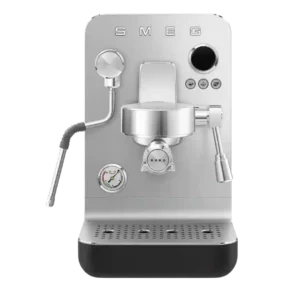
Capacity feedback was mixed: one reviewer liked the water tank for longer steaming, while another wanted a larger tank for this class of machine.
Pros: Mess-free used-puck disposal, Speed and time-to-cup
Cons: Value and Price, Design flaws
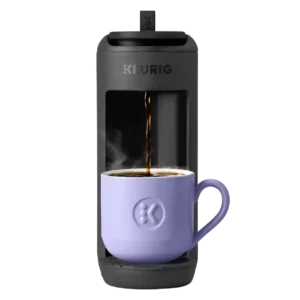
The 6- to 12-ounce single-cup capacity is well suited to one person or one to two daily drinks. Refilling for every cup becomes tedious for couples, guests, offices, or anyone...
Pros: Recognition and certifications, Assembly and Setup
Cons: Pump pressure consistency, Design flaws
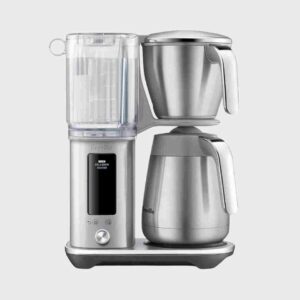
Capacity is strong for full hot batches and the large tank, but cold brew capacity drew limitations because some reviewers noted smaller maximum output.
Pros: Cup, tray and carafe handling
Cons: Warranty and Customer support, Design flaws
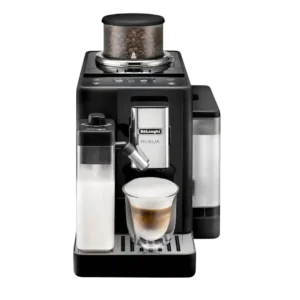
Capacity was adequate but not class-leading: the water tank and drink sizes worked for espresso and milk drinks, while long black coffee users may refill more often.
Pros: Assembly and Setup, Automation and sensors
Cons: Portability and travel-friendliness, Iced / cold-brew function quality
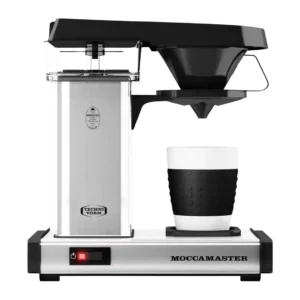
Capacity is the biggest context-dependent trait: ideal for solo drinkers and bean testing, but limiting for households or heavy coffee drinkers.
Pros: Warranty and Customer support, Heating-element power
Cons: Pot function, Design flaws
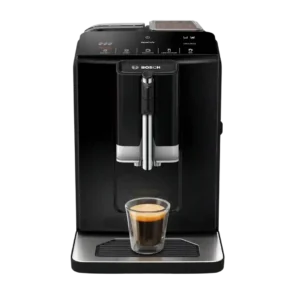
Capacity is adequate for moderate use, though reviewers also flagged the smaller water reservoir and hopper/tank limits compared with larger machines.
Pros: Mess-free used-puck disposal, Automation and sensors
Cons: Accuracy of marketing claims, Hot water dispenser