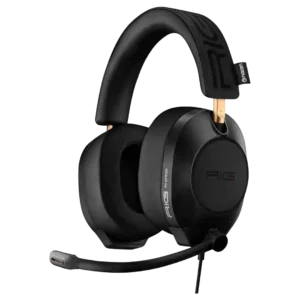
Android compatibility worked well in the test evidence, with Android included among platforms that had no issues.
Pros: Audio-video sync accuracy, Battery
Cons: Bluetooth, Active noise cancellation
Android compatibility worked well in the test evidence, with Android included among platforms that had no issues.
Pros: Audio-video sync accuracy, Battery
Cons: Bluetooth, Active noise cancellation
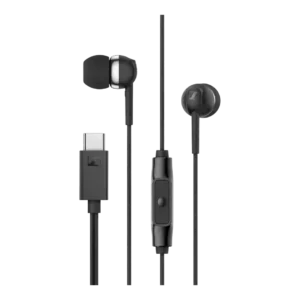
Android-style USB-C use was strong in Tom’s Guide testing, where the earbuds worked seamlessly with a Google Pixel phone.
Pros: Comfort during long use, USB-C
Cons: Microphone noise reduction, Water/sweat resistance rating
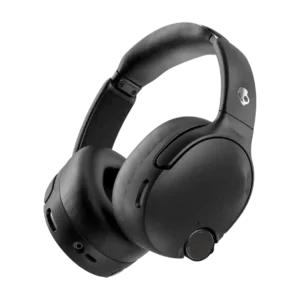
Android pairing is straightforward through Google Fast Pair. The app and multipoint features also worked smoothly in direct Android testing.
Pros: Treble clarity, Instrument separation
Cons: Codec support, Headband adjustability
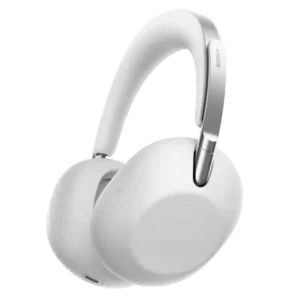
Android pairing is quick through Google Fast Pair, and Android users also gain straightforward access to LDAC and Sony’s full app controls.
Pros: Microphone noise reduction, Multipoint connectivity reliability
Cons: Water/sweat resistance rating, Gaming performance
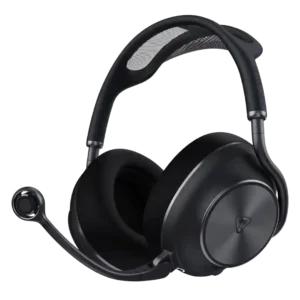
The Android version of Swarm II mirrors the useful PC controls, letting players adjust headset settings from a phone while using another gaming source.
Pros: Codec support, Packaging quality
Cons: Multipoint connectivity reliability, Replaceable ear plates
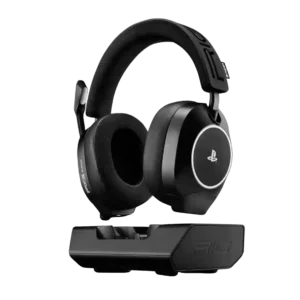
Android compatibility worked well in one review, with virtually instant connection on a Galaxy Fold device.
Pros: Spatial audio, Positional audio accuracy
Cons: Carry case quality, Detachable microphone convenience
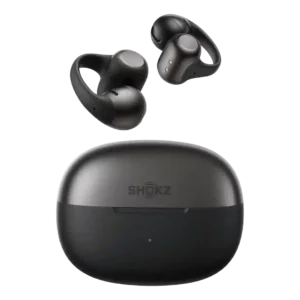
Android pairing came across as easy in the hands-on test, with Google Fast Pair connecting quickly. Android-specific feedback is limited but positive.
Pros: Android compatibility, Multi-platform compatibility
Cons: Auracast support, Active noise cancellation

Android compatibility was a strength because Fast Pair and LDAC access made Android the fuller experience.
Pros: Smart Pause performance, Wear detection performance
Cons: Water/sweat resistance rating, Wind noise handling
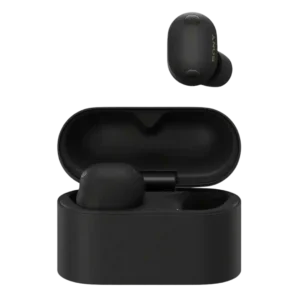
Android support is a clear strength because LDAC and Android-only spatial features can matter, though several reviewers noted iPhone users miss those benefits.
Pros: Maximum volume clarity, Audio-video sync accuracy
Cons: Sidetone adjustment quality, Software/setup simplicity
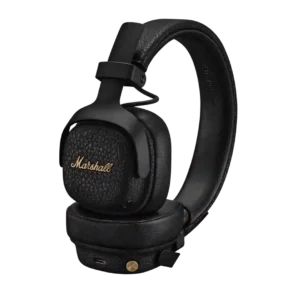
The Marshall app works on both Android and iOS, giving both platforms access to sound and ANC customization.
Pros: Multipoint connectivity reliability, Codec support
Cons: aptX, Smart Pause performance
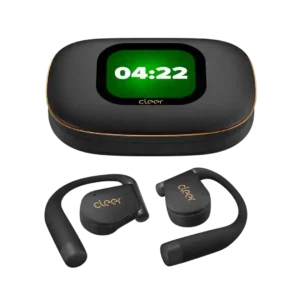
Android users receive the fullest codec experience, including LDAC and Snapdragon-related options. iOS remains usable and solid but is limited to SBC and AAC.
Pros: Instrument separation, Multipoint connectivity reliability
Cons: Noise isolation (passive)
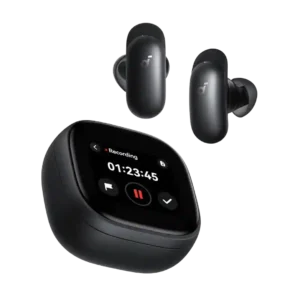
Android users benefit from Fast Pair, LDAC, and reported success with Samsung and Honor phones. The best Android experience comes when users accept the LDAC and multipoint tradeoffs.
Pros: Microphone noise reduction, Stability
Cons: Lossless audio support, Spatial audio
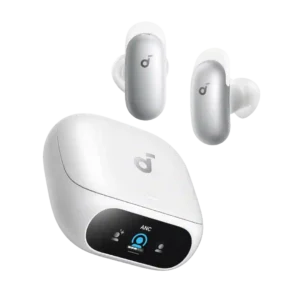
Android users have a better story here than iPhone users. One customer says the buds work very well with Android, while expert coverage also highlights Android-friendly LDAC support.
Pros: Maximum volume clarity, Noise isolation (passive)
Cons: Apple H2 chip support, Treble clarity
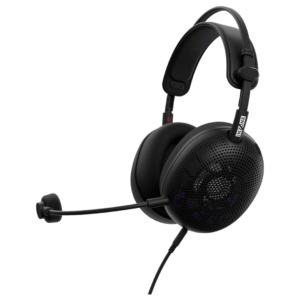
Android compatibility was mixed: one reviewer had no issues, while another lost app/EQ support on Android.
Pros: Weight comfort, Battery
Cons: Noise isolation (passive), Sound leakage