Best for frame rigidity
ASUS ROG Falchion Ace 75 HE
5.0 feature score
Highest scored product for this feature based on supporting review evidence.
Highest scored product for this feature based on supporting review evidence.
Balances feature score, supporting reviews, and overall product strength.
Has the broadest review evidence for this feature.
Strongest overall product among items with scored evidence for this feature.
Showing ASUS only. Switch back to all brands anytime.
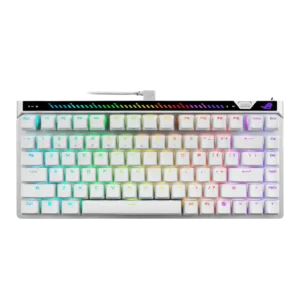
Frame rigidity was excellent, with no flex or looseness reported and a torsion-resistant feel.
Pros: key responsiveness, latency
Cons: analog input support, wrist rest quality
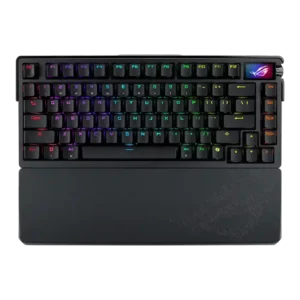
Frame rigidity was rated very highly because reviewers emphasized the aluminum frame, lack of flex, and tank-like solidity.
Pros: key spacing, reliability
Cons: rapid trigger support, analog input support
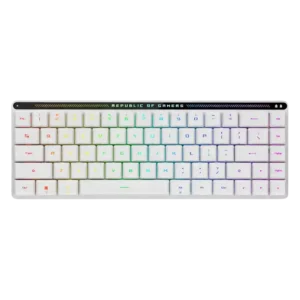
Frame rigidity is a major strength; multiple reviewers report no deck flex, creaking, or a rock-solid base.
Pros: reliability, typing comfort
Cons: cable quality, wrist rest quality
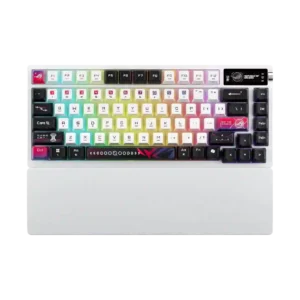
Frame rigidity was a strength, with reviewers repeatedly noting no deck flex, no rattle, and a stable body.
Pros: latency, wireless performance
Cons: rapid trigger support, analog input support
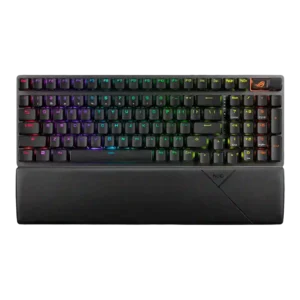
Frame rigidity is strong across reviews, with evidence about sturdy frames, desk stability, minimal flex, and resistance to twisting.
Pros: per-key lighting control, wireless performance
Cons: rapid trigger support, analog input support
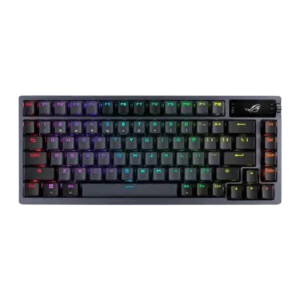
Frame rigidity was mostly strong, with almost no flex, though some reviewers felt the gasket mount was firmer and less flexible than expected.
Pros: durability, wireless performance
Cons: passthrough features, onboard memory