Best for frame rigidity
Razer Huntsman V2 TKL
5.0 feature score
Highest scored product for this feature based on supporting review evidence.
Highest scored product for this feature based on supporting review evidence.
Balances feature score, supporting reviews, and overall product strength.
Has the broadest review evidence for this feature.
Strongest overall product among items with scored evidence for this feature.
Showing Razer only. Switch back to all brands anytime.
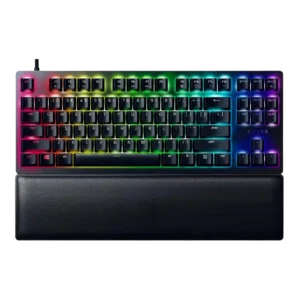
Frame rigidity was strongly praised in the review that evaluated it directly, citing no creaking or flexing.
Pros: key stability, per-key lighting control
Cons: stabilizer quality, media controls
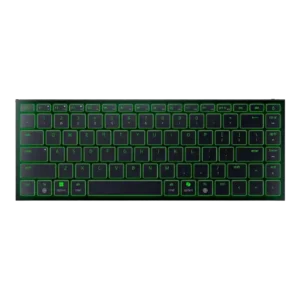
Frame rigidity was consistently praised, with multiple reviewers noting almost no flex or bending from the thin deck.
Pros: frame rigidity, size and form factor
Cons: sound dampening, per-key lighting control
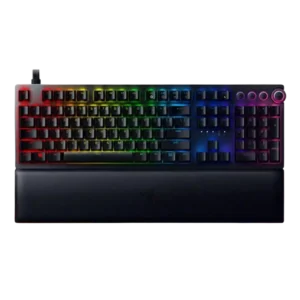
Frame rigidity was praised for heft, sturdiness, and resistance to sliding during use.
Pros: per-key lighting control, wrist rest quality
Cons: polling rate, portability
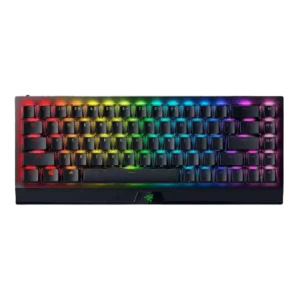
Frame rigidity scored well where discussed, with reviewers describing the keyboard as planted, rigid, free of flex, and unlikely to budge.
Pros: per-key lighting control, backlight brightness
Cons: passthrough features, compatibility
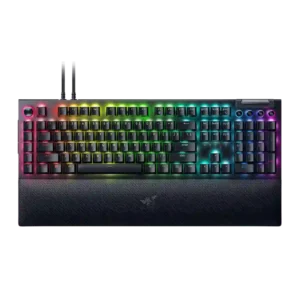
Frame rigidity was praised where reviewers described the chassis and top plate as robust, solid, and free of noticeable creaking.
Pros: key stability, ease of switch replacement
Cons: compatibility, battery life
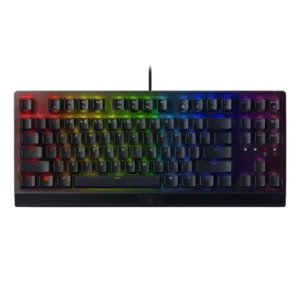
Frame rigidity was mostly praised for low flex and stability, though one review found it less rigid than some Filco and Ducky boards.
Pros: latency, durability
Cons: sound dampening, passthrough features
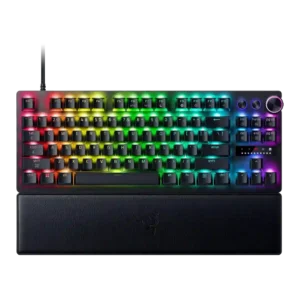
Frame rigidity was split by version and reviewer, ranging from minimal or zero flex to a complaint that the chassis gave under twisting.
Pros: key responsiveness, actuation consistency
Cons: switch options, hot-swappable switches