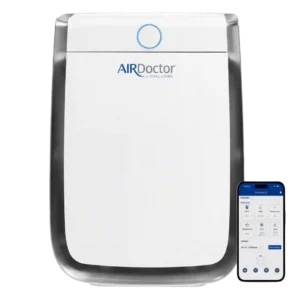
One owner was impressed by the carbon filter, calling it substantial, which supports confidence in odor-focused filtration.
Pros: activated carbon filter, filter life
Cons: VOC reduction, mold spore reduction
One owner was impressed by the carbon filter, calling it substantial, which supports confidence in odor-focused filtration.
Pros: activated carbon filter, filter life
Cons: VOC reduction, mold spore reduction
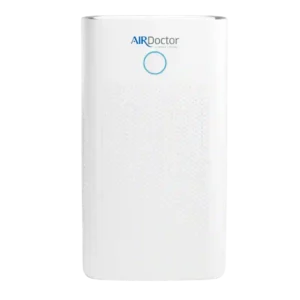
The carbon filter is a major part of the filtration stack, with reviewers calling out heavy activated carbon and VOC/odor targeting. Customer experience is more mixed when broader gas-removal expectations...
Pros: particle removal effectiveness, dust removal
Cons: customer support, formaldehyde removal
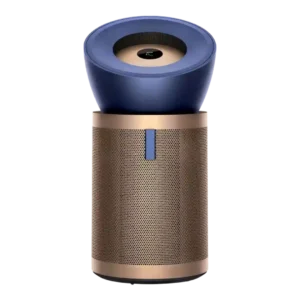
The carbon filter is repeatedly tied to strong chemical, odor, gas, and nitrogen dioxide handling, with one reviewer calling chemical filtration best tested.
Pros: ease of use, noise level
Cons: condition on arrival, durability
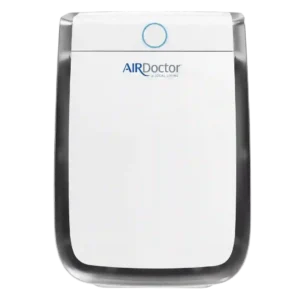
The carbon/VOC filter is viewed as useful for odors, gases, and household VOCs. It supports the purifier’s strong performance with smells from cooking, candles, cleaners, and similar sources.
Pros: particle removal effectiveness, HEPA filtration
Cons: customer support, warranty coverage
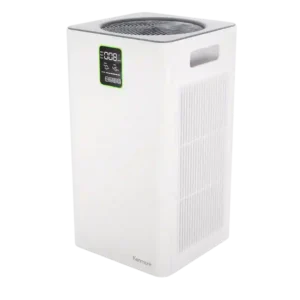
The carbon setup gets a positive nod because the unit has filters on both sides with plenty of carbon pellets. Odor results elsewhere also fit that strength, even though carbon-specific...
Pros: dust removal, pollen removal
Cons: CADR rating, filter availability
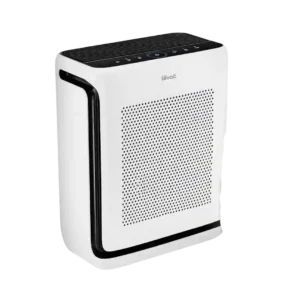
The activated carbon filter was praised when reviewers noted pellet-based carbon, but one reviewer found the carbon stage underwhelming for heavier gas needs.
Pros: allergen reduction, safety certifications
Cons: PM2.5 detection, true HEPA filter
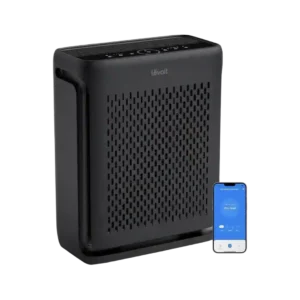
The activated carbon filter was generally praised, especially for pellet-based carbon and odor handling, but reviewers noted limits for serious gas and odor problems.
Pros: Wi-Fi reliability, filter stages
Cons: PM2.5 detection
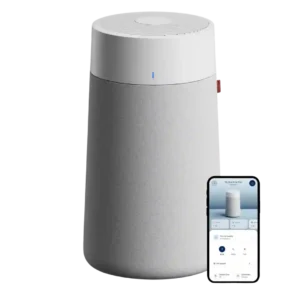
Activated carbon evidence supports household odor handling, especially smoke, pet, cooking, and bad-smell reduction.
Pros: smoke removal, allergen reduction
Cons: durability, reliability
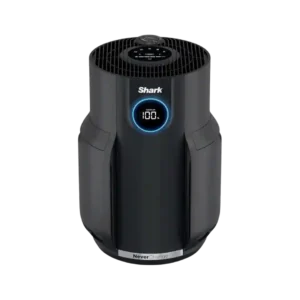
Activated carbon is recognized as part of odor/VOC control, but one expert criticizes the amount as too small for serious odors or VOCs.
Pros: particle removal effectiveness, ozone-free operation
Cons: Wi-Fi reliability, documentation quality
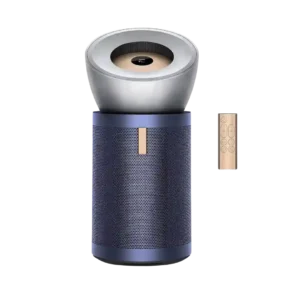
Reviewers were generally positive on activated carbon filter, though some comments noted limits or context-dependent results.
Pros: pet dander removal, HEPA filtration
Cons: condition on arrival, replacement experience
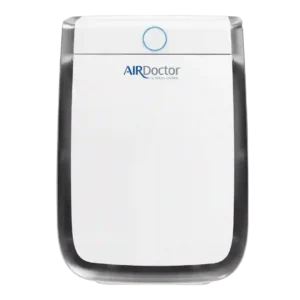
The carbon filter earns praise for using pelleted carbon, though expert context notes it is smaller than heavy-carbon specialty units.
Pros: pollen removal, handle design
Cons: mold spore reduction, condition on arrival
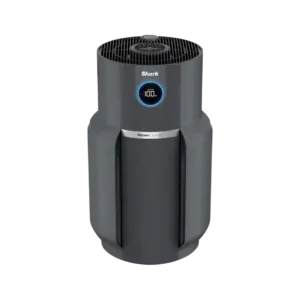
Reviewers treat the carbon layer as part of the odor and gas-control system, but one clinical-style review says VOC filtration is not this model's strength.
Pros: particle removal effectiveness, ease of use
Cons: condition on arrival, Wi-Fi reliability
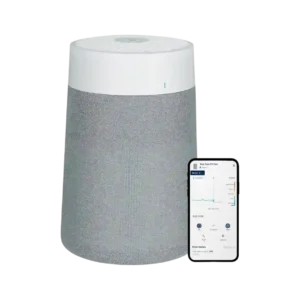
Activated carbon feedback is mixed: some reviews found it useful for odors or VOCs, while one detailed test said the standard carbon layer was limited.
Pros: energy efficiency, power consumption
Cons: handle design, air quality sensor accuracy
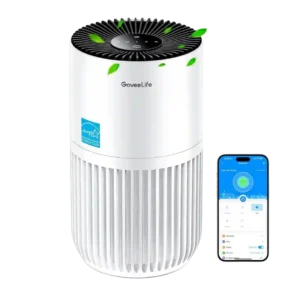
Activated carbon evidence is split, with one reviewer saying the carbon filter is not proper pellet-based carbon and another valuing its odor, smoke, and VOC role.
Pros: sleep mode, filter stages
Cons: smoke removal, CADR rating
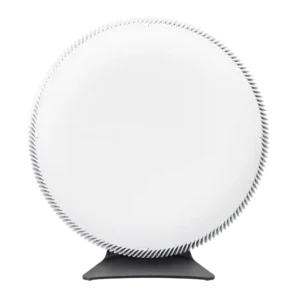
Several reviewers were disappointed that the Atem X does not include meaningful carbon or gas filtration as standard. It can handle particles very well, but odor and gas control are...
Pros: dust removal, pollen removal
Cons: voice assistant compatibility, condition on arrival