Best for activated carbon filter
Honeywell HPA3100
5.0 feature score
Highest scored product for this feature based on supporting review evidence.
Highest scored product for this feature based on supporting review evidence.
Balances feature score, supporting reviews, and overall product strength.
Has the broadest review evidence for this feature.
Strongest overall product among items with scored evidence for this feature.
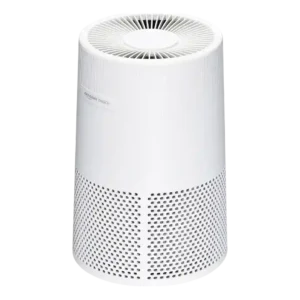
The carbon filter design is praised for pairing carbon with the HEPA layer, and one owner says it performs like a much pricier unit. Carbon-related odor and VOC confidence is...
Pros: particle removal effectiveness, pet dander removal
Cons: durability, customer support
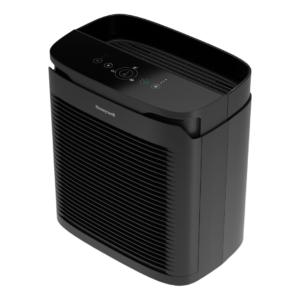
Carbon-filter feedback is strong when owners add or use the carbon layer. Reviewers say it helps with cooking odors, chemical vapors, and general smells.
Pros: particle removal effectiveness, pet dander removal
Cons: safety concerns, real-time air quality monitoring
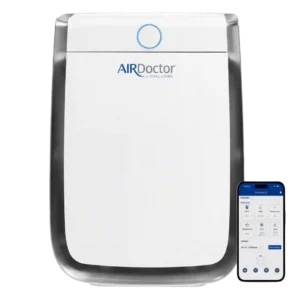
One owner was impressed by the carbon filter, calling it substantial, which supports confidence in odor-focused filtration.
Pros: activated carbon filter, filter life
Cons: VOC reduction, mold spore reduction
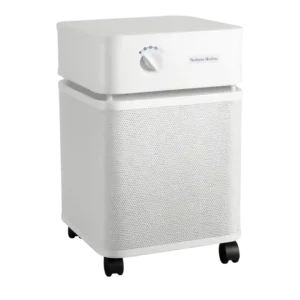
Activated carbon support is limited but positive from the same HEPA-and-carbon evidence.
Pros: dust removal, pet dander removal
Cons: VOC reduction, durability
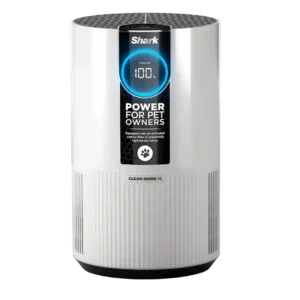
The activated carbon layer is credited with neutralizing odors in the most detailed pet-owner review.
Pros: mold spore reduction, HEPA filtration
Cons: CADR rating, air changes per hour
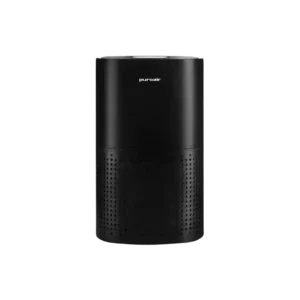
Activated carbon is a real strength when reviewers discuss cooking smells, mustiness, smoke, VOCs, and general freshness. One lab-style review still criticizes broader value, but hands-on tests and owners often...
Pros: particle removal effectiveness, dust removal
Cons: CADR rating, air changes per hour
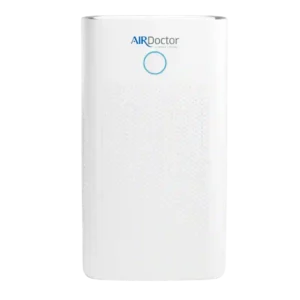
The carbon filter is a major part of the filtration stack, with reviewers calling out heavy activated carbon and VOC/odor targeting. Customer experience is more mixed when broader gas-removal expectations...
Pros: particle removal effectiveness, dust removal
Cons: customer support, formaldehyde removal
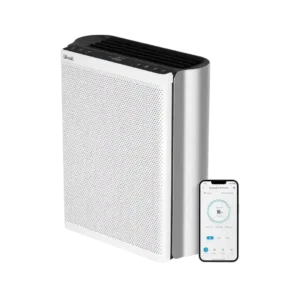
Pelleted carbon is praised for odor, smoke, cooking, pet, and VOC-related help, while combined-filter replacement remains a cost concern.
Pros: air purification performance, allergen reduction
Cons: reliability, filter replacement cost
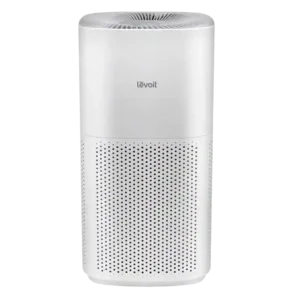
Activated carbon is valued for real pellets and odor help, but odor removal is not universally strong.
Pros: ozone-free operation, air purification performance
Cons: VOC sensor accuracy, washable pre-filter
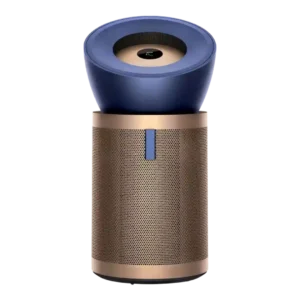
The carbon filter is repeatedly tied to strong chemical, odor, gas, and nitrogen dioxide handling, with one reviewer calling chemical filtration best tested.
Pros: ease of use, noise level
Cons: condition on arrival, durability
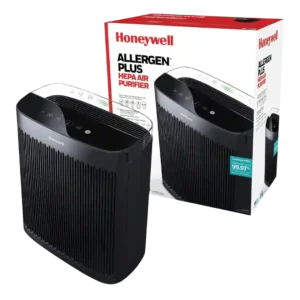
Customer evidence for activated carbon filter was strongly positive across 3 review(s), based only on cited transcript evidence.
Pros: particle removal effectiveness, pollen removal
Cons: child lock, listing accuracy
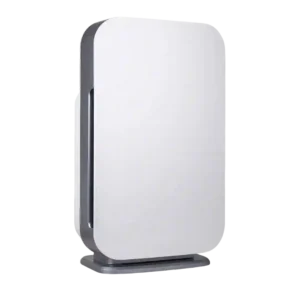
Reviewers liked the activated-carbon options for odors, smoke, and gases, though stronger carbon filters cost more.
Pros: condition on arrival, sleep quality benefit
Cons: auto mode performance, real-time air quality monitoring
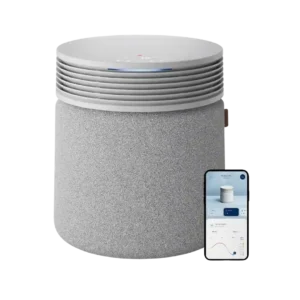
HouseFresh and its video review praised the shift to pelleted activated carbon, calling it better than the impregnated carbon fabric used in other Blueair models.
Pros: pollen removal, CADR rating
Cons: VOC sensor accuracy, durability
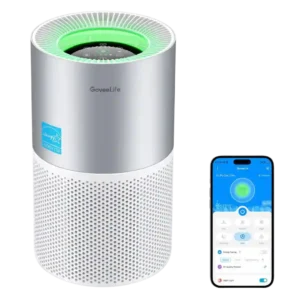
Activated carbon feedback is positive where reviewers discuss odor removal. One buyer specifically credits the carbon filters after air freshener scent disappeared quickly.
Pros: pollen removal, pet dander removal
Cons: power connector fit, child lock
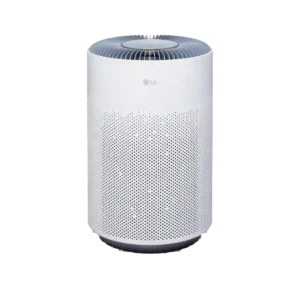
Odor-focused filtration gets good marks, especially around kitchen smells and harmful gases. Buyers liked that the deodorizing layer works alongside the main particle filter rather than feeling like an afterthought.
Pros: allergen reduction, particle removal effectiveness
Cons: replacement experience, Wi-Fi reliability
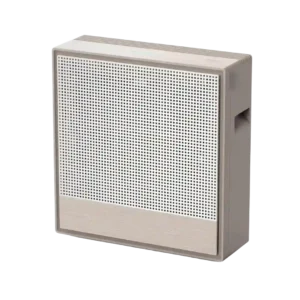
Activated carbon performance was praised for absorbing smoke stink, reducing cooking smells and contributing to fresher air.
Pros: smoke removal, CADR rating
Cons: filter replacement cost, app connectivity
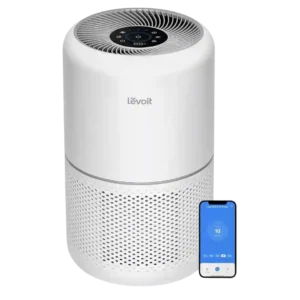
The activated carbon layer was praised for odor, gas, and smoke support, especially where reviewers highlighted higher-carbon or pellet-based filter options.
Pros: ozone-free operation, safety certifications
Cons: VOC sensor accuracy, handle design
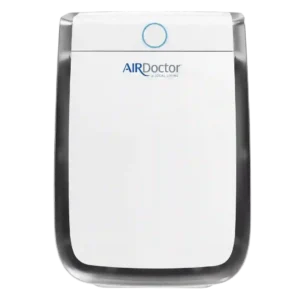
The carbon/VOC filter is viewed as useful for odors, gases, and household VOCs. It supports the purifier’s strong performance with smells from cooking, candles, cleaners, and similar sources.
Pros: particle removal effectiveness, HEPA filtration
Cons: customer support, warranty coverage
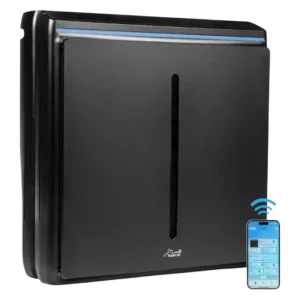
Reviewers who discussed carbon filtration connected it to odor control, especially cooking and smoke smells.
Pros: particle removal effectiveness, dust removal
Cons: remote control, control placement
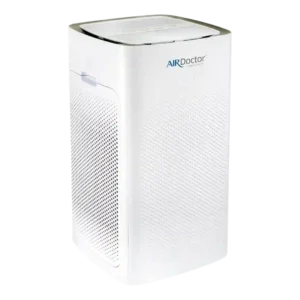
The activated carbon filter earns praise in the context of fumes and renovation smells. The reviewer was glad to have that layer when paint and chemical odors were present.
Pros: ozone-free operation, particle removal effectiveness
Cons: filter replacement cost, app connectivity
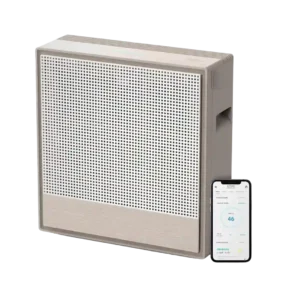
The pelleted activated carbon was treated positively for odors and gases, though direct VOC outcome evidence was not opinionated.
Pros: pre-filter quality, room coverage
Cons: fan speed options, filter replacement cost
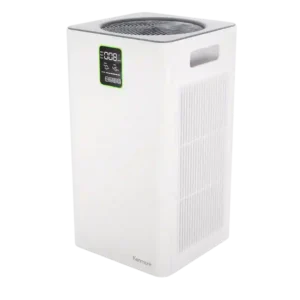
The carbon setup gets a positive nod because the unit has filters on both sides with plenty of carbon pellets. Odor results elsewhere also fit that strength, even though carbon-specific...
Pros: dust removal, pollen removal
Cons: CADR rating, filter availability
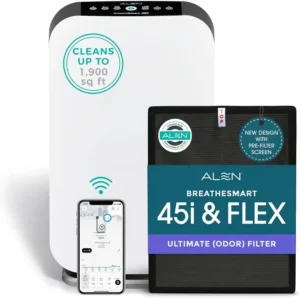
Upgraded carbon options are repeatedly praised for odors, VOCs, and smoke, but the base Pure filter lacks carbon.
Pros: air quality sensor accuracy, real-time air quality monitoring
Cons: condition on arrival, remote control
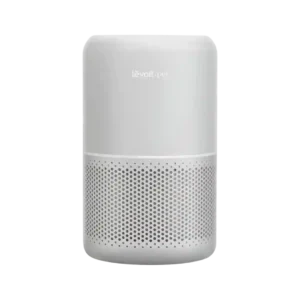
Reviewers liked the stronger carbon stage for pet and household odors, with experts pointing to extra carbon and customers linking the pet-rated filter to cleaner-smelling air. The main caveat is...
Pros: sleep quality benefit, PM2.5 detection
Cons: real-time air quality monitoring, app connectivity
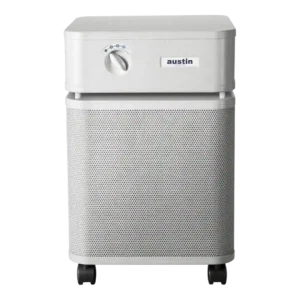
Review evidence for activated carbon filter was scored where customers gave a clear positive, negative, or mixed opinion about that attribute.
Pros: warranty coverage, overall satisfaction
Cons: condition on arrival, listing accuracy
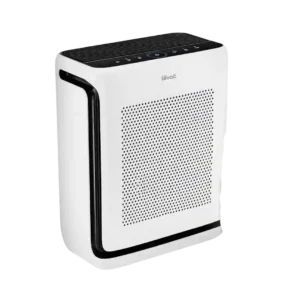
The activated carbon filter was praised when reviewers noted pellet-based carbon, but one reviewer found the carbon stage underwhelming for heavier gas needs.
Pros: allergen reduction, safety certifications
Cons: PM2.5 detection, true HEPA filter
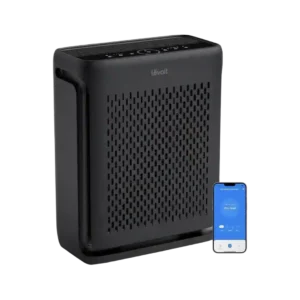
The activated carbon filter was generally praised, especially for pellet-based carbon and odor handling, but reviewers noted limits for serious gas and odor problems.
Pros: Wi-Fi reliability, filter stages
Cons: PM2.5 detection
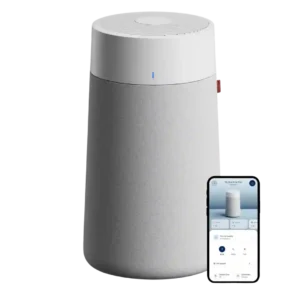
Activated carbon evidence supports household odor handling, especially smoke, pet, cooking, and bad-smell reduction.
Pros: smoke removal, allergen reduction
Cons: durability, reliability
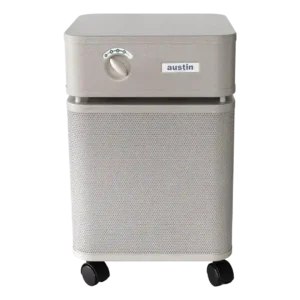
The large activated-carbon/zeolite filter is repeatedly praised, though some owners report saturation or odor problems.
Pros: durability, sleep quality benefit
Cons: replacement experience, condition on arrival
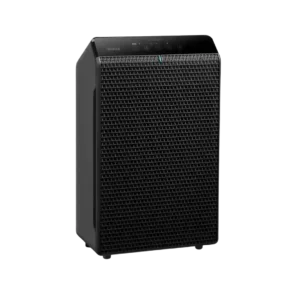
Review evidence for activated carbon filter is mostly positive, based on opinionated comments from 4 source review(s).
Pros: air purification performance, particle removal effectiveness
Cons: VOC sensor accuracy, display readability
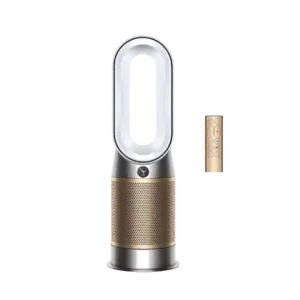
Reviewers described the carbon filter as useful for odors and gases, with one video reviewer praising the activated-carbon filter quality.
Pros: dust removal, PM2.5 detection
Cons: mold spore reduction, durability
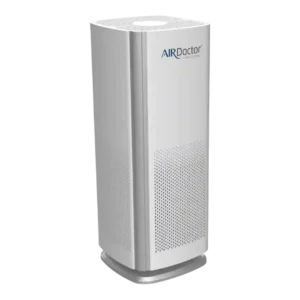
The activated carbon filter is treated as useful for odors and VOCs, adding gas and smell control to the purifier's particle-focused performance.
Pros: particle removal effectiveness, allergen reduction
Cons: reliability, durability
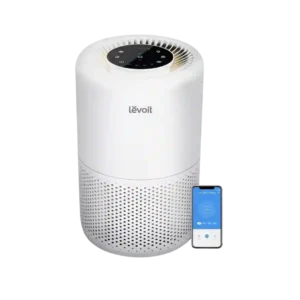
Activated carbon comments are favorable for light odor and smoke help, but experts note the carbon layer is small for heavier chemical or kitchen use.
Pros: pollen removal, filter availability
Cons: real-time air quality monitoring, aromatherapy feature
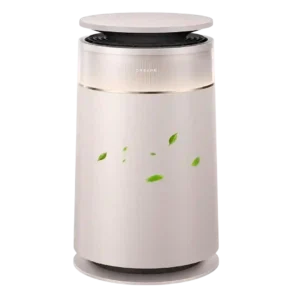
The carbon layer is mainly praised as part of the FP10's odor-control system, especially when paired with Dreame's added odor-neutralizing layer.
Pros: smoke removal, particle removal effectiveness
Cons: reliability, customer support
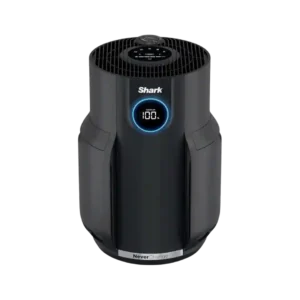
Activated carbon is recognized as part of odor/VOC control, but one expert criticizes the amount as too small for serious odors or VOCs.
Pros: particle removal effectiveness, ozone-free operation
Cons: Wi-Fi reliability, documentation quality
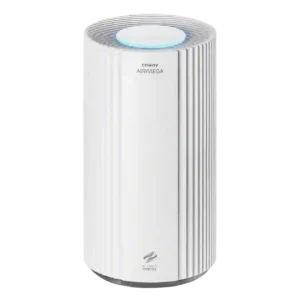
Activated carbon was judged useful for odors, smoke, gases, and VOCs, though heavy VOC use may shorten effective carbon life.
Pros: particle removal effectiveness, air changes per hour
Cons: app connectivity, safety certifications
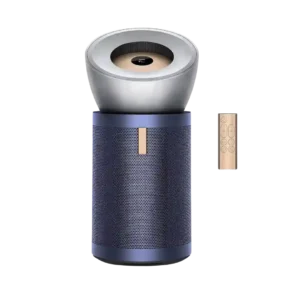
Reviewers were generally positive on activated carbon filter, though some comments noted limits or context-dependent results.
Pros: pet dander removal, HEPA filtration
Cons: condition on arrival, replacement experience
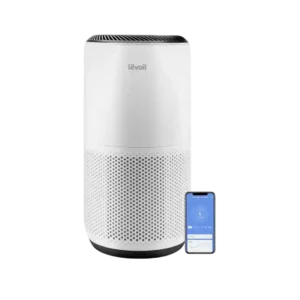
Reviewers generally liked the pelleted carbon approach and optional higher-carbon filters for odors, VOCs and fumes, but several noted the original carbon layer is limited for heavy odor work.
Pros: ozone-free operation, build quality
Cons: VOC sensor accuracy, washable pre-filter
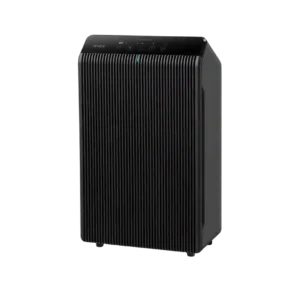
Reviewers liked the separate pellet carbon setup and odor role, but one comparison warned the carbon amount is too low for serious chemical fumes.
Pros: ozone-free operation, safety certifications
Cons: child lock, PM2.5 detection
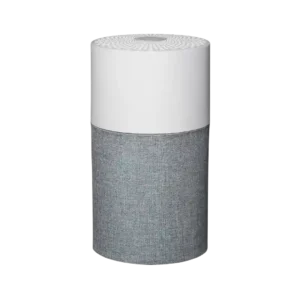
The carbon layer is described as helpful for light gases and household odors. Reviews do not present it as a heavy-duty odor or VOC specialist.
Pros: sleep mode, customer support
Cons: auto mode performance, air quality sensor accuracy
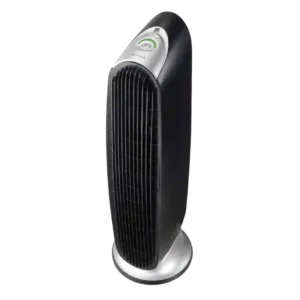
Charcoal prefilters get a modest nod for catching lint, fibers, and odors, but the comments do not make them the main reason to buy the purifier.
Pros: VOC reduction, filter life
Cons: filter availability, condition on arrival
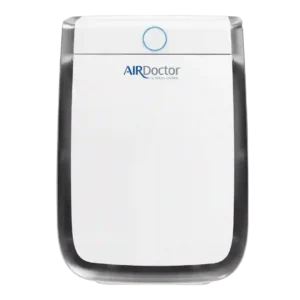
The carbon filter earns praise for using pelleted carbon, though expert context notes it is smaller than heavy-carbon specialty units.
Pros: pollen removal, handle design
Cons: mold spore reduction, condition on arrival
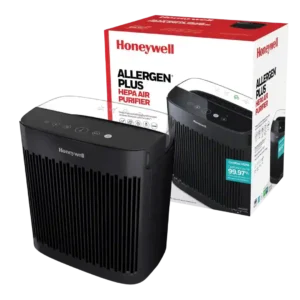
Activated carbon evidence came from a reviewer tying odor elimination to optional activated carbon filters.
Pros: pollen removal, smoke removal
Cons: customer support, auto mode performance
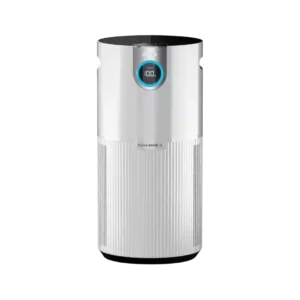
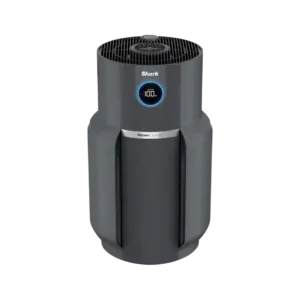
The carbon layer is viewed as solid but not class-leading for odors. One comparison says the Shark filter has enough carbon for particles while another purifier may be stronger on...
Pros: particle removal effectiveness, sleep mode
Cons: power connector fit, safety concerns
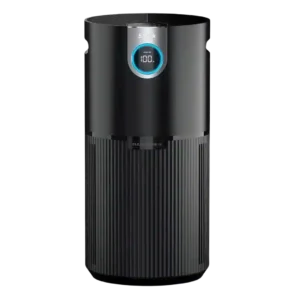
One expert-style review liked the charcoal-lined HEPA filter because it helped with odors.
Pros: particle removal effectiveness, real-time air quality monitoring
Cons: customer support, durability
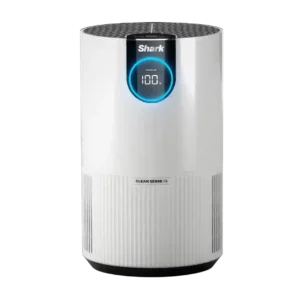
Reviewers split on the carbon filter: some praised pellet carbon and odor handling, while one criticized the fibrous carbon design.
Pros: particle removal effectiveness, PM2.5 detection
Cons: durability, aromatherapy feature

Carbon-filter evidence was mixed: experts liked pellet carbon, while customers split between well-filled and too-thin carbon layers.
Pros: reliability, HEPA filtration
Cons: scheduling options, mold spore reduction
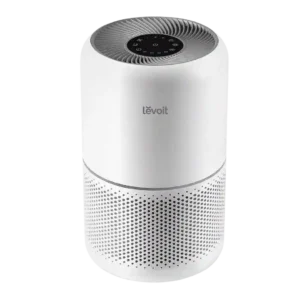
Reviewers like the pelleted or granular activated carbon for the price, but several say the carbon amount is too limited for heavy gases or odors.
Pros: durability, display readability
Cons: mold spore reduction, app connectivity
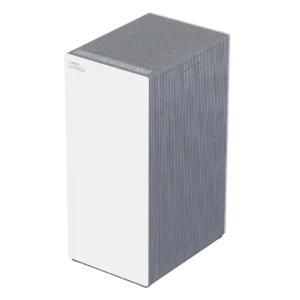
Activated carbon evidence is mixed-to-positive: reviewers praise odor/off-gassing capability, but one warns the carbon load is not enough for serious VOC or odor problems.
Pros: air purification performance, particle removal effectiveness
Cons: voice assistant compatibility, filter replacement cost
Reviewers treat the carbon layer as part of the odor and gas-control system, but one clinical-style review says VOC filtration is not this model's strength.
Pros: particle removal effectiveness, ease of use
Cons: condition on arrival, Wi-Fi reliability