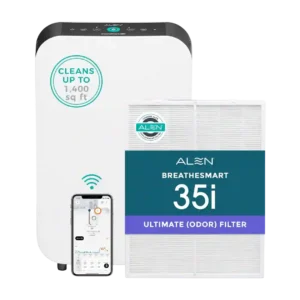
Experts and customers consistently praise the sensor as responsive, precise, and aligned with external measurements.
Pros: allergen reduction, air quality sensor accuracy
Cons: durability, reliability
Experts and customers consistently praise the sensor as responsive, precise, and aligned with external measurements.
Pros: allergen reduction, air quality sensor accuracy
Cons: durability, reliability

Air-quality sensor comments were positive where reviewers observed the unit reacting to pollutants.
Pros: reliability, HEPA filtration
Cons: scheduling options, mold spore reduction
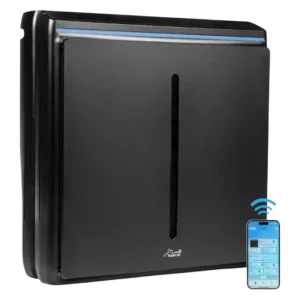
Sensors were generally trusted to respond to pollution, odors, smoke, or air-quality changes.
Pros: particle removal effectiveness, dust removal
Cons: remote control, control placement
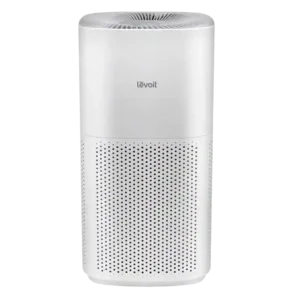
Sensor accuracy is mostly praised for fast PM response, with a few defective or threshold-related complaints.
Pros: ozone-free operation, air purification performance
Cons: VOC sensor accuracy, washable pre-filter
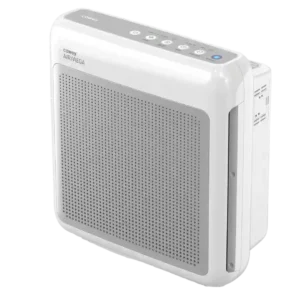
Sensor evidence is positive where reviewers tested or compared it, including comments that it works and is more advanced than budget models.
Pros: durability, ozone-free operation
Cons: app connectivity, smart features
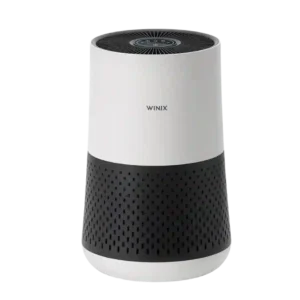
Sensor feedback is highly mixed. Some owners call it sensitive to cooking, sprays, odors, and even flatulence, while others say it misses smoke, dust, scents, or new-material odors they expected...
Pros: mold spore reduction, durability
Cons: VOC reduction, power adapter inclusion
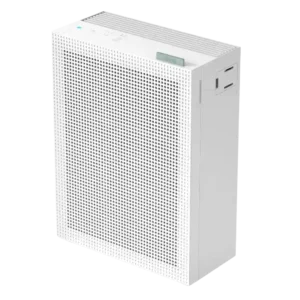
Sensor impressions were mixed: sensitivity adjustment and adequate response were praised, but some reviewers warned it can be slow or need cleaning.
Pros: maintenance ease, ozone-free operation
Cons: voice assistant compatibility, child lock
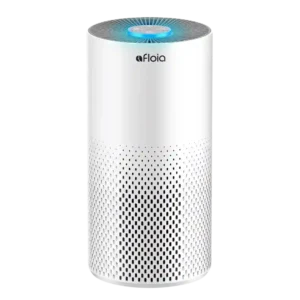
Air-quality sensing is mostly a missing-feature concern rather than a strength. Buyers wanting sensor-based adjustments should look beyond the basic Kilo.
Pros: ozone-free operation, UV-C light effectiveness
Cons: real-time air quality monitoring, safety concerns