#1
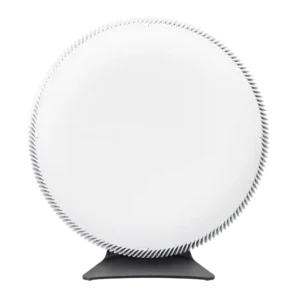
The built-in sensor received strong praise from both experts and owners. Reviewers liked that it reacted sensitively and gave them confidence that indoor air changes were being tracked.
Pros: dust removal, pollen removal
Cons: voice assistant compatibility, condition on arrival
#2
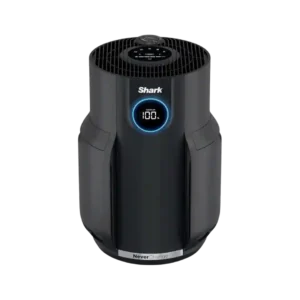
Experts praise the laser/particle sensor system, while customer evidence shows occasional failures, stuck 100% readings, or false poor-air readings.
Pros: particle removal effectiveness, ozone-free operation
Cons: Wi-Fi reliability, documentation quality
#3
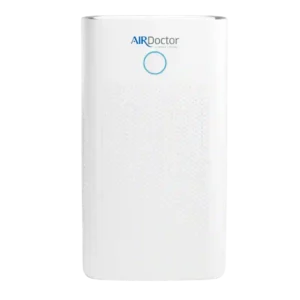
The air-quality sensing earns positive comments from owners and reviewers who saw it react to kitchen activity and worsening air quality. The feedback is practical rather than lab-verified, but generally...
Pros: particle removal effectiveness, dust removal
Cons: customer support, formaldehyde removal
#4
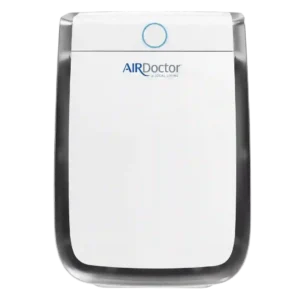
The air quality sensor is described as responsive, especially when dust, cooking, cat litter, or changing conditions affect the room. Reviewers liked that the purifier detects changes and adjusts itself.
Pros: particle removal effectiveness, HEPA filtration
Cons: customer support, warranty coverage
#5
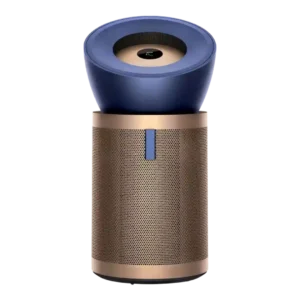
Sensors are generally praised as advanced and responsive, but one reviewer found some reaction times slower than expected.
Pros: ease of use, noise level
Cons: condition on arrival, durability
#6
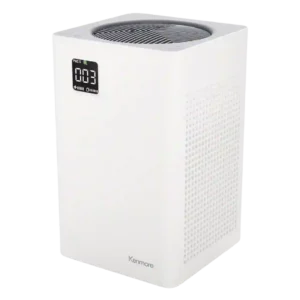
The sensor earns strong praise for reacting to cooking, dust, candles, laundry, cats, smoke, and other air changes. Reliability is the caveat, with a few reports of stuck, malfunctioning, or...
Pros: particle removal effectiveness, pollen removal
Cons: customer support, replacement experience
#7
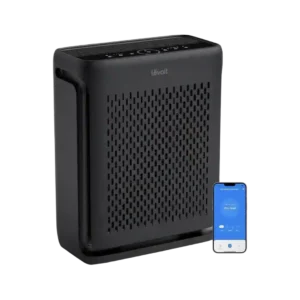
Sensor evidence was mostly positive for detecting obvious changes, smoke, and dust, though it was framed around general air-quality response rather than lab-grade accuracy.
Pros: Wi-Fi reliability, filter stages
Cons: PM2.5 detection
#8
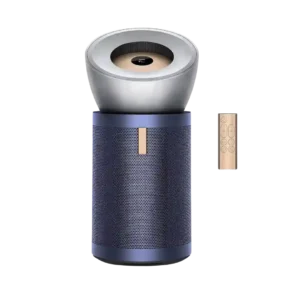
Reviewers were generally positive on air quality sensor accuracy, though some comments noted limits or context-dependent results.
Pros: pet dander removal, HEPA filtration
Cons: condition on arrival, replacement experience
#9
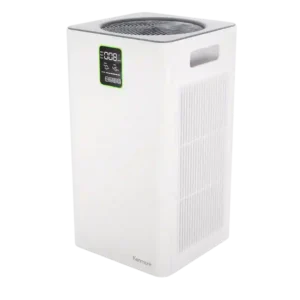
Sensor accuracy is mostly praised as sensitive and believable, especially around smoke and odors. One owner loved the purifier until the sensor stopped working, so reliability matters here.
Pros: dust removal, pollen removal
Cons: CADR rating, filter availability
#10
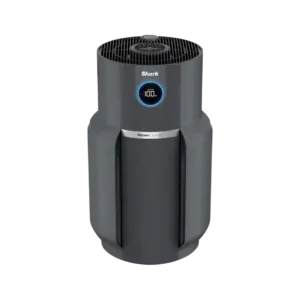
The sensor often reacts quickly to cooking, smoke, candles, and vaping, which gives owners confidence Auto mode is doing something. A few units stayed at 100% or threw red-ring errors,...
Pros: particle removal effectiveness, ease of use
Cons: condition on arrival, Wi-Fi reliability
#11
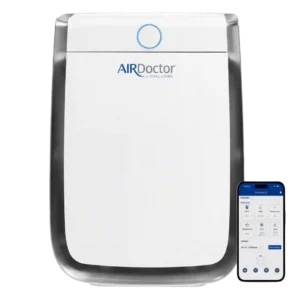
Sensor feedback is sharply mixed: several owners say it detects cooking odors, face cream, and dust within seconds. Others report a sensor stuck blue or stuck orange/yellow despite obvious air...
Pros: activated carbon filter, filter life
Cons: VOC reduction, mold spore reduction
#12
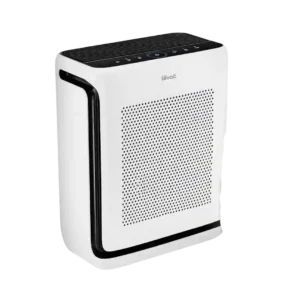
Sensor accuracy was mixed: reviewers found it responsive and useful, but several noted infrared or optical sensing is less precise than laser sensors.
Pros: allergen reduction, safety certifications
Cons: PM2.5 detection, true HEPA filter
#13
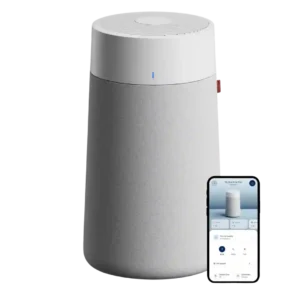
Sensor accuracy is polarized, with many quick reactions to sprays, cooking, dust, or smoke and repeated complaints about insensitive or misleading readings.
Pros: smoke removal, allergen reduction
Cons: durability, reliability
#14
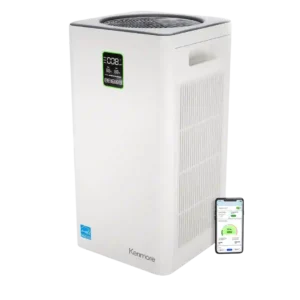
The air-quality reading is useful for some owners, reacting to cooking, doors opening, and fireplace use. Others doubt the sensor after low readings around dust, smoke, or VOC-like odors.
Pros: particle removal effectiveness, allergen reduction
Cons: VOC reduction, VOC sensor accuracy
#15
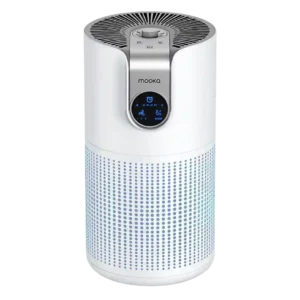
Sensor comments are sharply split. One reviewer liked the air-quality sensor and app monitoring, but another saw no PM2.5 sensor change while the purifier ran.
Pros: pet dander removal, VOC reduction
Cons: real-time air quality monitoring, PM2.5 detection
#16
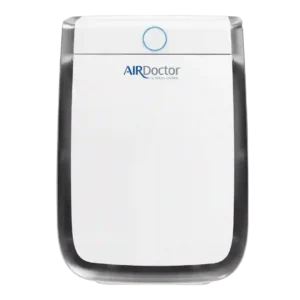
Sensor accuracy is polarizing: many owners trust it when it responds to fires, smoke, hairspray, or particles, while others say it stays blue or is not sensitive enough.
Pros: pollen removal, handle design
Cons: mold spore reduction, condition on arrival
#17
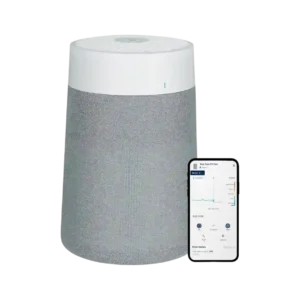
Sensor accuracy is a recurring caveat, with professional-sensor limitations and one review’s dust-detection failure.
Pros: energy efficiency, power consumption
Cons: handle design, air quality sensor accuracy