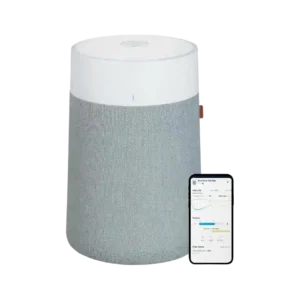
Power consumption evidence was strongly positive, with low wattage and low annual or monthly electricity costs repeatedly noted.
Pros: dust removal, pollen removal
Cons: child lock, true HEPA filter
Power consumption evidence was strongly positive, with low wattage and low annual or monthly electricity costs repeatedly noted.
Pros: dust removal, pollen removal
Cons: child lock, true HEPA filter
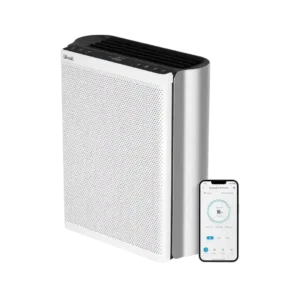
Power consumption evidence is favorable for high performance at modest wattage.
Pros: air purification performance, allergen reduction
Cons: reliability, filter replacement cost
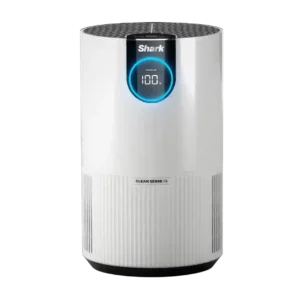
Power draw was low, though one reviewer criticized power-to-CADR efficiency.
Pros: particle removal effectiveness, PM2.5 detection
Cons: durability, aromatherapy feature
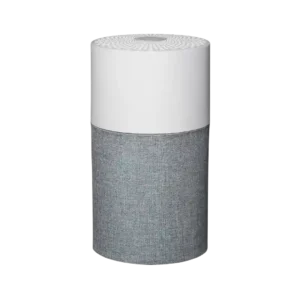
Power draw is low in expert testing and buyer comments. The tradeoff is that some users still need to manage it manually because the purifier does not adjust itself.
Pros: sleep mode, customer support
Cons: auto mode performance, air quality sensor accuracy
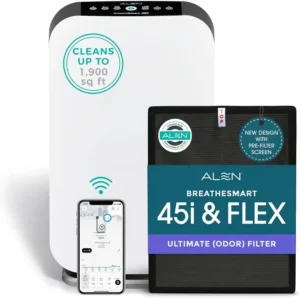
Power consumption is low in operation, with a caveat about standby draw.
Pros: air quality sensor accuracy, real-time air quality monitoring
Cons: condition on arrival, remote control
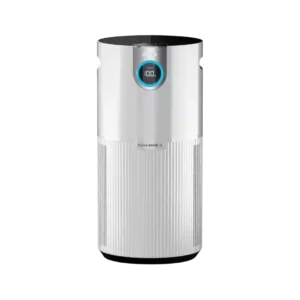
Power use is mixed from limited comments. One Spanish-language owner says it does not use much electricity, while another says to expect a higher electric bill.
Pros: particle removal effectiveness, sleep mode
Cons: power connector fit, safety concerns
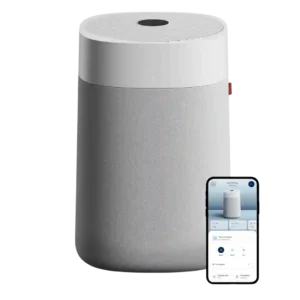
Power consumption receives a mixed score because the unit is efficient for output but still more energy intensive than a lower-capacity comparison model.
Pros: fan speed options, CADR rating
Cons: true HEPA filter, handle design
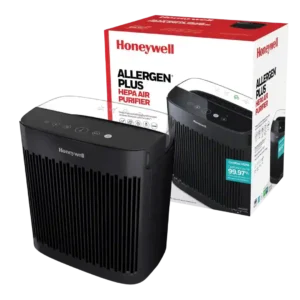
Power-consumption evidence was limited to a comparison suggesting the older model may cost less to run.
Pros: pollen removal, smoke removal
Cons: customer support, auto mode performance
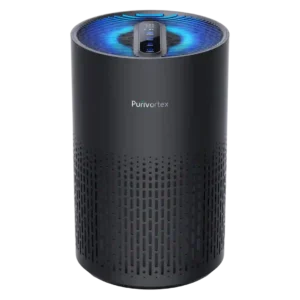
Power consumption appears as a negative in one review where the buyer blamed the unit for a spike in the electric bill.
Pros: pollen removal, pet dander removal
Cons: filter availability, power consumption