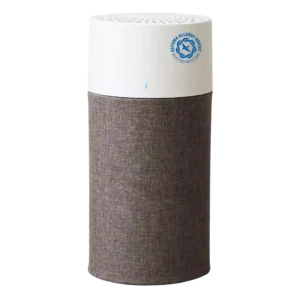
Power consumption was generally seen as low or efficient, with only operating costs affected by filter pricing rather than electricity use.
Pros: indicator lights, ozone-free operation
Cons: scheduling options, true HEPA filter
Power consumption was generally seen as low or efficient, with only operating costs affected by filter pricing rather than electricity use.
Pros: indicator lights, ozone-free operation
Cons: scheduling options, true HEPA filter
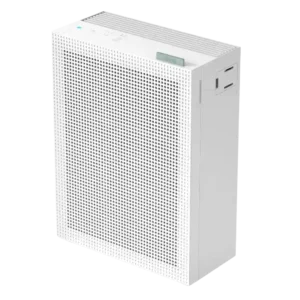
Power consumption was a clear strength, with multiple reviewers praising very low running cost or energy draw.
Pros: maintenance ease, ozone-free operation
Cons: voice assistant compatibility, child lock
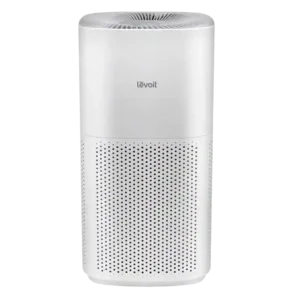
Power consumption is viewed positively for the airflow level, with low wattage in many modes.
Pros: ozone-free operation, air purification performance
Cons: VOC sensor accuracy, washable pre-filter
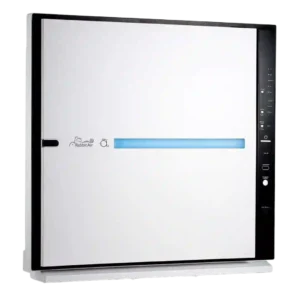
Power-consumption evidence was favorable, especially at low speed.
Pros: reliability, HEPA filtration
Cons: scheduling options, mold spore reduction
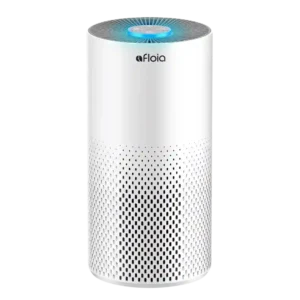
Power consumption is low enough for continuous use, and expert reviews describe the monthly electricity cost as minimal.
Pros: ozone-free operation, UV-C light effectiveness
Cons: real-time air quality monitoring, safety concerns
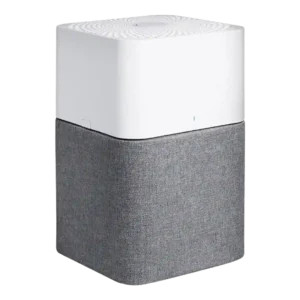
Power consumption evidence is positive, with reviewers praising low wattage and favorable electricity use versus competitors.
Pros: particle removal effectiveness, CADR rating
Cons: child lock, app connectivity
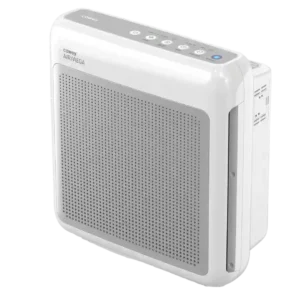
Power consumption depends heavily on fan speed, with very low draw at lower settings but a sharp jump on the highest setting.
Pros: durability, ozone-free operation
Cons: app connectivity, smart features
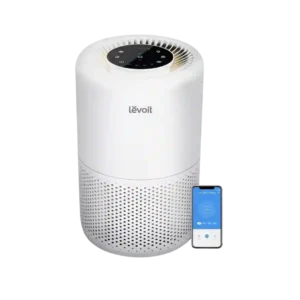
Power consumption is low in absolute terms but mixed versus competitors, with expert reviews noting modest monthly costs and one higher-than-expected sleep-mode draw.
Pros: pollen removal, filter availability
Cons: real-time air quality monitoring, aromatherapy feature
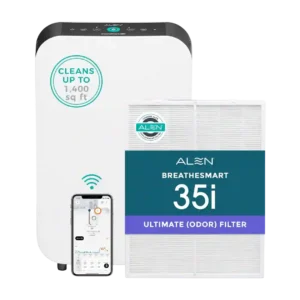
Power consumption is acceptable in expert testing but one customer complains it raises the bill.
Pros: allergen reduction, air quality sensor accuracy
Cons: durability, reliability
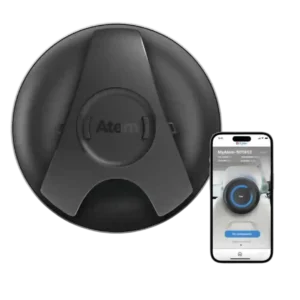
Power feedback is mixed and practical. One user found a workaround for continuous operation, while another doubted that an 18-watt device could scrub a car quickly.
Pros: dust removal, pollen removal
Cons: air changes per hour, filter replacement cost
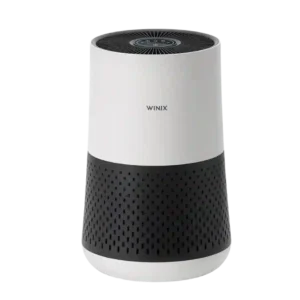
Power consumption is a technical drawback in expert testing. The motor and annual energy cost are described as higher than ideal for the unit’s size and CADR class.
Pros: mold spore reduction, durability
Cons: VOC reduction, power adapter inclusion