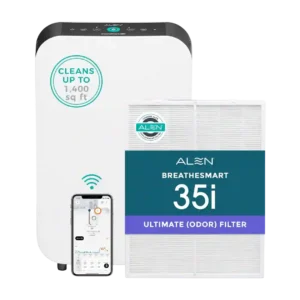
Real-time monitoring is a major strength, with repeated praise for alerts, app graphs, and color feedback.
Pros: allergen reduction, air quality sensor accuracy
Cons: durability, reliability
Real-time monitoring is a major strength, with repeated praise for alerts, app graphs, and color feedback.
Pros: allergen reduction, air quality sensor accuracy
Cons: durability, reliability
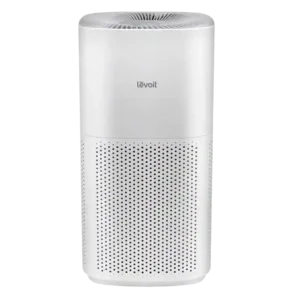
Real-time monitoring is a standout feature for users who like PM readings, graphs, and visible air-quality changes.
Pros: ozone-free operation, air purification performance
Cons: VOC sensor accuracy, washable pre-filter
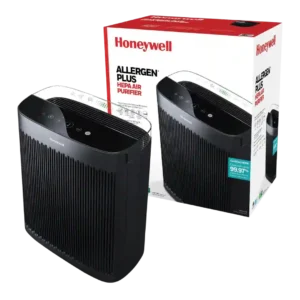
Real-time air quality monitoring has limited positive evidence from a red light warning about poor air quality.
Pros: odor reduction, filter availability
Cons: particle removal effectiveness, durability
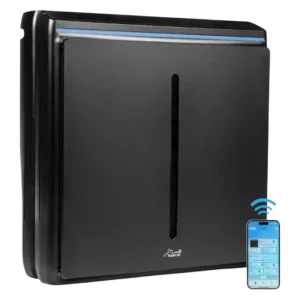
Air-quality monitoring was useful, especially in the app, though some reviewers wanted more history or clearer detail.
Pros: particle removal effectiveness, dust removal
Cons: remote control, control placement
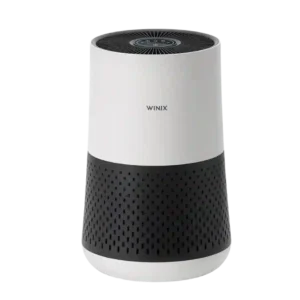
The real-time air quality light gives quick visual reassurance when it reacts properly. Some users like seeing the room status change, while others question whether the displayed status truly matches...
Pros: mold spore reduction, durability
Cons: VOC reduction, power adapter inclusion
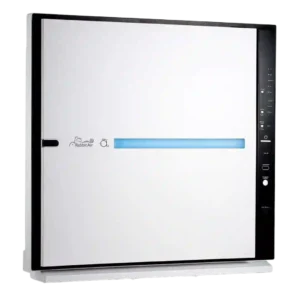
Real-time monitoring was useful to many reviewers, but one expert disliked the lack of logged readings.
Pros: reliability, HEPA filtration
Cons: scheduling options, mold spore reduction
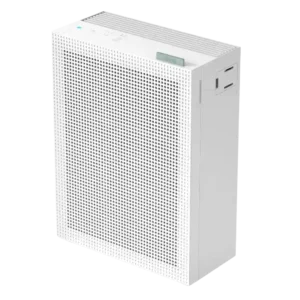
Real-time monitoring was useful and responsive for everyday feedback, though one review cautioned about slower spike detection.
Pros: maintenance ease, ozone-free operation
Cons: voice assistant compatibility, child lock
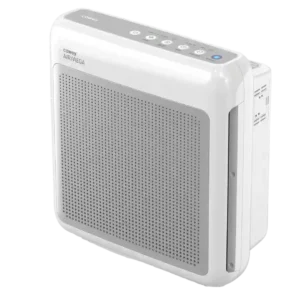
Real-time monitoring is treated positively through the color-coded pollution indicator and owner confirmation that the sensor reacts.
Pros: durability, ozone-free operation
Cons: app connectivity, smart features
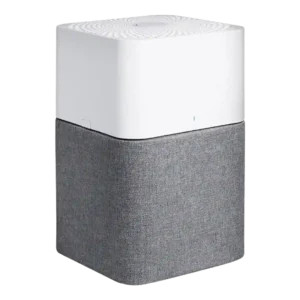
Real-time monitoring is useful when lights and sensors respond clearly, but confidence drops when auto mode or pollution sensing misses events.
Pros: particle removal effectiveness, CADR rating
Cons: child lock, app connectivity
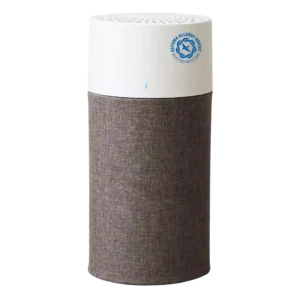
Real-time monitoring was supported by the LED display keeping users updated about air quality.
Pros: indicator lights, ozone-free operation
Cons: scheduling options, true HEPA filter
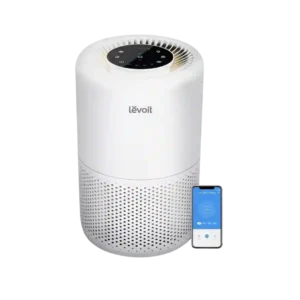
Real-time air quality monitoring is a repeated weakness because the unit lacks onboard air-quality readings or AQI indicators.
Pros: pollen removal, filter availability
Cons: real-time air quality monitoring, aromatherapy feature
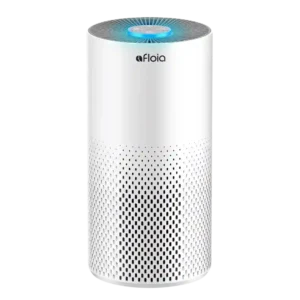
Real-time monitoring is not a meaningful strength here because the unit lacks an air-quality display, leaving users to judge changes by feel or the filter indicator.
Pros: ozone-free operation, UV-C light effectiveness
Cons: real-time air quality monitoring, safety concerns