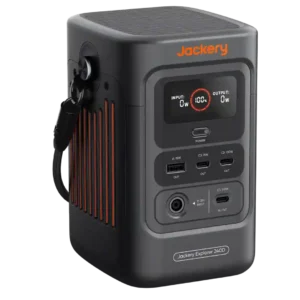
Skipping the AC inverter improves efficiency for USB devices by avoiding DC-to-AC-to-DC conversion. This is a central advantage of the 240D's design.
Pros: power output, rated output
Cons: AC outlet count, repairability
Skipping the AC inverter improves efficiency for USB devices by avoiding DC-to-AC-to-DC conversion. This is a central advantage of the 240D's design.
Pros: power output, rated output
Cons: AC outlet count, repairability
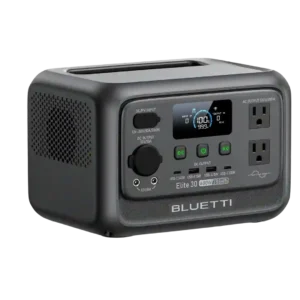
Measured usable energy is generally strong for the class, especially over DC. The efficiency advantage is partly offset by higher-than-expected idle consumption when outputs remain on.
Pros: rated output, output stability
Cons: over-voltage protection, cold-weather performance
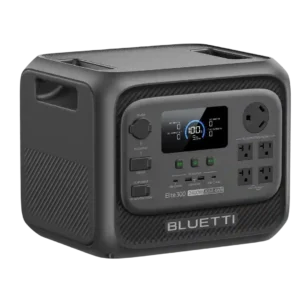
Measured AC efficiency was consistently strong, often around 86-94%, with several testers placing it above average or among the best large stations they had measured.
Pros: surge capacity, voltage regulation
Cons: water resistance, ventilation requirements
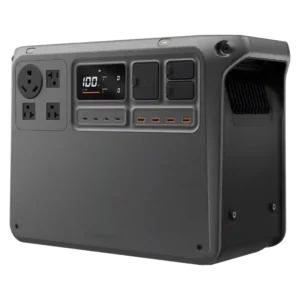
AC efficiency and idle consumption tested well for a station of this size, helping preserve more of the rated capacity.
Pros: rated output, peak output
Cons: startup reliability, full-load noise