If you want better frequency stability
Choose EcoFlow Delta 3 Plus Review. It scores 5.0 vs 1.5 for frequency stability, with a 4.6 overall score.
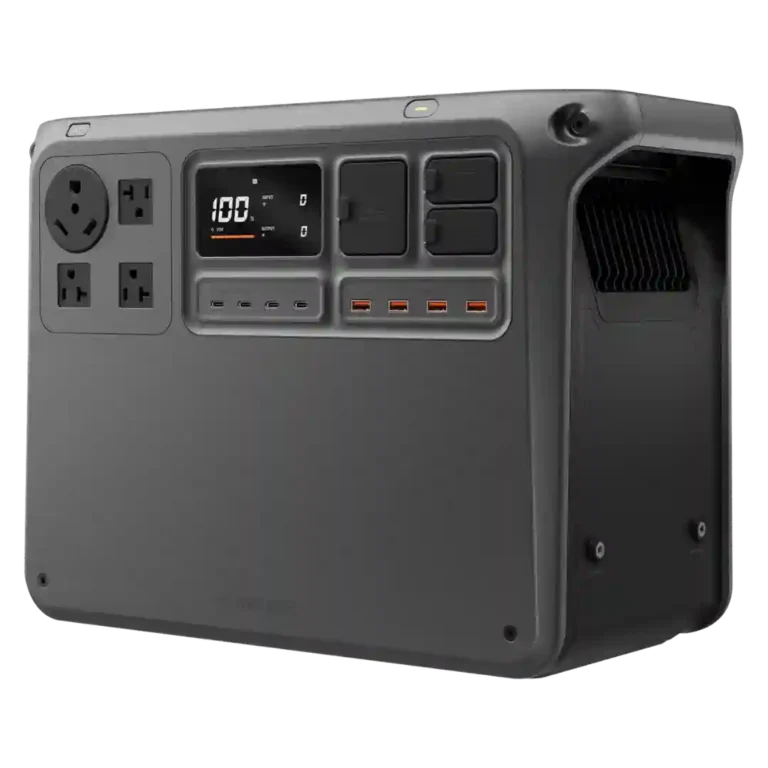
Choose the DJI Power 2000 for quiet 3,000W power, rapid wall charging, dependable UPS backup, and DJI drone integration. Skip it if you need easy one-person carrying, built-in 12V or solar connections, or freedom from proprietary accessories.
Best for drone pilots, creators, RV users, mobile professionals, and households that want quiet 120V backup with fast recharging. It is especially useful when high output, UPS protection, and DJI SDC charging matter.
Not ideal for hike-in camping, frequent stair carrying, buyers who expect built-in 12V and direct solar inputs, or anyone unwilling to manage proprietary accessories. Odor-sensitive indoor users should also weigh the repeated off-gassing complaints.
The DJI Power 2000 is a highly capable mid-sized power station with unusually quiet operation, fast wall charging, strong 3,000W output, a useful 30-amp connection, and seamless UPS performance. It is especially compelling for drone operators, creators, RV users, and households that need dependable 120V backup without generator noise or fumes. Its compact footprint is impressive for 2,048Wh, but the nearly 50-pound weight limits true grab-and-go portability. Solar, 12V, car charging, and some expansion functions depend on proprietary SDC accessories that add cost and may be difficult to find. Most owners report excellent performance, although repeated complaints about off-gassing odor, firmware failures, dead units, and uneven support make seller choice and warranty coverage important.
Compared with other Generators, this product is above average in repairability, car charging speed, runtime at full load, near average in noise level, value for money, below average in replacement parts availability, frequency stability, telescoping handle.
| Attribute | This product | Category average | Difference |
|---|---|---|---|
| replacement parts availability | 1.0 | 4.6 | -3.6 |
| frequency stability | 1.5 | 5.0 | -3.5 |
| telescoping handle | 2.0 | 4.8 | -2.8 |
| full-load noise | 1.0 | 3.6 | -2.6 |
| 12-volt outlet | 1.5 | 3.9 | -2.4 |
| repairability | 5.0 | 2.6 | +2.4 |
| car charging speed | 5.0 | 2.8 | +2.2 |
| heat management | 2.0 | 4.0 | -2.0 |
Choose EcoFlow Delta 3 Plus Review. It scores 5.0 vs 1.5 for frequency stability, with a 4.6 overall score.
Choose AFERIY P280. It scores 5.0 vs 1.5 for solar cable compatibility, with a 4.5 overall score.
Choose Pecron E3600. It scores 5.0 vs 1.0 for replacement parts availability, with a 4.1 overall score.
Choose Jackery Explorer 1000 V2. It scores 5.0 vs 1.5 for 12-volt outlet, with a 4.4 overall score.
Products reviewers directly compared with this model, grouped into quick takeaways.
Yes. Its 3,000W continuous output handled refrigerators, microwaves, kettles, air fryers, power tools, production equipment, and some RV air conditioners. Very hard-start loads or combinations above its limits can still trip it.
Most tests reached about 80% in roughly 55 minutes and a full charge in around 90 minutes. A few tests took longer depending on mode, circuit capacity, or configuration.
Under ordinary loads it is exceptionally quiet and often nearly inaudible. One maximum-load test measured loud 62dB fans, and several customers separately reported an unpleasant operating odor.
Yes. The roughly 10ms automatic switchover repeatedly kept computers, networking equipment, office setups, and other electronics running without a visible interruption.
Its footprint is compact for 2,048Wh, but it weighs about 48 to 50 pounds. The side handles help with short moves, while stairs or longer distances are much easier with a trolley.
Not fully. Solar charging and a conventional 12V socket require SDC adapters or modules, adding cost and using one of the two proprietary SDC ports.
Most owners report dependable performance, but some received dead units, experienced failed ports or firmware bricking, or faced slow support. Other customers described excellent repair and replacement service, so seller and warranty coverage matter.
These are a few of the reviews included in our analysis.




DJI Power 2000 review: we tested performance, fast recharge and solar input on DJI's bigger unit. Another genuinely solid power station from...
The DJI Power 2000 offers fast recharging and multiple ports, making it a practical power solution for filming, travel and remote work
Rating: 4.8/5 When DJI announced the Power 2000 Portable Power Station, I was curious. The brand is best known for its high-quality drones...
The original DJI Power 1000 packed some serious capacity, and with the ability to stack and fast charge DJI devices, there was little not to...
For its size and weight, this portable power station punches like a mule
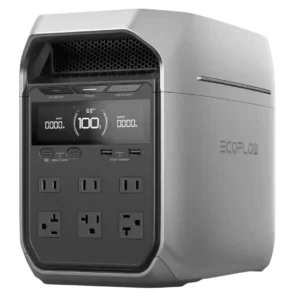
Best for rapid charging, versatile ports, excellent app control, and portable backup for appliances or electronics. Skip it for unattended low-load use or sustained heavy loads unless fan behavior and...
Pros: rated output, peak output
Cons: 30-amp output, parallel operation support
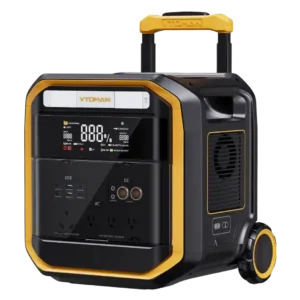
Best for fast-charging, high-output backup power that can run major appliances and roll easily between locations. Skip it if you need frequent lifting, a small footprint, or a screen that...
Pros: power output, surge capacity
Cons: specification accuracy, peak output
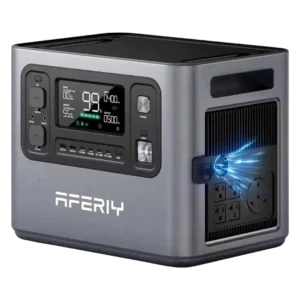
Choose the P280 for high-output home, RV, or off-grid backup with fast charging, strong usable capacity, UPS protection, and expansion. Skip it if you need lightweight portability, polished app control,...
Pros: rated output, peak output
Cons: app connectivity, voltage regulation
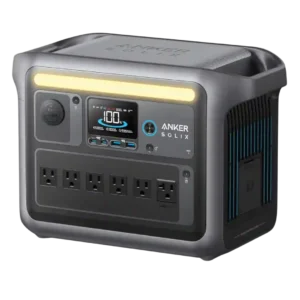
Best for fast charging, strong portable output, and short outage or camping duty. Skip it for quiet rooms, multi-day whole-home backup, or solar-only use with small panels.
Pros: power output, rated output
Cons: dual-input charging, cable storage