#1
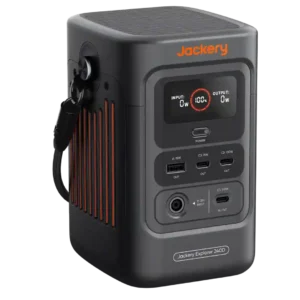
The dedicated solar controller tracks changing panel voltage well and makes effective use of available sunlight. Tests and comparisons consistently favor the proper MPPT input over improvised USB-C solar charging.
Pros: power output, rated output
Cons: AC outlet count, repairability
#2
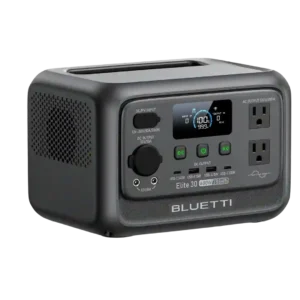
Solar tracking performs well, drawing close to a panel’s available output and continuing to charge effectively in scattered cloud. That makes modest 100W panels practical for topping up the small...
Pros: rated output, output stability
Cons: over-voltage protection, cold-weather performance
#3
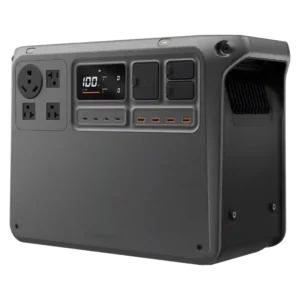
The MPPT accessories can deliver strong input, though one test found mediocre efficiency and customers reported occasional charging glitches.
Pros: rated output, peak output
Cons: startup reliability, full-load noise
#4
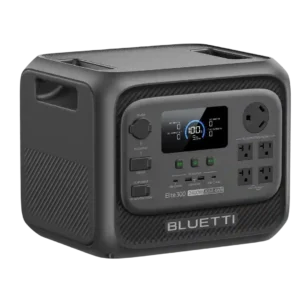
The integrated MPPT controller measured about 81% efficiency in one test. That was better than some competitors but still left noticeable solar energy lost as heat.
Pros: surge capacity, voltage regulation
Cons: water resistance, ventilation requirements