Best for overdrive tuning
MSI MPG 341CQR QD-OLED X36
5.0 feature score
Highest scored product for this feature based on supporting review evidence.
Highest scored product for this feature based on supporting review evidence.
Balances feature score, supporting reviews, and overall product strength.
Has the broadest review evidence for this feature.
Strongest overall product among items with scored evidence for this feature.
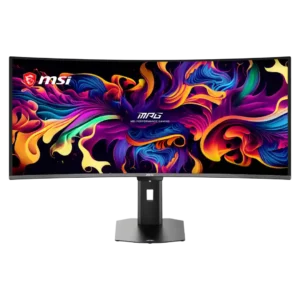
OLED response requires no aggressive overdrive, and transitions remain free of visible overshoot or slow trailing across refresh rates.
Pros: screen size, panel type
Cons: Resolution, cable management
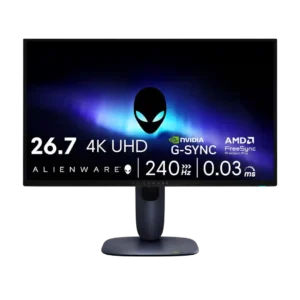
Overdrive behavior was effectively excellent because OLED response consistency created a single-overdrive-style experience.
Pros: response time, contrast
Cons: built-in speakers, software support
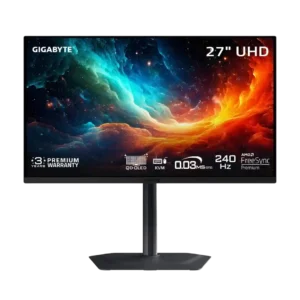
OLED response needs only one overdrive behavior across the refresh range, so there is no need to retune it for different frame rates.
Pros: input lag, viewing angles
Cons: color accuracy, software support
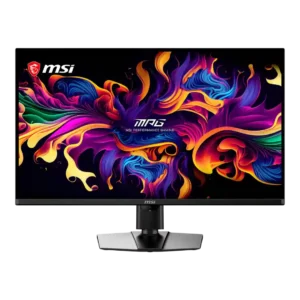
The panel does not require overdrive tuning because OLED transitions are already fast across the refresh range. That removes the overshoot and profile-selection compromises common to LCD monitors.
Pros: panel type, response time
Cons: built-in speakers, curved screen immersion
The default overdrive setting is a sensible all-purpose choice, while the Premium mode adds useful motion clarity for games. Tuning remains conservative enough to avoid severe artifacts.
Pros: VESA mount compatibility, productivity versatility
Cons: HDR performance, local dimming performance
The fast overdrive setting is not recommended: it harms picture clarity without delivering a worthwhile gaming improvement. Normal mode is the safer choice.
Pros: input lag, backlight bleed control
Cons: overdrive tuning, ghosting control