#1

Bass is repeatedly described as unusually punchy for open-ear earbuds, with several reviewers calling it a major upgrade. The tradeoff is that bass can overpower mids and treble for some...
Pros: Android compatibility, Multi-platform compatibility
Cons: Auracast support, Active noise cancellation
#2
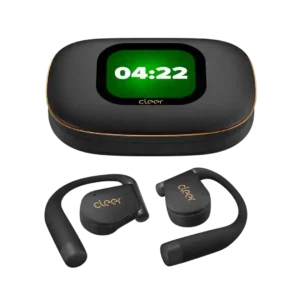
Bass is generally punchier and fuller than expected from an open design, and several reviewers liked its warmth and workout-friendly impact. The main caveat is limited deep-bass rumble, with one...
Pros: Instrument separation, Multipoint connectivity reliability
Cons: Noise isolation (passive)
#3
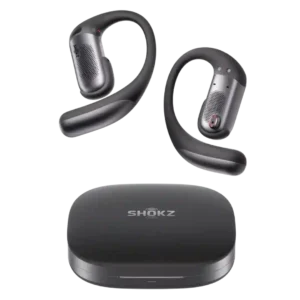
Bass is the standout upgrade: punchier and fuller than most open-ear rivals, especially with Bass Boost. Deep sub-bass remains limited, and a few listeners noticed fuzziness or vibration on bass-heavy...
Pros: Voice assistant integration, Android compatibility
Cons: Maximum volume clarity, Packaging condition
#4
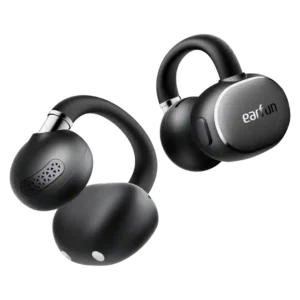
Mid-bass has more punch than many open-ear rivals and can improve further with EQ. Deep sub-bass remains limited, and a few listeners find the stock bass weak or distorted.
Pros: Weight comfort, Hinge durability
Cons: Active noise cancellation, Sensors
#5
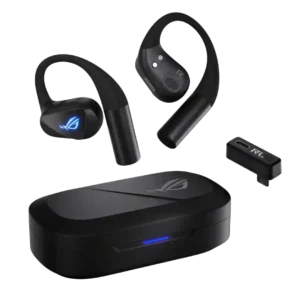
Bass is the most divisive part of the tuning. Phantom Bass can add useful punch, but many reviewers still hear weak sub-bass or thin impact compared with sealed earbuds, while...
Pros: Transparency mode quality, Touch control responsiveness
Cons: Noise isolation (passive), Packaging condition
#6
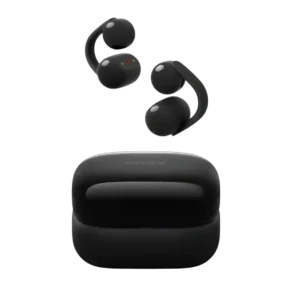
Bass is the main sound weakness: some reviewers found surprising or acceptable bass, but most describe limited low-end impact.
Pros: Transparency mode quality, Maximum volume clarity
Cons: Active noise cancellation, Spatial audio
#7

Low-end performance is the clearest audio weakness: bass is usually described as light, muddy, or missing impact. A few tracks retained audible bass lines, but dense music and windy conditions...
Pros: Weight comfort, Water/sweat resistance rating
Cons: Microphone noise reduction, Equalizer customization