#1
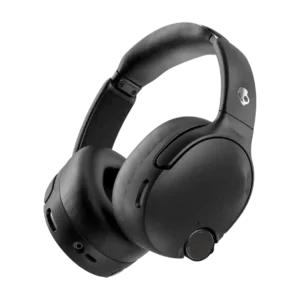
The adjustable haptic bass is the defining strength: it can feel like a subwoofer or live venue without necessarily burying the rest of the mix. Most testers loved it, though...
Pros: Treble clarity, Instrument separation
Cons: Codec support, Headband adjustability
#2
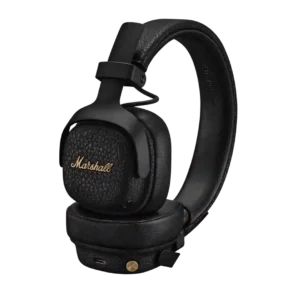
Bass is a defining strength: deep, punchy, and visceral without usually burying vocals. Several reviewers still find the stock low end too heavy.
Pros: Multipoint connectivity reliability, Codec support
Cons: aptX, Smart Pause performance
#3
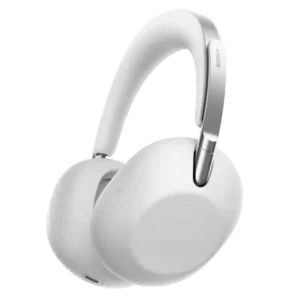
Most reviewers describe the bass as deep, clean, textured, and controlled rather than boomy. A few found its balance uneven or less punchy on complex tracks.
Pros: Microphone noise reduction, Multipoint connectivity reliability
Cons: Water/sweat resistance rating, Gaming performance
#4
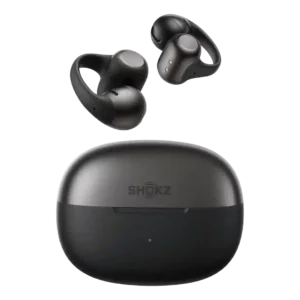
Bass is repeatedly described as unusually punchy for open-ear earbuds, with several reviewers calling it a major upgrade. The tradeoff is that bass can overpower mids and treble for some...
Pros: Android compatibility, Multi-platform compatibility
Cons: Auracast support, Active noise cancellation
#5
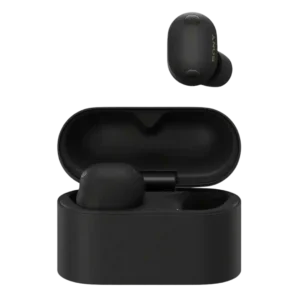
Bass was consistently praised for depth, punch, and control, though a few reviewers found it forward or slightly too loud with ANC enabled.
Pros: Maximum volume clarity, Audio-video sync accuracy
Cons: Sidetone adjustment quality, Software/setup simplicity
#6
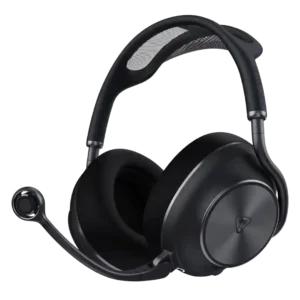
The dual-driver design produces powerful, physical bass that makes games feel cinematic without always sacrificing detail. The stock tuning can be overly boomy, and extreme boost or ANC behavior may...
Pros: Codec support, Packaging quality
Cons: Multipoint connectivity reliability, Replaceable ear plates
#7

Bass is fast, controlled, and capable of real weight, but the tuning is not universally bass-forward. Some listeners may want more warmth and low-end emphasis.
Pros: Sound quality, Midrange clarity
Cons: Software/setup simplicity, Portability/foldability
#8
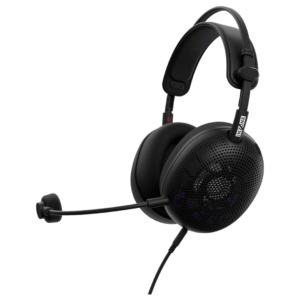
Bass was generally praised as punchy, controlled, and stronger than expected for open-back headphones, though a few reviewers wanted more sub-bass rumble.
Pros: Weight comfort, Battery
Cons: Noise isolation (passive), Sound leakage
#9
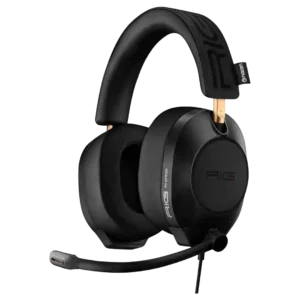
Bass was generally viewed as controlled and satisfying: reviewers heard thump, rumble, and deeper bass without major muddiness, though it was not always described as huge or boomy.
Pros: Audio-video sync accuracy, Battery
Cons: Bluetooth, Active noise cancellation
#10

Bass was usually praised as full, punchy and controlled, though one hands-on reviewer found it too bass-heavy for personal taste.
Pros: Smart Pause performance, Wear detection performance
Cons: Water/sweat resistance rating, Wind noise handling
#11

Bass impressions vary with seal, source, and taste. Many hear deep, controlled sub-bass with satisfying punch, while others want more upper-bass weight, speed, or consistency.
Pros: Hinge durability, Durability over time
Cons: Ear cup swivel/rotation range, Portability/foldability
#12
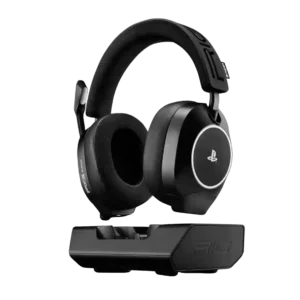
Bass was generally strong and controlled, though one reviewer found the tuning warmer and another noted it is not a boomy headset by default.
Pros: Spatial audio, Positional audio accuracy
Cons: Carry case quality, Detachable microphone convenience
#13
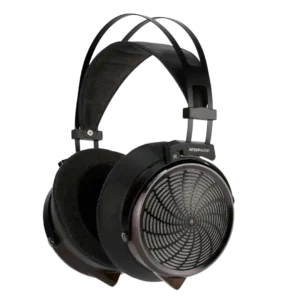
Bass reaches deep with good texture and control, but physical slam is more restrained than bass-heavy dynamic headphones. The tuning favors warmth and definition over subwoofer-like impact.
Pros: Overall satisfaction, Glasses and hat compatibility
Cons: Travel friendliness, Sound leakage
#14
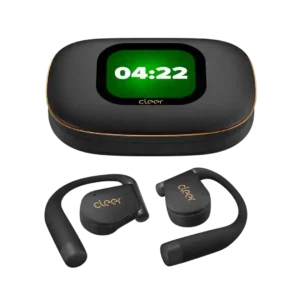
Bass is generally punchier and fuller than expected from an open design, and several reviewers liked its warmth and workout-friendly impact. The main caveat is limited deep-bass rumble, with one...
Pros: Instrument separation, Multipoint connectivity reliability
Cons: Noise isolation (passive)
#15
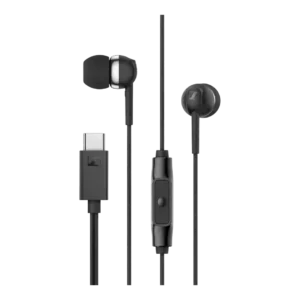
Bass was generally described as clean, responsive, punchy, and powerful, though both transcripts noted the deepest sub-bass lacked some weight.
Pros: Comfort during long use, USB-C
Cons: Microphone noise reduction, Water/sweat resistance rating
#16
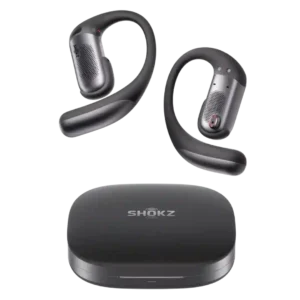
Bass is the standout upgrade: punchier and fuller than most open-ear rivals, especially with Bass Boost. Deep sub-bass remains limited, and a few listeners noticed fuzziness or vibration on bass-heavy...
Pros: Voice assistant integration, Android compatibility
Cons: Maximum volume clarity, Packaging condition
#17

Bass is usually described as warm and usable, yet opinions split on impact: some hear strong, detailed low end while others find it light, vague, or lacking depth.
Pros: Frequency response accuracy, Clamping force comfort
Cons: Volume output, aptX
#18
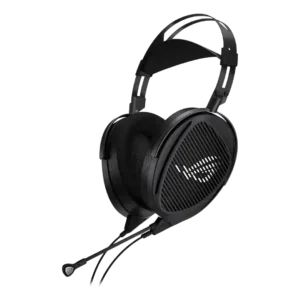
Bass is fast, clean, and easy to separate from the rest of the mix, but stock sub-bass and physical rumble divide listeners. A DAC or modest EQ can add satisfying...
Pros: Maximum volume clarity, Frequency response accuracy
Cons: Active noise cancellation, Bluetooth
#19
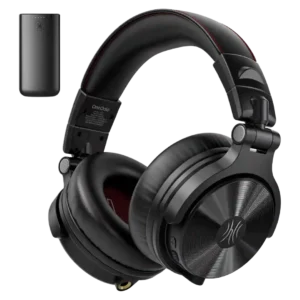
Bass was often described as punchy, controlled, forceful or engaging, but some reviewers found it ill-defined, lighter than classic DJ cans, or lacking low-end level.
Pros: Battery, Detachable cable convenience
Cons: Active noise cancellation, Transparency mode quality
#20
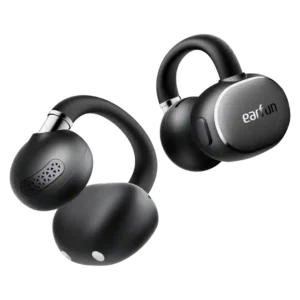
Mid-bass has more punch than many open-ear rivals and can improve further with EQ. Deep sub-bass remains limited, and a few listeners find the stock bass weak or distorted.
Pros: Weight comfort, Hinge durability
Cons: Active noise cancellation, Sensors
#21
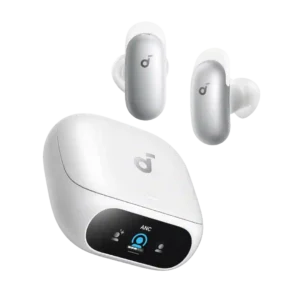
Bass is powerful and often fun, with several owners praising its punch and depth. Others find the default tuning too bass-heavy, muddy, or lacking definition.
Pros: Maximum volume clarity, Noise isolation (passive)
Cons: Apple H2 chip support, Treble clarity
#22

Bass is deep, punchy, and fun for hip-hop, electronic music, movies, and workouts. It is also the biggest dividing line, with the default low end often sounding too boomy or...
Pros: Maximum volume clarity, Charging
Cons: 3.5mm analog input availability, Cable quality
#23
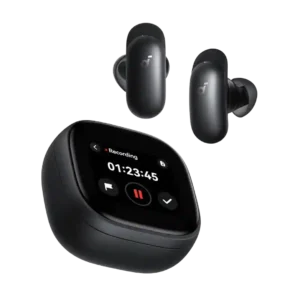
Bass is a defining part of the tuning: fans liked the punch and depth, but several testers said the default curve is too bass-heavy. A few felt the low end...
Pros: Microphone noise reduction, Stability
Cons: Lossless audio support, Spatial audio
#24
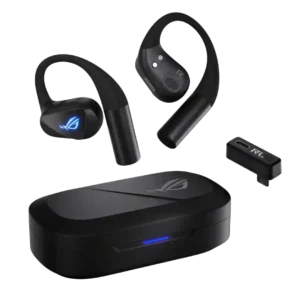
Bass is the most divisive part of the tuning. Phantom Bass can add useful punch, but many reviewers still hear weak sub-bass or thin impact compared with sealed earbuds, while...
Pros: Transparency mode quality, Touch control responsiveness
Cons: Noise isolation (passive), Packaging condition
#25

Bass was the most common audio weakness: reviewers heard usable bass, but several found it flat, not strong, or lacking in sub-bass impact.
Pros: Wireless latency, Weight comfort
Cons: Microphone noise reduction, Multipoint connectivity reliability
#26
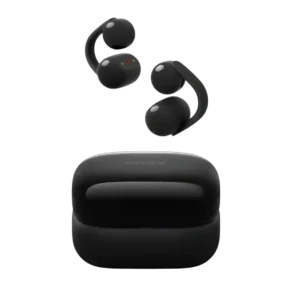
Bass is the main sound weakness: some reviewers found surprising or acceptable bass, but most describe limited low-end impact.
Pros: Transparency mode quality, Maximum volume clarity
Cons: Active noise cancellation, Spatial audio
#27

Bass performance is a weakness in the full listening review, where the low end muddied when volume and energy rose.
Pros: Audio-video sync accuracy, Battery
Cons: Carry case quality, Maximum volume clarity
#28
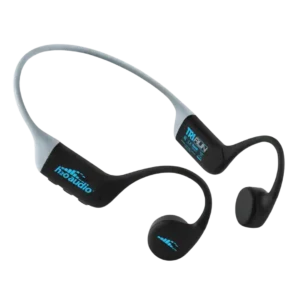
Low-end performance is the clearest audio weakness: bass is usually described as light, muddy, or missing impact. A few tracks retained audible bass lines, but dense music and windy conditions...
Pros: Weight comfort, Water/sweat resistance rating
Cons: Microphone noise reduction, Equalizer customization