
Multipoint is a standout success, switching smoothly between two phones or across phone, tablet, and computer setups.
Pros: Multipoint connectivity reliability, Codec support
Cons: aptX, Smart Pause performance
Showing Over-Ear Headphones only. Switch back to all Headphones & Earbuds anytime.
Multipoint is a standout success, switching smoothly between two phones or across phone, tablet, and computer setups.
Pros: Multipoint connectivity reliability, Codec support
Cons: aptX, Smart Pause performance
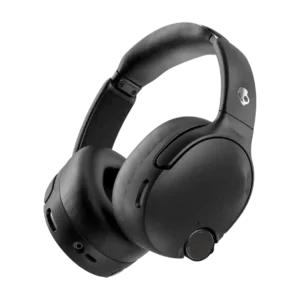
Multipoint switching worked flawlessly in direct testing between an Android phone and an iPhone. Playback handed off cleanly without needing to reconnect devices.
Pros: Treble clarity, Instrument separation
Cons: Codec support, Headband adjustability
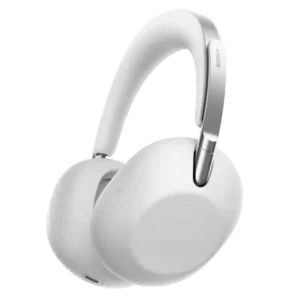
Multipoint connectivity can handle two devices cleanly, and at least one long-form test reported flawless operation.
Pros: Microphone noise reduction, Multipoint connectivity reliability
Cons: Water/sweat resistance rating, Gaming performance

Two-device switching is one of the strongest practical features, with laptop-and-phone handoffs repeatedly described as effortless or reliable. Adapter priority can affect media behavior in one setup.
Pros: Frequency response accuracy, Clamping force comfort
Cons: Volume output, aptX

Multipoint usually switches quickly and seamlessly between phones and computers. Some tests found buggy handoffs or required playback to be paused on the first device.
Pros: Maximum volume clarity, Charging
Cons: 3.5mm analog input availability, Cable quality

Multipoint was positively noted because LDAC remained available with dual-device use rather than forcing a lower-quality codec.
Pros: Smart Pause performance, Wear detection performance
Cons: Water/sweat resistance rating, Wind noise handling
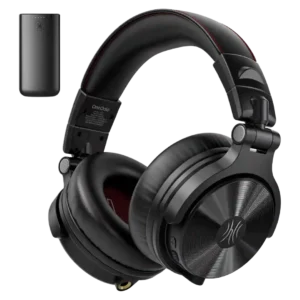
Multipoint was appreciated for convenience, but reviewers noted tradeoffs: LDAC can disable it, and some app-supported features only work in Bluetooth mode.
Pros: Battery, Detachable cable convenience
Cons: Active noise cancellation, Transparency mode quality