Choose it for exceptional battery life, deep app customization, punchy sound and capable travel ANC. Skip it if you want neutral tuning, a relaxed clamp or a protective hard case without waiting for a discount.
Best for
Best for commuters, travelers, feature tinkerers, and listeners who enjoy energetic bass but are willing to use EQ. The huge battery and strong low-frequency ANC suit long days away from a charger.
Not for
Skip it for neutral or highly analytical sound, maximum comfort on a large head, or flagship-level cancellation of voices and sharp noises. Buyers who need a protective hard case should also look elsewhere.
Verdict
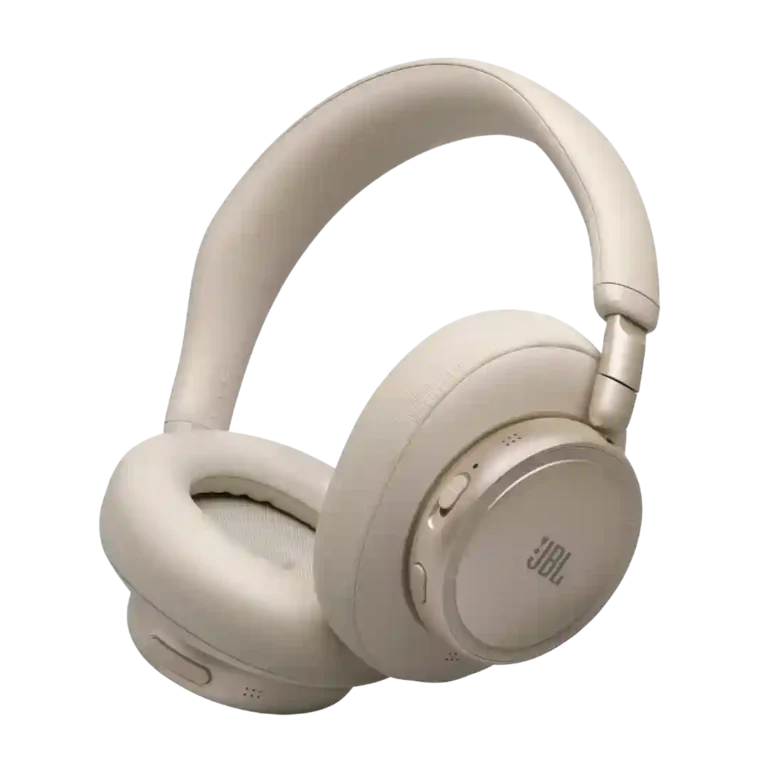
The JBL Live 780NC is one of the most complete midrange wireless packages here, pairing exceptional endurance with a sturdy metal-hinged build, a feature-rich app, reliable multipoint and effective low-frequency noise cancellation. Its sound is lively, clear and often impressive for the price, while the excellent EQ makes it easy to reshape. The tradeoff is that the default bass can dominate vocals and complex mixes, and comfort varies sharply: plush earcups help, but the firm clamp and lightly padded headband bother some listeners over time. Spatial audio also works better for movies and games than music, and the thin pouch feels cheap. At a good discount it is a standout all-rounder; at full price, sound and comfort rivals deserve consideration.
The software package feels unusually close to flagship territory, with Personi-Fi, Relax Mode, low-volume EQ, call tuning, Auracast, spatial modes, wear detection, and extensive remapping.
Battery life is the clearest strength, repeatedly lasting days to roughly a week and broadly validating the 50-hour ANC and 80-hour non-ANC claims. Quick charging also adds hours from a brief top-up.
The app’s 10-band or semi-parametric EQ is unusually flexible, with custom curves, saved presets, and hearing-based personalization. That control matters because it can quickly tame the heavy default bass.
The JBL Headphones app is a standout strength, combining ANC controls, EQ, Personi-Fi, spatial modes, call tuning, Relax Mode, and control remapping. Setup was generally clear and reliable.
Bluetooth range, stability, and pairing are widely praised, with connections holding well away from the source. The newest radio also supports a broad modern feature set.
Long battery life, effective low-frequency ANC, folding earcups, and quick charging make these especially well suited to commuting and flights. The soft pouch is the main travel compromise.
Button control usability: 4.7, 12 reviews, strong consensus
The physical volume, power, and ANC controls are repeatedly praised for tactile feedback and intuitive placement. The hybrid layout is easier to operate by feel than many touch-only designs.
Metal hinges and sliders, tight seams, and a creak-free frame give the headphones a sturdier feel than many midrange rivals. Plastic remains visible, but the overall construction inspires confidence.
Hinge durability: 4.6, 7 reviews, strong consensus
Metal hinges and sliders are a standout construction detail, giving the folding mechanism a sturdier feel than the all-plastic joints common at this price.
Wear detection is typically fast and reliable across devices, pausing when the headphones come off and resuming when they return. Hair or hats can create skin-contact quirks.
Ear cup padding quality: 4.5, 16 reviews, strong consensus
The ear cushions are widely described as soft, plush, and roomy. They can feel shallow or warm for some ears, but the padding itself is consistently praised.
Design and Aesthetics: 4.5, 15 reviews, strong consensus
The colorful, retro-leaning design stands out from anonymous black headphones and often looks more premium than expected. A few assessments still found the plastic styling ordinary or firmly midrange.
Multipoint usually switches quickly and seamlessly between phones and computers. Some tests found buggy handoffs or required playback to be paused on the first device.
Wired hi-res playback can sound airier, more precise, and more detailed than standard wireless listening. The headphones still need power for processing and do not behave like a conventional passive pair.
Overall sentiment is strongly positive, with the package often exceeding expectations for completeness and polish. Lukewarm reactions focus mainly on price, default bass, or comfort.
The earcups swivel flat and the frame folds down enough to fit easily in a bag. The soft pouch limits protection, but the hardware itself travels well.
Game-oriented spatial processing and low-latency modes can sharpen footsteps, gunshots, and directional placement. Gaming tests found the presentation engaging and easy to localize.
The headphones are widely seen as a compelling midrange all-rounder with premium-level features and battery life. The main reservations are bass-heavy tuning, clamp pressure, and stronger-value rivals at full price.
Ambient Aware is often praised for natural, clear awareness and quick switching. Some tests heard a more occluded or artificial presentation than premium models, especially in the upper frequencies.
Imaging is generally accurate, with clear center and left-right placement and particularly strong directional cues in gaming. Layering between the main positions is less impressive.
Small logos, clean lines, and several subdued colors make the headphones easy to wear without loud branding. Brighter finishes add personality for buyers who want more visual impact.
At discounted regional prices, the headphones often feel like a bargain because of their battery, app, codecs, and build. Around $250–$300, the crowded field offers credible alternatives with stronger sound or comfort.
Microphone quality for calls: 4.2, 15 reviews, moderate consensus
Call quality is generally clear and dependable, with strong results in busy outdoor settings. Compared with premium rivals, voices can sound slightly processed or less natural.
Detail is strong for the class, especially with LDAC or wired playback, and background elements are often easy to pick out. Analytical listeners may still want more fine texture and air.
Auracast adds useful sharing and broadcast options, including links with compatible JBL speakers. It generally works once configured, though setup or LE Audio switching can require retries.
The sound is lively, punchy, and expressive enough to keep energetic music engaging. Its smoother tuning can slightly soften the biggest dynamic swings.
Most listening tests found clear, lively, satisfying sound that performs above its midrange positioning. A smaller group considered it merely solid or disappointing at full price because the bass-forward balance obscures refinement.
Background suppression performs well against traffic, cafés, and general outdoor noise while often keeping speech intelligible. In extremely loud conditions it can become aggressive and clip the voice.
Separation is usually clear and layered, particularly with LDAC or wired playback. Dense, bass-heavy mixes can still collapse into congestion when the default tuning overwhelms the mids.
The mix of metal, smooth plastics, silicone, and leatherette often looks and feels more expensive than expected. The plastic-heavy shell still reads as midrange to some users.
Active noise cancellation: 4.0, 24 reviews, strong consensus
ANC is strongest against steady low rumbles from trains, planes, traffic, fans, and air conditioning. Voices and sharper sounds can still leak through, but performance is unusually capable for the price.
Comfort during long use: 4.0, 19 reviews, low consensus
Plush pads and moderate weight let many people wear the headphones for hours. Others develop headband pressure or clamp fatigue after 30 minutes to a few hours, so comfort depends heavily on head shape.
Touch control responsiveness: 4.0, 10 reviews, low consensus
The touch surface is generally responsive and highly customizable. Missed light taps and accidental triggers can occur because the active area is large.
A desktop amplifier tightened the low end and improved instrumental separation, though the headphones still behave more like a smart wireless model than a passive audiophile design.
The optional Smart TX transmitter can add wireless audio to planes, old TVs, and other non-Bluetooth sources. It is potentially useful, though its extra cost is substantial.
Vocals and instruments are usually clear, full, and easy to follow. On bass-heavy tracks, the strong low end can push singers backward or bleed into the lower mids.
Frequency response accuracy: 3.9, 7 reviews, low consensus
The tuning favors energy over neutrality, with elevated bass and sometimes recessed mids. It becomes more balanced and natural with the Studio preset or a custom EQ.
LDAC can improve clarity, separation, and detail on compatible Android devices. It may also cause occasional dropouts, use more power, and disable some personalized or spatial features.
The presentation can feel pleasantly wide and open for a closed-back model, especially with spatial modes. Other tests found the native stage average or narrow, so expectations should stay realistic.
Glasses and hat compatibility: 3.7, 3 reviews, moderate consensus
Glasses comfort is mixed: the fit can be easy for some users, while the snug clamp creates pressure for others. Hats may also interfere with wear detection.
Ambient Aware, TalkThru, Relax Mode, and automatic behaviors add real everyday convenience. TalkThru is the most divisive because its playback behavior can feel awkward.
Treble is usually clean and non-fatiguing, but opinions vary on its balance. It can sound crisp, slightly hot in the lower treble, or short on upper-treble air and detail.
Bass is deep, punchy, and fun for hip-hop, electronic music, movies, and workouts. It is also the biggest dividing line, with the default low end often sounding too boomy or overpowering until EQ is applied.
Spatial modes work best for movies and gaming, where they add scale, envelopment, and clearer positional cues. Music mode is much more divisive and is often subtle, artificial, blurred, or harmful to the mix.
Wind performance varies: some call tests stayed clear with little audible wind, while others heard intrusion or saw transparency mode disengage. Strong gusts remain the harder case.
Clamping force comfort: 3.2, 18 reviews, low consensus
The firm clamp keeps the headphones secure and can work well for walking or exercise. It is also the most repeated comfort complaint, with larger heads especially likely to feel pressure over time.
Replacement information is inconsistent: one test says the pads can be swapped, while another could not remove them and found no third-party options. Buyers prioritizing serviceability should verify current parts support.
The current metal-hinge construction looks promising, but a previous Live model failed after two years of daily use. Long-term durability of this new model is therefore not yet proven.
Workout heat and sweat buildup: 2.8, 6 reviews, low consensus
Warmth and sweat are fit- and climate-dependent. Some users report clammy or hot faux leather, while an outdoor exercise test found surprisingly little sweat buildup.
Included accessories: 2.7, 9 reviews, low consensus
The USB-C-to-3.5mm cable is useful, but the missing charging cable and thin pouch draw repeated criticism. One package included a charging cable, suggesting regional contents may vary.
Most assessments warn that there is no confirmed IP rating, making heavy sweat or rain a risk. One video claimed splash resistance, but that conflicts with multiple other sources.
3.5mm analog input availability: 1.8, 2 reviews, limited evidence
There is no native 3.5mm socket, which disappointed listeners who wanted a standard analog connection. Wired listening instead uses the included USB-C-to-3.5mm cable and still requires power.
Compared With Category Average
Compared with other Over-Ear Headphones, this product is above average in Sensors, Wear detection auto-pause, Wear detection performance, near average in Comfort during long use, Value for money, below average in 3.5mm analog input availability, Carry case quality, Headband padding quality.
Summary
87 compared features
Above average0.4+ pts higher
38(44%)
Same as averagewithin 0.3 pts
33(38%)
Below average0.4+ pts lower
16(18%)
Largest category differences
Attribute
This product
Category average
Difference
3.5mm analog input availability
1.8
3.8
-2.0
Sensors
5.0
3.1
+1.9
Wear detection auto-pause
5.0
3.2
+1.8
Wear detection performance
4.6
3.1
+1.5
Smart Pause performance
5.0
3.3
+1.7
Carry case quality
2.4
3.7
-1.3
Headband padding quality
2.6
3.9
-1.3
Equalizer customization
4.8
3.8
+1.0
Consider This Instead
If you want better 3.5mm analog input availability
Choose Sony 1000X The Collexion. It scores 4.5 vs 1.8 for 3.5mm analog input availability, with a 4.2 overall score.
Better: comfort and premium feelBose is more premium and comfortable, while JBL competes on ANC and battery.
FAQ
How long does the battery last?
The 50-hour ANC and 80-hour non-ANC claims were broadly supported, with several tests stretching across many days or about a week. A five-minute charge typically adds around four hours.
How good is the noise cancellation?
It is very effective against steady low rumbles such as engines, traffic, trains, fans, and air conditioning. Voices, announcements, and other higher-frequency sounds remain more audible than on the best Sony, Bose, or Apple models.
Is the sound very bass-heavy?
Yes, the default tuning often emphasizes bass enough to crowd vocals or dense mixes. The Studio preset or custom 10-band EQ can produce a cleaner, more balanced presentation.
Are the headphones comfortable for hours?
The ear cushions are plush and many people wore them for hours, but comfort is inconsistent. The firm clamp and limited headband padding can create pressure, especially on larger heads.
What can the JBL Headphones app customize?
It covers ANC and transparency levels, a detailed EQ, Personi-Fi hearing calibration, spatial modes, Relax Mode, call voice settings, control remapping, wear detection, Auracast, and latency options.
Can they be used with a wired source?
Yes, through the included USB-C-to-3.5mm cable, and wired playback can sound cleaner and more detailed. There is no native 3.5mm socket, and the headphones must remain powered on.
Sample Expert Reviews We Analyzed
These are a few of the reviews included in our analysis.

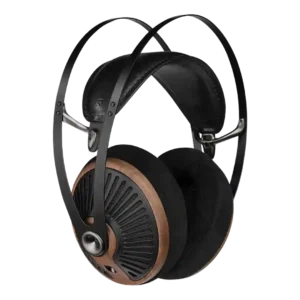
Choose the 105 Silva for beautiful, repairable construction, superb comfort, easy driveability, and an engaging spacious sound. Skip it if you need isolation, balanced connectivity, heavy sub-bass, or consistently smooth...
Best for spacious, detailed home listening, excellent comfort, and premium construction. Skip it for commuting, private shared-space use, built-in voice chat, or subwoofer-like bass impact.
Pros: Overall satisfaction, Glasses and hat compatibility
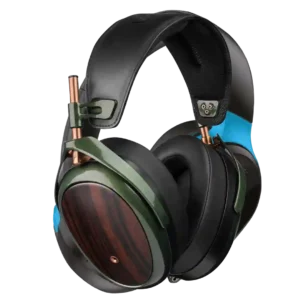
Choose the Strada for premium build, long-session comfort, strong isolation and an unusually spacious closed-back presentation. Skip it if you have a small head, dislike energetic treble, or want consistently...
Pros: Hinge durability, Durability over time
Cons: Ear cup swivel/rotation range, Portability/foldability
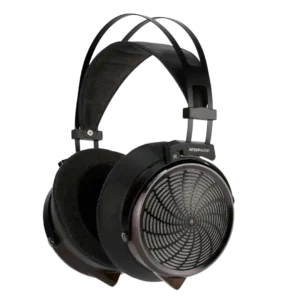
Best for huge open-back bass, spacious imaging, and featherweight comfort with a serious amplifier. Skip it if $3,499, proprietary cables, or headband hotspots outweigh its rare bass-and-space combination.