Best for wired
eufy 4K NVR Security Camera System S4 Max
4.9 feature score
Highest scored product for this feature based on supporting review evidence.
Highest scored product for this feature based on supporting review evidence.
Balances feature score, supporting reviews, and overall product strength.
Has the broadest review evidence for this feature.
Strongest overall product among items with scored evidence for this feature.
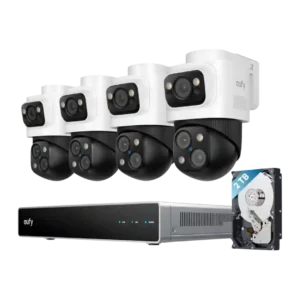
The wired design was viewed as worth the effort by reviewers who prioritized reliability, no batteries, and dependable security.
Pros: Detection range, Recording start-time lag
Cons: ONVIF/RTSP support, HomeKit integration
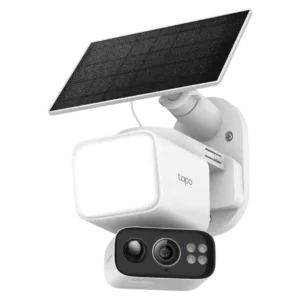
Wire-free operation was one of the strongest themes, with reviewers repeatedly praising the lack of electrical wiring or outlet requirements.
Pros: Speaker volume, Lens distortion correction
Cons: Field of view, Detection range
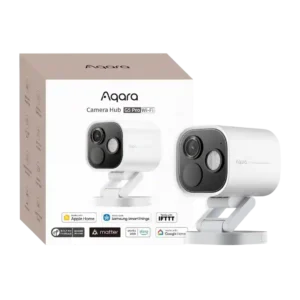
Wired operation was valued for reliability and speed, especially over PoE, though wired power also creates placement constraints.
Pros: Durability, Low-light performance
Cons: Power options (solar panel), PTZ (pan/tilt/zoom) control responsiveness
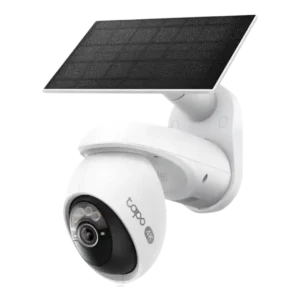
Reviewers liked the wire-free design because it avoided running cables and made placement easier.
Pros: On-device processing (AI), Installation and Mounting
Cons: ONVIF/RTSP support, HomeKit integration
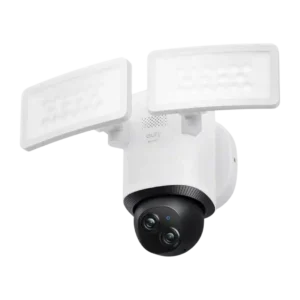
The hardwired design was a tradeoff: it limits flexibility but supports reliable power, stronger lighting, and continuous recording.
Pros: Cloud storage plan value, Dual-band (2.4/5GHz) performance
Cons: HomeKit integration, ONVIF/RTSP support
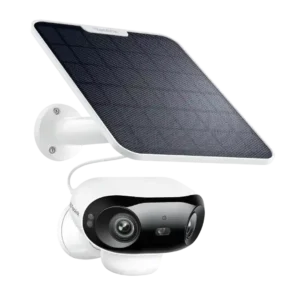
Wired alternatives were recommended by one reviewer for buyers who prioritize stable, long-term 24/7 surveillance over wireless convenience.
Pros: Connectivity options, Detection range
Cons: HomeKit integration, Continuous recording capability
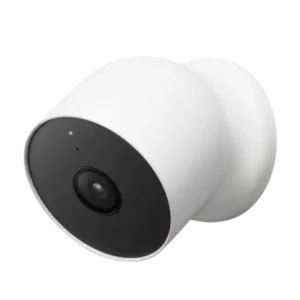
Wired operation is useful because it can provide constant power and unlock continuous-history use when paired with the right plan.
Pros: False alert filter effectiveness, Operating temperature range
Cons: IFTTT/automation compatibility, HomeKit integration
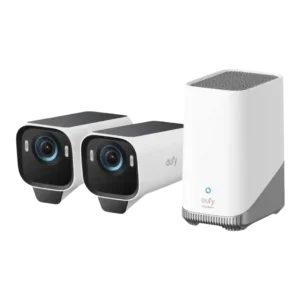
Wired use adds useful 24/7 recording support, but reviewers treated it mainly as an optional powered mode rather than the default experience.
Pros: Low-light performance, Color accuracy
Cons: Speaker volume, Frame rate
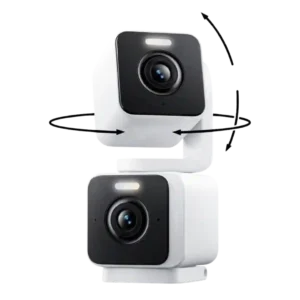
Wired power earned mixed notes: USB-C was welcomed, but outdoor use required a separately rated power supply.
Pros: Installation and Mounting, Articulation range
Cons: ONVIF/RTSP support, Connectivity options
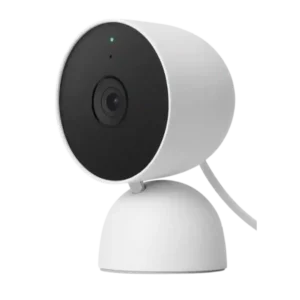
The wired design avoids battery maintenance but limits placement and uses a non-replaceable cord.
Pros: Low-light performance, Notification speed
Cons: Recording start-time lag, PTZ (pan/tilt/zoom) control responsiveness
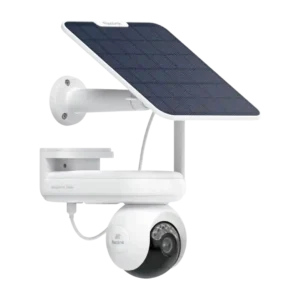
Wired power was mixed: reviewers liked wire-free use, but several noted the lack of a true wired option as a drawback.
Pros: Recording start-time lag, Smart home accessory compatibility
Cons: Optical zoom performance, HomeKit integration
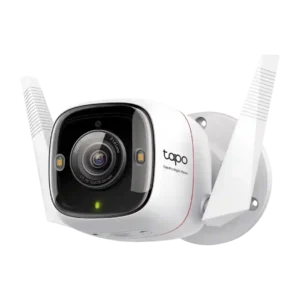
The wired design was a tradeoff: it avoids battery concerns but requires an outlet and can make installation more constrained.
Pros: Detection range, On-device features
Cons: HomeKit integration, PoE
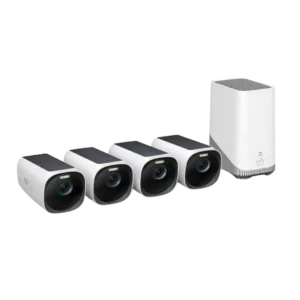
The wired requirement is a drawback for the hub, which must connect to the router by Ethernet rather than Wi-Fi.
Pros: Cloud storage plan value, Weather resistance rating (IP code)
Cons: Recording start-time lag, Pre-event recording length
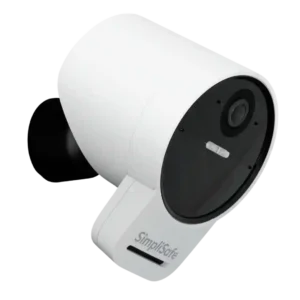
AndroidGuys found the required hard-lined power for Active Guard to be the biggest setup issue.
Pros: Weather resistance rating (IP code), System scalability
Cons: Pre-event recording length, HomeKit integration
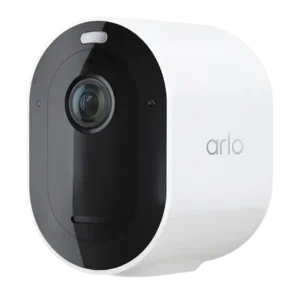
Wired use is not a strength: one reviewer specifically warns that the charging cable is not rated for outdoor permanent use.
Pros: Notification speed, Event recording reliability
Cons: Mesh network compatibility, Customer support responsiveness