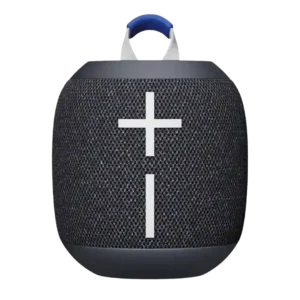
Backward and cross-generation pairing evidence was positive, with reviewers noting Wonderboom 3 and 4 units can pair for stereo sound.
Pros: Google, Dust resistance rating
Cons: Wired input, Remote control usability
Backward and cross-generation pairing evidence was positive, with reviewers noting Wonderboom 3 and 4 units can pair for stereo sound.
Pros: Google, Dust resistance rating
Cons: Wired input, Remote control usability
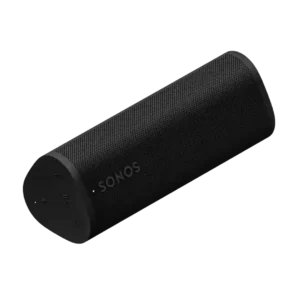
Backward compatibility was positive where mentioned, with the Roam 2 able to pair with the original Roam for stereo use.
Pros: Voice assistant responsiveness, Wi-Fi streaming reliability
Cons: Wired input, Float capability
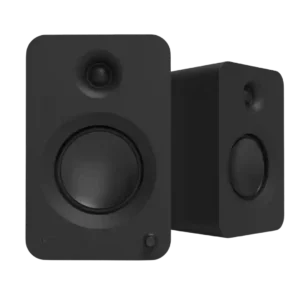
The optical legacy input was valued as a useful way to connect older devices.
Pros: HDMI ARC, Stereo imaging accuracy
Cons: Surround sound simulation, Bluetooth codec support

Backward compatibility evidence was mixed: one review said it fit existing JBL ecosystems, while another criticized incompatibility with Xtreme 3 direct pairing.
Pros: Bluetooth range, App reliability
Cons: Bluetooth codec support, Omnidirectional sound

Backwards compatibility was a drawback because some older Sonos devices are not compatible with the S2-based Arc setup.
Pros: Multi-speaker pairing reliability, Spotify Connect reliability
Cons: Gaming HDMI passthrough, Video passthrough support
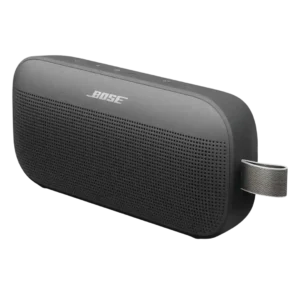
Backwards compatibility was a clear weakness because reviewers repeatedly noted that Gen 2 stereo pairing does not work with the old Flex.
Pros: Bluetooth connection stability, Dust resistance rating
Cons: Wired input, Power bank function

Backwards compatibility is weak because one reviewer notes it cannot pair with older JBL PartyBoost speakers.
Pros: Setup simplicity, Latency with TV (lip sync)
Cons: Speakerphone quality, Microphone
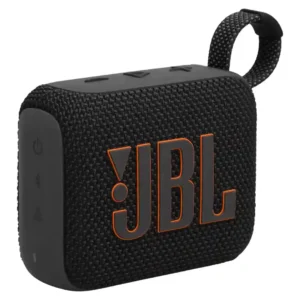
Auracast works with newer compatible JBL speakers, but it does not connect with older PartyBoost models. Owners of legacy JBL speakers may not be able to mix them into the...
Pros: Voice clarity, Multipoint connectivity
Cons: Cohesive presentation, Soundstage height
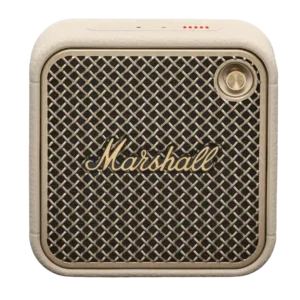
Backwards compatibility was weakly reviewed because the lack of wired audio makes the speaker less useful with older playback devices.
Pros: Status indicators, Bluetooth connectivity
Cons: Wired input, Power bank function