Best for Backwards compatibility
Marshall Bromley 450
5.0 feature score
Highest scored product for this feature based on supporting review evidence.
Highest scored product for this feature based on supporting review evidence.
Balances feature score, supporting reviews, and overall product strength.
Has the broadest review evidence for this feature.
Strongest overall product among items with scored evidence for this feature.
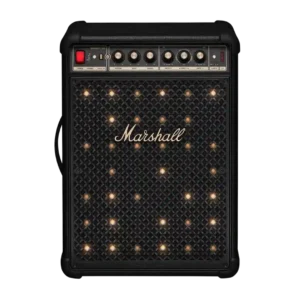
The battery is interchangeable with the Bromley 750, a cross-model convenience that was explicitly appreciated and makes spare-pack ownership more useful.
Pros: Stereo imaging accuracy, Multi-speaker pairing reliability
Cons: Remote control usability, Bluetooth codec support
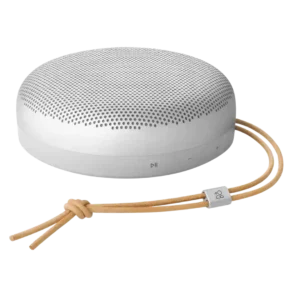
Backwards compatibility was a clear plus because multiple reviewers valued pairing the 3rd Gen with the older A1 2nd Gen.
Pros: Multi-speaker pairing reliability, Handle or strap quality
Cons: Wi-Fi streaming reliability, AirPlay compatibility
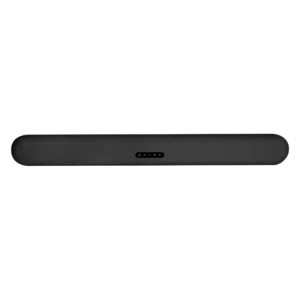
Backward compatibility was supported by praise for legacy optical and RCA input support alongside modern HDMI eARC.
Pros: Distortion at high volume, Voice clarity
Cons: Spotify Connect reliability, Chromecast compatibility
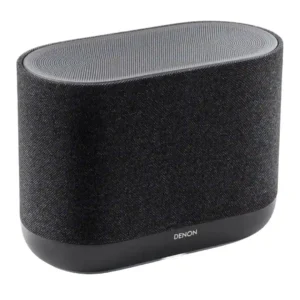
The refreshed speaker keeps working with first-generation Denon Home models, which makes system expansion feel straightforward for existing HEOS owners.
Pros: Dialogue clarity (for TV/soundbar use), Setup simplicity
Cons: Battery life (if portable), Water resistance rating
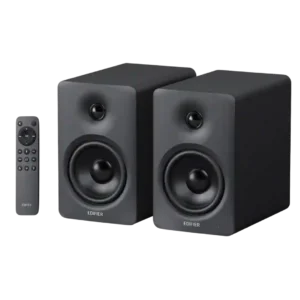
AUX and optical inputs make it easy to use turntables with preamps, older media players, and legacy televisions.
Pros: HDMI ARC, Low-volume performance
Cons: AirPlay compatibility, Wi-Fi streaming reliability
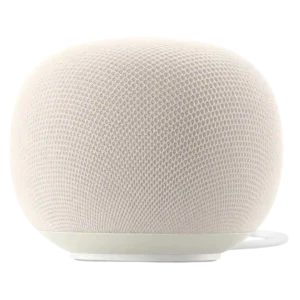
The speaker fits neatly into existing Google and Nest setups, preserving useful compatibility with older ecosystem devices.
Pros: Wi-Fi streaming reliability, Inter-speaker connectivity
Cons: Wired input, Frequency response balance
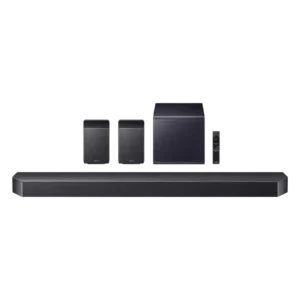
Compatibility beyond Samsung is positive in limited evidence, with one reviewer saying it works fine with non-Samsung TV products.
Pros: Multi-speaker pairing reliability, Gaming HDMI passthrough
Cons: Google, Cabinet construction / bracing
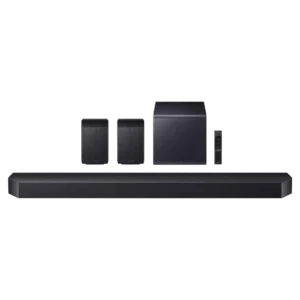
Support for older DTS and lossless disc formats keeps legacy movie collections usable.
Pros: Loudness / maximum volume, Stereo imaging accuracy
Cons: Smart assistant integration (Alexa, Status indicators
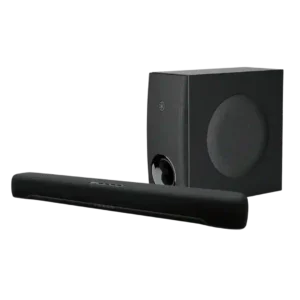
One reviewer says its connection options make it useful with older and newer TVs.
Pros: Inter-speaker connectivity, Stereo imaging accuracy
Cons: Status indicators, Distortion at high volume
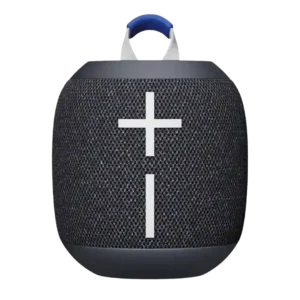
Backward and cross-generation pairing evidence was positive, with reviewers noting Wonderboom 3 and 4 units can pair for stereo sound.
Pros: Google, Dust resistance rating
Cons: Wired input, Remote control usability
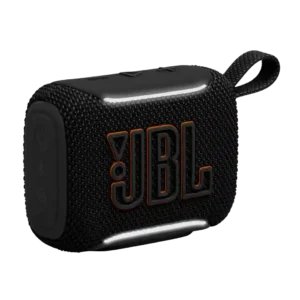
Auracast can synchronize the Go 5 with several current JBL models, including the Go 4. AirTouch stereo requires two Go 5 units, and older PartyBoost speakers are excluded.
Pros: Google, Latency with TV (lip sync)
Cons: Charging cable inclusion, Chromecast compatibility
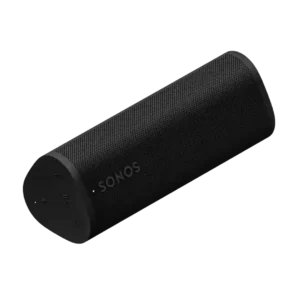
Backward compatibility was positive where mentioned, with the Roam 2 able to pair with the original Roam for stereo use.
Pros: Voice assistant responsiveness, Wi-Fi streaming reliability
Cons: Wired input, Float capability
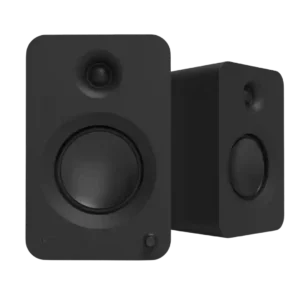
The optical legacy input was valued as a useful way to connect older devices.
Pros: HDMI ARC, Stereo imaging accuracy
Cons: Surround sound simulation, Bluetooth codec support
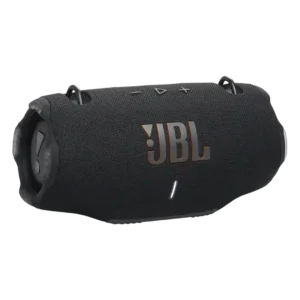
Backward compatibility evidence was mixed: one review said it fit existing JBL ecosystems, while another criticized incompatibility with Xtreme 3 direct pairing.
Pros: Bluetooth range, App reliability
Cons: Bluetooth codec support, Omnidirectional sound
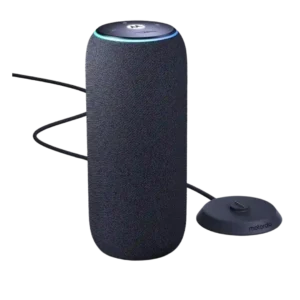
Standard Bluetooth and Wi-Fi remain useful on ordinary phones, but the most distinctive UWB features are limited by phone compatibility, especially for older Android phones and iPhones.
Pros: Setup simplicity, Design and aesthetics
Cons: Status indicators, Backwards compatibility
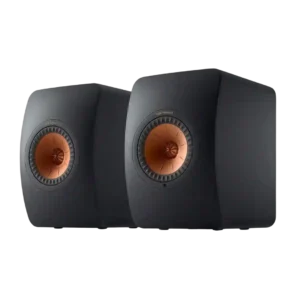
The main backwards-compatibility concern is long-term software support for earlier wireless LS50 owners and whether app support will continue.
Pros: AirPlay compatibility, Chromecast compatibility
Cons: Spotify Connect reliability, Status indicators

Backwards compatibility was a drawback because some older Sonos devices are not compatible with the S2-based Arc setup.
Pros: Multi-speaker pairing reliability, Spotify Connect reliability
Cons: Gaming HDMI passthrough, Video passthrough support
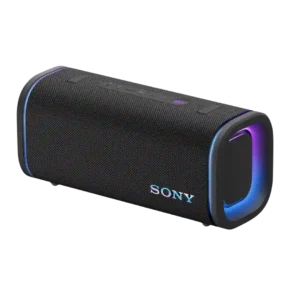
Party Connect gives the Field 5 useful Sony ecosystem support, but one reviewer calls out the inability to connect it to the ULT Field 1.
Pros: Latency with TV (lip sync), Multi-speaker pairing reliability
Cons: Energy efficiency, Amplifier power requirements
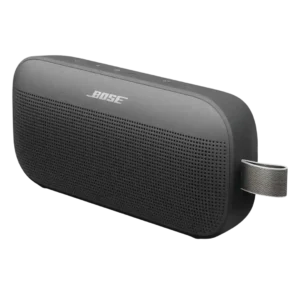
Backwards compatibility was a clear weakness because reviewers repeatedly noted that Gen 2 stereo pairing does not work with the old Flex.
Pros: Bluetooth connection stability, Dust resistance rating
Cons: Wired input, Power bank function

Backwards compatibility is a clear weakness, with reviewers repeatedly criticizing the inability to pair with older JBL PartyBoost speakers.
Pros: Latency with TV (lip sync), Setup simplicity
Cons: Smart assistant integration (Alexa, Speakerphone quality
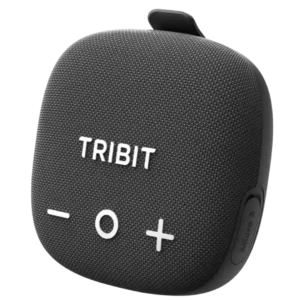
Backwards compatibility is a clear weakness because reviewers complained it cannot pair with the Micro 2 or other Tribit models.
Pros: Stereo imaging accuracy, Setup simplicity
Cons: Wired input, Backwards compatibility
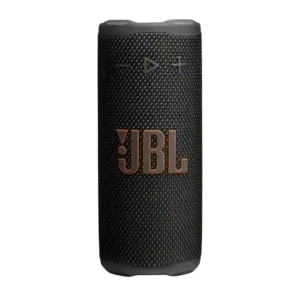
Backwards compatibility is weak because Auracast-era pairing does not work with older PartyBoost JBL models.
Pros: Setup simplicity, Bluetooth connection stability
Cons: Wired input, Power bank function
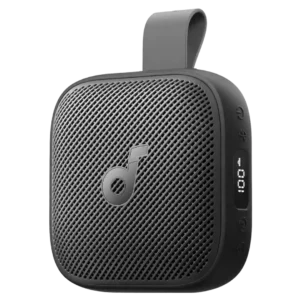
Backwards compatibility was a notable weakness because Auracast support did not help it work with older PartyCast Soundcore speakers.
Pros: Smart features, Lighting effects
Cons: Speakerphone quality, Microphone
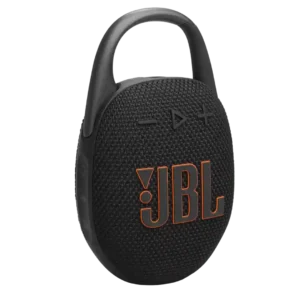
Backwards compatibility is weak because one reviewer notes it cannot pair with older JBL PartyBoost speakers.
Pros: Setup simplicity, Latency with TV (lip sync)
Cons: Speakerphone quality, Microphone
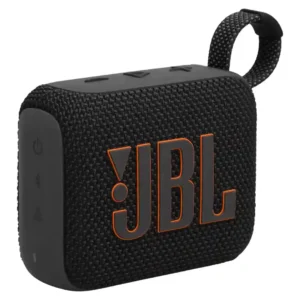
Auracast works with newer compatible JBL speakers, but it does not connect with older PartyBoost models. Owners of legacy JBL speakers may not be able to mix them into the...
Pros: Voice clarity, Multipoint connectivity
Cons: Cohesive presentation, Soundstage height
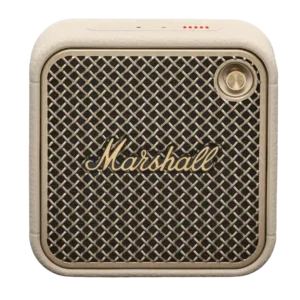
Backwards compatibility was weakly reviewed because the lack of wired audio makes the speaker less useful with older playback devices.
Pros: Status indicators, Bluetooth connectivity
Cons: Wired input, Power bank function

Backwards compatibility was criticized because a Move Gen 1 cannot stereo-pair with a Move 2.
Pros: Latency with TV (lip sync), Wi-Fi streaming reliability
Cons: Chromecast compatibility, Google
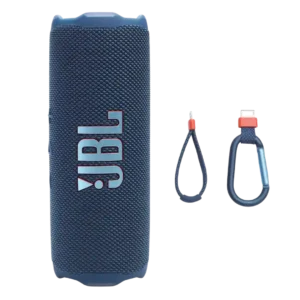
Backwards compatibility is a clear weakness because reviewers repeatedly call out that Flip 7 cannot pair with older JBL PartyBoost speakers.
Pros: Google, Dust resistance rating
Cons: Backwards compatibility, Stereo imaging accuracy

Backwards compatibility is a clear weakness because Xtreme 5 loses older PartyBoost pairing that Xtreme 4 supported.
Pros: Dust resistance rating, Low-volume performance
Cons: Speakerphone quality, Backwards compatibility