#1
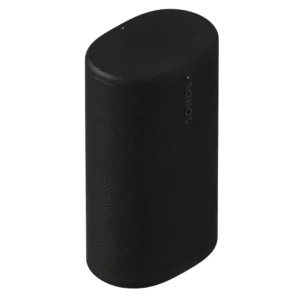
Reviewers generally hear a balanced, polished presentation with clear mids and treble plus satisfying low-end weight. A few find the default tuning more V-shaped or bass-forward than neutral.
Pros: Dialogue clarity (for TV/soundbar use), Multi-speaker pairing reliability
Cons: Surround sound simulation, Protective case inclusion
#2
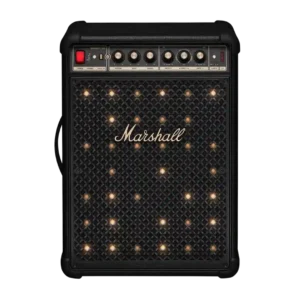
The tuning is generally warm, balanced, and energetic, with clean mids and crisp highs. A few listeners found close-up sound harsher or wanted small EQ adjustments.
Pros: Stereo imaging accuracy, Multi-speaker pairing reliability
Cons: Remote control usability, Bluetooth codec support
#3
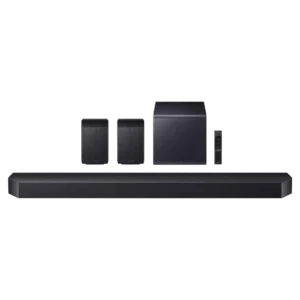
The overall tuning is crisp, balanced, and controlled, with warm vocals and tight bass rather than a muddy or boomy presentation.
Pros: Loudness / maximum volume, Stereo imaging accuracy
Cons: Smart assistant integration (Alexa, Status indicators
#4

The tonal balance is praised repeatedly, with deep but controlled bass, breathable mids, and detailed audio rather than a bass-heavy portable-speaker profile.
Pros: Setup simplicity, Design and aesthetics
Cons: Status indicators, Backwards compatibility
#5
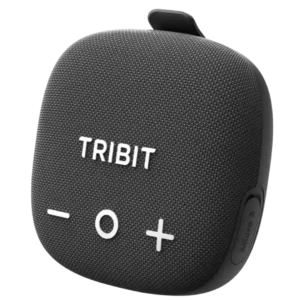
Most reviewers praised the tonal balance as fuller, punchier, and cleaner than expected from a tiny speaker, with only XBass/muffled tuning caveats.
Pros: Stereo imaging accuracy, Setup simplicity
Cons: Wired input, Backwards compatibility
#6

The sound balance is broadly praised for stronger, deeper bass with clear mids and highs, though a few reviewers found it too booming, muffled, or less balanced indoors.
Pros: Dust resistance rating, Low-volume performance
Cons: Speakerphone quality, Backwards compatibility
#7
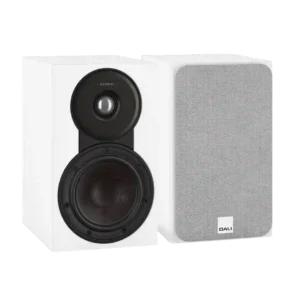
The overall balance is rich, natural and full without obvious excess. A mild upper-frequency emphasis keeps it from sounding perfectly neutral in every setup.
Pros: Distortion at high volume, Dynamic headroom
Cons: Warranty support, Included accessories
#8

The tuning is generally warm, clear, and mid-forward, with clean highs and enjoyable bass for the size. Deep lows remain limited, and Playtime Boost can make the balance thin.
Pros: Google, Latency with TV (lip sync)
Cons: Charging cable inclusion, Chromecast compatibility
#9
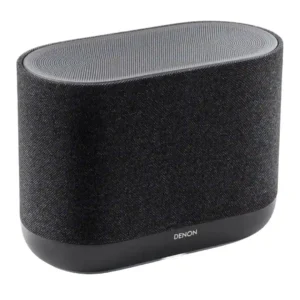
The Home 400 generally comes across as balanced, warm, clear, and smooth across the range. The main tonal caveat is bass control, which can feel a little too strong or...
Pros: Dialogue clarity (for TV/soundbar use), Setup simplicity
Cons: Battery life (if portable), Water resistance rating
#10
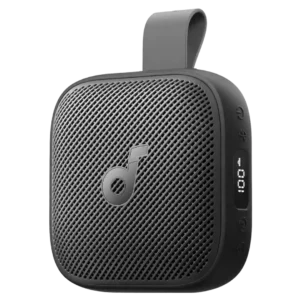
Sound balance was mostly good for size, but reviews repeatedly noted tradeoffs such as reduced bass at high volume or weaker treble/detail.
Pros: Smart features, Lighting effects
Cons: Speakerphone quality, Microphone
#11
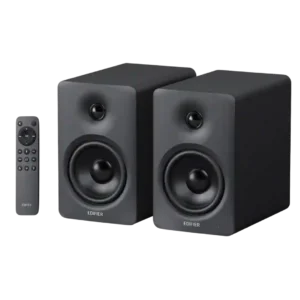
The overall tuning is warm-neutral or broadly balanced, with strong bass and clear vocals. Depending on preset and placement, the mid-high range can sound cool, dry, recessed, or slightly rough,...
Pros: HDMI ARC, Low-volume performance
Cons: AirPlay compatibility, Wi-Fi streaming reliability
#12

The most repeated sonic complaint is a cold, bright, bass-and-treble-heavy balance with weak midrange warmth. Careful EQ can improve it, but several reviewers still found the presentation aggressive or metallic.
Pros: Chromecast compatibility, Spotify Connect reliability
Cons: Rear speaker cable length, Gaming HDMI passthrough
#13

Critical listeners describe the tuning as dark, thin, or tinny, with exaggerated mids and subdued treble detail in some tracks.
Pros: Wi-Fi streaming reliability, Inter-speaker connectivity
Cons: Wired input, Frequency response balance