#1
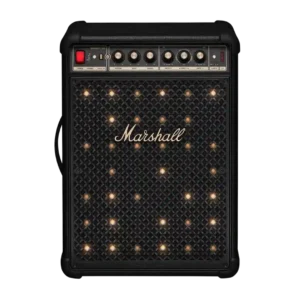
Wired connectivity is unusually comprehensive, with AUX, RCA, USB-C, and dual XLR/6.35mm inputs turning the speaker into a capable karaoke, DJ, or small-performance rig.
Pros: Stereo imaging accuracy, Multi-speaker pairing reliability
Cons: Remote control usability, Bluetooth codec support
#2
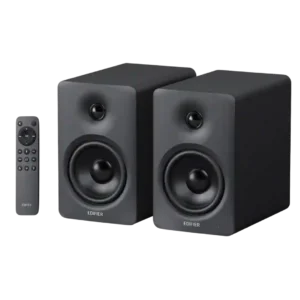
HDMI eARC, optical, USB-C, AUX, and sub-out cover nearly every desktop, TV, and legacy source. Multiple devices can remain connected and be switched without moving cables.
Pros: HDMI ARC, Low-volume performance
Cons: AirPlay compatibility, Wi-Fi streaming reliability
#3

USB-C audio provides clearer lossless wired playback from compatible devices, an uncommon bonus in such a small budget speaker. Activating it requires holding the play button while connecting the cable,...
Pros: Google, Latency with TV (lip sync)
Cons: Charging cable inclusion, Chromecast compatibility
#4
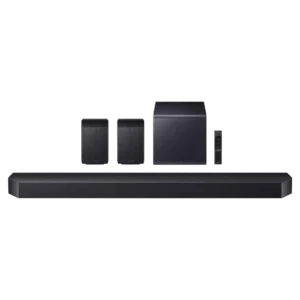
The HDMI connection is preferred for maximum quality and stability, though the recessed ports can feel tight with bulky cables or streaming sticks.
Pros: Loudness / maximum volume, Stereo imaging accuracy
Cons: Smart assistant integration (Alexa, Status indicators
#5
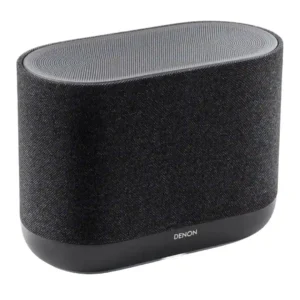
Wired flexibility is a plus thanks to AUX and USB-C for local playback or adapters. The options are useful, though the lack of built-in Ethernet and HDMI limits some setups.
Pros: Dialogue clarity (for TV/soundbar use), Setup simplicity
Cons: Battery life (if portable), Water resistance rating
#6
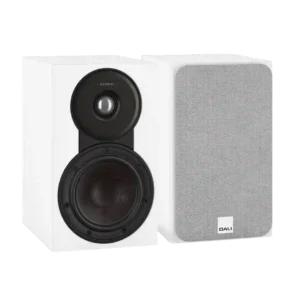
The single-wire binding posts are simple and well made, and most reviewers did not see the lack of bi-wiring as a serious loss. Cable enthusiasts may still prefer a more...
Pros: Distortion at high volume, Dynamic headroom
Cons: Warranty support, Included accessories
#7

USB-C wired audio is appreciated, especially for lossless use, but the lack of a 3.5mm aux input and single-port design drew complaints.
Pros: Dust resistance rating, Low-volume performance
Cons: Speakerphone quality, Backwards compatibility
#8
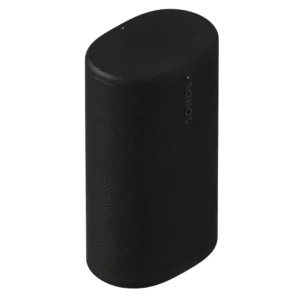
Wired input is useful for sources such as turntables, but the implementation is not frictionless. Reviewers repeatedly note the need for a separate adapter and limitations around direct USB audio.
Pros: Dialogue clarity (for TV/soundbar use), Multi-speaker pairing reliability
Cons: Surround sound simulation, Protective case inclusion
#9
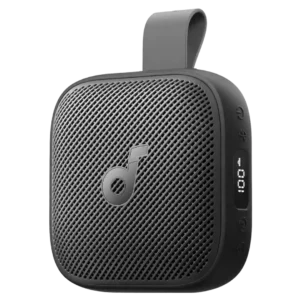
Wired input was a weakness because reviewers stated the USB-C port cannot be used for wired audio, although one did not consider that a major issue at this size.
Pros: Smart features, Lighting effects
Cons: Speakerphone quality, Microphone
#10
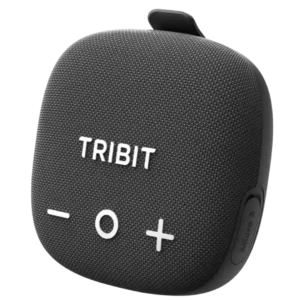
The only wired-input evidence was negative: one reviewer flagged the lack of aux input as something some buyers will care about.
Pros: Stereo imaging accuracy, Setup simplicity
Cons: Wired input, Backwards compatibility
#11
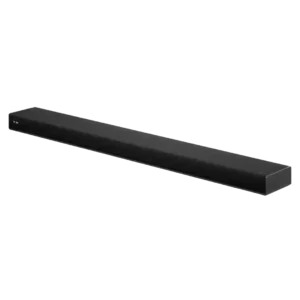
Wired connectivity is sparse: the H7 offers eARC and USB-A but no optical, Ethernet, analog input, or extra HDMI sockets. That minimalist approach may frustrate complex theater setups.
Pros: Chromecast compatibility, Spotify Connect reliability
Cons: Rear speaker cable length, Gaming HDMI passthrough
#12

There is no aux or USB audio input; the USB-C connection is for power only.
Pros: Wi-Fi streaming reliability, Inter-speaker connectivity
Cons: Wired input, Frequency response balance