#1
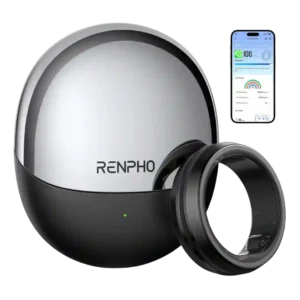
Blood oxygen tracking was viewed positively where evaluated, with one review calling readings consistent with pulse oximeters and another finding metrics very close to comparison devices.
Pros: activity reminders, charging speed
Cons: swimming tracking, workout mode variety
#2
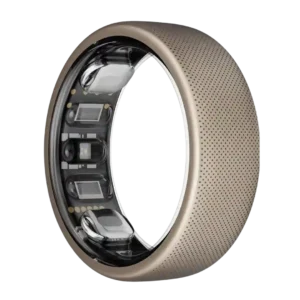
Blood oxygen tracking was viewed as broadly in line with expectations or comparable devices where reviewers discussed it with sentiment.
Pros: distance tracking accuracy, pairing reliability
Cons: automatic workout detection, activity reminders
#3
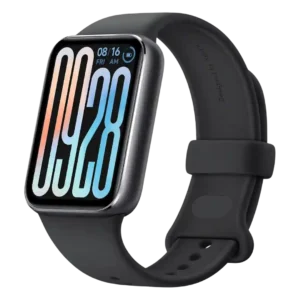
Blood oxygen tracking was generally seen as useful for broad wellness monitoring, but reviewers cautioned about clinical-grade reliability and occasional uncertainty.
Pros: workout mode variety, durability
Cons: activity reminders, calorie tracking usefulness
#4
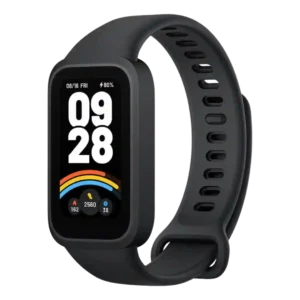
Blood oxygen tracking was treated as useful guidance rather than clinical data, with one reviewer praising all-day SpO2 as rare at the price.
Pros: alarm function, data syncing reliability
Cons: connected GPS reliability, GPS accuracy
#5
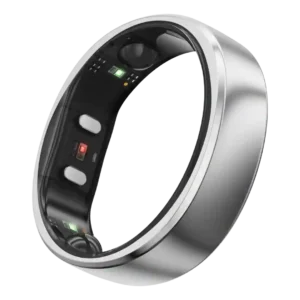
Blood oxygen tracking was mixed, with one reviewer finding it on point across key metrics and another saying SpO2 estimates were off during sleep apnea checks.
Pros: subscription value, weight
Cons: Strava compatibility, third-party app compatibility
#6
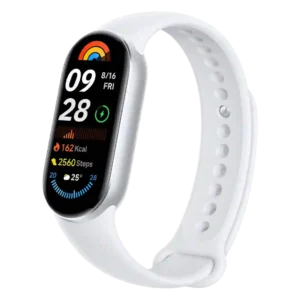
Blood oxygen tracking was mixed: some reviewers found readings within range or accurate, while others saw questionable low readings and weak confidence.
Pros: subscription value, cadence tracking
Cons: fit, GPS accuracy
#7
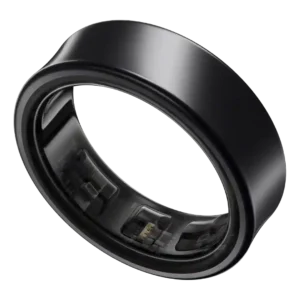
Blood oxygen tracking was one of the weaker health metrics, with repeated reports of unreliable, wildly low, or consistently off SpO2 readings.
Pros: weight, charging convenience
Cons: sleep apnea monitoring, calorie tracking usefulness